N3: Exam 3
 Call Kai
 Learn
Learn Practice Test
 Spaced Repetition
 Match
Match Flashcards
 Knowt Play
1/68

Earn XP
Description and Tags
Week 5 material
Name | Mastery | Learn | Test | Matching | Spaced | Call with Kai | Chat |
|---|
No analytics yet
Send a link to your students to track their progress
69 Terms
CV System: Structures and Function — What is the mnemonic for remembering artery function?
"Arteries Going Away" (from the heart)
Blood Pressure — What is Systolic pressure the result of?
A contraction of the ventricles
Diastolic
The pressure when the ventricles are at rest
What is considered normal BP?
Less than 120/80 mmHg
BP should be taken
1. While Sitting.
2. At the same time each day
3. Feet lay flat on the floor
4. No crossing legs
DETERMINANTS OF BP
• Pumping action of the heart
• Peripheral Vascular Resistance
• Blood Volume
• Blood Viscosity
FACTORS AFFECTING BP
• Age: older adults
• Exercise
• Stress
• Race
• Gender
• Medications
• Obesity
• Medical conditions
• Thinking Nurse! Which of the following factor is modifiable?
HYPERTENSION: RISK FACTORS Modifiable Risk
Factors
Diet
Excessive Sodium, Fat & Alcohol intake
Tobacco use
Sedentary lifestyle
Obesity
Stress
HYPERTENSION: RISK FACTORS Non-Modifiable Risk
Factors
Age
Gender
Family history
Ethnicity
Medical Conditions
Types of HTN — Elevated BP
120–129 / <80 mmHg check
Stage I hypertension
130–139 / 80–89 mmHg
Stage II hypertension
≥140 / ≥90 mmHg
Hypertension Crisis
>180 / >120 mmHg (requires immediate medical attention)
Thinking Nurse:
When/How the diagnosis of HTN can be made?
Primary HTN — Age of onset?
Age onset > 40 y/o
Primary HTN — What is known about its exact cause?
Exact causes unknown but has strong connection to family history
What perentage of ppl suffer from primary HTN
90 – 95% of all HTN
What percentage of ppl suffer from secondary HTN
5 – 10% of all HTN
Secondary HTN — Age of onset?
Age onset < 30 y/o
Secondary HTN due to specific causes
• GI (liver cirrhosis)
• Renal (renal artery stenosis, CKD, nephrotic)
• Endocrine (thyroid, Cushing, pheochromocytoma)
• Neuro (brain tumor, traumatic brain injury)
• Pregnancy
• Sleep apnea
• Medications and illicit drugs
HYPERTENSION Clinical manifestations
•Usually a__________ “Silent Killer”
•Fatigue, dizziness, palpitations, dyspnea
•Severe HA, N/V, seizure, confusion, coma
nosebleeds = Hypertensive encephalopathy
Thinking Nurse
Which information should the nurse include when teaching a patient with newly diagnosed hypertension?
a. Increasing physical activity will control blood pressure (BP) for most patients.
b. Most patients are able to control BP through dietary changes.
c. Annual BP checks are needed to monitor treatment effectiveness.
d. Hypertension is usually asymptomatic until target organ damage occurs
HYPERTENSION
Non-Pharmacological Therapy (“Lifestyle Modifications”)
• Weight reduction
• DASH and low sodium diet
• Moderate ETOH
• Physical activity
• Avoid tobacco
• Stress management
HYPERTENSION PHARMACOLOGICAL TREATMENT
• Diuretics
• Adrenergic Antagonists/Blockers
• RAAS Drugs
• Calcium Channel Blockers
RAAS DRUGS
ACE-Inhibitors
Angiotensin II Receptor Blockers
Direct Renin Inhibitor
Aldosterone Antagonist
RAAS DRUGS ACE-Inhibitors
Benazepril, Captopril, Enalapril, Lisinopril
RAAS DRUGS: Angiotensin II Receptor Blockers
Candesartan, Losartan, Olmesartan, Valsartan
RAAS DRUGS: Direct Renin Inhibitor
Aliskiren
RAAS DRUGS: Aldosterone Antagonist
Spironolactone, Eplerenone
ADRENERGIC ANTAGONISTS/BLOCKERS
Alpha Blockers
Beta Blockers
Alpha/Beta Blockers
Central Acting Alpha Blockers
Adrenergic Antagonists/Blockers — Name the Alpha Blockers
Doxazosin (Cardura), terazosin (Hytrin), prazosin
(Minipress)
ADRENERGIC ANTAGONISTS/BLOCKERS - Beta Blockers - Selective vs non-selective
Selective beta1 = atenolol, bisoprolol, esmolol, metoprolol
Non-selective (beta1 and beta2)= propranolol
ADRENERGIC ANTAGONISTS/BLOCKERS Alpha/Beta Blockers
carvedilol and labetalol
ADRENERGIC ANTAGONISTS/BLOCKERS Central Acting Alpha Blockers
Clonidine
Methyldopa (do not get confused with levadopa and
carbidopa used for….?)
CALCIUM CHANNEL BLOCKERS
DiHydroPyridines
Non-Dihydropyridines
DiHydroPyridines nemonic
“Doesn’t Hurt Pulse”
CALCIUM CHANNEL BLOCKERS
DiHydroPyridines
amlodipine (Norvasc)
felodipine (Plendil)
nifedipine (Procardia, Adalat)
CALCIUM CHANNEL BLOCKERS: Non-Dihydropyridines
verapramil (Calan)
diltiazem (Cardizem)
CALCIUM CHANNEL BLOCKERS Both classes
Both Classes → arteriolar dilation → ↓BP
DIURETICS
•Thiazide and Thiazide-like diuretics
•Loop diuretics
•Potassium-Sparing diuretics
Thiazide and Thiazide-like diuretics
first line
– Hydrochlorothiazide
– Chlorothiazide
Loop diuretics
– Furosemide
– Torsemide
– bumetanide
Potassium-Sparing diuretics
Spironolactone
Thinking Nurse
The nurse is caring for an 80-year-old
patient who has just begun taking a thiazide
diuretic to treat hypertension. What is an
important aspect of care for this patient?
a. Encouraging increased fluid intake
b. Increasing activity and exercise
c. Initiating a fall risk protocol.
d. Providing a low potassium diet
HTN NURSING DIAGNOSIS
• ________ cardiac output
• ________ tissue perfusion
• ________ intolerance
• ________ knowledge
• Acute pain
• Disturbed sensory perception: vision
Remember! All nursing diagnosis has 3 parts- R/T and AEB
HTN NURSING INTERVENTION
• Education is the key
• Health care promotion HOW?
• Collaborative management
Registered dietician for ____________
Physical therapist for ____________
Pharmacist for ______________
HYPERLIPIDEMIA:
PATHOPHYSIOLOGY
LDL ↑ risk of atherosclerosis
HDL ↓ risk of atherosclerosis
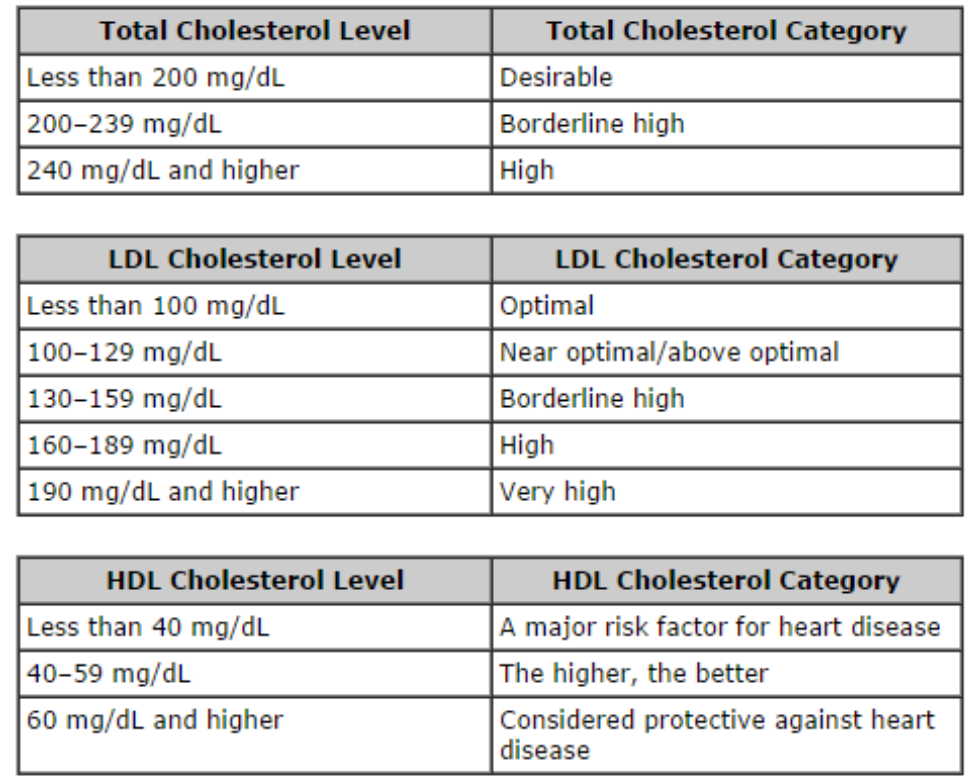
LIPID PANEL
ANTI-LIPID DRUGS
HMG-CoA reductase inhibitors (Statins)
Simvastatin, Atorvastatin, Pravastatin, Lovastatin
ANTI-LIPID DRUGS
Nicotinic Acid (Vitamin B3)
Niacor, Niaspan
ANTI-LIPID DRUGS
Bile acid sequestrants
Colesevelam, Cholestyramine, Colestipol
ANTI-LIPID DRUGS
Fibrates (BV)
Gemfibrozil (Lopid), Clofibrate, Fenofibratec
ANTI-LIPID DRUGS
Cholesterol Absorption Inhibitors
Ezetimibe
ANTI-LIPID DRUGS
Liver:
HMG-CoA reductase inhibitors (Statins)
Nicotinic Acid (Vitamin B3)
Fibrates
ANTI-LIPID DRUGS
Intestines:
Bile acid sequestrants
Cholesterol Absorption Inhibitors (Ezetimibe)
What Herbal Products are associated with lipid management?
Garlic, Flaxseed, Omega-3
prior to starting anti-lipid drugs
***Always start with lifestyle modification (diet, exercise)
Statins work by
decreases total cholesterol and LDL
Increasing HDL and Triglycerides
Nicotinic Acid works by
Total Cholesterol, LDL, triglycerides decreased
increased HDL
Bile Acid Sequestrants works by
Decreases Total cholestrol and LDL
Fibrates works by
Decreased total cholesterol, LDL, Triglyceride
Increases HDL
Cholesterol Absorption Inhibitors works by
Decreased total cholesterol, LDL, Triglycerides
A t h e r o s c l e r o s i s a n d c a r d i o v a s c u l a r d i s e a s e risk factors
High fat diet
Alcohol consumption
Reduce stress
CRP = C Reactive Protien
Menopause
MEDICAL MANAGEMENT OF CAD
Coronary artery bypass grafting (CABG)
Percutaneous coronary intervention (PCI)
Coronary artery bypass graft
(CABG) surgery
A section of a vein is removed from the leg and anastomosed to a coronary artery to bypass an area of arteriosclerotic blockage.
An internal mammary artery is grafted to a coronary artery to bypass blockage.
PERCUTANEOUS CORONARY INTERVENTION (PCI) Includes
percutaneous transluminal coronary angioplasty (PTCA), stent placement, laser angioplasty, and atherectomy
THINKING NURSE
Which procedure involves insertion of a balloon-tipped catheter into a coronary artery?
a. Thrombolytic therapy
b. Coronary artery bypass grafting
c. Percutaneous coronary intervention.
d. Endarterectomy
COLLATERAL CIRCULATION
Provides communication between the cornoray arteries and their branches.
Important mechanism for________.