1st Quarter Vocabulary - Thinking Scientifically 8th Grade
 Call Kai
 Learn
Learn Practice Test
 Spaced Repetition
 Match
Match Flashcards
1/35

There's no tags or description
Looks like no tags are added yet.
Name | Mastery | Learn | Test | Matching | Spaced | Call with Kai | Chat |
|---|
No analytics yet
Send a link to your students to track their progress
36 Terms
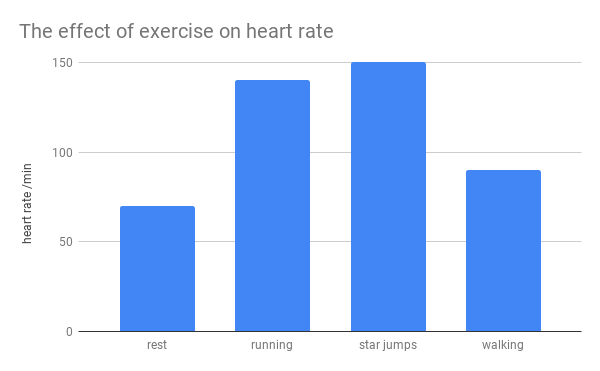
bar graph
A picture that uses bars of different heights to show and compare information.
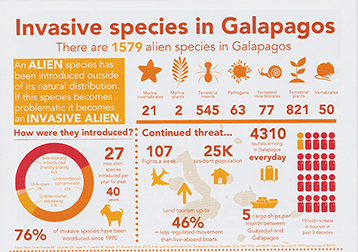
data
Information that is carefully recorded during an experiment to answer a question.
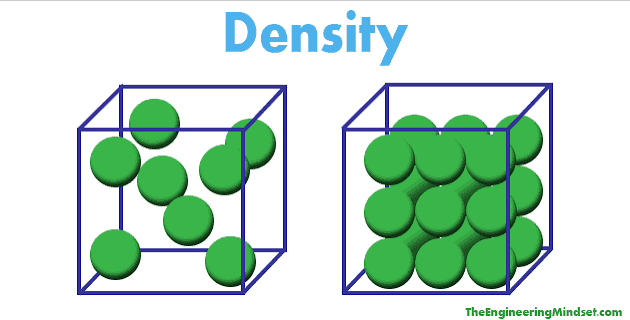
density
How much "stuff" (mass) is packed into a certain amount of space (volume)
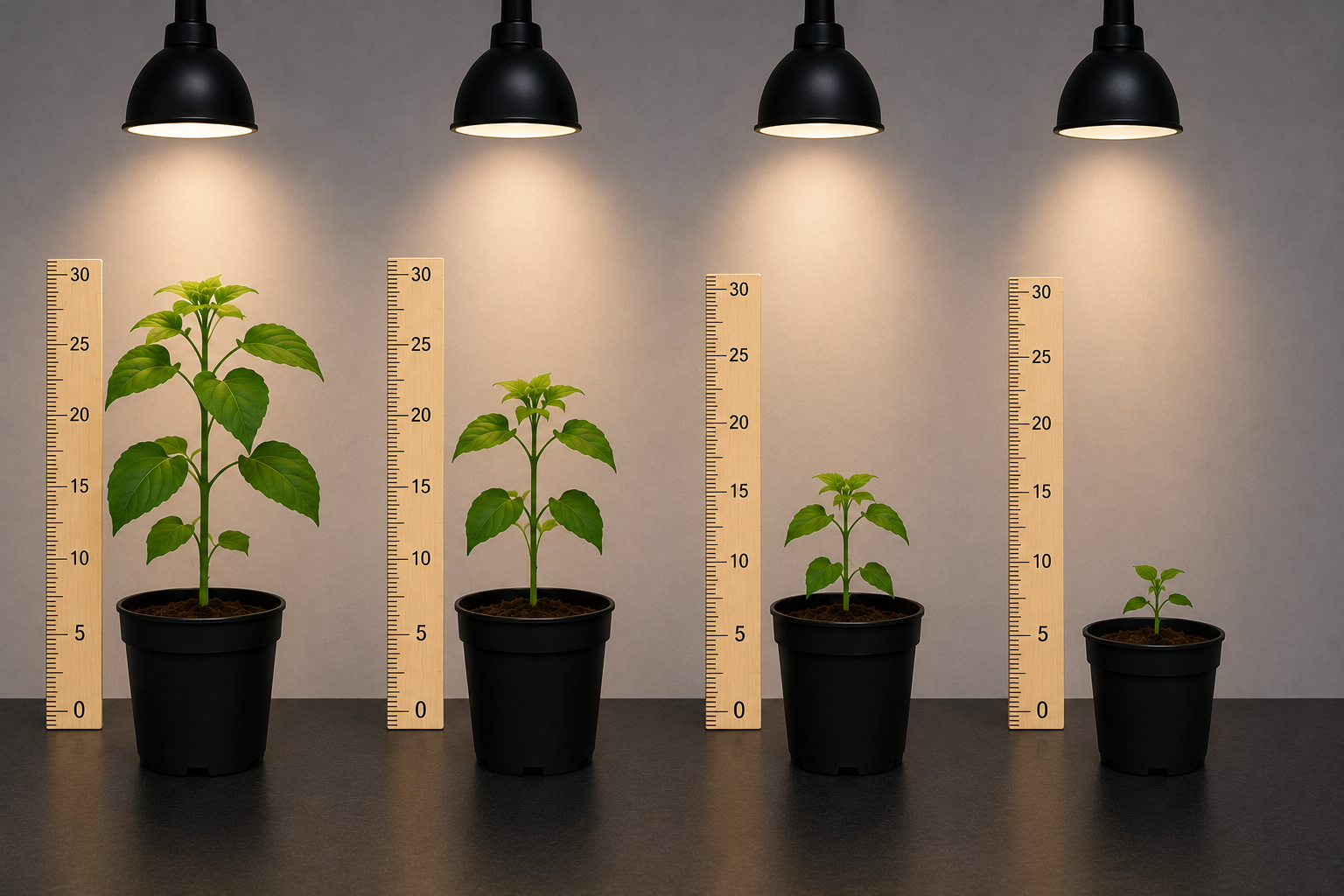
dependent variable
In an experiment, it is what you measure because of a change you made in the experiment. For example, if you change the amount of water you give to two plants when testing for growth, the height (of the plants) is the dependent variable. The plant height DEPENDS on how much water you gave it!
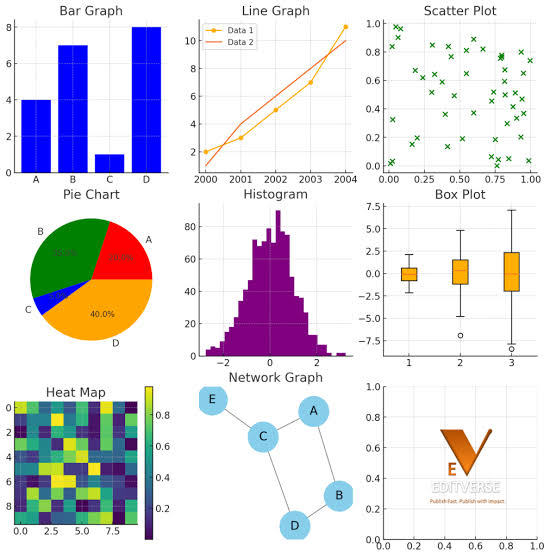
graph
a visual tool (a diagram) used to display and compare data, helping scientists identify patterns and relationships between different variables.
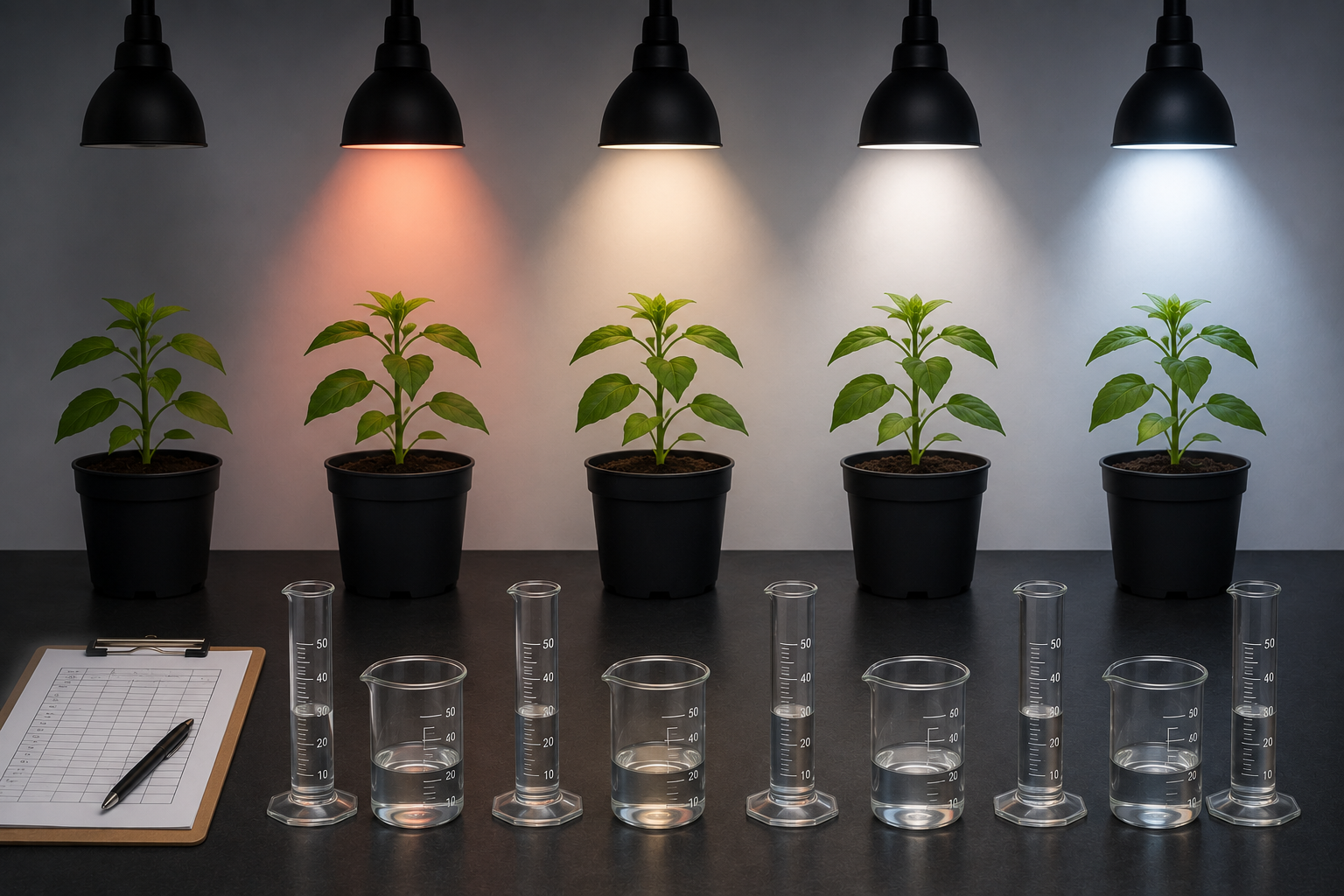
independent variable
An independent variable is the one factor that a scientist changes on purpose in an experiment to see what effect it has. It is the "cause" in a cause-and-effect relationship.
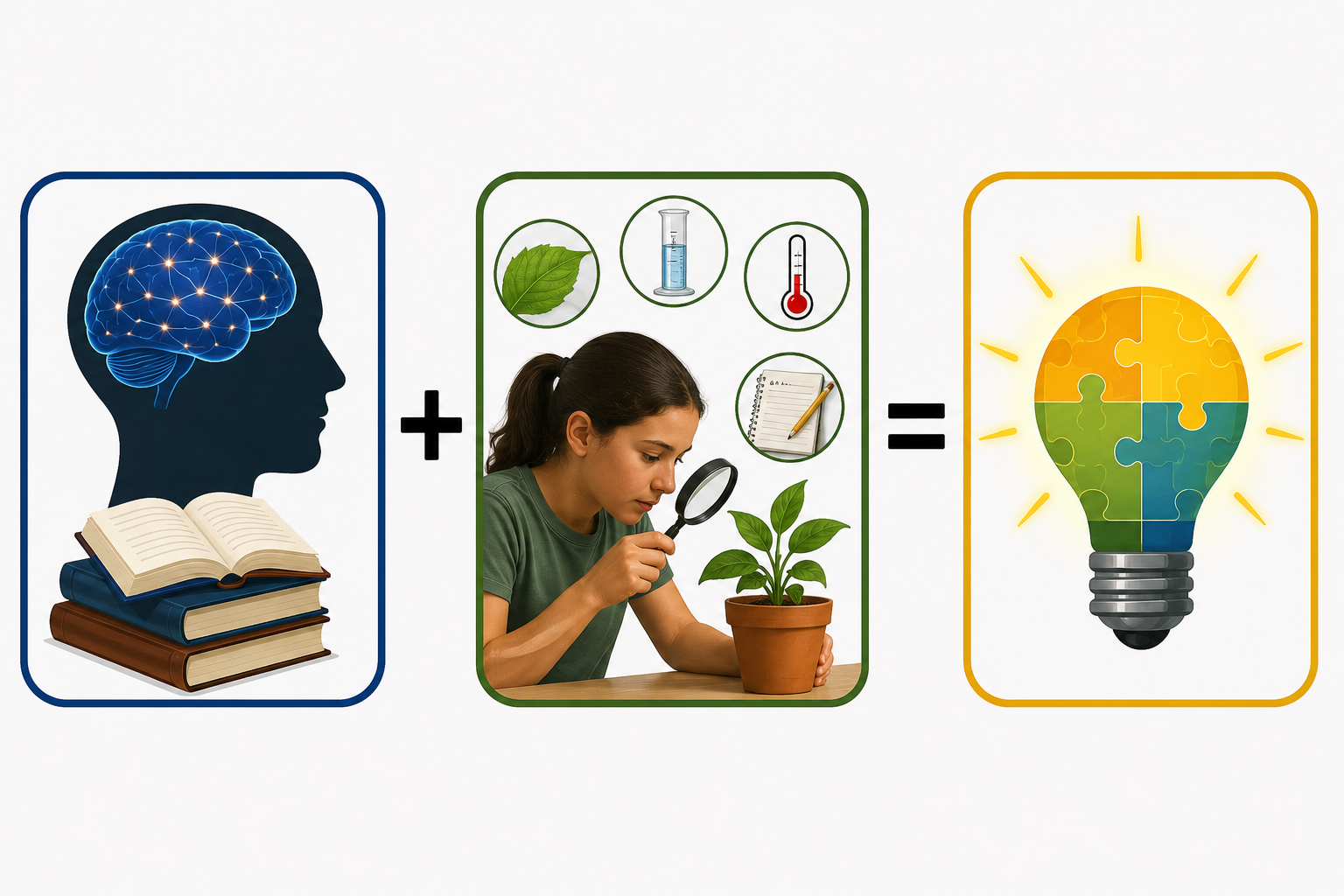
inference
an educated guess or a logical conclusion you make by combining what you observe (see, hear, feel, smell, taste) with what you already know in your brain.
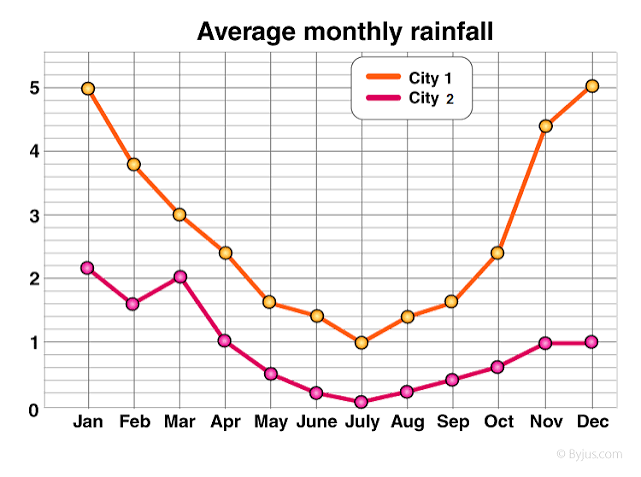
line graph
A line graph is a special chart that uses dots connected by straight lines to show how something changes over time. It helps you see patterns, like whether a value is going up or down.
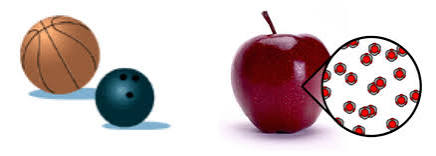
mass
Mass is the amount of matter, or "stuff," in an object
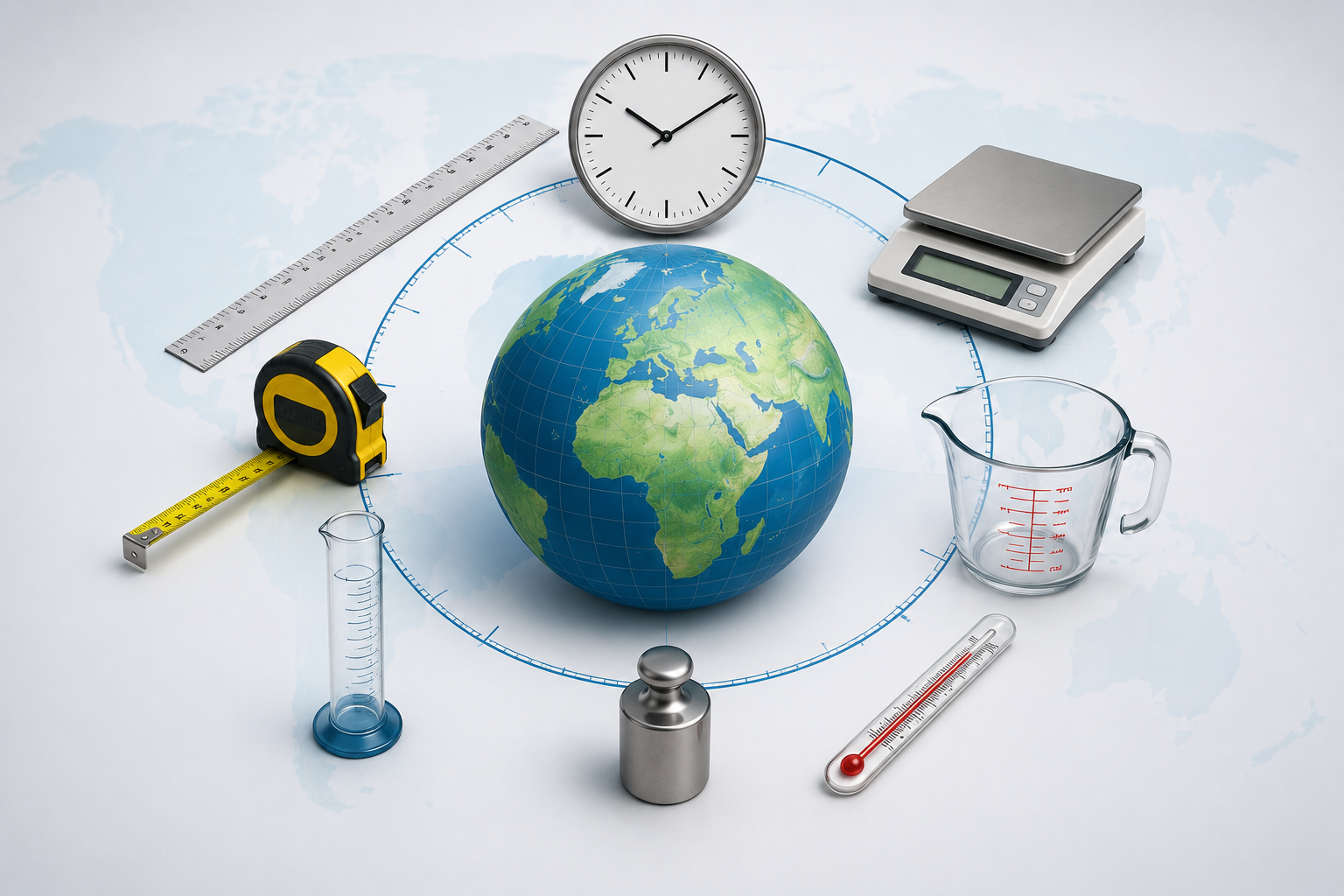
metric system
a worldwide system for measuring things like length, weight, and volume
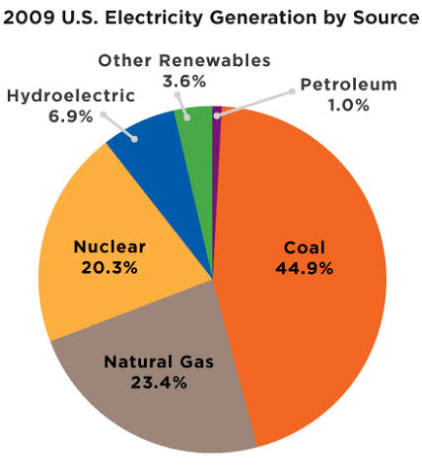
pie chart
is a special round graph
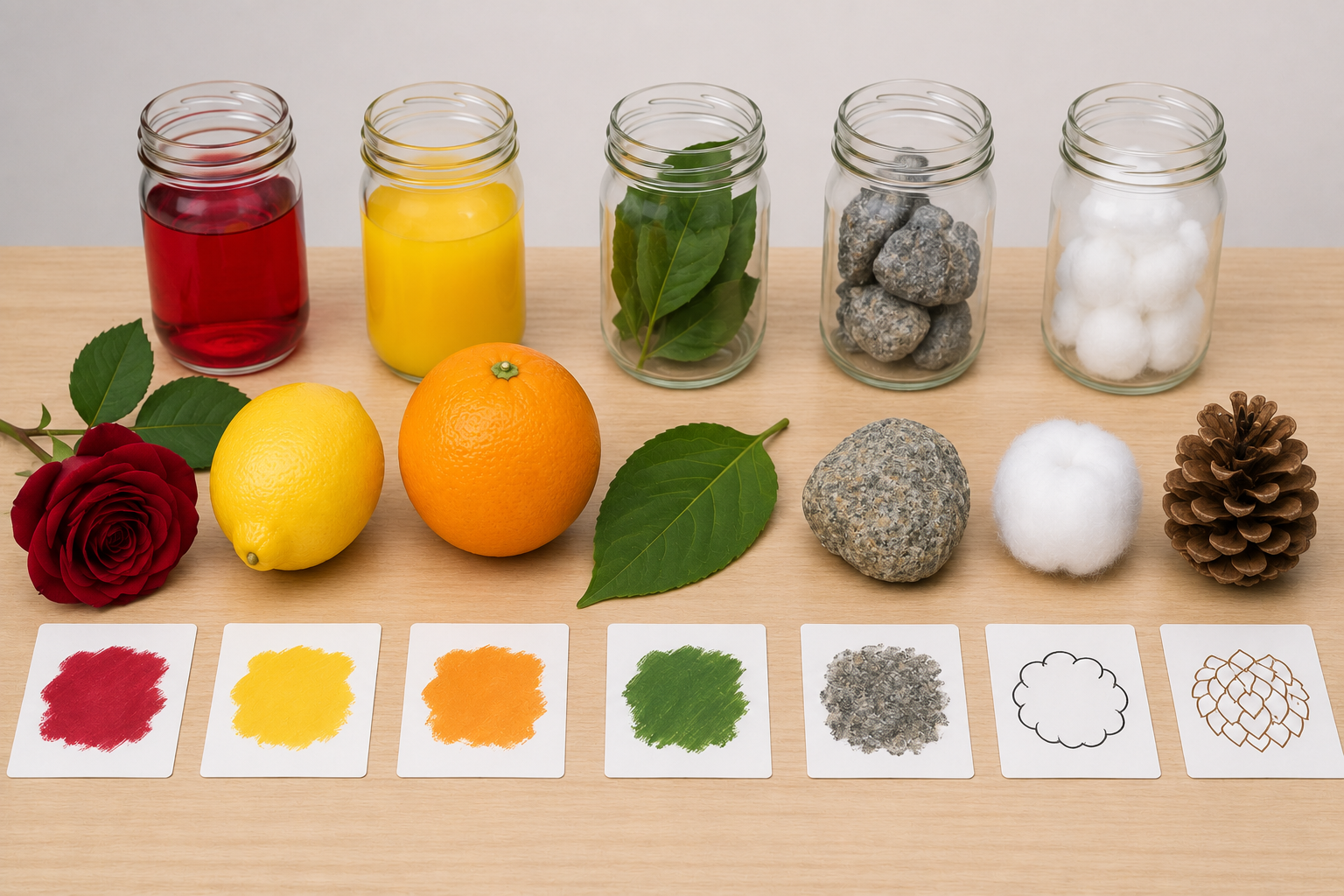
qualitative observation
a description of something using your five senses (sight, smell, touch, taste, and hearing) without using any numbers or measurements
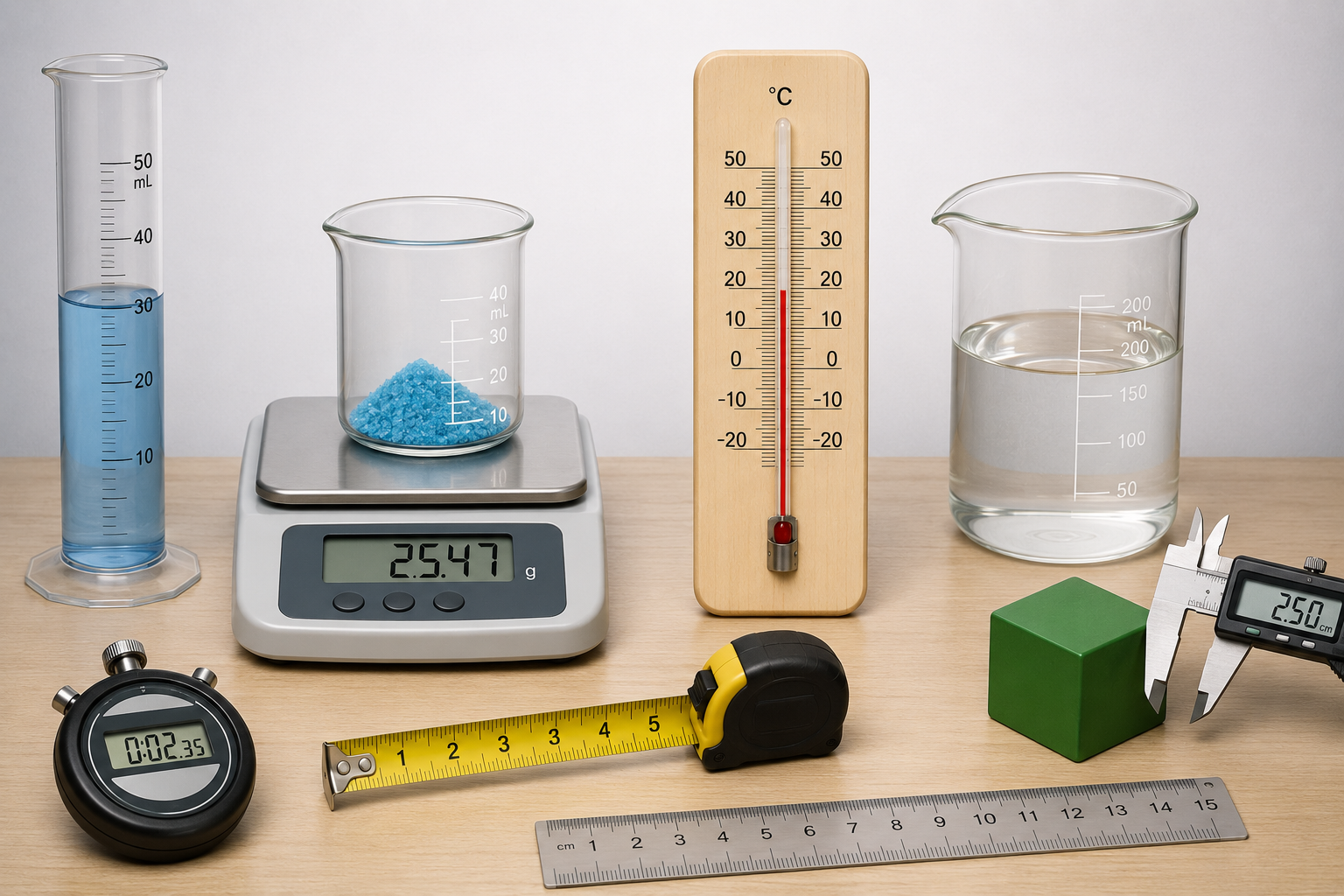
quantitative observation
an observation you make using numbers and measurements.
science
a way of learning about the natural world using observation and experimentation to answer questions and solve problems
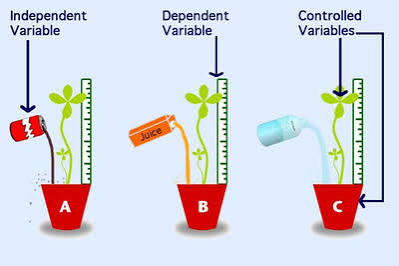
variables
anything that can change or be different in an experiment.
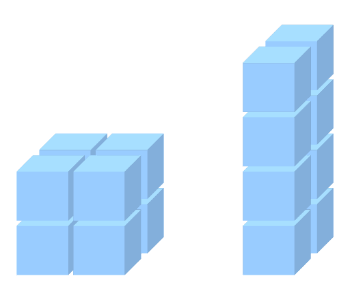
volume
Volume is the amount of space an object or substance takes up
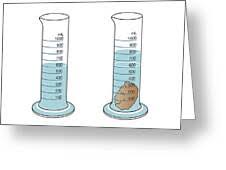
water displacement
when an object is placed in water and it pushes, or moves, the water out of the way to make room for itself.
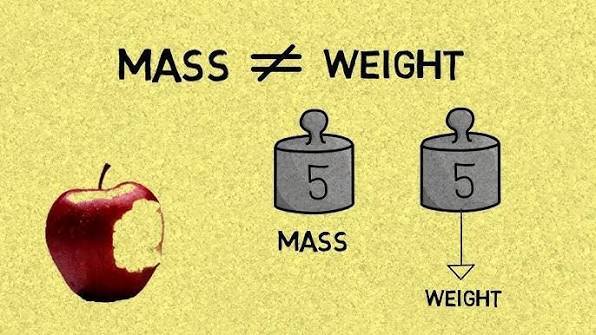
weight
How heavy something is; it depends on gravity.
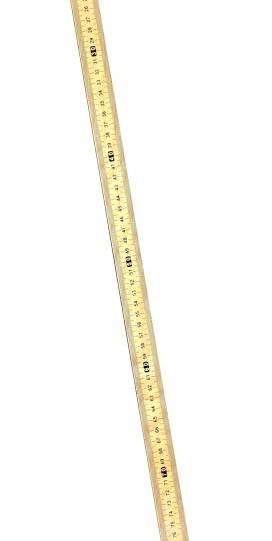
meter
The basic unit for measuring length.
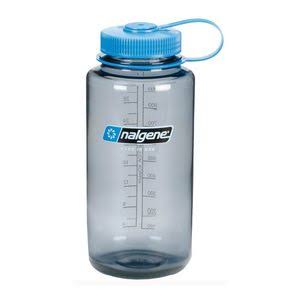
liter
The basic unit for measuring liquid volume.
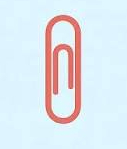
gram
The basic unit for measuring mass (how much matter is in something).
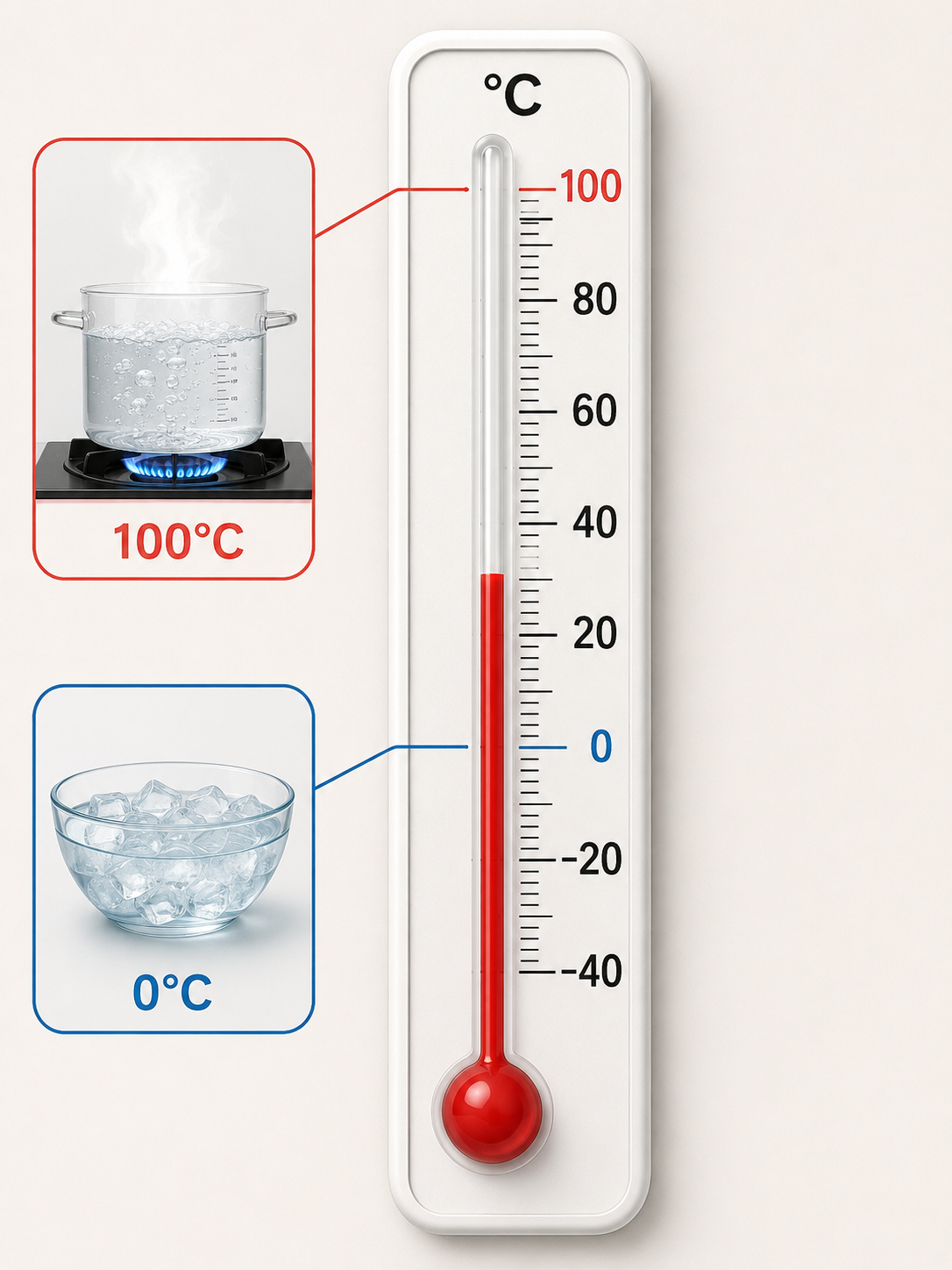
Celsius
A scale used to measure temperature (∘C).
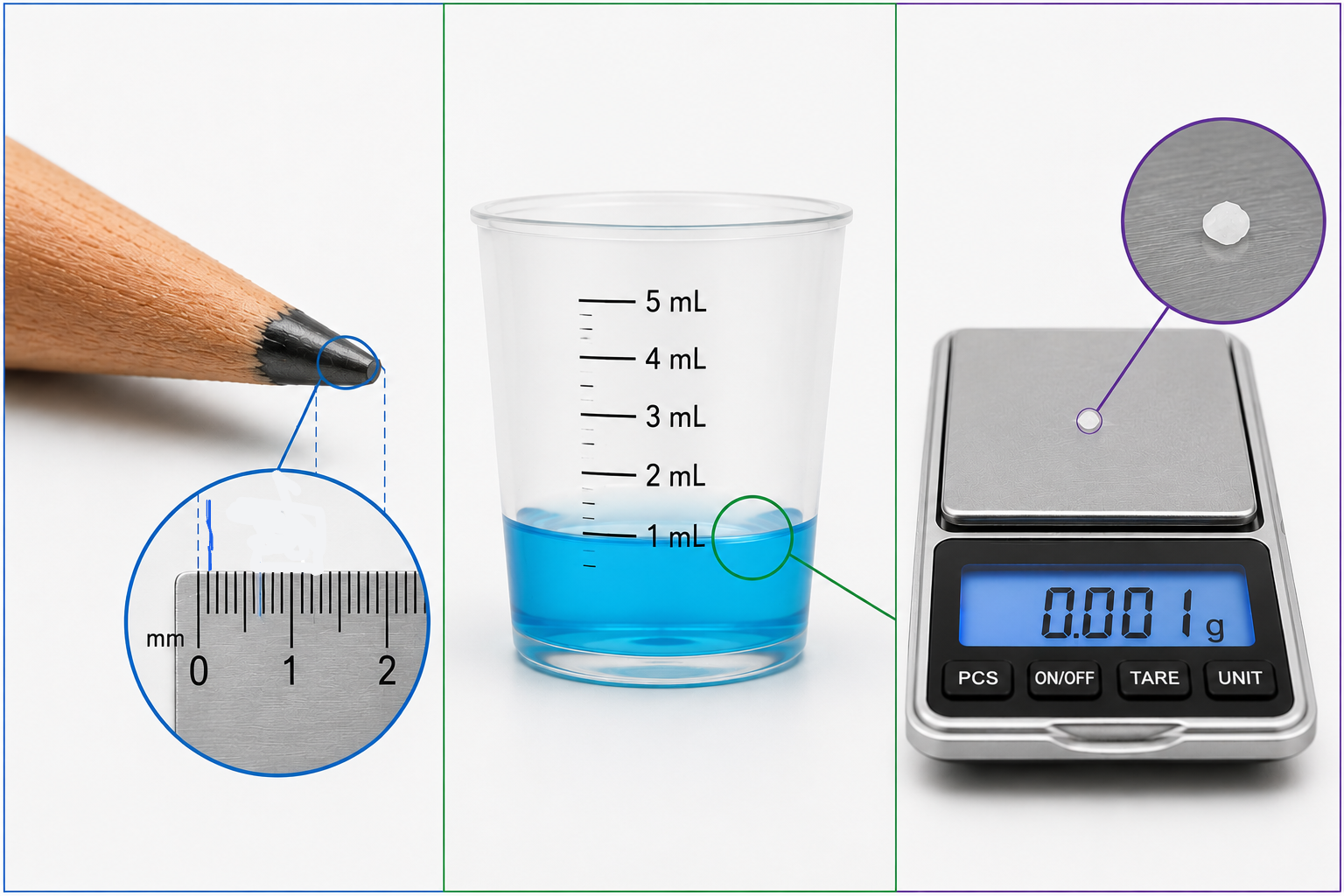
milli-
Means one thousandth of something (10001).
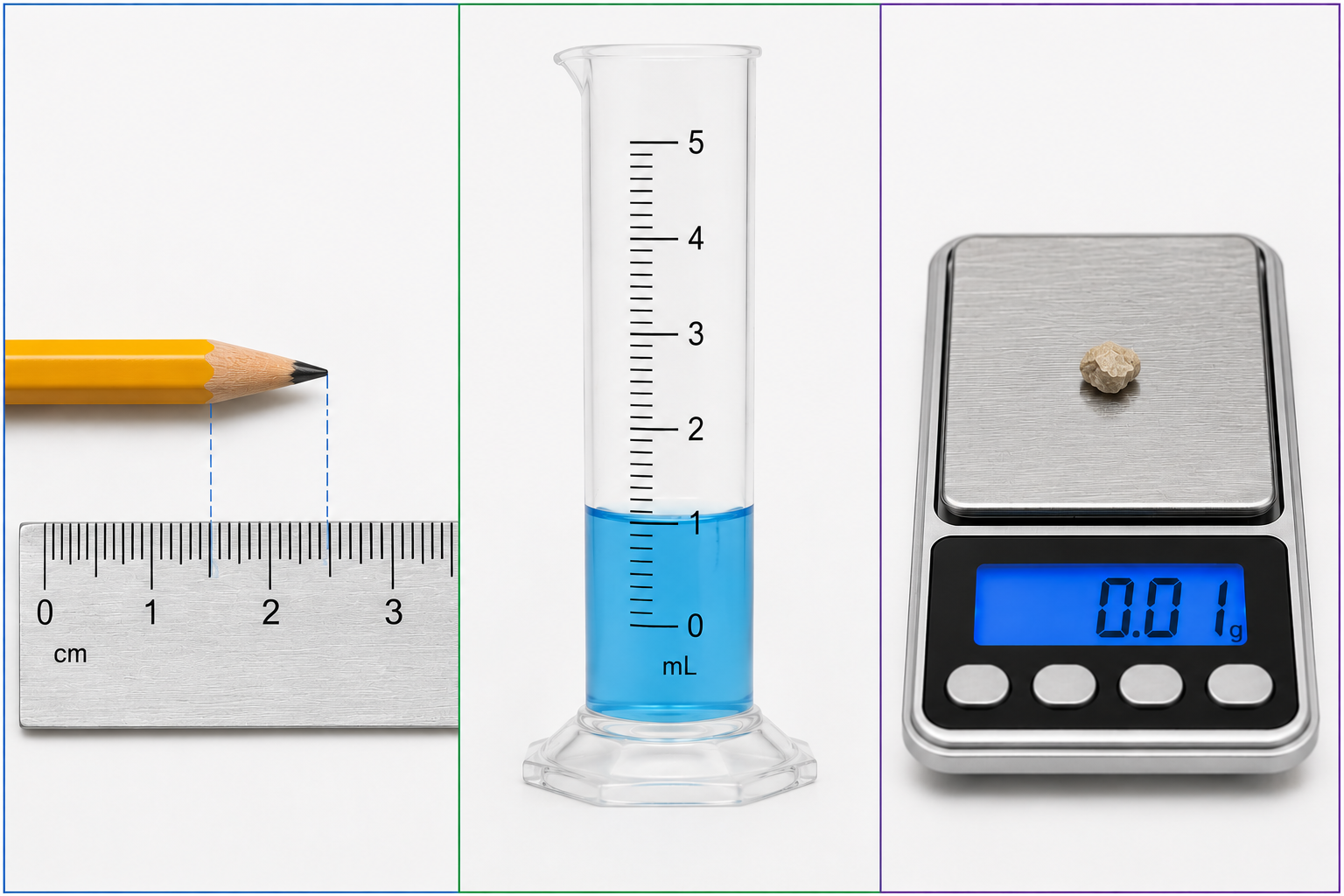
cenit-
Means one hundredth of something (1001).
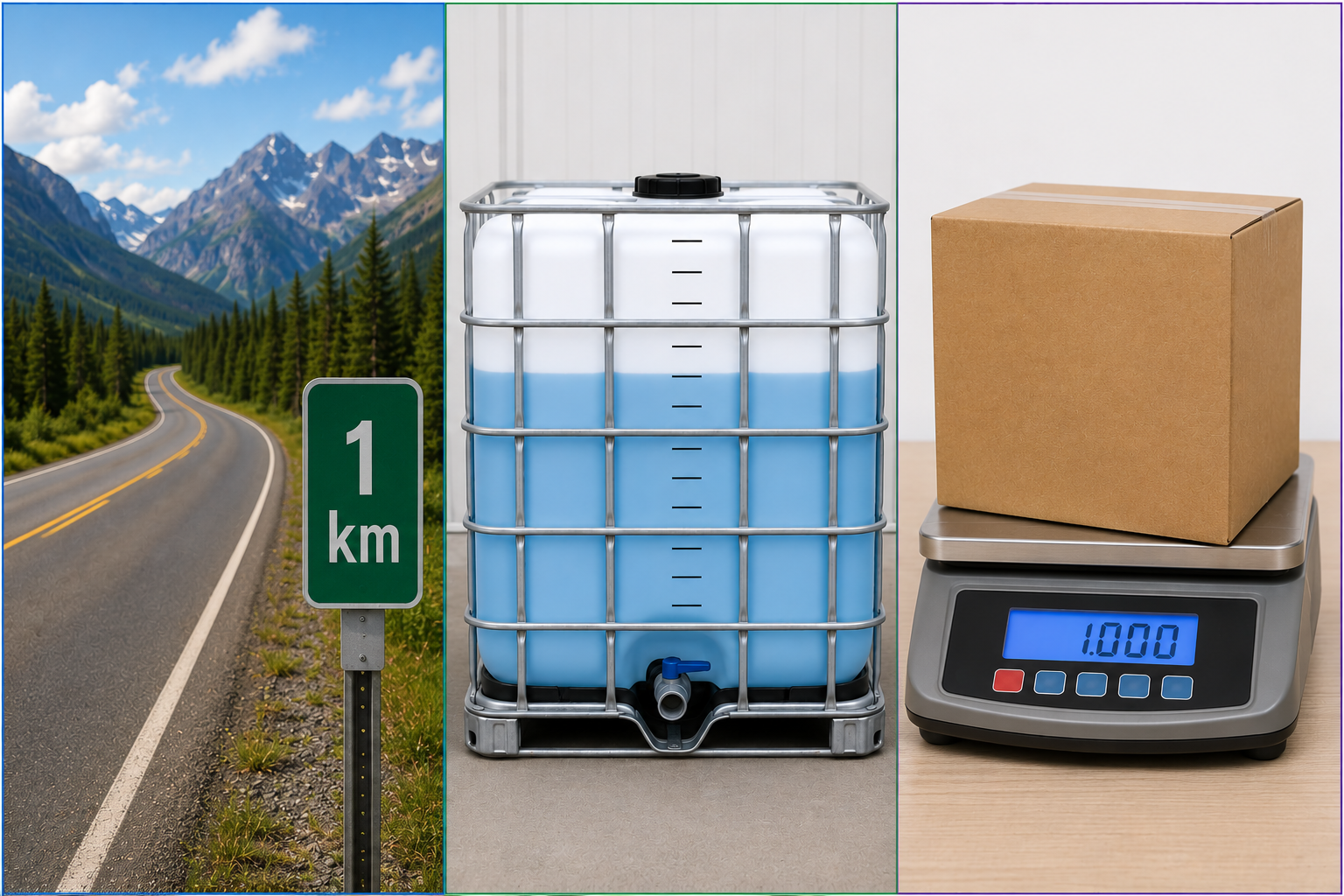
kilo-
Means one thousand of something (1000).
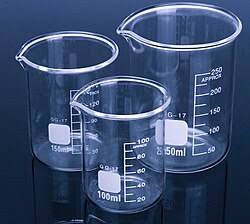
beaker
A glass or plastic cup used in science to hold and pour liquids.
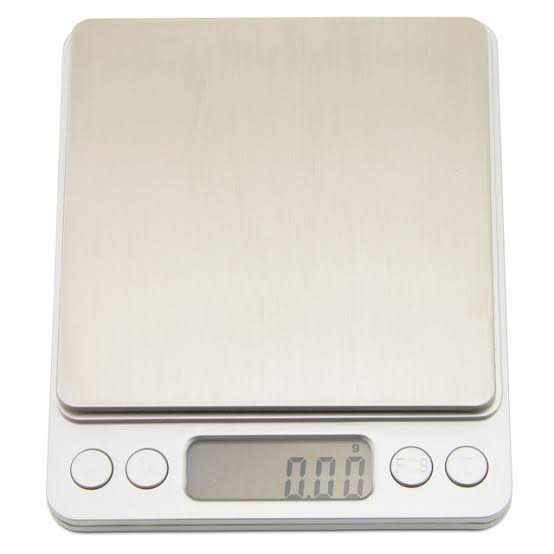
scale
A tool used to measure how heavy something is.
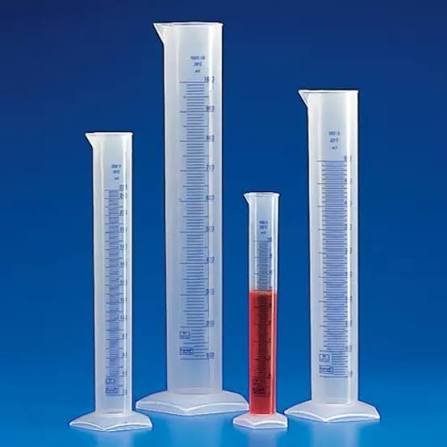
graduated cylinder
A tall, narrow container used to measure how much liquid there is.
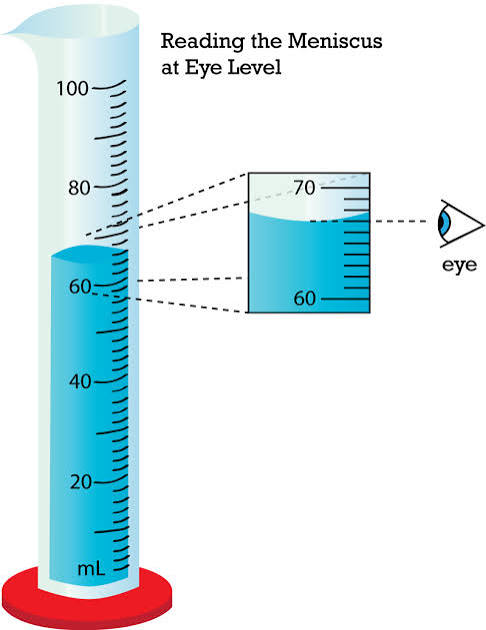
meniscus
The curved surface of a liquid in a container; you read the amount at the bottom of the curve.
missing
A mark in the gradbook indicating that an assignment has not been turned in

incomplete
A mark in the gradbook indicating that an assignment was not completed and can no longer be turned in

late
A mark in the gradebook indicating that an assignment is late
exempt
A mark in the gradebook indicating that an assignment does not need to be turned in
course grade
The average grade for a class covering all 4 quarters
blue rectangle
The symbol indicating that an assignment has been submitted digitally

dash
A mark in the gradebook indicating that an assignment has not been graded yet