Skeletal System (Old)
 Call Kai
 Learn
Learn Practice Test
 Spaced Repetition
 Match
Match Flashcards
 Knowt Play
1/126

Earn XP
Description and Tags
For year 10 students.
Name | Mastery | Learn | Test | Matching | Spaced | Call with Kai | Chat |
|---|
No analytics yet
Send a link to your students to track their progress
127 Terms
What are the 6 functions of the bones?
Framework - Gives the body its shape and structure
Movement - The bones are levers which muscles pull on
Protection - Protects vital organs
Blood Cell Formation - Long bones contain bone marrow, which produces all new red blood cells with some white blood cells
Storage - Bones store mineral salts, especially calcium
Support - Holds the internal organs in place
Describe the shape or structure function of the skeleton.
The skeleton gives the structure, framework and support. Taller people have longer bones than short people and the weight of the bones influence the overall bodyweight.
Describe the support function of the skeleton.
The skeleton keeps the internal organs in their place. The bones allow people to stand upright and supports the weight of the body.
Describe the movement function of the skeleton.
Joints allow the body to move. Movement occurs when the muscles that are attached to the bones on either side of the joint contract (shorten) and make the joint move. Without the bones, the muscles would have no where to attach.
Describe the protection function of the skeleton.
The skeleton protects the vital soft tissue organs of the body.
What does the cranium, rib cage, pelvic girdle, and vertebral column protect?
Cranium: Brain
Rib cage: Lungs and heart
Pelvic Girdle: Reproductive Organs
Vertebral Column: Spinal cord
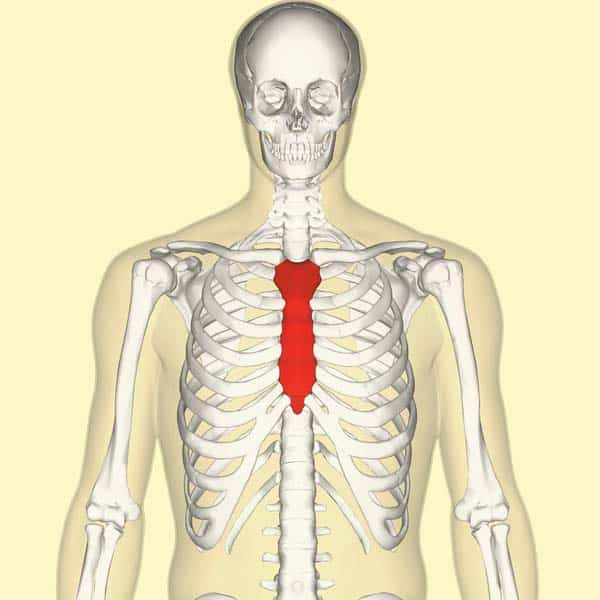
What bone is this?
Sternum
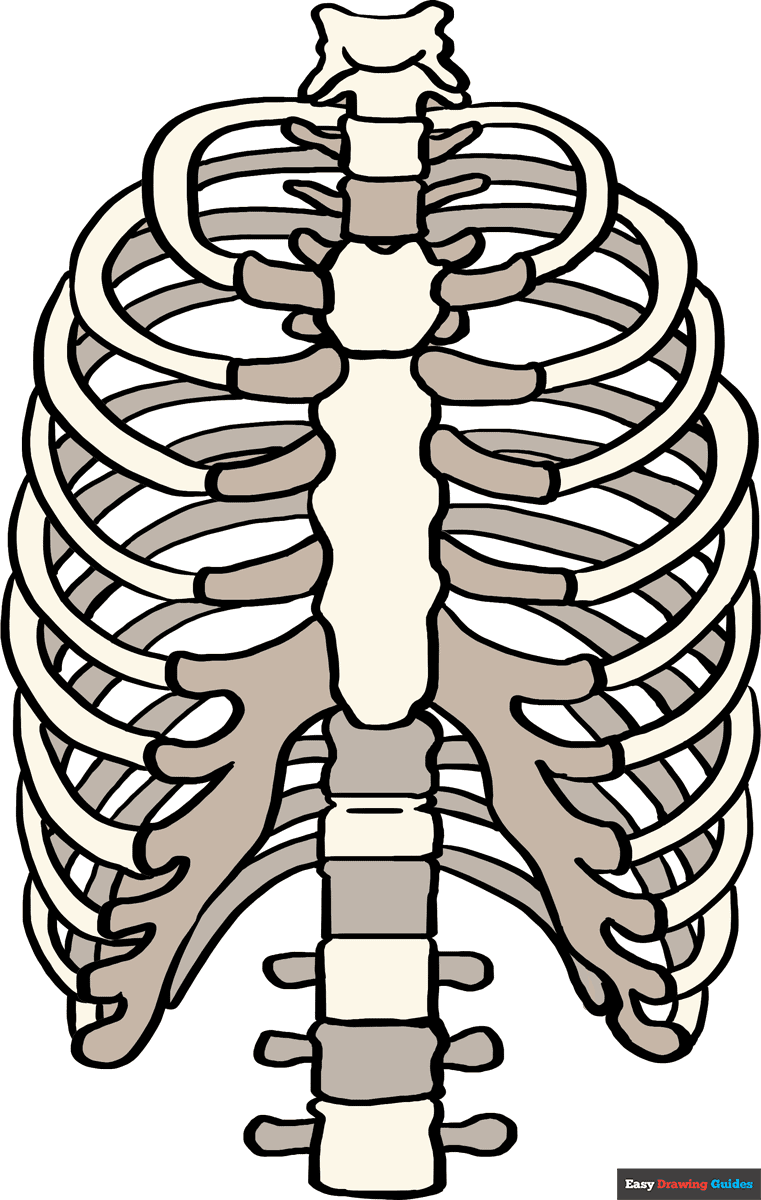
What bone is this?
Rib cage or thoracic cage.
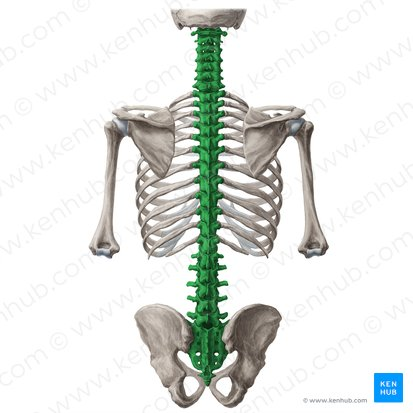
What bone is this?
Vertebral column
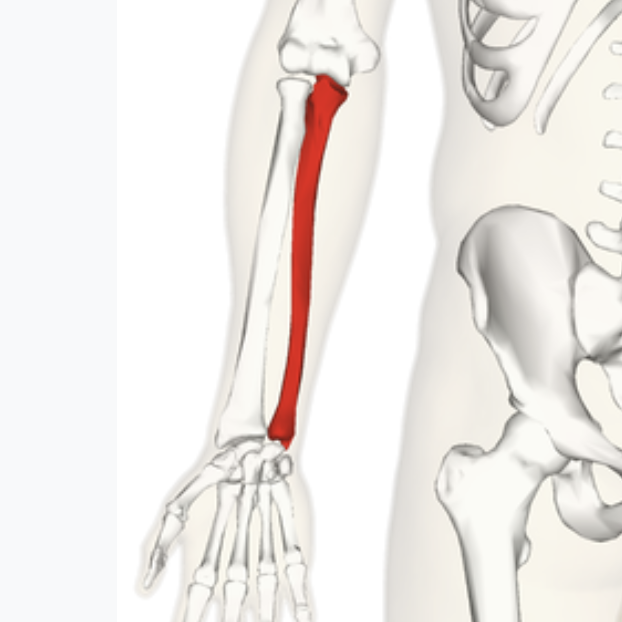
What bone is this?
Ulna
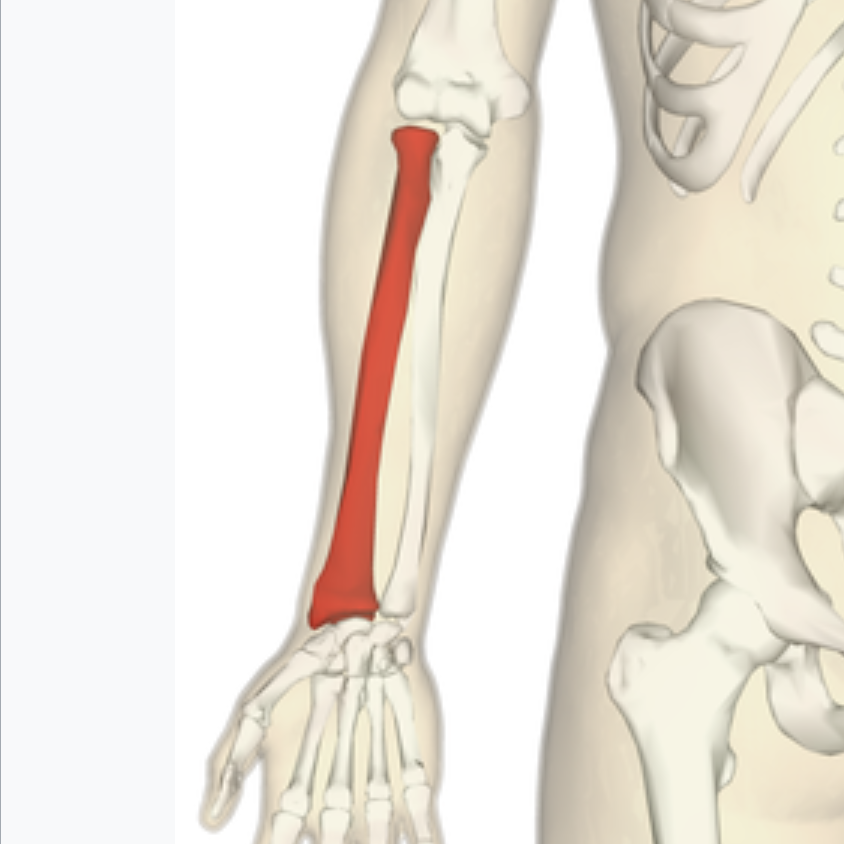
What bone is this?
Radius
What is the tailbone?
The coccyx
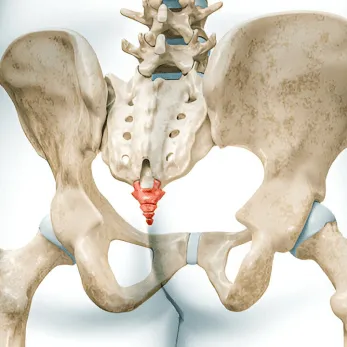
What bone is this?
Coccyx
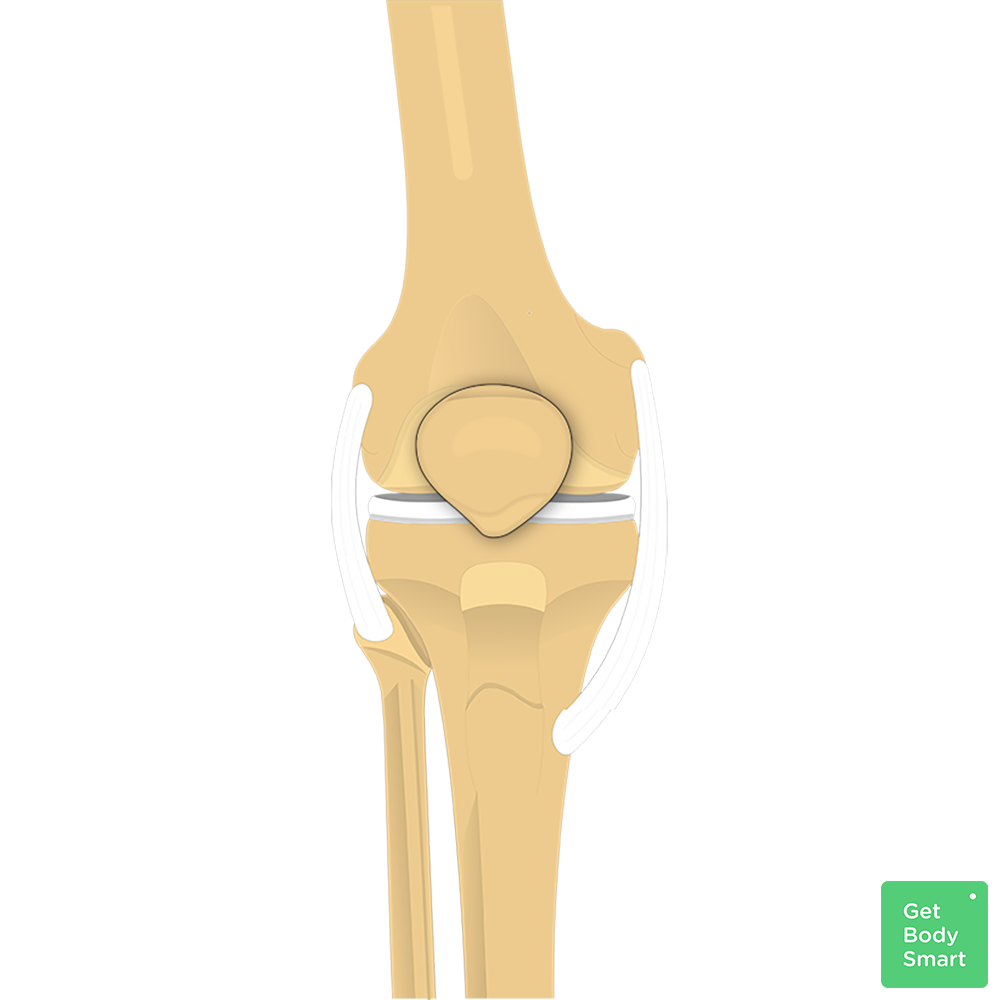
What is the kneecap called?
Patella
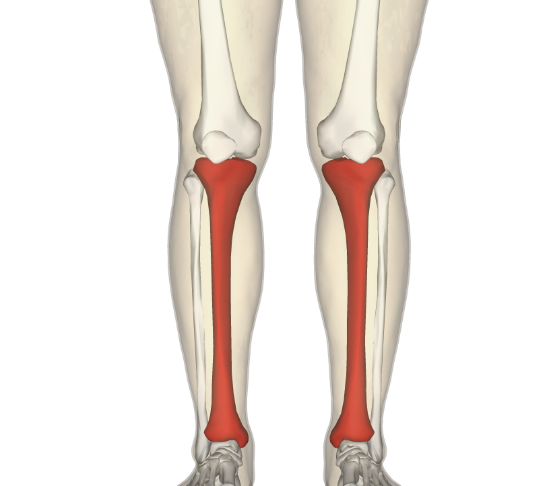
What bone is this?
Tibia
What is bigger? The Tibia or Fibula?
Tibia
Is the ulna or radius bigger and which is closer to the thumb?
(Trick question)
The ulna is longer than the radius, but the radius is thicker. The radius is closer to the thumb.
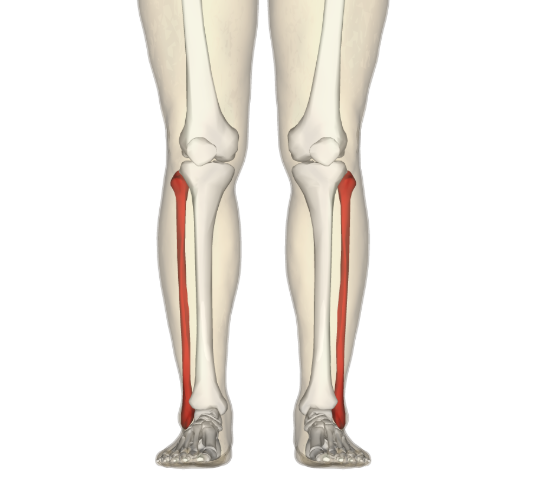
What bone is this?
Fibula
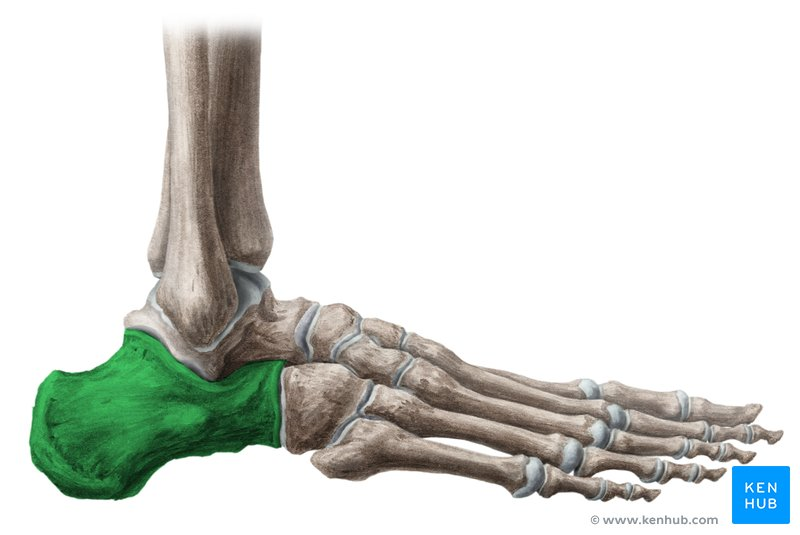
What bone is this?
Calcaneus
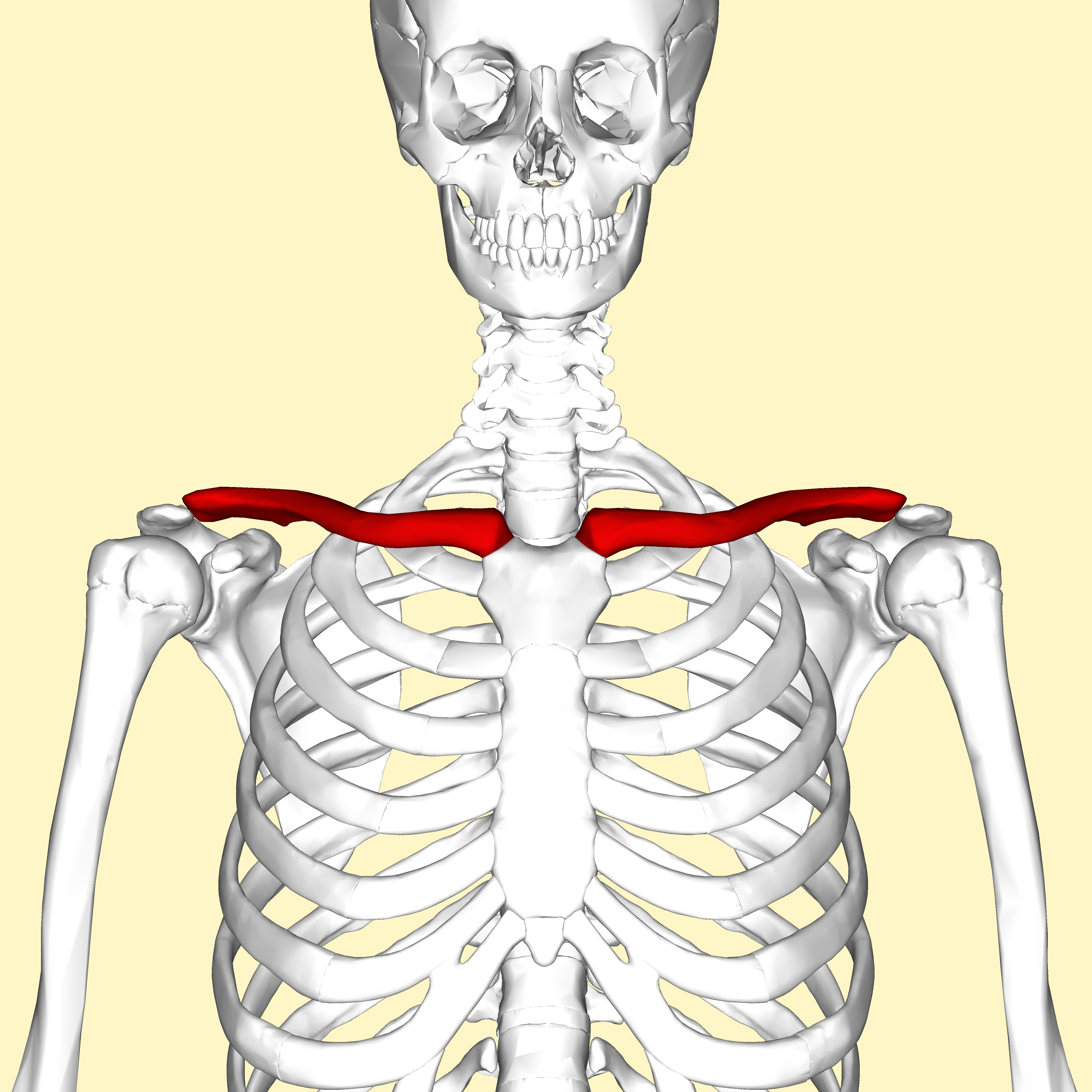
What bone is this?
Clavicle
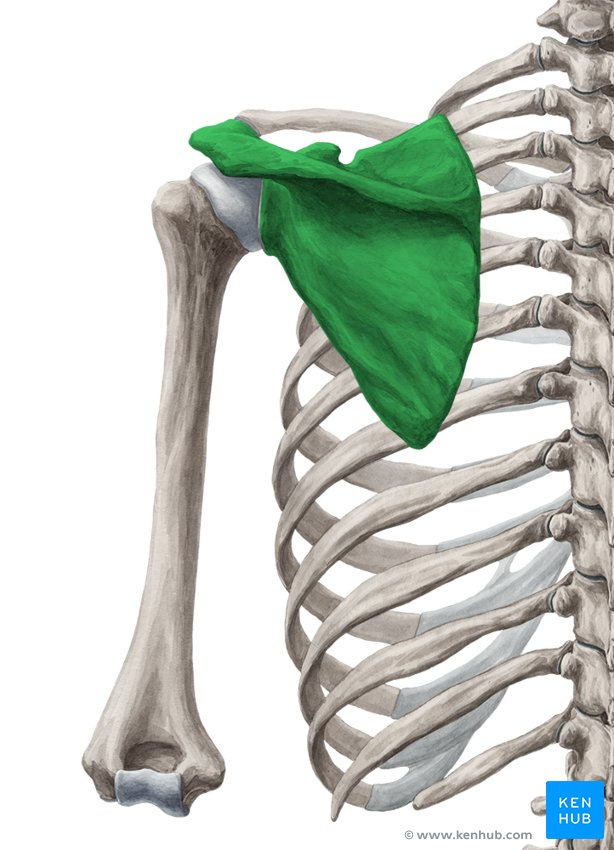
What bone is this?
Scapula
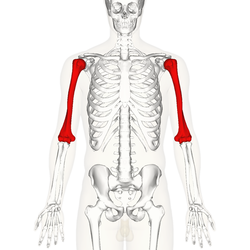
What bone is this?
Humerus
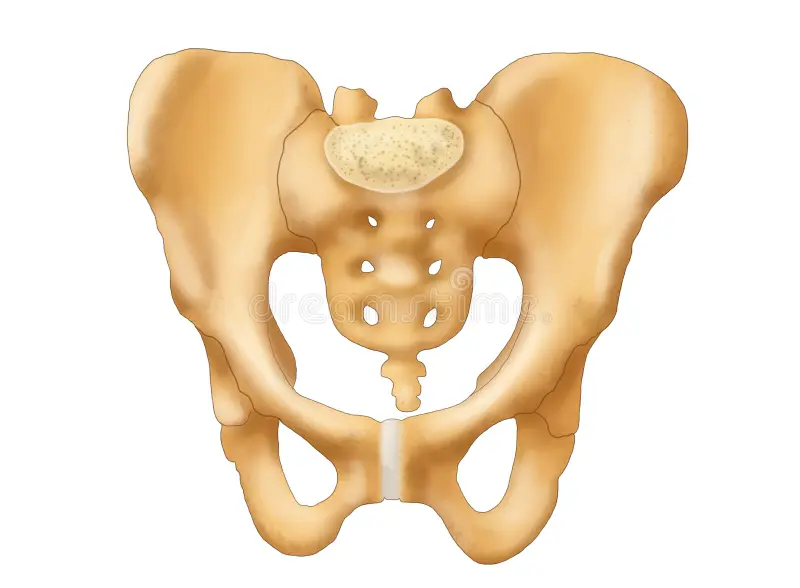
What bone is this?
Pelvis Girdle
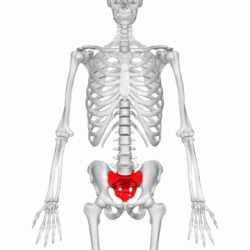
What bone is this?
Sacrum
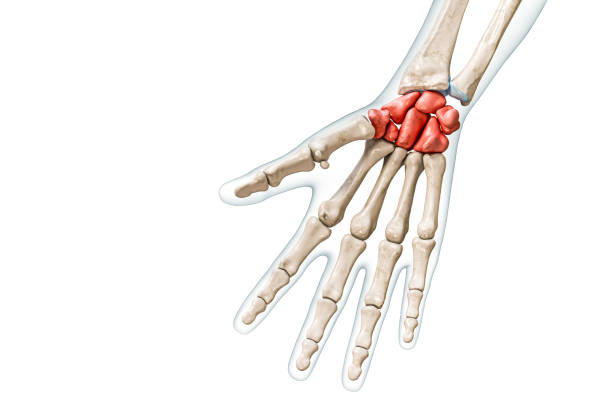
What bone is this?
Carpals
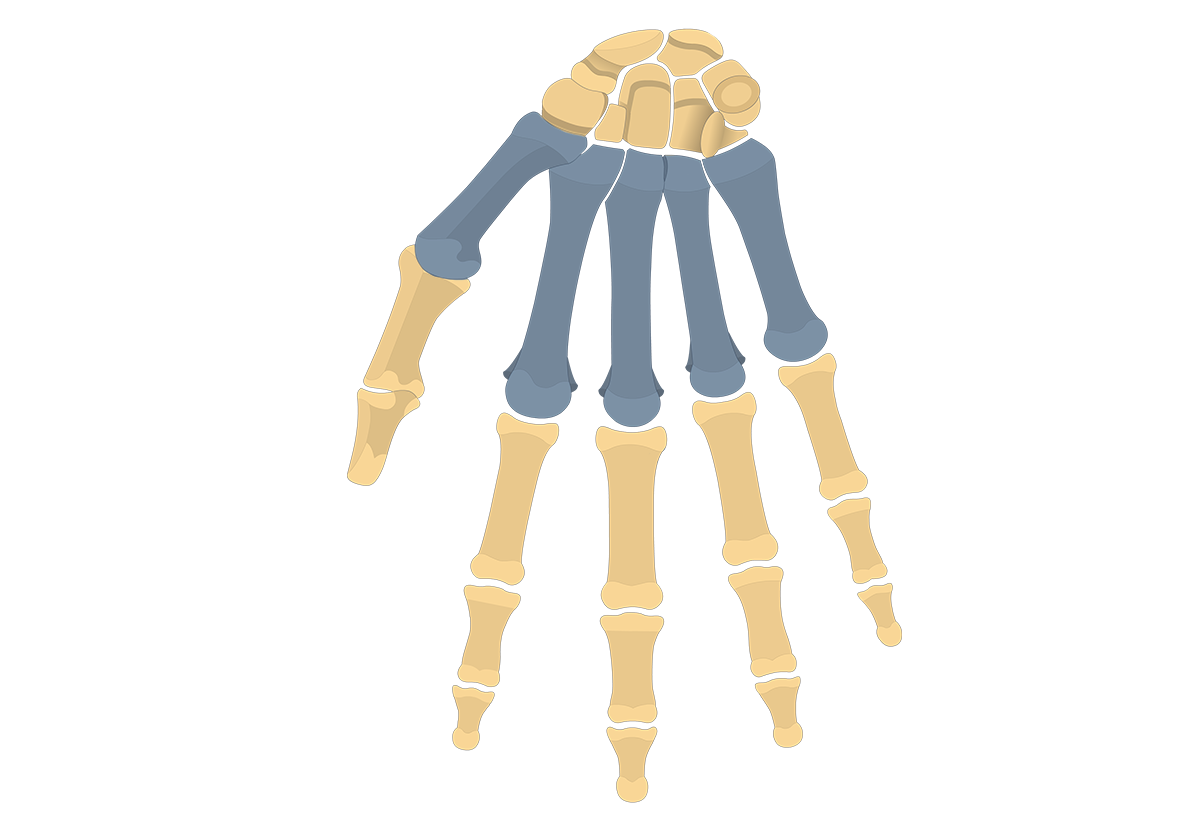
What is this bone?
Metacarpals
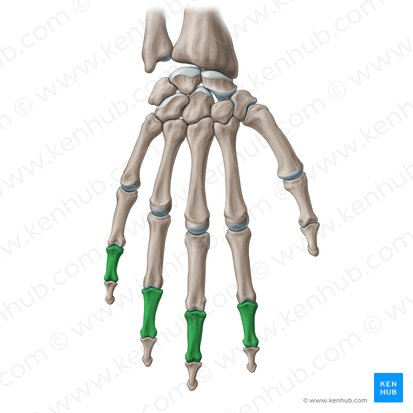
What is this bone?
Phalanges
(Ends of Hands and Feet)
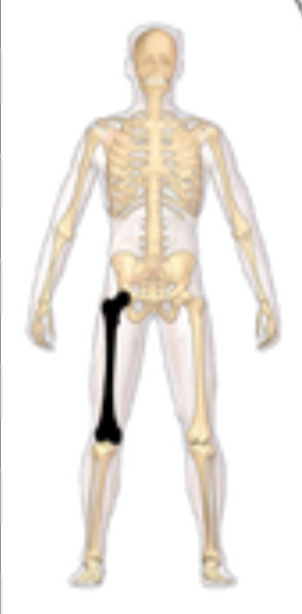
What bone is this?
Femur
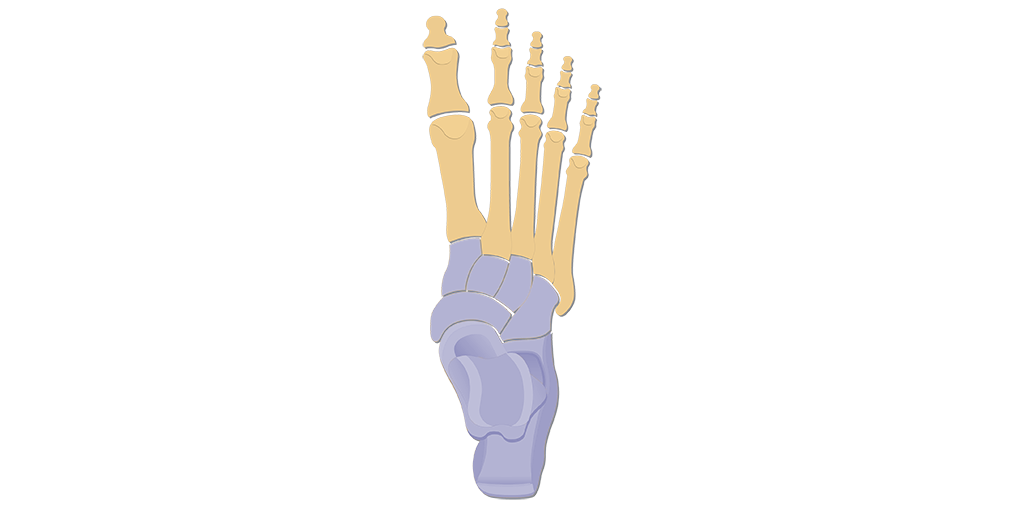
What bone is this?
Tarsals
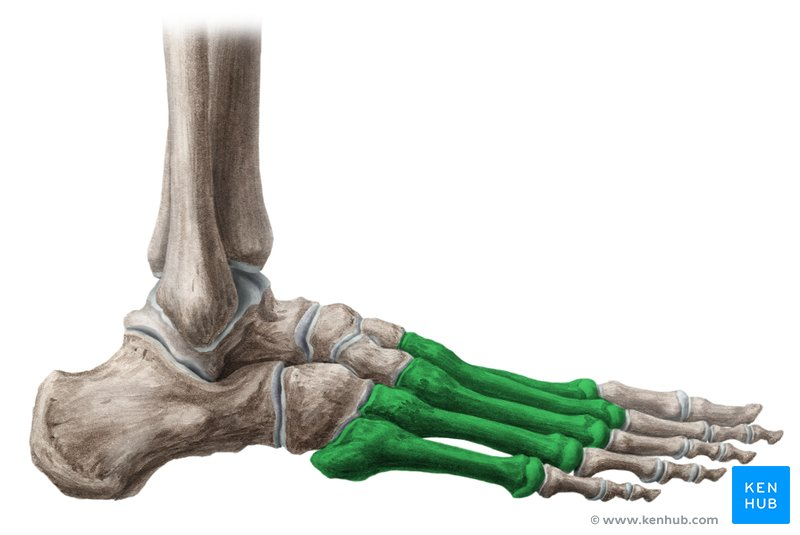
What bone is this?
Metatarsals
What bone is the thigh?
Femur
What bone is the shin?
Tibia
What bone are the toes and ends of fingers?
Phalanges
What bone are the ankles?
Tarsals
What bone was the heel?
Calcaneum
What bone is the hip?
Pelvis
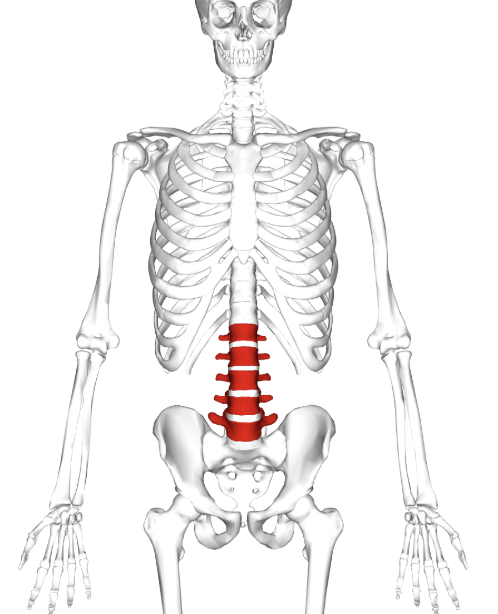
What is this bone?
Lumbar Vertebrae
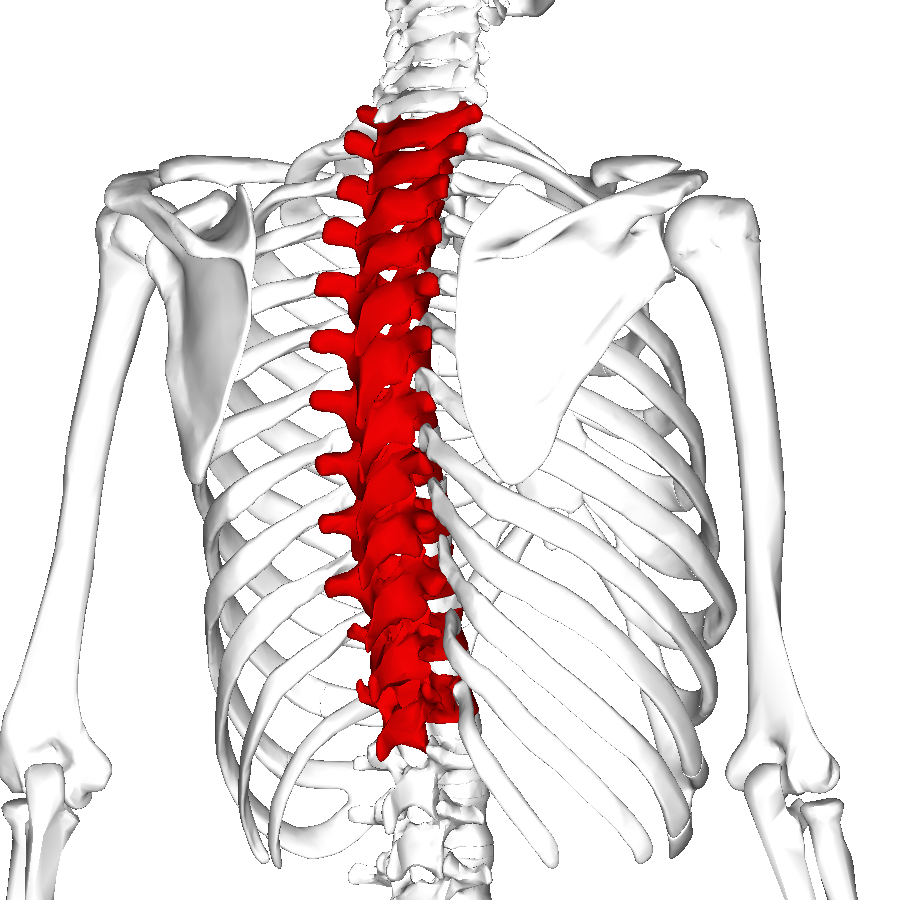
What bone is this?
Thoracic Vertebrae
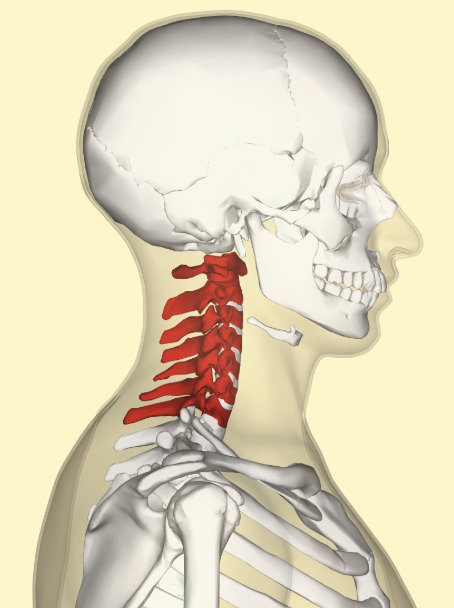
What bone is this?
Cervical Vertebrae
What bone was the shoulder blade?
Scapula
What is the largest bone?
The femur
Do all living things have skeletal systems?
No
I have a pain in my wrist, what bones would I be talking about?
Carpal
What bone was the wrist?
Carpal
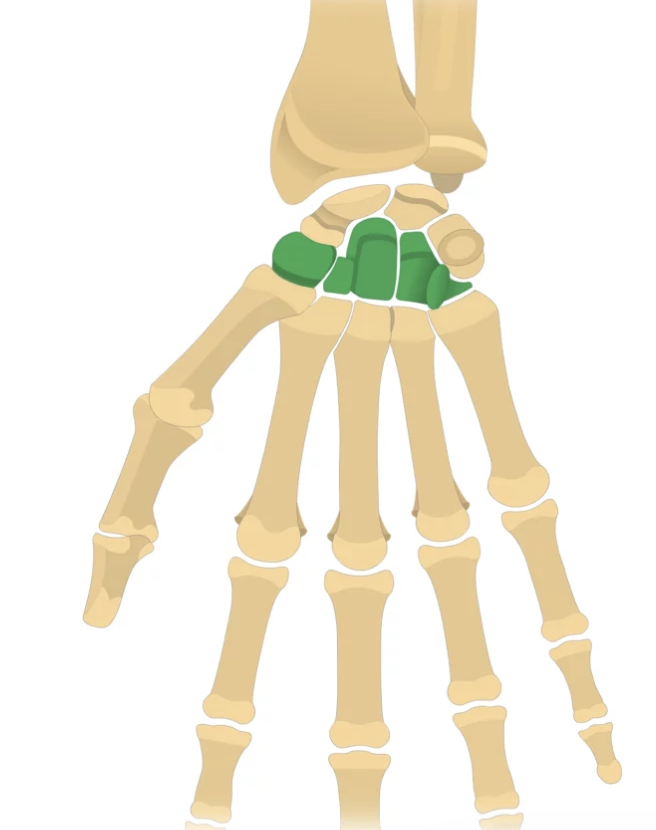
What bone is this?
Carpals
What is in the axial skeletal system?
It includes the skull, spine, and rib cage.
What is in the appendicular skeletal system?
The appendicular skeleton is made up of the bones of your limbs, including your arms, legs, hands, and feet. It also includes the bones that connect your limbs to your torso, such as your shoulder blades and pelvis.
What are the 2 skeletal systems?
Axial skeletal system and the appendicular skeletal system.
What are the functions of the axial skeletal system?
The axial skeleton protects your internal organs and supports your body weight.
What are the functions of the appendicular skeletal system?
The appendicular skeletal system is responsible for a wide range of movements.
What bone is the collarbone?
Clavicle
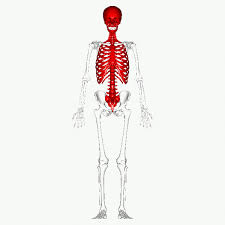
What part of the skeletal system is this?
The axial skeletal system.
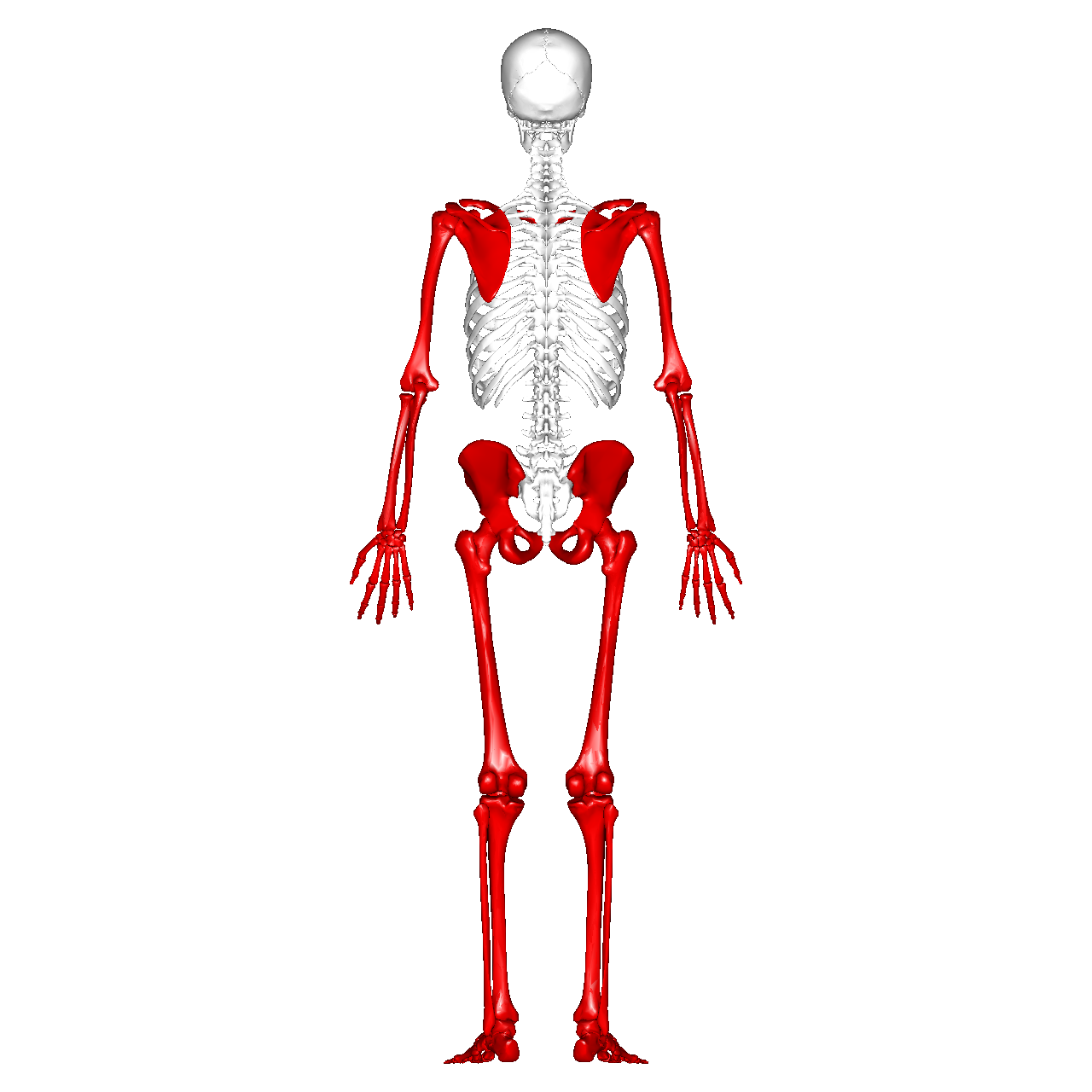
What part of the skeletal system is this?
The appendicular skeletal system.
What are joints?
The part of the body where two or more bones meet.
What a ligament?
A ligament is a tough band of fibrous connective tissue that connects bones to bones at a joint. They are made of strong, flexible material that can withstand a lot of force.
What is the purpose of a ligament?
Ligaments are essential for joint stability and movement. They help to keep the bones in place and prevent them from moving too much. Ligaments also help to absorb shock and protect the joints from injury.
What is a cartilage?
Cartilage is a smooth, rubbery tissue that acts as a cushion between bones at a joint.
What does the cartilage do?
Reduces friction between bones
Absorbs shock
Supports weight
Maintains joint stability

What bones are being used in this image?
The arm bones, specifically the humerus, radius, and ulna of the forearm are used to pull the bow, but the finger bones (phalanges) to hold and aim the bow and arrow.
What is circumduction?
Circular motion of a body part
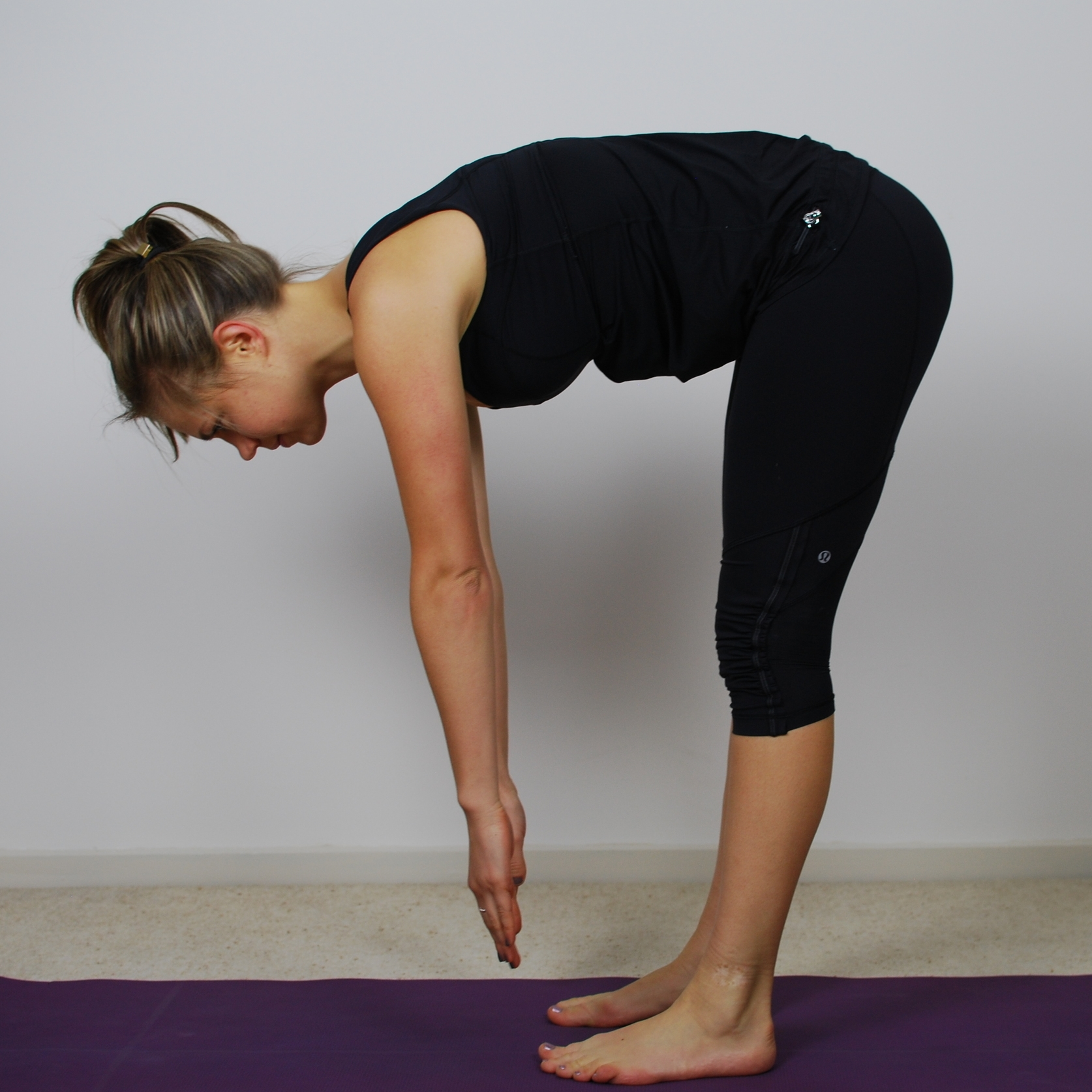
What type of joint movement is this?
Flexion
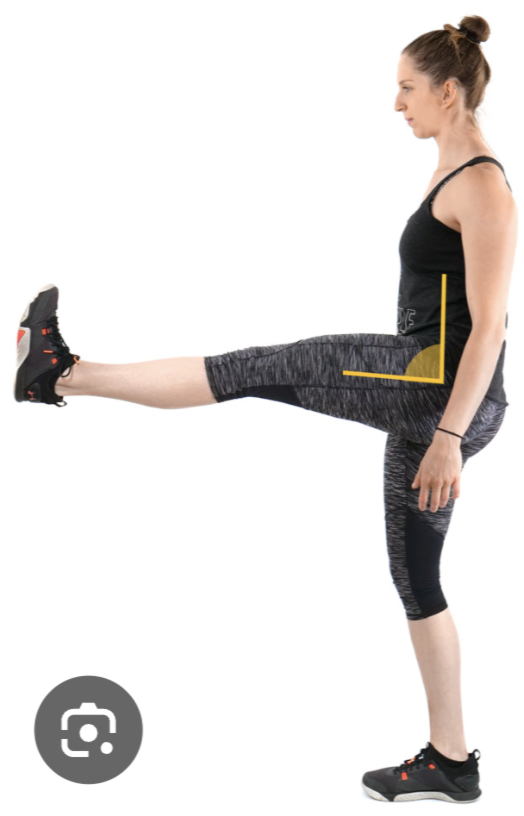
What type of joint movement is this?
Flexion

What type of joint movement is this?
Extension
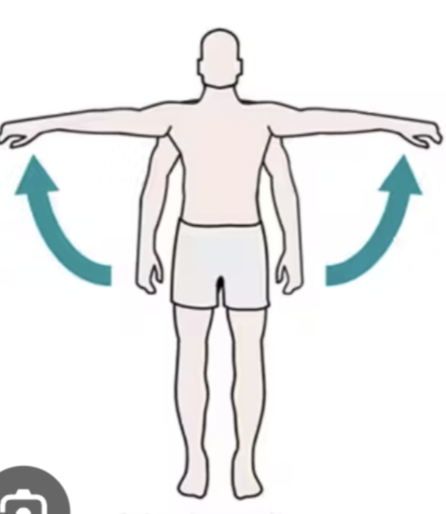
What type of joint movement is this?
Abduction
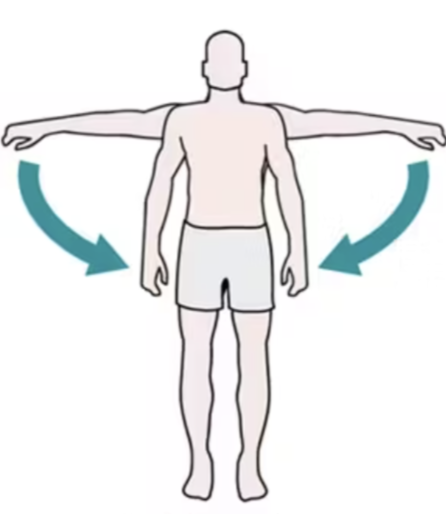
What type of joint movement is this?
Adduction
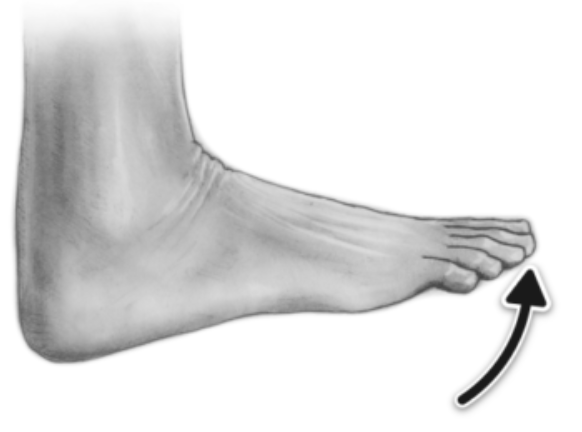
What type of joint movement is this?
Dorsiflexion
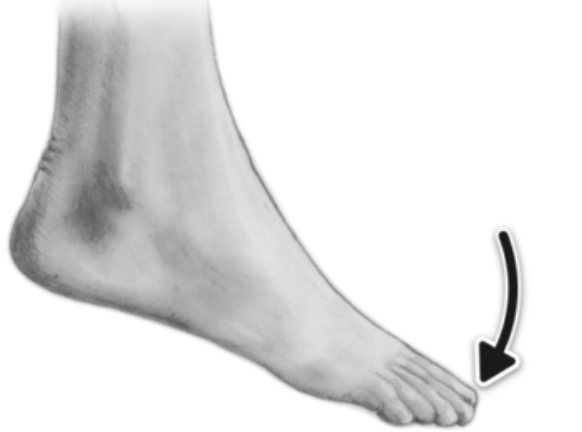
What type of joint movement is this?
Plantarflexion
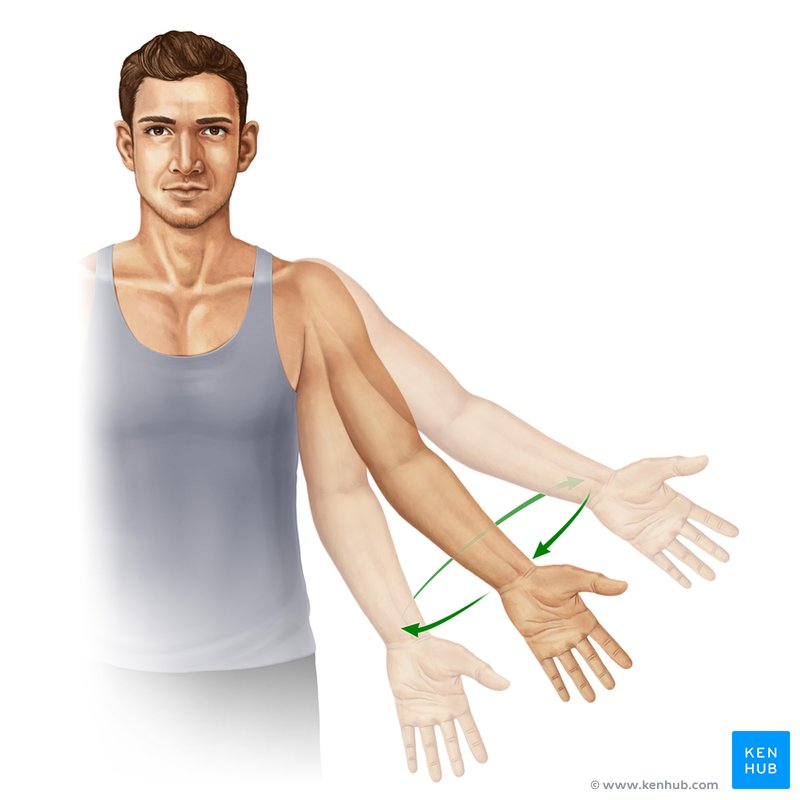
What joint movement is this?
Circumduction
What does Qafma stand for?
Questioning word
Area of study
Focus of the question
Marks
Allocation of Marks
List 2 bones at the hip joint
Femur and pelvis
Identify the bones at the wrist joint
Carpals, radius and ulna
There are many more but they weren’t in the powerpoint.
Identify bones at the ankle joint
Tibia, fibula and calcaneus.
What is a fracture?
A fracture is a break in a bone.
What are the types of bones?
Short bones, long bones, sesamoid bones, flat bones and irregular bones.
What is the longest bone?
Femur
What is the smallest bone?
The stirrup, found in the ear. It is the size of a grain of rice.
What are short bones?
Short bones are bones that are roughly cube-shaped.
Name examples of short bones
Carpals and tarsals
What type of bones are carpals and tarsals
Short bones
What are long bones?
Bones that are hard or dense. Their length is longer than their width.
What are short bones functions?
They provide support and stability with little movement.
What are long bones functions?
They support the weight of the body and facilitate movement.
What examples of long bones are there?
Humerus, femur and phalanges.
What type of bones are humerus, femur and phalanges?
Long bones.
What are flat bones?
Bones that are somewhat flattened.
What examples of flat bones are there?
Cranium, pelvic girdle and sternum.
What are the functions of flat bones?
Flat bones protected internal organs. They are also a site for muscle attachment.
What type of bones are cranium, pelvic girdle and sternum?
Flat bones.
List the types of bones in the vertebral column from top to bottom with the number of bones.
Cervical Vertebra: 7
Thoracic Vertebra: 12
Lumbar Vertebra: 5
Sacrum: 1
Coccyx: 1
What are irregular bones?
Bones that do not fit in any other category.
What are the structures of irregular bones?
They are spongy on the inside with an outer layer of compact bone.
What are some examples of irregular bones?
Vertebrae and small bones in hands and feet.
What type of bones are the vertebrae?
Irregular bones.
What are sesamoid bones?
Bones that are embedded in tendons.
What are tendons?
A cord of strong, flexible tissue, similar to a rope. They are small and round bounds found in tendons of hands, feet and knees.
What are the functions of sesamoid bones?
To protect tendons from stress.
What is an example of sesamoid bones?
Patella
What type of bone was the patella?
Sesamoid bone.
The part of the body where two or more bones meet. What am I?
Joints
This type of joint doesn’t allow any movement. What is it?
Fibrous joints