8.ESS.1 - Earth's Interior & Seismic Waves - Vocab
 Call Kai
 Learn
Learn Practice Test
 Spaced Repetition
 Match
Match Flashcards
1/20

There's no tags or description
Looks like no tags are added yet.
Name | Mastery | Learn | Test | Matching | Spaced | Call with Kai | Chat |
|---|

21 Terms
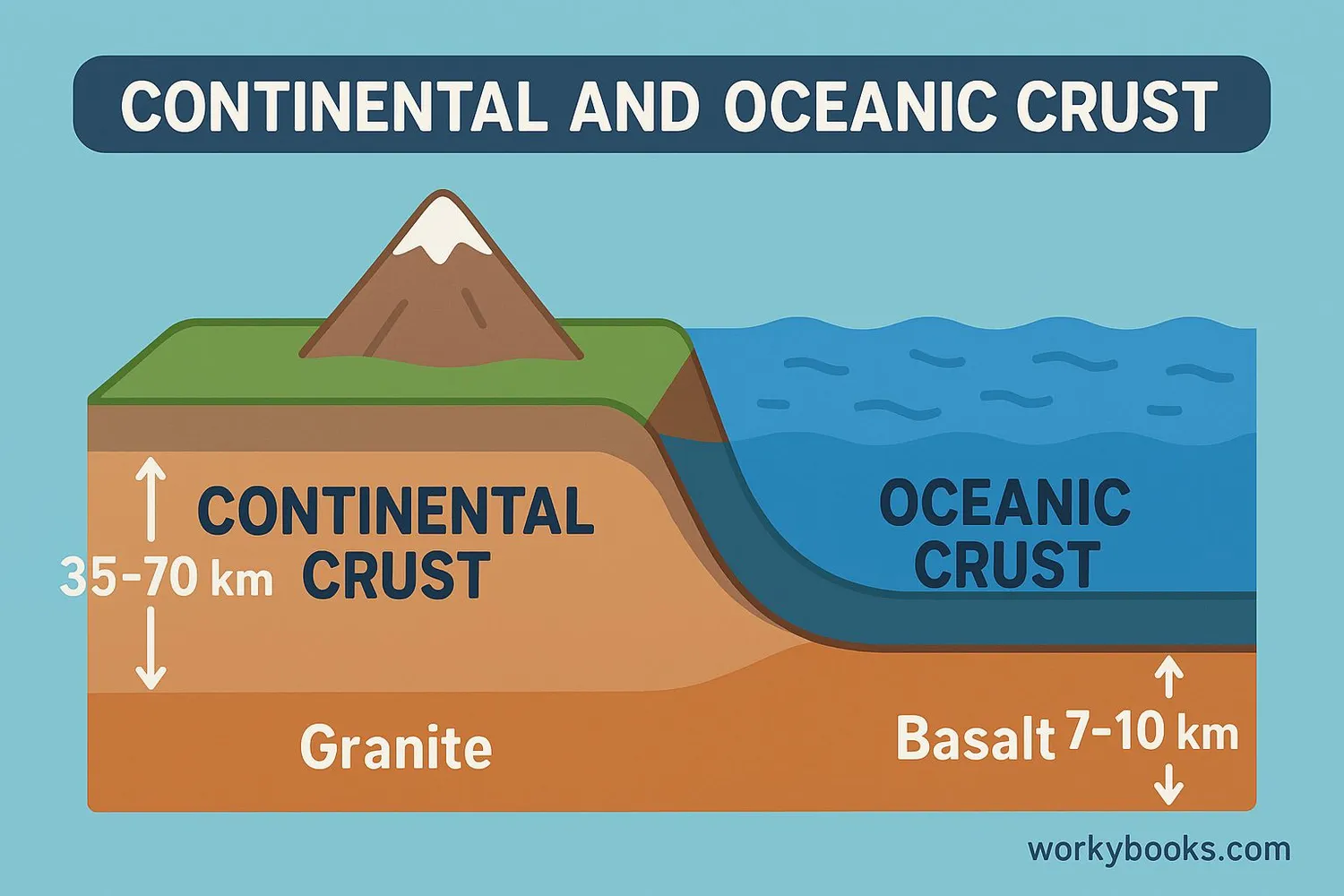
Crust
The thin, outermost solid shell of Earth that forms both continents and ocean floors.
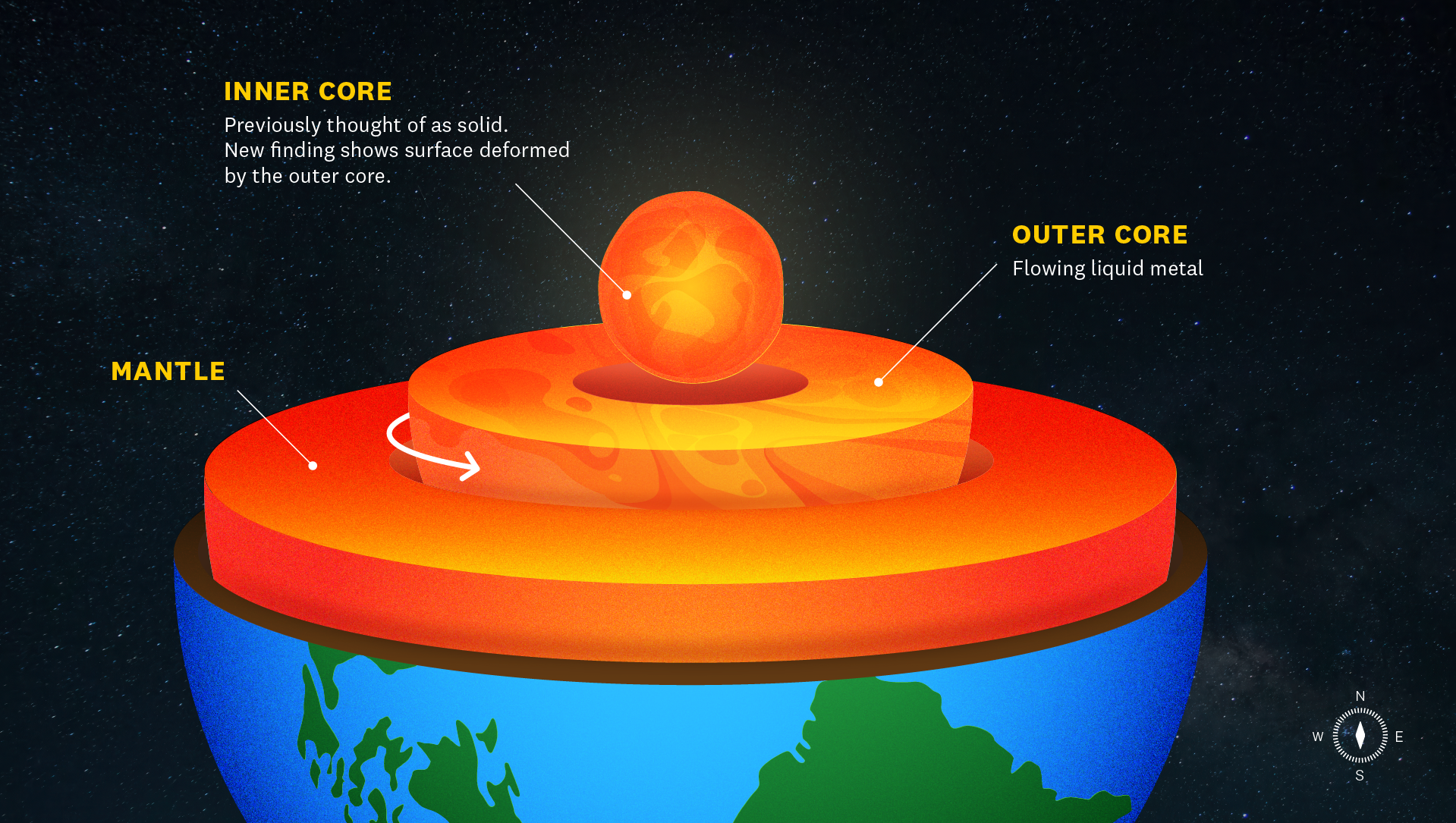
Mantle
The thick layer of hot, solid-to-semi-solid rock located between the outer core and the thin surface shell.

Outer Core
The liquid layer of iron and nickel surrounding Earth's solid center, responsible for generating the magnetic field.
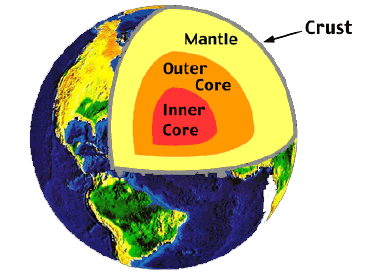
Inner Core
The extremely dense, solid sphere at the center of Earth, composed primarily of iron and nickel under immense pressure.
Basalt
A dark, dense, fine-grained igneous rock that makes up most of the oceanic crust.

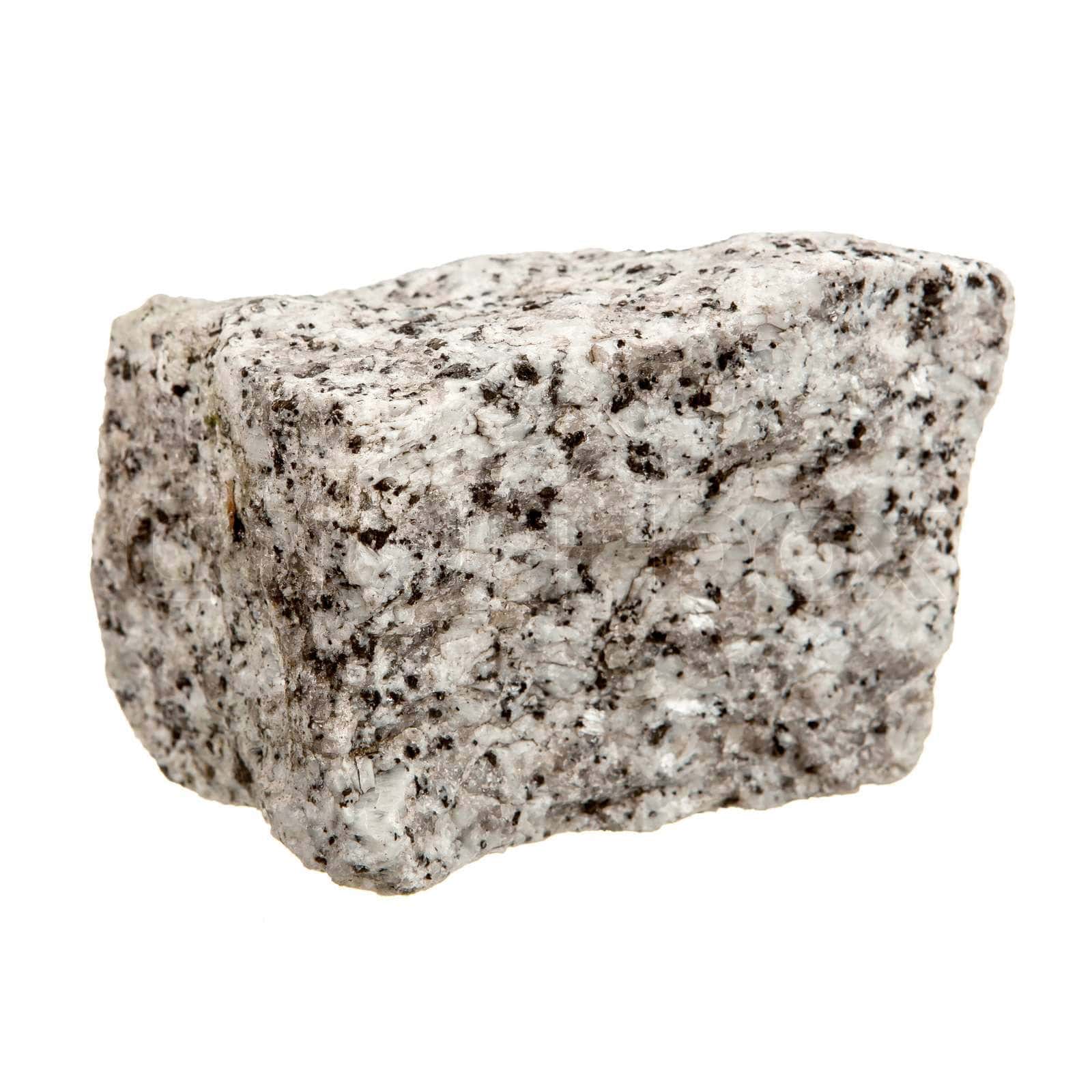
Granite
A light-colored, coarse-grained igneous rock that forms a major portion of the continental crust.
Lithosphere
The rigid, brittle outer layer of Earth comprising the crust and the uppermost part of the mantle, divided into tectonic plates.

Asthenosphere
The soft, ductile layer of the upper mantle directly below the rigid outer shell, upon which tectonic plates float and move.

Seismic wave
An elastic shock wave or vibration generated by a sudden release of energy that travels through or along Earth.
Earthquake
The sudden shaking or trembling of the ground caused by the violent release of strain energy along a fault plane.

Focus
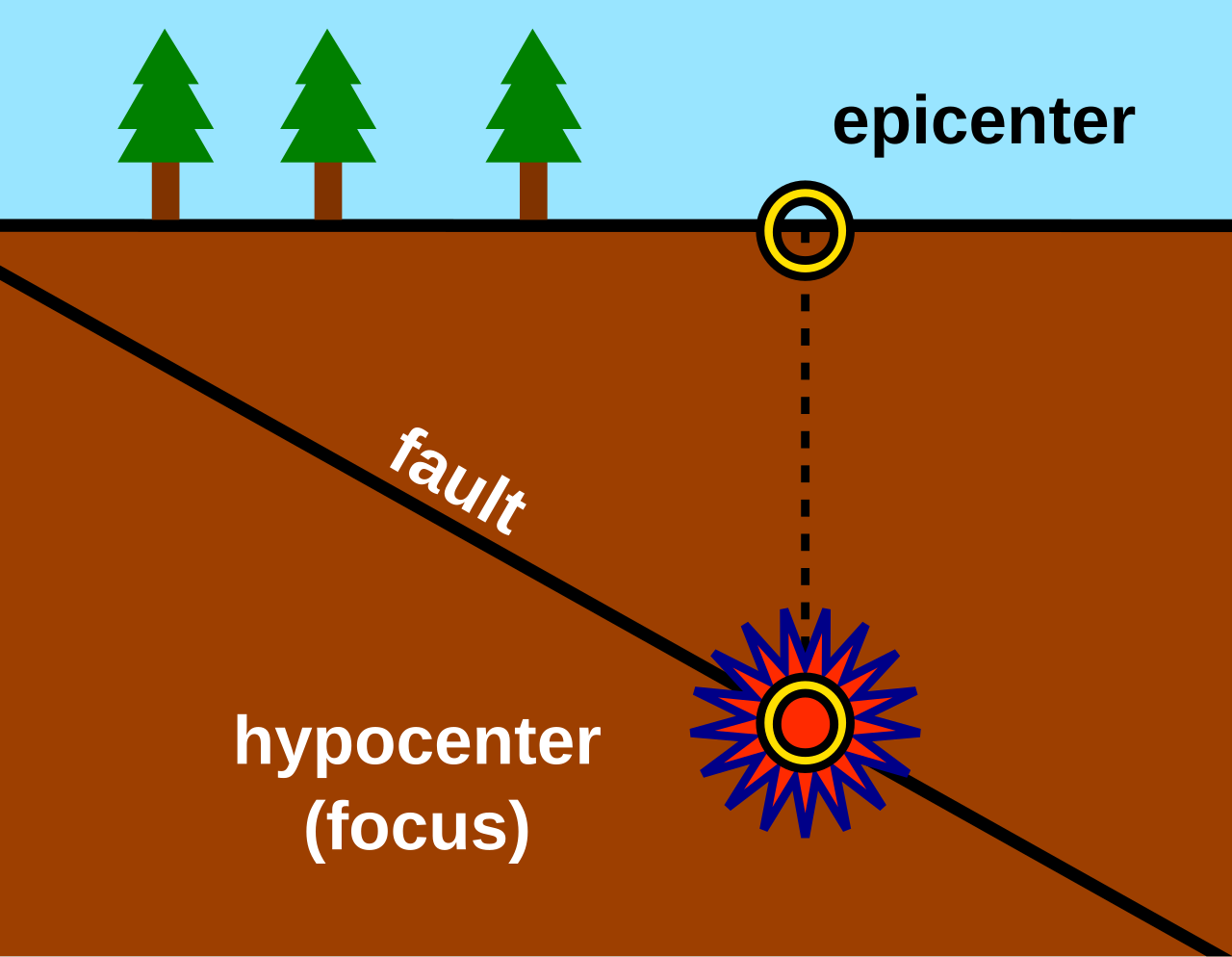
The exact subterranean location along a fault plane where ground rupture originates and energy is first released.

Epicenter
The point on Earth's surface directly above the subterranean origin of a seismic event.
P wave
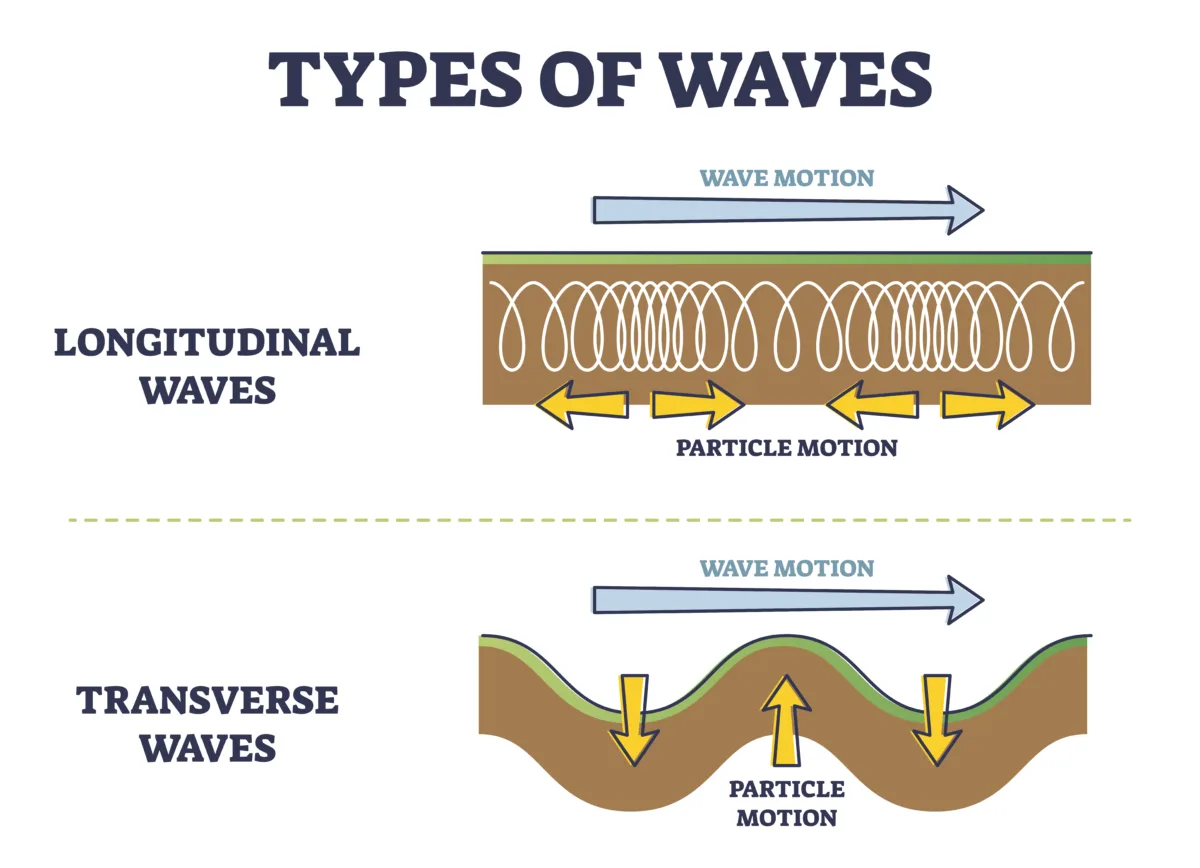
The fastest primary wave that compresses and expands the ground parallel to its direction of travel, capable of moving through solids, liquids, and gases.

S wave
A secondary shear wave that moves the ground side-to-side perpendicular to its travel direction and can only travel through solids.

Surface wave
A slow-moving wave traveling along Earth's outer crust that produces the largest ground displacement and causes the most destruction.

Seismograph
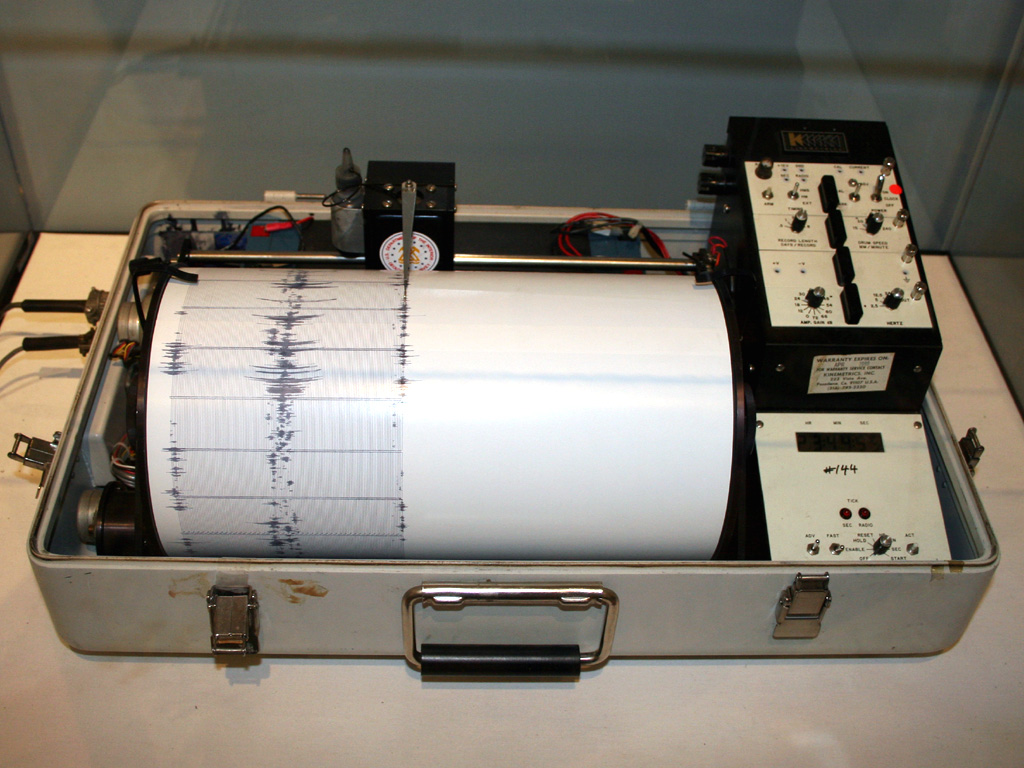
An instrument used to detect, measure, and record ground vibrations caused by energy releases inside Earth.
Seismogram
The physical printout or digital graph produced by a detection instrument that displays ground movement over time.

Earth's Density
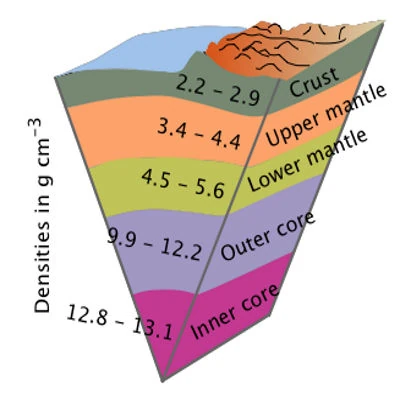
Earth's average mass per unit volume increases from the surface to the core.
Pressure
The continuous force exerted per unit area, which increases immensely with depth within Earth due to the weight of overlying rock layers.
Planetary differentiation
The process by which a molten planetary body separates into compositionally distinct layers, causing denser materials to sink to the center and lighter materials to rise.
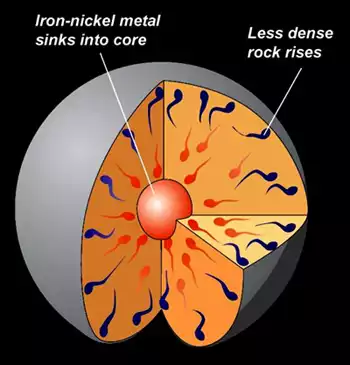
convection currents
The circular movement of fluid caused by the uneven heating of materials, which plays a key role in the transfer of heat within the Earth's mantle.
