Scribe.ology: Basic Anatomy
 Call Kai
 Learn
Learn Practice Test
 Spaced Repetition
 Match
Match Flashcards
 Knowt Play
1/75

There's no tags or description
Looks like no tags are added yet.
Name | Mastery | Learn | Test | Matching | Spaced | Call with Kai | Chat |
|---|
No analytics yet
Send a link to your students to track their progress
76 Terms
Anatomical Position
Standard way of describing the human body, standing with feet together, palms facing forward
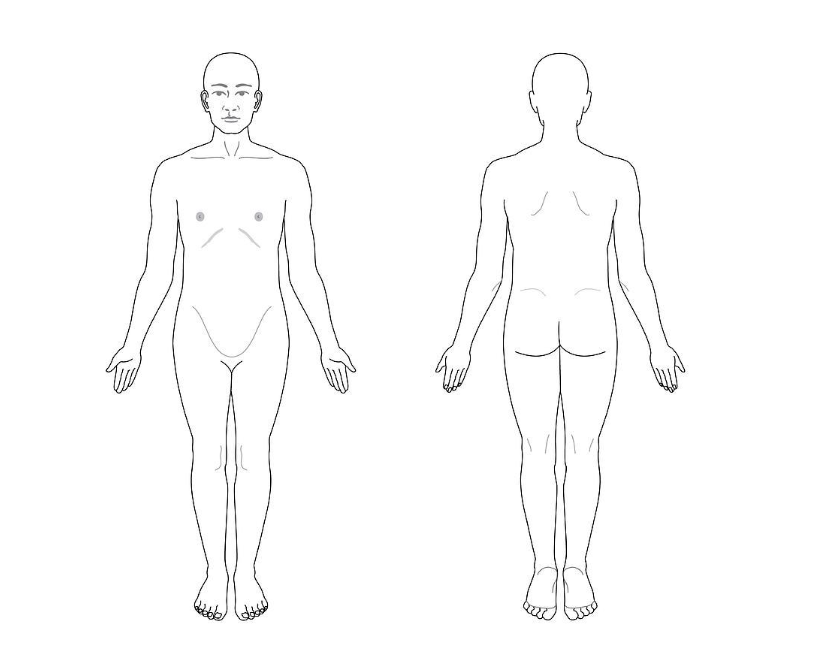
Antecubital
front of the elbow
Axillary
armpit
Brachial
arm
Carpal
wrist
Cephalic
head
Cervical
neck
Crural
leg
Deltoid
shoulder
Digital
finger
Dorsum of foot
top of the foot
Femoral
thigh
Inguinal
groin
Mammary
breast
Nasal
nose
Oral
mouth
Palmar
palm
Patellar
knee
Pectoral
chest
Ped
foot
Pelvic
hips
Pubic
genitals
Tarsal
ankles
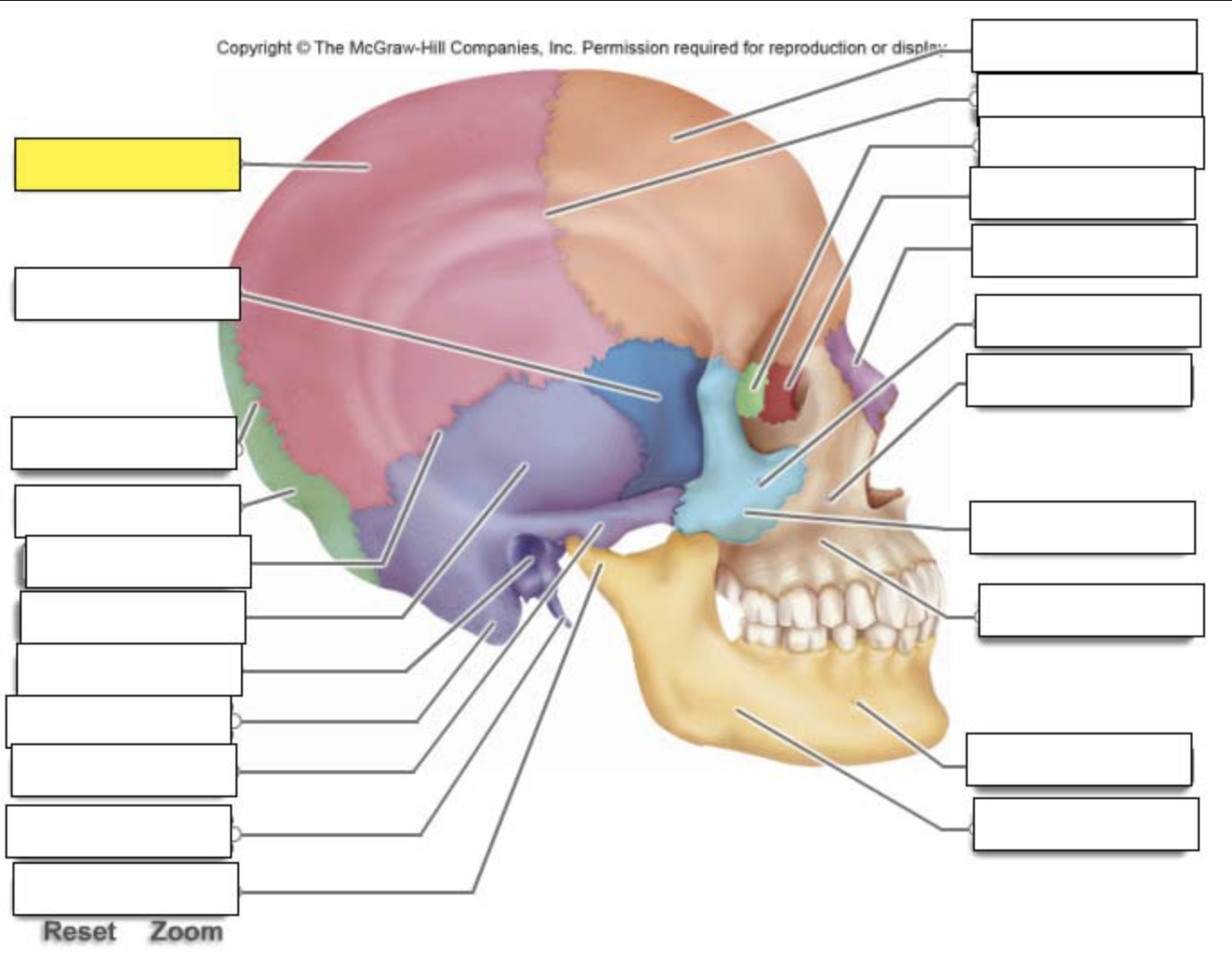
Parietal
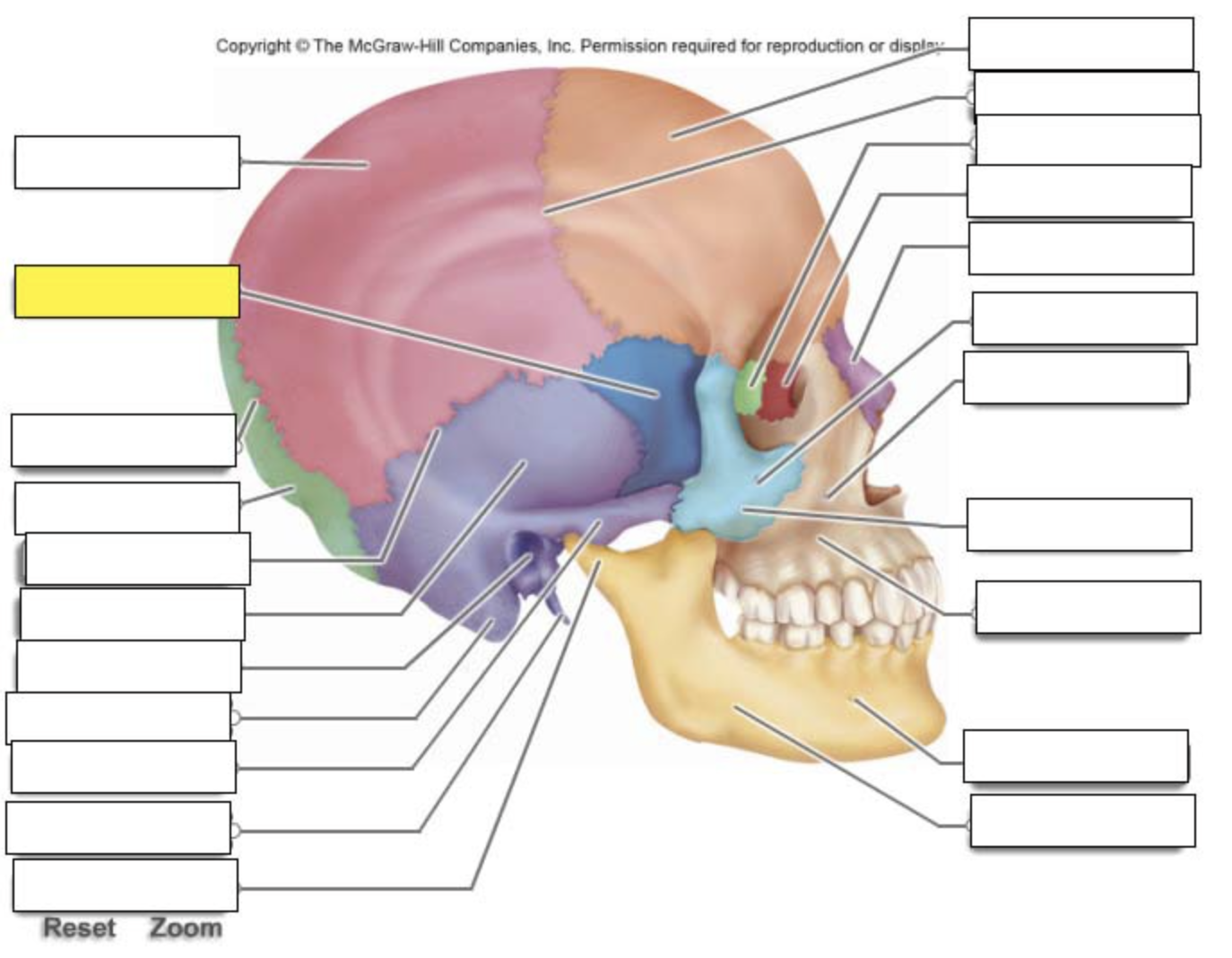
Sphenoid Bone
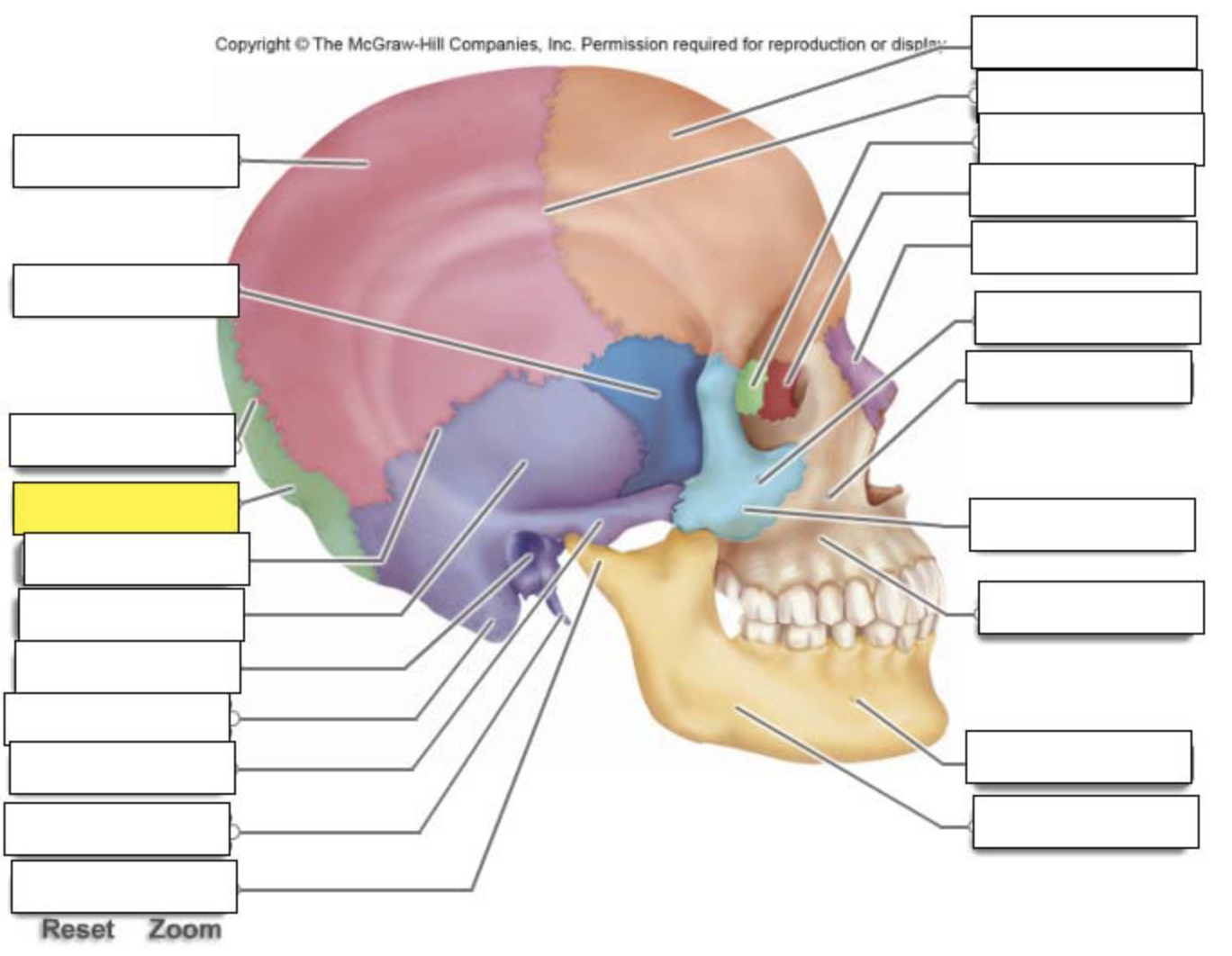
Occipital Bone
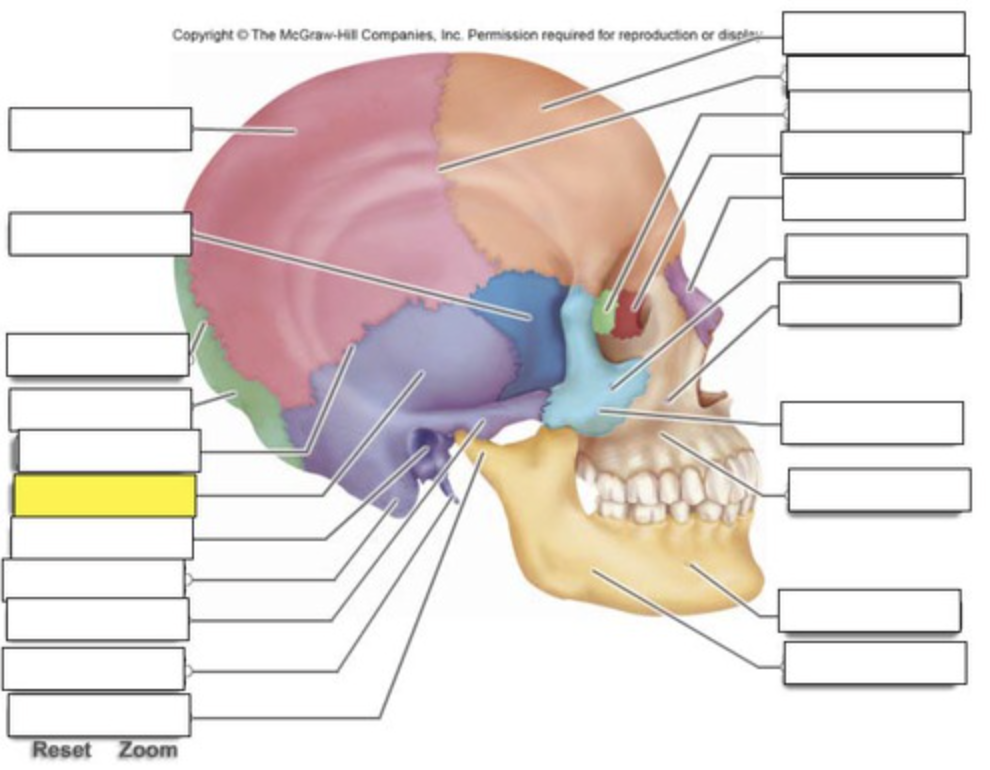
Temporal Bone
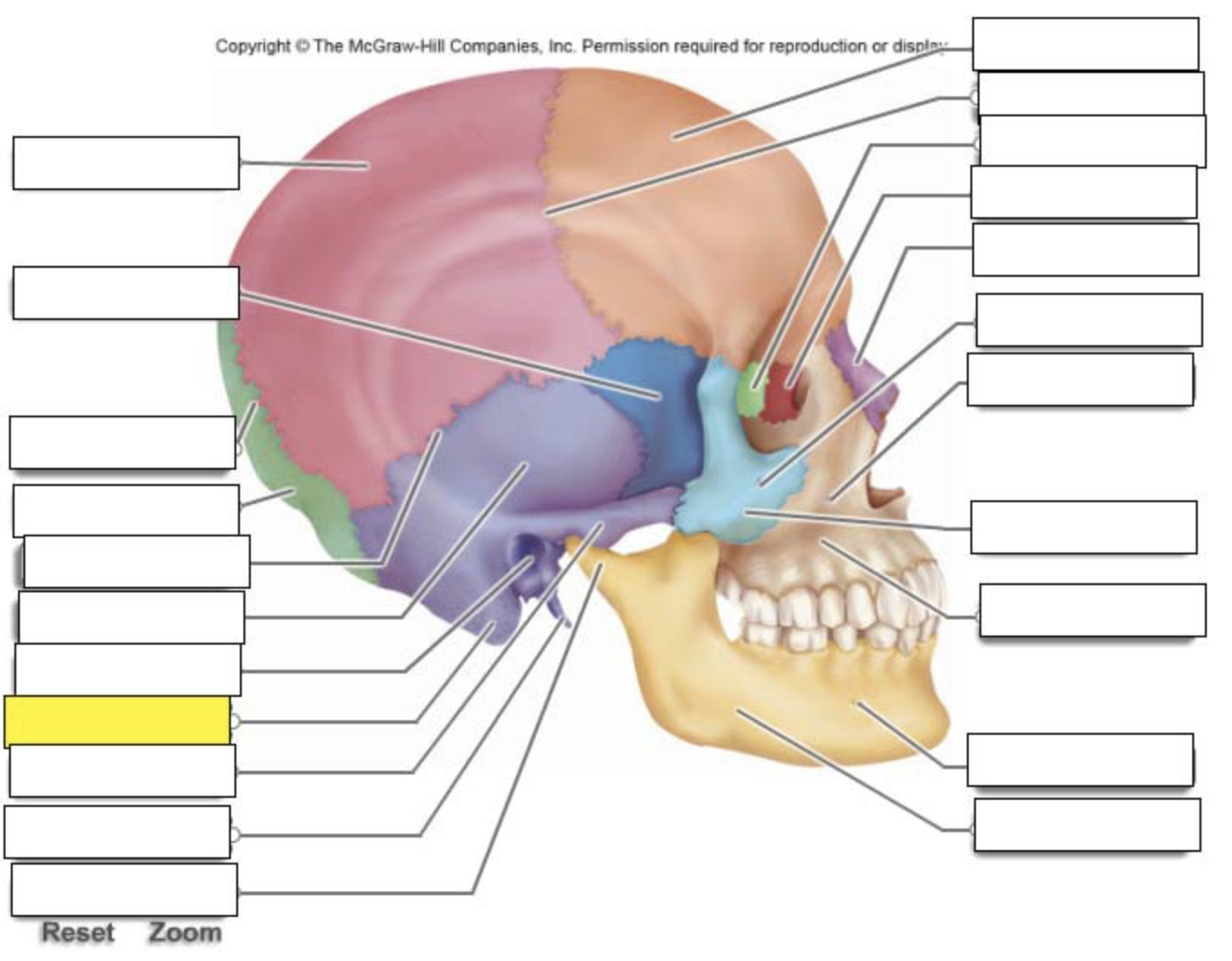
Mastoid Process
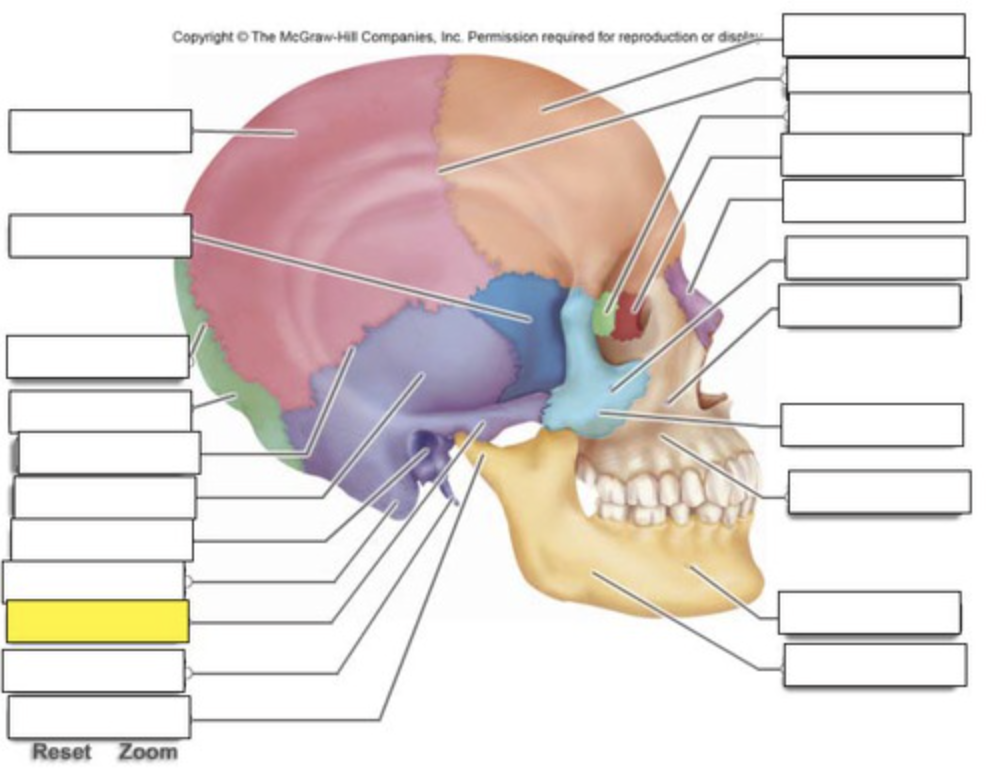
Zygomatic Process
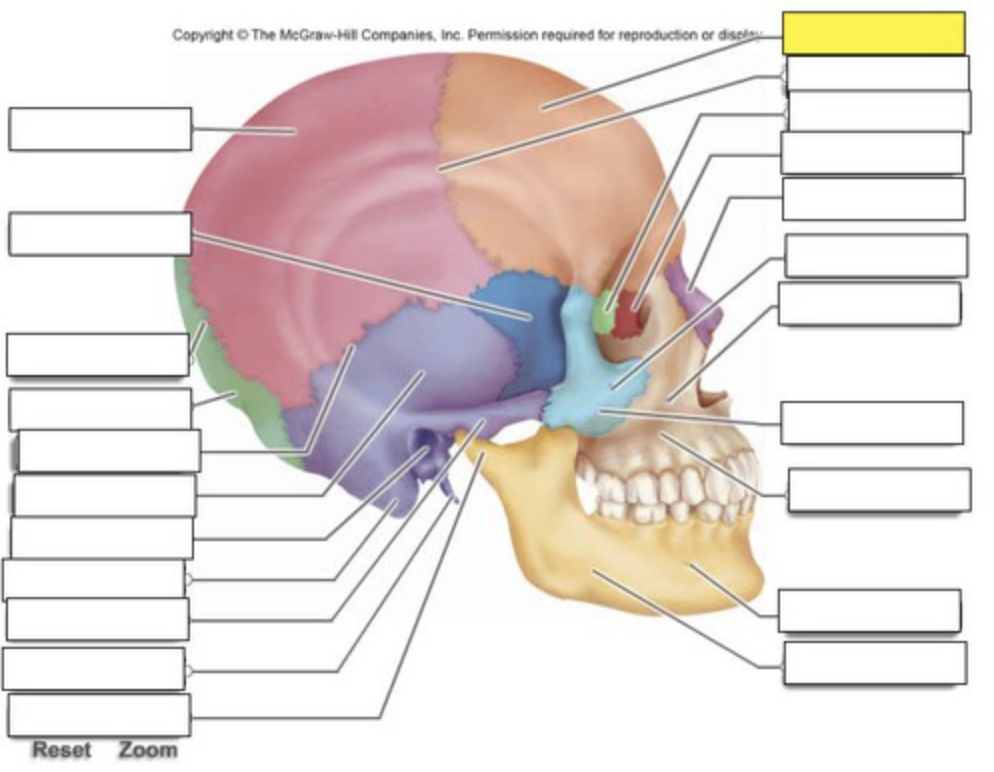
Frontal Bone
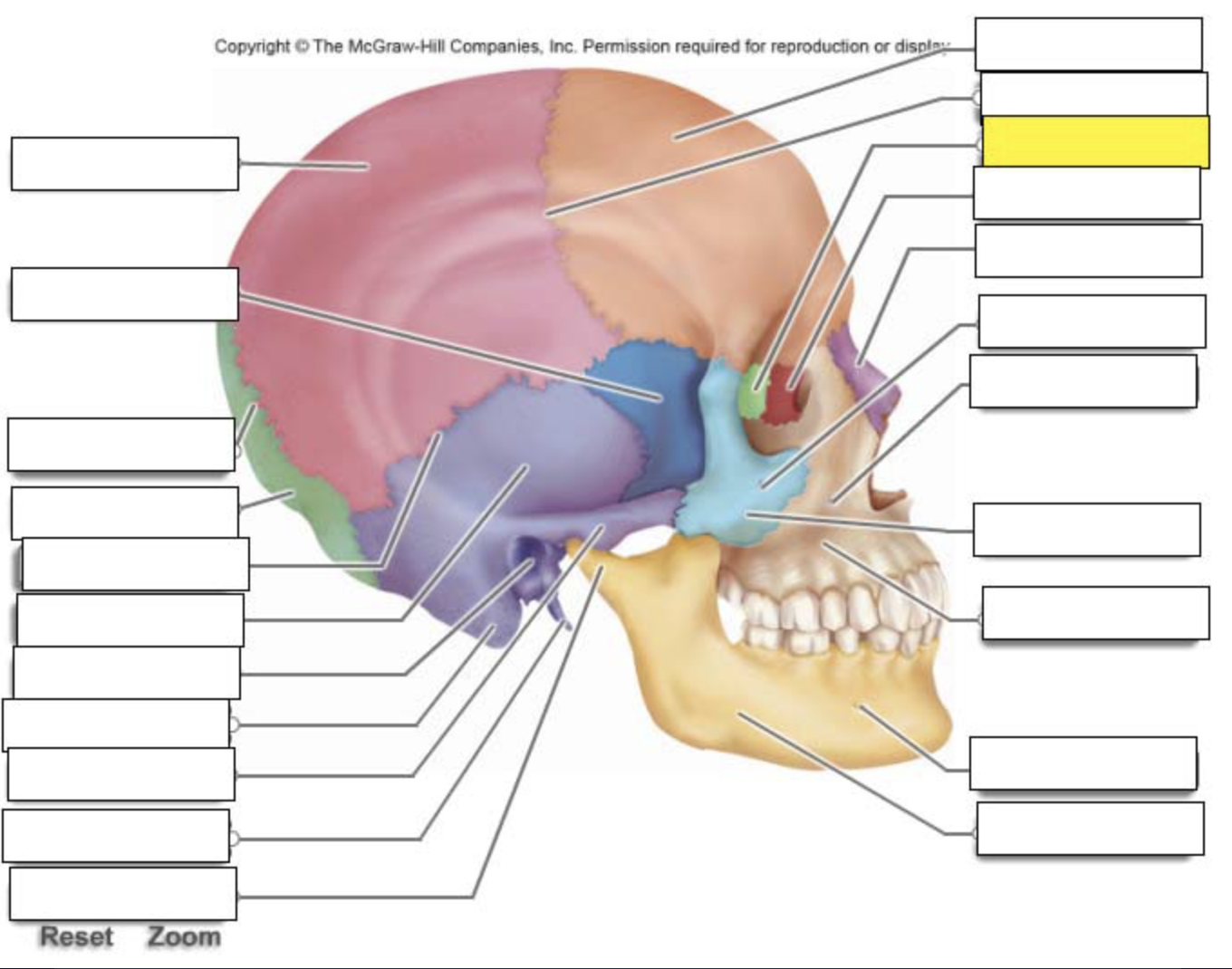
Ethmoid Bone
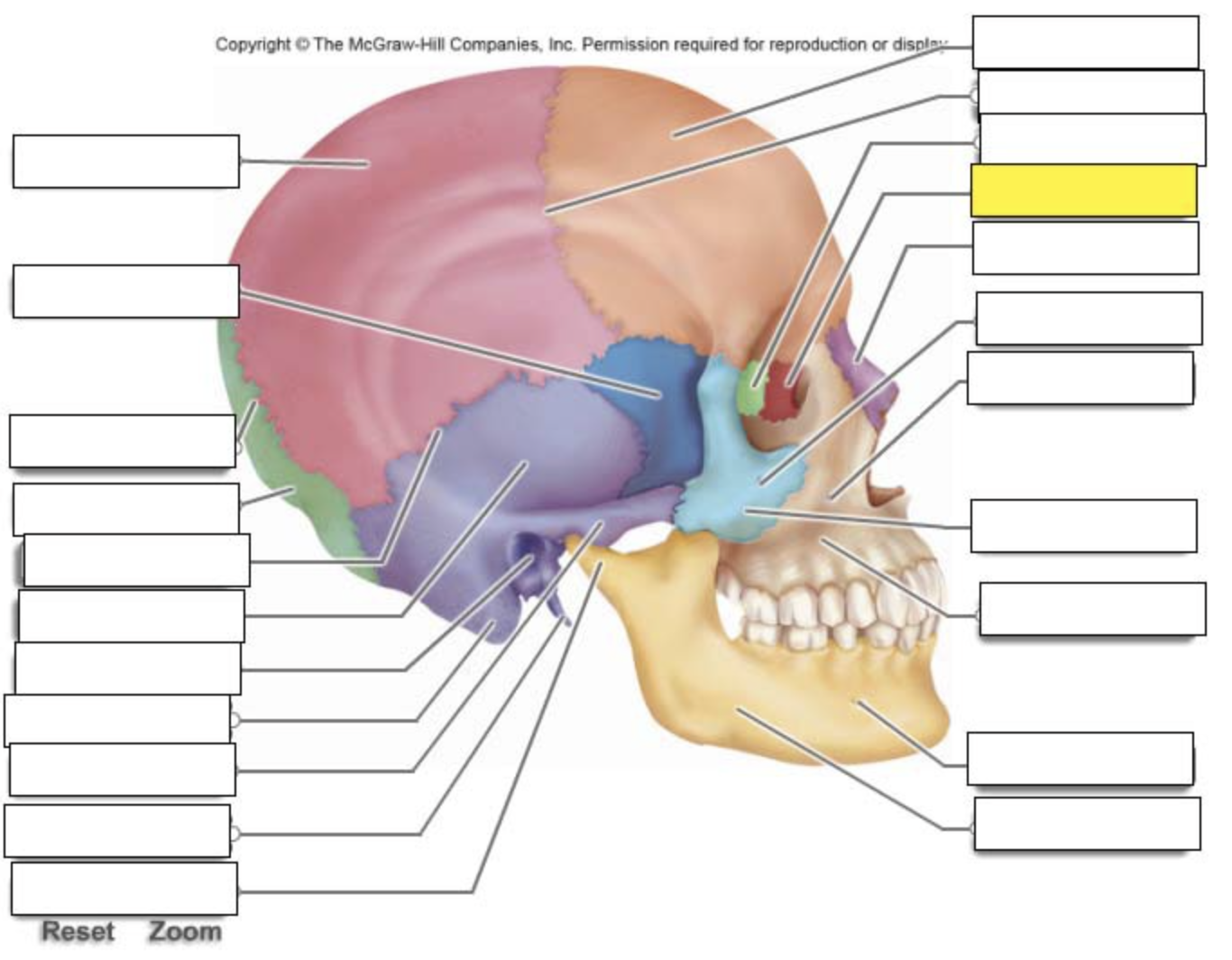
Lacrimal Bone
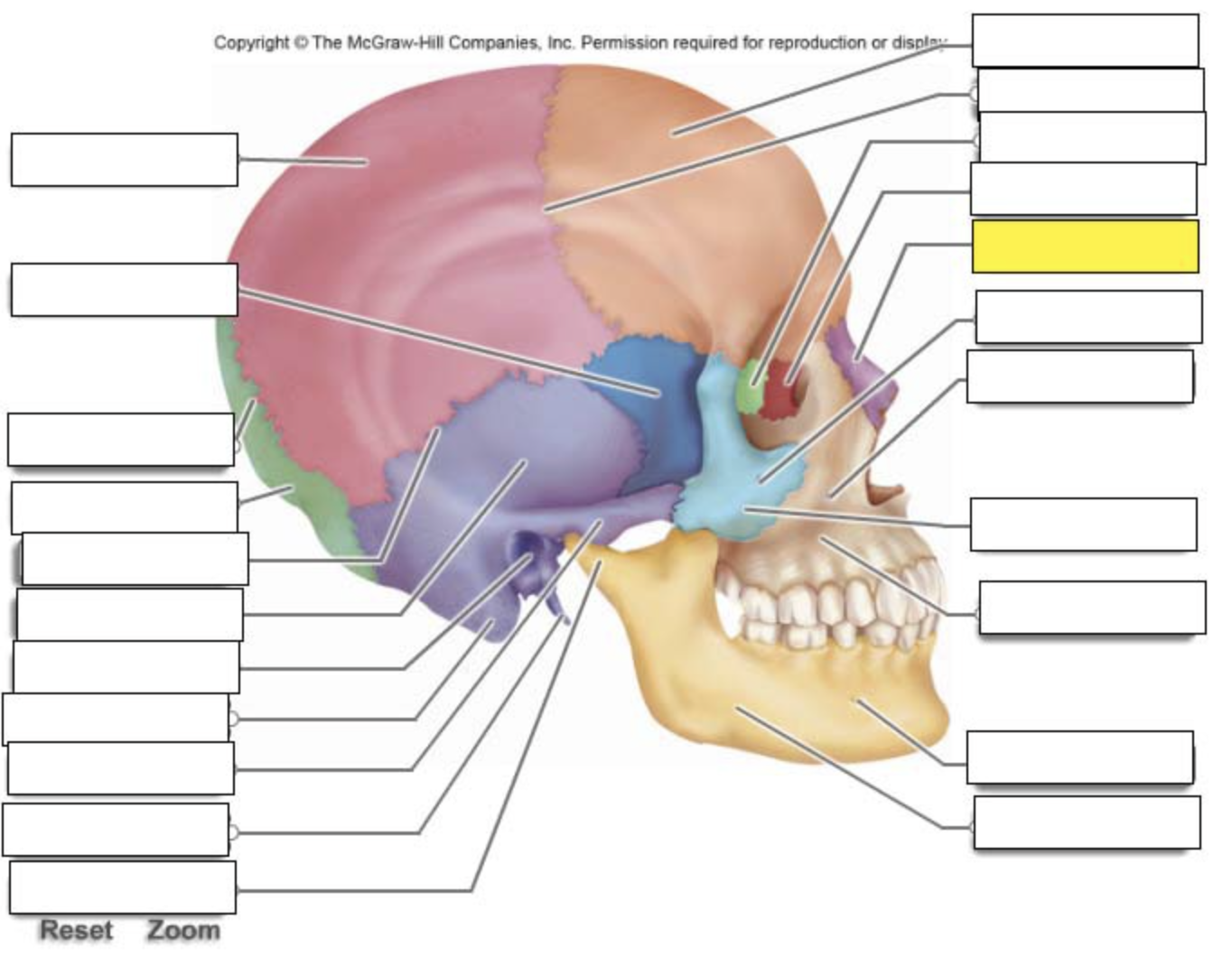
Nasal Bone
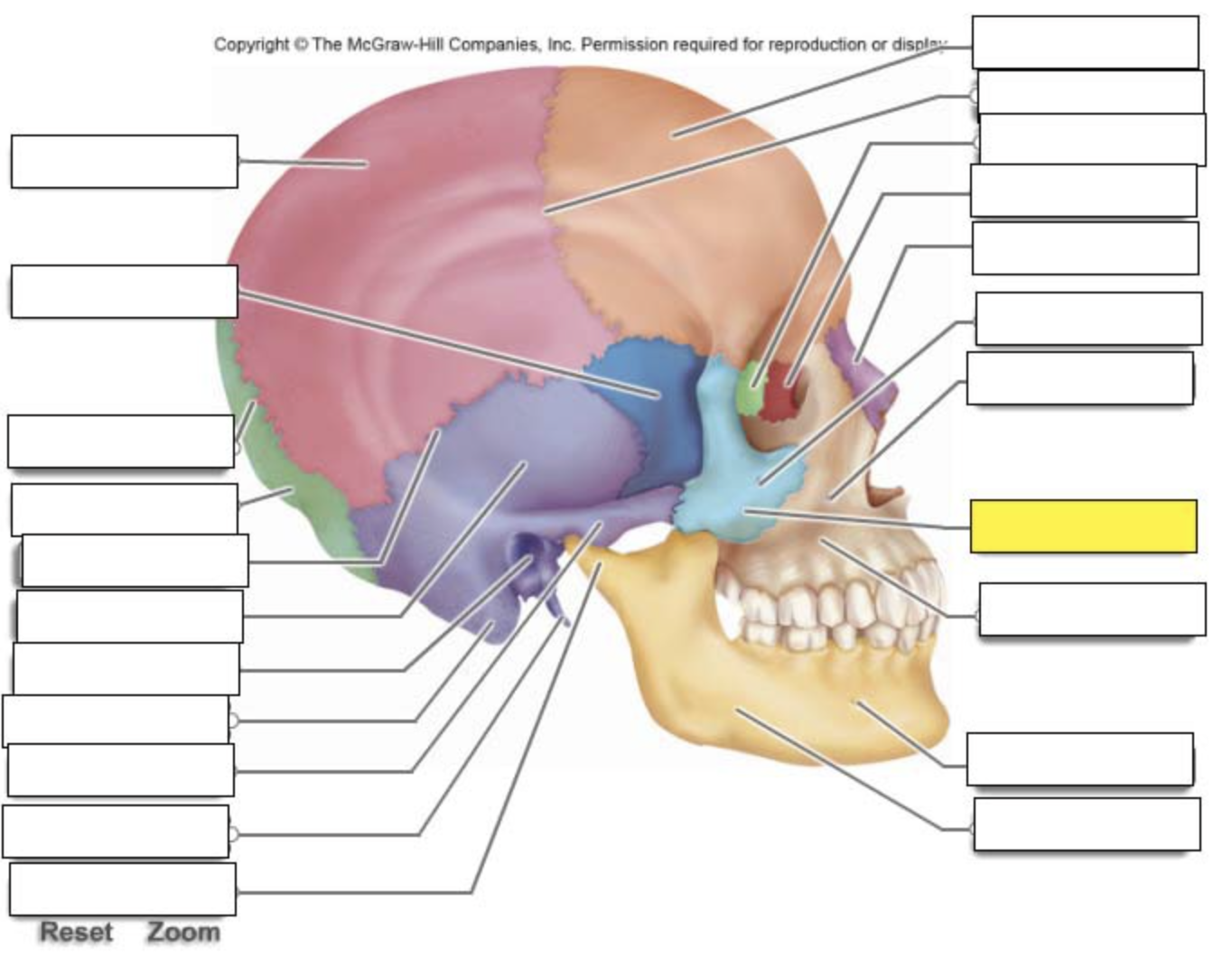
Zygomatic Bone
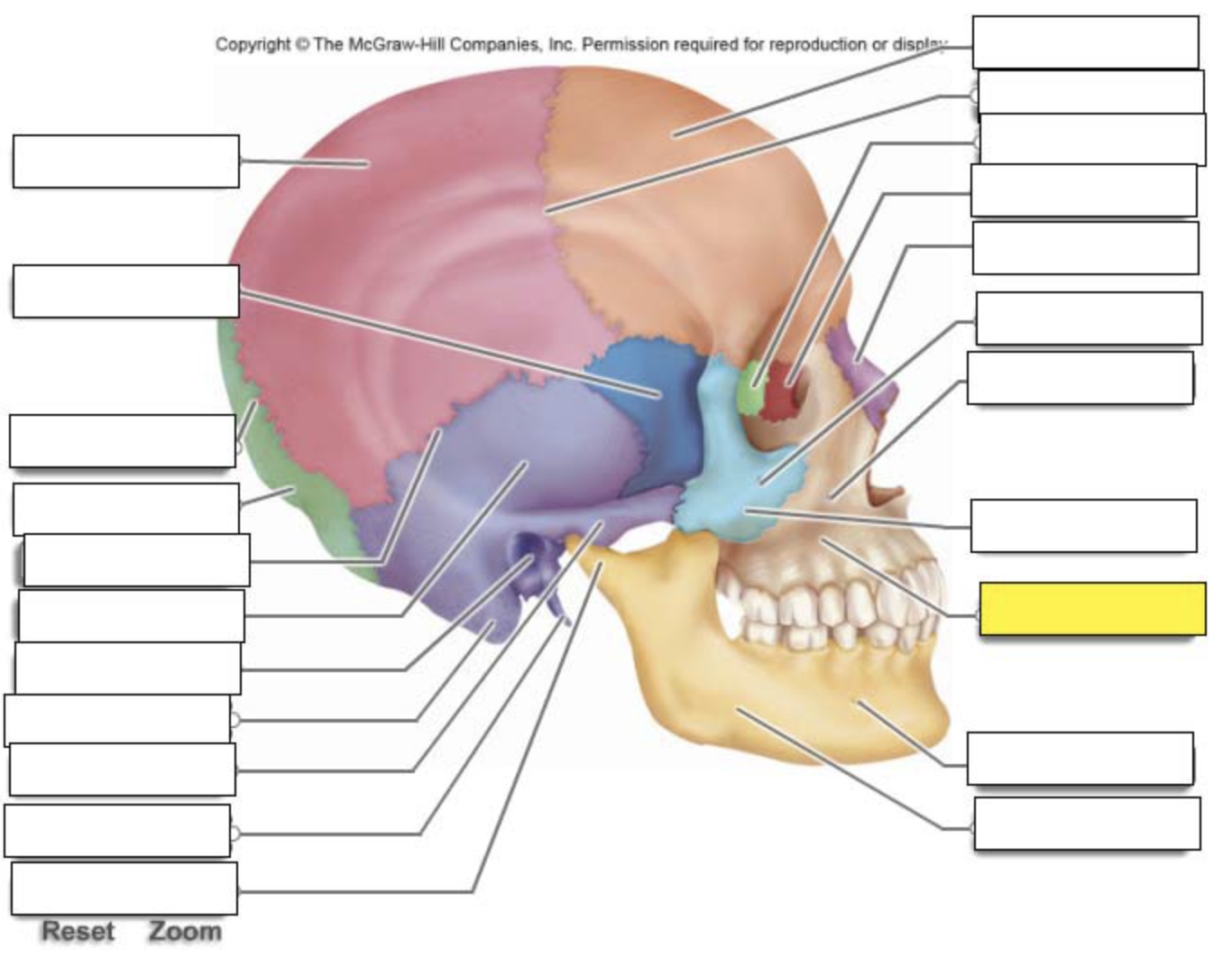
Maxilla Bone
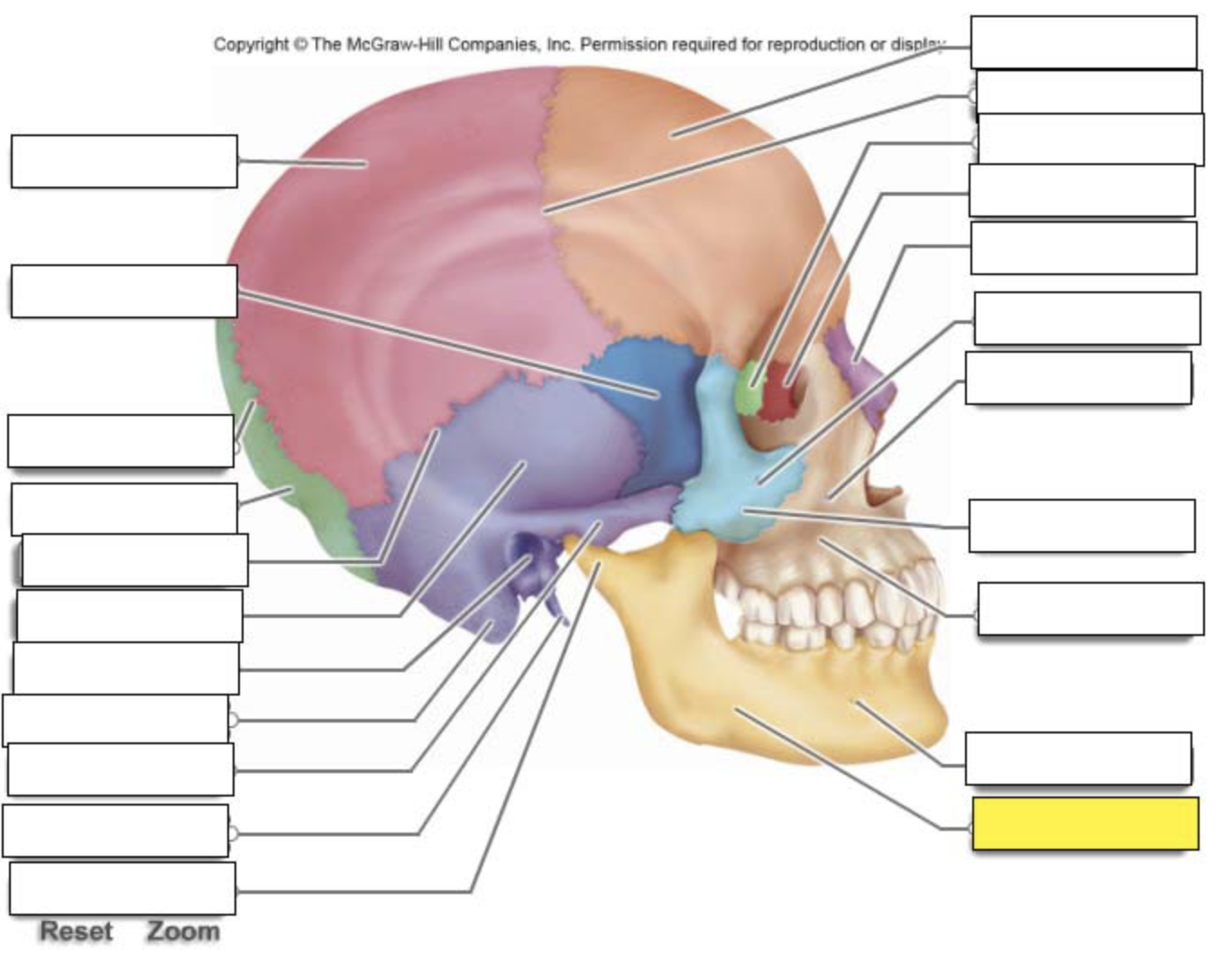
Mandible Bone
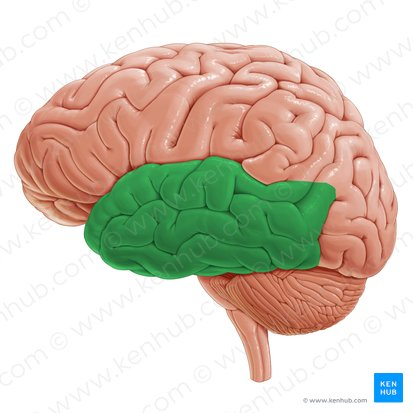
Temporal Lobe
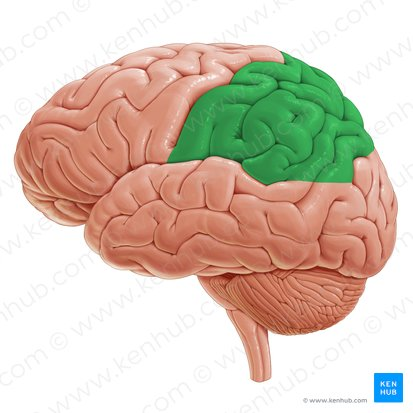
Parietal Lobe
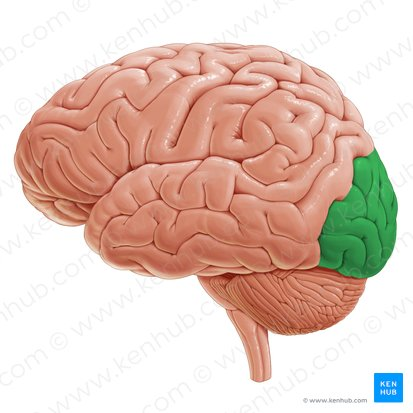
Occipital Lobe
Trochlear (IV) motor
superior oblique muscle
Abducent (VI) motor
external rectus muscle
Trigeminal (V) sensory
face, sinuses, teeth, etc.
Trigeminal (V) motor
muscles of mastication
Hypoglossal (XII) motor
muscles of the tongue
Accessory (XI) motor
sternocleidomastoid and trapezius muscles
Vagus (X) motor
heart, lungs, bronchi, gastrointestinal tract
Vestibulococchlear (VIII) sensory
inner ear
Intermediate motor
submaxillary and sublingual gland
Intermediate sensory
anterior part of tongue and soft palate
Glossopharyngeal (IX) motor
pharyngeal musculature
Glossopharyngeal (IX) sensory
posterior part of tongue, tonsil, pharynx
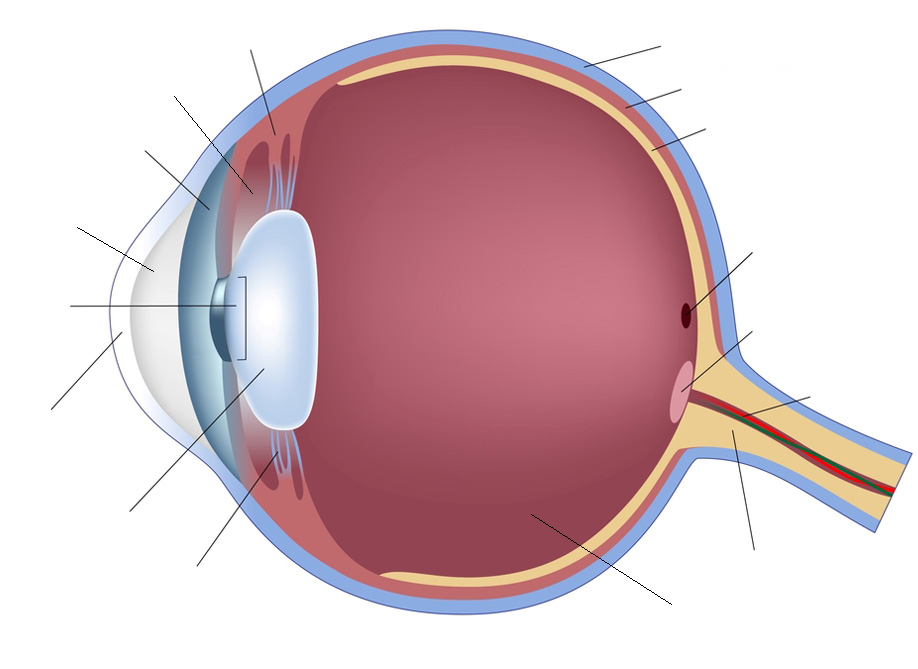
Pupil
Pupil
hole in center of the iris, where llight passes through on its wat to the retina
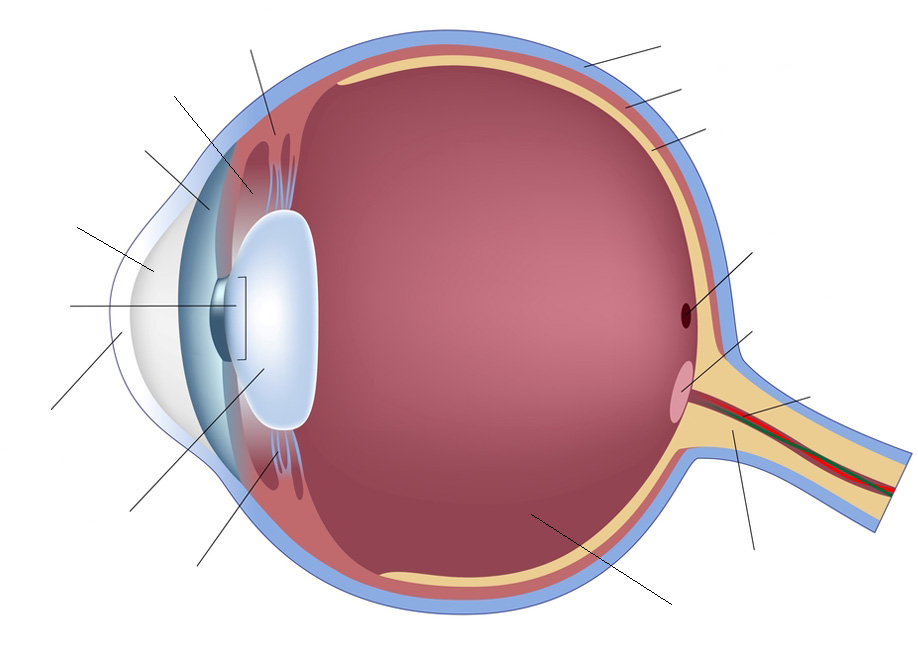
Lens
Lens
Focuses the image towards the back of the eye
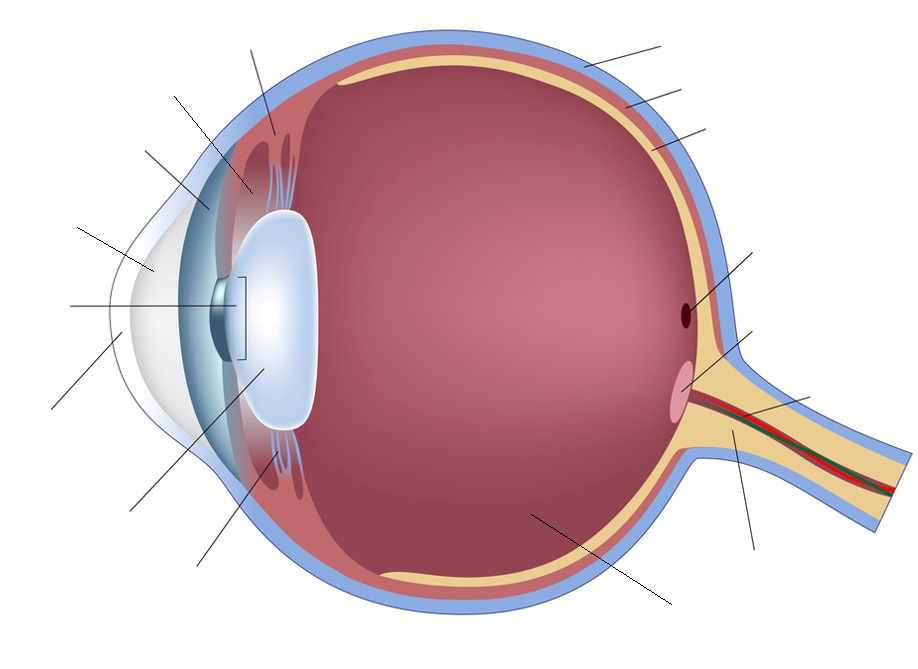
Retina
Retina
contains the cones and rods and allows for vision
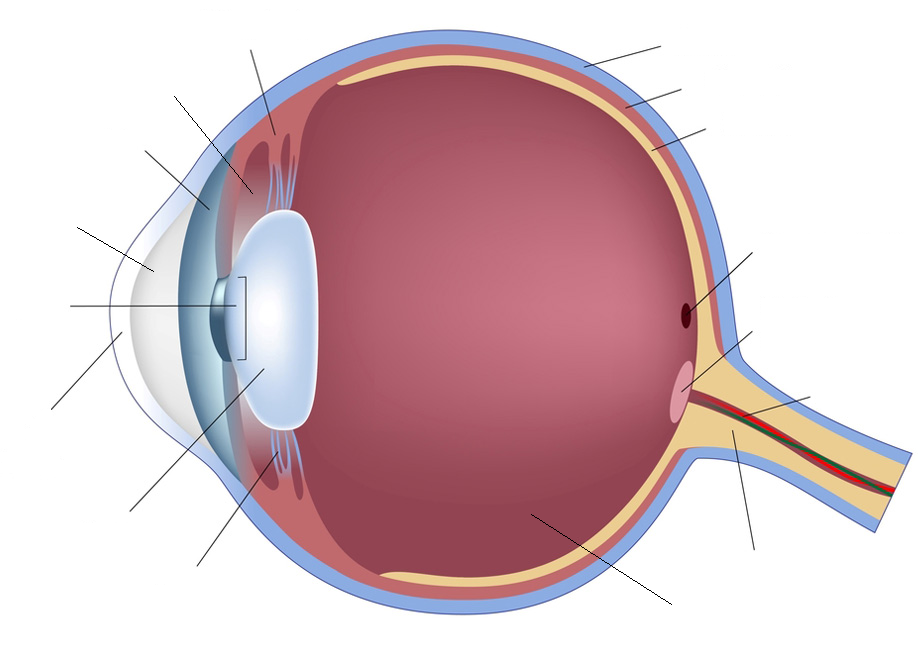
Optic Nerve
Optic Nerve
transmits the visual signals from the eye to the brain
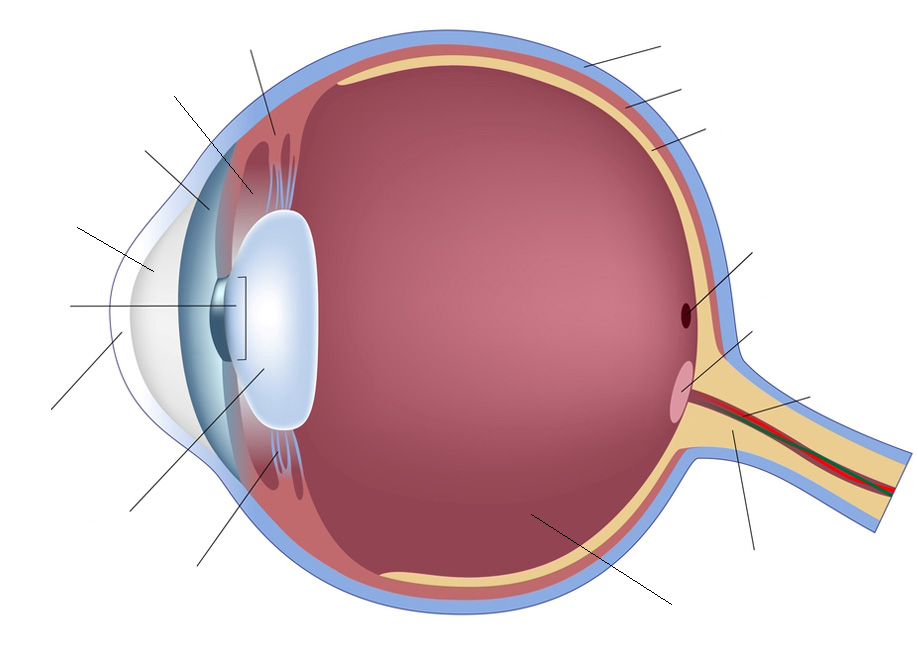
Iris
Iris
Circular structure in the front of the eye, containing the pgiment that determines eye color
Extra Ocular Muscles
Surround the eye that allows it to move within the eye socket
What does HENT stand for?
Head, Ears, Nose, and Throat
Nasal Turbinate
curved shelf of bones within the nasal cavity
Tonsils
Immune structures at the back of the throat
Oropharnyx
Mouth
Pinna
Outer ear
Malleus, Incus, Stapes
the bones of the middle ear that transmit sound
Tympanic Membrane
eardrum
Semicircular canals
fluif filled canals responsible for balance
Cochlea
Organ that turns vibration into nerve impulses
Eustachian Tube
narrow passageway that leads from the middle ear to the pharynx. Allows for equalization of pressure within the ear
Cervical Vertebrae
1-7
Thoracic Vertebrae
Middle 12
Lumbar Vertebrae
bottom 5
Sacral Vertebrae
Fused together at bottom of spine