Equine Signalment, Breeds, Colors, & Working Classes
 Call Kai
 Learn
Learn Practice Test
 Spaced Repetition
 Match
Match Flashcards
 Knowt Play
1/92

There's no tags or description
Looks like no tags are added yet.
Name | Mastery | Learn | Test | Matching | Spaced | Call with Kai | Chat |
|---|
No analytics yet
Send a link to your students to track their progress
93 Terms
Neonatal foal
describes a foal lass than 30 days of age
Colt
Male foal
Fillies
Female Foal
Normal Weanling time for a foal
4-6 months
Weanling
a horse less than one year of age that is separated from the mare
yearling or long yearling
horses born the previous year
Regardless of the actual date of birth for a horse, all have the same birthday, ____________ ___
January 1st
Timing of birth is particularly important for what sport?
thoroughbred racing
Adult horse
2 years and older
Senior horses
20 years of age and older
The key to longevity in the equine world is related to what?
good dental care
Horses have ______________ teeth, meaning teeth that continually erupt and must be managed by routine dentil floating.
hypsodont
Stallions
uncastrated male horses
Gelding
castrated male horse
Mare
adult female horse
What reproductive related procedure is not usually performed on a female horse?
ovariohystarectomy
Light horses are typically greater than ___ hands and typically weigh less than ________ pounds
15; 1500
Ponies measure less than ____ hands tall
15
How is height measured in horses?
distance between the withers and the ground
One hand is equal to ___ inches
4
What may be used to estimate weight of a horse?
a weight tape placed around the barrel, or thorax, of the horse at the level of the withers
Weight tapes are indicated for _______ horse breeds.
light
Where did light horse breeds descend from?
harsh, desert climates of ancient Babylonia and Egypt
Thoroughbred horses are know for what qualities?
agility, speed, and spirit
All modern thoroughbreds can trace their pedigrees to three _____________ (breed) stallions.
Arabian
Characteristics of Arabian horses
large eyes, dished head, arched neck and flighty personality
Where were American Quarter Horses developed?
in the US in the 1600s along the eastern seaboard
American Quarter Horses are a cross between what breeds?
English Thoroughbreds and horses used by Native American tribes.
What are Standardbreds known for?
ability to race in harness at a trot or pace instead of a gallop
Characteristics of a Standardbred
well muscled, long body and head, slightly heavier than a Thoroughbred, with solid legs and powerful shoulders and hindquarters
American Saddlebred is known for what?
a learned gait called the "rack"
What are the two primary coat patterns of the American Paint Horse?
overo and tobiano
Overo description
color over the top line (across the back) and colors on the legs and the tail is typically one color
Tobiano description
dark color covering one or both flanks and generally all four legs are white, at least below the hocks and knees. Tail is typically 2 colors and the color patterns down the neck and over the chest give the appearance of a shield
Appaloosa characteristics
spotted coat patterns, mottle skin around their eyes, lips, and genitalia, white sclera, striped hooves, and a thin mane and/or tail
To be considered an Appaloosa, a horse must have ___ of the 5 characteristics
3
Draft horse breeds are taller than __ hands are typically weigh more than _______ pounds.
17; 1500
Draft horses are known as _____-blooded breeds.
cold
List the light horse breeds covered in class.
Thoroughbred, Arabian, American Quarter Horse, Saddlebred, American Standardbred, American Paint Horse, and Appaloosa
Characteristics of a Belgian horse.
largest of the draft breeds. smaller head, thick and muscular neck, powerful shoulders and quarters, short legs with small amount of feathering. Chestnut in color with a white main and tail and a variation of white markings on the face and legs
Clydesdale breed primary use
exhibitions, parades, and known for their grace and versatility
Description of Percheron breed
usually black or gray in color; well-muscled and known for their intelligence and willingness to work
Use of Percheron breed
Used extensively for farm work in Europe, but in the US, they are used for parades, sleigh rides, hayrides, and carriage rides in large cities
List the draft horse breeds mentioned in class
Belgian, Clydesdale, Percheron
List the horses covered in class that do not fall under either category of light horse or draft horse breeds
Friesian and American Miniature Horse
Description of Friesian breed
typically have a lighter frame than draft breeds. They are black in color and are bred in the Netherlands. Graceful, nimble for their size.
Popular use for Friesian breed
harness and under-saddle disciplines, including dressage
American Miniature Horse is measured in _______
inches
To qualify as a miniature horse, they must be less than ____-____ inches tall.
34-38
Description of the American Miniature horse
hardy, sure-footed, great with people and used in a variety of disciplines
A warmblood horse does not necessarily imply what?
That they are a cross between a hot and a cold-blooded breed
What are two saddle types?
Western and English
What are four gaits horses perform at?
walk, trot, canter, and gallop - each increasing in speed
The walk is a __ - beat gait, where each limb contact the ground independently.
4
How many feet are always on the ground during a walk?
3
The trot is a __ - beat gait on the diagonal, meaning the alternate forelimb and hindlimb pairs move together.
2
The canter is a __ - beat gait where one limb remains in contact with the ground.
3
The _________ is the gait wherein all forelimbs contact the ground nearly simultaneously, leaving a time within the stride where there are no limbs in contact with the ground.
gallop
What are the learned gaits discussed in class?
pace & rack
Pace
a two beat gait - but the hindlimb and forelimb on the same side move together
___________ (breed) race horses are considered trotters or pacers
Standardbred
Rack
a flashy, exaggerated walk, with every foot hitting the ground independently as with the walk.
Dressage is an equine discipline where riders use an _________ saddle.
English

Bay colored horse

Black colored horse

Sorrel colored horse

Red roan horse

Blue roan horse

Bay roan horse

Chestnut colored horse
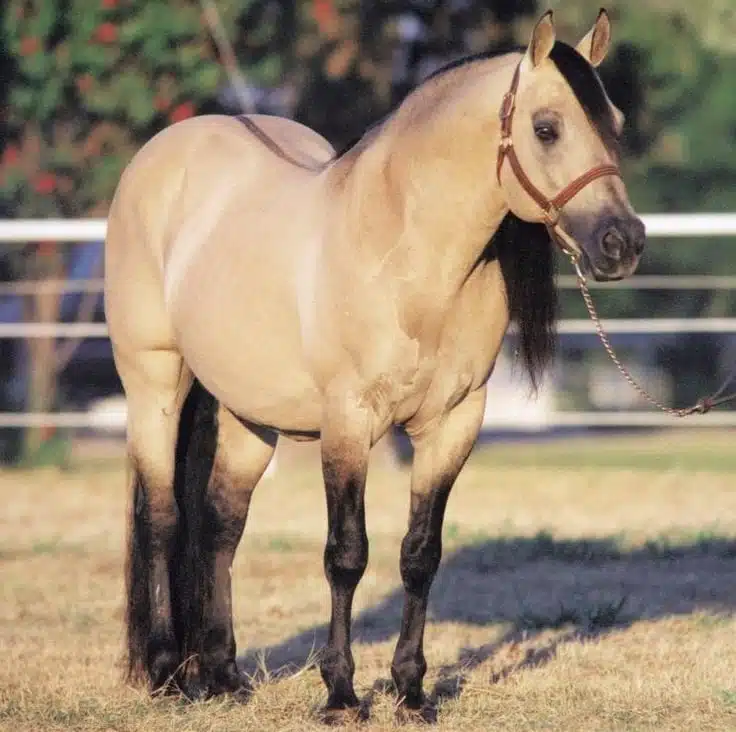
Dun colored horse

Red dun colored horse

Buckskin colored horse

Palomino colored horse

Gray colored horse

White colored horse

Cremello colored horse

Perlino colored horse

Grullo colored horse

Brown colored horse
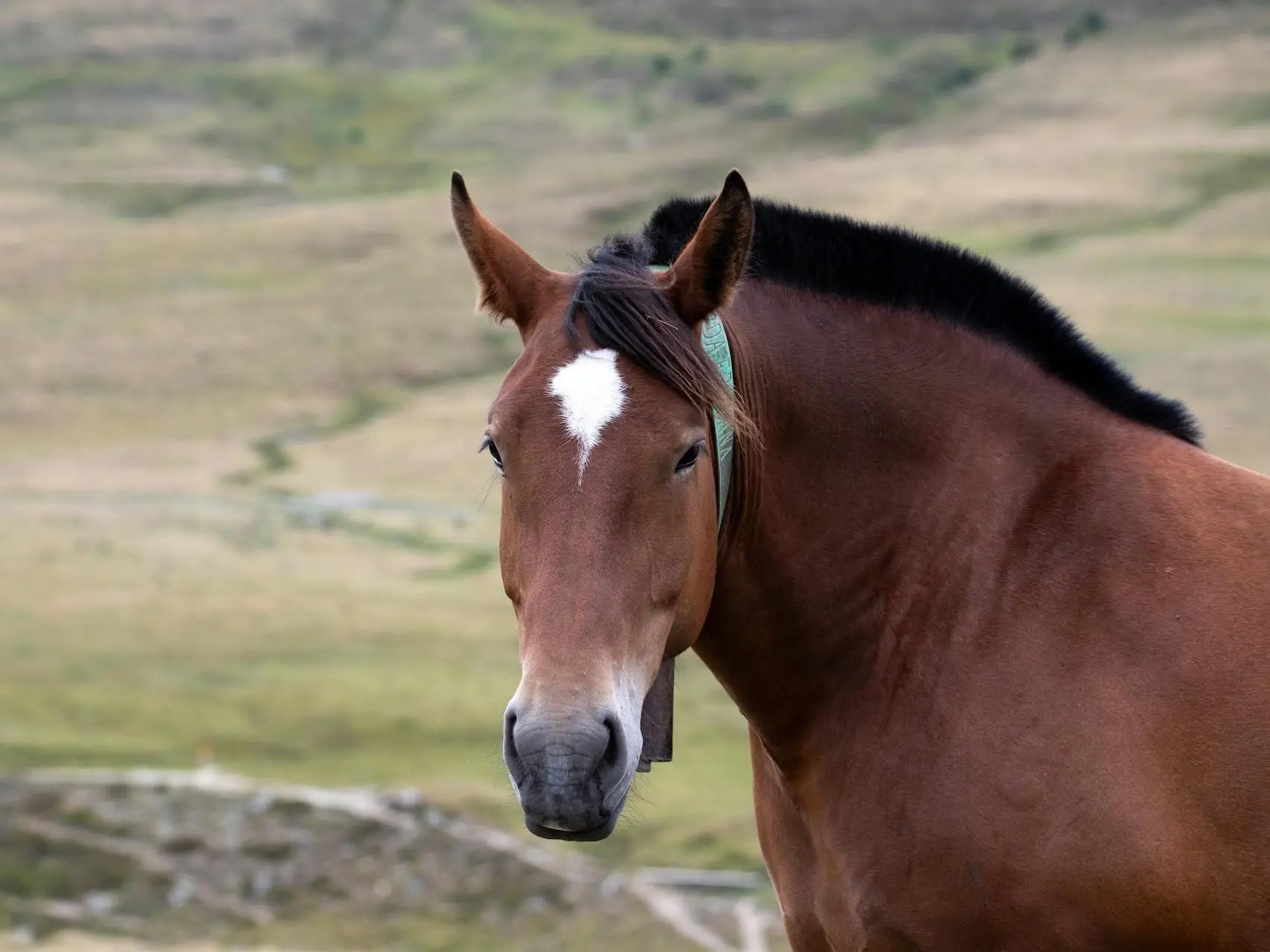
Star marking
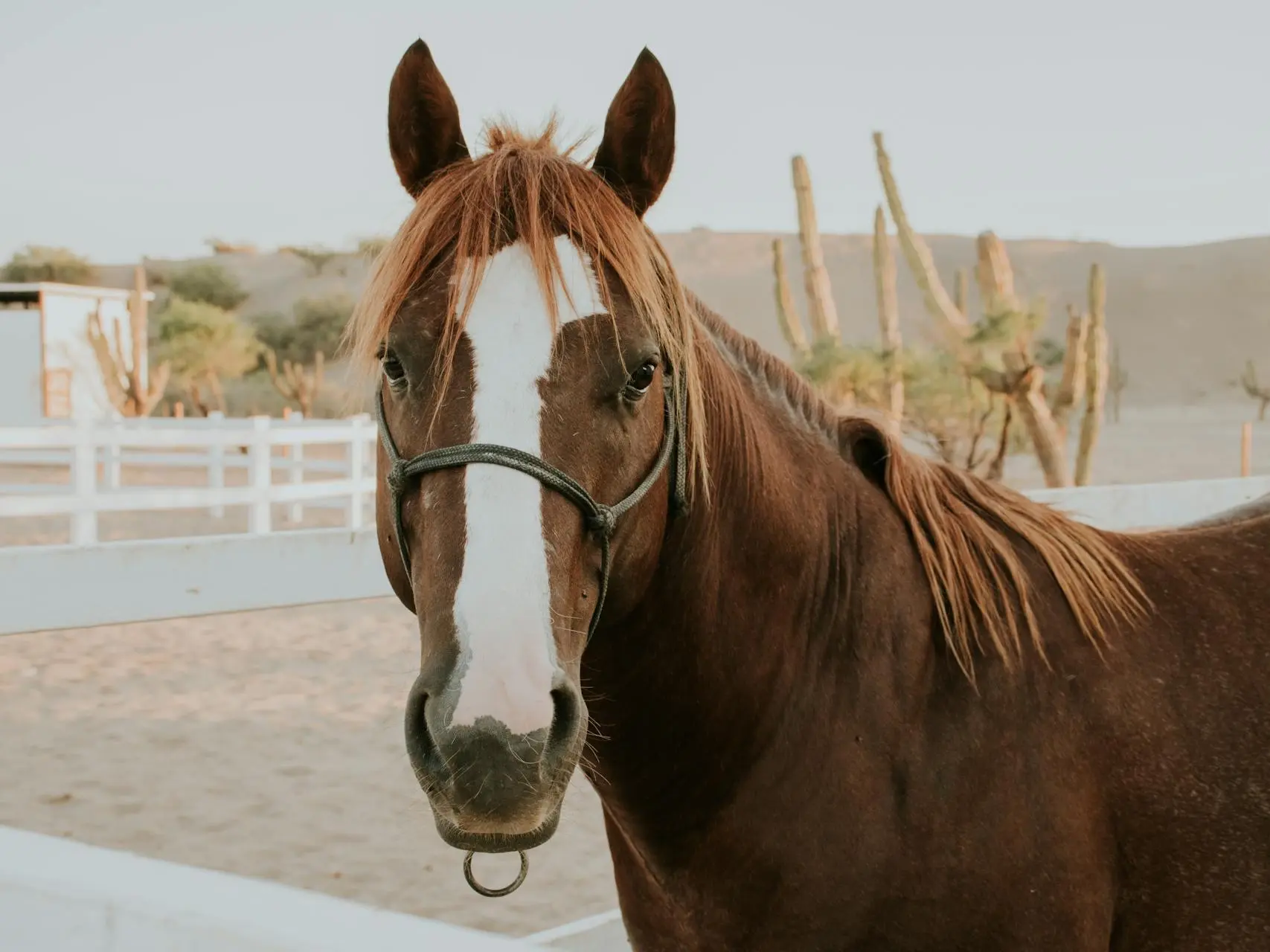
Blaze marking
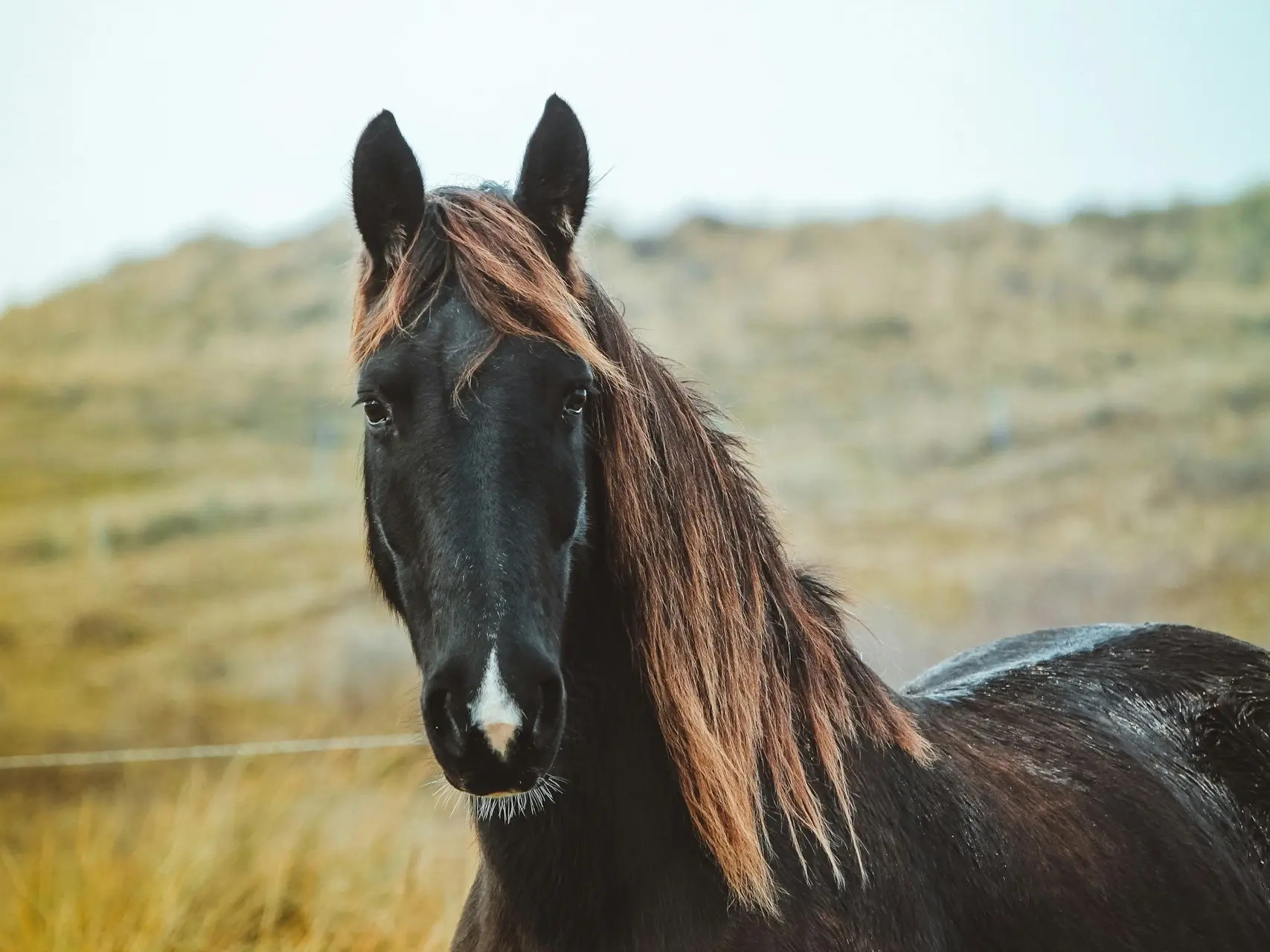
Snip marking
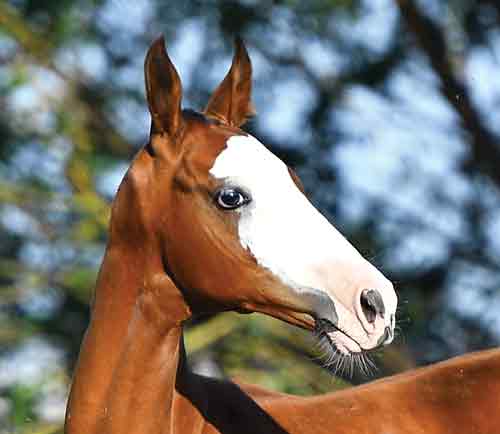
Bald face marking

Star, Strip, & Snip Marking

Coronet marking

Pasterns marking

Sock marking
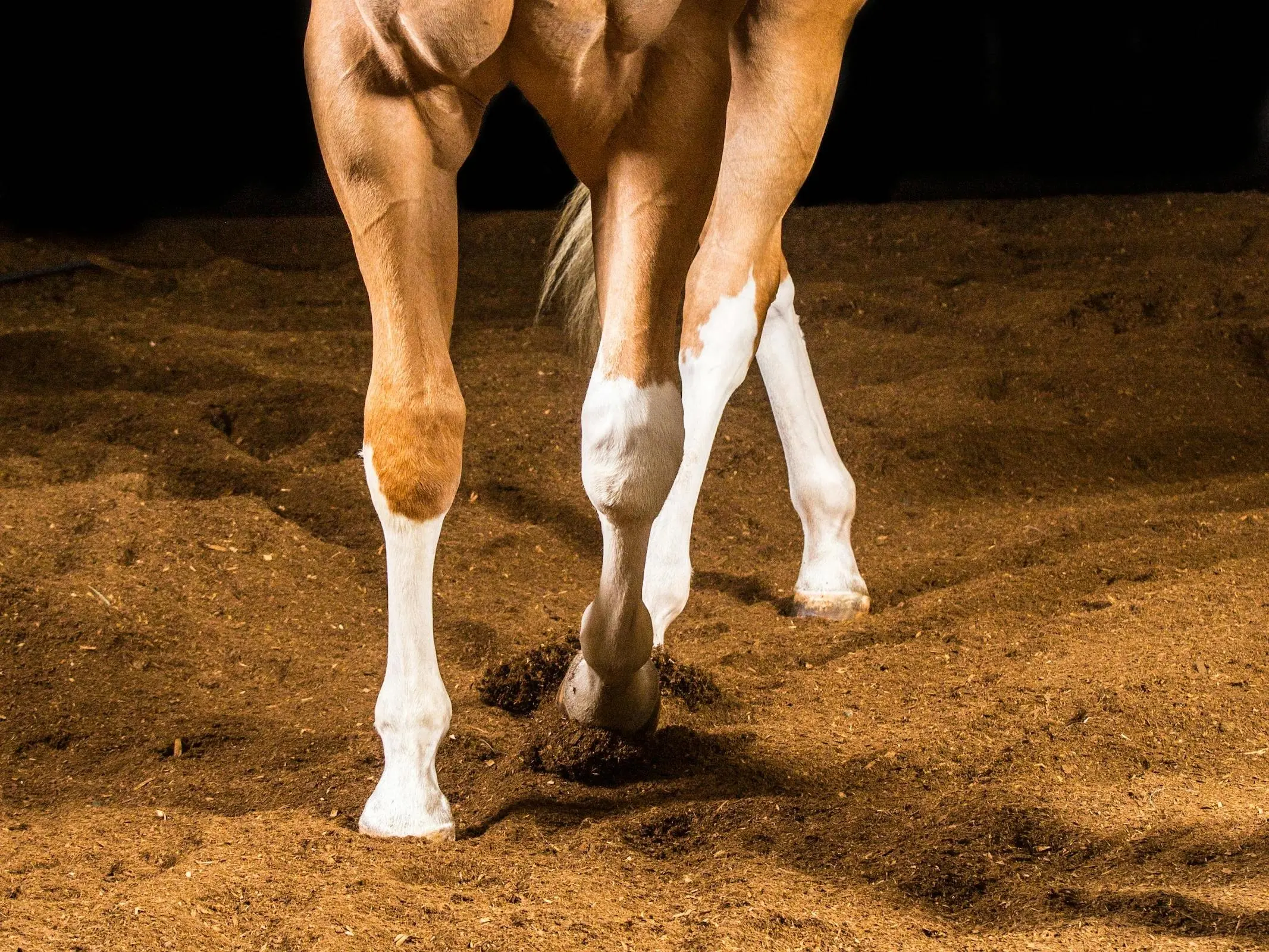
Stocking marking
Sports performed under English saddle
dressage, hunter-jumper, police force, Polo
Common breeds used for racing in America
thoroughbreds, standardbreds, quarter horses, and Arabian
Performed with western saddle
pleasure performance, cutting and roping, barrel racing, ranch work, trail riding
Top 3 causes of poor performance in horses are related to:
1) musculoskeletal, 2) respiratory dysfunction, 3) cardiac abnormalities