Swallowing Unit
 Call Kai
 Learn
Learn Practice Test
 Spaced Repetition
 Match
Match Flashcards
 Knowt Play
1/107

Earn XP
Description and Tags
Organic Disorders
Name | Mastery | Learn | Test | Matching | Spaced | Call with Kai | Chat |
|---|
No analytics yet
Send a link to your students to track their progress
108 Terms
How many times a day do we swallow? And what do we swallow the most of?
500 x a day
salvia
When a patient can’t manage their secretions what do we as SLPs see a lot of?
drooling
pooling in the oral cavity
What is the medical term for swallowing?
deglutition
In order what are the 4 stages of the swallow?
oral prep
oral phase
pharyngeal
esophageal
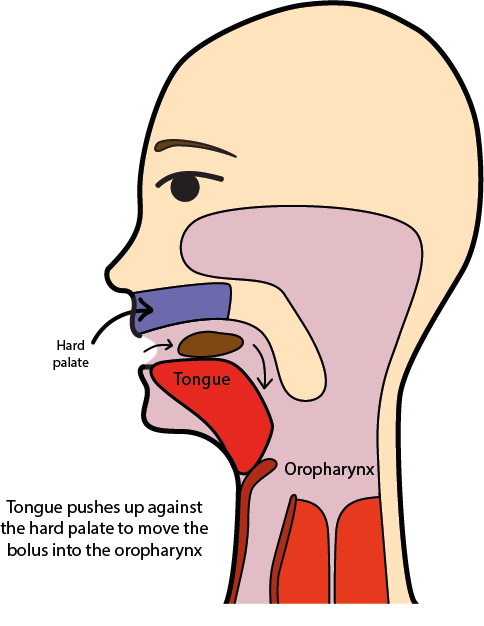
What is the oral prep phase?
It is us taking in food/liquid
The goal is for us to prepare the material into a bolus to be transported toward the upper airway/pharynx
What two things can a bolus be?
liquid
solid
What is the medical term for chewing?
mastication
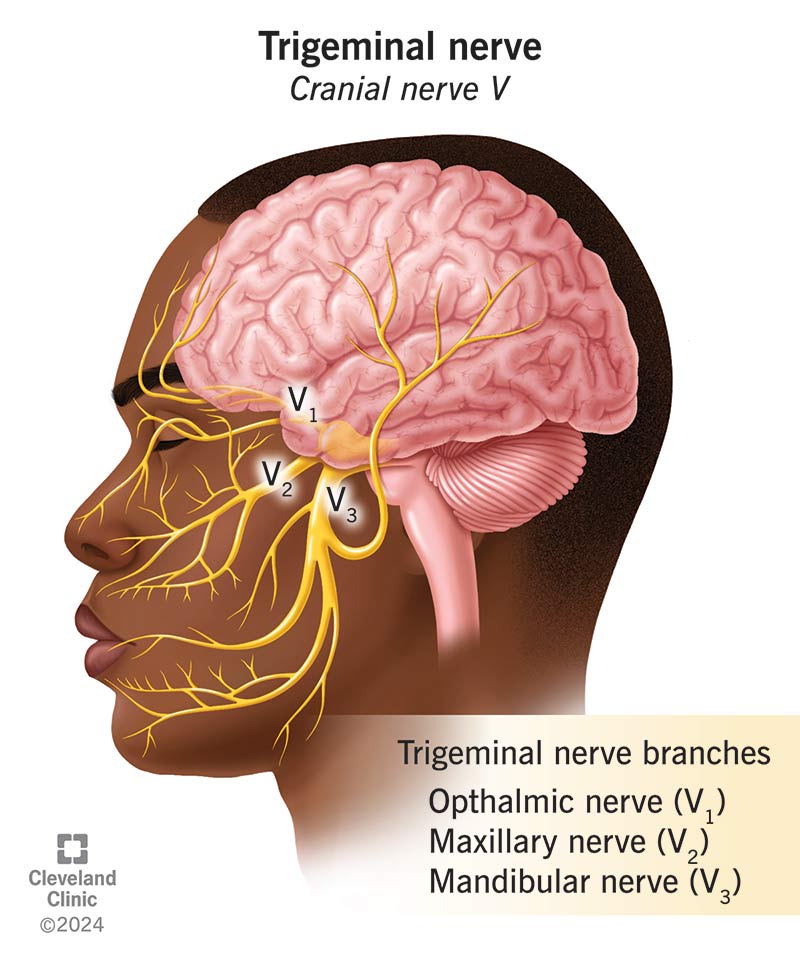
What is the nerve that is associated with chewing?
Trigeminal (V)
*the mandibular branch is involved with many of the muscles for chewing
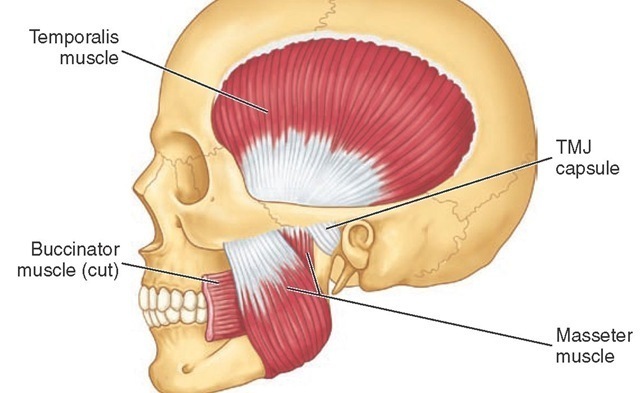
What does the masseter do?
Closes the jaw with a strong biting/chewing force

What does the temporalis do?
moves the jaw upward, forward, and backward
a very broad and strong muscle
helps break down hard foods
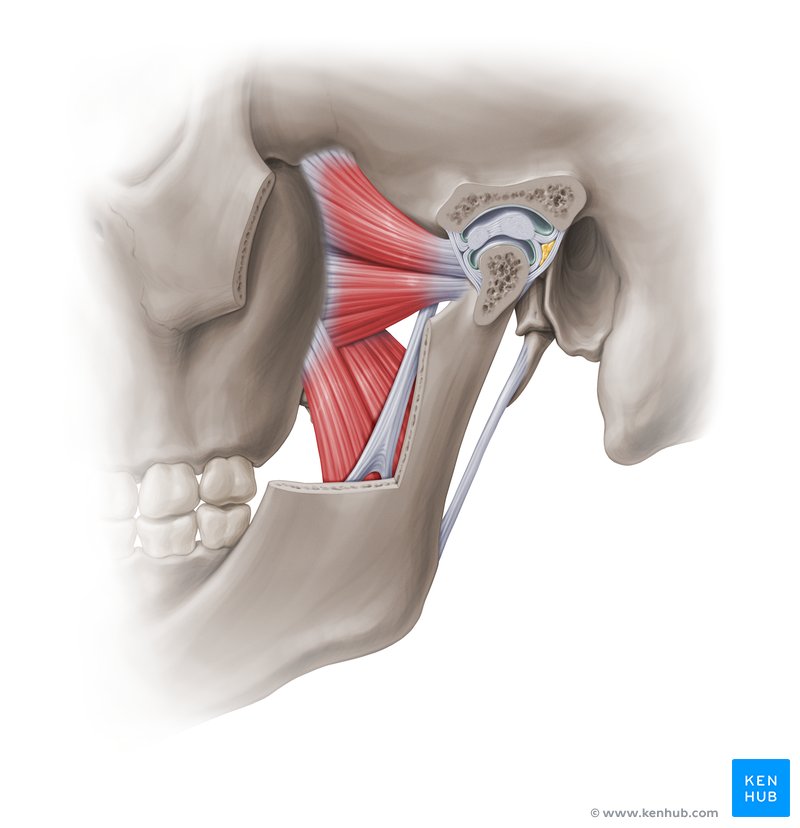
What do the pterygoid muscles do?
they provide lateral movements of the jaw
helps break down hard foods

What nerve helps keep the lips closed during the oral prep phase?
Facial (7)
*important for managing secretions

What does the buccinator do?
helps compress the lips
flattens/compresses the cheeks
helps prevent salvia and food from pocketing in the cheeks
What does the term pocketing mean?
A pocket is when food/salvia lands in the space between the cheeks and the teeth
What is the space called between the cheeks and the teeth?
sulcus
*we have labial and buccal
Why is looking for pocketing important for SLPs?
the risk of aspiration
What important role does the tongue play in the oral prep phase?
manipulates the bolus
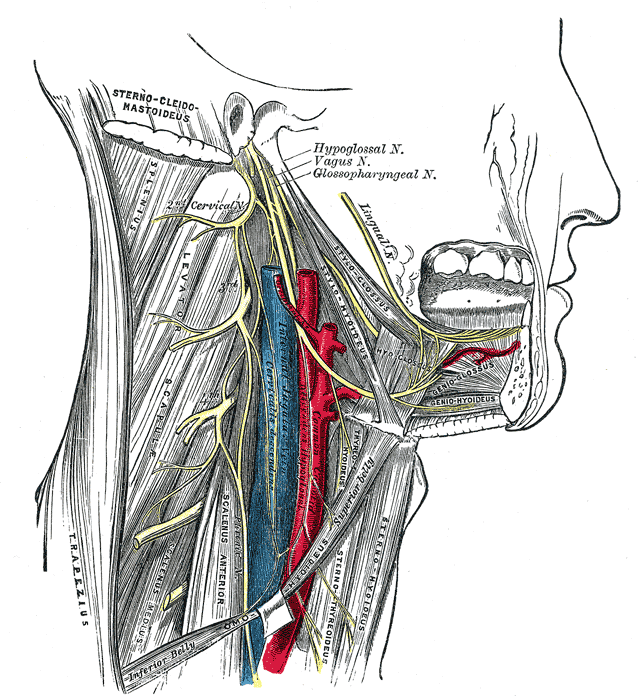
Tongue movement is associated with what nerve?
Hypoglossal (12)
What are the two main parts of the tongue?
oral portion (tip/front)
pharyngeal portion (base of tongue)
What is the base of tongue (or pharyngeal portion) important for?
provides strength or power
important for generating pressure needed to move the bolus
negative pressure is difficult to generate without tongue function
what is glossectomy?
surgical removal of the tongue
What is SO important that we must do before leaving a swallow assessment?
check the sulci for pocketing!! can lead to aspiration!!
*so risky for a patient that is NPO
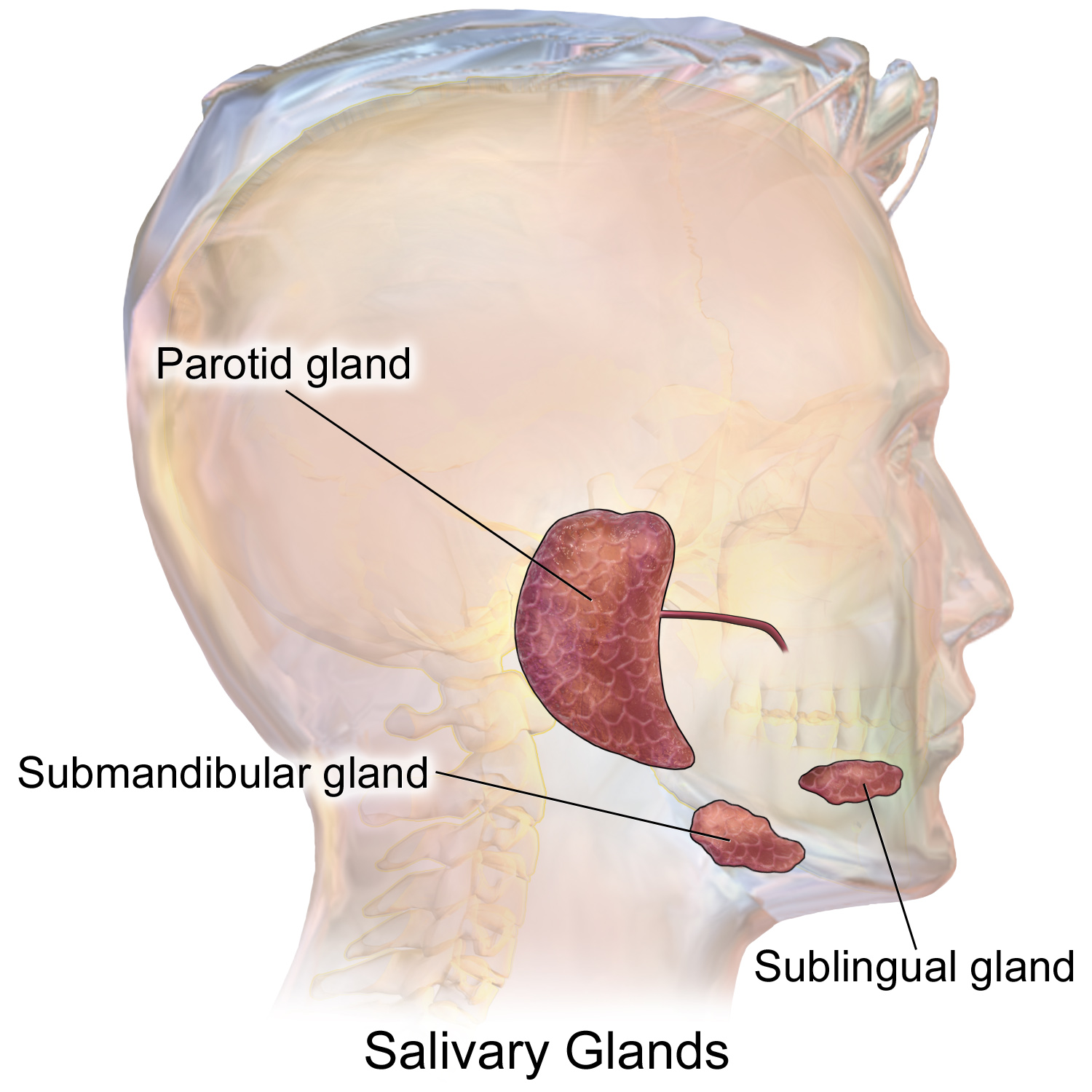
What is the role of the salivary glands in swallowing?
salvia itself is triggered by sensory and motor activity but different salivary glands contribute in different ways
What are the functions of salvia?
keeps the oral cavity moist
helps reduce tooth decay (saliva has proteins/properties that help protect the teeth)
Helps with digestion (salvia contains digestive enzymes)
What are the two types of salvia?
serous
viscid
What saliva type is watery?
serous
what salvia type is sticky?
viscid
where in the mouth is a liquid bolus usually?
in the center of the oral cavity
what can cause the sailvary glands to dry up?
radiation (cancer patients)
Radiation can dry up the salivary glands… what then can be difficult for a patient?
to form a bolus
the bolus wont be sticky/cohesive
wont produce enough enzymes
without saliva- teeth can decay signifciantly (teeth may need to be pulled due to severe tooth decay)
*there are ways to stimualte salvia (like gum)
what are the major salivary glands?
parotid glands (seres)
submandibular glands (seres)
sublingual glands (vsiid)
what is the oral phase? and what is the goal?
it involves taking the prepared bolus and moving it back towards the pharynx
the goal is to send the bolus to the pharynx so the swallow response is triggered
is the swallow response a reflux? What is it?
no
it os a nuerological response
when is the swallow response triggered?
when the bolus reaches the facial pillars
anterior and posterior (there are many sensory receptors in this area)
what cranial nerves are involved in this swallow response?
glossopharygeal
vagus
spinal accessory
what happens after the nerves trigger the swallow response?
the sensory information is the processed through the nervous system and triggers the brainstem
how long does the pharyngeal phase last for?
less than 1 second
*timing is extremely important
why does the soft palate close against the pharynx? and what could happen?
prevent the bolus from entering the nasal cavity
nasal regulation
what is pharyngeal elevation?
the upward and forward movement of the pharynx, larynx (voice box), and hyoid bone during the involuntary pharyngeal phase of swallowing
what does pharyngeal elevation due to the epliglottis?
the upward and forward movement helps the epliglottis fold over the vocal folds/airway
What are the 3 layers of closure?and what do they do?
epliglottic inversion
true VFs
false VFs
they help protect the airway!
how does the epliglottis invert to protect the airway?
pharyngeal elevation
what are 2 strategies to help if the epliglotis isnt inverting?
hold breath
chin tuck method
what is pharyngeal contraction?
is when the pharynx contracts (shorten, increase in tension, or generate force)
shorten
narrow
squeeze
why does the pharynx contract?
to help the bolus go in one direction
what is the medical term for the UES?
cricopharyngeus
what is the the UES?
the opening to the esophagus
is the UES closed or open at rest?
closed
is the UES closed or open during the swallow?
the UES relaxes and opens
the UES and LES is closed at rest and relaxes and opens during the swallow
this is opposite than every other muscle in our body
is timing important in the swallow? and what populations can struggle with timing of the swallow?
yes very!
nero conditions and geratic conditions can make swallowing more difficult
what would happen if the UES and the LES wouldnt close properly?
acid reflux and stomach contents coming up the esophagus
is swallowing involuntary or voluntary?
involuntary, once the swallow response is triggered and reaches the faucial pillars the swallowing process becomes involuntary
*The question for clinicians is: How do we prepare the patient to make this involuntary process successful?
What are the 2 major strategies/concepts for the physics and physiology of swallowing that help move the bolus?
air pressure (physics)
physiology (mechanical pressure)
what is considered mechanical pressure?
a lot of tongue pressure helps push the bolus backward
the base of the tongue helps give signifcant pressure
strong pharyngeal contraction also helps move the bolus.
what does air pressure do? what is involved?
negative oral pressure creates suction
closing the lips (buccinator) creates this negative pressure
physical/physics-based assist for moving the bolus
Proper coordination between these structures (phyisology) is essential… what needs to happen?
The cricopharyngeus/UES must relax
The UES needs to open at the correct time
The vocal folds need to open after airway protection has occurred (for breathing purposes)
how does subglottic pressure help during the swallowing process?
by protecting the airway from aspiration and helping to coorindate the muscles used during a swallow
what is the last stage in the swallowing process?
esophagus —- towards the stomach
UES and LES
when does the pharyngeal phase end?
when the bolus reaches the UES
In terms of the swallow process what is our (SLPs) practice?
oral prep
oral
pharyngeal
can we as SLPs confirm a medical anatomy diagnosis?
NO!
WE CAN ONLY SCREEN THE ESOPHAGUS
we can do that for the oral prep,oral,and pharyngeal phase (in our scope of practice)—- the physiology of the swallow and the stages —- no medical diagnosis!!
is it true that we can still breath during the oral prep phase?
yes, out of the nose
b/c the soft palate is not blocking off the nasal cavity yet—- this only happens at the oral phase
where is the tongue positioned during the oral prep phase?
the tongue goes up against the soft palate
b/c this prevents the bolus from falling or spilling into the throat before it is prepared
where is the tongue positioned during the oral phase?
the base of tongue is down providing the strength to push the bolus back
the tip of tongue is front at the palate to also get momentum
what main 2 populations are the most affected when it comes to swallowing difficulties?
the geratric
nuero disorders
as clinicans what 2 things can we consider when we help a patient with swallowing dofficulties?
physics
physiology
What things will happen once the swallow response is triggered?
closure of the velum against the pharynx
pharygeal contrictors
larynx will lift
epliglottis will fold (3 layers of protection)
sphinctor will open UES
what is negative pressure?
suction
what are the 3 valves (3 gates/doors) nessary for swallowing?
the velophargeal valve (velum) and the posterior pharyngeal wall
the laryngeal valve A multi-layered defense mechanism consisting of the epiglottis, false vocal folds, and true vocal folds.
the UES A muscular ring (primarily the cricopharyngeus muscle) at the base of the throat.
What are the 3 air tight contaionrs nessary for swallowing?
The 3 Airtight Containers are the actual spaces/chambers that those gates seal off to manipulate pressure
oral cavity — Builds positive intraoral pressure (lips) to push the bolus backward.
oropharynx/nasopharynx —- Creates a pressurized tube to strip food downward while protecting the airway
hypopharynx/UES—-Relaxes to create a negative pressure vacuum that sucks the food into the esophagus.
why are the valves and air tight containior important?
they are the physics assist
negative pressure to suck the bolus down
is it more important as clinicans to priotirze mechanical movement or the 3 valves first?
the 3 valves to get the suction!
what is it called when the soft palate doesnt close off the nasal cavity and content goes up into the nose?
nasal regulation
*we need the physic assist too!
what is the levator?
Its primary job is to elevate and pull back the soft palate (velum) during a swallow
what does the Tensor vell palatini do?
the tensor spreads the velum out to add every bit of closing to the opening to the nose
It plays a crucial supporting role in making the swallowing containers airtight.
when we snore what is actaully hitting the back of our throat?
uvula
actually doesnt really have a job in swallowing
the pharyngeal constrictors not only squeeze, shorten, and narrow the throat but also they do what…?
·will also wrap around velum to get a nice airtight seal to create a pressure system in the nasopharyngeal cavity (ex: kids with a cleft palate)
what is hyolarygeal elevation?
the lifting of the larynx - during the pharygeal phase
are the hyoid bone and the larynx seperate?
no they lift together
what will happen when the larynx lifts?
the epliglottis will invert
is the epliglottis a muscle?
no, a cartliage
besides the larynx lifting and helping the epliglottis invert.. what else happens?
the UES opening
there are muscles in the UES that are connected to the larynx
what in the neck help with laryngeal elevation?
hypoglossal
trigeminal
also muscles
when the larynx lifts correctly what 2 things do we know as SLPs that will give us a good reading on screening?
swallow safety
swallow efficently
what is such an important relfux that we have for safety?why?
the cough reflux!
a cough will clear out any part of the bolus in the larynx and can retry to swallow again
is it better to take the safe way out or to be an aggressive clinican when it comes to patients progress?
agressive (they are in rehab for a reason— make them STRONGER!!!)
you are taking away a patients progress
no one wants a feeding tube
*for cancer patients its important to contuie to push them because of scarring (stiff)
*new lung patients can be risky!!
what does the superior laryngeal nerve branch do?(SLN)
sensory
controls the laryngeal sensation ability to feel ability of bolus that lands on larynx (penetration) just on top of vocal folds
what does the recurrent laryngeal nerve do? (RLN)
sensory
controls sensation in the trachea below the vocal folds (aspiration) below
are the branches independent of each other?
yes can be so make sure to check both!!
RLN
motor
to close the vocal folds (add) four msucles to close- the motor branch to adduct
SNL
motor
criocothyroid
adduct
closing
abduct
opening
what are the contractions in the esophgus called?
perstalsis
when we swallow do we end on an exhale or inhale?
exhale
can swallowing be exhausting?
yes, can be taxing
geratric
heart patients etc
if they have a weak swallow they are holding their breath MUCH longer :(
what can we do as clinicans if our patients get tired of swallowing?
space out meals!! less fatigue
what is the vellcula?
The vallecula is often called a "safety basin" or "parking lot" for food and liquid during a swallow
between base of tongue and epliglottis
when we talk about the geratic what 3 things can we assume?
slower
weaker
and less sensations
just aging :(