Module 3: Digestion and Absorption
 Call Kai
 Learn
Learn Practice Test
 Spaced Repetition
 Match
Match Flashcards
 Knowt Play
1/30

There's no tags or description
Looks like no tags are added yet.
Name | Mastery | Learn | Test | Matching | Spaced | Call with Kai | Chat |
|---|
No analytics yet
Send a link to your students to track their progress
31 Terms
Overview of Gastrointestinal (GI) tract
Digestion occurs in the gastrointestinal (GI) tract
Consists of:
series of organs
outer layers of muscles
inner mucosal layer of glands and absorptive cells
Components of GI Tract
Primary Organs
Mouth
Esophagus
Stomach
Small Intestine
Large Intestine
Rectum
Accessory Organs
Salivary glands
Liver
Pancreas
Gallbladder
Functions of GI tract
Digestion
Move food through the GI tract
Break down food into smaller compounds
Primary site is in small intestine
Absorption
Cross lining of intestine to enter body - moves nutrients from GI tract to circulatory system
The period of time it takes food to travel the length of the digestion tract is transit time
Digestion involves mechanical and chemical processes
Mechanical
chewing, grinding, mixing and peristalsis
peristalsis- wavelike muscular movements
movement of food through GI tract
Chemical
secretions and enzymes
breakdown of large compounds into smaller units for absorption
Undigested and unabsorbed substances eliminated by defacation
Segment of digestive processes
Sphincters
circular muscles that separate organs of GI tract
“one-way doors”
prevent food from flowing backwards
3 main sphincters
Lower esophageal sphincter (LES)
Pyloric sphincter
Ileocecal valave
Complications associated with improper function
Heartburn and vomiting
Why must digestion occur before absorption?
Complex macronutrients must be broken down to smaller units to be absorbed
Carbohydrates
Proteins
Fats
Some food components do not require digestion in order to be absorbed
Water
Minerals
Vitamins
Small molecules (ex. glucose)
The nose
Flavor perception is 80% smell
Five primary tastes:
Sweet
Salty
Sour
Bitter
Umami
Strong connection between brain, digestive system, and smell
Mouth and esophagus
Digestive process begins in mouth
Mechanical Digestion:
Chewing
Mixing
Swallowing
Chemical Digestion
Saliva is added to help lubricate food
Enzymes are released
Salivary amylase
Bolus formed (moves through esophagus)
The Stomach (A j-shaped organ)
Mechanical Digestion
Mixes food with gastric secretions
Liquifies food into chyme
1-4 Liter capacity
Chemical Digestion
Entrance of food stimulates production of gastric juices
Hydrochloric acid
Mucus
Pepsinogen and hormone gastrin
Functions and Importance

Anatomy of the Stomach

Food leaves the stomach and enters the small intestine
Pyloric sphincter
separates stomach from small intestine
3 mL of chyme squirted at intervals into small intestine
facilitates neutralization of stomach acid
The small intestine is the primary site of digestion and absorption
3 sections
Duodenum
Jejunum
where most digestion and absorption occurs
Ileum
Nutrient absorption assisted by
Villi
Microvilli
extend from the villi into the lumen (interior) of the small intestine
secrete digestive enzymes

The villi of the small intestine

Accessory organs facilitate digestion in small intestine
Pancreas
Secretes alkaline bicarbonate
neutralizes acidic chyme from stomach
Liver
Produces bile
Gallbladder
Stores and releases bile
assists in digestion of fats
Water soluble and fat soluble nutrients are absorbed differently
Water-soluble nutrients absorbed through the intestinal wall
Capillaries
carry nutrients to the liver
Fat and fat-soluble substances are absorbed into
Lacteals
Then travel through lymph system
Almost all nutrients absorbed in small intestine
Duodenum and upper part of jejunum
Most minerals, except for the electrolytes
Jejunum and upper ileum
carbs., amino acids, and water-soluble vitamins
Terminal segment of ileum
Lipids and fat-soluble vitamins
Vitamin B12
Digestive contents at terminus of ileum
some water, plant fibers, indigestible items, and bacteria
Undigested food components move to large intestine
Ileocecal valve
Separates ileum from cecum of large intestine
Prevents reflux of waste into small intestine
Large intestine
5’ long
~12-24 hour transit time
Functions: propulsion, absorption of water and sodium, preparation of waste for defecation
Microbiota maintain health and function of large intestine
Large intestine contains ~100 trillion bacteria
Produce vitamin K and some B vitamins
Ferment (break down) plant fibers to short chain fatty acids
Metabolize any remaining nutrients
Digestion and Absorption of Carbohydrates

Digestion and Absorption of Fat

Digestion and Absorption of Protein

Digestion and absorption of other food components
Vitamins:
No digestion needed
Fat soluble vitamin absorption facilitated by dietary fat
Transported in chylomicron
Water soluble vitamins absorbed into the blood
Vitamin B12:
Required intrinsic factor for absorption
Absorbed in distal ileum
Alcohol:
Some alcohol is absorbed in stomach
Most is absorbed in the small intestine
Travels to the liver for detoxification
Digestion and absorption of other food components - 2
Minerals:
Absorbed all along the small intestine
Sodium is best absorbed with glucose and amino acids
Some nutrients are absorbed based on the body’s need
Iron and calcium
Water:
Most is absorbed in small intestine
Small amount in large intestine
Absorbed by following sodium and other nutrients across intestinal wall
Nutrient digestion and absorption in the GI tract

Conditions of the GI Tract
Erosion that occurs in lining of stomach or upper part of small intestine
ulcer or peptic ulcer
Primary cause:
Heliobacter pylori or H. pylori
oral-oral and fecal-oral exposure
Other causes of ulcers:
regular use of aspirin
excessive use of alcohol
smoking
H. pylori crossing mucus layer of stomach

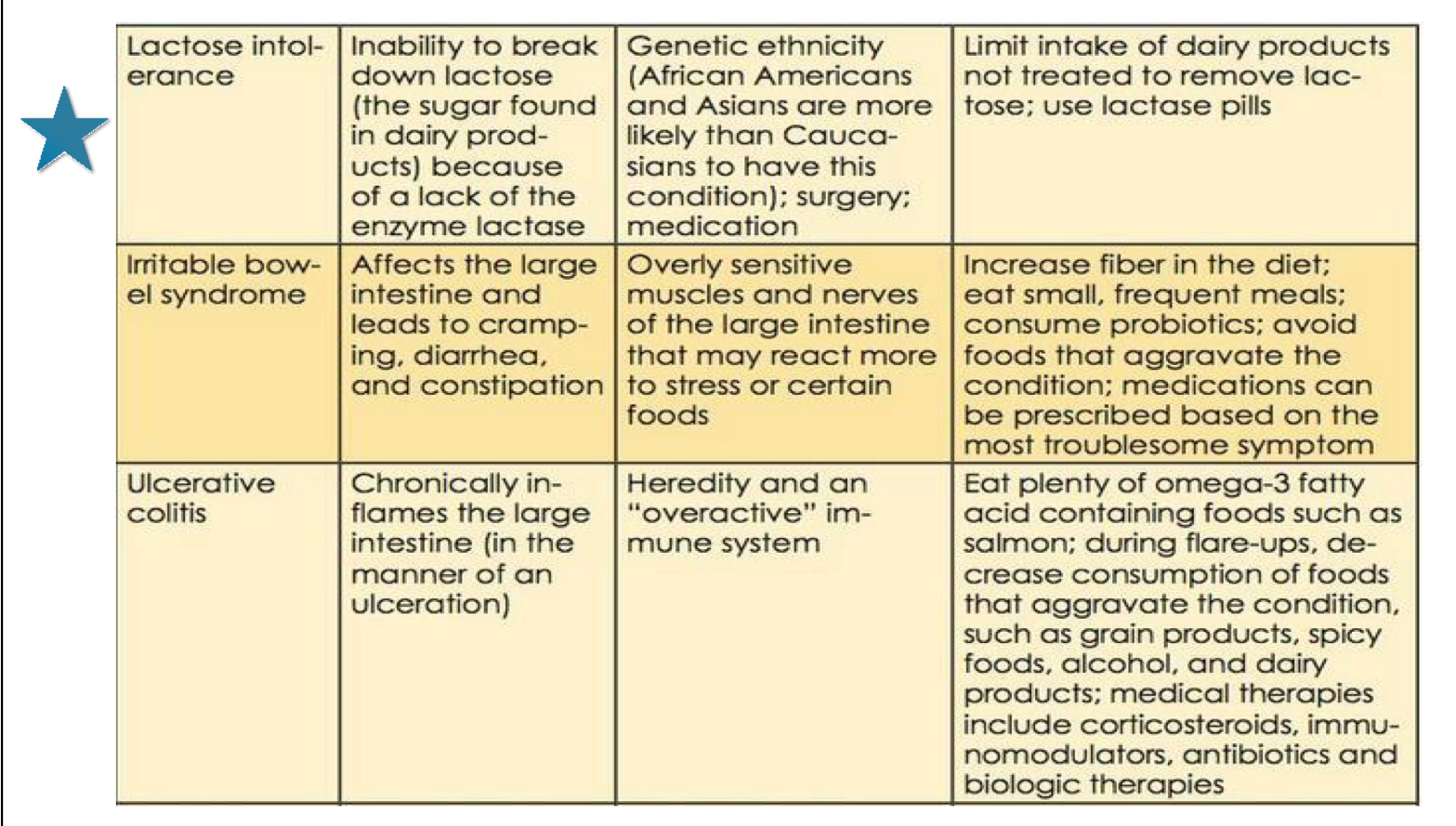
Table 6.3 Diseases and Syndromes of the Digestive Tract

Table 6.3 Diseases and Syndromes of the Digestive Tract - 2
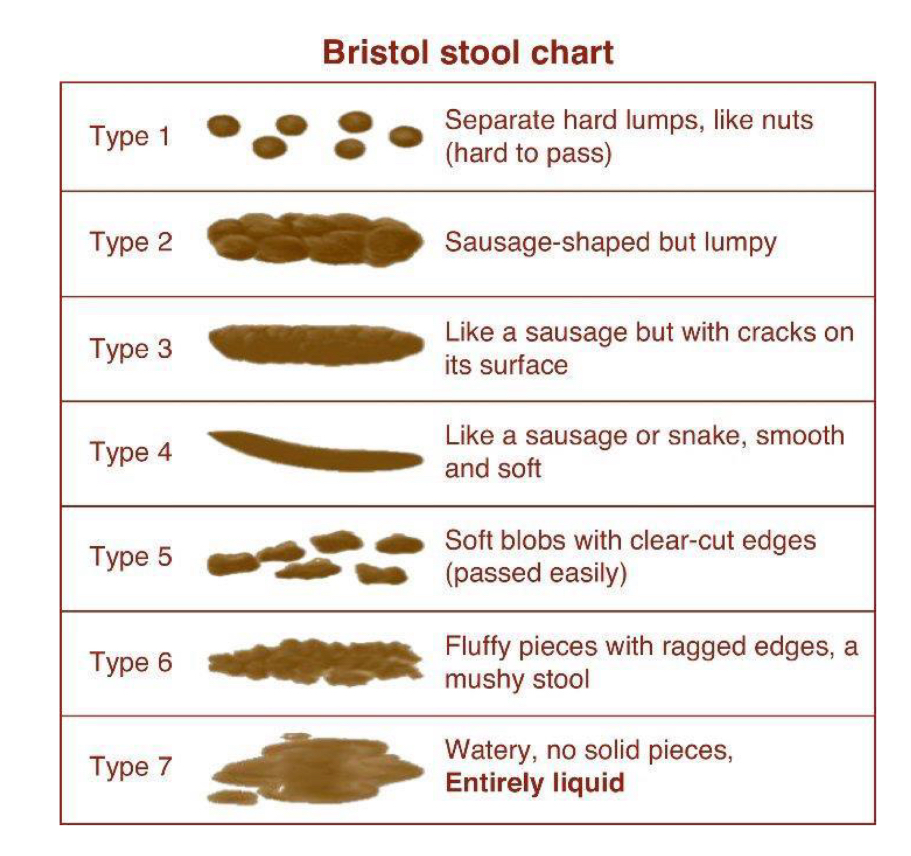
Bristol stool chart
Food Trends: Maintaining a Healthy Digestive Tract
