Back Anatomy and Movement
 Call Kai
 Learn
Learn Practice Test
 Spaced Repetition
 Match
Match Flashcards
 Knowt Play
1/34

There's no tags or description
Looks like no tags are added yet.
Name | Mastery | Learn | Test | Matching | Spaced | Call with Kai | Chat |
|---|
No analytics yet
Send a link to your students to track their progress
35 Terms
vertebral column

body
rounded weight-bearing block of bone that makes up the front of the vertebra

vertebral foramen
the central opening enclosed by the vertebral arch; stacked together to form the vertebral canal that houses the spinal cord

pedicle
the short bony strut connecting the vertebral body to the lamina on each side
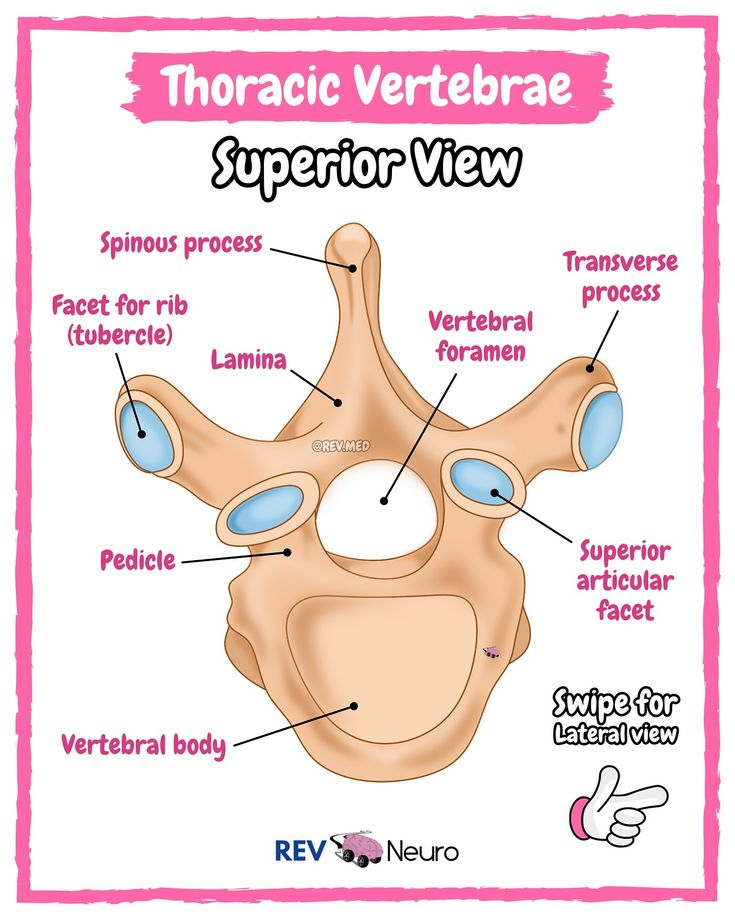
lamina
the flat bony plate that completes the vertebral arch running from the pedicle to the spinous process

vertebral arch
the bony ring formed by the pedicels and laminae together enclosing the vertebral foramen

spinous process
the single posterior projection formed where 2 laminae meet; often palpable through the skin

transverse process
the paired projections extending laterally from each pedicle-lamina junction

articular processes (zygapophyses)
the paired superior and inferior projections that form the facet joints linking one vertebra to the next
annulus fibrosus
the tough fibrous outer ring of the intervertebral disc

nucleus pulposus
the soft gel-like center of the disc that cushions comprehensive load

intervertebral foramen
the opening between 2 adjacent vertebrae where a spinal nerve exists the vertebral column
cervical
the neck; 7 vertebrae (no ribs)

thoracic
where each vertebra has a pair of ribs attached; 12 vertebrae
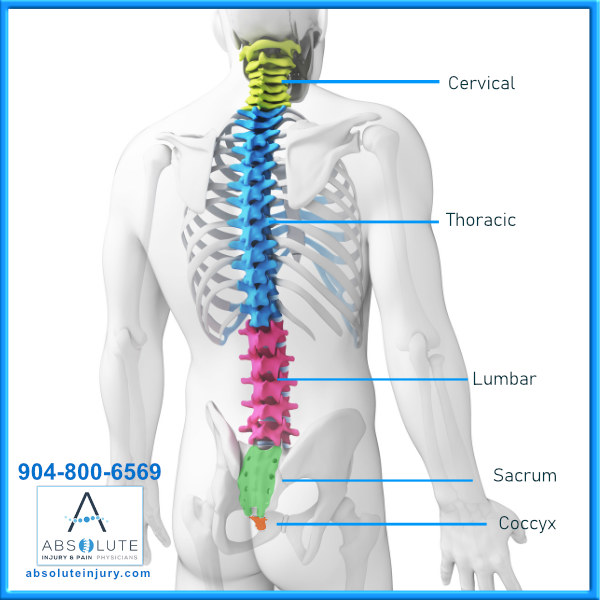
lumbar
below the ribcage; 5 vertebrae and is usually the largest and sturdiest

sacral
within the pelvis; 5 vertebrae fused together into the sacrum
scapular spine
the ridge running diagonally across the posterior surface of the scapula

acromion
the bony point at the lateral end of the scapular spine, forming the tip of the shoulder
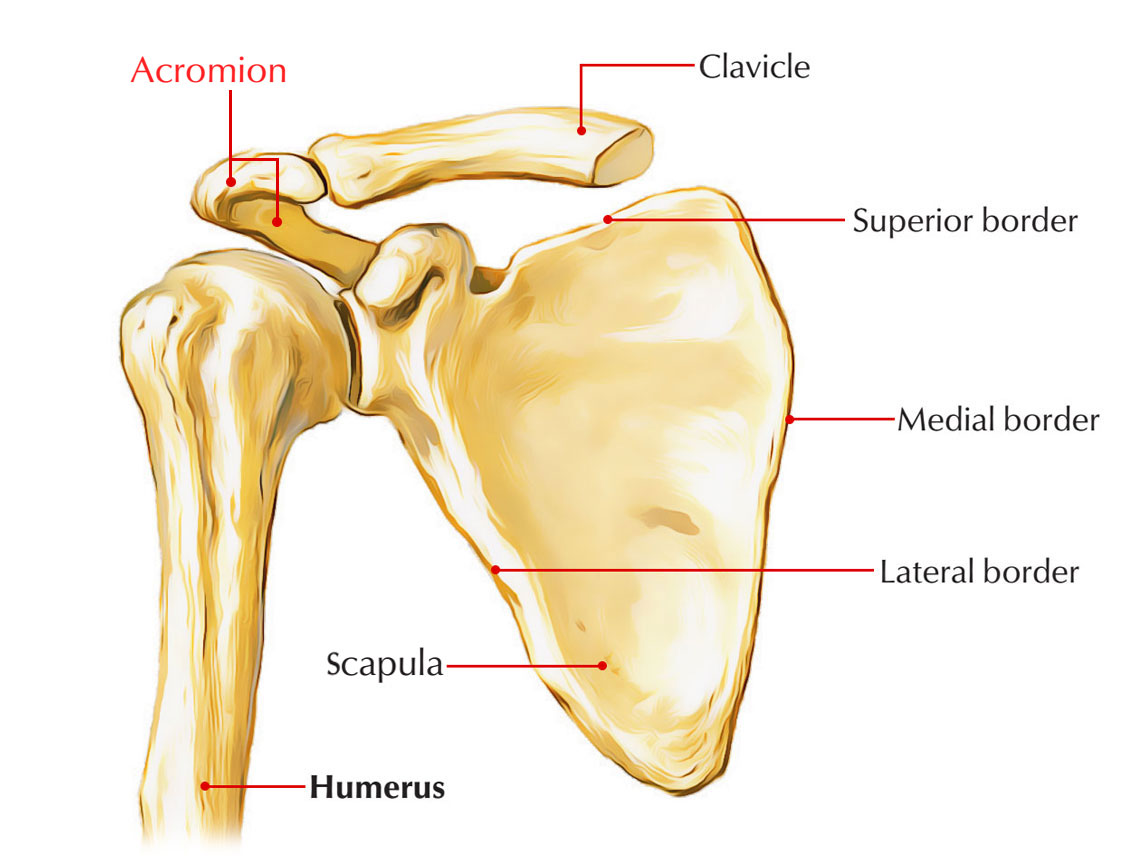
glenois fossa
the shallow socket on the scapula that receives the head of the humerus

humeral head
the rounded proximal end of the humerus that sits in the glenoid fossa

greater/lesser tubercle
the 2 bony prominences on the proximal humerus, lateral and anterior to the head

intertubercular groove
the groove running between the greater and lesser tubercles
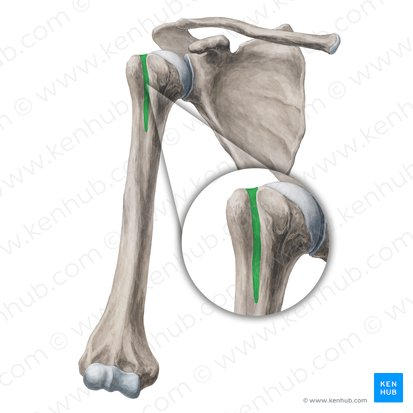
latissimus dorsi
origin: thoracolumbar fascia; iliac crest; T6 to T12 spinous processes
insertion: intertubercular groove of the humerus
action: adducts, extends, and medially rotates the humerus at the shoulder

trapezius
origin: external occipital protuberance; ligamentum nuchae; C7 to T12 spinous processes
insertion: scapular spine; acromion; lateral third of the clavicle
action: elevates and retracts the scapula and rotates it to help elevate the shoulder joint

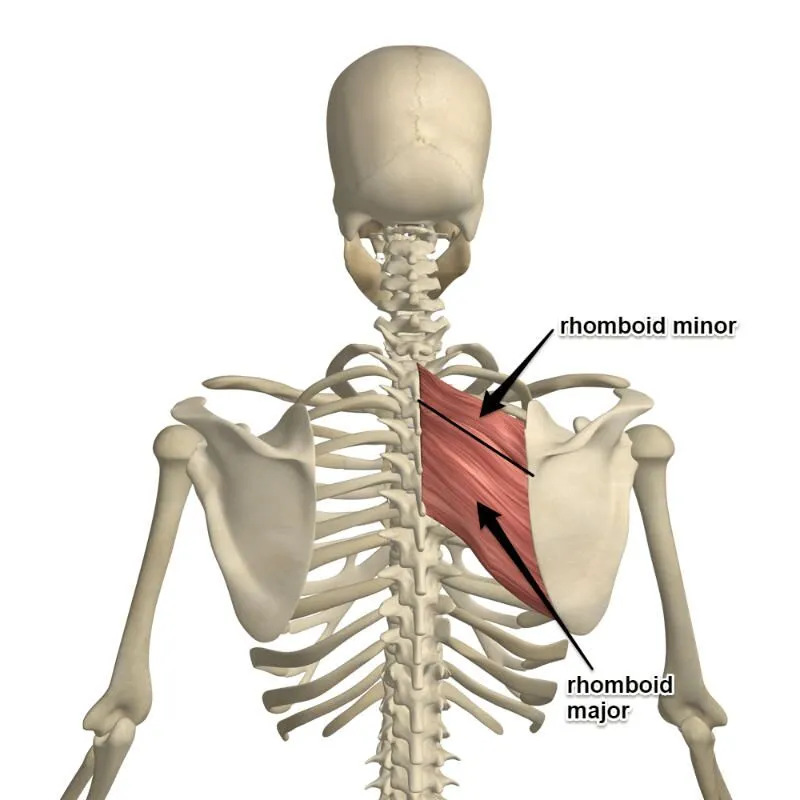
rhomboid major
origin: T2 to T5 spinous processes
insertion: medial border of the scapula
action: retracts the scapula

rhomboid minor
origin: C7 to T1 spinous processes
insertion: medial border of the scapula
action: retracts the scapula
sagittal plane
flexion and extension happens in the……
frontal (coronal) plane
abduction and adduction happens in the……
transverse plane
rotation happens in the…….
medial rotation
turning the front limb toward the midline
lateral rotation
turning the front of a limb away from the midline
elevation
raising a structure as with the scapula
depression
lowering a structure as with the scapula
retraction
pulling a structure toward the midline as with the scapula and toward the spine
protraction
pulling a structure away from the midline as with the scapula and away from the spine