CSF Macromolecules
 Call Kai
 Learn
Learn Practice Test
 Spaced Repetition
 Match
Match Flashcards
 Knowt Play
1/66

There's no tags or description
Looks like no tags are added yet.
Name | Mastery | Learn | Test | Matching | Spaced | Call with Kai | Chat |
|---|
No analytics yet
Send a link to your students to track their progress
67 Terms
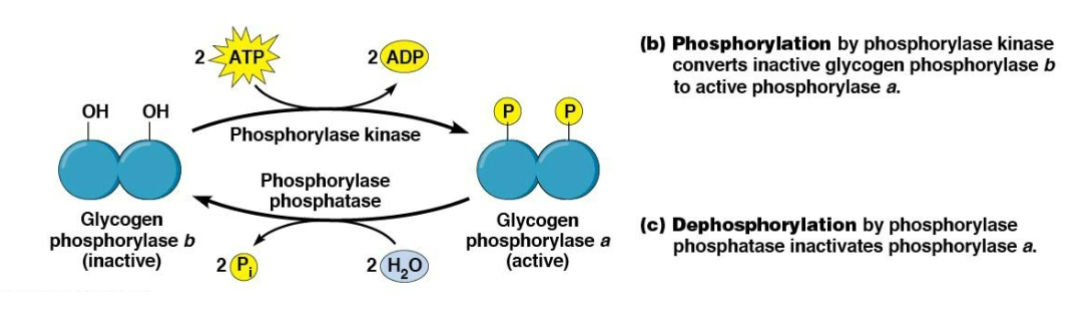
phosphorylation
a type of covalent enzyme modification where kinase adds a phosphate group to turn inactive glycogen phosphorylase b to active phosphorylase a
to undo, phosphatase takes phosphate away
REVERSIBLE

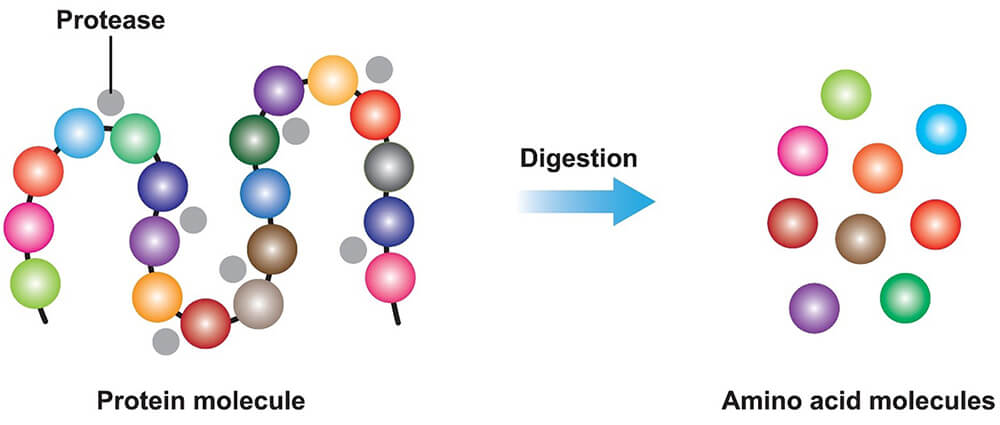
proteolytic cleavage
removal of part of the polypeptide chain, irreversible
ex: coagulation cascade (thickens blood in a cut), complement cascade (deactivates bacteria in blood)
zymogen
synthesized inactive enzyme that gets proteolytic cleavage to activate it
covalent modification
a way to regulate enzymes by covalently adding or removing a compound, reversible
protease
an enzyme that carries out proteolytic cleavage, cutting a protein up
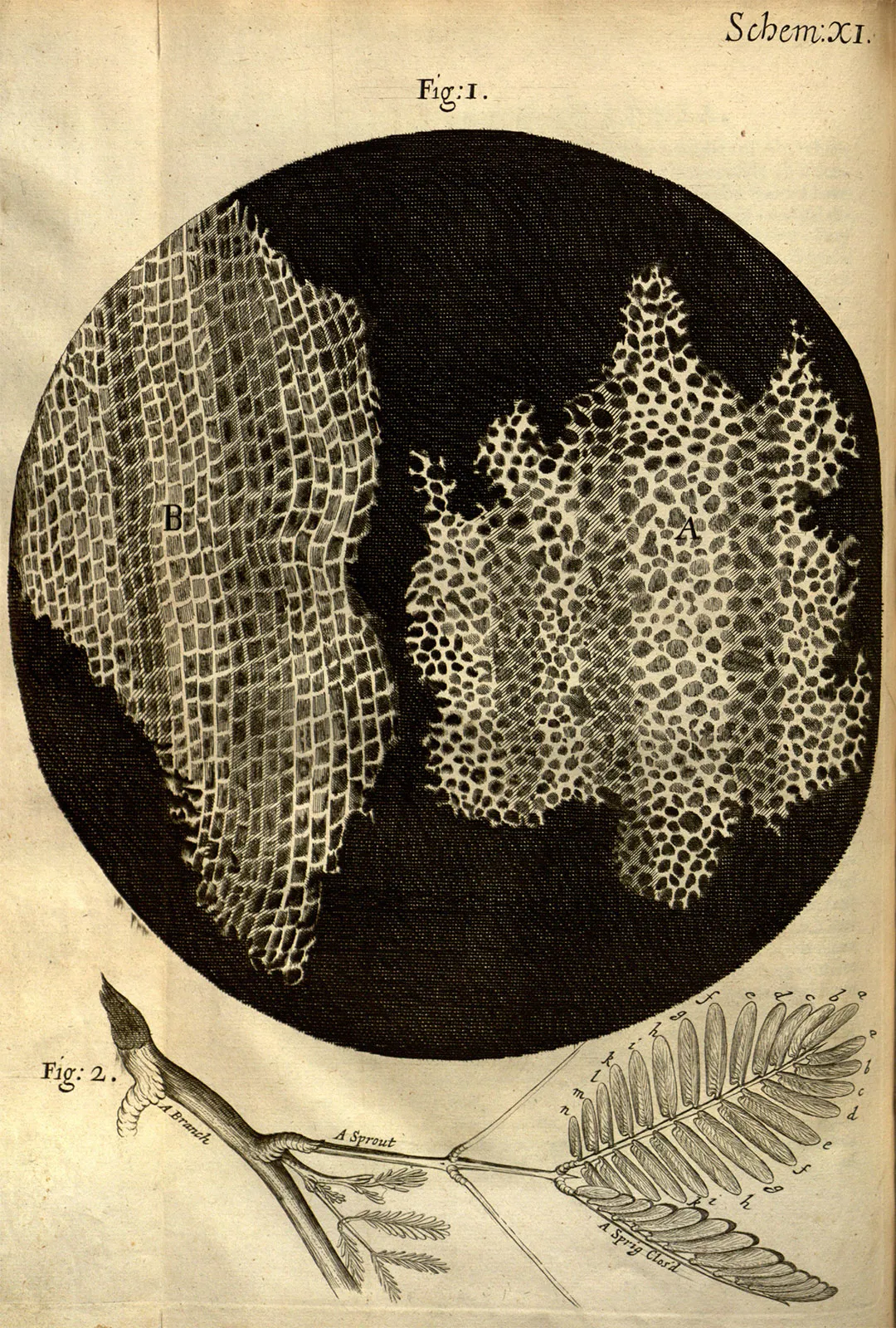
robert hooke
1665 observed dead cork compartments and named them cells
anton van leeuwenhoek
1674 improved the microscope and observed single-celled organisms
motility proteins
contraction and movement, some enzymatic activity

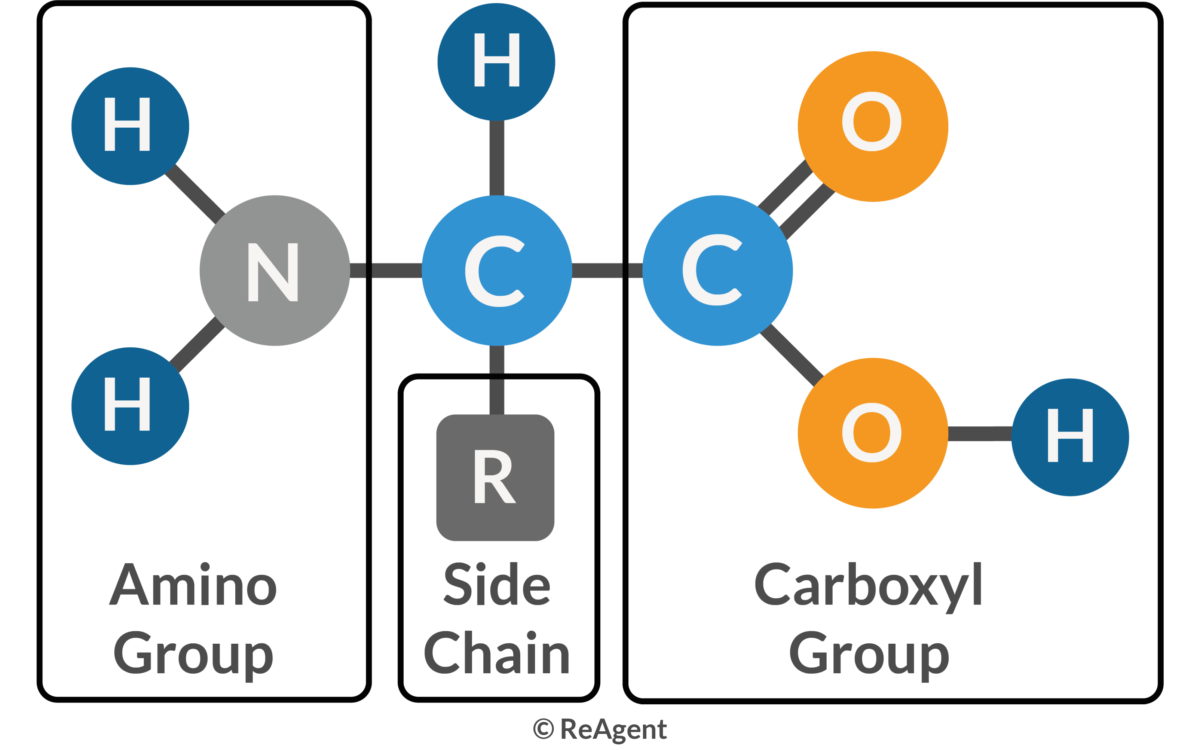
amino acids
the monomers of proteins, only 20 kinds
L- vs D- amino acid
L-amino acid has the amino group on the LEFT
D-amino acid has the amino group on the RIGHT
all amino acids in the human body are L-amino acids
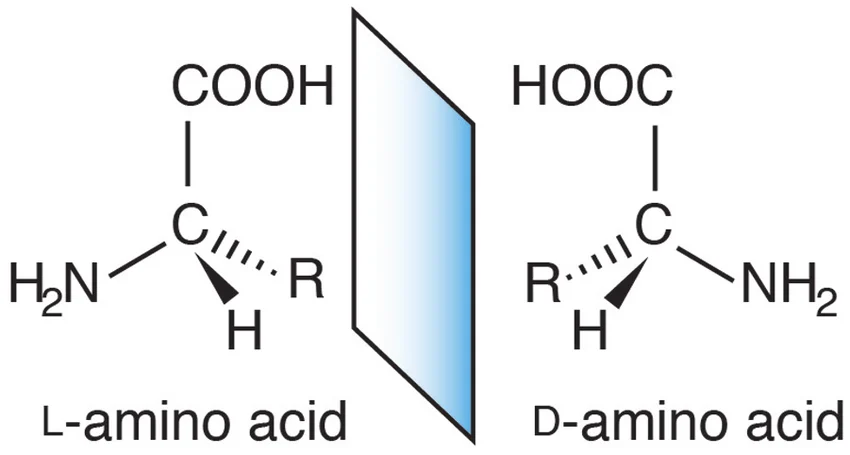
how to tell if an amino acid is hydrophobic or hydrophyllic
if the R group has an OH or SH it’s hydrophillic because it’s polar
Which of the non-polar amino acids is the only amino acid that does not have separate L and D isomers?
glycine because it’s R group is only an H, making it perfectly symmetrical and no difference when mirrored

polypeptides
the polymers of amino acids to make proteins
How are polypeptides formed?
amino acids are linked together by a dehydration/condensation reaction, a covalent C-N bond/peptide bond is formed

monomeric protein
a protein that consists of a single polypeptide strand
multimeric protein
consists of multiple polypeptides
dimer - two polypeptides
trimer - three polypeptides
primary structure
the amino acid sequence with covalent peptide bonds
secondary structure
alpha helices, beta sheets, and random coils made with hydrogen bonds between NH and CO in the backbone
tertiary structure
three dimensional folding of a polypeptide chain
disulfide bonds
hydrogen bonds
ionic bonds
van der waals
hydrophobic interactions
quaternary structure
association of multiple polypeptides to form a multimeric protein, same kinds of bonds as tertiary
What direction are amino acid sequences synthesized in?
from the N terminus to the C terminus
proline
amino acid that can not form hydrogen bonds, disrupts alpha helix structures

motif
supersecondary structure composed of a few secondary structure elements like alpha helices and beta sheets

fibrous proteins
characterized by extensive regions of highly ordered, repetitive secondary structure
structural proteins
very rigid
elasticity in one direction
ex: fibroin, silk, beta sheets
ex: keratin, hair, a helices

globular proteins
folded into a compact structure
enzymes are globular
protein domains
local regions with a function, not always continuous in primary structure
nucleic acids
the polymers on nucleotides
What component of DNA and RNA is responsible for the “acidic“ part of nucleic acid?
the phosphate group, it has a negative charge on the O- due to releasing an H+, making the solution acidic
structure of a nucleic acid

structure of ATP

What direction are nucleotides synthesized?
5’ to 3’
phosphodiester bridge
covalent phosphodiester bond between the 5’ carbon of one nucleic acid to the 3’ carbon of another to create the sugar backbone
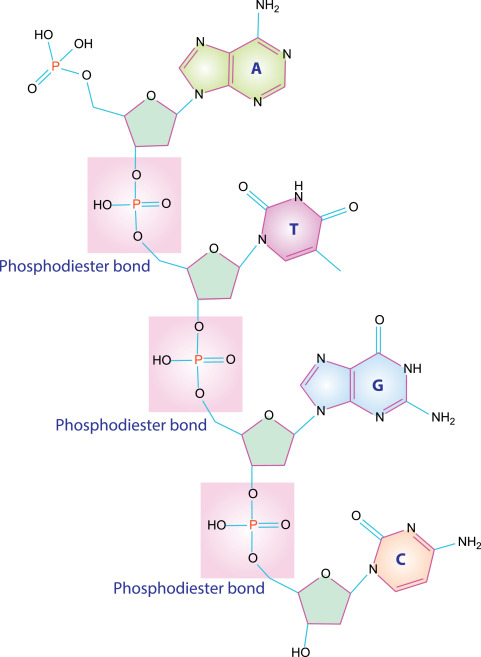
purine
double ring nucleic acid
adenine
guanine

pyrimidine
single ring nucleic acid
cytosine
thymine
uracil

Why do purines bind to pyrimidines?
Complementary base pairing has A match up with T with two hydrogen bonds and G with C with three hydrogen bonds. The difference in size must be made equal so the strands can be antiparallel.

polysaccharide
long chain polymer of sugar and sugar derivatives, used for structure and to store energy
aldehyde
aldosugar with a terminal carbonyl group
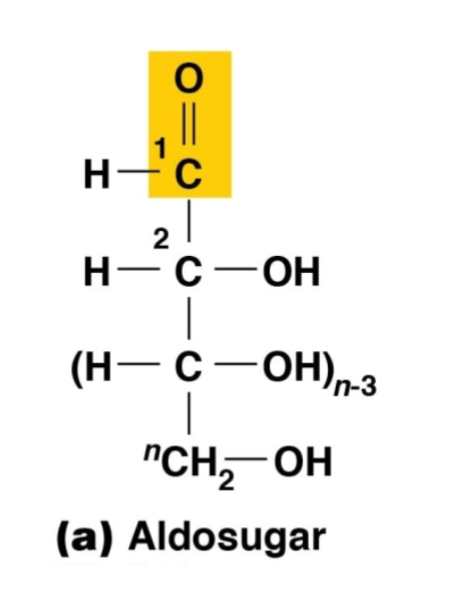
ketone
ketosugar with an internal carbonyl group
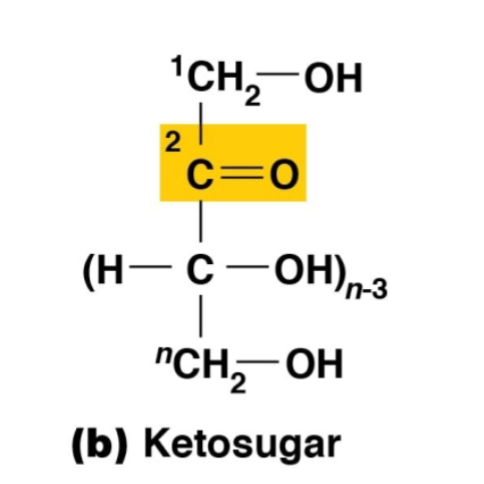
Why are there two forms of glucose?
When making a ring there is a 50/50 change the hydroxyl group will end up on the bottom or the top, creating an alpha-D-glucose or a beta-D-glucose, both with vastly different physical and chemical characteristics.
alpha-D-glucose
hydroxyl group on the bottom, unit of starch and glycogen, energy storage
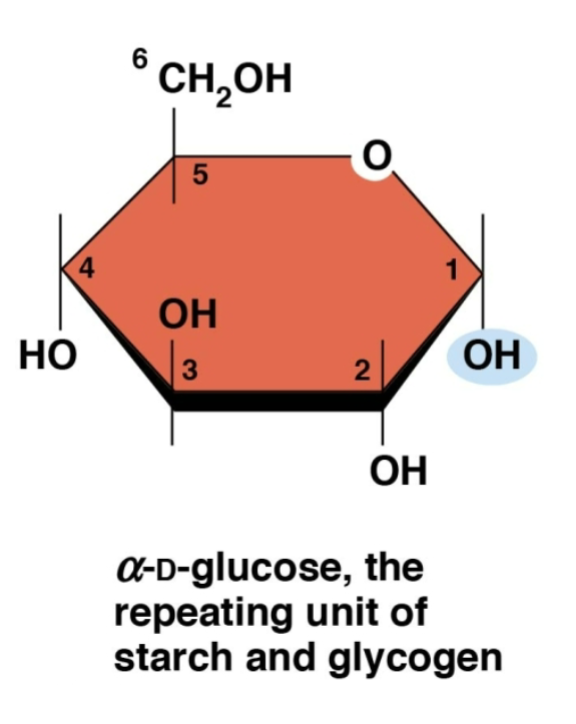
beta-D-glucose
hydroxyl group on the bottom, unit of cellulose, creates a non-digestible cell wall

glycosidic bond
a covalent bond between two monosaccharides, dehydration
usually 1-4, but 1-6 can cause branching

starch
storage polysaccharide in plant cells
glycogen
storage polysaccharide in animal cells and bacteria
lipid
not a long polymer, hydrophobic, function for energy storage, membrane structure, or signal transmission
fatty acid
monomer of lipid, amphipathic, long hydrocarbon chain with a carboxyl group at the end

amphipathic
having both polar and nonpolar regions
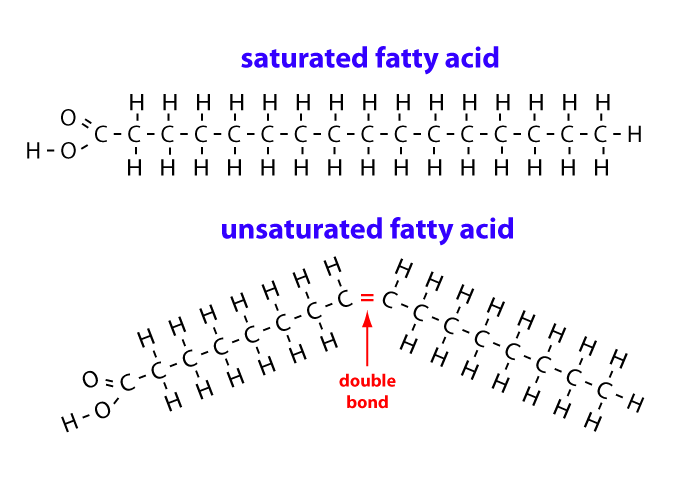
saturated
unbent fatty acid chain, liquid at room temp

unsaturated
bent fatty acid due to a double bond between two Cs, solid at room temp
cis double bond
in an unsaturated fatty acid, bent on the same side
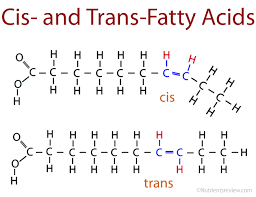
trans double bond
in an unsaturated fatty acid, bent on different sides

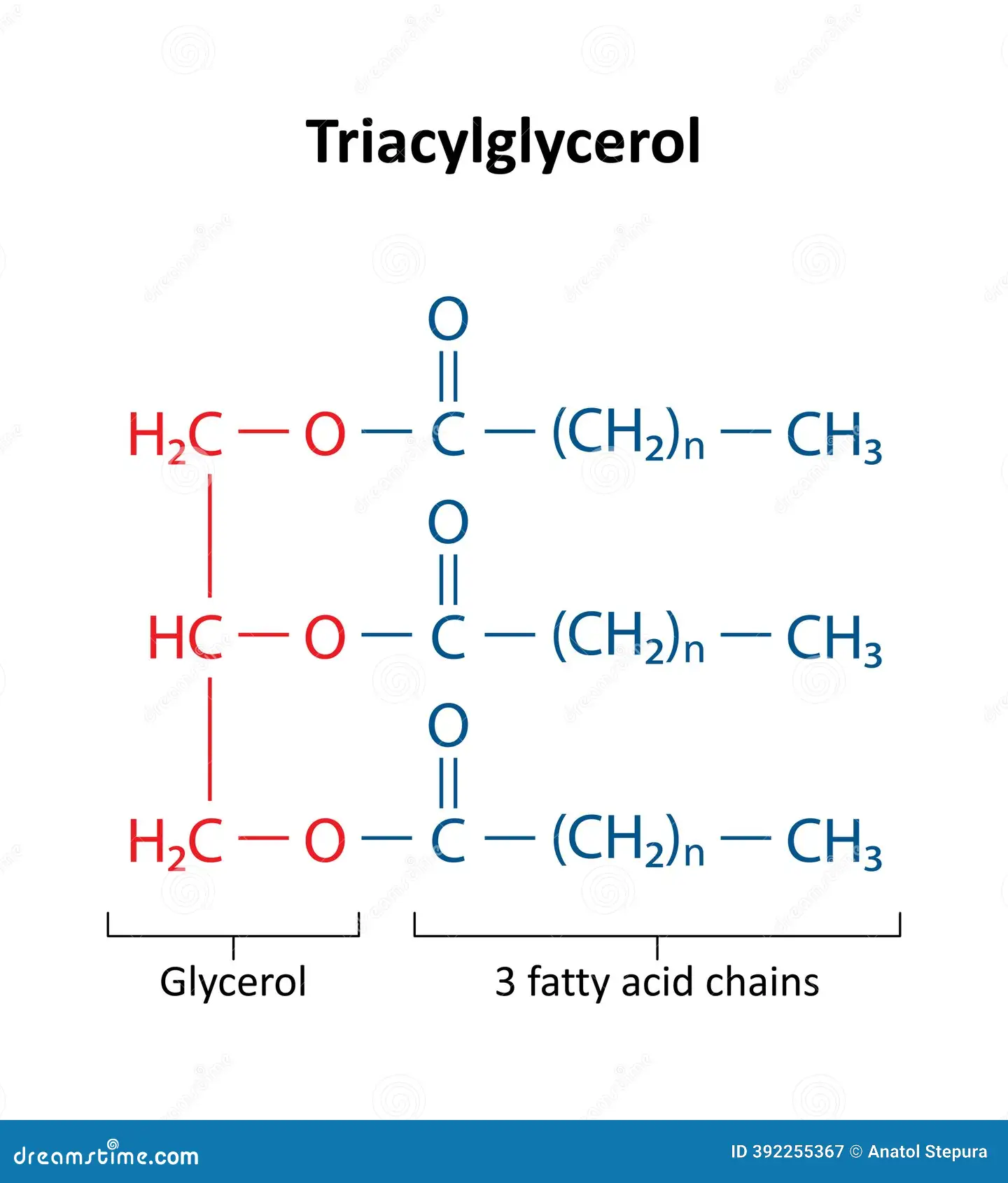
triacylglycerol
storage lipids
phospholipid
has a phosphate, important to membrane structure because they are amphipathic

glycolipid
contains a carbohydrate, r group is a sugar chain, outer monolayer of the plasma membrane

steroids
a lipid with a four ringed hydrocarbon skeleton, hormone
no fatty acids
nonpolar, very hydrophobic
built off cholesterol

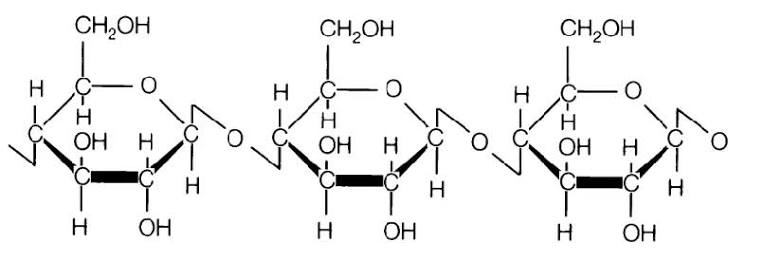
cellulose
a polysaccharide macromolecule, the linear polymer of the beta-D-glucose monomers
Why, when something is thermodynamically feasible, does it not always proceed?
Even when the delta G is negative, there is an activation energy barrier. Enzymes are needed to catalyze the reaction and provide an alternate path with a lower activation energy, causing the reaction to actually proceed.
How do enzymes affect reaction rate?

ribozymes
rare instance where an enzyme is not a protein but is made of RNA, cleaves tRNA
cofactors
non-protein component needed by an enzyme to carry out chemical function, usually to accept an electron
prosthetic groups: metal ions or small organic compounds bound to enzyme
coenzymes: small organic compounds derivatives of vitamins
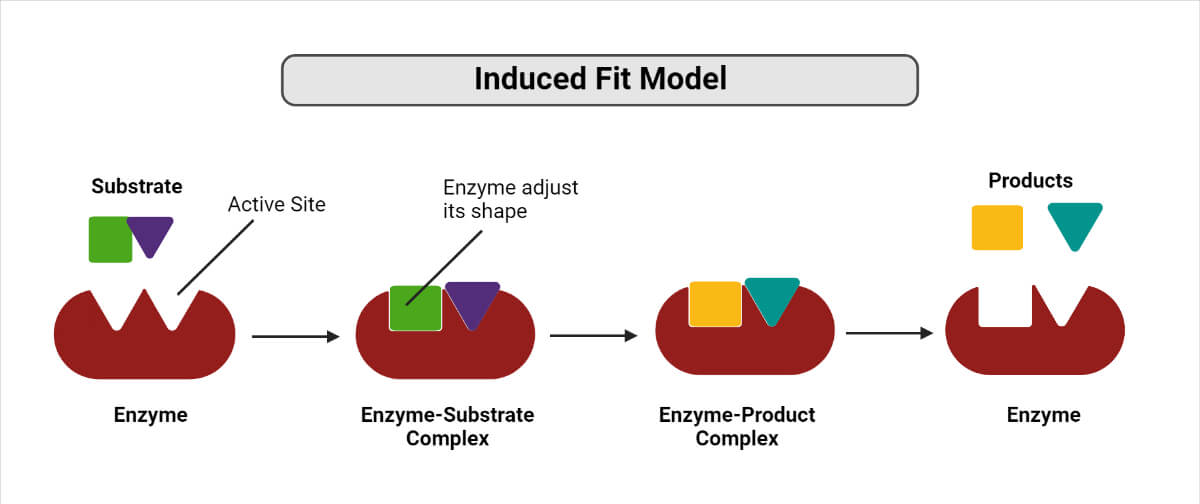
the induced-fit model
an enzyme's active site is flexible and changes its shape slightly to form a tight, precise fit around a substrate
methods of substrate activation
bond distortion: makes the bond more susceptible to catalytic attack
proton transfer: increases reactivity of substrate
electron transfer: temporary covalent bonds between enzyme and substrate
irreversible inhibitors
covalently bind to an enzyme causing permanent loss of function
reversible inhibitors
noncovalently bind to enzymes and can dissociate, causing the enzyme to regain function
competitive inhibitor
binds to active site of enzyme, blocking the substrate

noncompetitive inhibitor
binds to nonactive site of enzyme, changing its shape so it can not bind with substrate
makes an allosteric enzyme

phosphorylation