Comprehensive Science Vocabulary and Evolution Concepts for Biology
 Call Kai
 Learn
Learn Practice Test
 Spaced Repetition
 Match
Match Flashcards
 Knowt Play
1/56

There's no tags or description
Looks like no tags are added yet.
Name | Mastery | Learn | Test | Matching | Spaced | Call with Kai | Chat |
|---|
No analytics yet
Send a link to your students to track their progress
57 Terms
What is an adaptation?
A feature that makes you well suited to your environment.
What does the term 'advantage' refer to in biology?
Having a better chance of survival or being better than others.
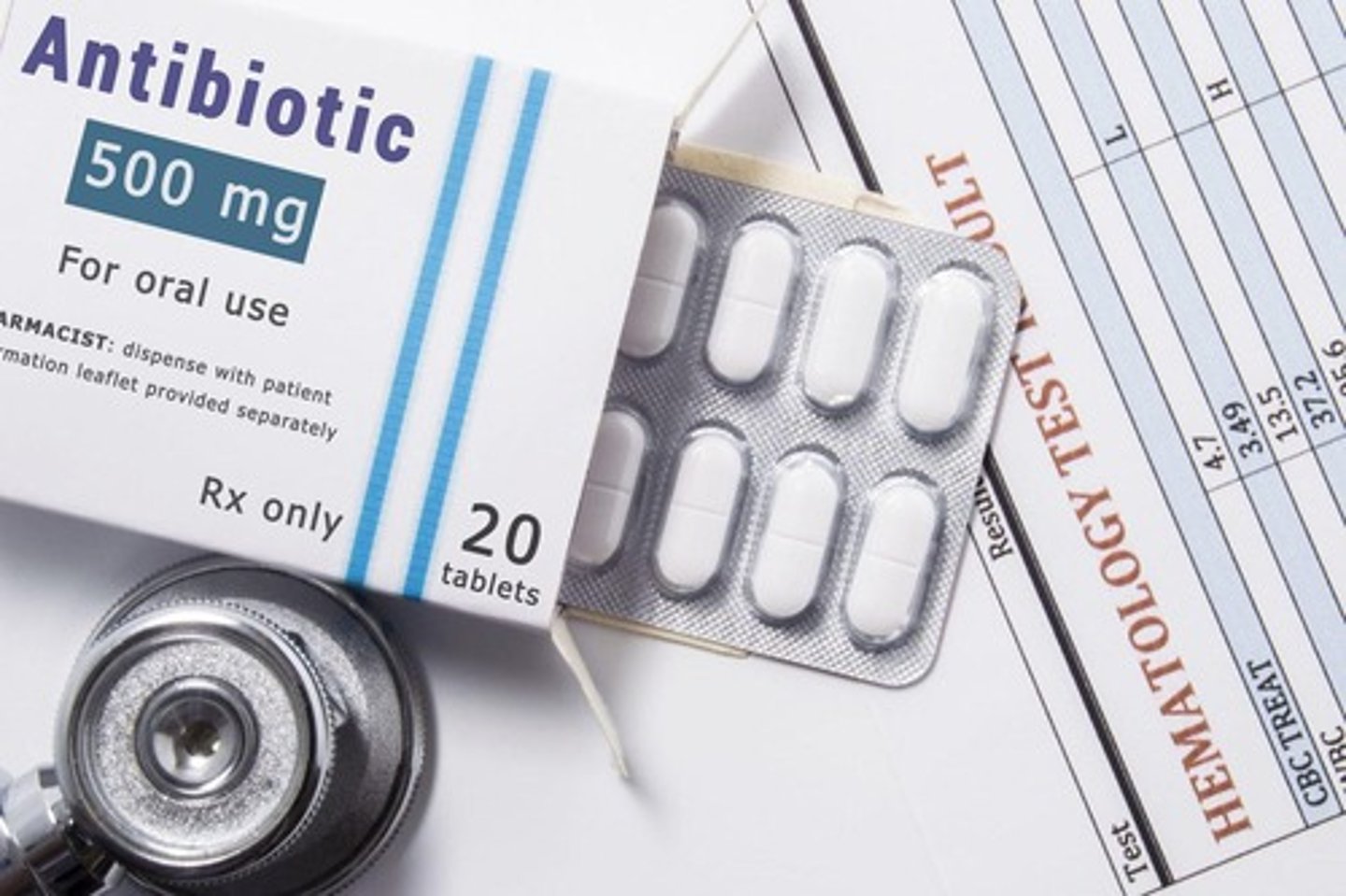
What is an antibiotic?
A medicine that kills bacteria.
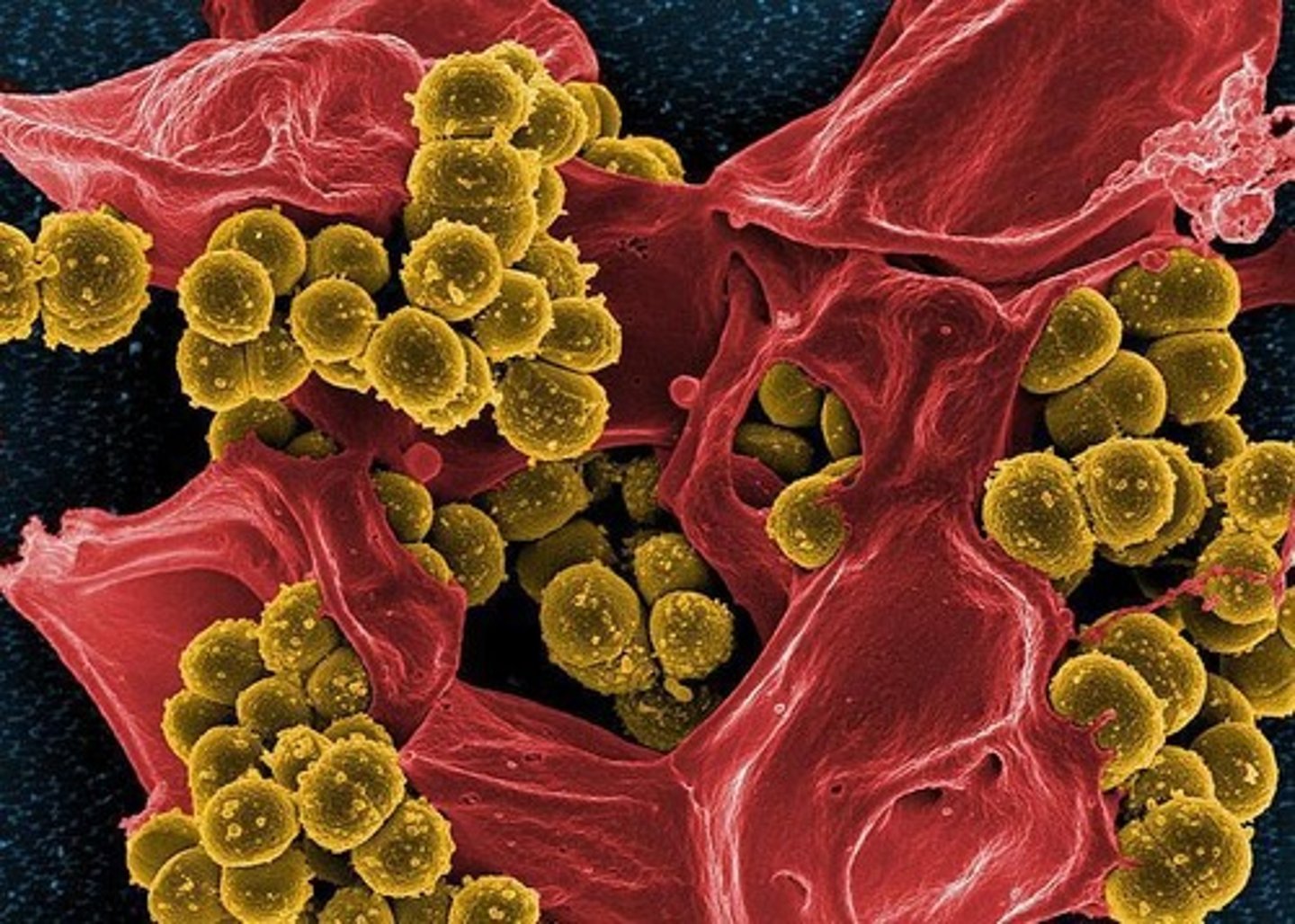
Define bacteria.
Single-celled organisms without a nucleus.
What does 'beneficial' mean?
Helpful or advantageous.
What are biofilms?
Complex structures of multiple microorganisms.
What is camouflage?
Hiding by changing looks to blend in with surroundings.
What causes cholera?
Infection caused by microorganisms in contaminated water.
What is competition in biology?
Fighting for resources among organisms.
Define cooperation.
Helping together to achieve a common goal.
What is differential survival?
Some organisms live because they are better suited for their environment.
What is an ecosystem?
A community of interacting organisms and their environment.
Define immunity.
Resistance to infection.
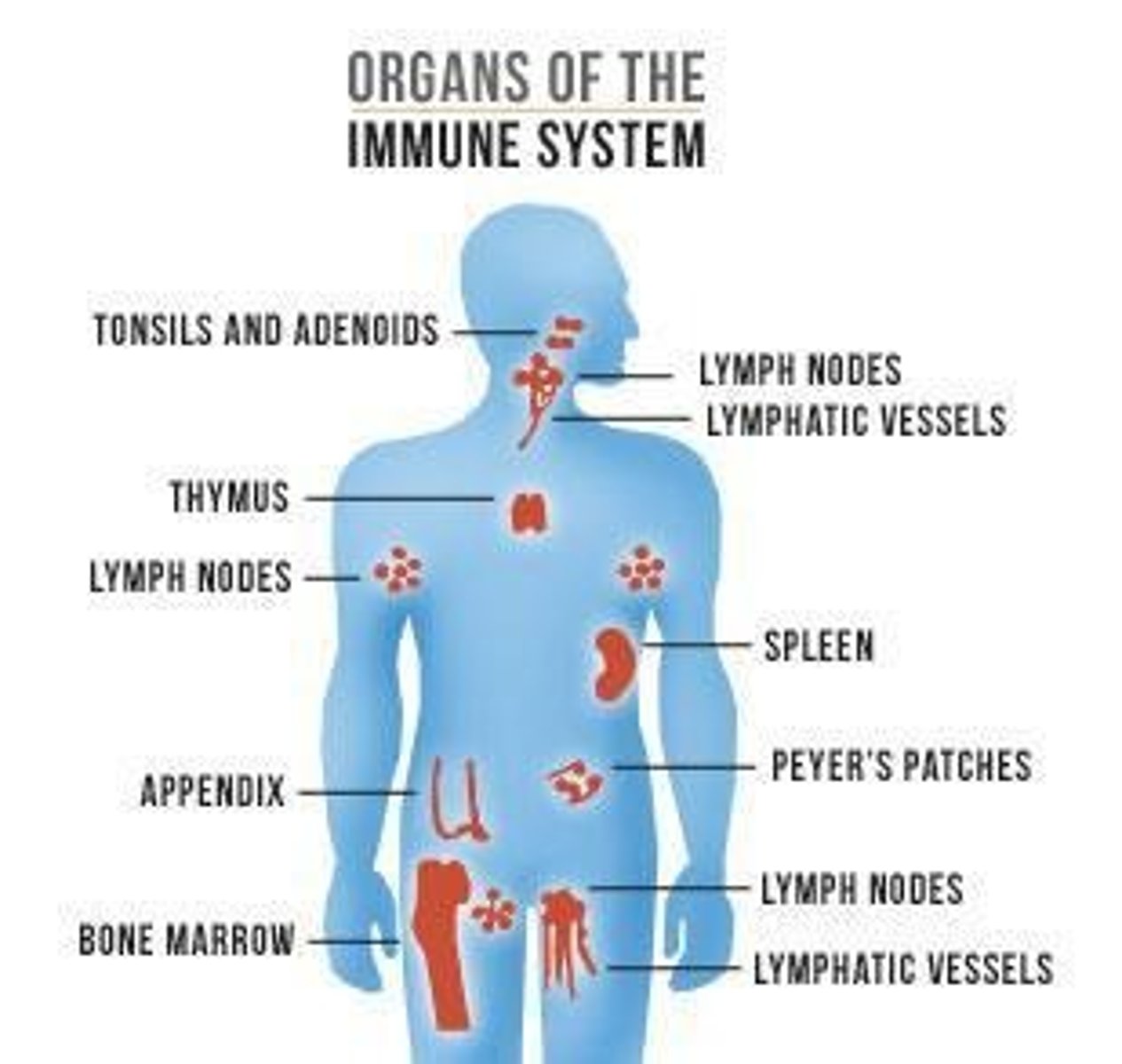
What is the immune system?
The organ system involved in fighting infection.
What is an infectious disease?
A disease that spreads through contact.
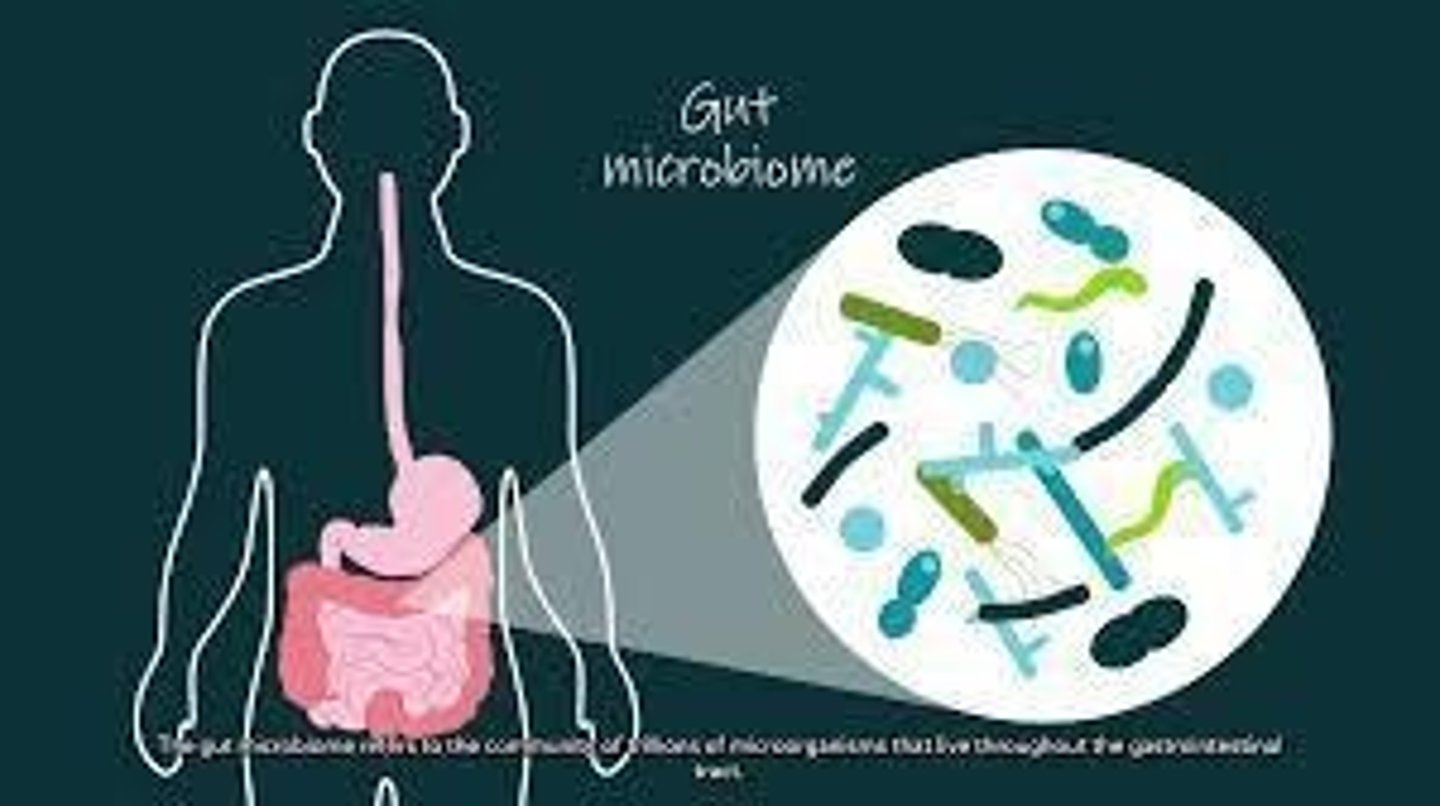
What is a microbiome?
A community of symbiotic microorganisms, usually in the gut.
What is a mutation?
A change in DNA sequence.
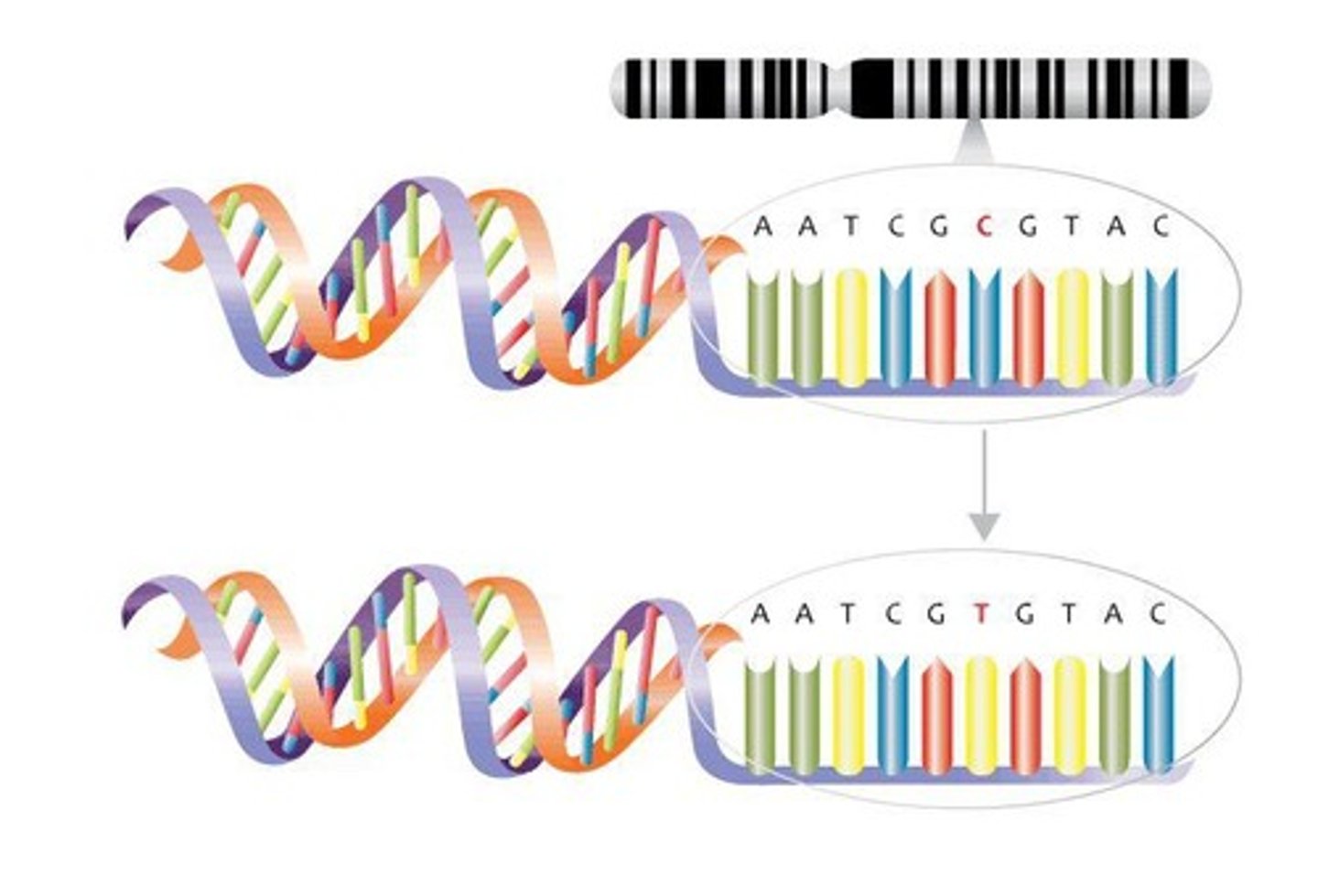
What does it mean to observe?
To notice with your senses.
What is an outbreak?
A widespread occurrence of disease.
What is a pandemic?
Global spread of illness.
Define population density.
The amount of organisms in a specific area.
What is a predator?
A hunter or carnivore that preys on other organisms.
What does it mean to reproduce?
To produce an offspring.
What is selective pressure?
A force that impacts a population size based on some feature.
What does symbiotic mean?
Relying on another organism for survival.
What is a trait?
Physical features or characteristics of an organism.
What is transmission in biology?
The spreading of disease from one organism to another.
What is a fecal transplant?
Putting a tissue or organ from one organism into another.
What does variation refer to?
Different types of the same thing.
What is the primary method of prevention for bacterial diseases?
Do not shave water bottles, vaccinations, wash hands.
What type of medication is used to treat bacterial infections?
Antibiotics (effective only against bacteria).
What are the symptoms of Lyme disease?
Bull's-eye rash at the tick bite site, fever, fatigue, headache.
How is Lyme disease transmitted?
Ticks transmit the bacterium Borrelia burgdorferi.
What are the symptoms of Tetanus?
Lockjaw, stiffness in neck and abdomen, difficulty swallowing, fever, elevated blood pressure, severe muscle spasms.
What are the symptoms of Tuberculosis?
Fatigue, weight loss, night sweats, chills, appetite loss, bloody sputum from lungs.
What are the symptoms of bacterial meningitis?
High fever, headache, stiff neck, nausea, fatigue.
How is bacterial meningitis transmitted?
Spread in respiratory droplets from coughing and sneezing; close contact with an infected person.
What are the symptoms of strep throat?
Fever, sore throat, headache, fatigue, nausea.
How is strep throat transmitted?
Direct contact with mucus from an infected person or infected wounds.
What is the primary method of prevention for viral diseases?
Vaccinations, washing surfaces, distancing when sick.
What are the symptoms of the common cold?
Sneezing, sore throat, fever, headache, muscle aches.
What are the symptoms of influenza?
Body aches, fever, sore throat, headache, dry cough, fatigue, nasal congestion.
What are the symptoms of AIDS (HIV)?
Destruction of Helper T cells, leading to compromised immune function.
What are the symptoms of chicken pox?
Skin rash of blister-like lesions.
What are the symptoms of Hepatitis B?
Jaundice, fatigue, abdominal pain, nausea, vomiting, joint pain.
How is the common cold transmitted?
Contact with contaminated objects; droplet inhalation.
How is influenza transmitted?
Spread in respiratory droplets from coughing and sneezing.
How is AIDS transmitted?
Sexual contact, contact with contaminated blood or body fluids.
What is Darwin's theory of natural selection?
Survival of organisms best adapted to their environment.
What is the definition of adaptation in the context of natural selection?
A characteristic that helps an organism survive and reproduce in its environment.
What is the role of the environment in natural selection?
Acts as a selective pressure that chooses variations.
What is the significance of variation in a population?
More variation increases the chance of survival in changing environments.
What is the process of evolution in bacteria when exposed to antibiotics?
Bacteria with favorable variations survive and reproduce, leading to antibiotic resistance.
What is the difference between punctuated equilibrium and gradualism in evolution?
Punctuated equilibrium involves periods of stability followed by rapid changes; gradualism involves small changes over time.
What is a gene pool?
All the genes in a given population.
What is the significance of mutations in evolution?
Mutations provide the source of variation that selective pressures act upon.
What happens when a population of bacteria becomes resistant to antibiotics?
The resistant bacteria survive and reproduce, necessitating the use of new antibiotics.