NYS Fish Species
 Call Kai
 Learn
Learn Practice Test
 Spaced Repetition
 Match
Match Flashcards
 Knowt Play
1/28

There's no tags or description
Looks like no tags are added yet.
Name | Mastery | Learn | Test | Matching | Spaced | Call with Kai | Chat |
|---|
No analytics yet
Send a link to your students to track their progress
29 Terms
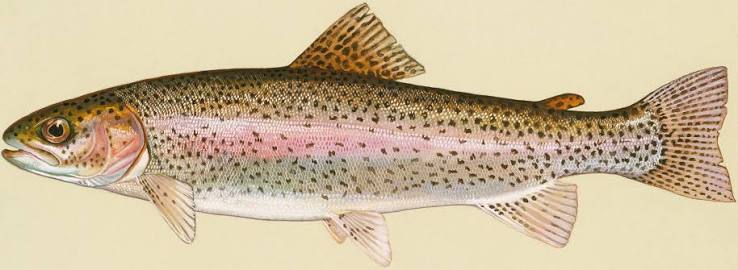
Rainbow Trout
Order: Salmoniformes
Family: Salmonidae
Native to the Pacific coast, prefer cool lakes and streams
20-34 inches in the Great Lakes
Prefer cool lakes and streams
Eat aquatic insects and fish
Fun fact: Those that live in large lakes and spawn in streams are called steelhead (they look more silvery and grow much larger)
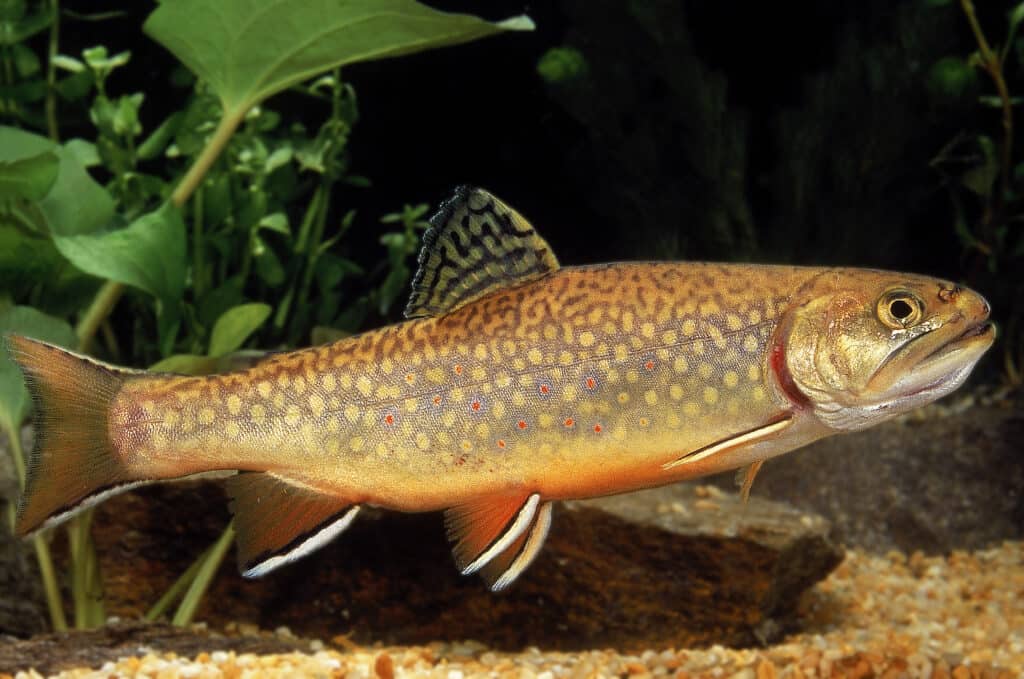
Brook Trout
Order: Salmoniformes
Family: Salmonidae
Native to NY and live in cold, small-moderate sized lakes, streams, and ponds
5-15 inches in length (habitat dependent)
Eat insects
Brown Trout
Order: Salmoniformes
Family: Salmonidae
Native to Europe, prefer colder waters but tolerate warm better than Brookies
8-32 inches (habitat dependent)
Eat aqautic insects and fish
Fun fact: one of the most difficult trout species to catch
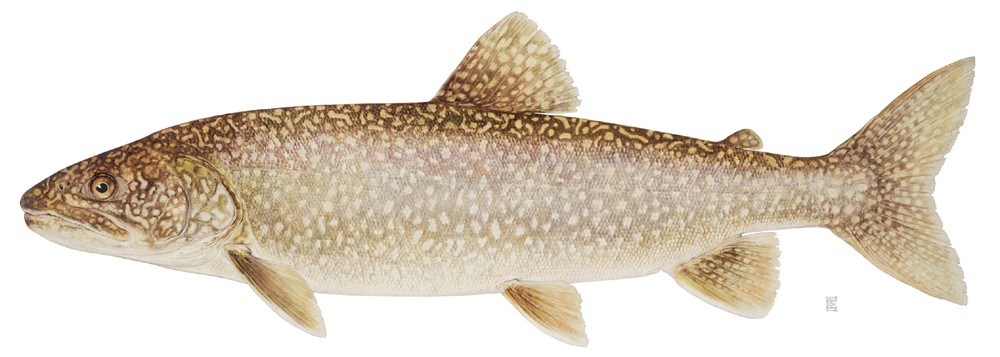
Lake Trout
Order: Salmoniformes
Family: Salmonidae
Native to NY, live in deep, cold, well-oxygenated lakes
15-24 inches
Long-lived, somes adults reaching 20 years old
Eat zooplankton, insects, primarily fish
Atlantic Salmon
Order: Salmoniformes
Family: Salmonidae
NY’s only native salmon, open, cold, deep lakes
12-30 inches
Eat fish
Fun fact: used to live in the ocean and migrate to freshwater to spawn, but landlocked populations that spend their entire lives in freshwater now exist
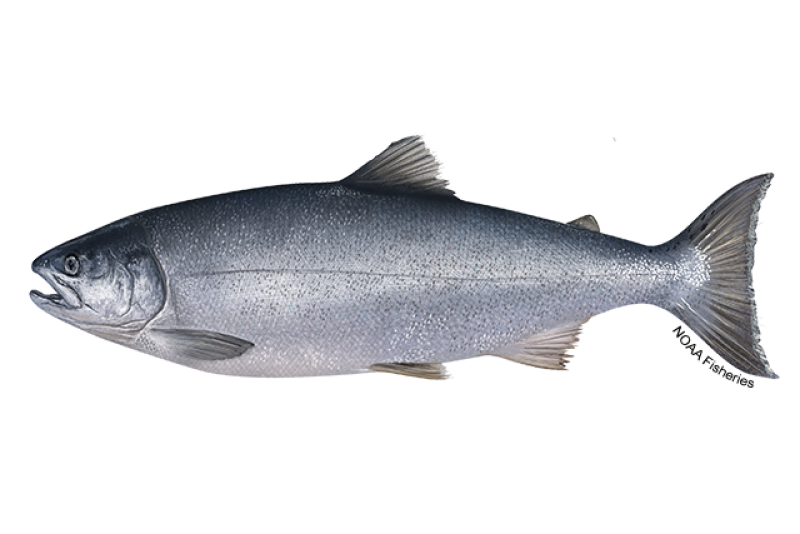
Chinook (King) Salmon
Order: Salmoniformes
Family: Salmonidae
Largest Pacific salmon species, first introduced into the Great Lakes in 1873
30-48 inches
Eat fish
Fun fact: were extensively stocked in the 1960s to control overabundant alewife after
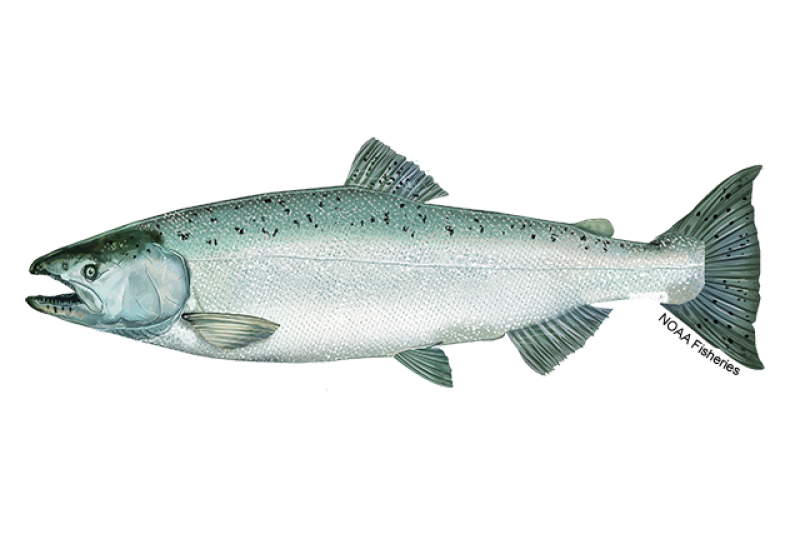
Coho (Silver) Salmon
Order: Salmoniformes
Family: Salmonidae
Native to the pacific ocean
18-33 inches
Eat fish
Introduced into the Great Lakes in the 1960s
Sea Lamprey
Order: Petromyzontiformes
Family: Petromyzon
Invasive in the Great Lakes, native to Atlantic Ocean
2-4 ft in length
Parasitic, living off the body fluids of fish they attach to such as trout and salmon
Fun fact: Larvae burrow in sand in quiet water for 4-5 years

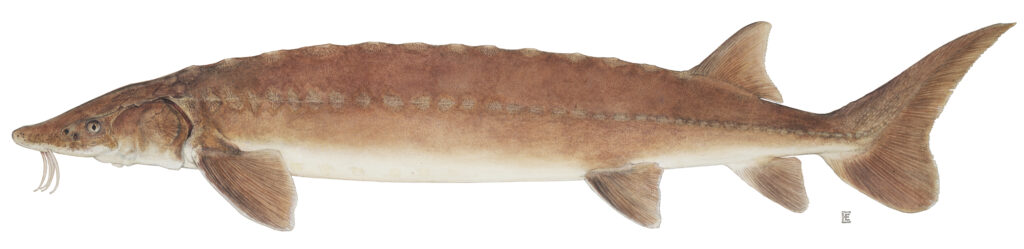
Lake Sturgeon
Order: Acipenseriformes
Family: Acipenseridae
Native to NY, prefer clean sand, gravel or rock bottom areas of large lakes and rivers
3-7 ft
Eat leeches, snails, mussels, small fish and algae
Fun fact: Fishing for any sturgeon species is strictly prohibited as every species in NYS is threated
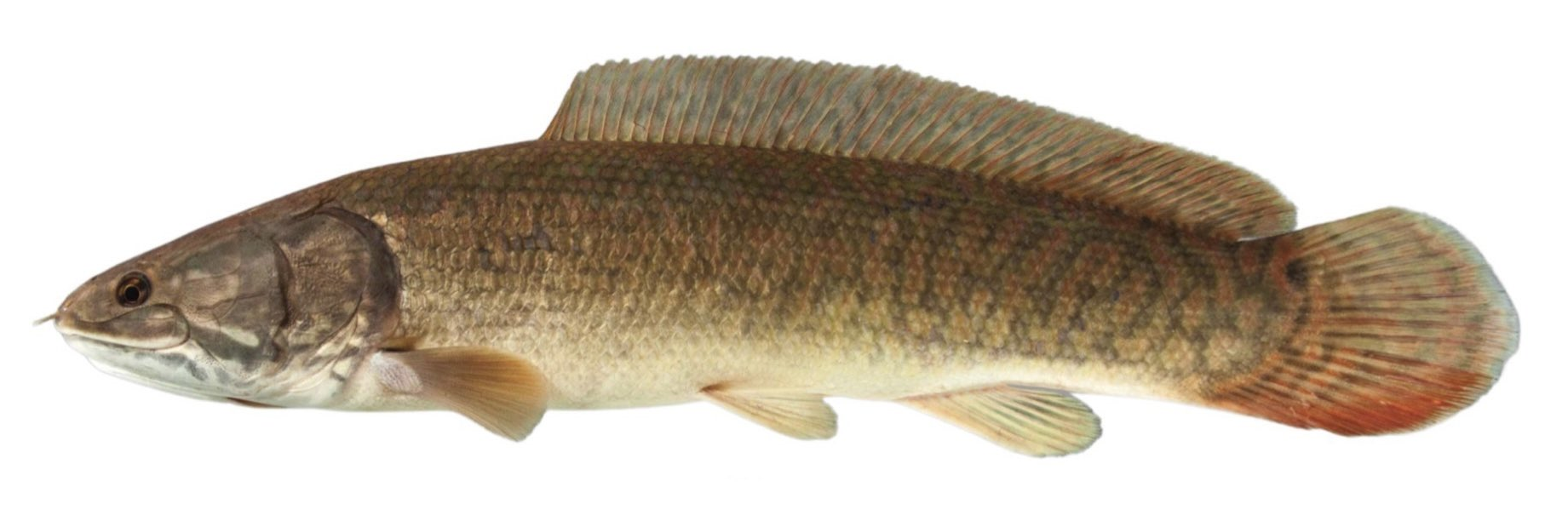
Bowfin
Order: Amiiformes
Family: Amiidae
Bowfin can live in waters with low oxygen levels and can even gulp air at the surface
Resides in weedy, clear lakes and rivers
18-34 inches
Eat crayfish and small fish
Fun fact: a primitive ray-finned fish and the only recognized living representative of its ancient family
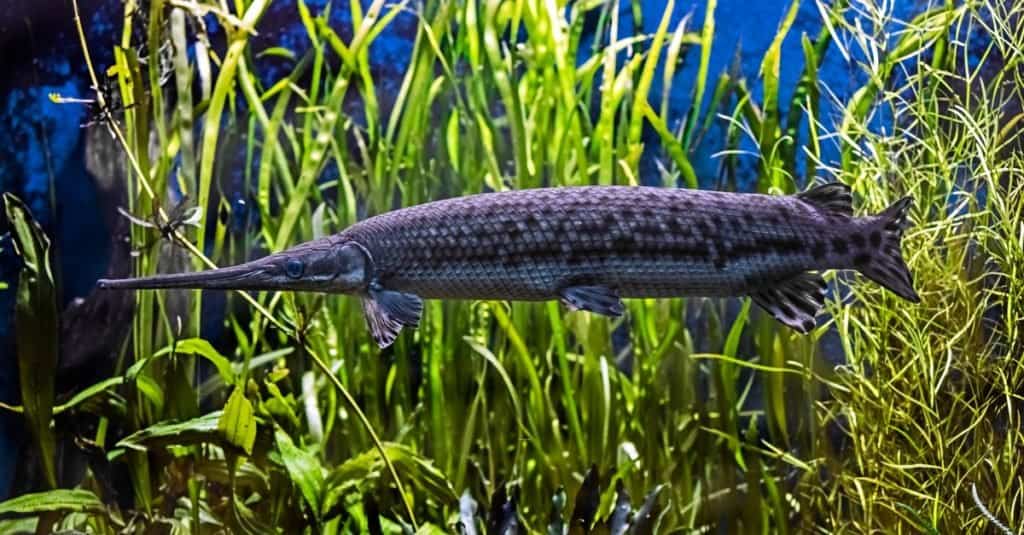
Longnose Gar
Order: Lepisosteiformes
Family: Lepisosteidae
Native to NY, close to shore in weedy lakes and rivers
2-4 ft
Eat small fish
Fun fact: considered a “living fossil,” gar have been around for nearly 10 million years
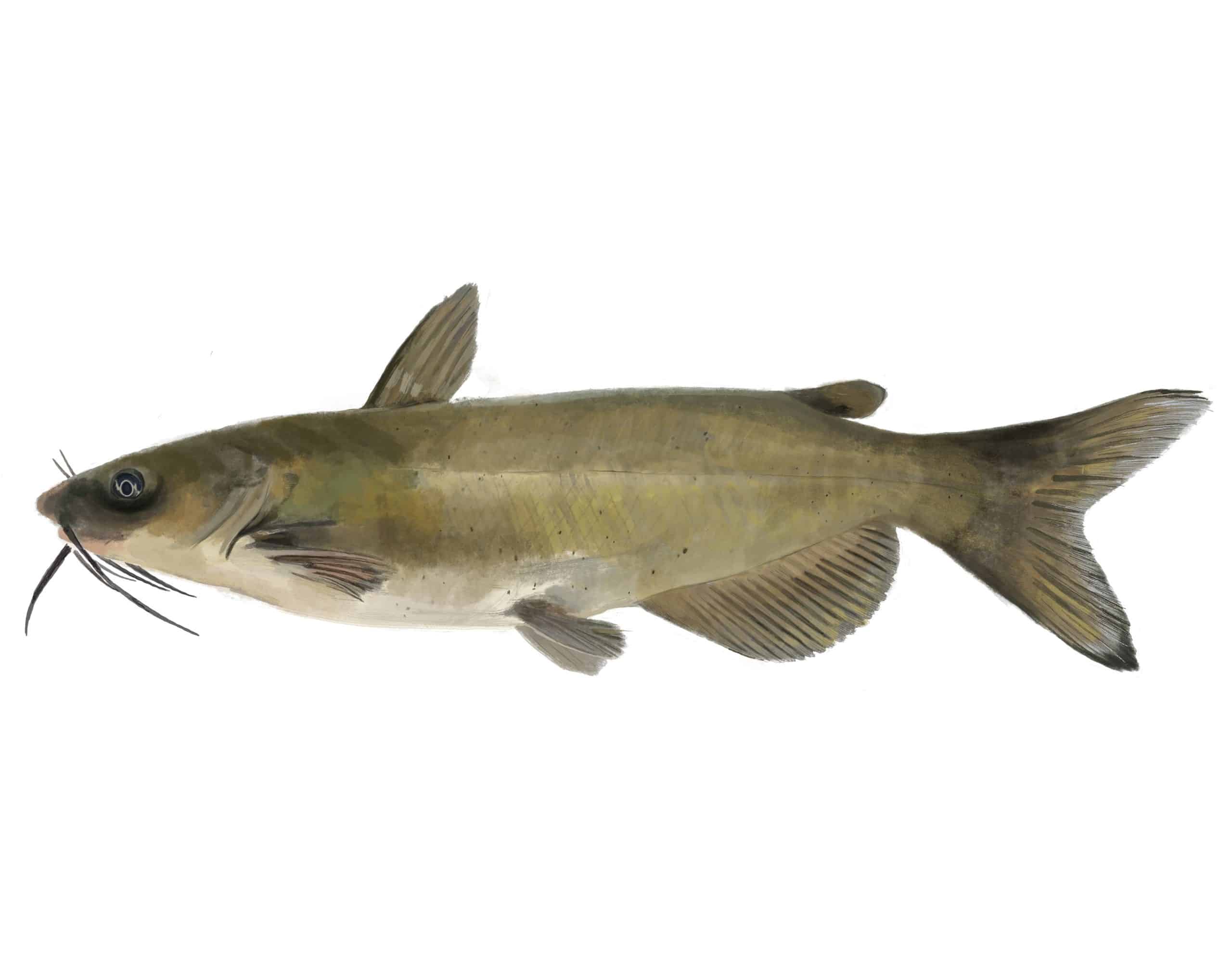
Channel Catfish
Order: Siluriformes
Family: Ictaluridae
15-37 inches
Native to NY, rivers and lakes with sandy or rocky bottoms
Eat Worms, crayfish, insects and fish
Fun fact: largest of the catfish/bullhead species in New York State, its forked tail makes younger fish easy to identify
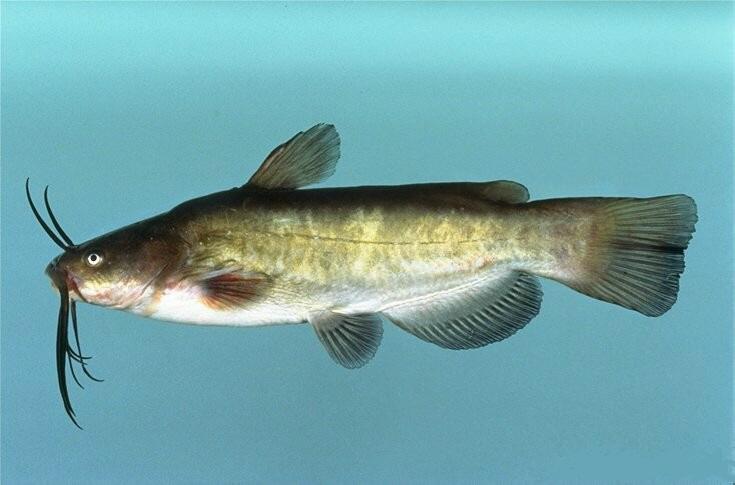
Brown Bullhead
Order: Siluriformes
Family: Ictaluridae
Native to NY, reside in still water with mud bottom
8-21 inches
Eat pretty much anything
Chain Pickerel
Northern Pike
Muskellunge
Pumpkinseed
Redbreast Sunfish
Bluegill
Rock Bass
Black Crappie
Largemouth Bass
Smallmouth Bass
Walleye
Yellow Perch
White Perch
White Sucker
Common Carp
American Eel