The use of terror against opponents of communist rule
 Studied by 1 person
 Call Kai
 Learn
Learn Practice Test
 Spaced Repetition
 Match
Match Flashcards
 Knowt Play
1/20

There's no tags or description
Looks like no tags are added yet.
Name | Mastery | Learn | Test | Matching | Spaced |
|---|
No study sessions yet.
21 Terms
What was the new constitution in 1954?
In 1953 a civil service ranking was instituted where all officials were divided into 26 grades.
What were the differences between grades?
The pay of the lowest grade was one-twentieth of that of the highest grade.
There were differences in subsidies and perks.
The grading determined every officials access to information.
What is a danwei?
A work unit through which housing, food, and clothing was allocated, every employed worker was assigned a danwei
How did the Party cadre ensure people conformed/followed the rules?
The cadre in charge of each danwei was issued with a supply of food ration cards distributed by the police. The denial of these was used as a tool to enforce conformity and the registration process let the party pry into people's lives.
What was labelling?
Every individual was given a class label that specified their family background, social status and occupation.
There were 60 labels divided into broad categories 'good' 'middle' and 'bad'
What was the purpose of labelling?
To help the police so they knew to monitor the 'bad classes' who could threaten the party and have counter revolutionary ideas
What was a dangan?
A dossier containing detailed personal information on anyone that came to the attention of the party.
Who was targeted during the police crackdowns? What happened to them?
The police were ordered to clean up the cities and target beggars and prostitutes who would be relocated to the countryside or locked up.
What were the triads?
Gangs apart of criminal organisations that had long controlled urban crime, particularly currency trafficking, drugs and prostitution.
What happened to the triads?
The police tried to solve the problem of the triads and over 150,000 criminals were arrested, over half of whom were executed.
What was the Great Terror and when was it? Who did the campaign target?
1950-1951
On the 10th of October 1950, Mao issued a directive to liquidate 'remnant nationalist forces', 'secret agents', 'bandits' and other counter revolutionaries who stood in the path of revolution
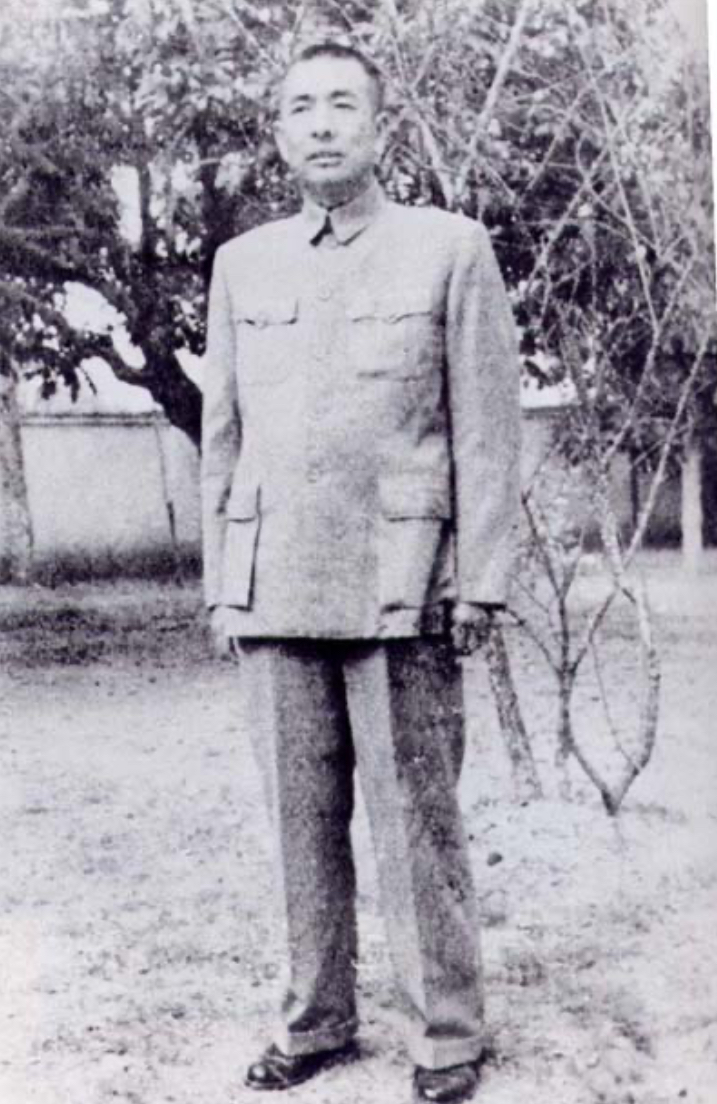
Who was Tao Zhu? What was he responsible for?
4th in the party hierarchy
He was dispatched to orchestrate the clampdown in Guangxi province of the Vietnam border. There was lingering nationalist sympathisers and Tao proudly claimed responsibility for killing over 46,000 alleged bandits in the next 12 months, a ratio of 2.5 per thousand of the population.
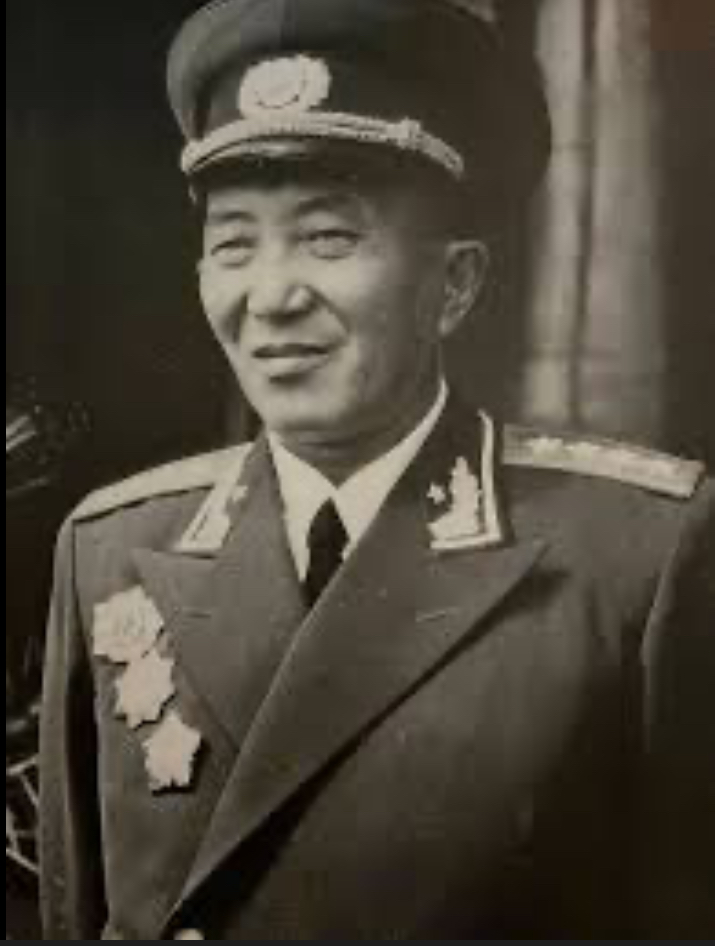
Who was Luo Ruiquing? What was he responsible for?
Head of security in Beijing and responsible for transmitting Mao's wishes to provincial leaders. Pressure from Luo led to the leader of Hubei increasing the killings in his area, from 220 in January 1951 to 45,000 by October
What did Mao say was an acceptable (killing) target?
1 in every thousand of the local population in each area.
What was the problem by the summer of 1951?
So many people were being arrested that there was a bottleneck in the prisons and arrests had to stop until sufficient numbers had been executed to create more space inside them.
Why were fewer lives lost in the city?
Fears of adverse publicity and partly because the urban professionals were still needed.
What happened on the night of the 28th April 1951? Why?
Police swept through 16 cities in a co-ordinated raid, arresting nearly 17,000 people and executions followed, as well as a wave of suicides. This is because in March 1951 a top ranking military official was shot dead at a public concert in Jinan and Mao wanted a response.
What were young Party activists forced to do?
Watch mass executions
How many were killed in the Great Terror?
Nobody knows exactly but a party convention in 1954 was told that 710,000 had been killed but some historians put the figure as high as 2 million
What happened to others, including people with 'black' labels?
Several million were sent to labour camps or subjected to surveillance by local branches of the PLA.
People with 'black' labels became outcasts and targets of every political campaign.
Who was apart of the 'black' class?
Landlords
Rich peasants
Capitalists