DRUG DEVELOPMENT AND REGULATION - Basic Science Core
 Call Kai
 Learn
Learn Practice Test
 Spaced Repetition
 Match
Match Flashcards
 Knowt Play
1/25

Earn XP
Description and Tags
Pharmacology Exam 1
Name | Mastery | Learn | Test | Matching | Spaced | Call with Kai | Chat |
|---|
No analytics yet
Send a link to your students to track their progress
26 Terms
What are Drugs
Drugs are chemical substances used to diagnose, prevent, or treat diseases, and to prevent pregnancy.
What is the origin of Drugs
Use of “medicines” dates back to prehistoric times
_
Mixture of religion and use of plant substances has been common since religion and men have existed
Humans have sought plant and animal products since the earliest of times to combat sickness and death (Campbell, 2007, p. 2)
Many of these products were discovered by trail and errors
The initial treatments caused more harm than good, killing many!!!
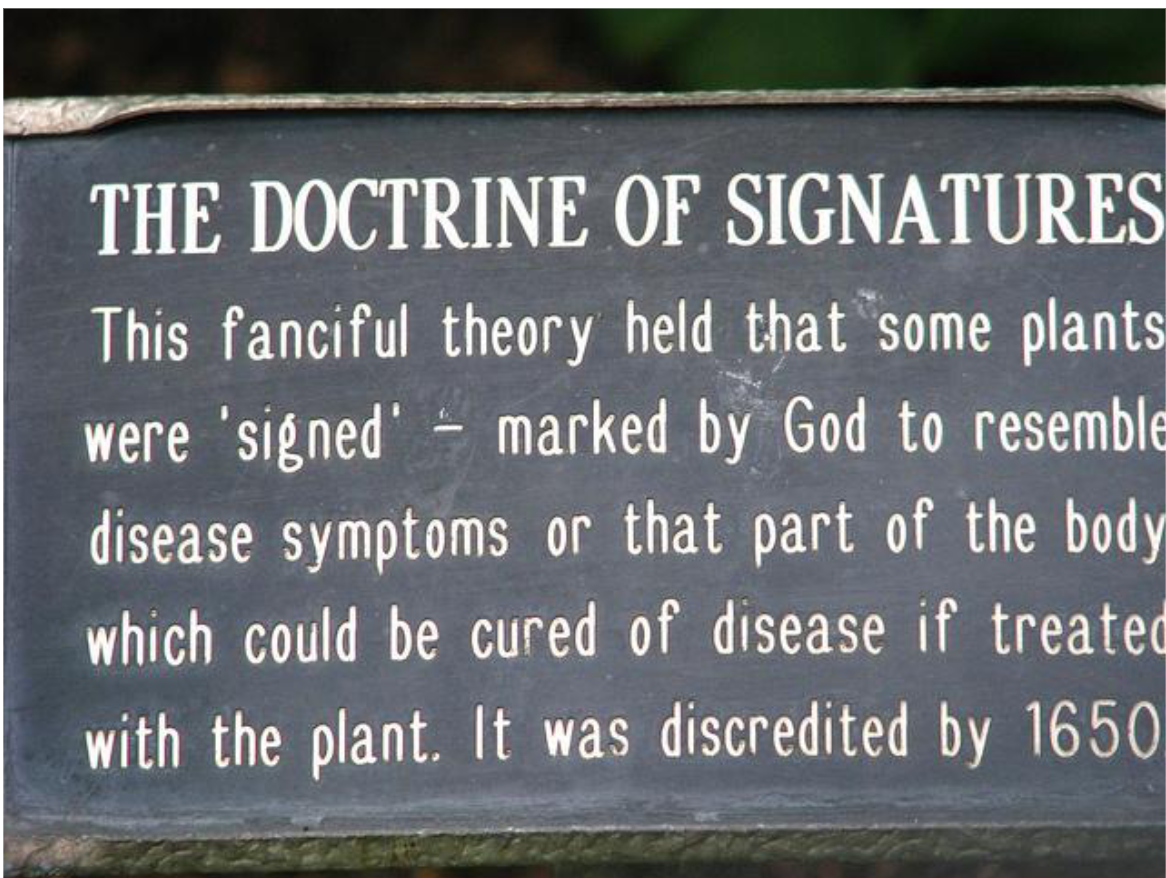
Doctrine of Signatures (1500s)
Plant parts that resembled human body parts, animals, or other
objects were thought to have useful relevance to those parts, animals,
or objects
_
People thought that God had made herbs for the use of men and given them particular Signatures that could be read to cure disease, such as
Walnuts were good to cure ailments of the head because they had a perfect signature for the head!
The holes in the leaves of Saint Johns Wort resemble pores of the skin and, therefore, can treat disease and wounds of the skin
Oldest prescriptions were found …
Oldest prescriptions were found on clay tablets written by Sumerian physicians around 3000 BC
_
Sumerians were one of the earliest urban societies to emerge in the world, in Southern Mesopotamia (modern day Iraq), more than 5000 years ago
Hippocrates (5th century BC) promoted the idea that disease results from:
Natural causes rather than evil spirits
He believed that the body had abilities to recuperate from disease
_
In the early years, medicines were developed by isolation and use of nature substances from botanical, mineral, and animal sources
In modern times, medicines are developed by chemical synthesis of compounds that have biological activity
Drug Discovery Took Two Paths
Path #1 – Isolation and use of nature substances from botanical, mineral and animal sources
Path #2 – Later years – chemical synthesis of compounds having biological activity
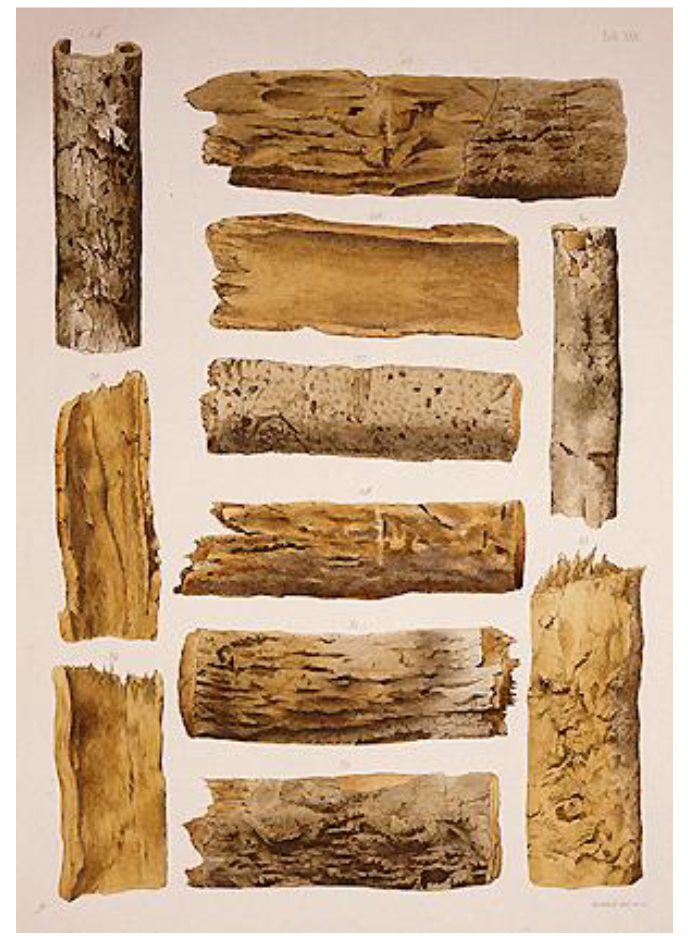
PERUVIAN (CINCHONA) BARK
1630 – PERUVIAN (CINCHONA) BARK TO TREAT MALARIA
Bark contained Quinine
Quinine
Quinine is still used today as a drug of choice against malaria
First specific drug to be used to treat an infectious disease
Digitalis (HISTORICAL PERSPECTIVES)
William Withering’s use of purple foxglove (digitalis purpurea) in 1783, lead to the isolation of digitalis
He made a tea to treat the edema of cardiac “dropsy” (congestive heart failure)
Digitalis is still the drug of choice for congestive heart failure
Natural is much cheaper the chemical ones
Morphine
The German chemist, Friedrich Serturner, isolated the alkaloid morphine from opium in 1805
_
Opium, a narcotic is used for pain control
Opium had been used as a medical and recreational drug since prehistoric times
Caffeine (History)
The history of coffee goes at least as far back as the 13th century
From Ethiopia
Synthesized by the Arabs
Caffeine Function & Effects
Caffeine works by stimulating the CNS, heart, and muscles
It relieves mental and physical fatigue and increases mental alertness
Atropa belladonna (Devil's cherries)
The entire plant is extremely poisonous
Belladona = an enchantress of exceeding loveliness
_
Two alkaloid substances isolated from plant
Atropine
Dilates the pupils (medicinal use)
Belladonna plasters often applied after a fall
to the injured or sprained part
Ingestion in excess amounts is a poison
Atropine
Discovered in 1830s
Led to discovery of neurotransmitter acetylcholine
_
Belladonna blocks acetylcholine binding to muscarinic receptors,
thereby reducing smooth muscle activity
Scopolamine
Extracted from Japanese Belladona)
_
Used for motion sickness , sedative, truth serum, and mydriasis
DISCOVERY OF ASPIRIN
1) 1763 – Vicar Edward Stone (England) bark of willow tree reduced fever
_
2) 1828 – German chemist Johann Andreas Buchner isolated salicin, active extract from bark
_
3) 1829 – Henri Leroux, French pharmacist isolated larger quantities
_
4) Raffaele Piria, Italian chemist converted to a sugar, which when oxidized formed salicylic acid
_
5)1897 – aspirin first synthesized by Felix Hoffman, German chemist working for the Bayer company
ASPIRIN (Facts)
Converted salicylic acid to the acetyl derivative
Acetylsalicylic acid = “ASA” = also known as aspirin
Single most important drug discovery in medicine
Sulfa (History)
1932: German biochemist Gerhard Domagk tested the red dye Prontosil.
After a small chemical change, it became effective against streptococcal infections in mice.
He identified the active ingredient as sulfanilamide—one of the first antibiotics.
First effective treatment for pneumonia, meningitis, and other bacterial infections.
Came before penicillin in clinical use.
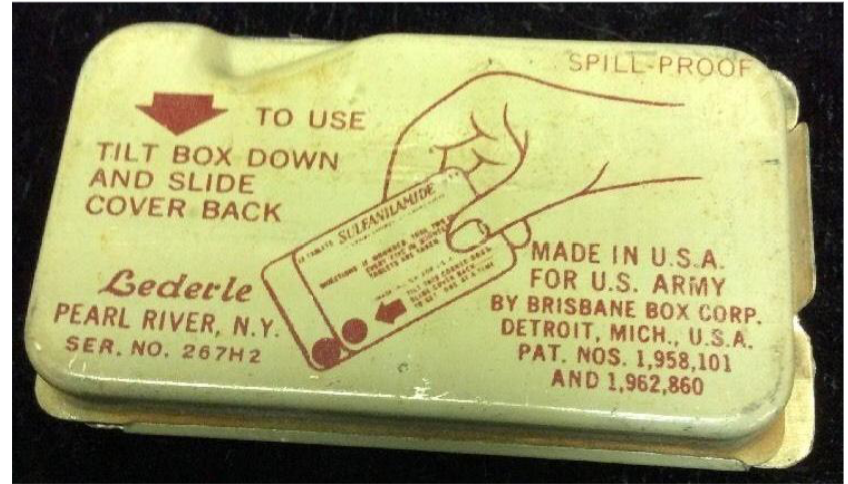
WWII: Sulfa powder and tablets were widely used by combat medics, saving many lives.
Today: Sulfa drugs are commonly used to treat urinary tract infections (UTIs).
SULFONAMIDES (“SULFA” DRUGS) Deaths 1935
Over 100 deaths across 15 states
1938 Food, Drug, and Cosmetic Act
Which required companies to perform animal safety tests on their proposed new drugs and submit the data to the FDA before being allowed to market their products.
Discovery of Penicillin
1928
Sir Alexander Fleming
World War 2 & Antibiotics
Prior to and in the early years of WWII, sulfa was distributed to soldiers as a powder to sprinkle on wounds
Too much sulfa was damaging to the kidneys
_
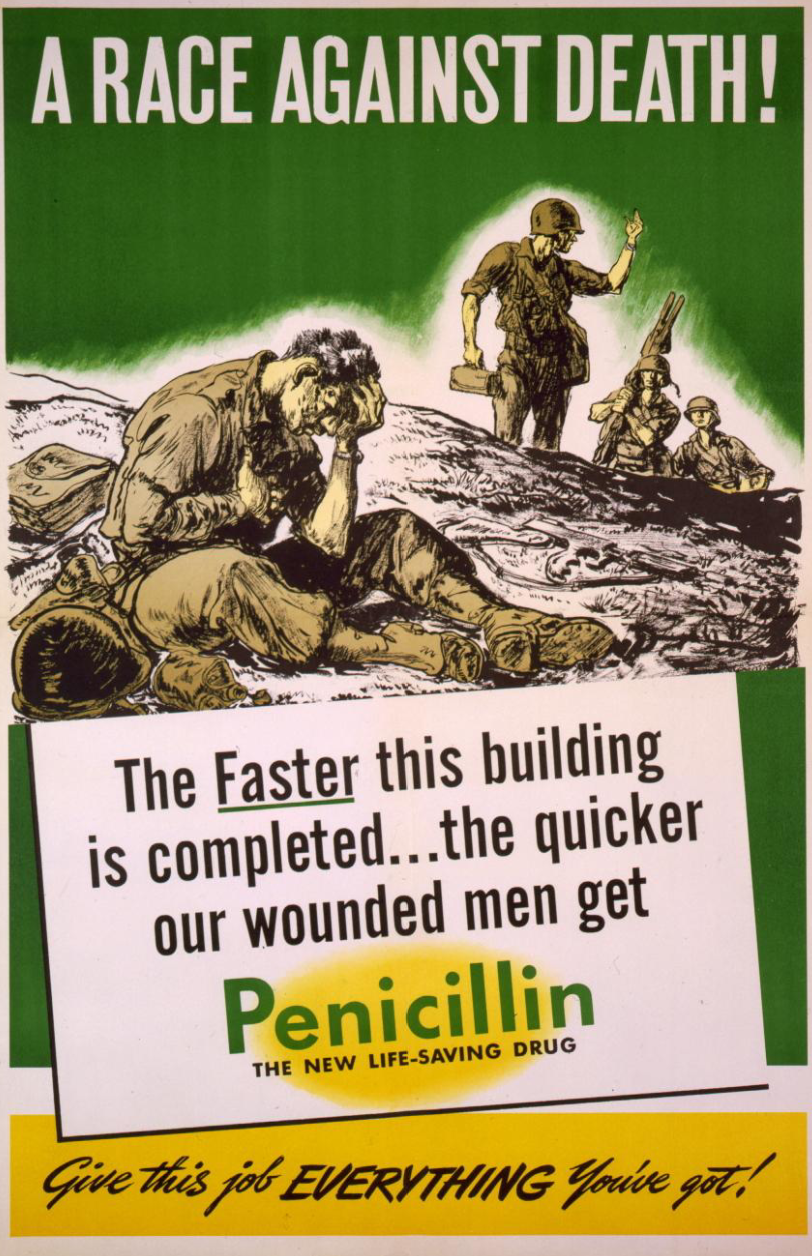
By the end of WWII, penicillin had taken its place
PENICILLIN (Historical)
The first patient was successfully treated for streptococcal septicemia in the United States in 1942.
_
Penicillin helped reduce the number of deaths and amputations of troops during World War II
DRUG DEVELOPMENT
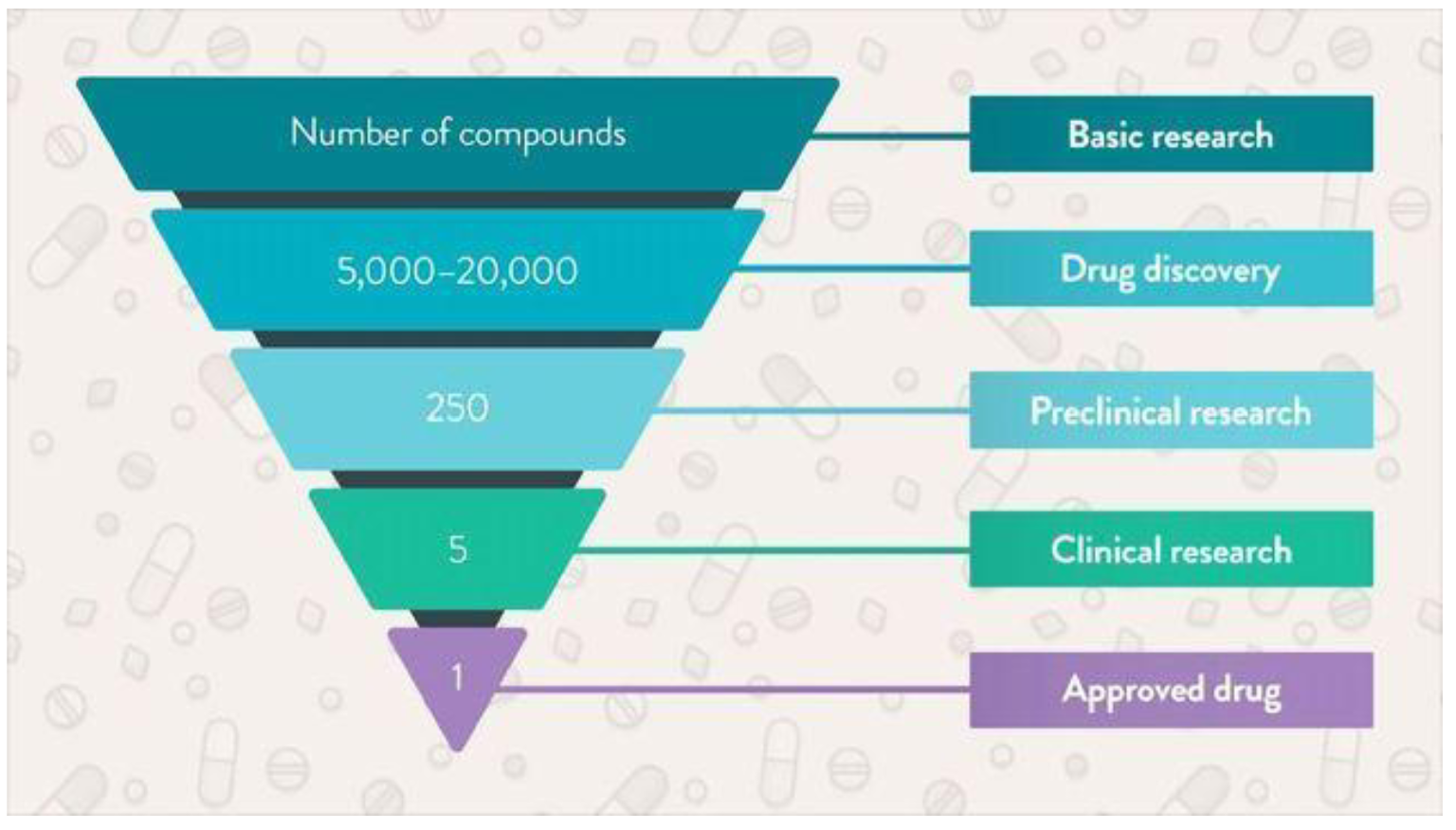
DRUG DEVELOPMENT
Time necessary to develop a drug is averages 12 years
Cost of developing a drug approximates $1.6B from concept to market
1 in 1000 potential drugs makes it to testing in human trials
9 out of 10 fail in human testing
Human testing (clinical trials) costs millions
Patent = 20 years
STAGES OF DRUG DEVELOPMENT (5)
1) Synthesis or discovery of new chemical from test tube or plan
2) Safety evaluation in animals and humans
3) Effectiveness evaluation in humans
4) Review of new drug application
5) Post-marketing surveillance to report all adverse effects