Bone of the trunk
 Call Kai
 Learn
Learn Practice Test
 Spaced Repetition
 Match
Match Flashcards
 Knowt Play
1/19

Earn XP
Description and Tags
Human anatomy
Name | Mastery | Learn | Test | Matching | Spaced | Call with Kai | Chat |
|---|
No analytics yet
Send a link to your students to track their progress
20 Terms
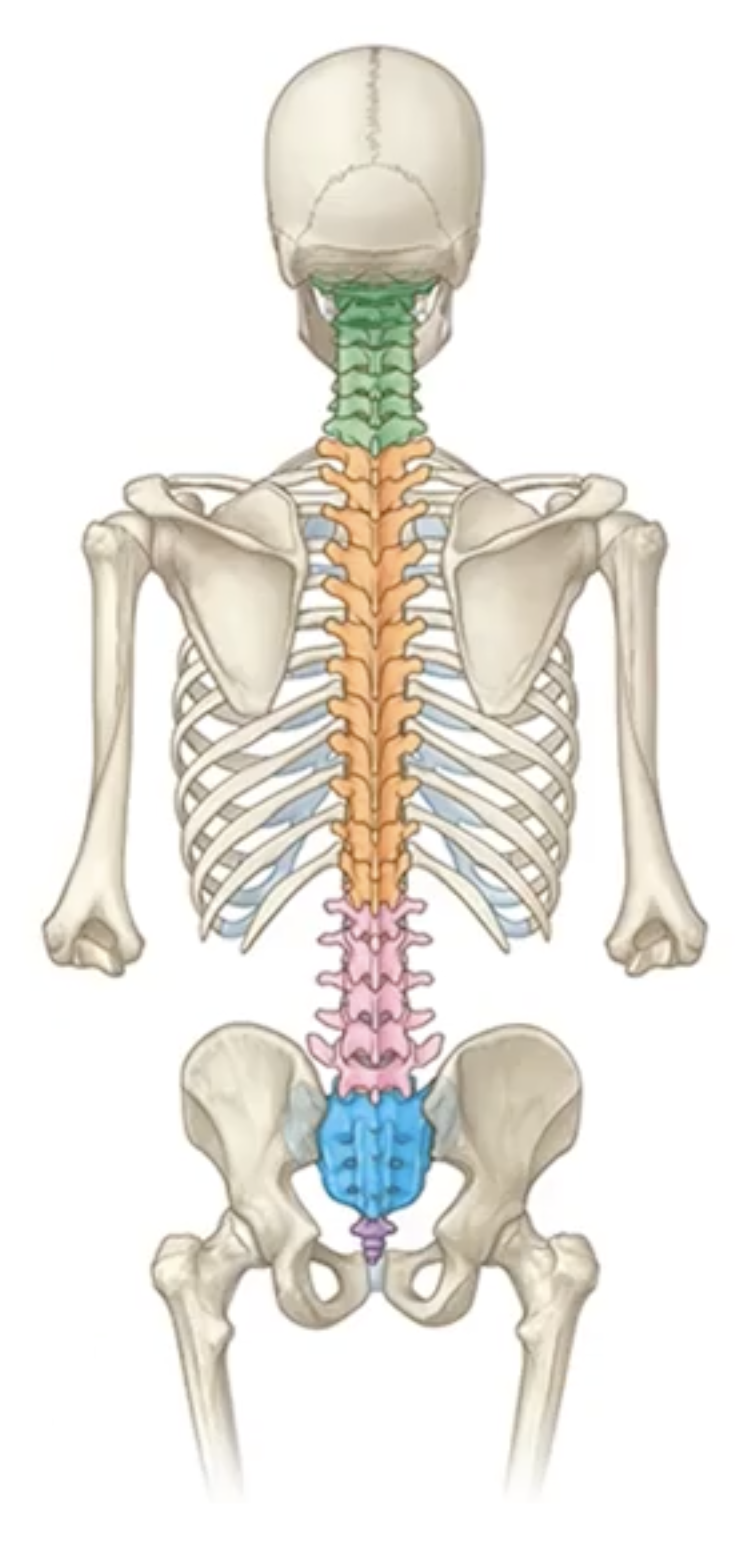
Cervical Vertebrae = C
7
Function: Supports heavy sky and allows for high mobility in neck movement
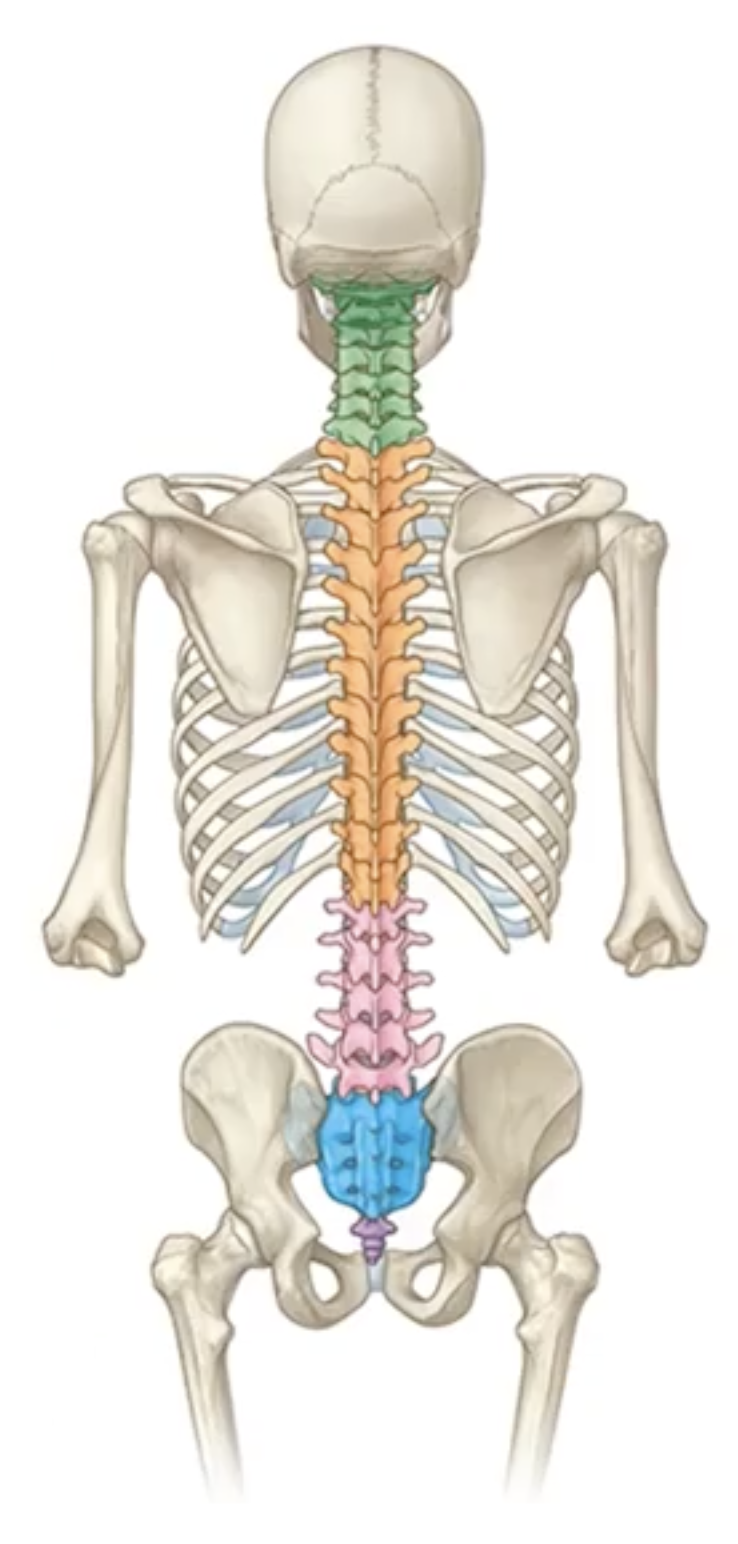
Thoracic Vertebrae = T
12
Function: Connect to the ribs to form the protective rib cage; highly stable with limited mobility
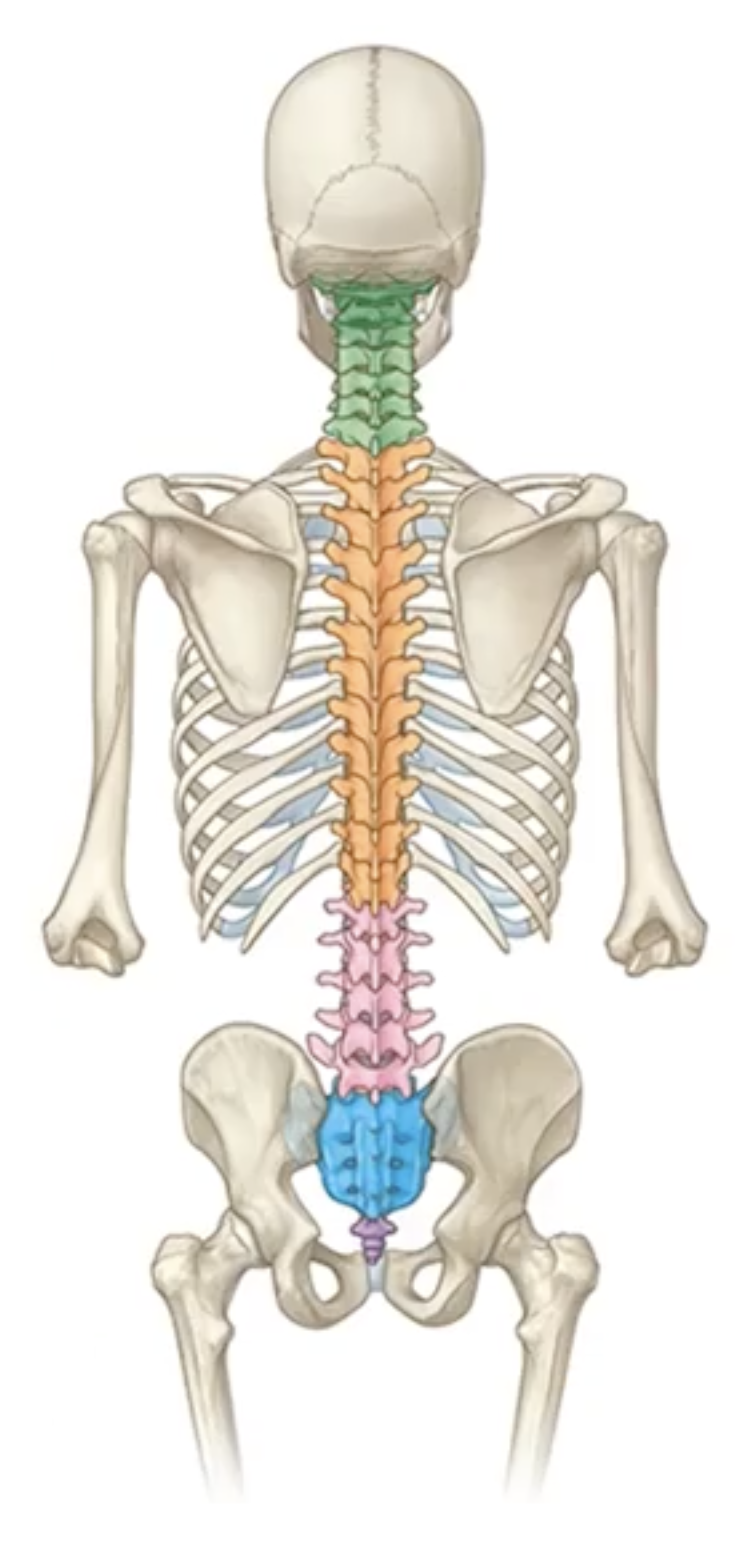
Lumbar Vertebrae = L
5
Bears the bulk of the upper body weight; thickest bones to absorb physical stress
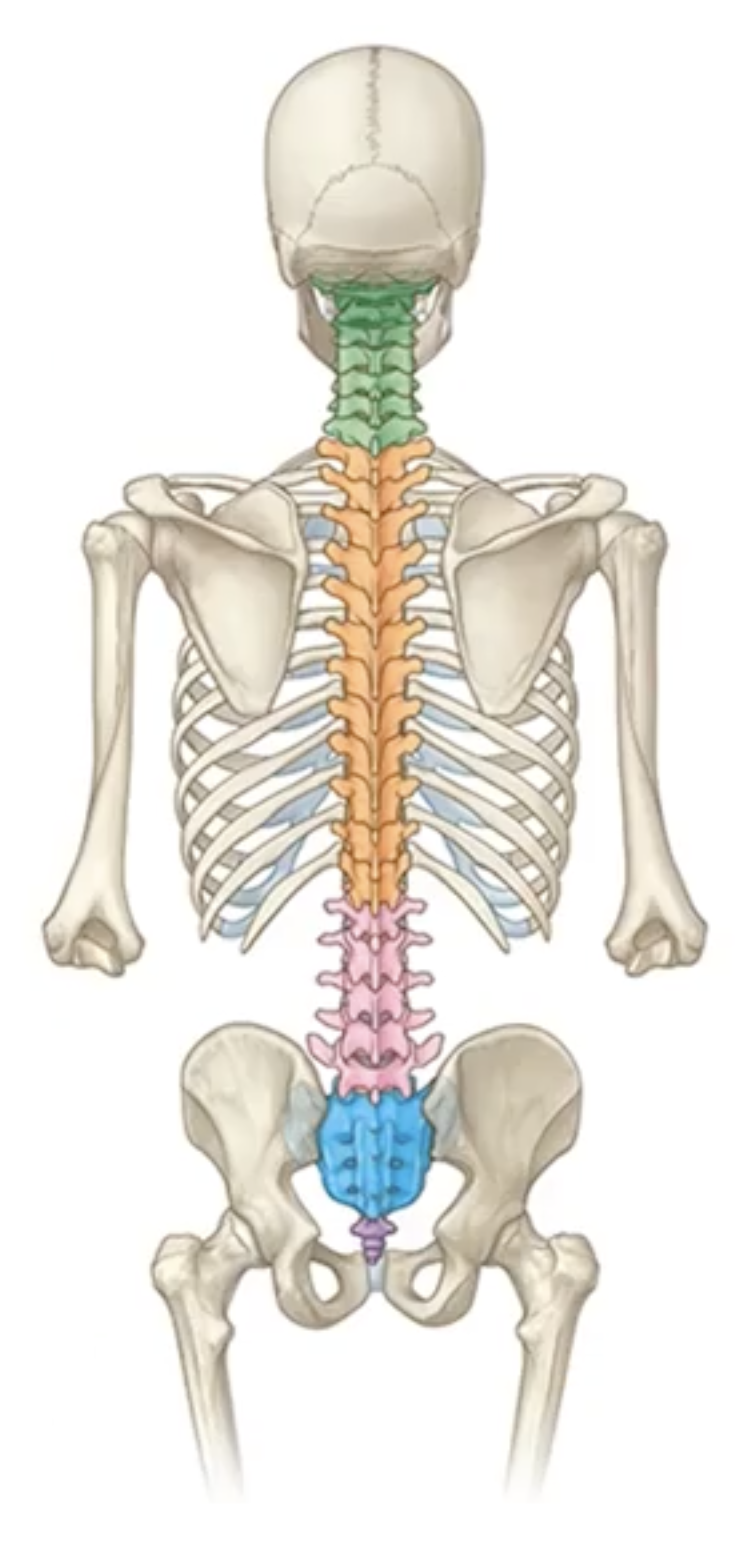
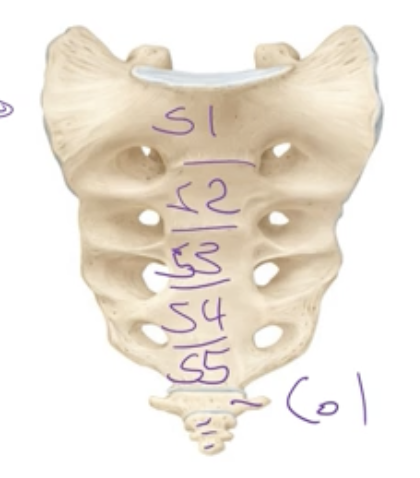
Sacral Vertebrae = S
5 fused bones
Function: Anchors the base of the spine to the pelvis; transfers upper body weight down to the legs
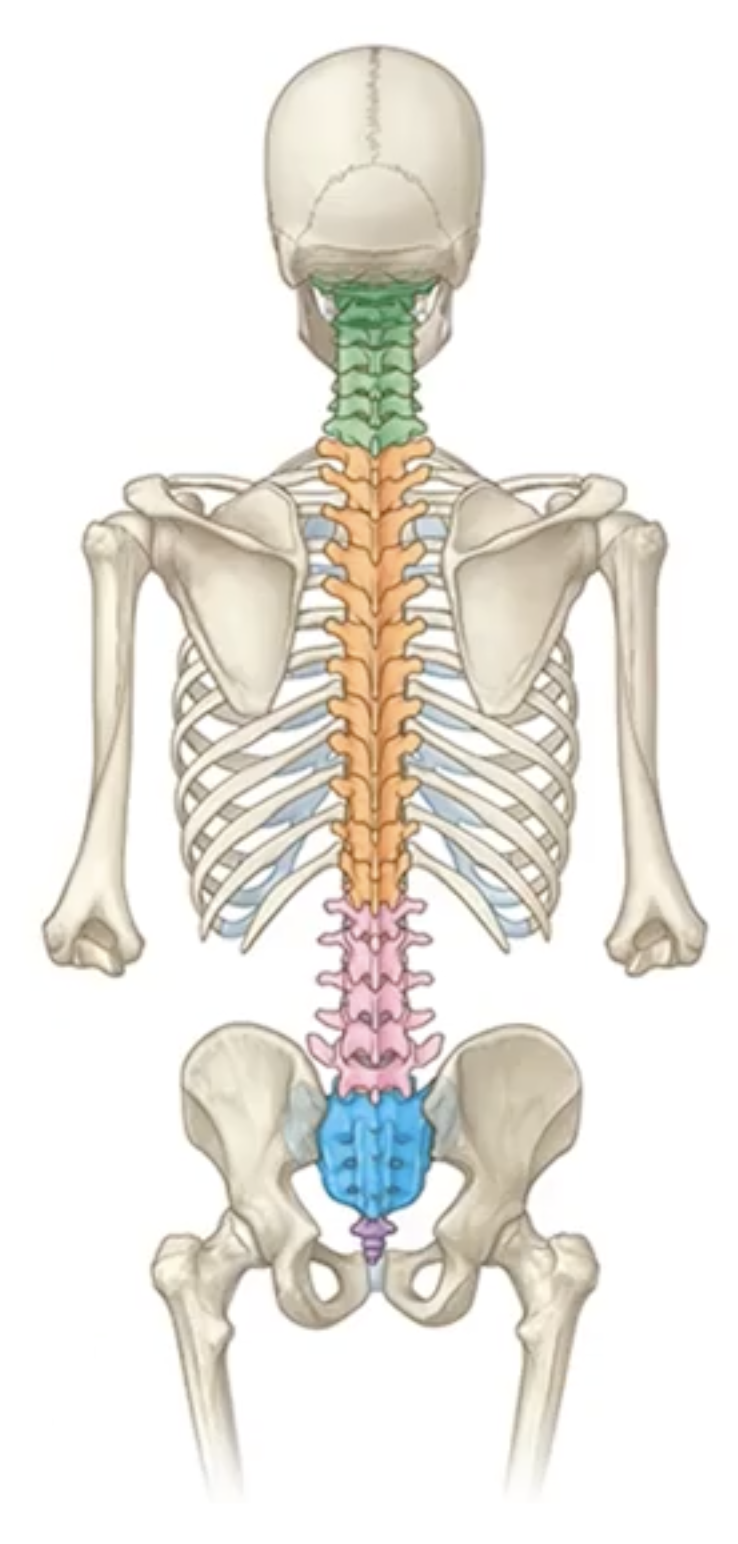
Coccyx Vertebrae = Co
3-5 (fused in adults)
Function: Tailbone, acts as an anchor point for pelvic floor muscles and ligament
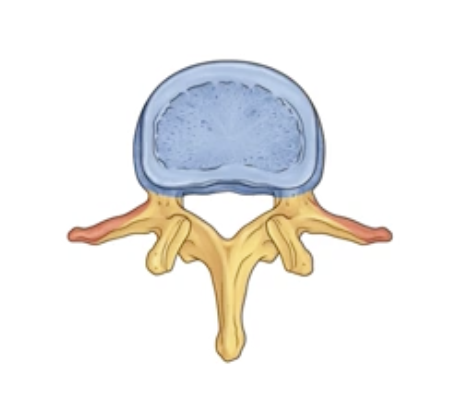
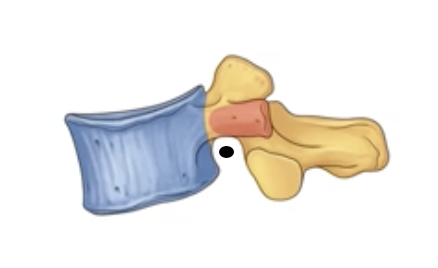
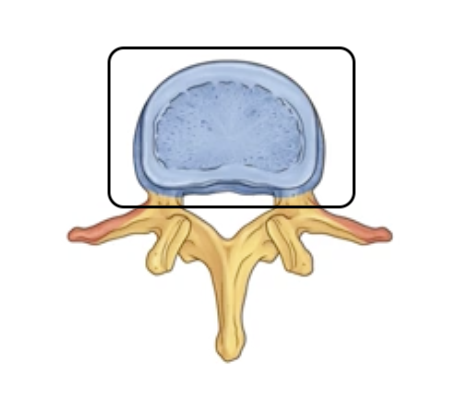
Vertebral Body
front portion that bears the weight
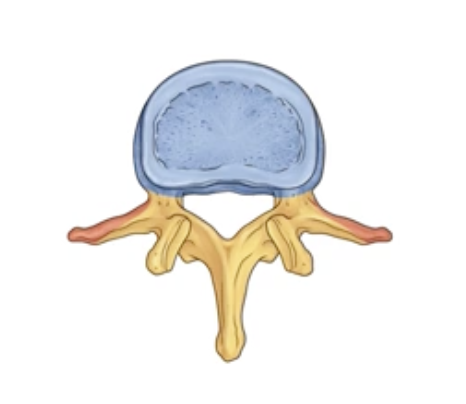
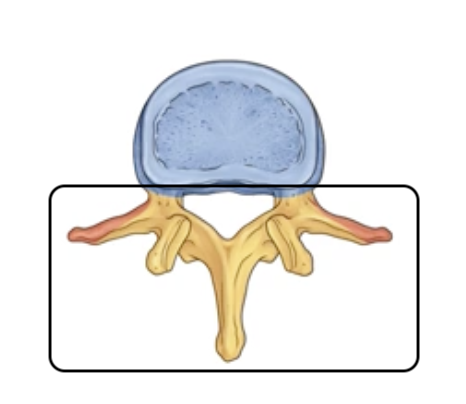
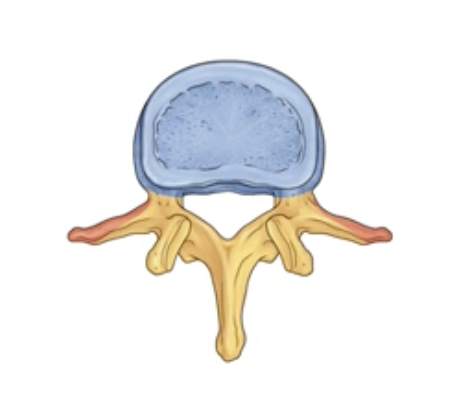
Vertebral Arch
attached to the back of the body, forming a protective roo
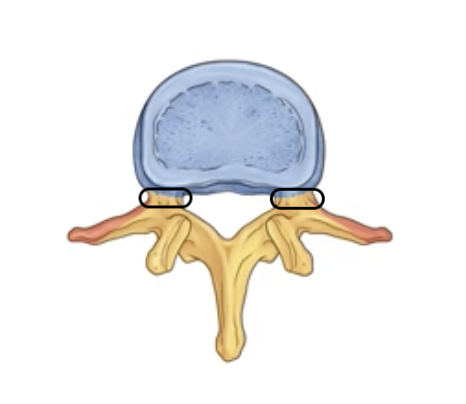
pedicles (x2)
pillars that connect the vertebral arch to the vertebral body
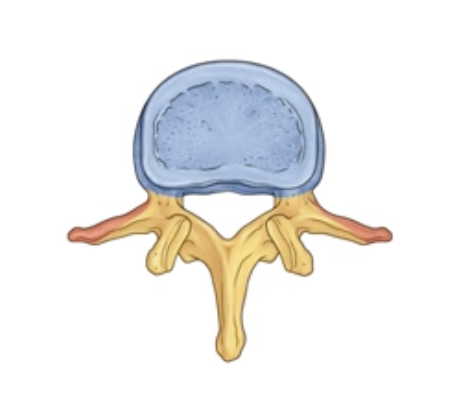
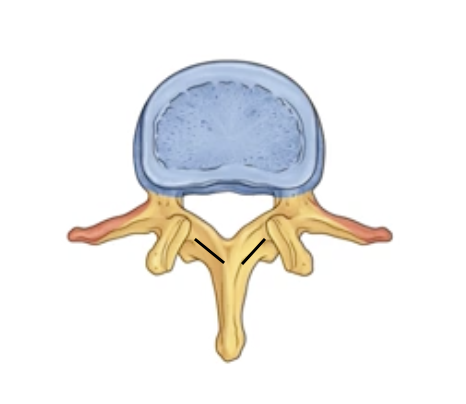
lamina
flat bone plates that meet in the middle to form the "roof" of the arch
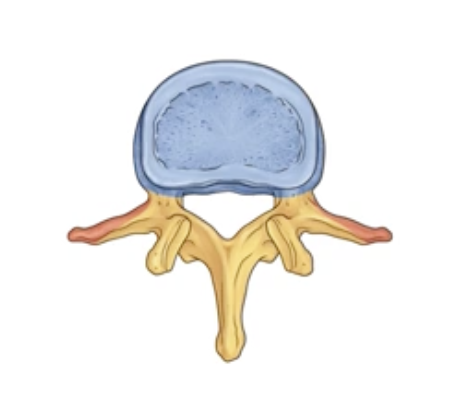
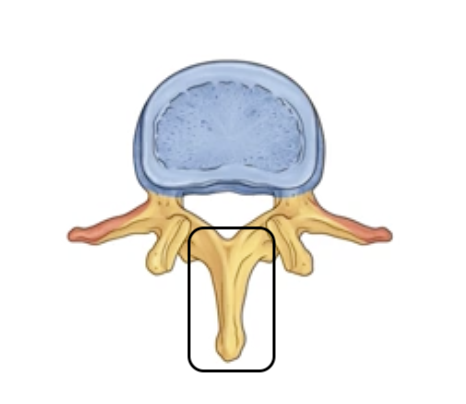
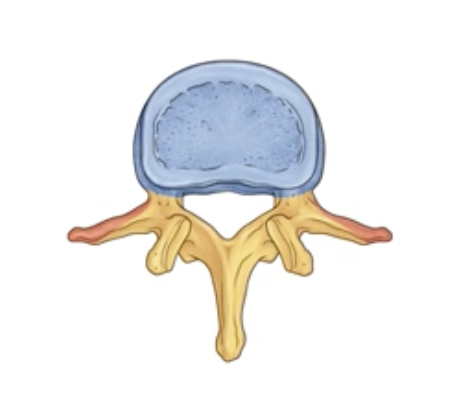
spinous process
The single bony projection pointing straight back (acts as a lever for muscles)
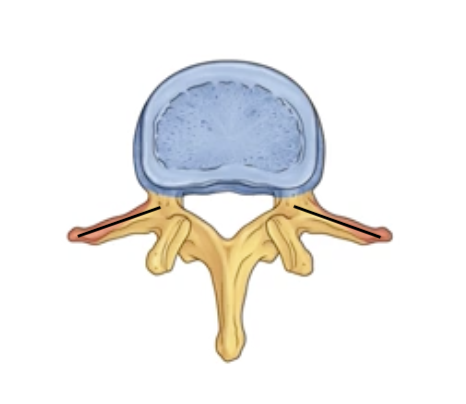
transverse process (x2)
bony projections pointing out to the left and right sides (for muscle/ligament attachment)
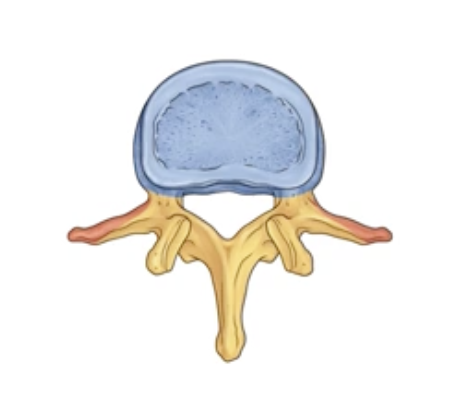
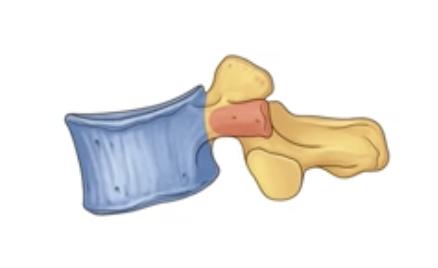
superior articular process (x2)
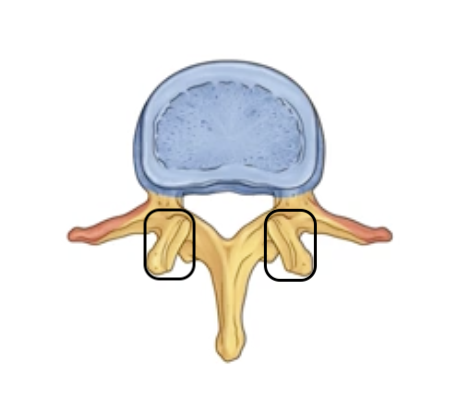
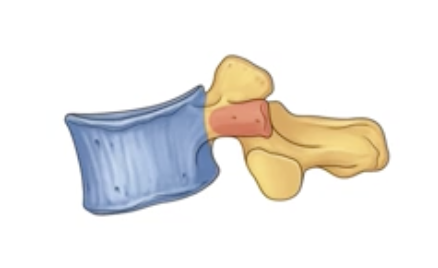
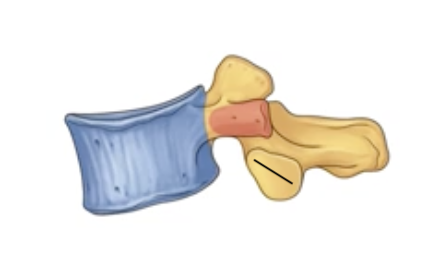
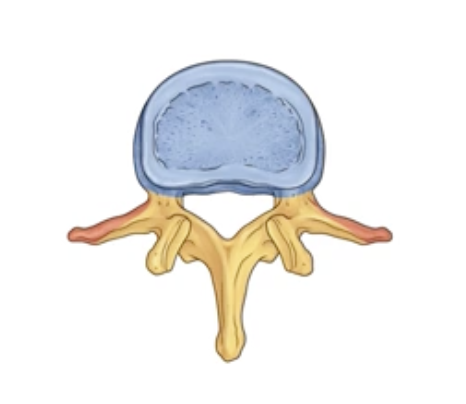
inferior articular process (x2)
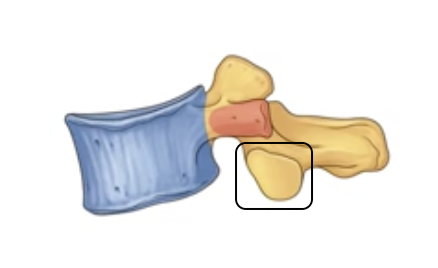
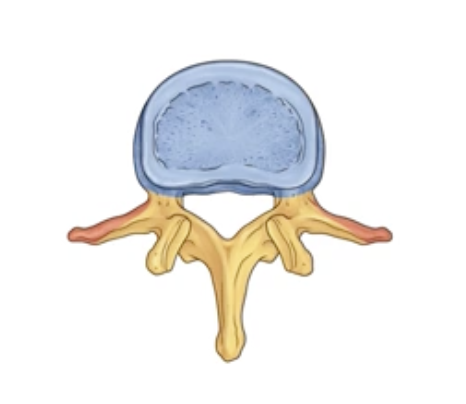
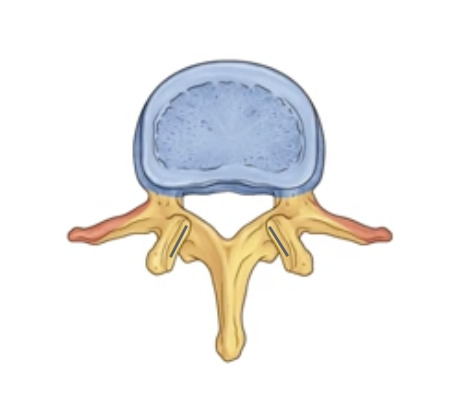
superior articular facets (x2)
inferior articular facets (x2)
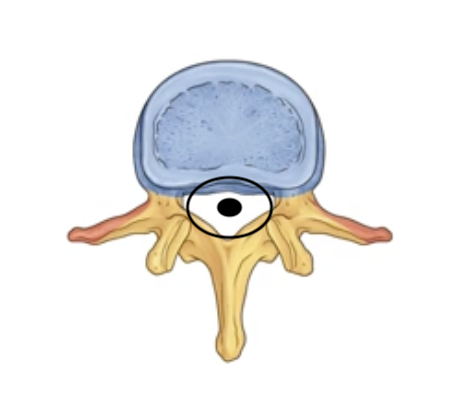
vertebral foramen
large central hole created by the body and arch. (They line up to hold the spinal cord)
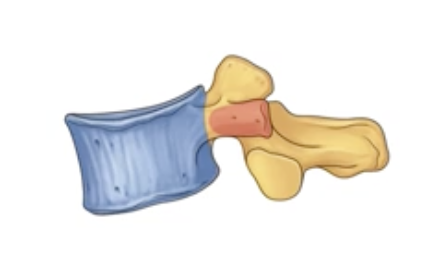
superior vertebral notches
Indentations on the top and bottom of the pedicles. When vertebrae stack, they form holes (intervertebral foramina) for spinal nerves to exit
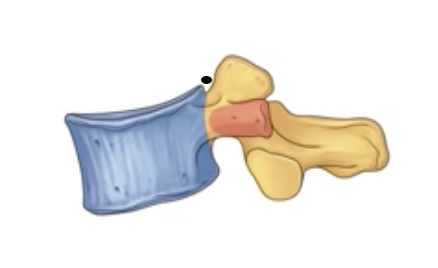
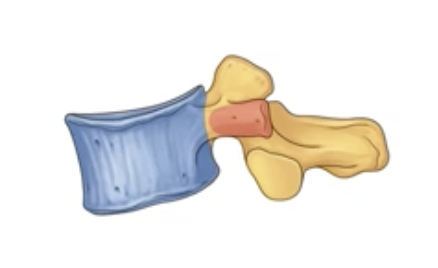
inferior vertebral notches
Indentations on the top and bottom of the pedicles. When vertebrae stack, they form holes (intervertebral foramina) for spinal nerves to exit