Language of Medicine Chapter 14
 Call Kai
 Learn
Learn Practice Test
 Spaced Repetition
 Match
Match Flashcards
 Knowt Play
1/143

There's no tags or description
Looks like no tags are added yet.
Name | Mastery | Learn | Test | Matching | Spaced | Call with Kai | Chat |
|---|
No analytics yet
Send a link to your students to track their progress
144 Terms
adaptive immunity
the ability to recognize and remember specific antigens and mount an attack on them. humoral (B cells) and cell-mediated immunity (T cells) are examples
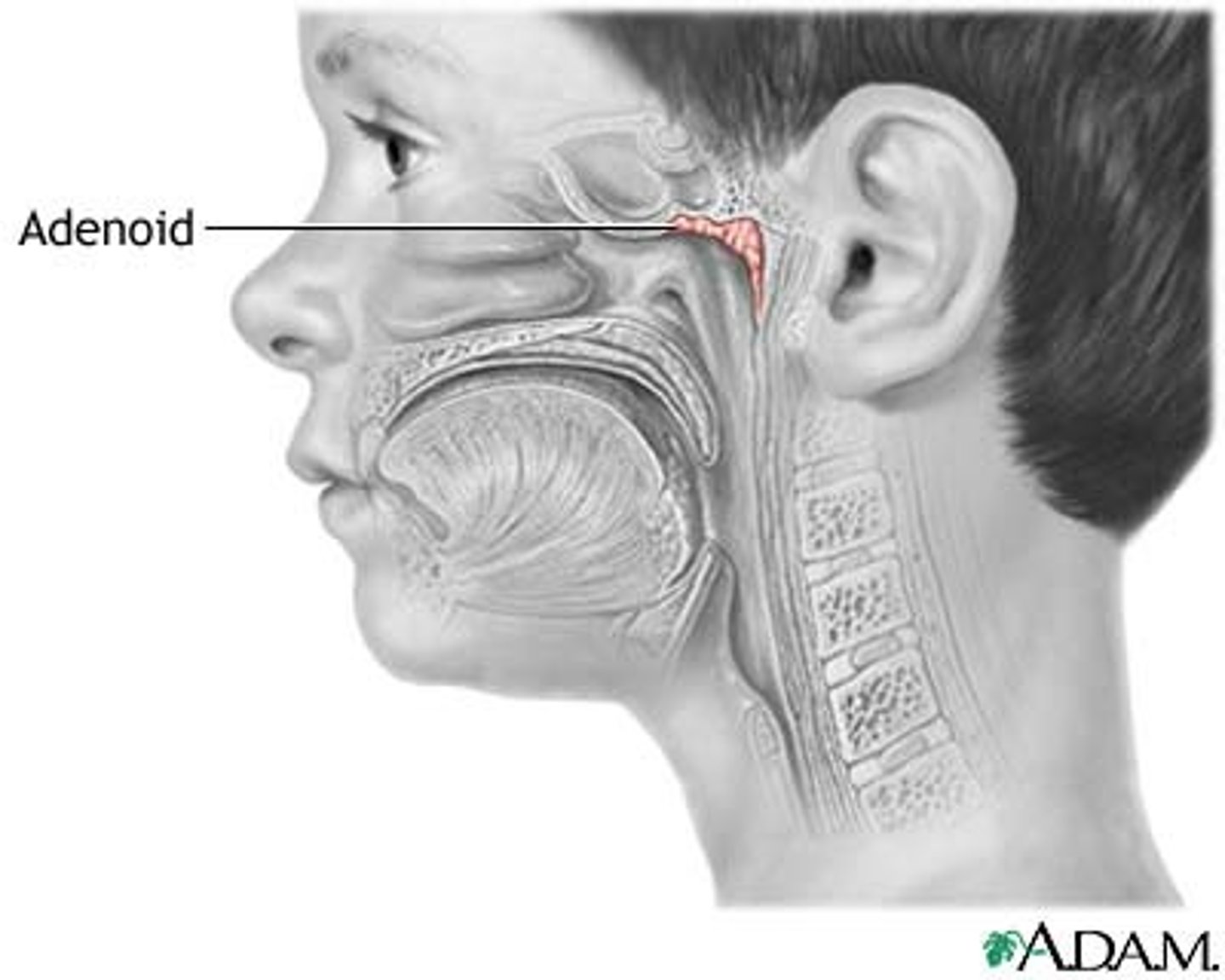
adenoids
mass of lymphatic tissue in the nasopharynx
antibody
protein produced by B cells to destroy antigens
antigen
substance that the body recognizes as foreign; evokes an immune response. most antigens are proteins or protein fragments found on the surface of bacteria, viruses, or organ transplant tissue cells
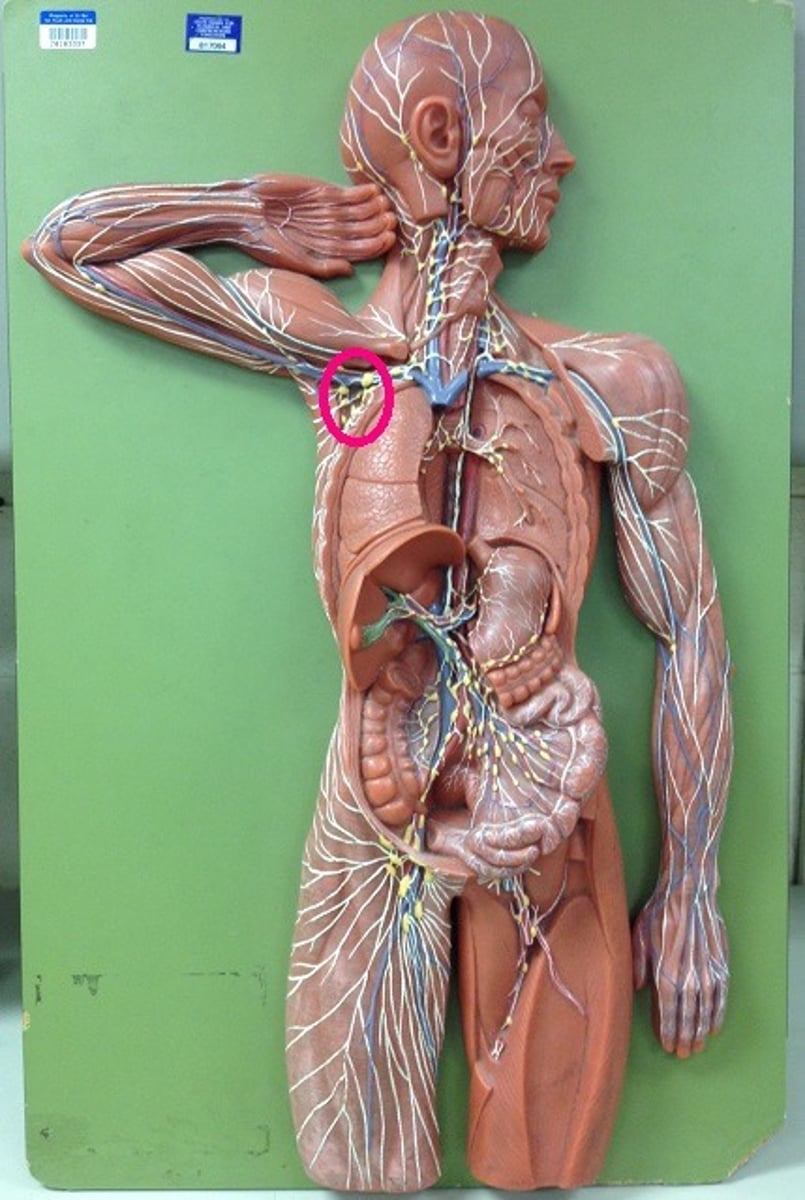
axillary nodes
lymph nodes in the armpit (underarm)
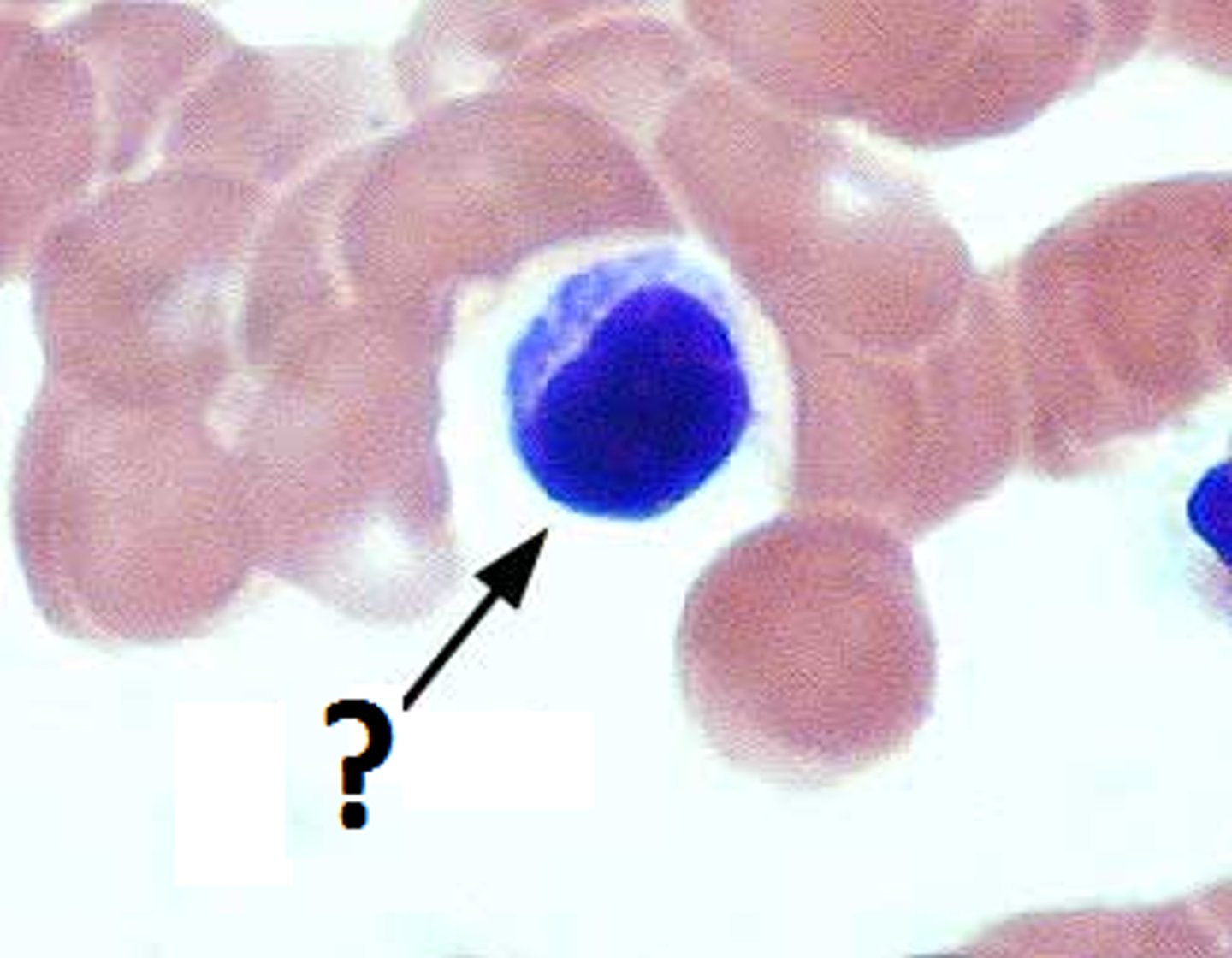
B cell (B lymphocyte)
lymphocyte that matures into a plasma cell to secrete antibodies/ the B refers to the bursa of Fabricius, an organ in birds in which B cell differentiation and growth were first noted to occur
cell-mediated immunity
T cells (cytotoxic, helper and suppressor) respond to antigens and destroy them; a type of adaptive immunity
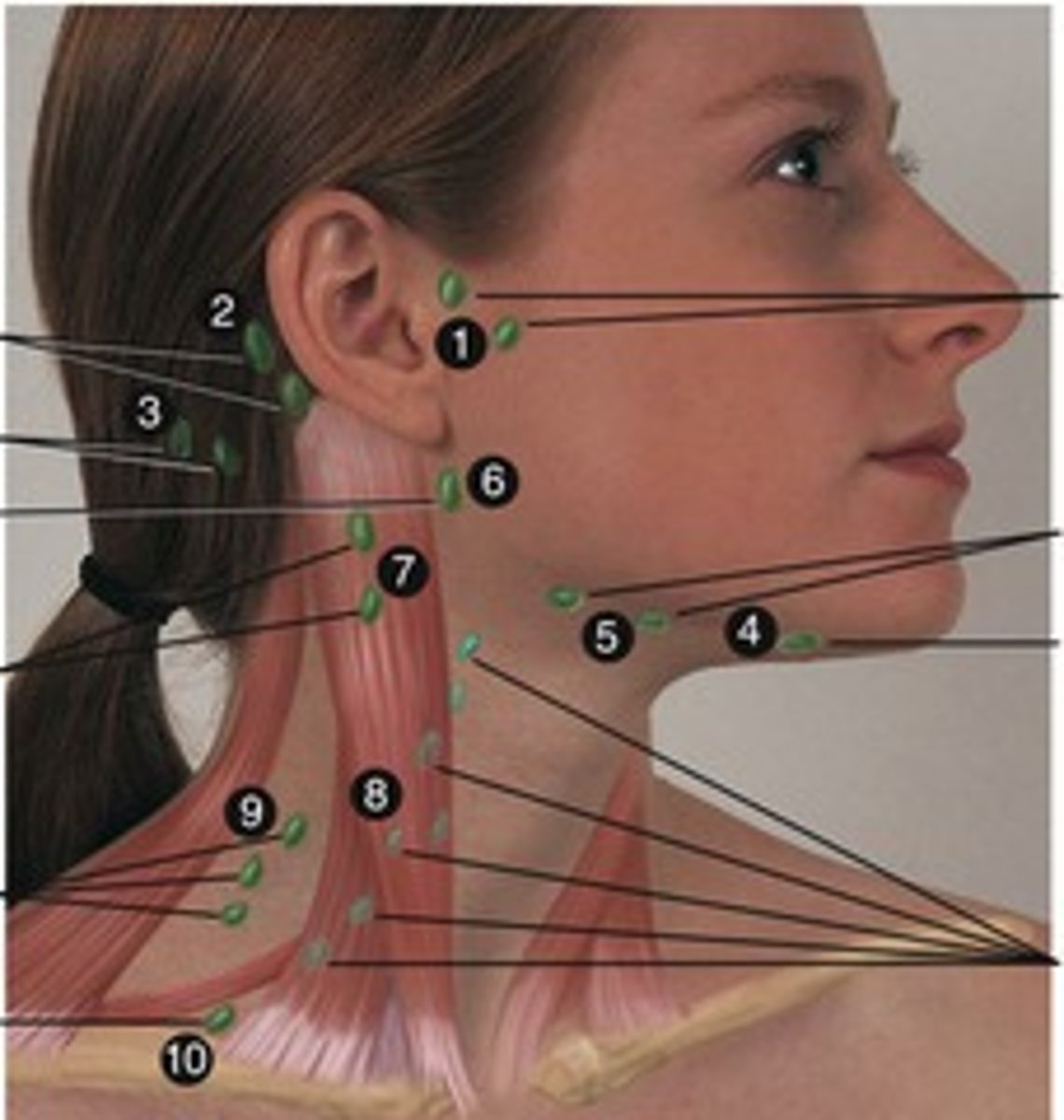
cervical nodes
lymph nodes in the neck region
complement system
set of proteins in the blood that help antibodies kill their target
cytokines
proteins secreted by cytotoxic T cells to aid in antigen destruction. examples are interferons and interleukins
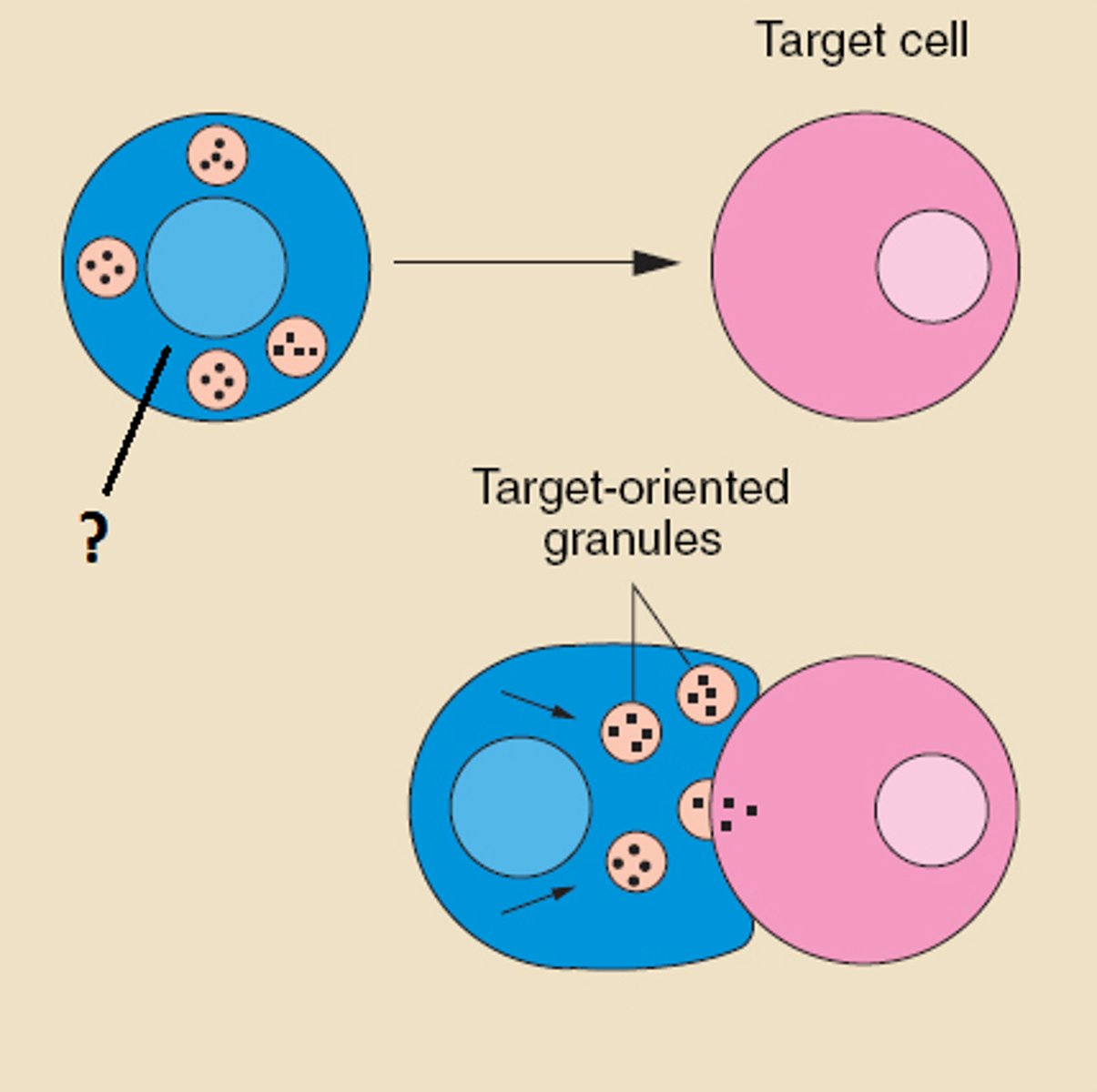
cytotoxic T cell
lymphocyte that directly kills antigens; called (CD8+) T cell
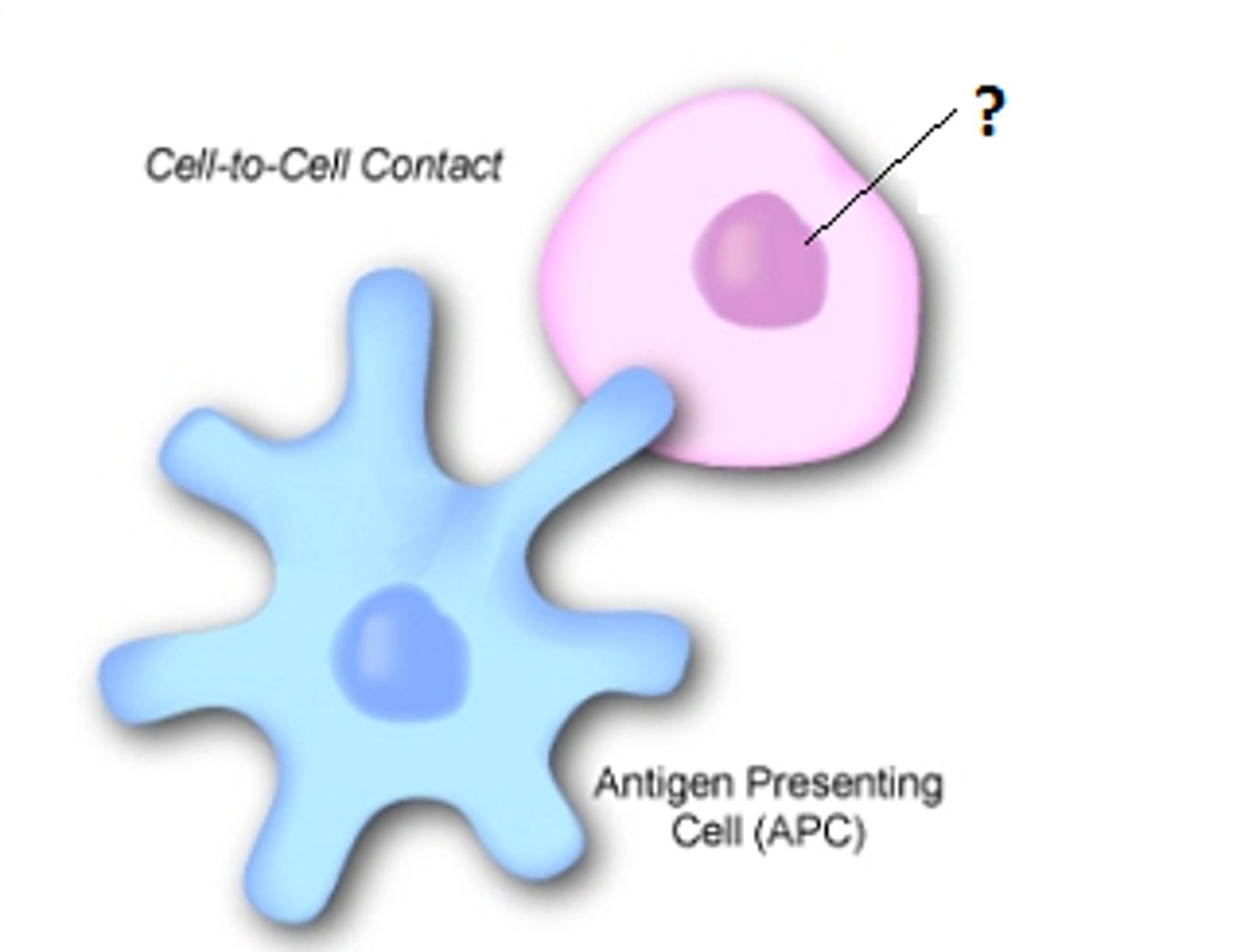
dendritic cell
antigen-presenting cell. shows T and B cells what to attack
helper T cell
lymphocyte that aids B cells and stimulates T cells. Also called (CD4+) T cell
humoral immunity
B cells produce antibodies after exposure to specific antigens; type of adaptive immunity
immunity
body's ability to resist foreign organisms and toxins that damage tissues and organs. this includes natural immunity and adaptive immunity.
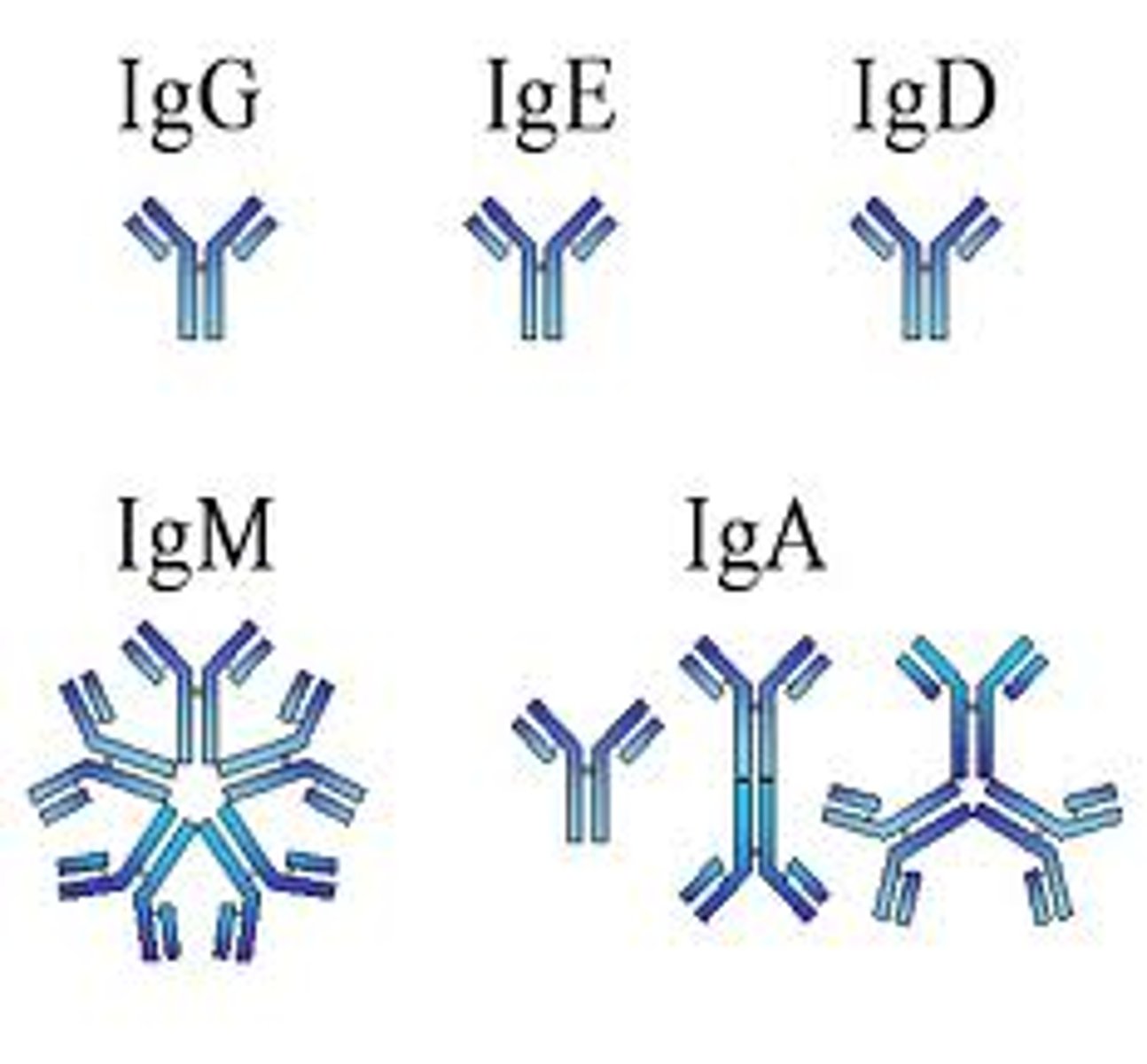
immunoglobulins
antibodies such as IgA, IgE, IgG, IgM, and IgD; secreted by plasma cells (mature B cells) in response to the presence of an antigen
immunotherapy
use of immune cells, antibodies, or vaccines to treat or prevent disease
inguinal bodes
lymph nodes in the groin region
interferons
proteins (cytokines) secreted by T cells and other cells to aid and regulate the immune response
interleukins
proteins (cytokines) that stimulate the growth of B and T lymphocytes
lymph
thin, watery fluid found within lymphatic vessels and collected from tissues throughout the body
lymphoid organs
lymph nodes, spleen, and thymus gland
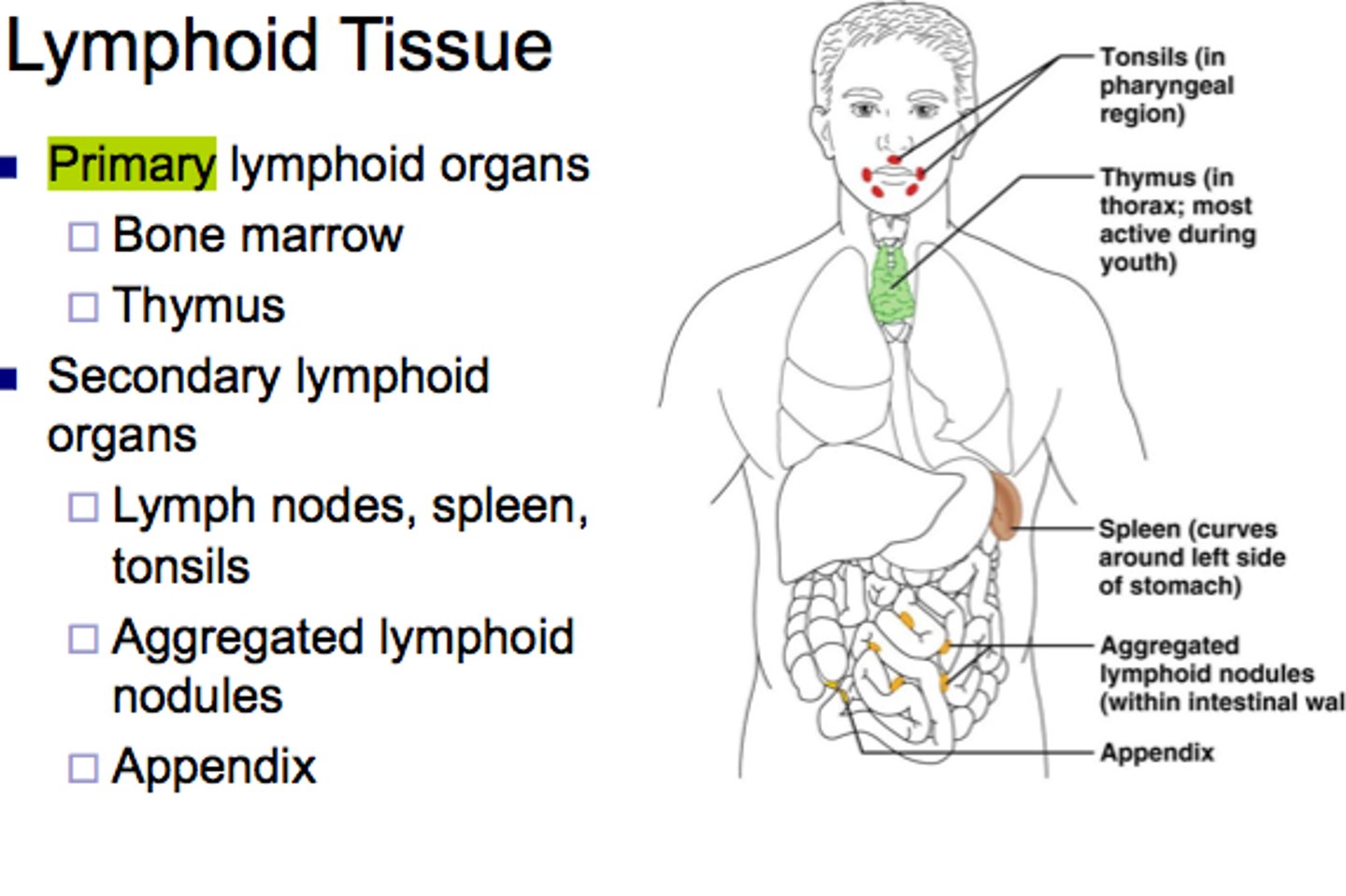
lymph node
collection of stationary solid lymphatic tissue along lymph vessels; contains cells (lymphocytes and macrophages) that fight infection
lymph vessel
carrier of lymph throughout the body; lymphatic vessels empty lymph into veins in the upper part of the chest
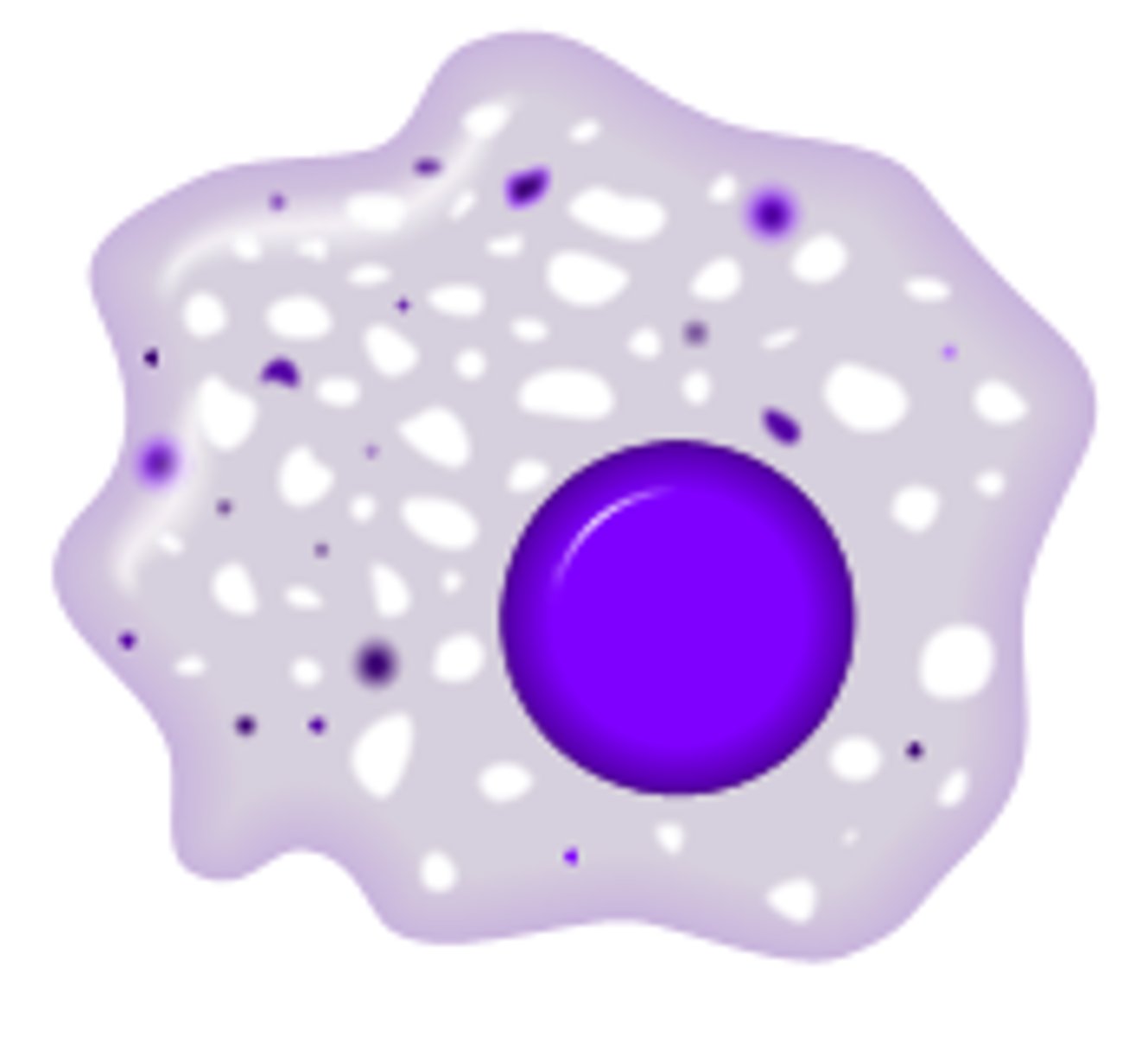
macrophage
large phagocyte found in lymph nodes and other tissues of the body
mediastinal nodes
lymph nodes in the area between the lungs in the thoracic (chest) cavity
mesenteric nodes
lymph nodes in the mesentery (intestinal region)
monoclonal antibody
antibody produced in a laboratory to attack antigens and to destroy cells; useful in immunotherapy
natural immunity
protection that an individual is born with to fight infection such as neutrophils, monocytes, macrophages, and NK cells. it is not antigen specific and does not elicit memory
paraaortic nodes
lymph nodes near the aorta in the lumbar (waist) area of the body
plasma cell
lymphocyte that secretes antibodies. it matures from B lymphocytes
right lymphatic duct
lymphatic vessel in the chest that drains lymph from the upper right part of the body. it empties lymph into a large vein in the neck
spleen
organ in the upper left quadrant of the abdomen that destroys worn out RBCs, activates lymphocytes, and stores blood
suppressor T cell
lymphocyte that inhibits the activity of B and T cells
T cell (T lymphocyte)
lymphocyte that acts directly on antigens to destroy them or produce chemicals (cytokines) such as interferons and interleukins that are toxic to antigens)
tolerance
the ability of T lymphocytes to recognize and accept the body's own antigens as "self" or friendly . once tolerance is established, the immune system will not react against the body
thoracic duct
large lymphatic vessel that drains lymph from the lower and left side of the body (head, neck, arm, and chest). it empties lymph into large veins in the neck
thymus gland
lymphoid organ in the mediastinum that conditions T cells to react to foreign cells and aids in the immune response
tonsils
masses of lymphatic tissue in the back of the oropharynx
toxin
poison; a protein produced by certain bacteria, animals, or plants
vaccination
exposure of an individual to a foreign protein (antigen) that provokes an immune response. the response will destroy any cell that possesses the antigen
vaccine
weakened or killed microorganisms, toxins, or other proteins given to induce immunity to infection or disease
immun/o
protection
lymph/o
lymph
lymphaden/o
lymph node (gland)
splen/o
spleen
thym/o
thymus gland
tox/o
poison
ana-
again, anew
-phylaxis
protection
inter-
between
-stitial
pertaining to standing or positioned
allergy
abnormal hypersensitivity acquired by exposure to an antigen
lymphoma
malignant tumor of lymph nodes and lymph tissues
multiple myeloma
malignant tumor of bone marrow cells
thymoma
malignant tumor of the thymus gland
allergen
substance capable of causing a specific hypersensitivity reaction in the body; a type of antigen
anaphylaxis
exaggerated or unusual hypersensitivity to foreign protein or other substance
atopy
hypersensitive or allergic state involving an inherited predisposition
CD4+ cells
helper T cells that carry the CD4 protein antigen on their surface. HIV binds to CD4 and infects and kills T cells bearing this protein. AIDS patients have inadequate number of CD4+ cells.
Hodgkin lymphoma
malignant tumor of lymphoid tissue in spleen and lymph bodes; Reed-Sternberg cells are often found on microscopic analysis
human immunodeficiency virus (HIV)
virus (retrovirus) that causes AIDS
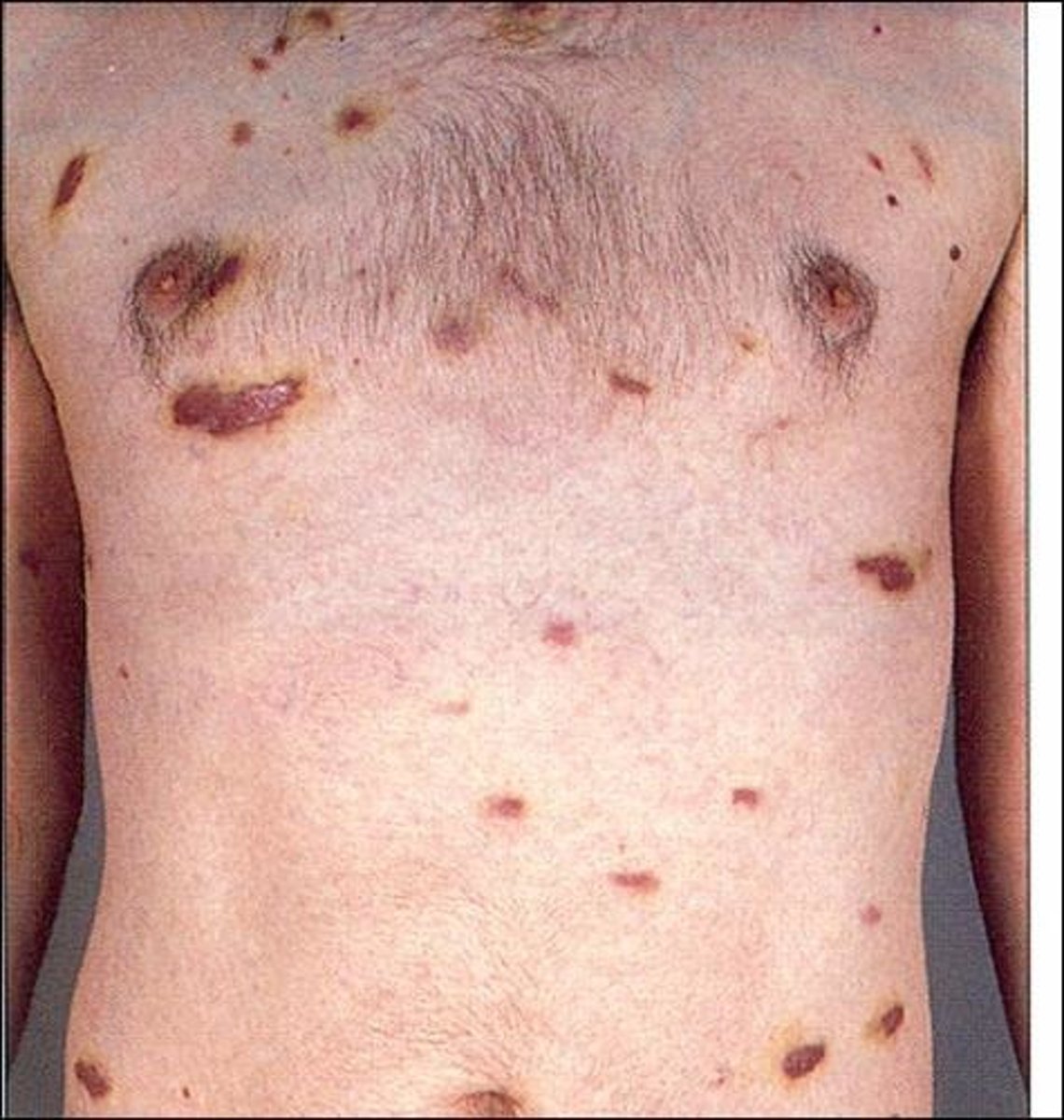
Kaposi sarcoma
malignant lesion associated with AIDS; arises from the lining of capillaries and appears as red, purple, brown or black skin nodules
non-Hodgkins lymphoma
group of malignant tumors involving lymphoid tissue. examples are follicular lymphoma and large cell lymphoma
opportunistic infections
infections diseases associated with AIDS; they occur because HIV infection lowers the body's resistance and allows infection by bacteria and parasites that normally are easily contained
protease inhibitor
drugs that treat AIDS by blocking the production of protease, a proteolytic enzyme that helps create new viral pieces for HIV
reverse transcriptase inhibitor
drug that treats AIDS by blocking reverse transcriptase, an enzyme needed to make copies of HIV
wasting syndrome
weight loss, decrease in muscular strength, appetite, and mental activity; associated with AIDS
What are the functions of the lymphatic system?
1. drainage system to transport needed proteins and fluid that have leaked out of the blood capillaries.
2. Lymphatic vessels in the intestines absorb lipids (fats) from the small intestine and transport them to the bloodstream.
3. Relates to the immune system: Lymphocytes and monocytes, originating in the bone marrow, lymph nodes, and organs such as the spleen and thymus gland, protect the body by producing antibodies and by mounting a cellular attack on foreign cells and organisms.
Interstitial fluid
fluid in the spaces between cells
lymph capillaries
specialized thin-walled vessels which are found coursing through tissue spaces.
Lymph fluid does not contain erythrocytes or platelets but it is rich in two types of leukocytes and what else?
Lymph fluid is rich in lymphocytes and monocytes and it contains water, salts, sugars, and wastes of metabolism such as urea and creatinine. It differs from plasma as it contains less protein.
What are the functions of the lymph nodes?
Lymph nodes produce lymphocytes and monocytes. They act as filters and they filter lymph and trap substances from infectious, inflammatory, and cancerous lesions.
What are macrophages?
They are special cells located in the lymph nodes that swallow foreign substances.
What is the function of B cells?
They produce antibodies
What is the the function of T cells?
They attack bacteria and foreign cells by accurately recognizing a cell as a foreign substance and destroying it. They also aid the B cells in making antibodies.
Where do B cells mature?
B cells mature in the bone marrow
Where do T cells originate from?
In the thymus gland
What is the spleen?
An organ located in the LUQ of the abdomen next to the stomach. Its functions are:
1. Destruction of old erythrocytes by macrophages
2. Filtration of microorganisms and other foreign material from the blood.
3. Activation of lymphocytes
4 Storage of blood
When the spleen gets injured what takes over its functions?
After a splenectomy, the liver, bone marrow, and lymph nodes take over the functions of the spleen.
What is the thymus gland?
It is a lymphatic organ located in the upper mediastinum near the lungs. It is large during childhood but it gets smaller as you get older. It play's an important role in the body's ability to protect itself from disease (immunity) especially during the fetal years.
What does a thymectomy do?
It impairs the ability of the animal to make antibodies and to produce immune cells that fight against foreign antigens such as bacteria and viruses.
How do autoimmune diseases occur?
In the development of the thymus, lymphocytes learn to recognize and accept the body's own antigens as "self" or friendly. When this process fails, the cells begin attacking and reacting over normal cells resulting in autoimmune disorders.
What is tolerance?
The acceptance of antigens as "self" or friendly.
What does the immune system consist of?
Leukocytes such as neutrophils, monocytes, and macrophages; lymphoid organs such as the lymph nodes, spleen, thymus gland, tonsils, and adenoids.
What is immunity?
The body's natural ability to resist foreign organisms and toxins that damage tissues and organs.
What is natural immunity?
Resistance present at birth. It is not dependent on previous experience to an antigen.
What is adaptive immunity?
The body's ability to recognize and remember specific antigens in an immune response. It is achieved with vaccinations.
What are antitoxins? (adaptive immunity)
They are ready-made antibiotics that are produced in another organism (immunogloblins) that can boost your adaptive immunity before you travel to a foreign country.
How do infants acquire adaptive immunity?
When they receive maternal antibodies through the placenta, before birth, or in breast milk.
What are the two components of adaptive immunity?
Humoral and cell-meditated immunity.
What is humoral immunity?
- Involves B cells that recognize antigens or pathogens that are circulating in the lymph or blood.
-B cells mature into plasma cell which produces immunoglobulins.
What is the maternal immunoglobulin that crosses the placenta to provide immunity for newborns?
IgG
What is the immunoglobulin IgE important for?
Important in allergic reactions and fighting parasitic infections.
What is cell-meditated immunity?
-Does not involve antibodies
- Involves several types of T cells with different functions
What do cytotoxic T cells do?
They attach to antigens and directly kill them. They also secrete cytokines (interferons and interleukins), which aid other cells in antigen destruction.
What is the function of helper T cells?
Assist B cells in making antibodies and they stimulate T cells to attack antigens.
What is the function of suppressor T cells (regulatory T cells)?
Inhibit both B and T cells and prevent the form attacking the body's own good cells.
complement system
A group of proteins that helps antibodies kill their target.
What does the dendritic cell do?
It initiates adaptive immunity by presenting antigens to T and B cells, showing them precisely what they need to counteract.