[1] Principles of Toxicity
 Call Kai
 Learn
Learn Practice Test
 Spaced Repetition
 Match
Match Flashcards
 Knowt Play
1/108

There's no tags or description
Looks like no tags are added yet.
Name | Mastery | Learn | Test | Matching | Spaced | Call with Kai | Chat |
|---|
No analytics yet
Send a link to your students to track their progress
109 Terms
Toxicology
The scientific study of how toxicants/poisons and other substances cause harm
Etymology of Toxicology
“Toxicon” (poison) + “logos” (to study)
Forensic Toxicology
Involved with the process of solving what caused patient poisoning
Clinical Toxicology
Involved with the investigation of the effect(s) of an agent to patients, usually in a clinical setting
Nutritional Toxicology
Discusses known food/supplements and other products and their potential toxic effects
Reproductive Toxicology
Involved with understanding the effects of toxicants on the reproductive system of individuals
Development Toxicology
Involved with understanding the effects of toxicants on the development of an organism towards maturity and identifying in which developmental stages these effects occur
Teratology
Subsection of development toxicology focused on the effects of toxicants on the development of the human fetus
Veterinary Toxicology
Studies the effects of certain toxicants, poisons, and drugs on animals
Environmental Toxicology
Studies the effect of toxicants on the environment (i.e., pollutants)
Food Toxicology
Investigates the other components of food products that can cause toxicity (i.e., substances in processing methods such as coloring, pesticides)
Analytical Toxicology
Involved with the method development of analyses of toxicants
Aquatic Toxicology
Studies the effects of toxicants on aquatic environments
Ecotoxicology
Studies the effects of toxicants on the ecosystem
Formal Toxicology
Field focused on creating dossiers about certain substances. It is focused more on collecting information rather than the actual process of gathering data through scientific investigation or research
Genetic Toxicology
Studies the effects of toxicants/poisons/drugs on genes
Industrial Toxicology
Investigates what things in a work environment can cause toxicity to humans
Occupational Toxicology
Focuses on the effects of occupational hazards on people in the workplace
Regulation
Serves an executory role; focused on identifying/determining the upper and lower limits of toxic substances in products
Regulatory Toxicology
In charge of enforcing guidelines and policies based on the data provided through regulation toxicology. They validate the information that regulations passes on.
Toxicovigilance
In charge of monitoring/studying cases in the event that a toxicant is leaked
Toxicodynamics
Studies the effects of toxicants on the body
Toxicokinetics
Studies the effects of the body on the toxicant
Toxinology
Involved with the investigation of toxins (natural sources of poisons)
Toxicoepidemiology
Involved in monitoring the effects of a poison on a population that is exposed to it
Toxicant
Type of poison that usually refers to substances that are synthetic or chemicals not produced by nature
Toxin
Type of poison that refers to naturally occurring toxic substances
Types of Toxicants
Systemic, Organ-directed, Pollutant (toxic to the environment)
Endotoxin
Type of toxin released by microorganisms when their cells are lysed, usually proteinaceous in nature
Exotoxin
Type of toxin released by microorganisms without the need for cell lysis
Mycotoxin
Type of toxin released by fungi (i.e., spores)
Phytotoxin
Toxins from plants
Venom
Toxins from organisms of higher level of sentience/consciousness (basically animals)
Domestic/Household
Source of poisons such as cleaning materials (bleach, muriatic acid), sink de-cloggers (sodium hydroxide in high concentrations)
Agricultural/Horticultural
Source of poisons such as pesticides, vermicides, insecticides, and other similar substances
Industrial
Source of poisons such as smoke coming from industrial plants can become a source of poison
Commercial
Source of poisons such as packaging materials (i.e., plastic food packaging can release BPAs into food when heated)
Food/Drinks
Foods that are poisonous themselves, especially when its consumption is not regulated (source of poison)
Medicines
Source of poisons such as drugs that have narrow therapeutic indices
Environment, Plants and Animals
Other sources of poisons
Systemic
Classification of poisons (by effect) when the poison affects an organ but that organ is vital to the functions of the entire body
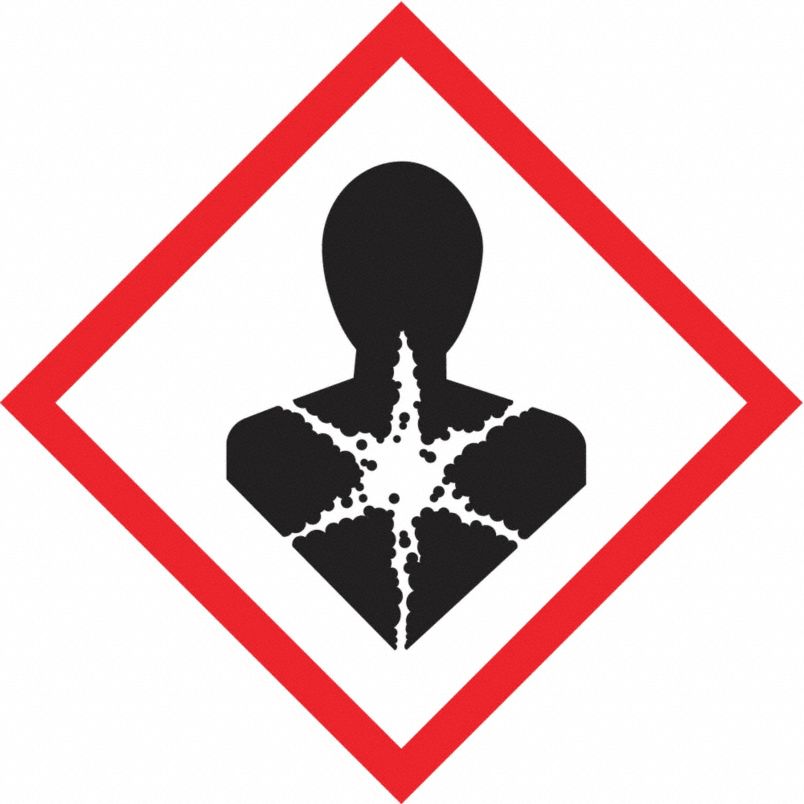
Corrosive
Classification of poisons (by effect) referring to agents that chemically destroy living tissue or other materials
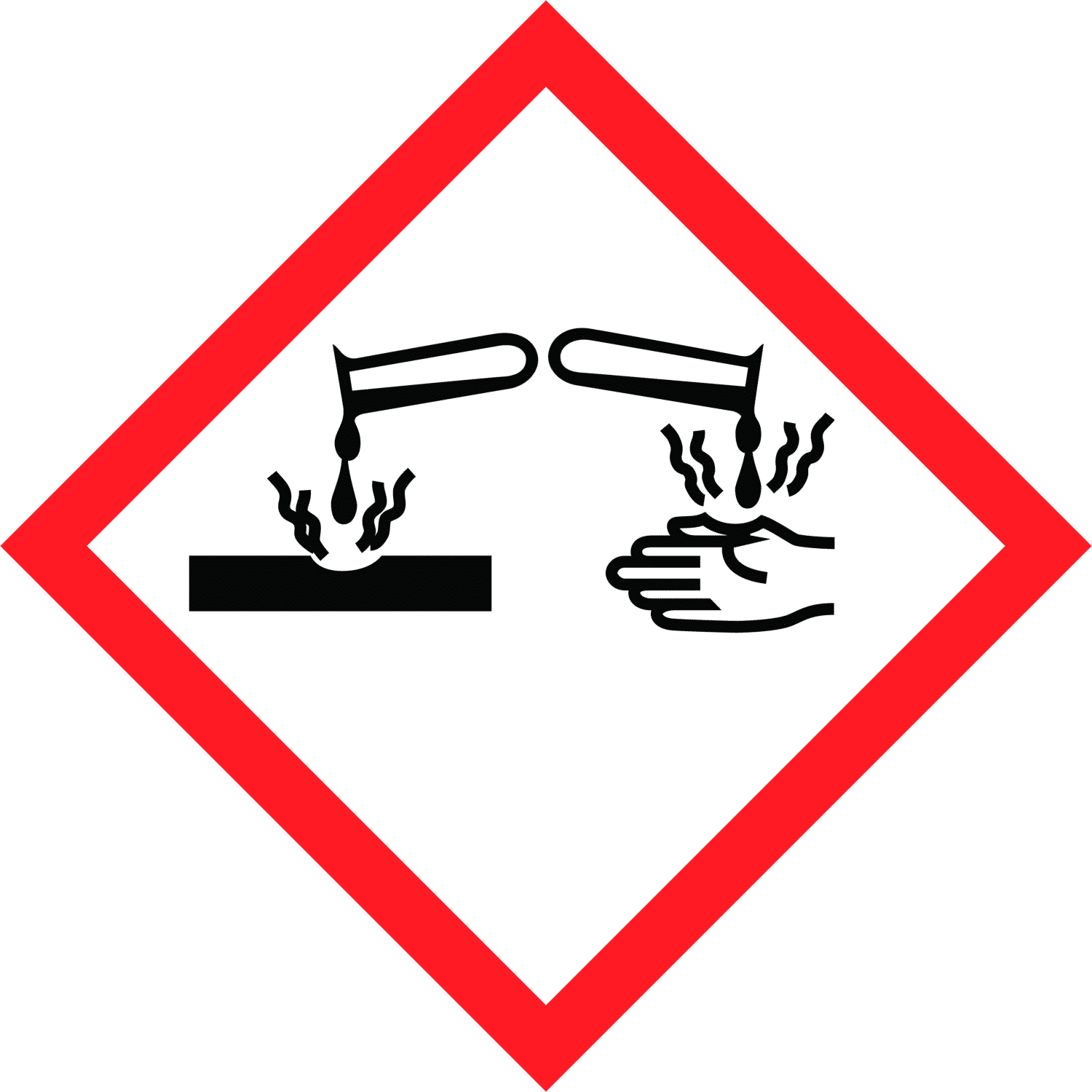
Irritant
Classification of poisons (by effect) that causes irritation upon contact (or even through smell)

Miscellaneous
Classification of poisons (by effect) referring to domestic poisons, medicines, food contaminants, drugs of abuse

Accidental
Classification of poisons (by poisoning) when the poisoning is not deliberate (i.e., babies do not know what substances are dangerous)
Intentional
Classification of poisons (by poisoning) exemplified by the story of Giulia Tofana: Aqua Tofana
Occupational
Classification of poisons (by poisoning) characterized by exposure to toxicants due to hazardous occupations or work environments
1) by effects
2) by poisoning
2 Classification of Poisons
Toxicity
capacity of a substance to cause injury
Toxic Effects
undesirable effects caused by the poison
Side Effects
undesirable effects resulting from the normal pharmacologic action of drugs
Minoxidil
originally used for hypertension; now more frequently advertised for hair growth
Selective Toxicity
Toxicity to one organ or biological target but not harmful to another
Safety
Degree of certainty that the substance will not cause harm (assuming proper dosing and usage/administration)
Risk-to-Benefit Ratio
comparison of the risks and benefits associated with a medical intervention, including alternatives
LOW risk-to-benefit ratio
use of a toxic agent far outweighs its risk to cause harm
False; it is more preferable
True or False: treatment with a lower risk-to-benefit ratio is less preferable
Risk
Expected frequency (e.g., high/low risk) of the occurrence of a harmful effect
Risk Assessment
Quantitative assessment of the probability of harmful effect under given exposure conditions
Hazard
Qualitative description of the adverse effect of a chemical or physical agent regardless of dose or exposure
Hazard
a term that answers what type of poison a substance is (e.g., is it an irritant? What are its effects?)
True
True or False: A higher dose of the poison is needed to cause harmful effect as a consequence of continuous exposure to a small dose
Acceptable Risk
Probability of suffering from disease or injury during exposure is considered small but acceptable to the individual
Acceptable Exposure
Unintentional contact with the chemical or physical agent that results in harmful effects
Margin of Exposure (MOE)
Ratio of the No Observed Adverse Effect Level (NOAEL) for critical effect to the theoretical/predicted exposure dose
Threshold Limit Values (TLV)
The airborne concentration of a substance that represents the conditions under which it is believed that nearly all workers may be repeatedly exposed to without adverse effects
Reversible Toxicity
Can be cured upon treatment; short duration [Duration of Effects]
Irreversible Toxicity
Persists throughout an individual’s lifespan; permanent damage [Duration of Effects]
Immediate Toxicity
Toxic effects develop soon after exposure [Duration of Effects]
Delayed Toxicity
The onset of toxic effects is delayed (i.e., an hour after exposure) [Duration of Effects]
Cumulative Toxicity
It is progressive; produced by the summation of incremental injury due to successive exposure [Duration of Effects]
False; it occurs through chronic exposure (slow and gradual)
True or False: Cumulative toxicity occurs through acute exposure to a toxic substance
Host, Poison, Environment
3 Factors Affecting Toxicity
size/ weight
age
species/ strain
food intake
drug intake
physiological factors
idiosyncratic reactions
Examples under Host [Factors Affecting Toxicity]
Idiosyncratic reactions
the unique reaction of individuals to certain agents
Physical state (i.e., volatility)
Chemical properties (i.e., a substance’s convertibility to a toxic form)
Route and rate of administration
Drug-drug interaction
Tolerance
Examples under Poison [Factors Affecting Toxicity]
Presence of other organisms of same/different species
Humidity
Examples under Environment [Factors Affecting Toxicity]
Short-term Toxicity
Long-Term Toxicity
2 Classification of Frequency of Exposure
Short-Term Toxicity
acute toxicity; toxicity effect is seen shortly after exposure (1 day)
Long-Term Toxicity
toxicity effect is seen long after exposure
28 days
Effects of subacute toxicity typically show after how many days?
90 days
Effects of subchronic toxicity typically show after how many days?
> 90 days
Effects of chronic toxicity typically show after how many days?
Inhalation, Ingestion, Skin absorption
Routes of Toxicity Exposure
Concentration
Amount of the substance within the formulation/solution
Dose
Amount of substance in a biological target
mg/Kg bodyweight
Dose unit of expression
Graded Dose Response
The intensity of response in an individual
Quantal Dose Response
The percentage of individuals with a response or no response within the population
Sigmoidal
The response curve for Graed Dose Response is almost always ___ in shape due to pharmacokinetics/dynamics
Lethal Dose Concentration (LD50)
Concentration of a substance that kills 50% of the population
Absolute Lethal Dose Concentration (LD100)
Concentration of a substance that kills 100% of the population
Derived No-Effect Level (DNEL)
Level of exposure to a substance above which humans should not be exposed to
No Observed Effect Level (NOEL)
Highest dose/concentration under defined conditions of exposure that causes no effect on the morphology, functional capacity, growth, development, or life span of animals
No Observed Adverse Effect Level (NOAEL)
Highest dose/concentration under defined conditions of exposure that causes no adverse effect on the morphology, functional capacity, growth, development, or life span of animals
Adverse effect
Beyond the limit in No Observed Adverse Effect Level (NOAEL), what can be observed?
Lowest Observed Adverse Effect Level (LOAEL)
Lowest dose/concentration under defined conditions of exposure causes adverse effect on the morphology, functional capacity, growth, development, or life span of animals
Affinity
the strength of chemical attraction attraction between a drug and its biological target, such as a receptor or enzyme
High Affinity
Explanation: Because the drug binds so well (high affinity) = the body only needs a tiny amount (a low dose) to fill the targets and take effect.
A dose is said to have ___ to a receptor when a low dose causes a sizable effect
Efficacy
the maximal response a drug can produce