Therapeutics II Chronic Liver Disease
 Call Kai
 Learn
Learn Practice Test
 Spaced Repetition
 Match
Match Flashcards
 Knowt Play
1/20

There's no tags or description
Looks like no tags are added yet.
Name | Mastery | Learn | Test | Matching | Spaced | Call with Kai | Chat |
|---|
No analytics yet
Send a link to your students to track their progress
21 Terms
CLD
-Chronic liver disease
-Long term liver inflammation that can lead to cirrhosis
Causes of CLD
-Infection of viral hepatitis (Hep B most common cause in asia and africa)
-Alcohol (most common cause of cirrhosis worldwide)
-Nonalcoholic liver disease (most common cause of CLD worldide)
Types of hepatitis
-A B C are most common
-B and C may lead to cirrhosis
MASLD
-Metabolic dysfunction-associated steatotic liver disease (MASLD)
-Formerly nonalcoholic fatty liver disease
-Pts with liver disease who meet 1+ cardiometabolic risk factors with no other cause of fatty liver are classified as having MASLD
-Closely associated with DM, DLD, obseity, insulin resistence
Cardiometabolic risk factors
-Obesity
-Elevated glucose
-Elevated BP
-Low HDLs, high TGs
CLP pathophys
-Destruction of hepatocytes combined with an increase in fibroblasts and connective tissue culminates in cirrhosis
-Reduced hepatic flow alters normal metabolic processes and interferes with protein synthesis and disrupts hepatic drug metabolism
Portal HTN
-Increased BP in the portal vein
-Consequence of increased resistance to hepatic blood flow
-May develop from prehepatic, intrahepatic, or posthepatic damage that obstructs blood flow to the liver
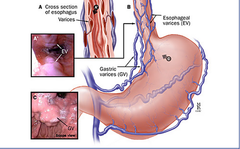
-May cause esophageal varices

Esophageal varices
-Because portal HTN blocks blood flow from GI tract to the liver, collateral vessels (varices) develop in the esophagus, stomach, and rectum to compensate for the increase in pressure and blood volume
Portal HTN treatment
-Nonselective B blockers: propranolol and nadolol
-Reduce bleeding and decrease mortality in pts with known varices
-Carvedilol may be used cautiously
HE
-Hepatic encephalopathy
-In severe CLD, systemic circulation bypasses the liver
-Substances that are normally metabolized by the liver accumulate in systemic circulation, which can be neurotoxic
-Precipitating events: infections, variceal hemorrhage, renal insufficiency, electrolyte imbalances, protein
-Ammonia, amino acids, endogenous benzos
HE treatment
-Temporary protein restriction to decrease ammonia production
-Lactulose
-Antibiotic therapy
-Flumazenil
Lactulose
-Nondigestible synthetic disaccharide laxative hydrolyzed in the gut to an osmotically active compound that draws water into the colon and stimulates defecation
-Favors conversion of ammonia to ammonium (can't cross back into circulation)
Antibiotic therapy in HE
-Rifaximin: decreases urease-producing gut bacteria, decreasing ammonia production
-Metronidazole: not used much anymore, prolonged use associated with peripheral neuropathy
-Neomycin: not used much anymore, could cause nephrotoxicity
Nonpharm
-Acetaminophen shouldn't exceed 2g/day
-Don't recommend dietary supplements
-Alcohol cessation
-Hep A and B vaccines
Ascites treatment
-Dietary sodium restriction
-Remove the ascitic fluid
-6-8 g IV albumin should be given for every L of fluid removed
-Loop diuretic plus spironolactone (cirrhosis is a high aldosterone state, spironolactone counteracts effects of RAAS activation)
-High doses of spironolactone and diuretic are common
Variceal bleeding treatment
-Nasogastric suction
-Avoid aspiration
-Endoscopic treatment
-Octreotide and prophylactic antibiotics
-Short term IV PPI perhaps
-If no rebleeding, initiate propranolol or nadolol
-If all else fails, surgery
Octreotide
-Synthetic somatostatin analog
-Causes selective vasoconstriction of the splanchnic bed, decreasing portal venous pressure with few serious side effects
Prophylactic antibiotic therapy drugs for variceal bleeding
-Fluoroquinolone
-Cefotaxime
-Ceftriaxone
Why prophylactic antibiotic therapy in variceal bleeding
-Prevent SBP: spontaneous bacterial peritonitis
Hepatic coagulopathy
-The liver's ability to produce clotting factors is impaired due to cirrhosis
-High INR and PT
Hepatic coagulopathy treatment
-Give vitamin K1 (phytonadione) subq