Microbial Control Methods: Types, Modes of Action, and Applications
 Call Kai
 Learn
Learn Practice Test
 Spaced Repetition
 Match
Match Flashcards
 Knowt Play
1/48

There's no tags or description
Looks like no tags are added yet.
Name | Mastery | Learn | Test | Matching | Spaced | Call with Kai |
|---|
No analytics yet
Send a link to your students to track their progress
49 Terms
What are some everyday actions to control microbial growth?
Washing hands, taking showers, brushing teeth, refrigerating food, using detergent, disinfectants, and antiseptics.
What type of microbes are the most difficult to kill?
Endospores.
Define sterilization.
Destruction of all forms of microbes; all pathogens are eliminated.
Define disinfection.
Use of a physical or chemical agent to inhibit or destroy microbes on inanimate objects; not all pathogens are eliminated.
What is antisepsis?
Disinfection of tissue via a chemical agent that is safe for human use.
What does sanitization mean?
Reduction in the number of pathogens on a surface to meet public health standards.
What is pasteurization?
Use of heat to kill pathogens and reduce spoilage organisms in food and beverages; it is a form of disinfection, not sterilization.
What factors influence the effectiveness of microbial control agents?
Numbers of microbes, duration of exposure, type(s) of microbes, temperature, pH, presence of organics, and endospore formation.
How do microbial control agents kill microbes?
By altering membrane permeability, denaturing proteins, and damaging nucleic acids.
What is the action of heat in microbial control?
Denatures proteins; widely applicable, reliable, fast, and inexpensive.
What is dry heat and its effectiveness?
An example is an oven; it is a sterilant if used properly but not useful for fluids.
How does moist heat compare to dry heat?
Moist heat penetrates better and takes less time to kill microbes.
What is the holding method of pasteurization?
62.9°C for 30 minutes.
What is the flash method of pasteurization?
71.6°C for 15 seconds.
What is the ultra-high temperature method of pasteurization?
140°C for 3 seconds.
What is an autoclave?
A device that uses moist heat and pressure to kill all microbes; operates at 121°C with 15 lbs. of pressure for 15 minutes.
What is the action of cold in microbial control?
Decreases metabolism, growth, and reproduction; halts growth of most human pathogens.
What is the action of drying in microbial control?
Decreases metabolism; dried foods have a long shelf life.
How does filtration work in microbial control?
Pores in the filter trap microbes; used in surgical masks and HEPA filters.
What is the action of osmotic pressure in microbial control?
Shrivels or bursts the microbe; hypertonic solutions like honey preserve food.
What is the action of radiation in microbial control?
Damages DNA; includes ionizing radiation (gamma rays, x-rays) and non-ionizing radiation (UV light).
Which methods of physical control can sterilize?
Autoclave and dry heat (if used properly).
What is the primary action of phenol and phenolic compounds?
They alter membrane permeability and denature proteins.
What types of microbes are phenol and phenolics effective against?
Some bacteria, most viruses, and fungi.
Who used phenol to decrease infection during surgery?
Dr. Lister in 1867.
What are some disadvantages of using phenol?
It is expensive, has a pungent odor, is caustic to skin, has poor solubility, and can damage the central nervous system.
What are some examples of phenolic compounds used in disinfectants?
Cresols and bisphenols found in products like Lysol and PhisoHex.
What is the action of surfactants in microbial control?
They mechanically remove microbes by breaking up oil and decreasing surface tension.
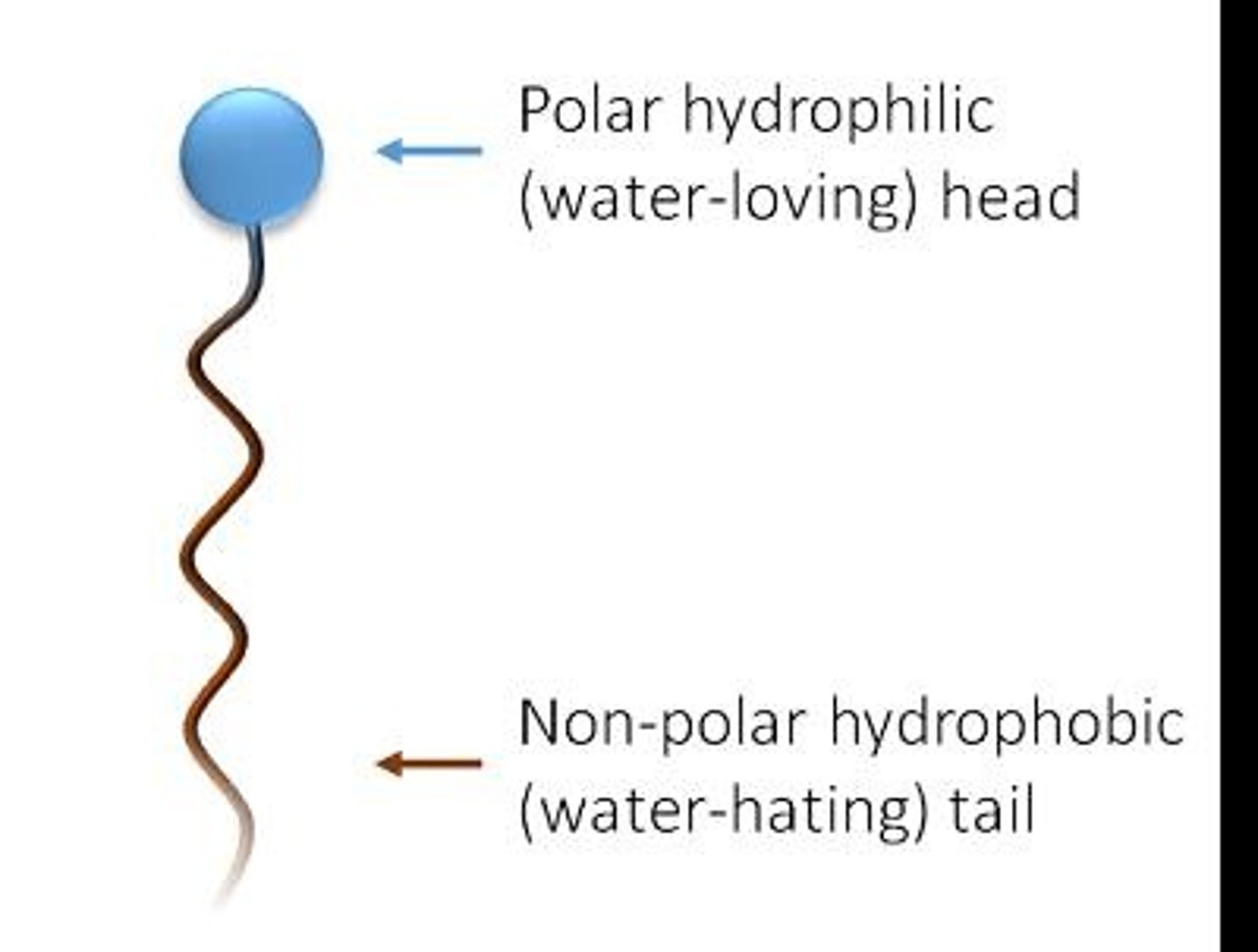
What is the effectiveness of surfactants against microbes?
They are effective against a broad range of microbes.
What is the optimal concentration of alcohol for microbial control?
70% alcohol is best.
What is the action of alcohol in microbial control?
It damages membranes by dissolving lipids and denaturing proteins.
What types of microbes are alcohols effective against?
Most bacteria, most viruses, and most fungi.
What is the action of heavy metals in microbial control?
They denature proteins.
What are some examples of heavy metals used in microbial control?
Silver, mercury, and zinc.
What is the action of hydrogen peroxide in microbial control?
It acts as a reactive oxygen species that steals electrons from macromolecules.
What types of microbes is hydrogen peroxide especially effective against?
Obligate anaerobes.
What is the action of halogens in microbial control?
They denature proteins.
What are some examples of halogens used in microbial control?
Chlorine and iodine.
What is the action of aldehydes in microbial control?
They denature proteins.
What are some examples of aldehydes used in microbial control?
Glutaraldehyde and formaldehyde.
What is the action of gaseous sterilizers in microbial control?
They denature proteins.
What are examples of gaseous sterilizers?
Ethylene oxide and chlorine dioxide.
What is the importance of following duration of exposure instructions for chemical methods?
It ensures the chemicals are effective against the targeted microbes.
How does the presence of organic material affect the effectiveness of chemical agents?
It can decrease accessibility and possibly effectiveness.
What is a common use of silver in microbial control?
Silver ointment is used for burn patients and skin infections.
What is the main ingredient in bleach?
Sodium hypochlorite.
What is the significance of using 70% alcohol in hand sanitizers?
Alcohol needs water to be effective.
What is the role of friction, rinsing, and drying in effective hand washing?
They are critical for the mechanical removal of microbes.
What is the sterilizing capability of aldehydes?
They are effective against all microbes and can act as sterilants.