Biochem Exam 1
 Call Kai
 Learn
Learn Practice Test
 Spaced Repetition
 Match
Match Flashcards
 Knowt Play
1/70

There's no tags or description
Looks like no tags are added yet.
Name | Mastery | Learn | Test | Matching | Spaced | Call with Kai | Chat |
|---|
No analytics yet
Send a link to your students to track their progress
71 Terms
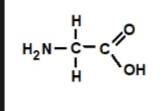
Glycine (Gly)

Cysteine (Cys)

alanine (Ala)

methionine (Met)

valine (Val)

asparagine (Asn)
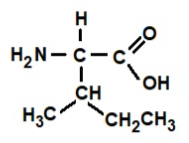
isoleucine (ile)

glutamic acid (Glu)
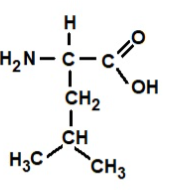
leucine (Leu)
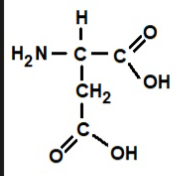
aspartic acid (Asp)

phenylalanine (Phe)

glutamine (Gln)
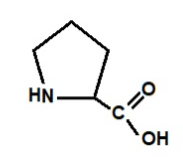
proline (Pro)

threonine (Thr)

tryptophan (Trp)

arginine (Arg)
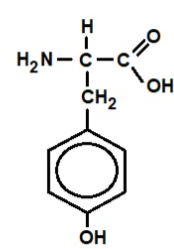
tyrosine (Tyr)
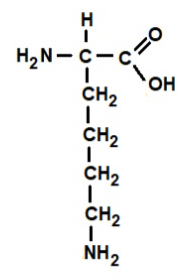
lysine (Lys)

histidine (His)

serine (Ser)
Hydrophilic subfamily
serine, threonine, cysteine, asparagine, glutamine
charged subfamily
aspartic acid, glutamic acid, lysine, arginine, histidine
hydrophobic subfamily
glycine, alanine, proline, valine, leucine, isoleucine, methionine
aromatic subfamily
phe, tyr, trp
Why do unfolded proteins tend to aggregate?
Hydrophobic regions on the exterior of misfolded proteins interact and form large complexes

adenine

guanine

cytosine

thymine
a patient presents with metabolic acidosis. Based on carbonic-acid bicarbonate buffering system and physiological adaptation, which response most directly helps raise blood pH toward normal?
increase breathing rate to lower CO2 and reduce H2CO3, with reduced renal excretion of HCO3-
Which statement explains structural changes in the DNA molecule during transcription?
Supercoils form to conserve the linking number while accommodating unwinding.
B-form conformation of DNA
most stable
A-form conformation of DNA
squished version; not natural
Z-form confromation of DNA
left-handed helix; considered unnatural
Paralogs
genes that share similar sequence in species
orthologs
genes conserved across species
First law of thermodynamics
energy cannot be created nor destroyed, only transformed
neg change in H
exothermic
pos change in H
endothermic
Second law of thermodynamics
in any spontaneous process, total entropy of an isolated system always increases, and heat cannot spontaneously flow from colder to hotter body
neg change in G
favorable
pos change in G
unfavorable
Keq > 1
reaction proceeds spontaneously; change in G expected <0; exergonic
Keq < 1
reaction favors formation of A & B; change in G expected > 0; endergonic
Hierarchical strucutre (smallest to largest)
elements and functional groups, biomolecules, macromolecules, metabolism, cells, organisms, ecosystems
Q
mass action ratio
phi torsional angle
rotation around the N-Ca bond
psi torsional angle
rotation around the Ca-C bond
primary structure
amino acid sequence
secondary structure
local arrangement of the polypeptide backbone into regular repeating conformations of which there are three primary types: beta strands, alpha helices, beta turns
tertiary structure
complete arrangement of all the atoms in the polypeptide chain; stabilized by weak noncovalent interactions and disulfide bridges between cysteine residues or metal ions
quaternary structure
number and organization of protein subunits within a protein complex; consist of two or more protein subunits that can be identical or different
Christian Anfinsen demonstrated
RNaseA could be denatured by urea and then folded to regain enzymatic activity, showing that the primary amino acid sequence is all that is required for folding
Hsp70 uses
Atp to bind/release unfolded proteins
specific activity
ration of protein activity units to total amount of protein in sample
multifold increase
new specific activity divided by last specific activity
nucleoside
base attached to a sugar
nulceotide
phosphorylated nucleoside
nonhomologous end joining
rejoins broken ends and often introduces random insertions or deletions resulting in gene knockout
homology-directed repair
uses a donor DNA template that shares sequence homology with the regions flanking the cut site, allowing the cell to copy the donor sequence precisely into the genome, leading to a precise gene knock-in
Taq polymerase is used rather than a typical mammalian DNA polymerase, why?
it remains functional after repeated exposure to the high denaturation temps used in each cycle
four regions connected to an amino acid central alpha carbon
amino group, carboxyl group, hydrogen atom, and R group
peptide bond
forms through a condensation reaction between the carboxyl group of one amino acid and the amino group of a second amino acid, releasing H20
which arrangement of beta strands is described as producing the more stable sheet and why?
antiparallel strands because their hydrogen bonds are more directly and linearly aligned
Four helix bundle
heme placed into a hydrophobic pocket formed by interactions between hydrophobic side chains
greek key fold
tertiary protein consisting of four or more beta sheets
rossmann fold
two regions of alternating alpha helices and beta strands that form together
TIM barrel fold
alternating alpha helix/beta strand structure that has parallel beta sheets that are surrounded by alpha helices
examples of tertiary structures
four helix bundle, greek key fold, rossman fold, TIM barrel fold
examples of secondary structures
beta strands, alpha helices, beta turns
examples of quaternary structures
fibrous proteins (keratin), collagen, globular proteins