Digestion & Excretion
 Call Kai
 Learn
Learn Practice Test
 Spaced Repetition
 Match
Match Flashcards
 Knowt Play
1/70

There's no tags or description
Looks like no tags are added yet.
Name | Mastery | Learn | Test | Matching | Spaced | Call with Kai | Chat |
|---|
No analytics yet
Send a link to your students to track their progress
71 Terms
order of GI tract
food broken by mouth—→ esophagus—→ enters stomache (making chyme mixture)—→ flows into small intestine (marcromolecules broken down and absorbed along with water by epithelial cells ——> large intestine (any remaining water and electrolytes)
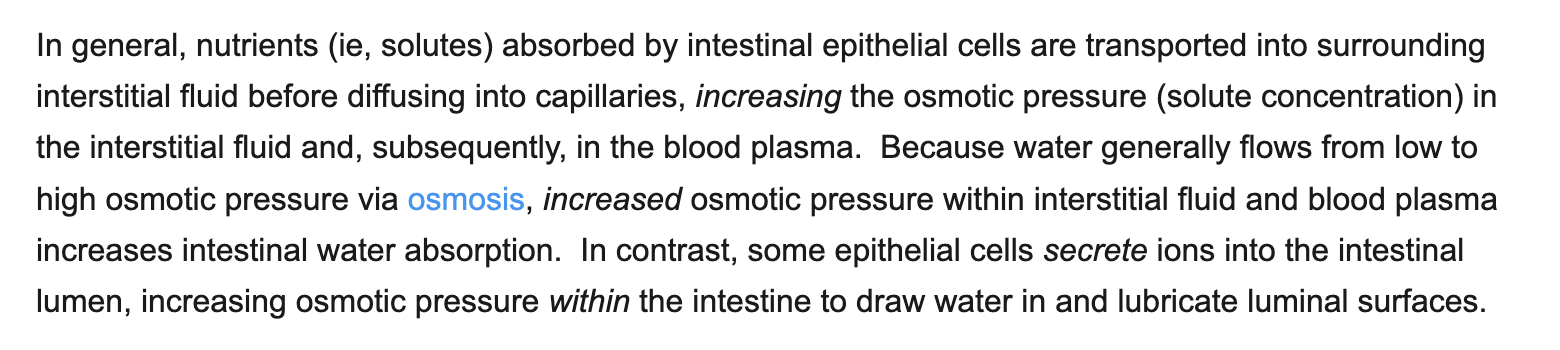
nutrients (solutes) absorbed by intestinal epithelial cells are transported into what and diffused into what? How does it cahnge osmotic (solute concentration) pressure?

Drug that
A. increase smooth msucle contractions throughout GI tract
B. decrease glucose absorption from the small intestine
C. increase activity of parasympathetic nervous system
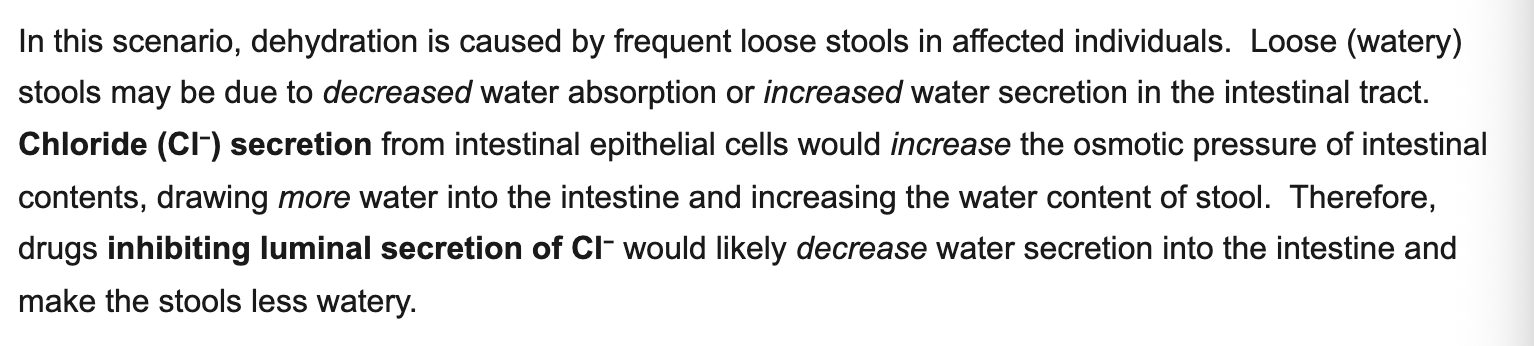
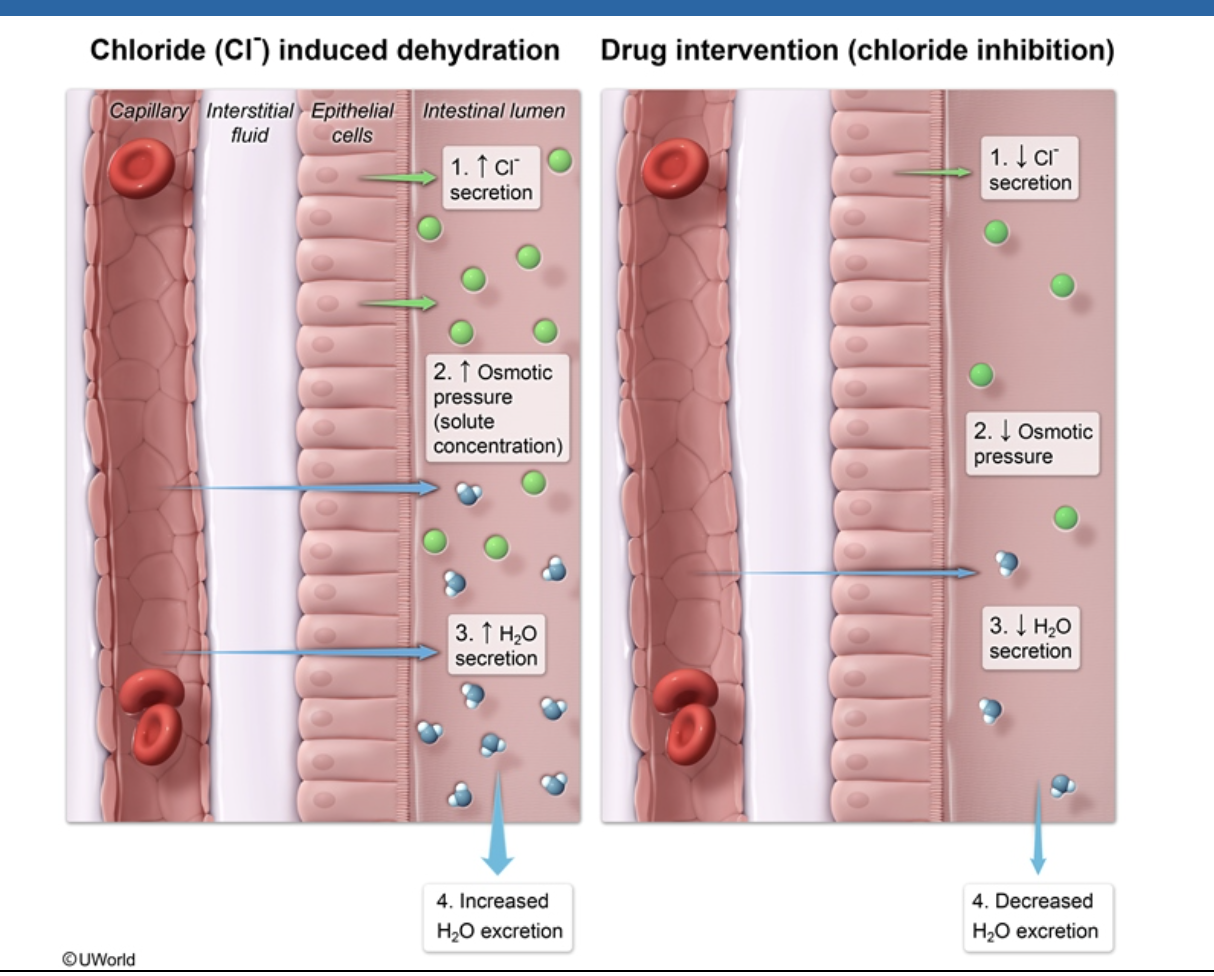
D. decrease luminal secretion of chloride ions from intestinal epithelial cells
Answer D
some epithelial cells can secrete ions into intenstinal lumen, icnreasin osmotic pressure within the intesntine —→ increase osmotic pressure draws more water in


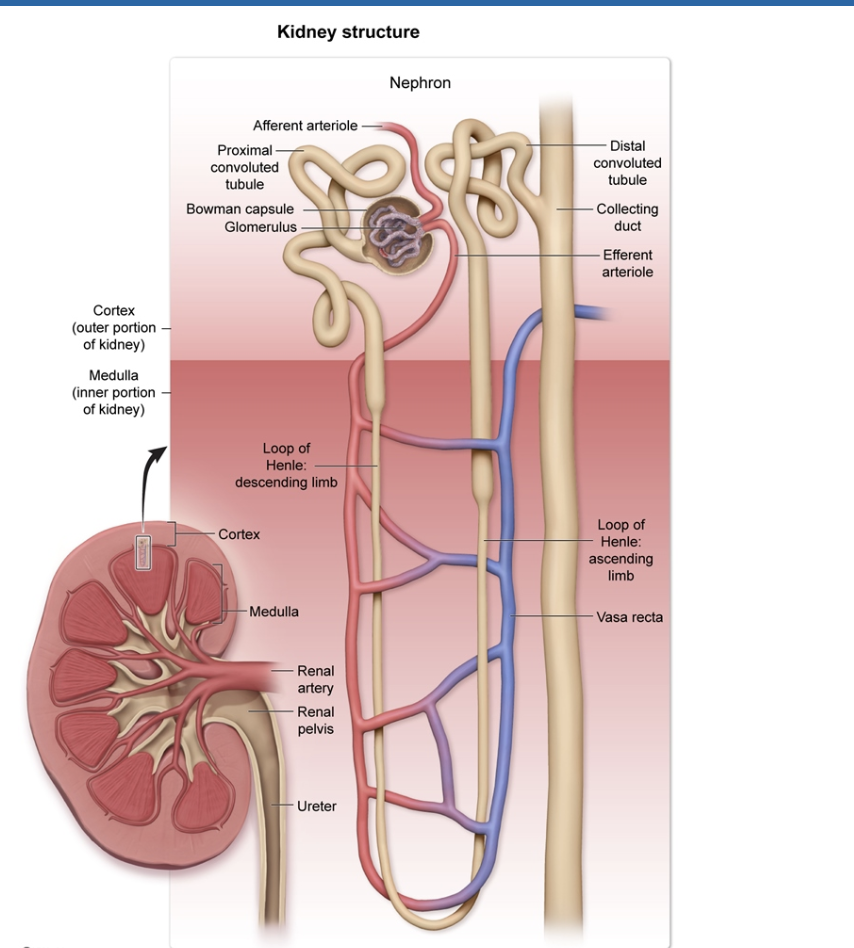
glomerulus
tiny ball shaped cluster of looping capillaries located inside the nephrones of the kidneys
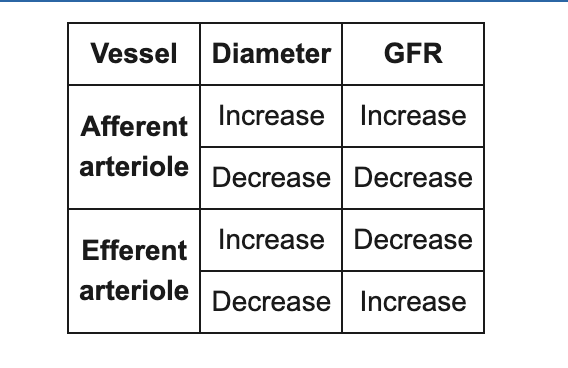
in Kidneys basic unit (nephron, circulating blood enters the glomerulus through the __________ and exit through the ________
enter afferent ateriole
exit via efferent arteriole
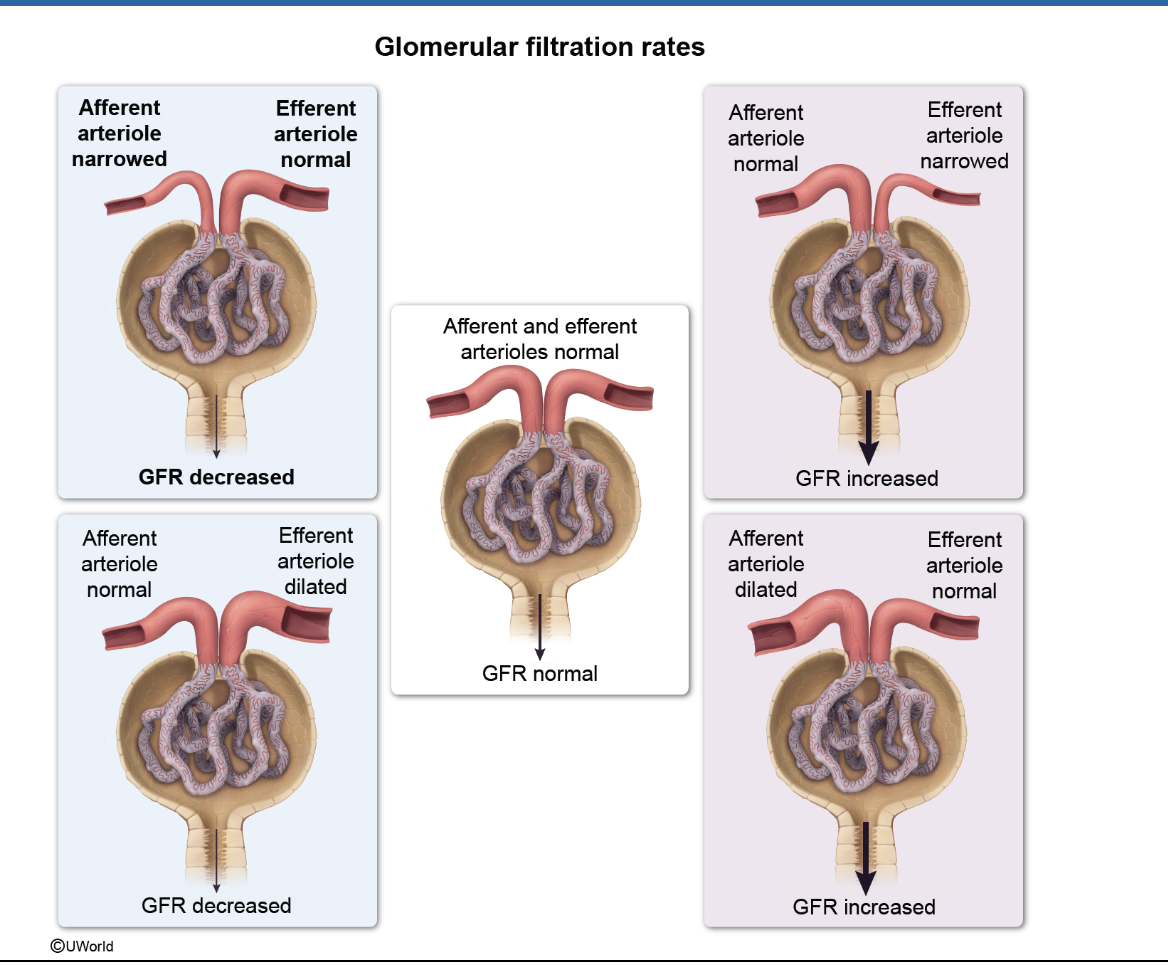
the degree of vascular constriction fo these two arterioles controls the rate of blood flow into and out fo glomerulus, thereby affecting the volume of fluid filtered through the kidney per unit time known as_____
glomerular filtration rate GFR
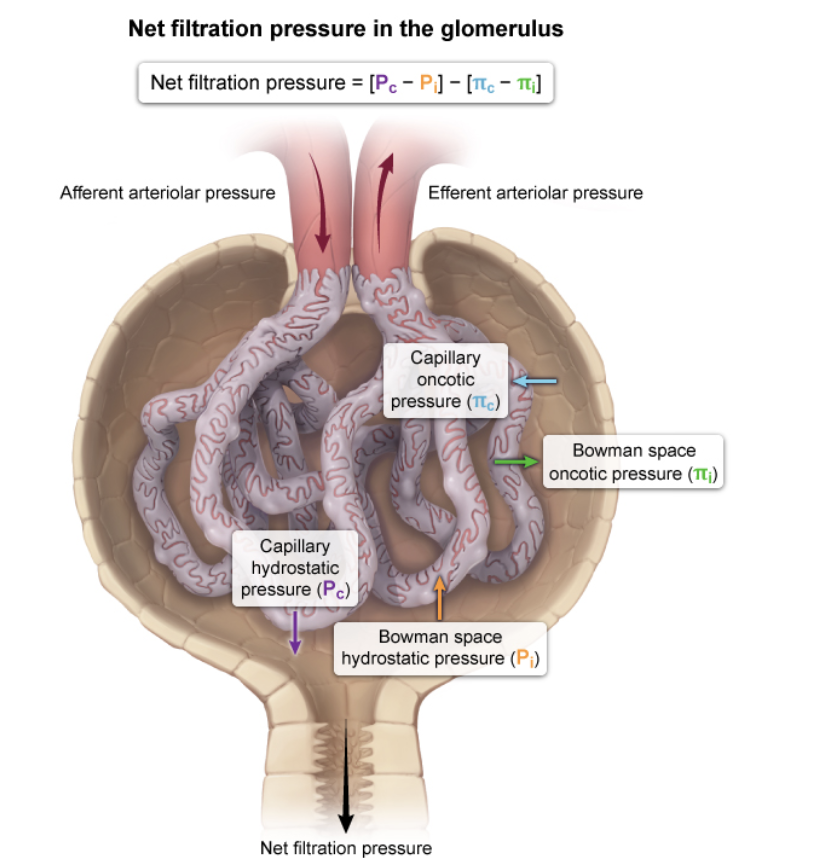
Glomerular hydrostatic (blood) pressure contributes to blood filtration, forcing excess fluid and waste products (filtrate) across the porous endothelim and into ______. In general, proteins and cells are too large to pass through the pores.
Bowman’s space

decrease the glomerular filtration rate


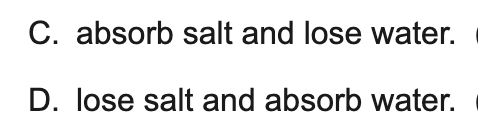
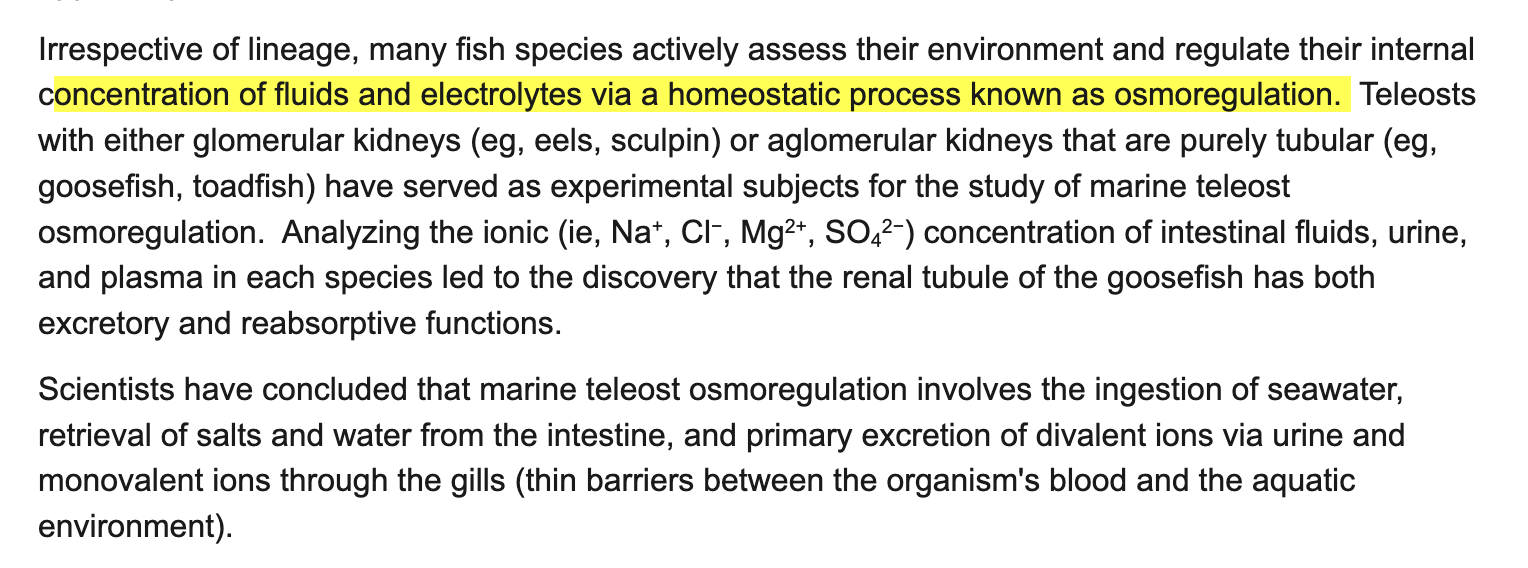
Answer: D
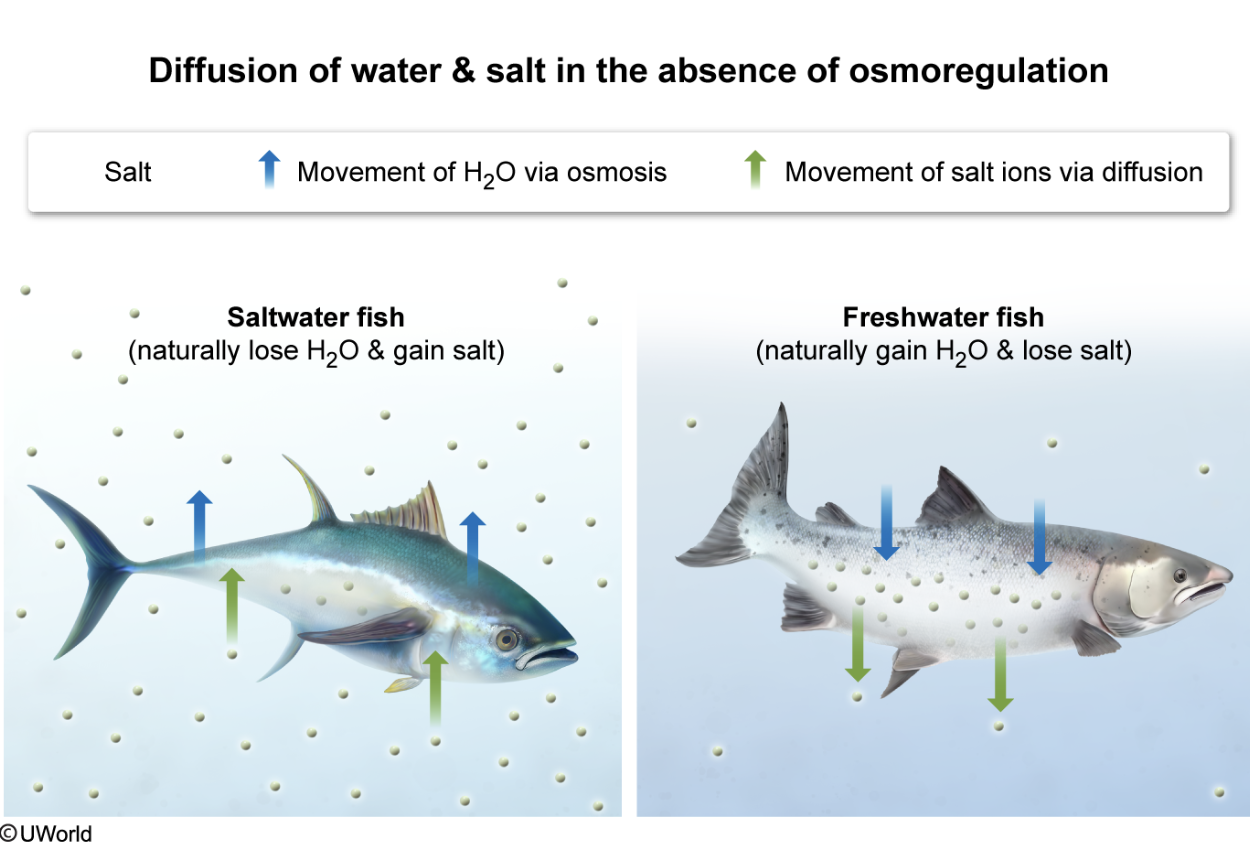
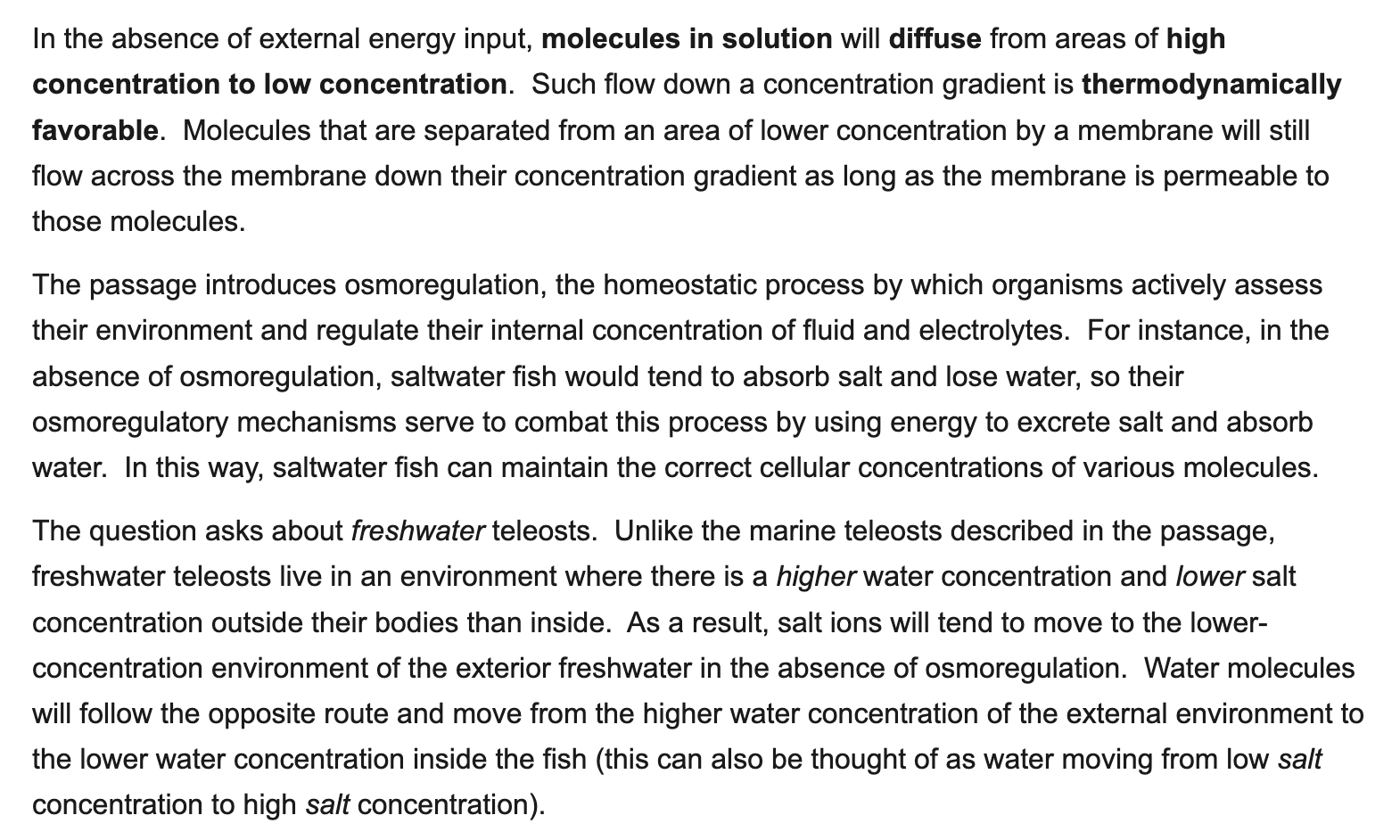

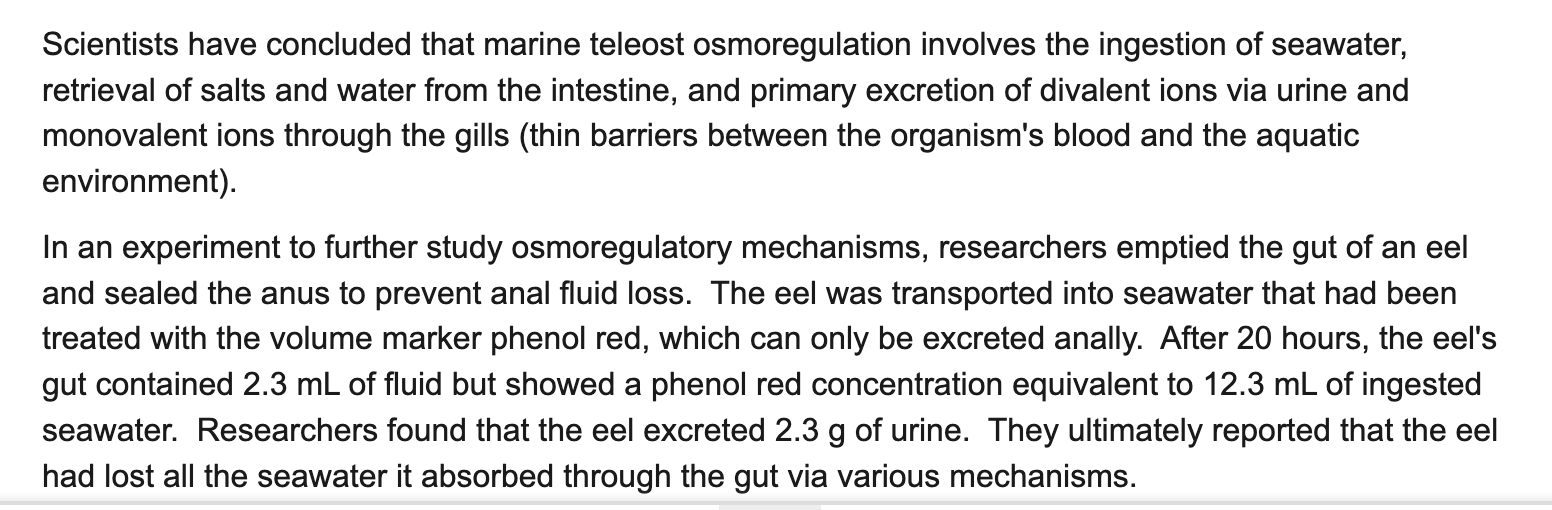


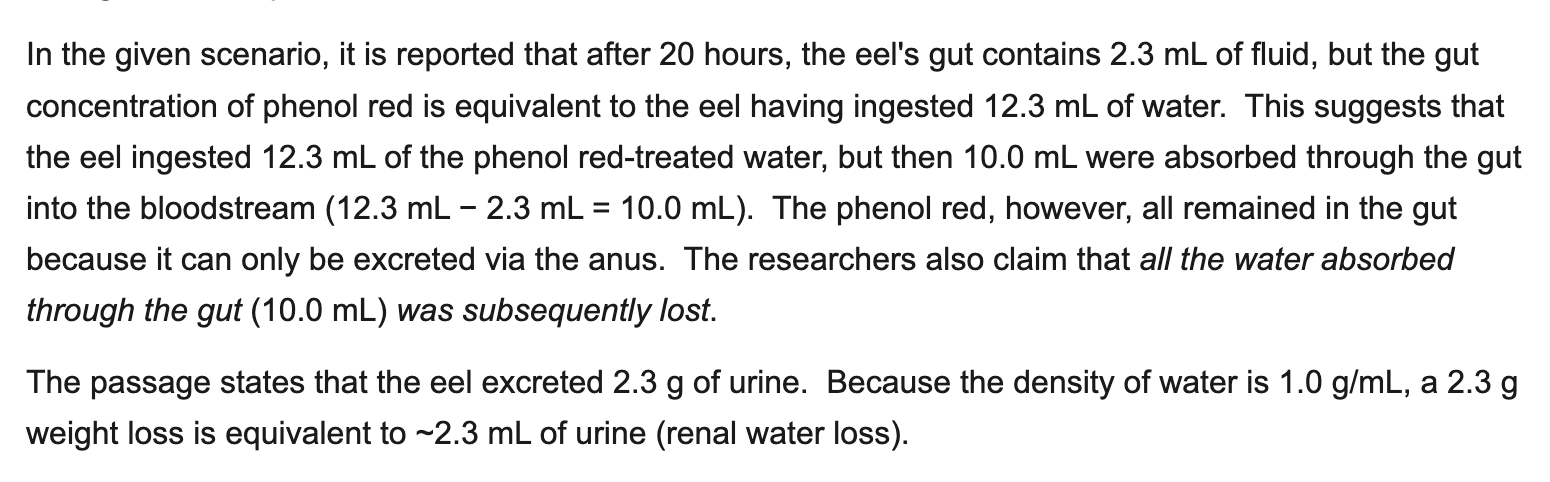
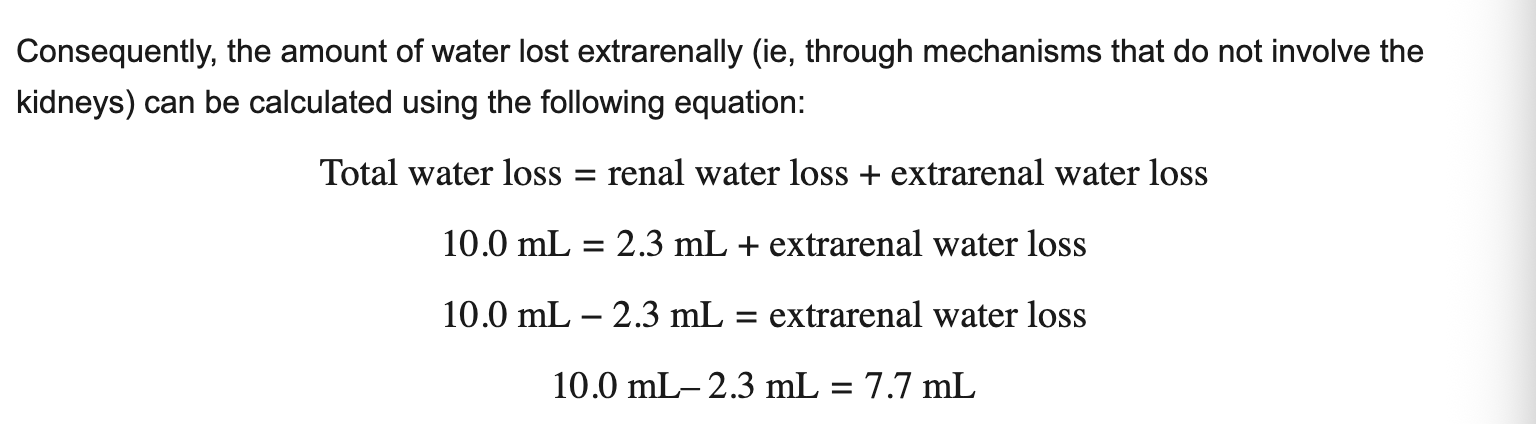
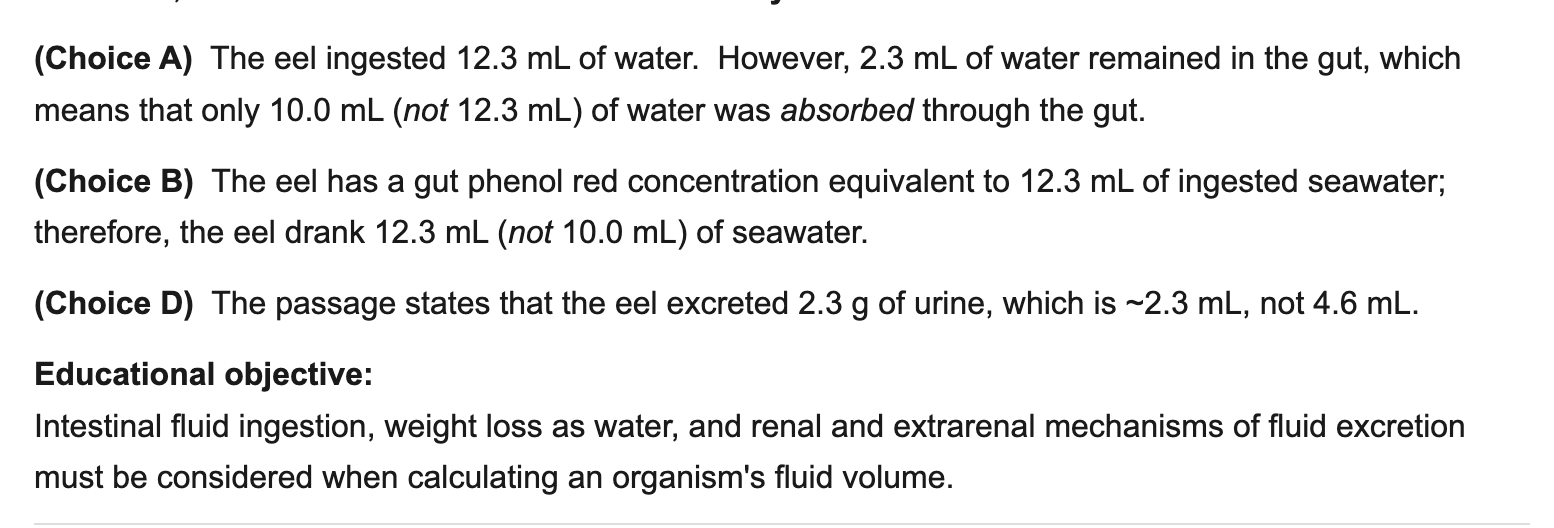
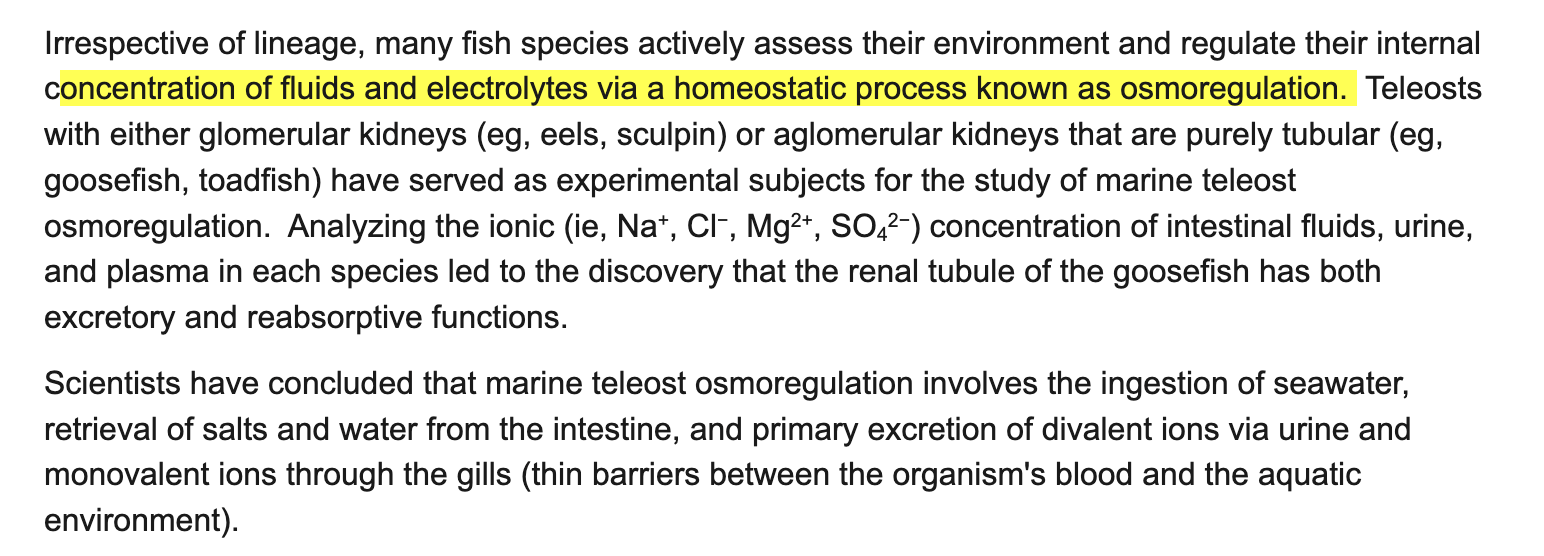

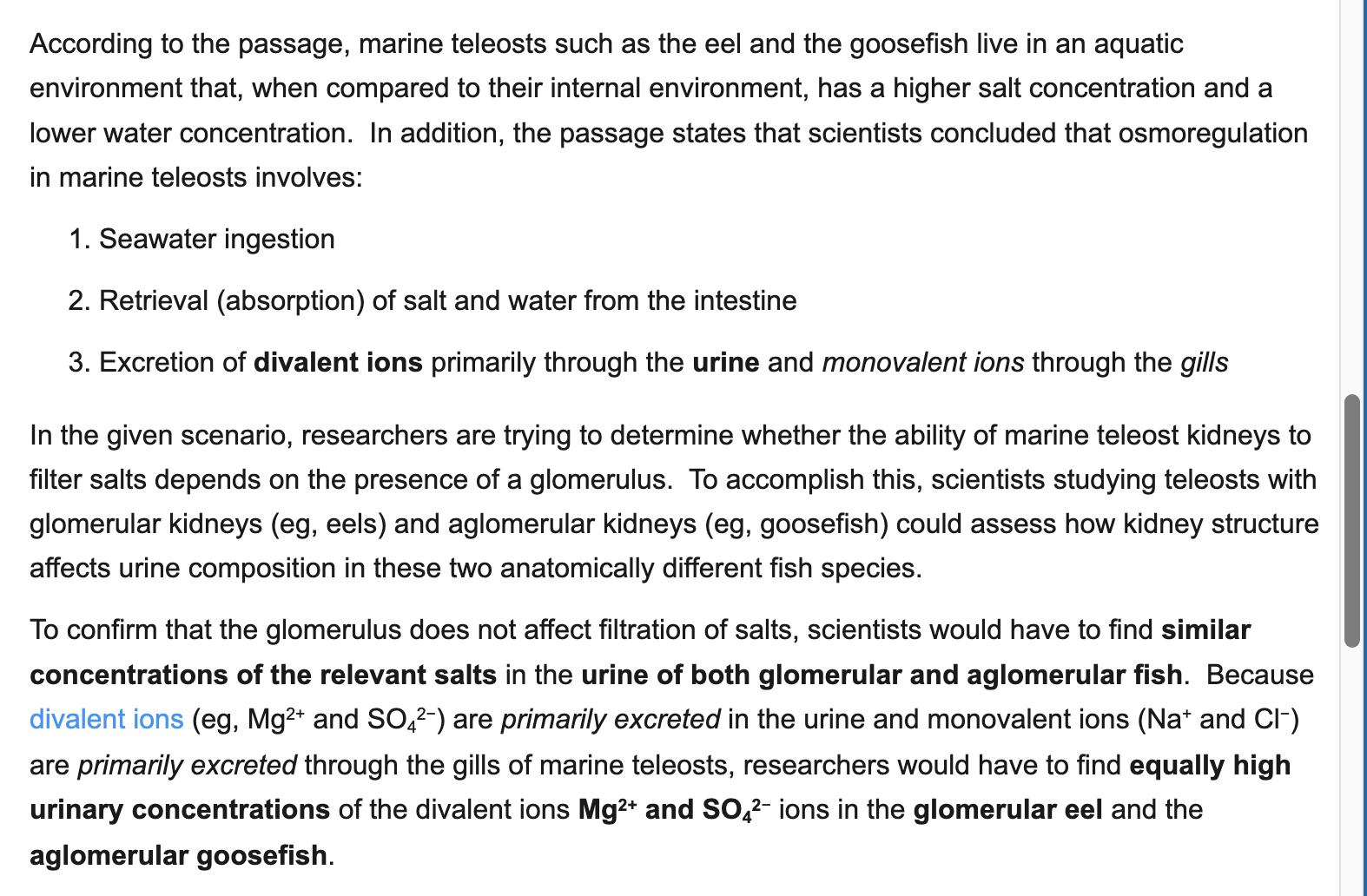
To confirm that the glomerulus does not affect filtration of salts, scientists would have to find what discovery?
Answer C


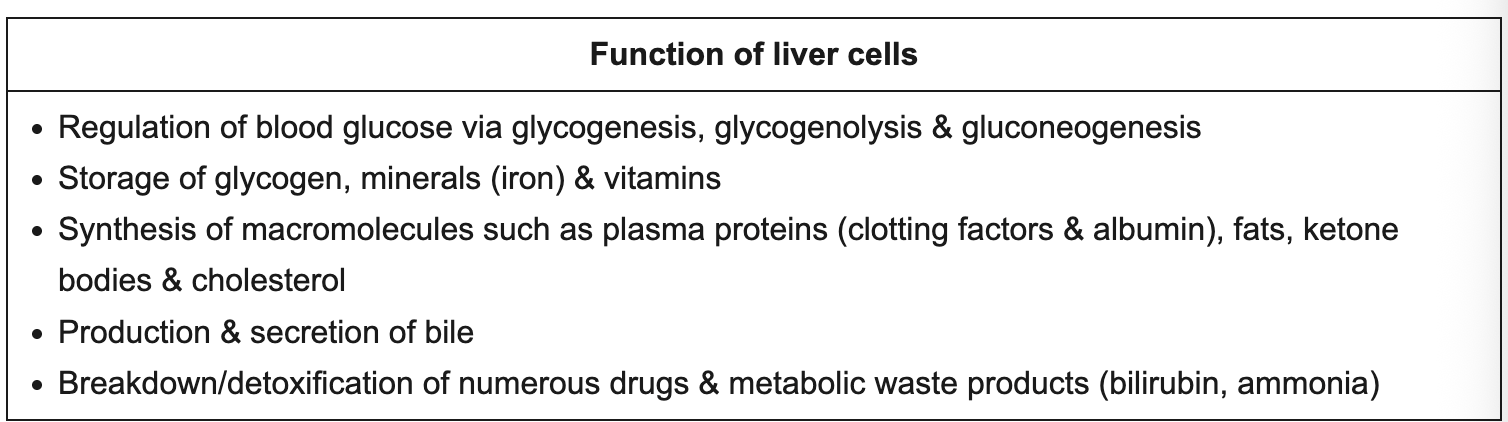
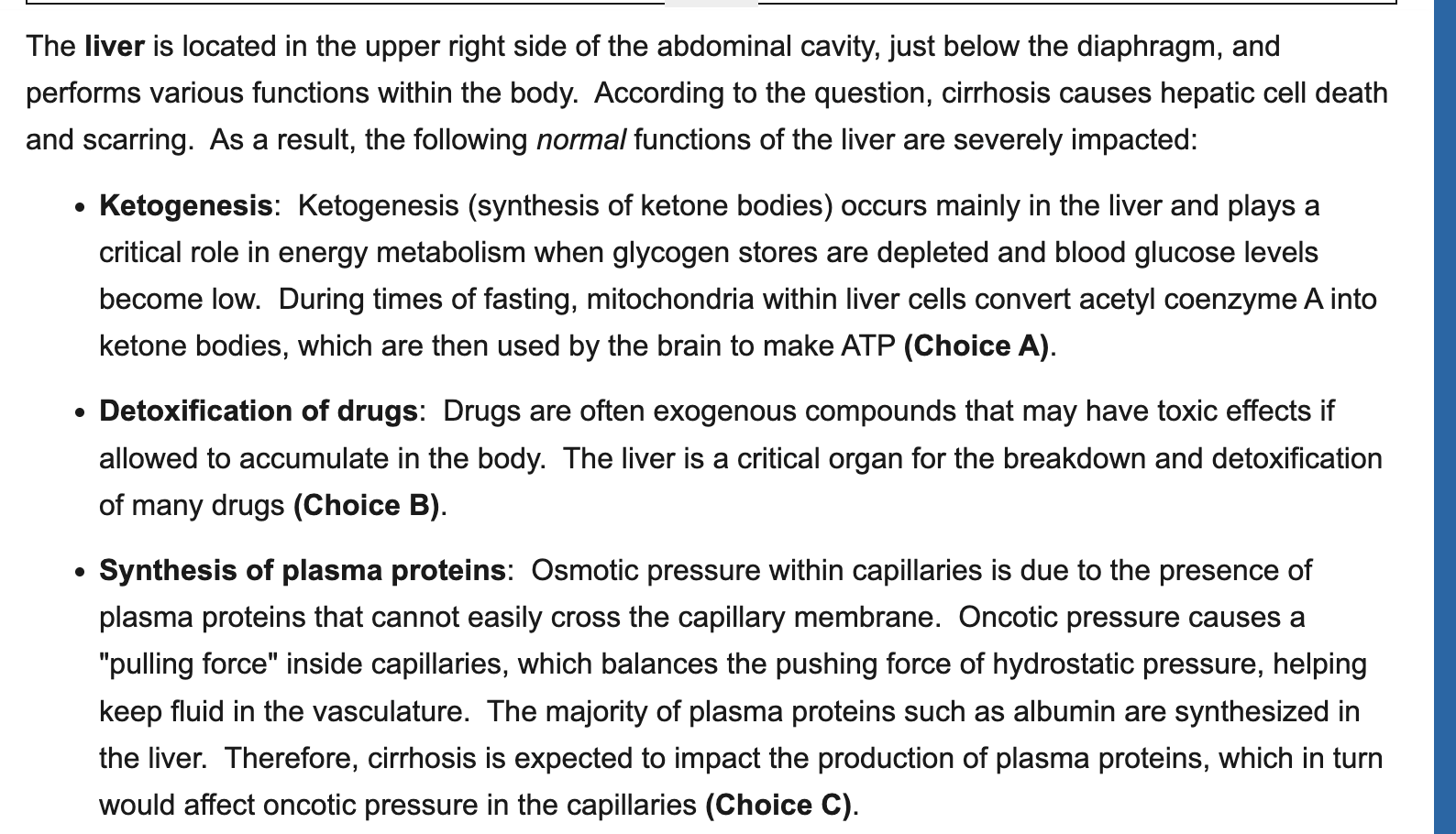
A. production of keton bodies
B. metabolism of most drugs
C. oncotic pressure within capillaries
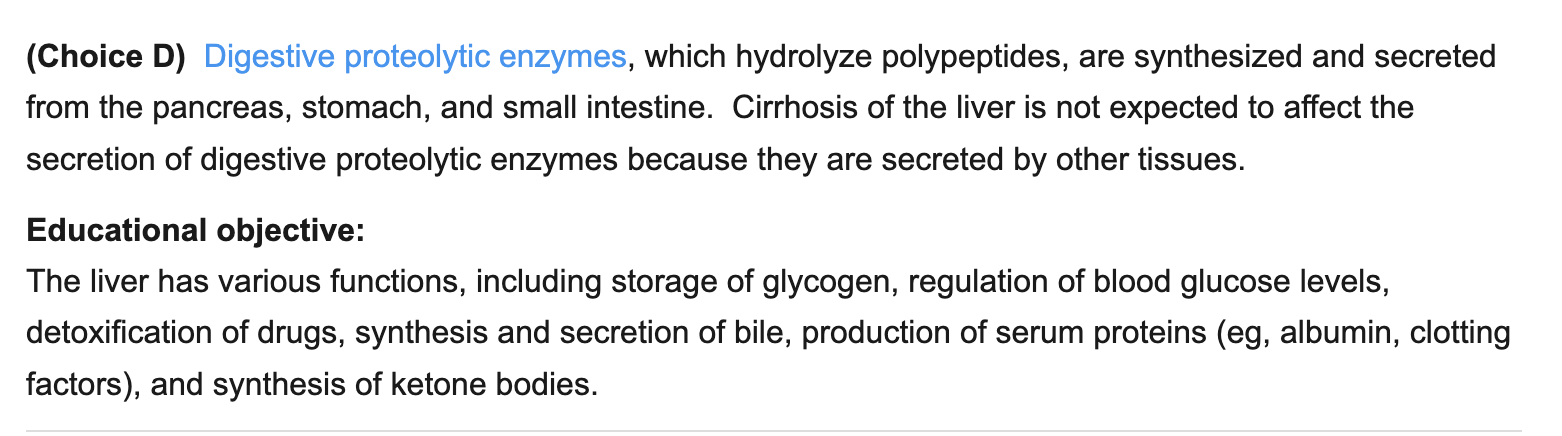
D. secreation of digestive proteolytic enzymes
Answer D
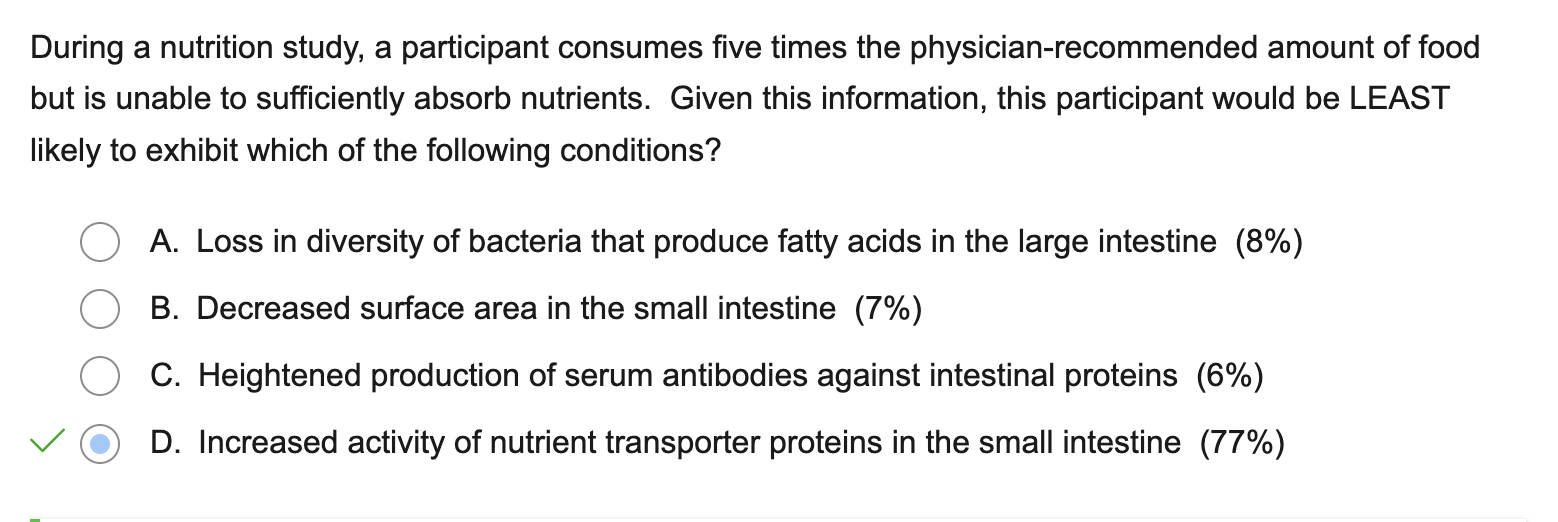
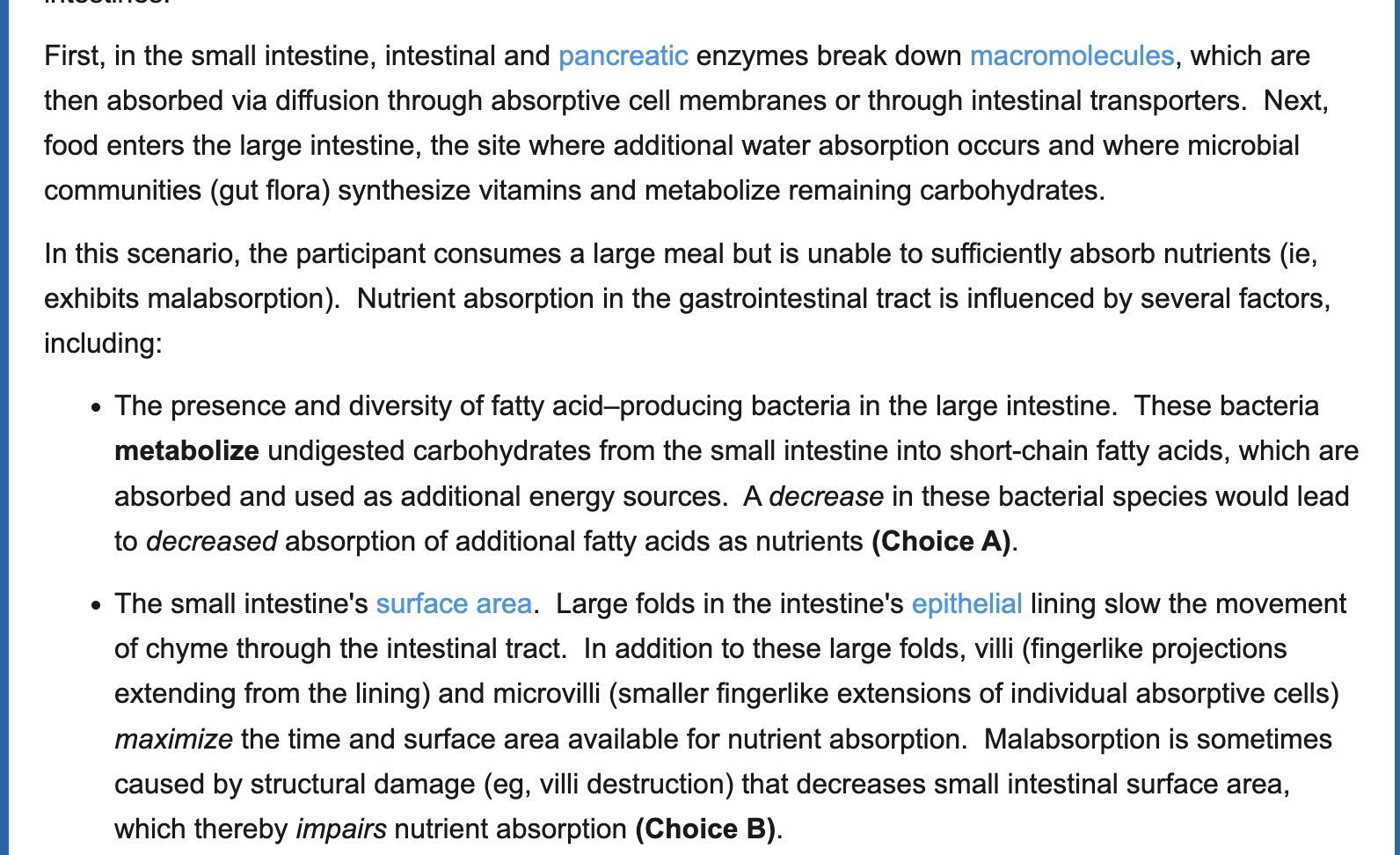

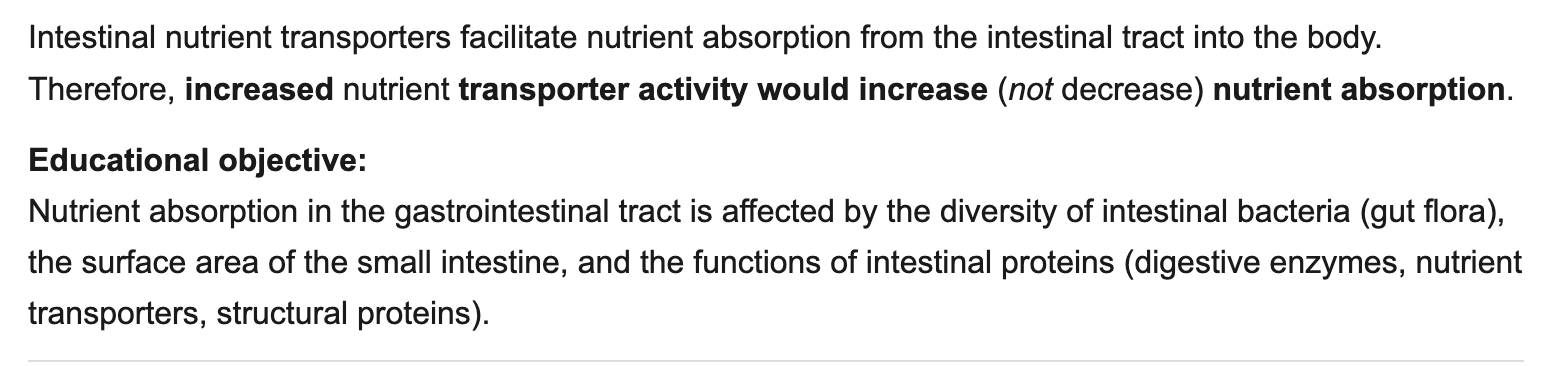
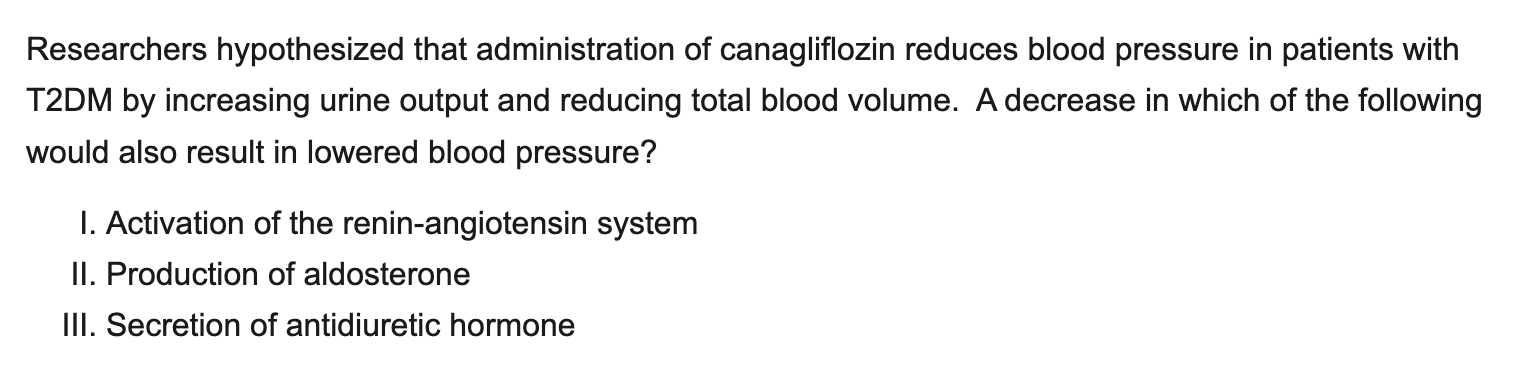
1,2, 3
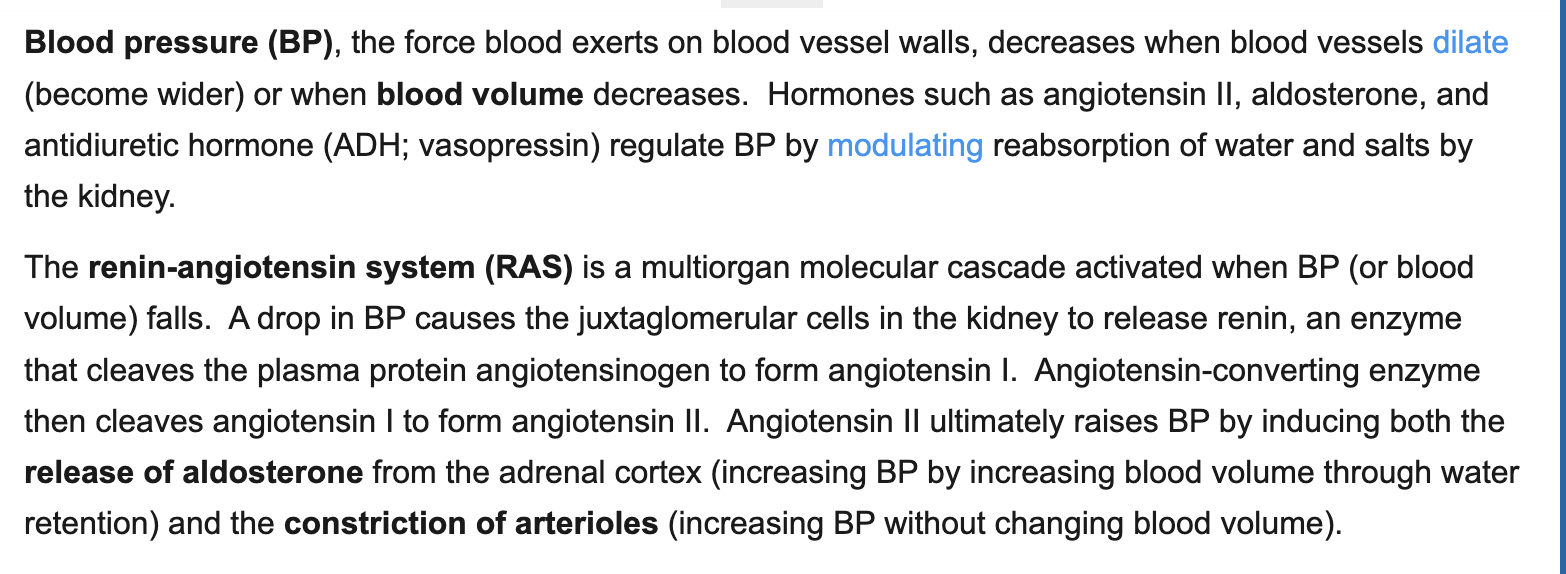
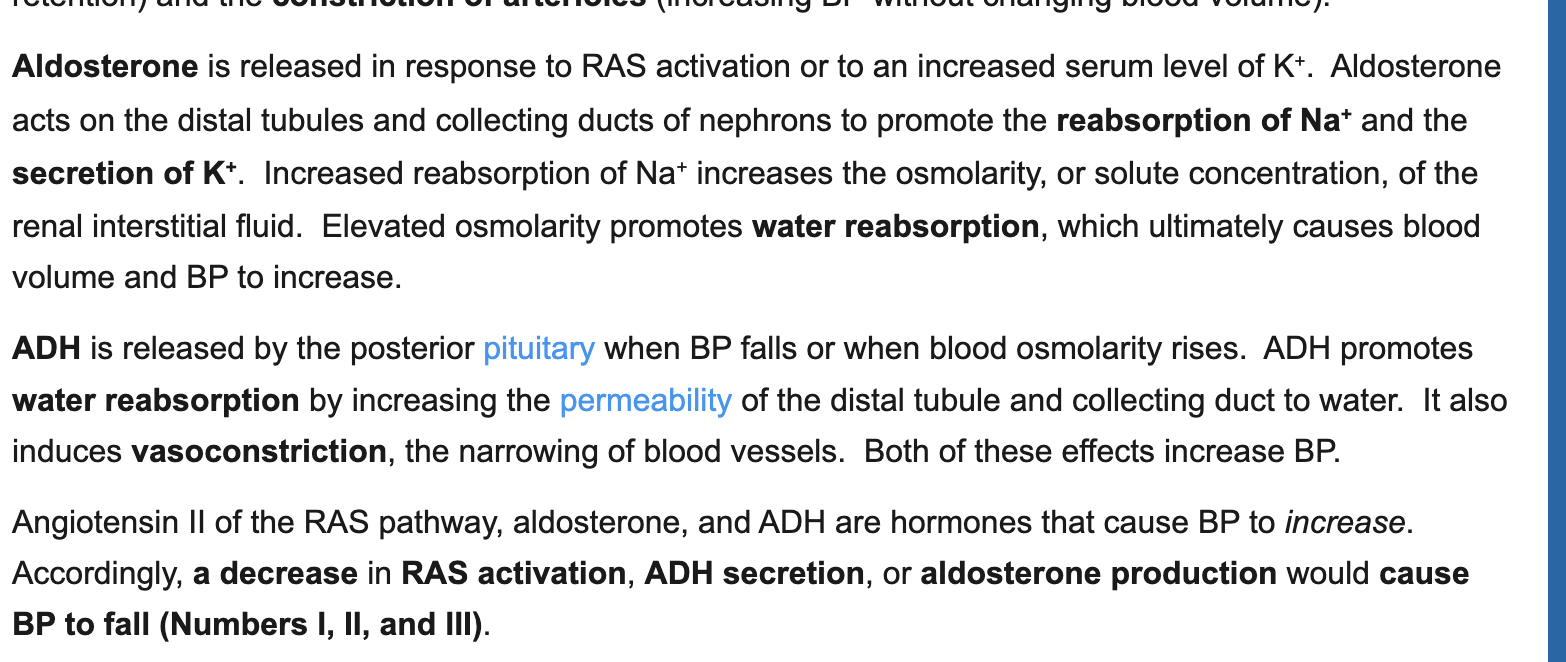

Bladder, urethral sphicters, ureter, kidney efferent arterioles
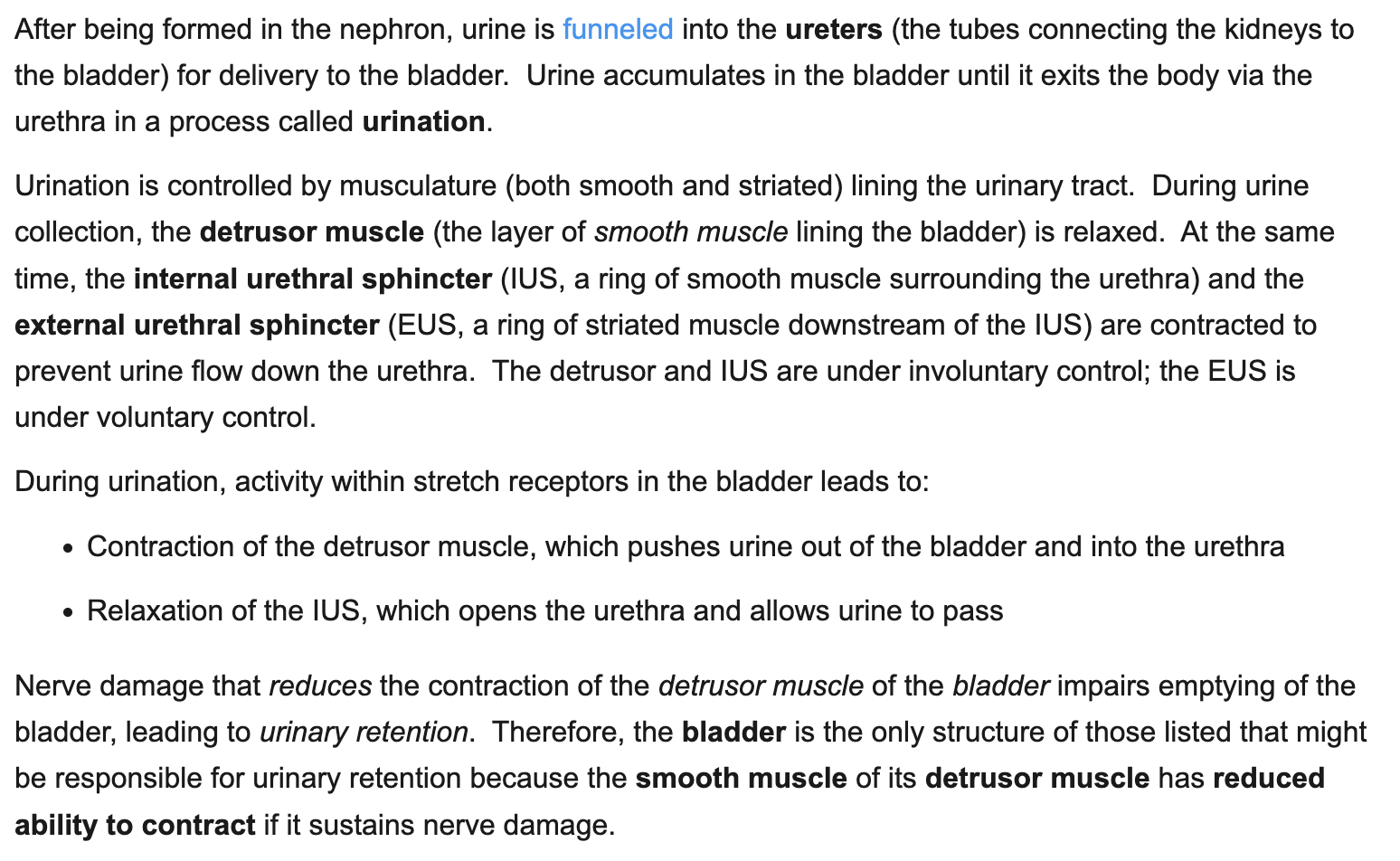

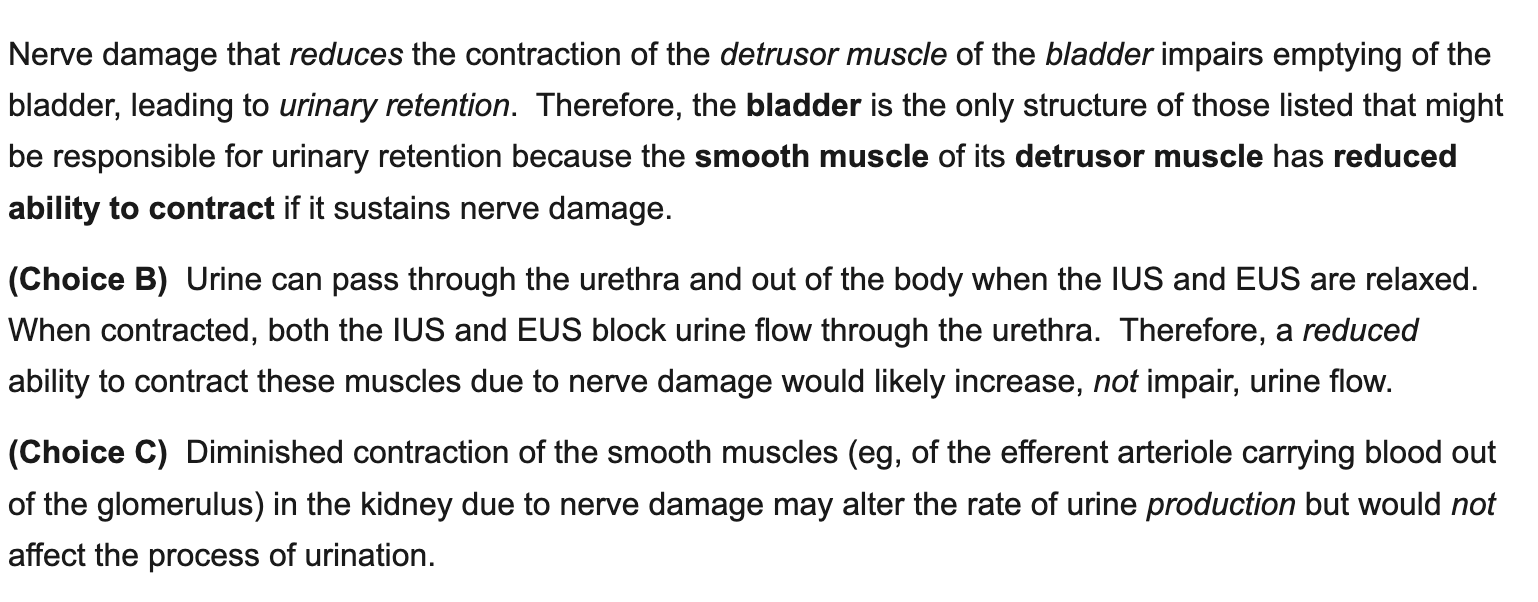

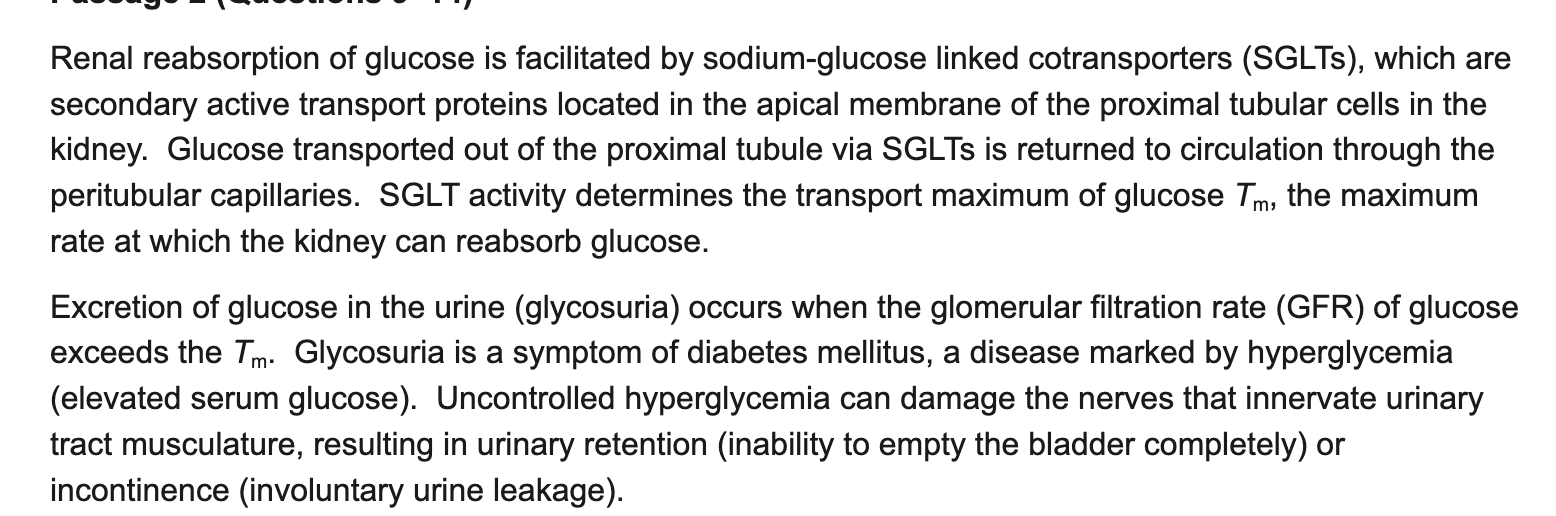
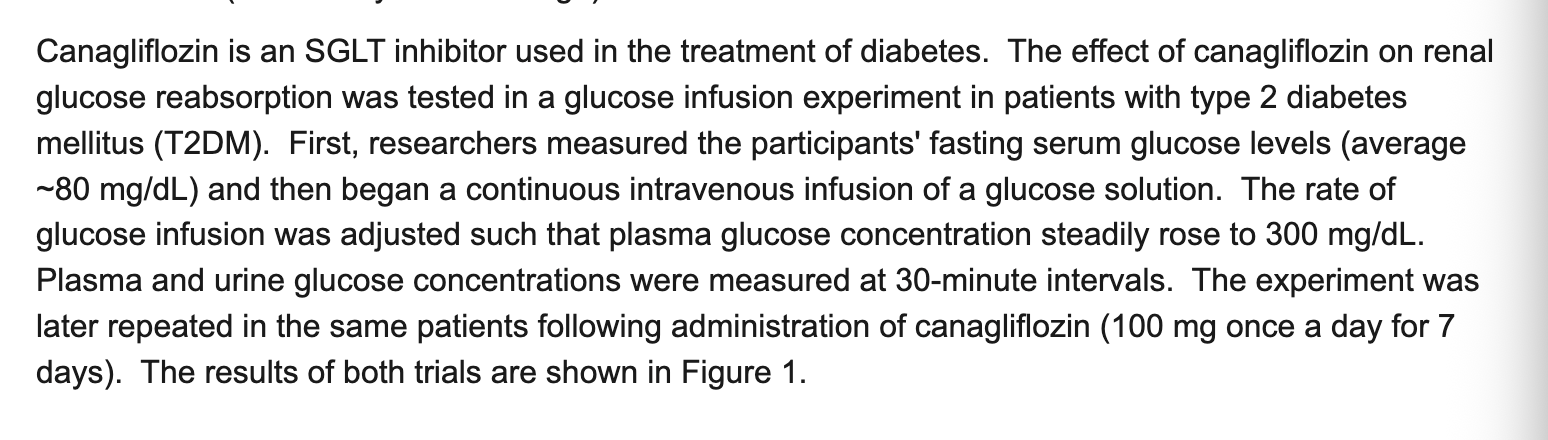



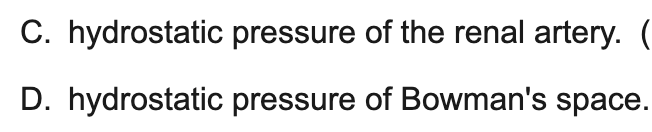
Answer A
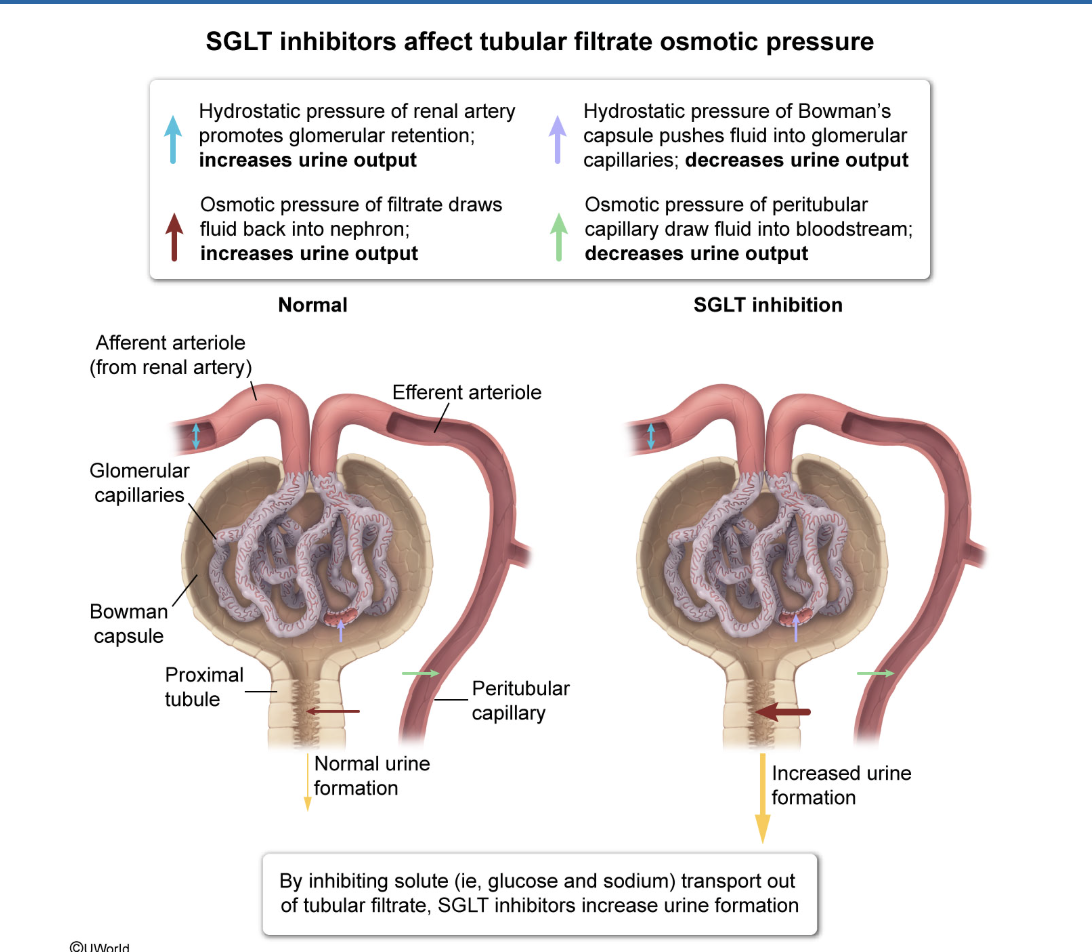
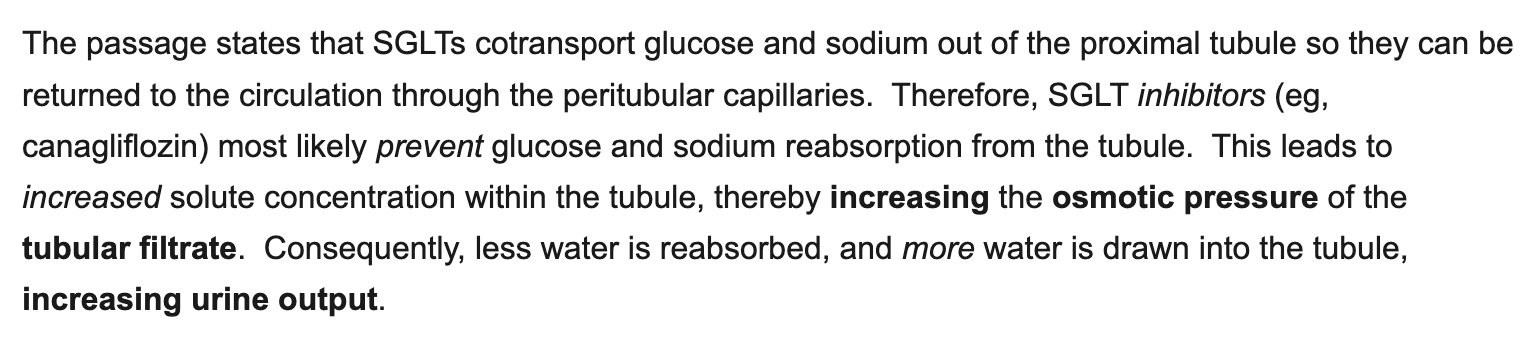
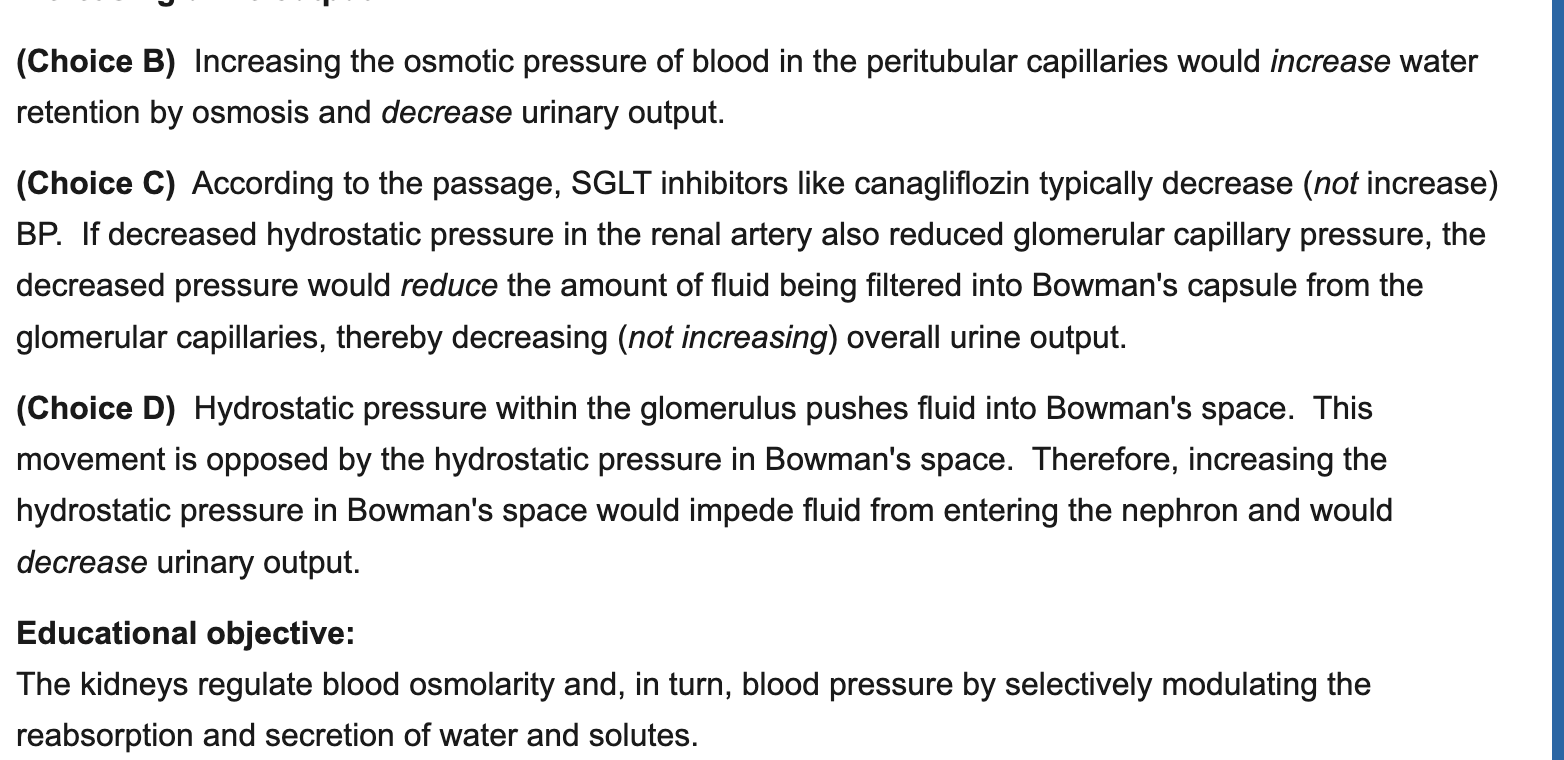
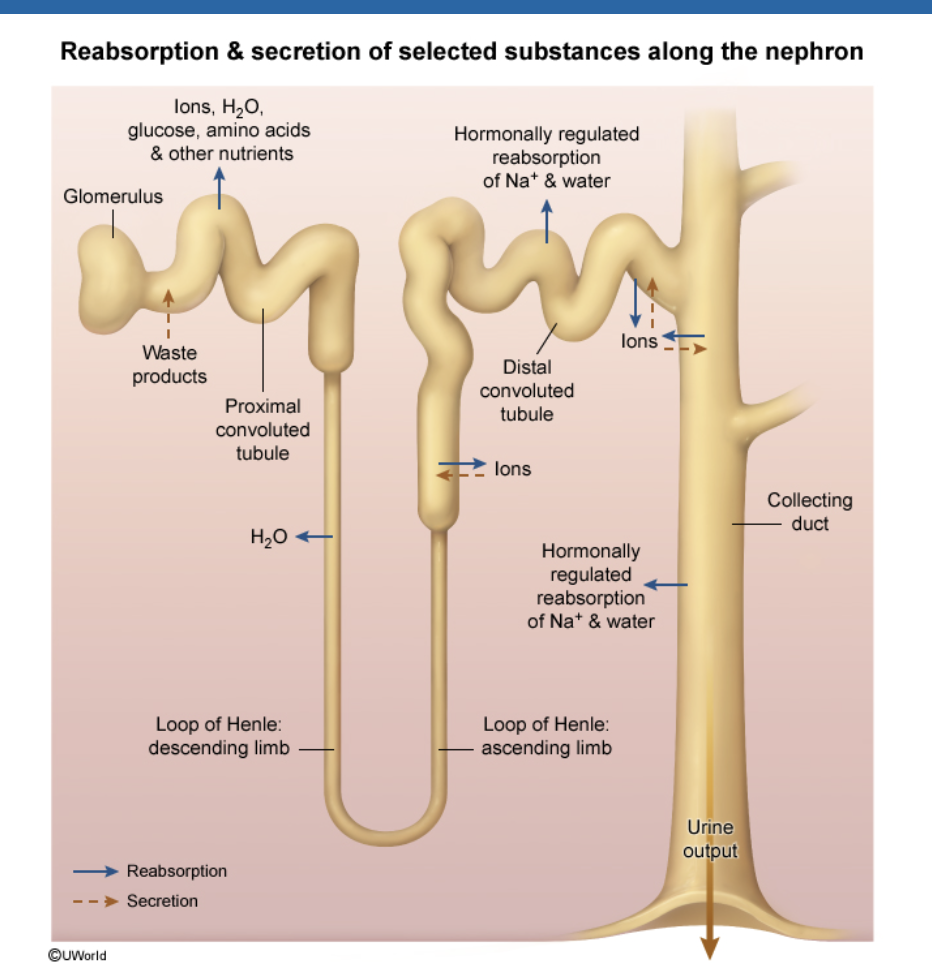
nephron

Bowman capsule
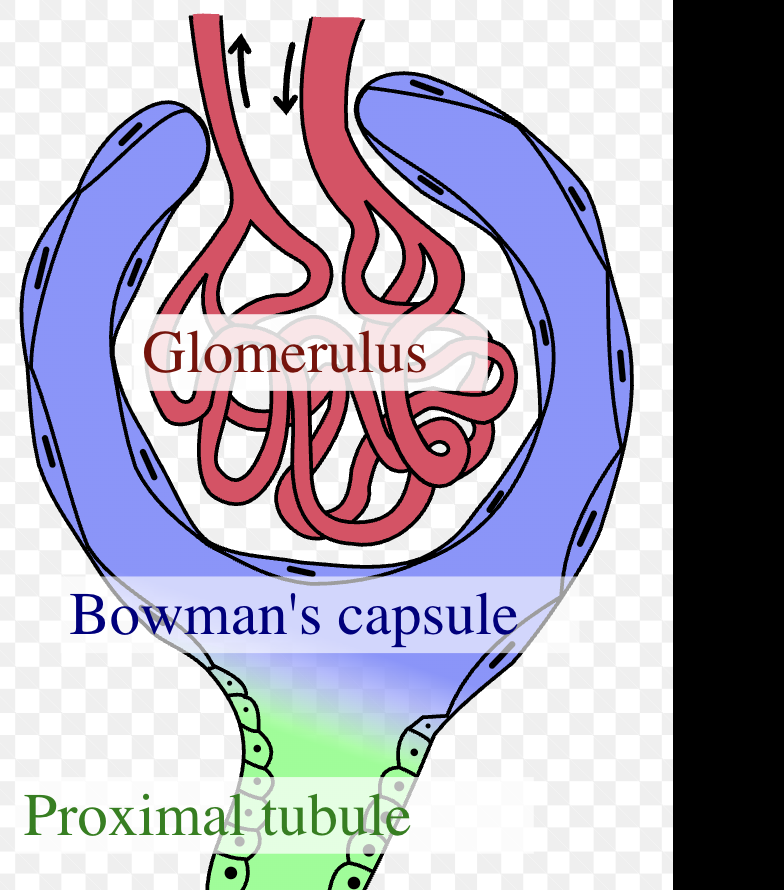
a cupshaped extension of renal tubule that surround glomerulus. Filtrate (glucose, ions, urea but lack blood cells and protein—which remain inc iruclation) from the bowman capsule into a long tubule.
long tubule of kidney segments
proximal tubule
loop of henle
distal tubule
collecting duct
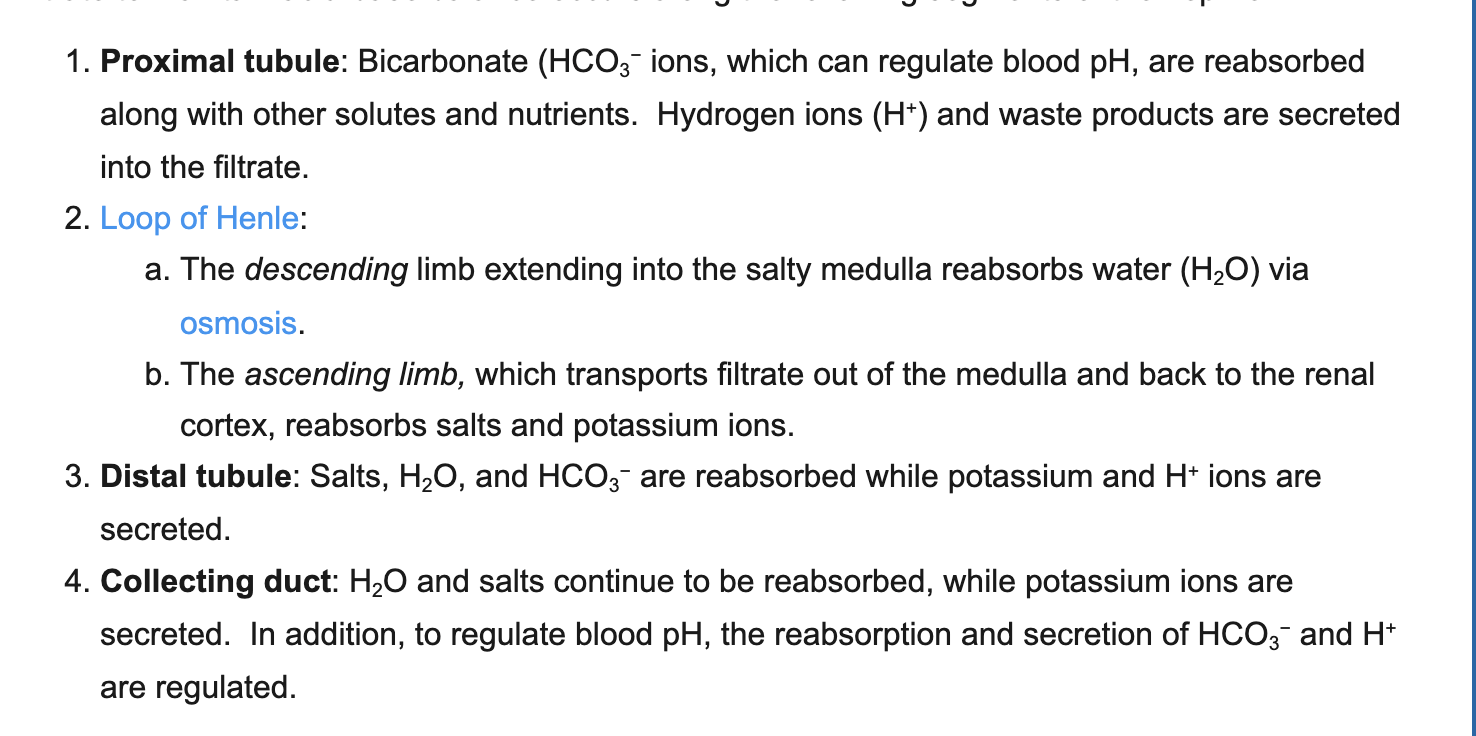
proximal tubule

Loop of henle
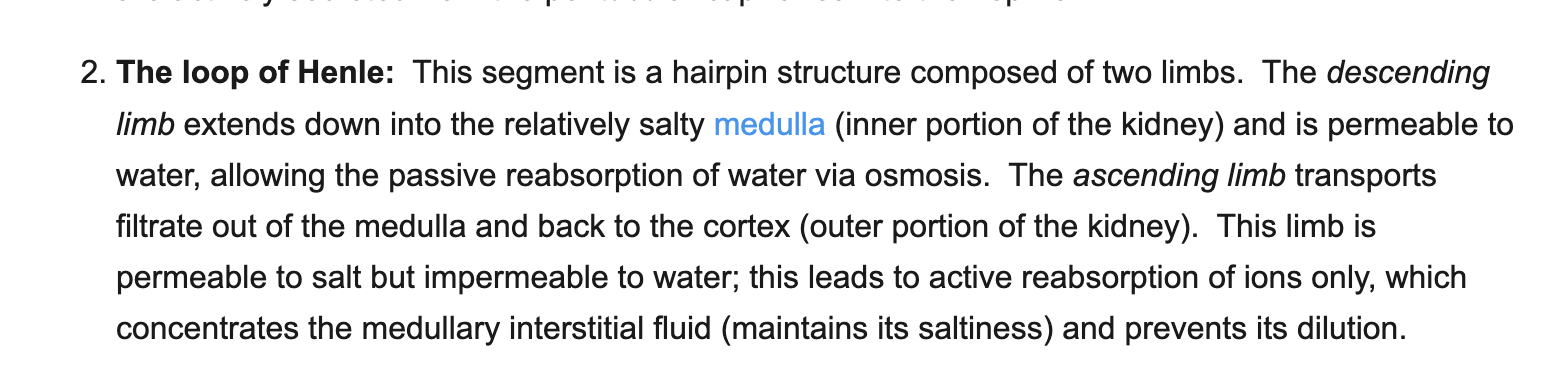
distal tubule

collecting duct



Ansewr C

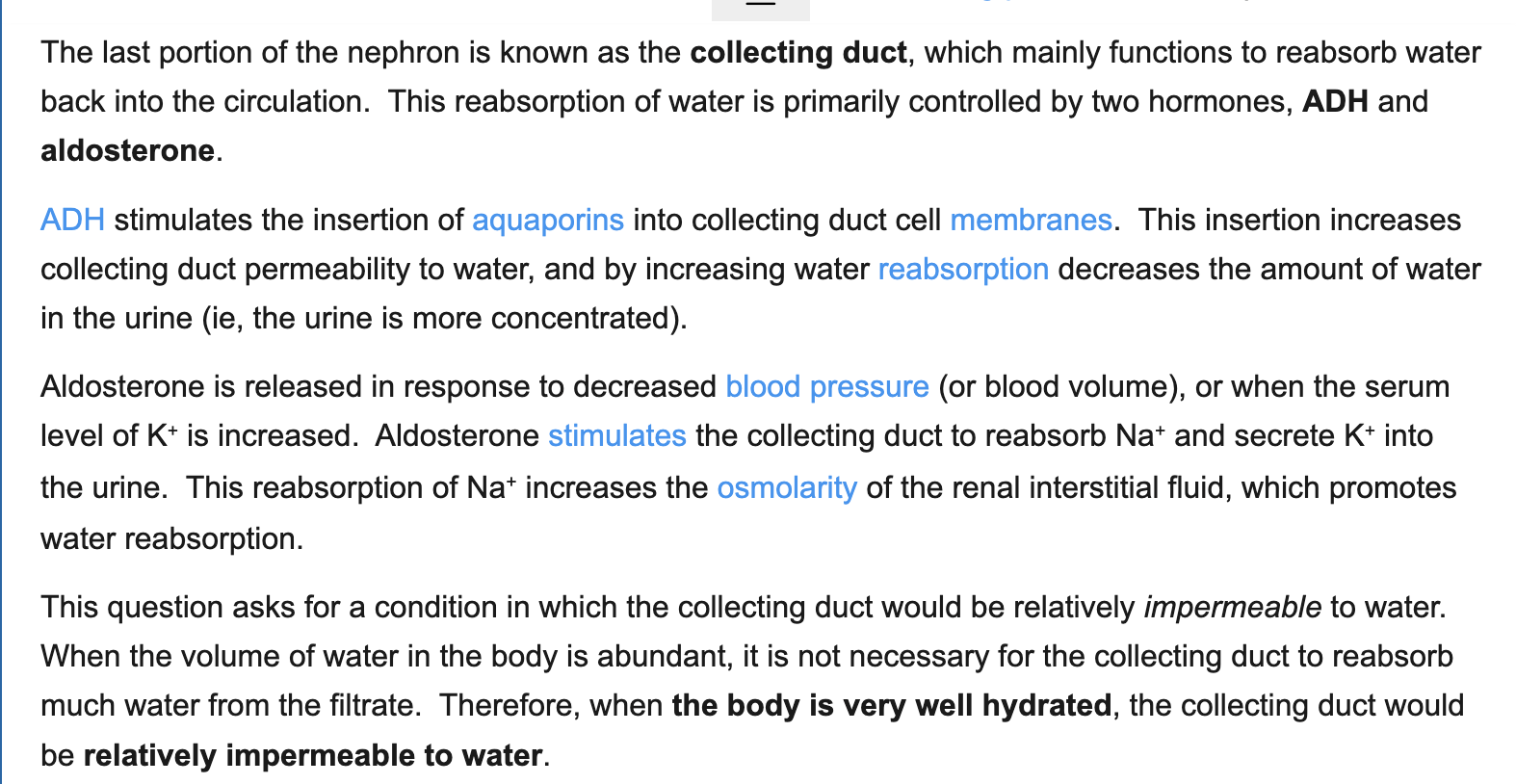
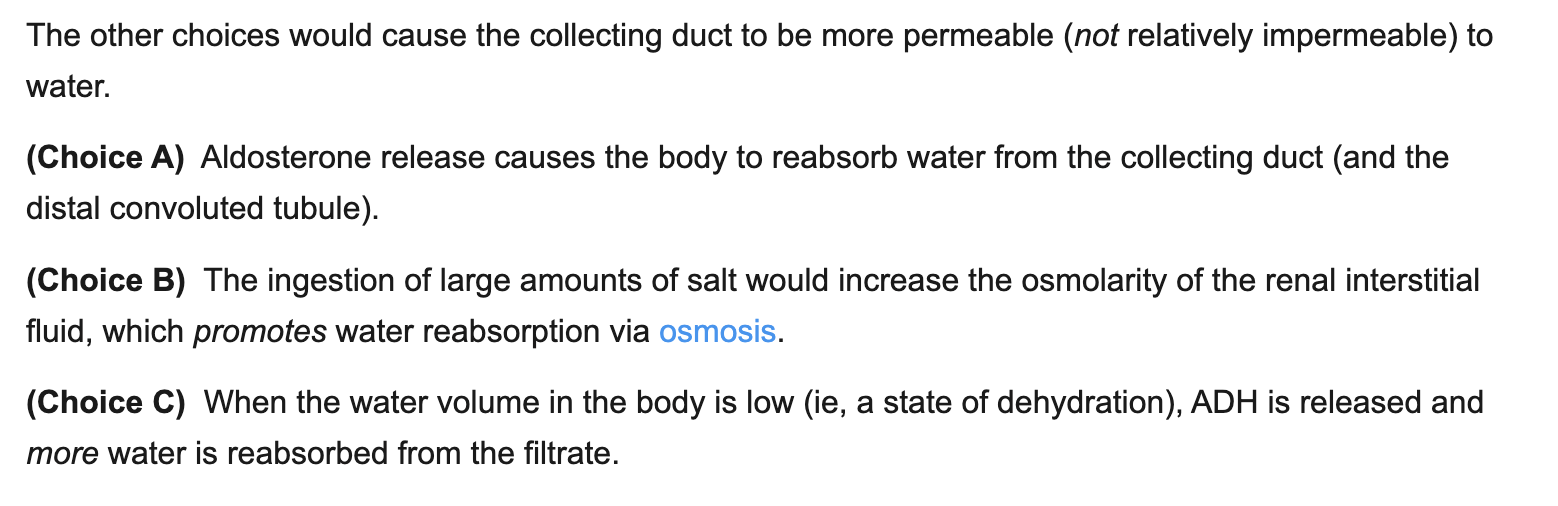

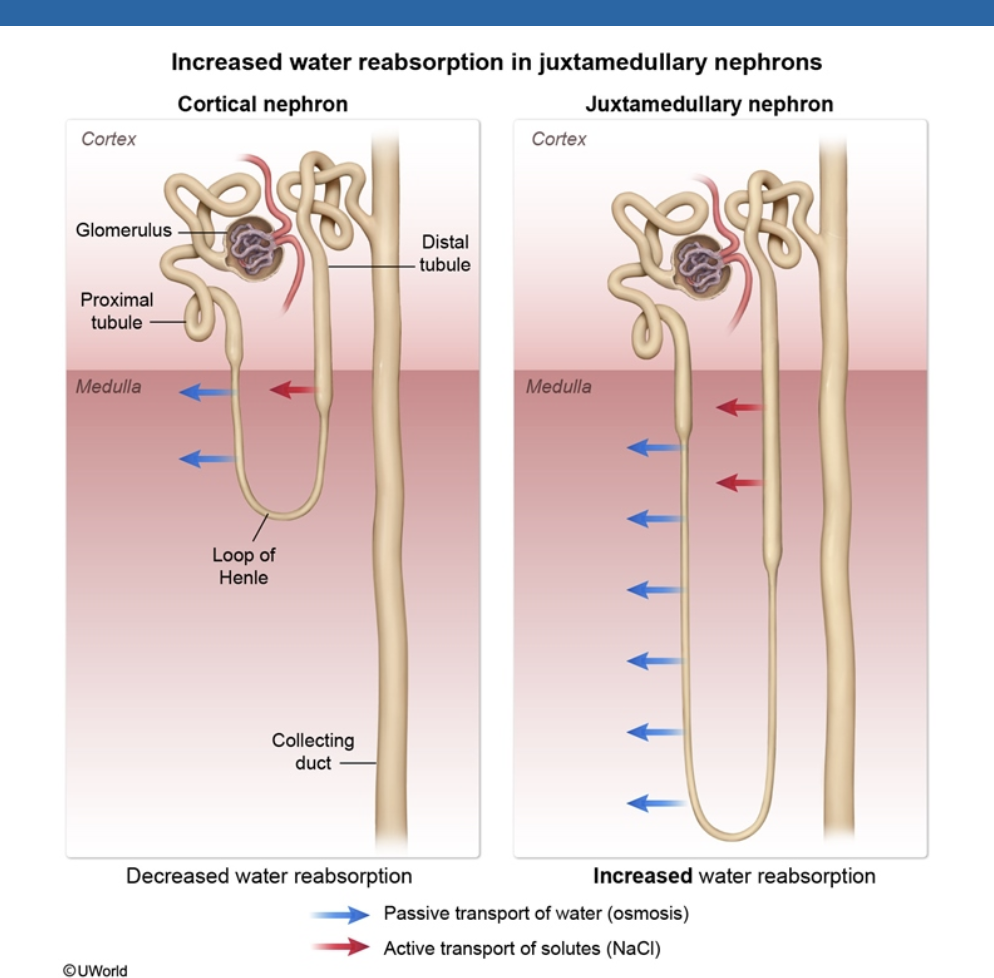
A. loops of henle that penetrate into hgiher region of medulla
B. collecting ducts composed of epithelial cells deficient in fuctional aquaporins
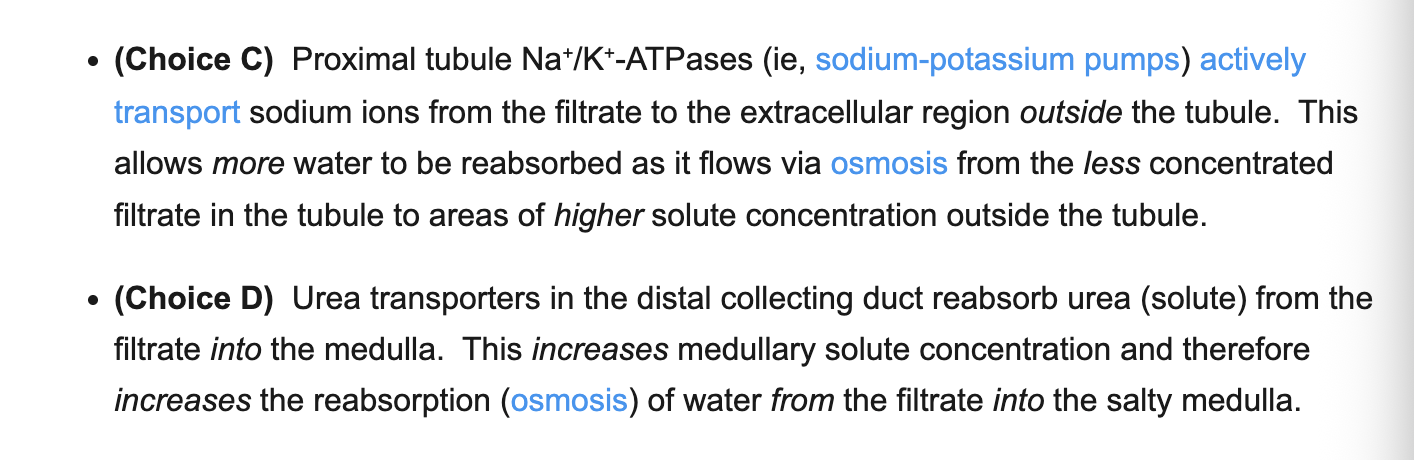
C. large numbers of Na+/K+ ATPases in the cells of proximal tubules
D. highly active transporter in the distal portions of the collecting ducts
Answer B
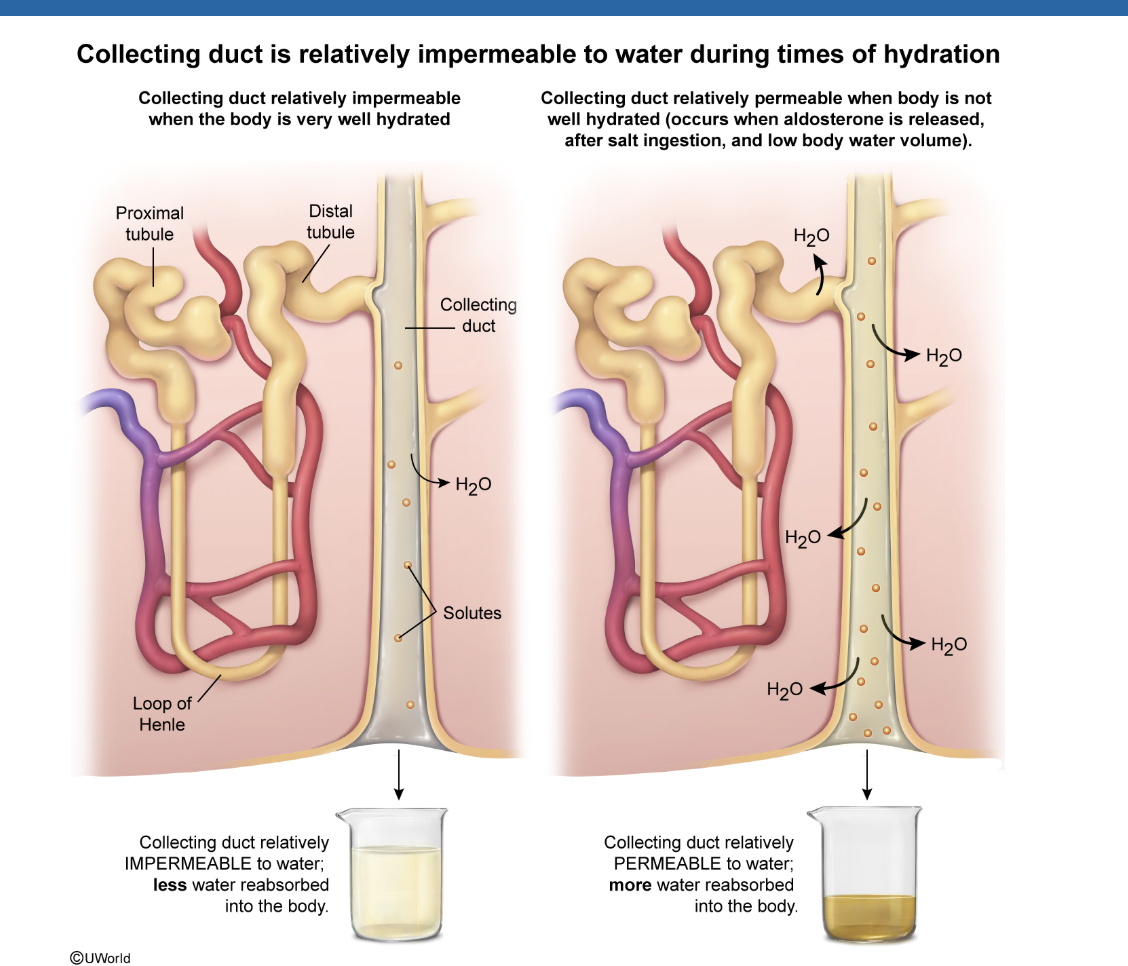
Collecting duct reabsorb water into the body via antidiuretics which increases insertion of aquaporins into the plasma membrane of the collecting duct epithelial cells. As a result it becomes mroe permeable to water, decreasing the volume of excreted urine and increasing its solute concentration (osmolarity)

The other options would increase water reabsorption into body, decreasing urine volume.

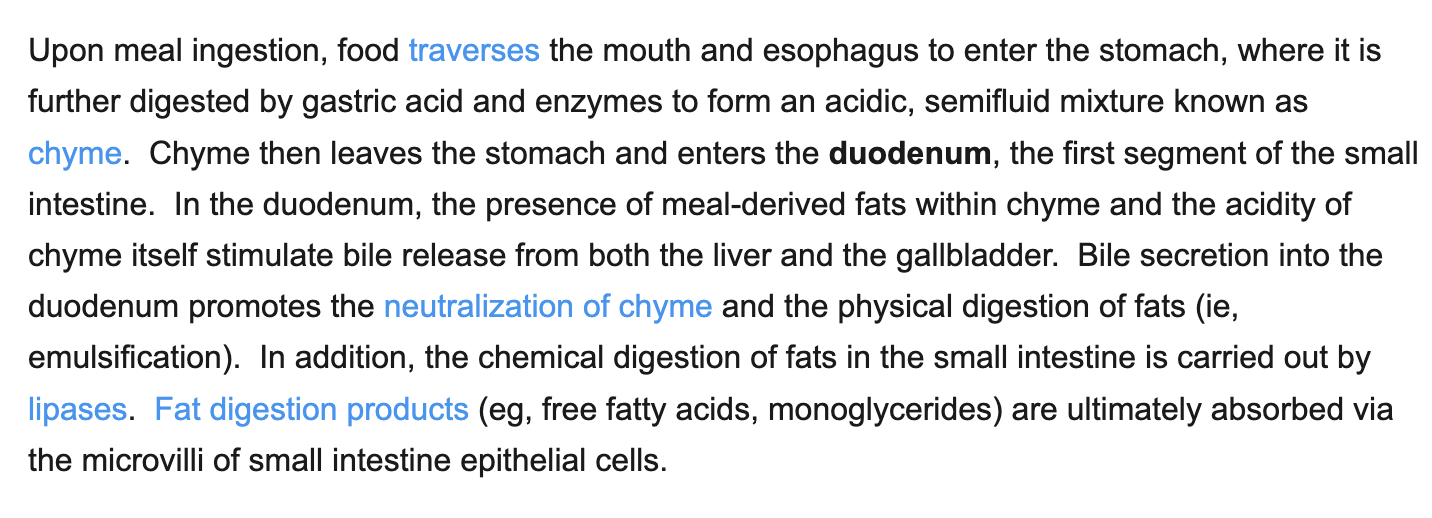
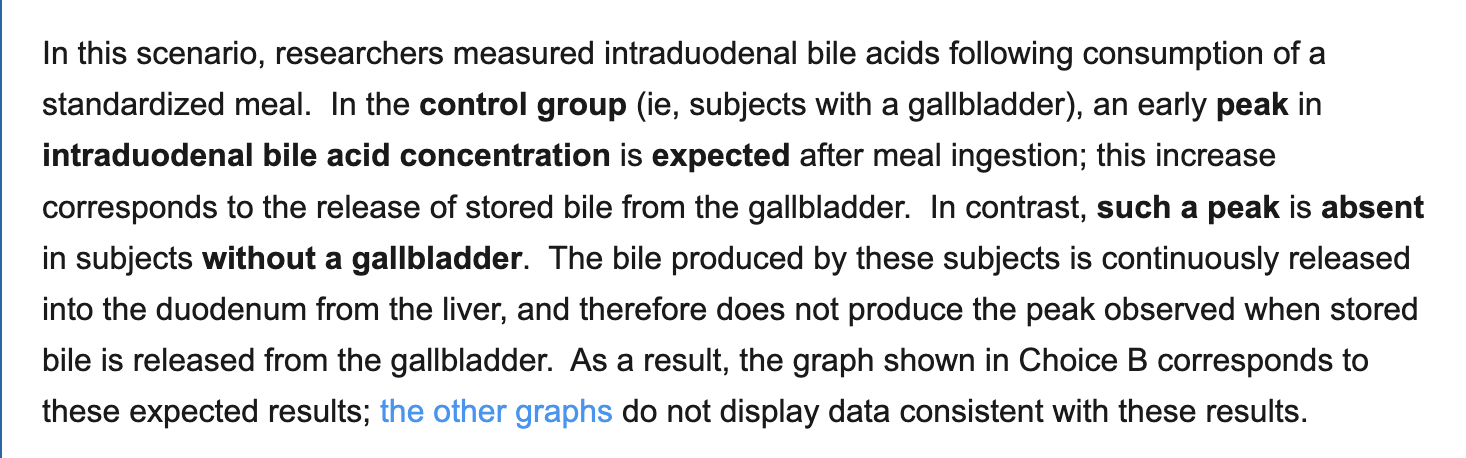
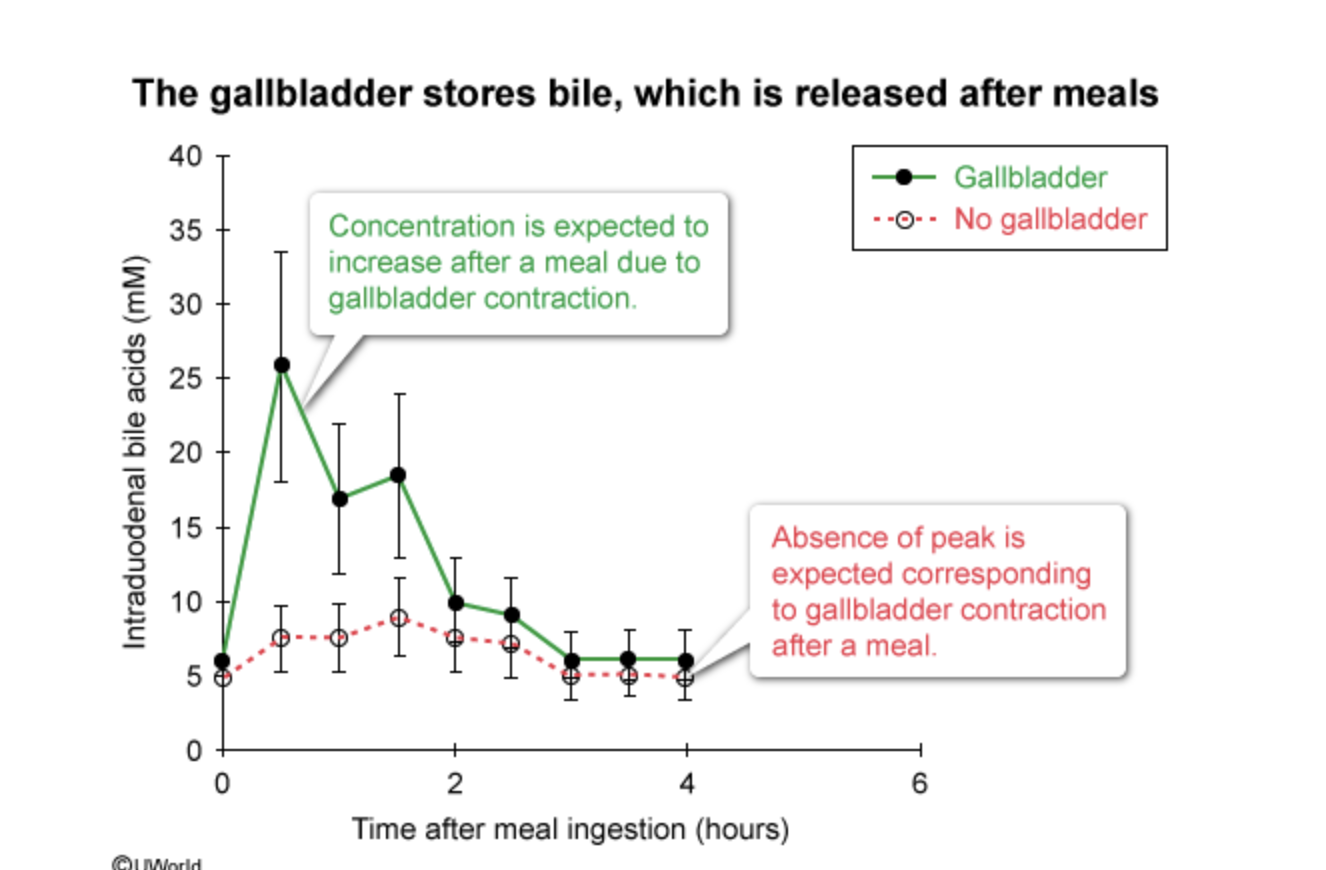
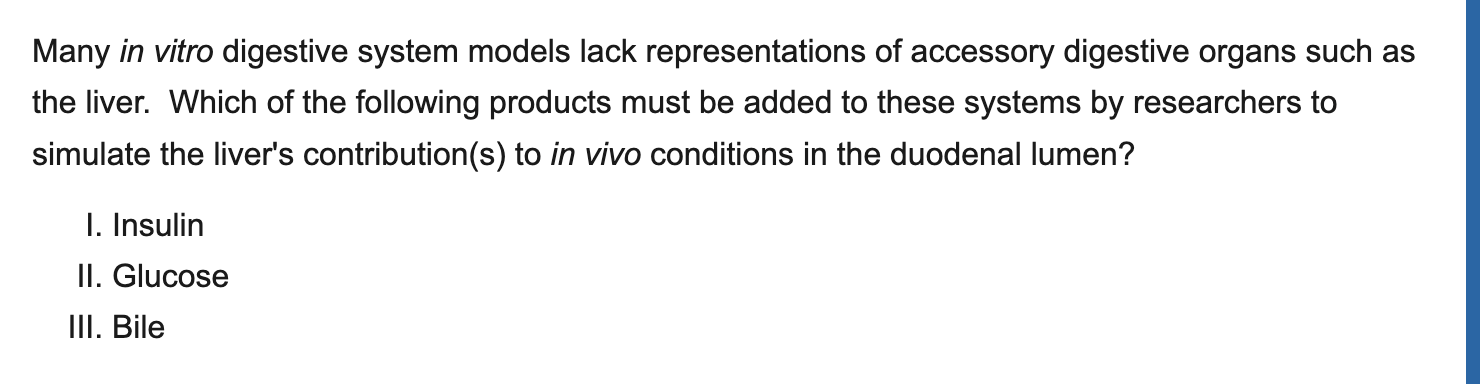
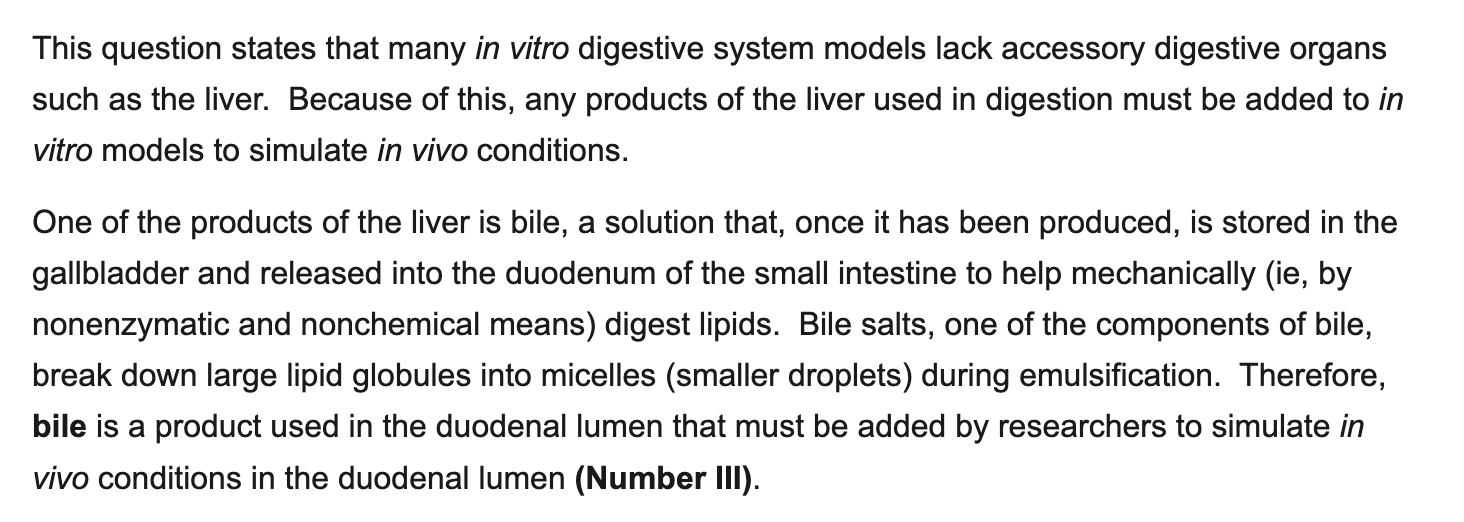
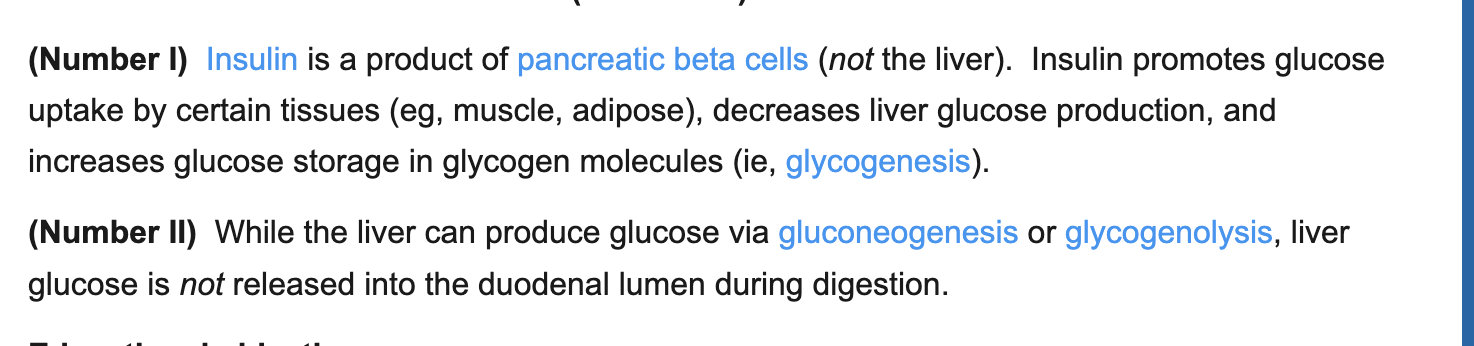
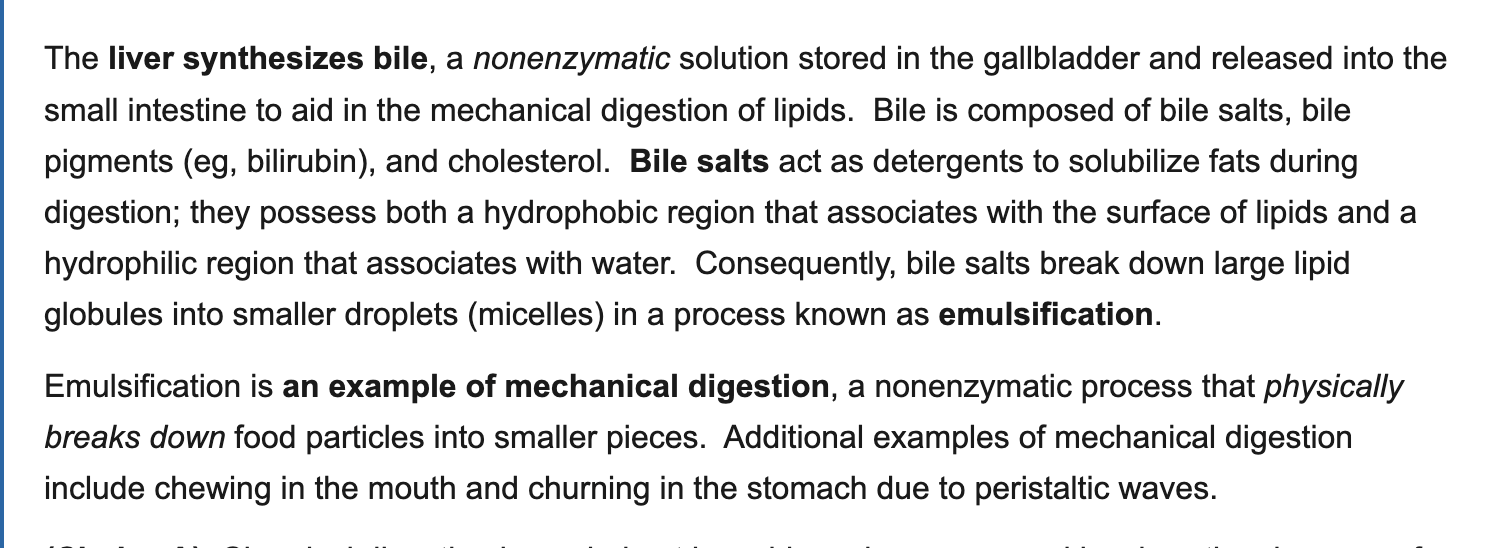
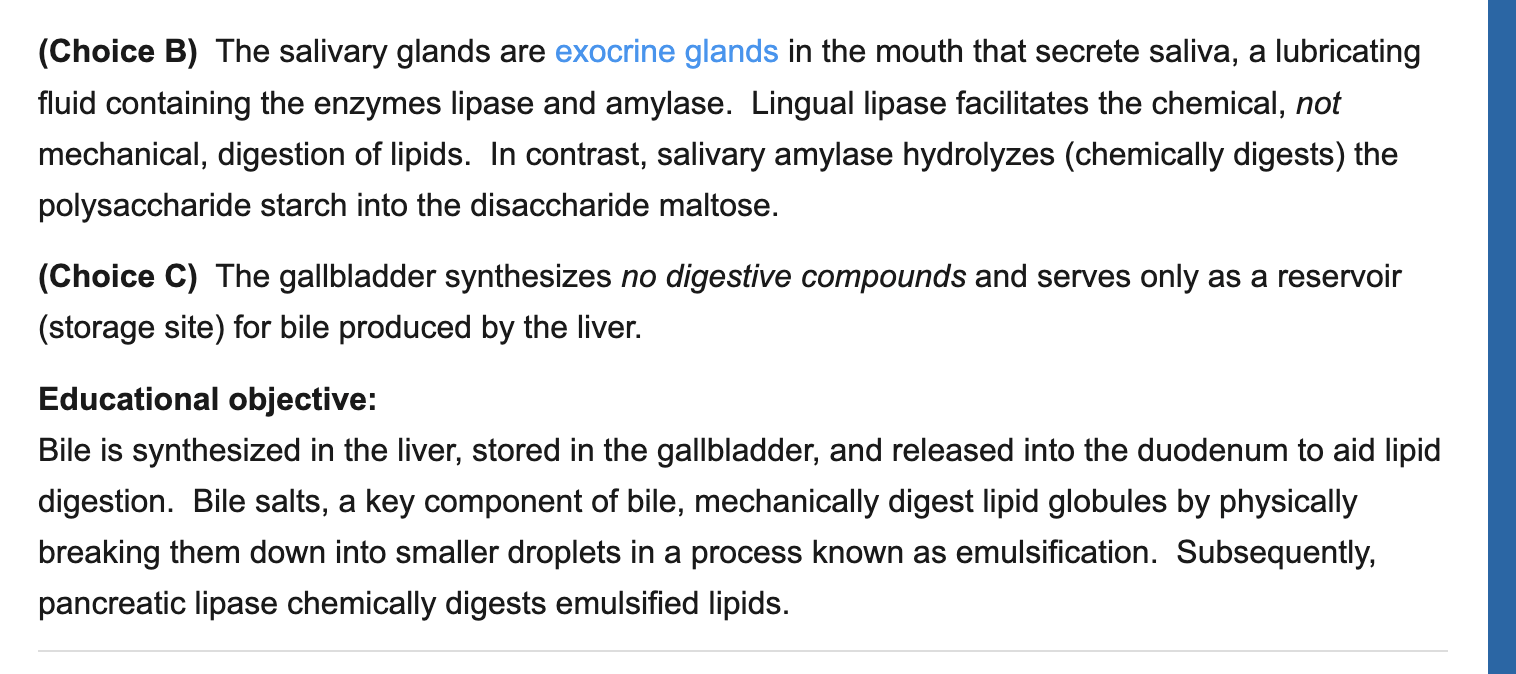
bile (alkaline fluid) does what? Produced and stored where?What does it contain?
facilitates fat digestion ; made in liver, stored in gallbladder; Bile contains bile acids, cholesterol, bile pigments, etc.
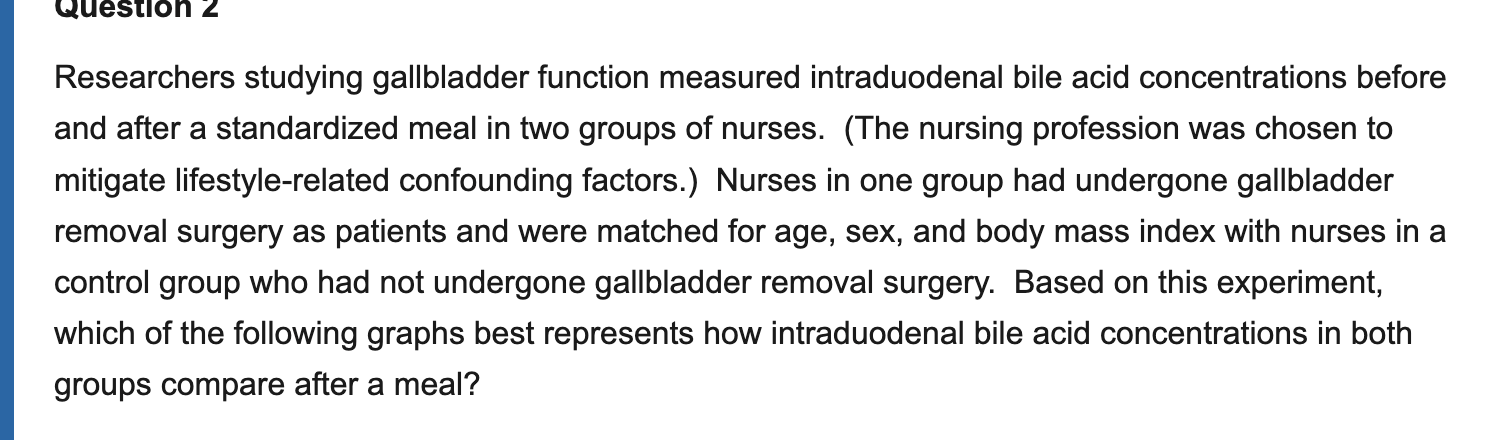
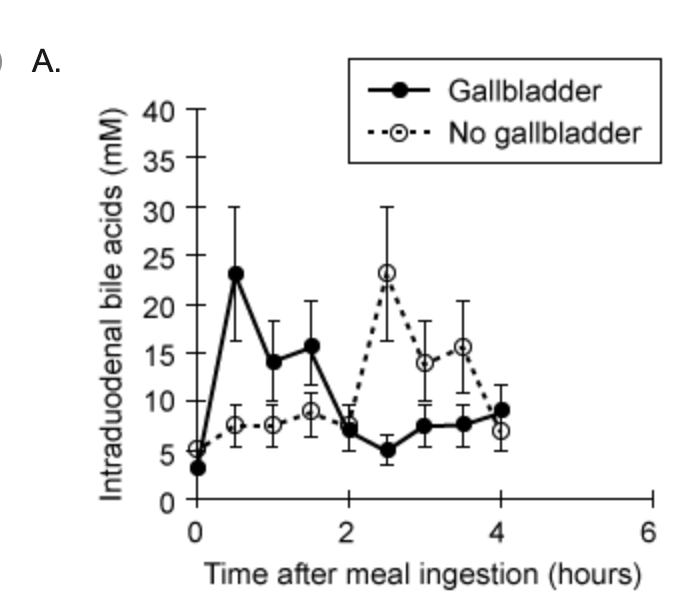
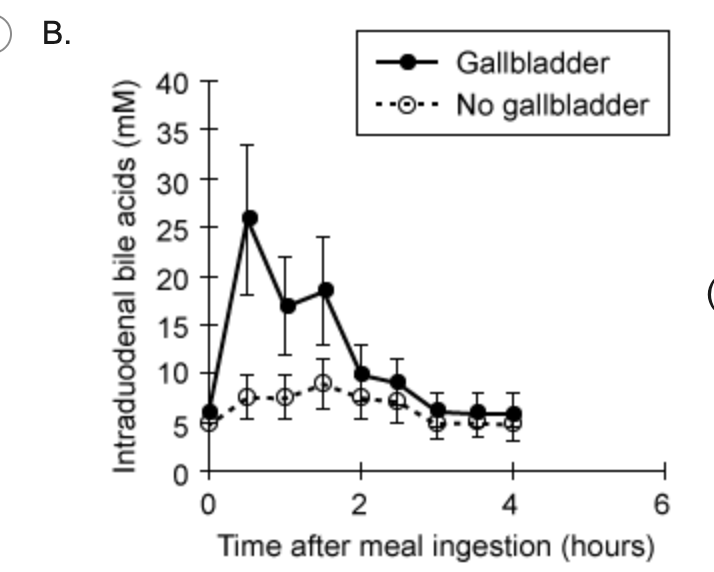
Answer B


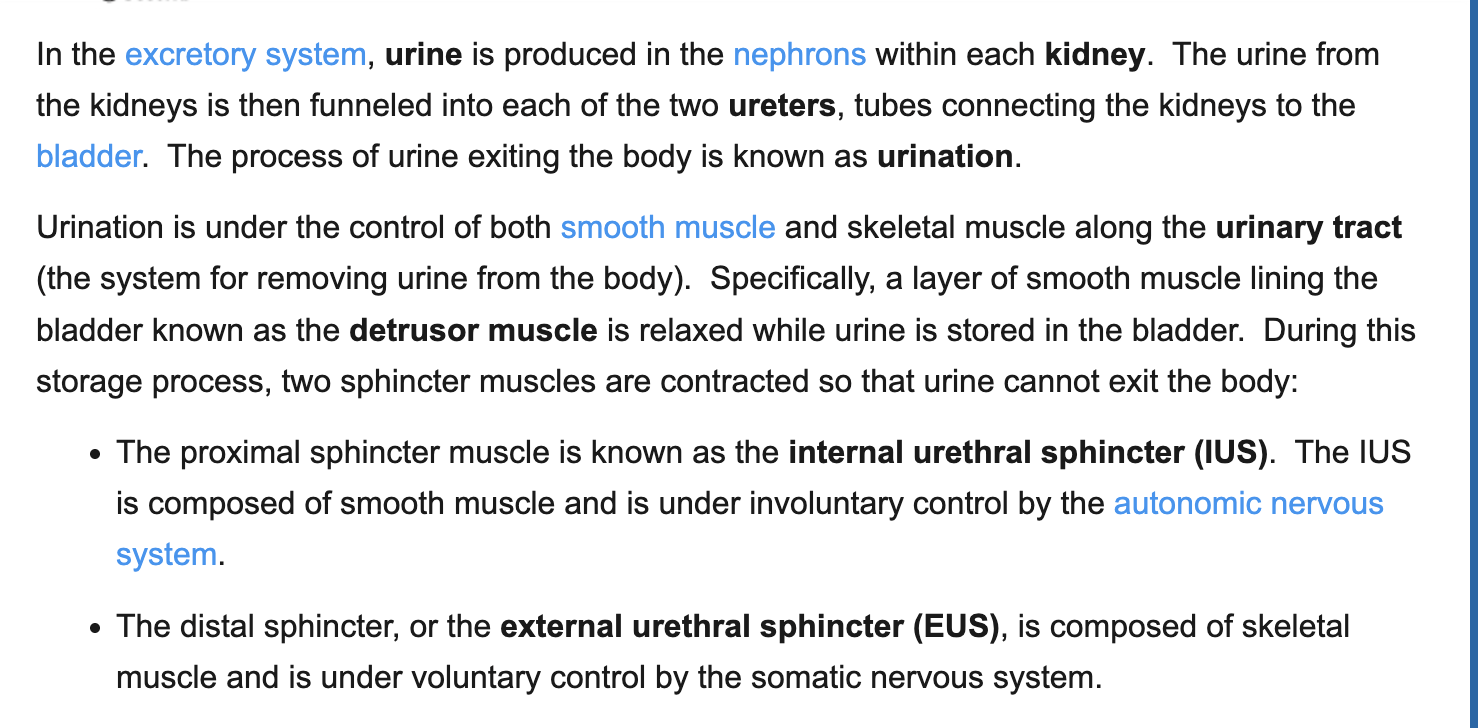
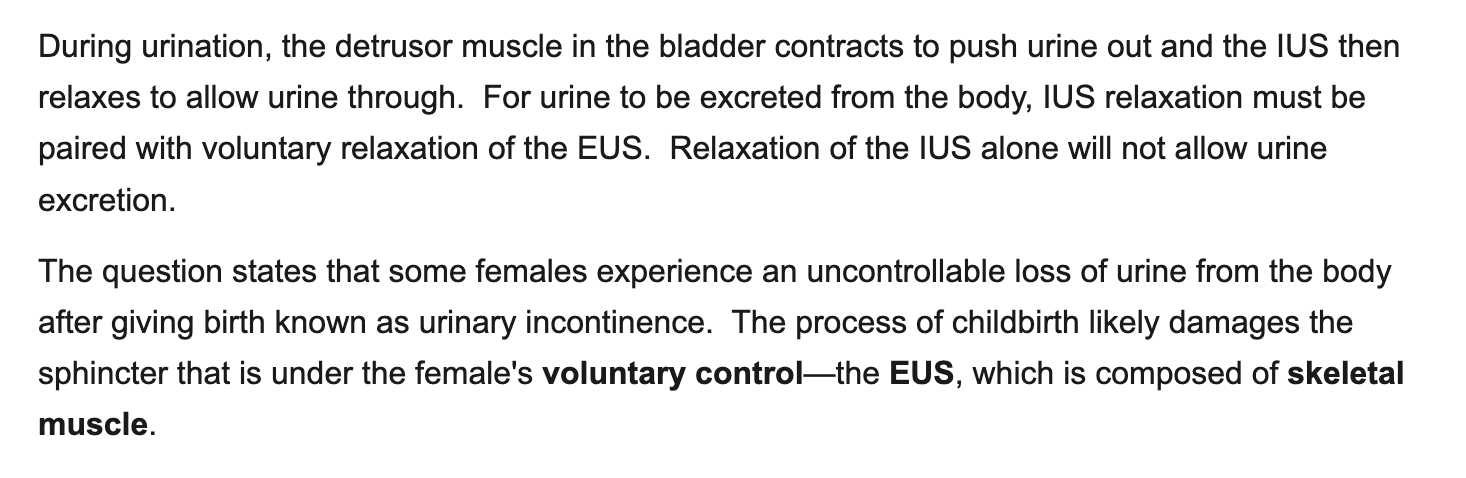
(skeletal or smooth) muscle of the (external or internal) sphincter?
skeletal muscle of the external urethral sphincter
3 only

large intestine anatomy order
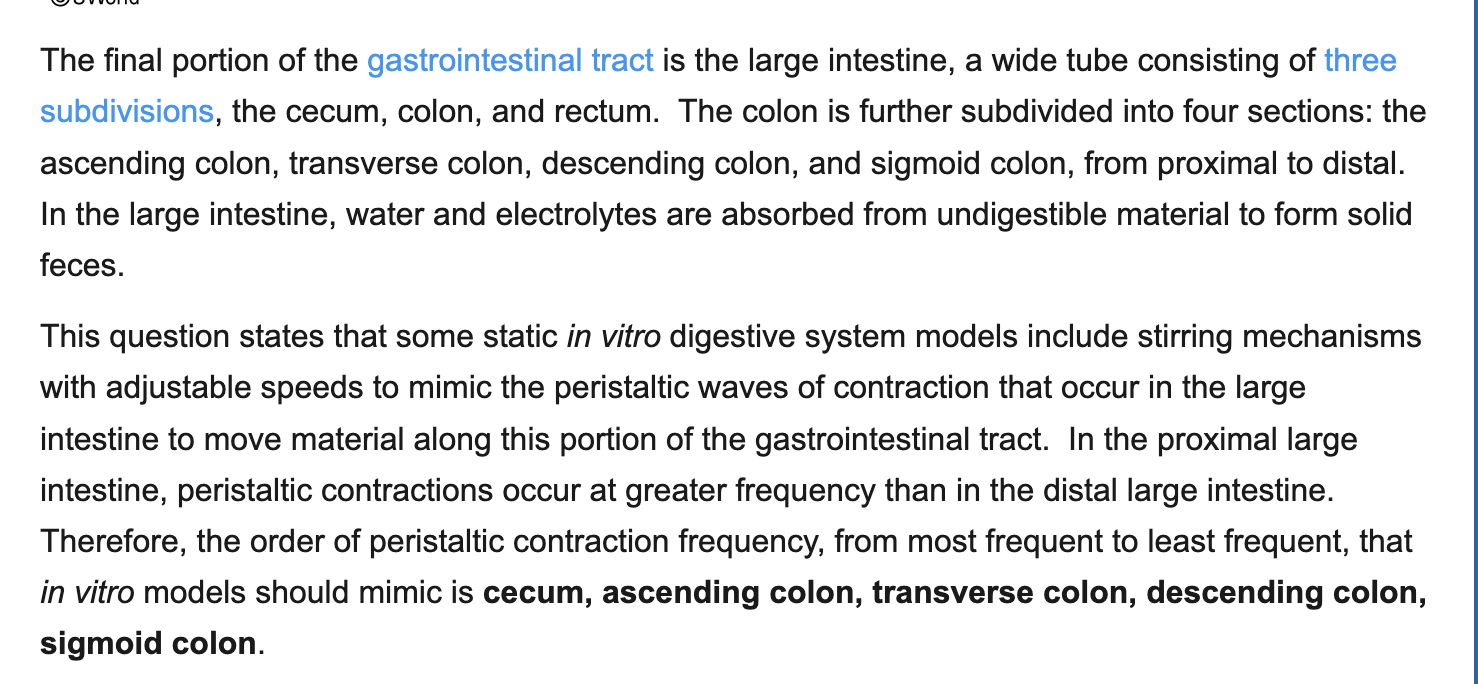
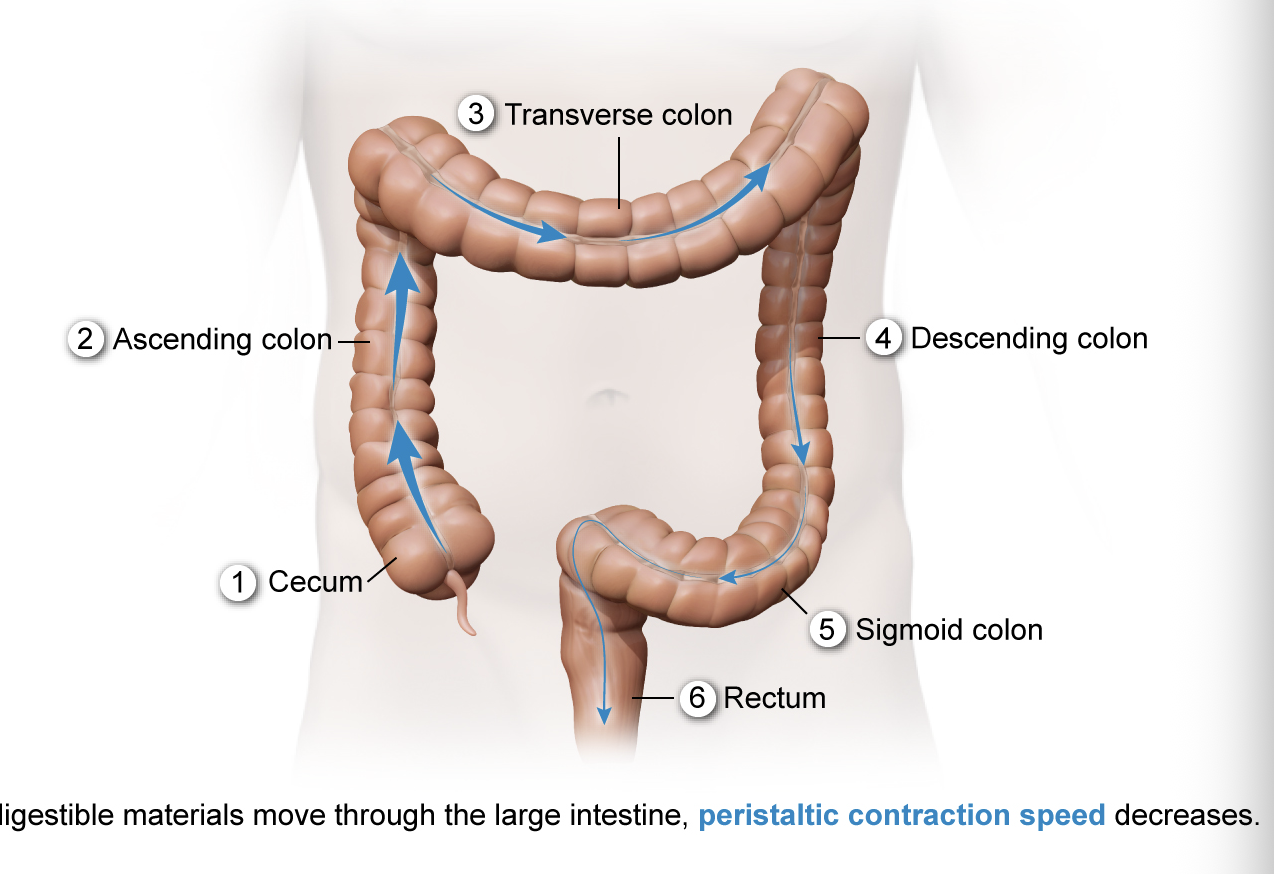


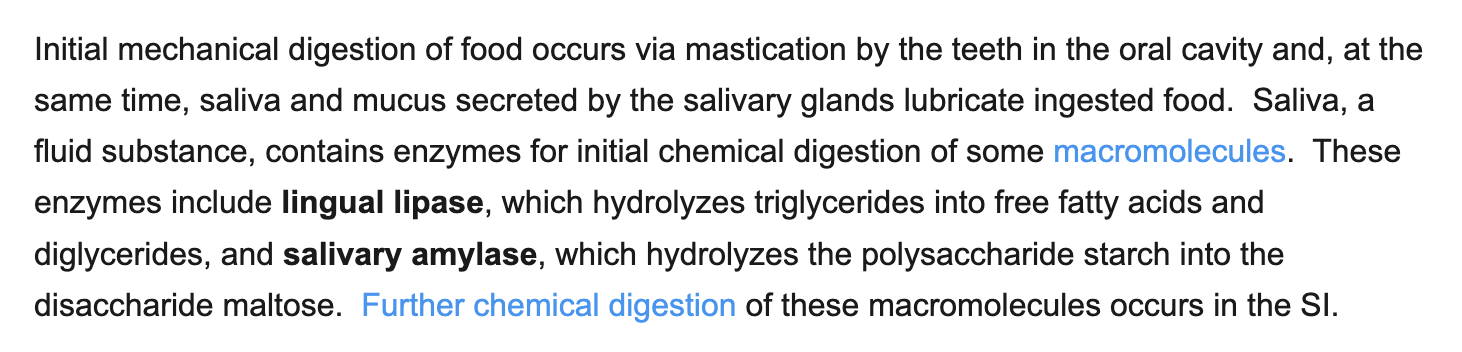
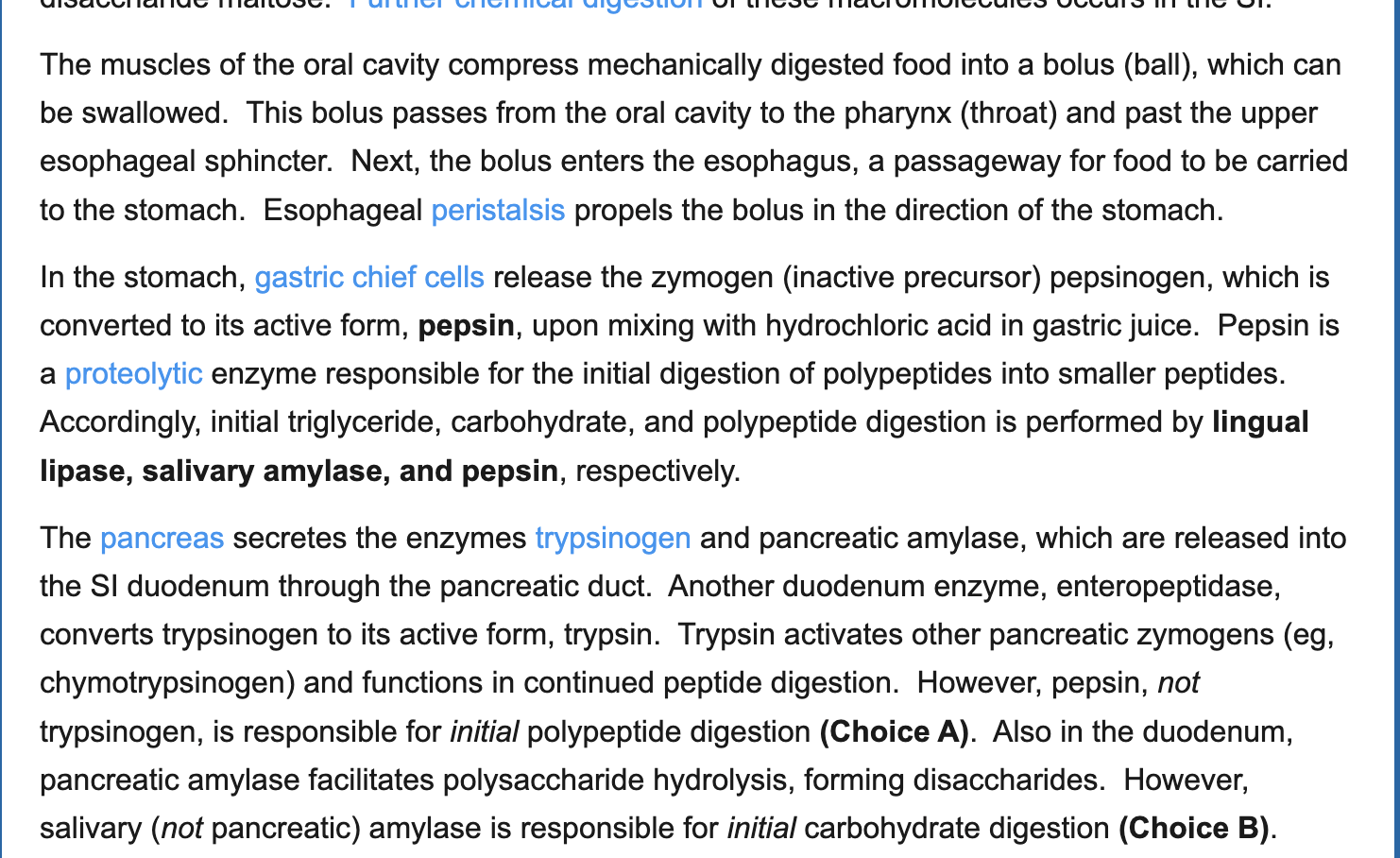
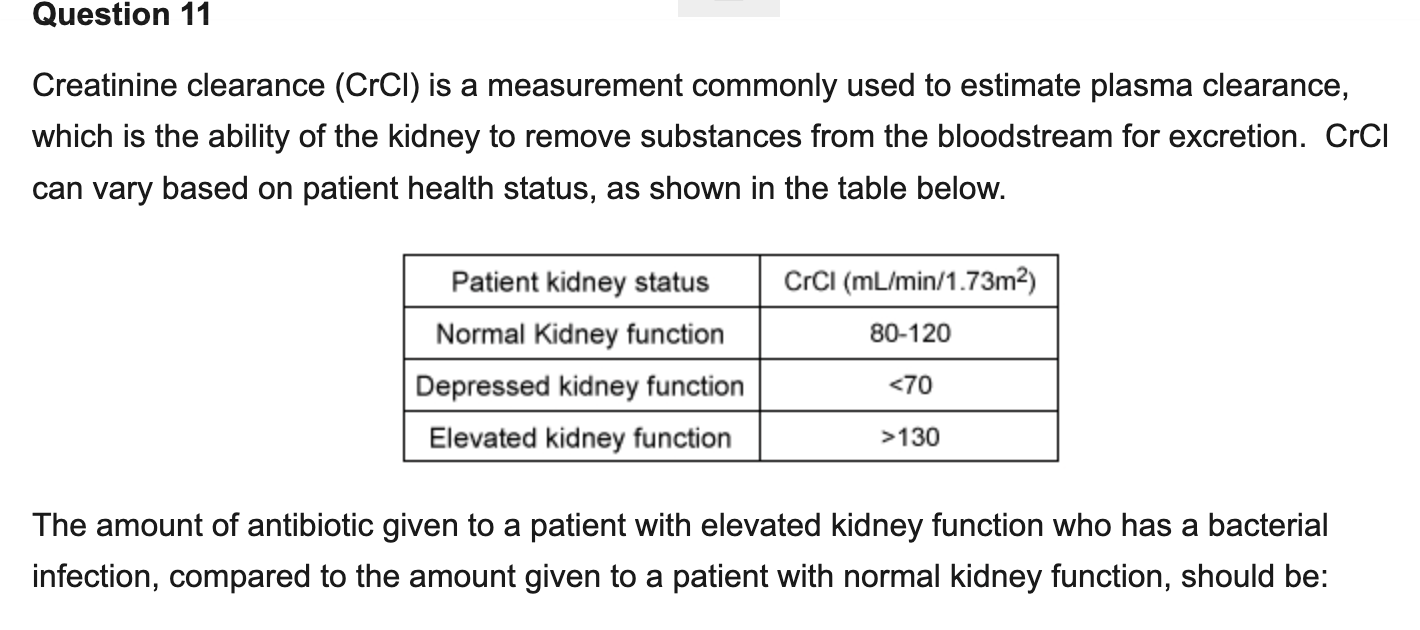
increase, decreased, same, increased but antibiotic will ahve a (greater, weaker, or same) effect
increased (but antibiotic will have the SAME effect)
CrCl clears (remove substances for excretion) antibiotics. In elevated kidney function, you’ll need increased amount of antibiotics to have the same effects as given normal amount for normal kidney function. It won’t have a greater effect because elevated kidney function has greater creatine clearance, making the anitbiotic less effective at lower concentrations.
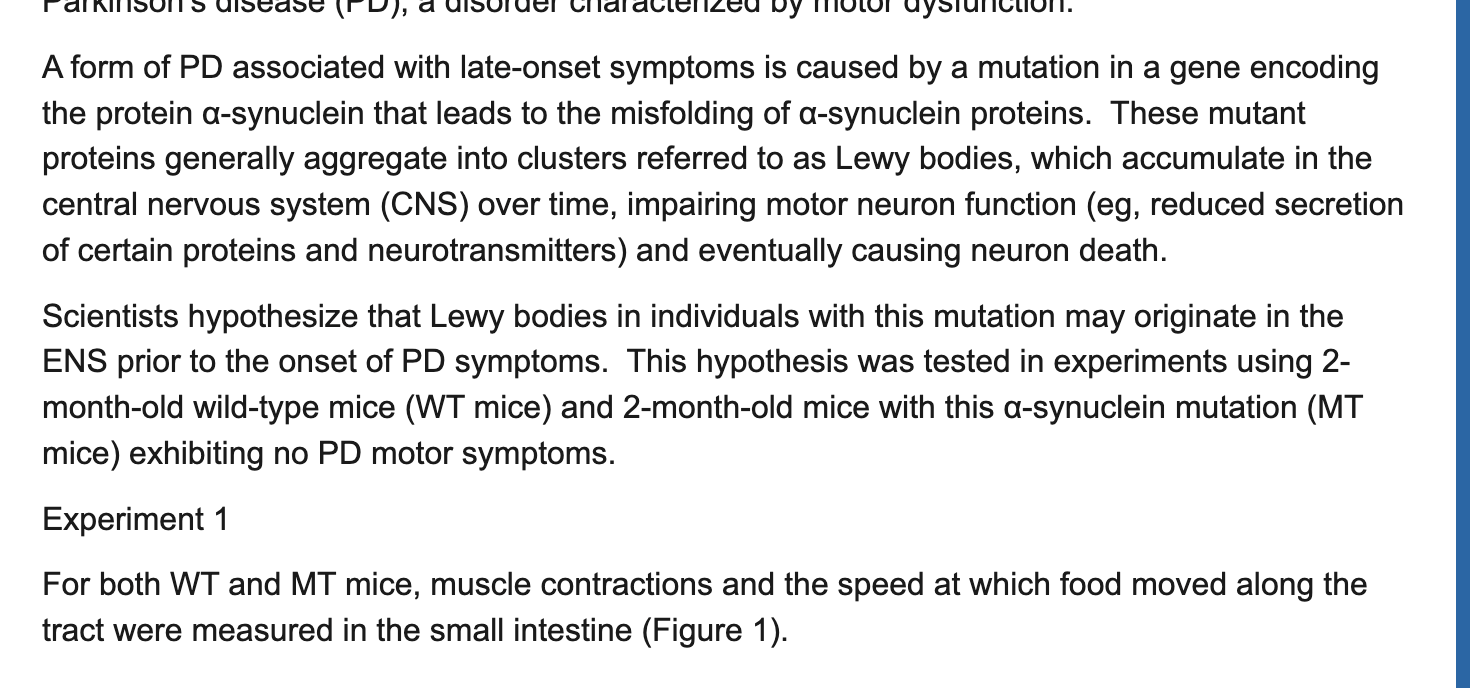
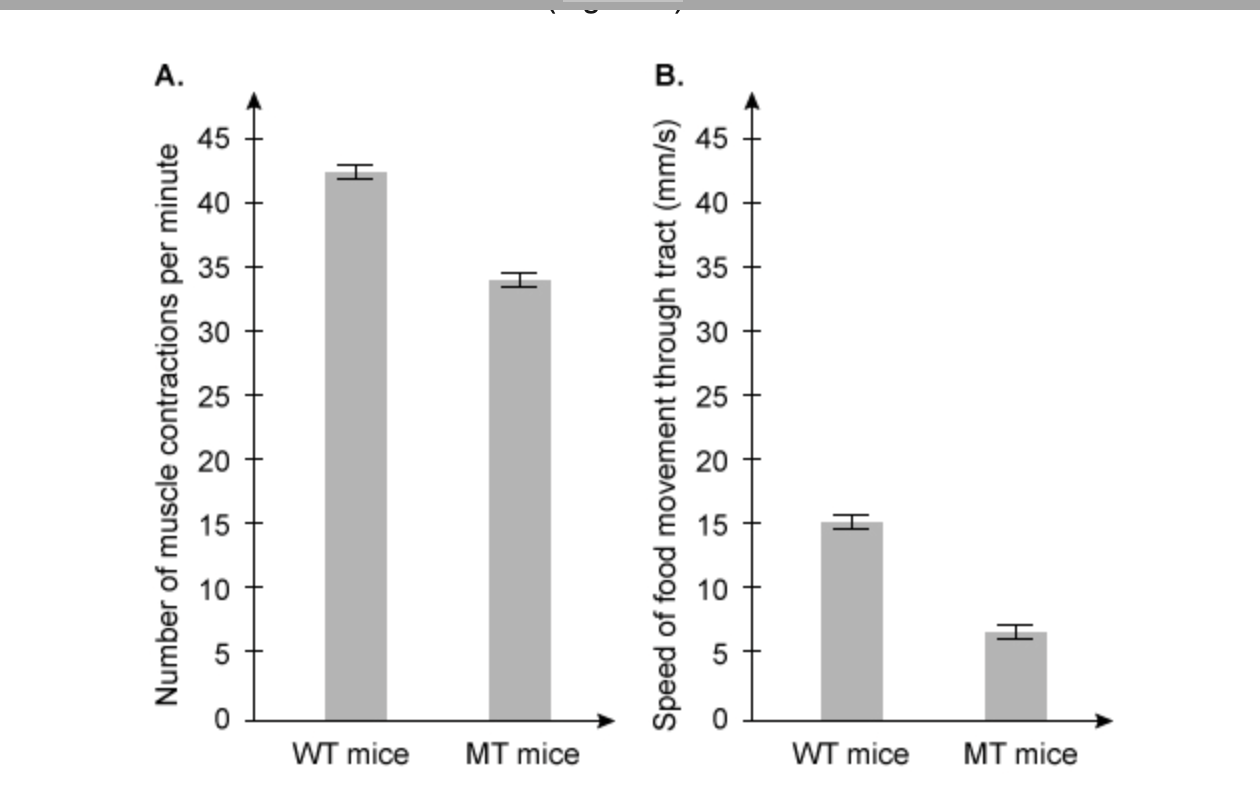

Whats being show in fig 1?
MT mice exhibited decreased rates of sarcomere contractions in msucle surround small intestine
or
MT mice exhibited reduced coordination of nonstriated muscle contractions in the small intestine tract lining
MT mice exhibited reduced coordination of nonstriated muscle contractions in the small intestine tract lining
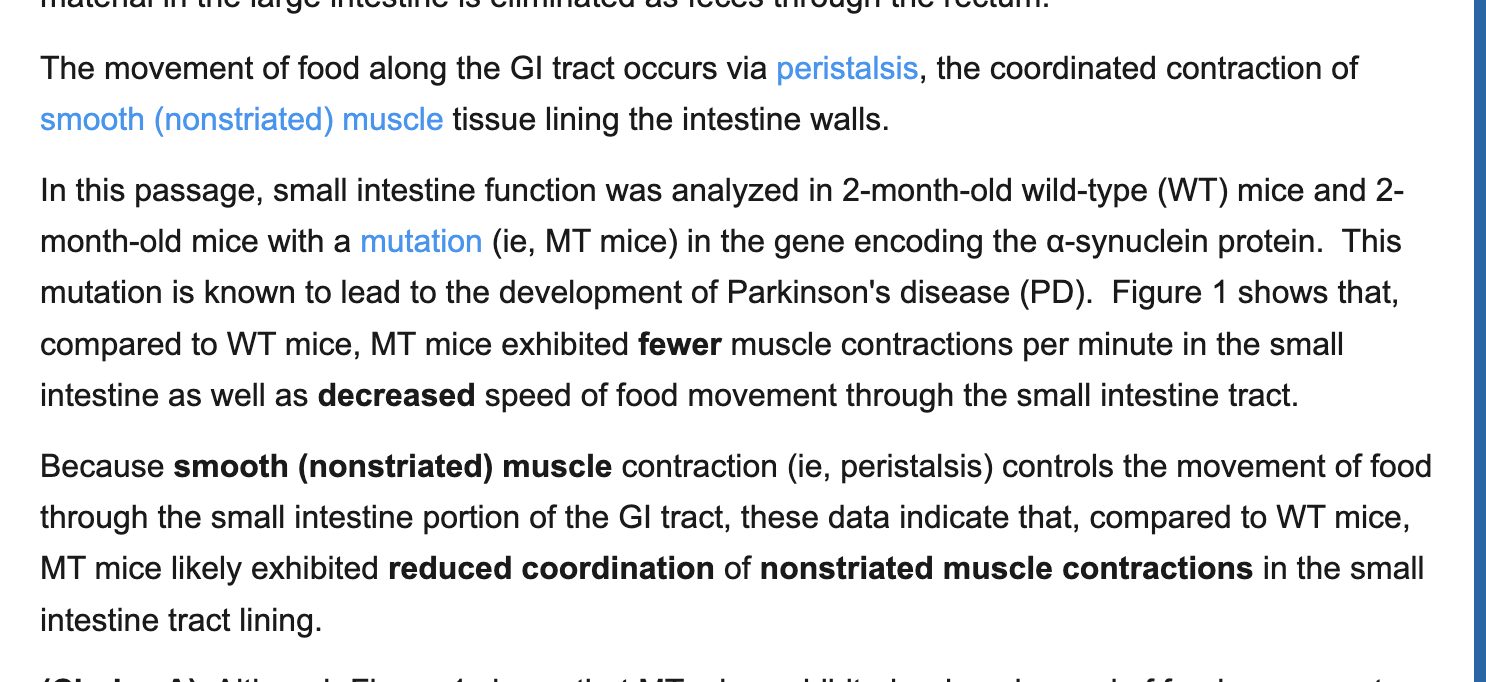

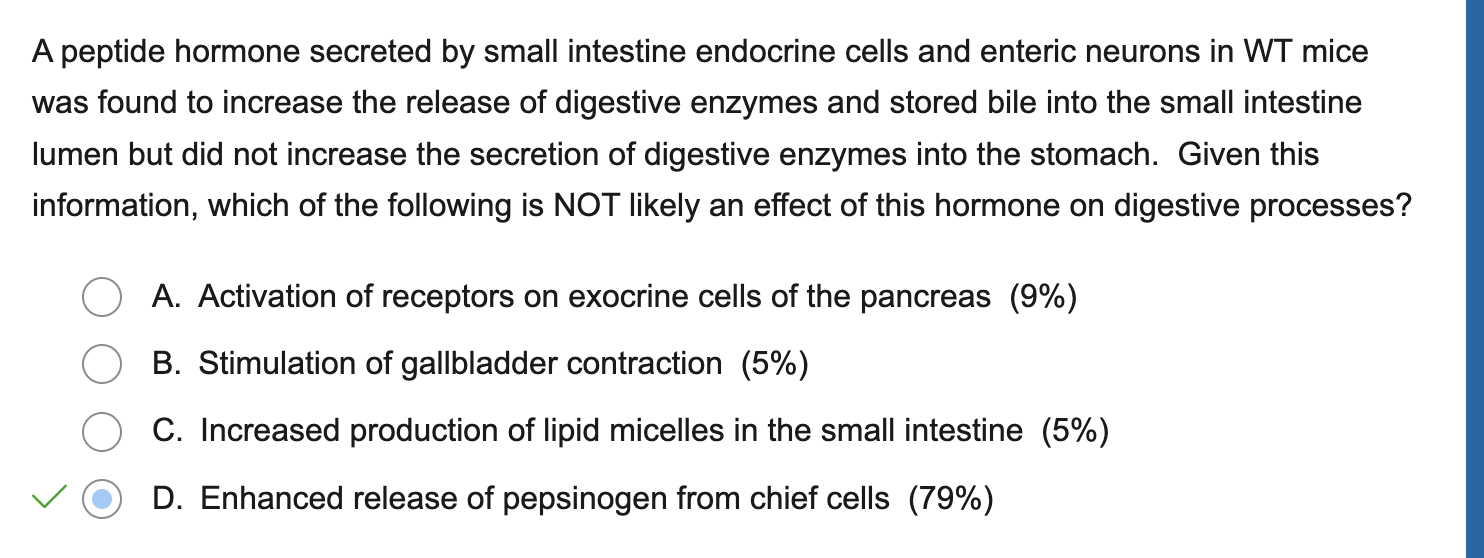
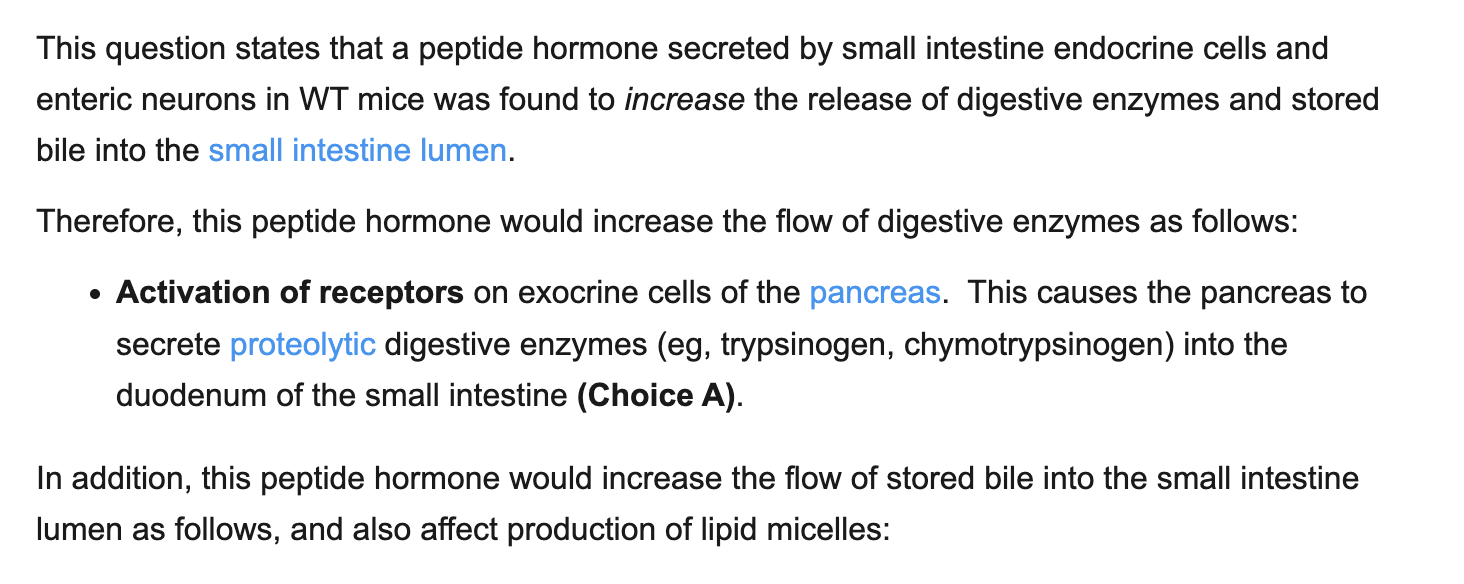
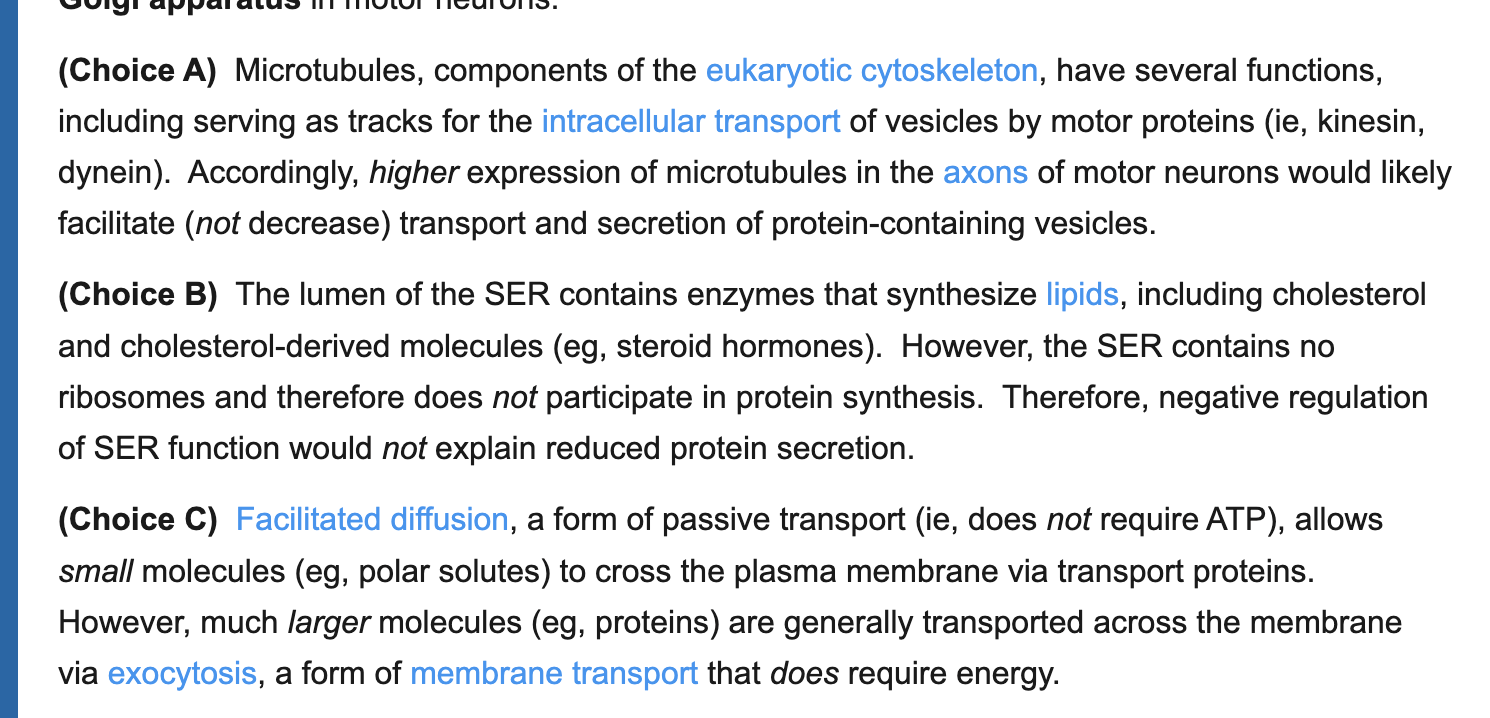

reduced or increased resulting in (an increase or decreased solid waste excretion) or (increase of decreased quanitity of reabsorbed water from the feces)
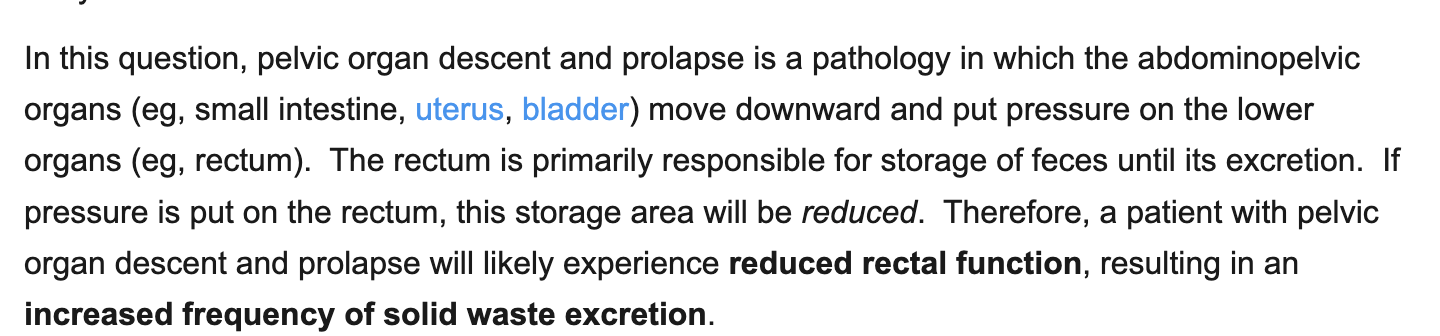
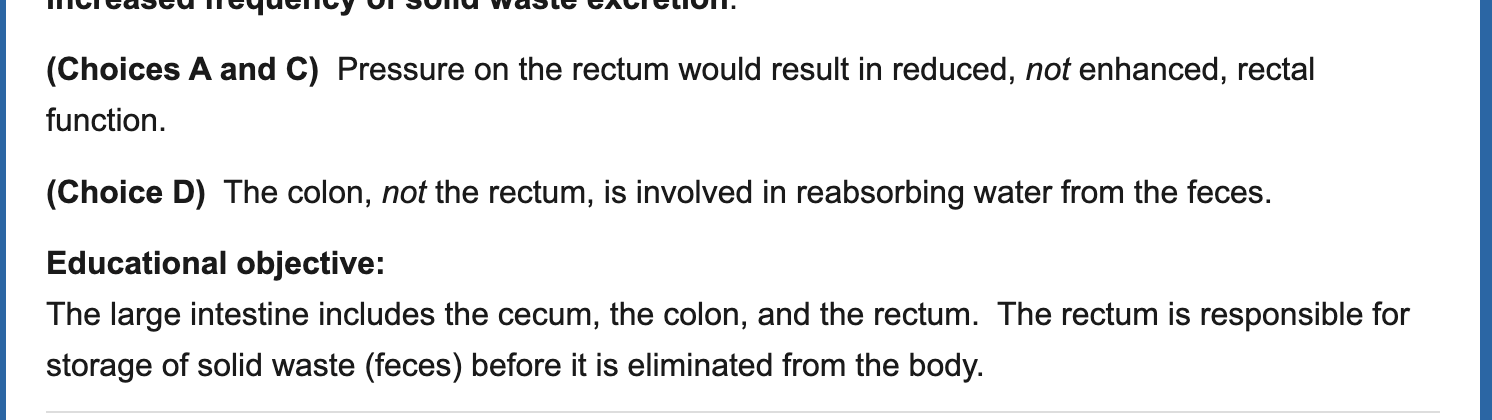

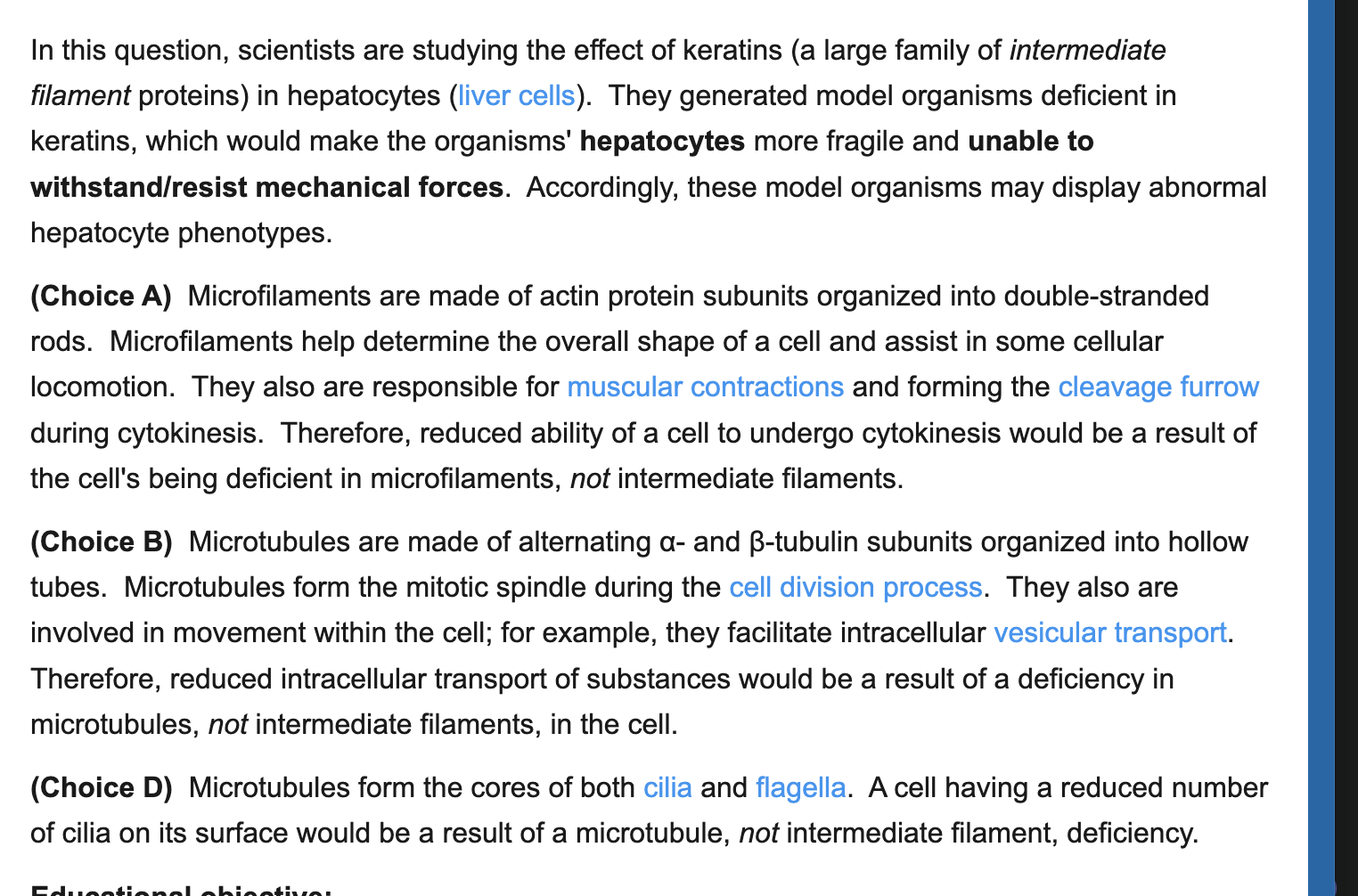
ability of cells to udnergo cytokinesis
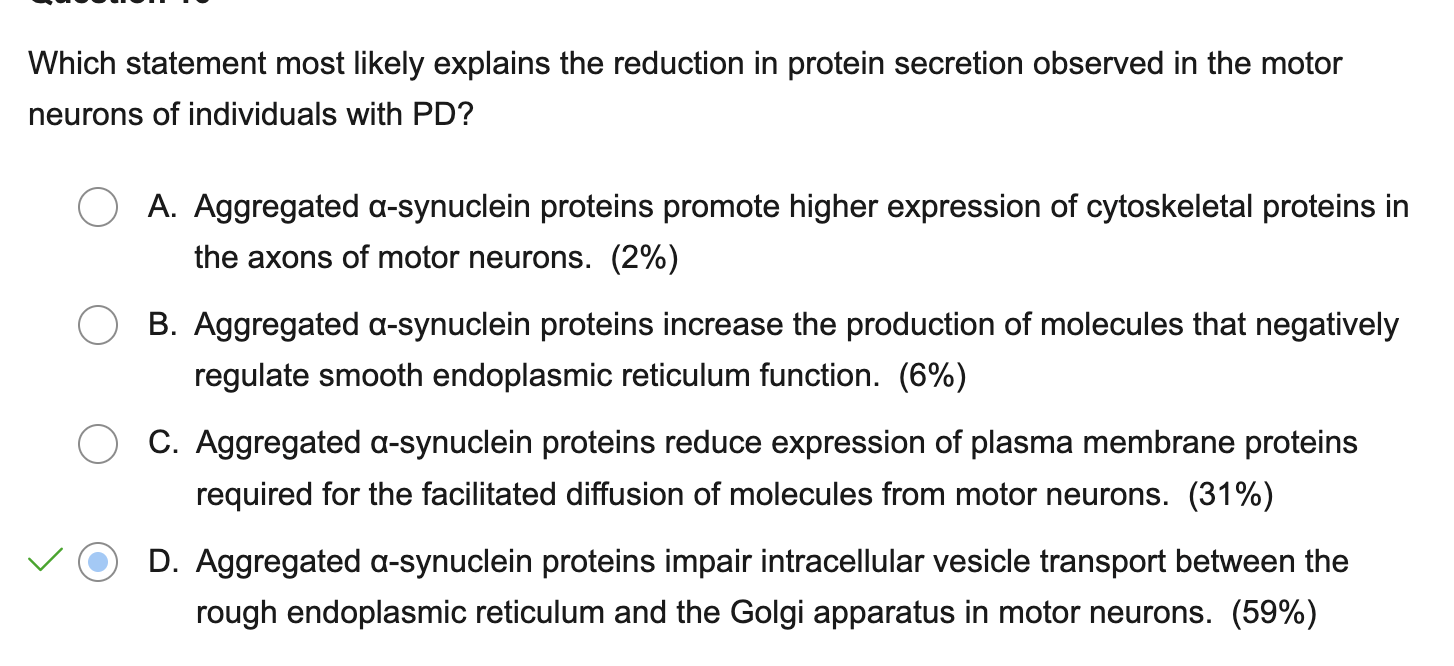
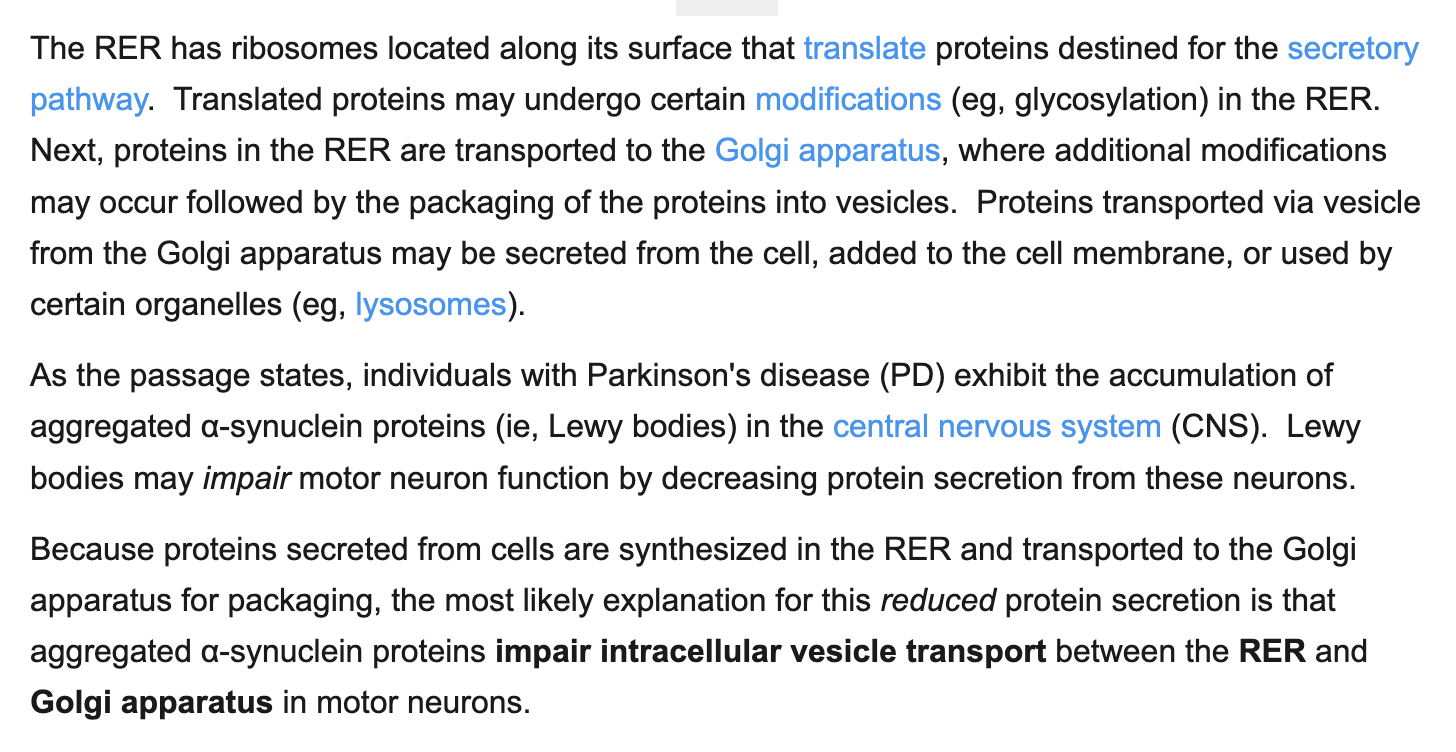
intracellular transport of substances
Capcity fo cells to resist mechanical forces
number of cilia on cell suface
answer Capcity fo cells to resist mechanical forces


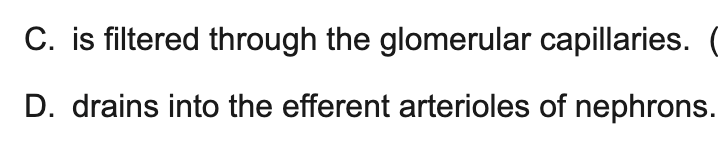
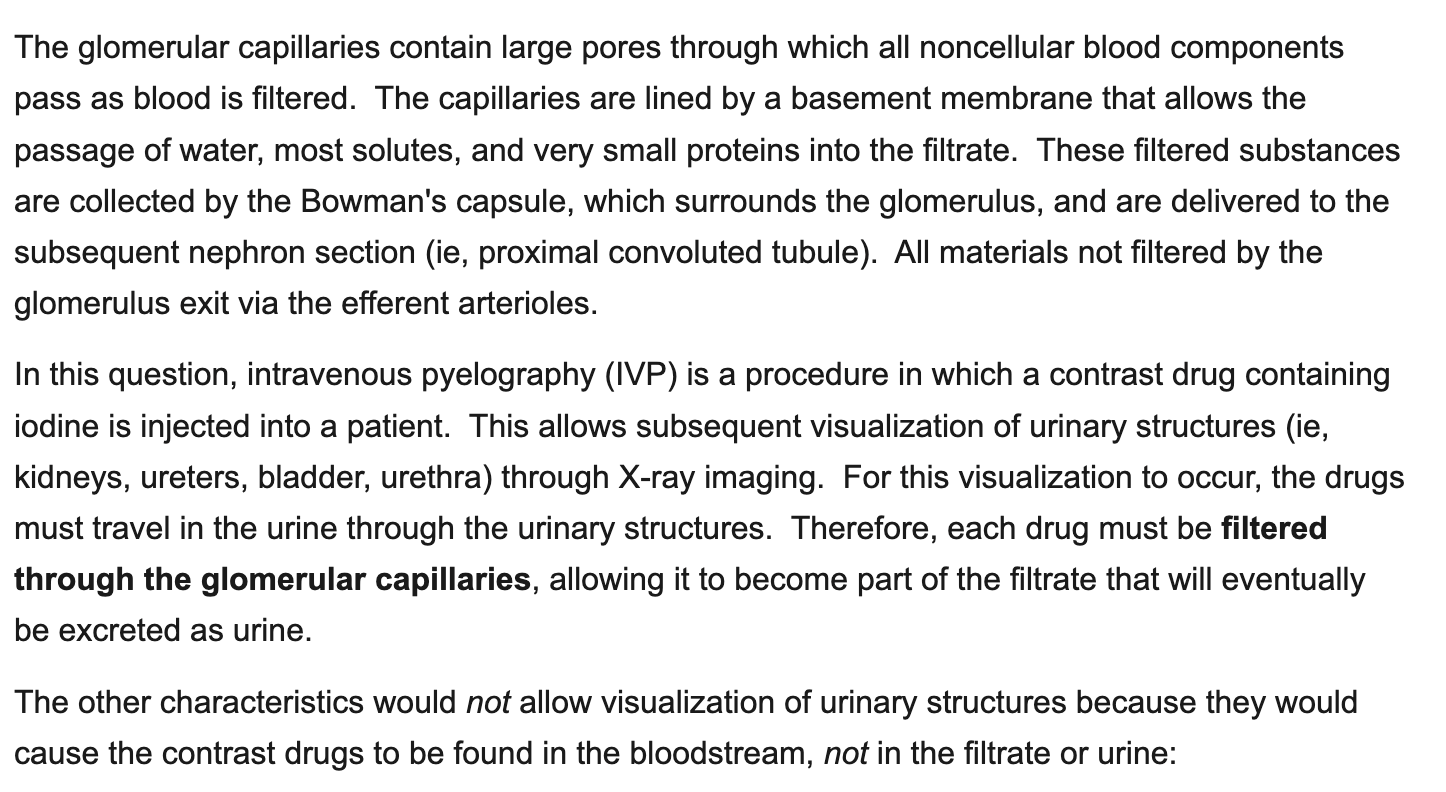
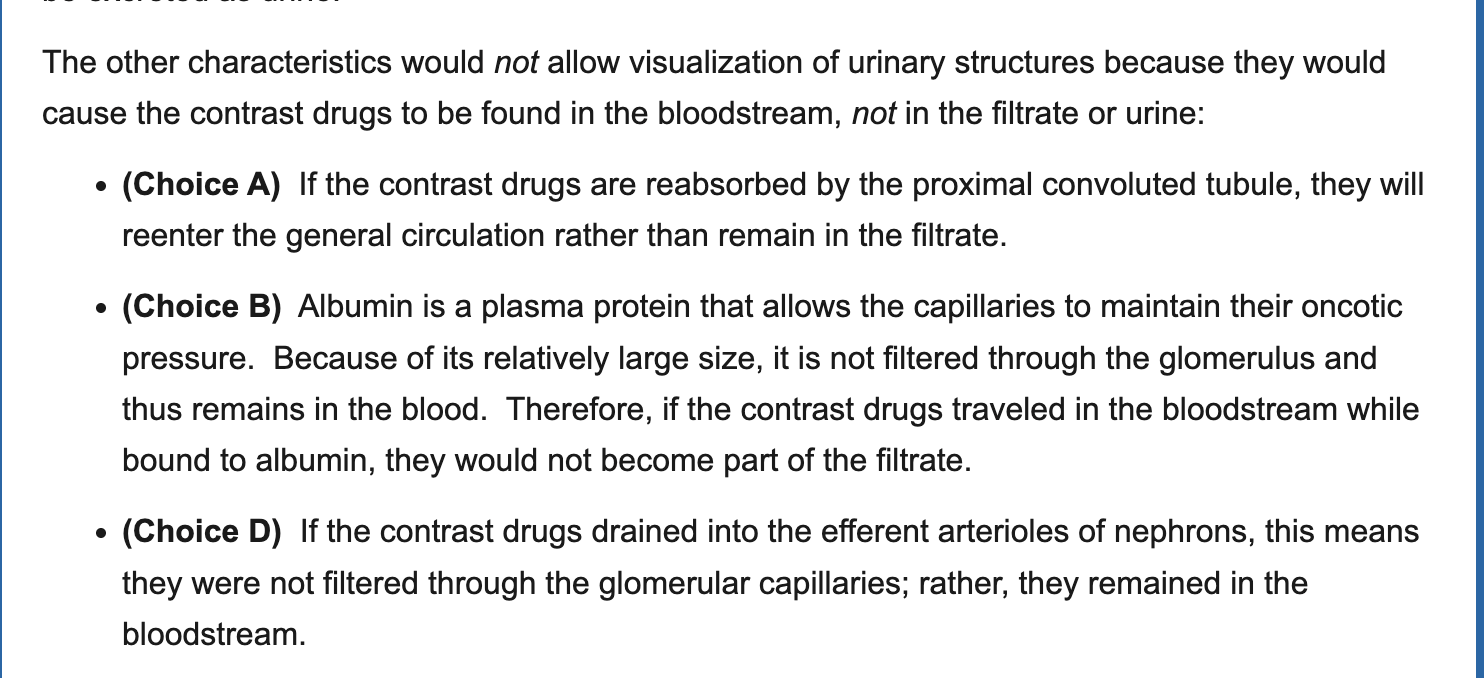
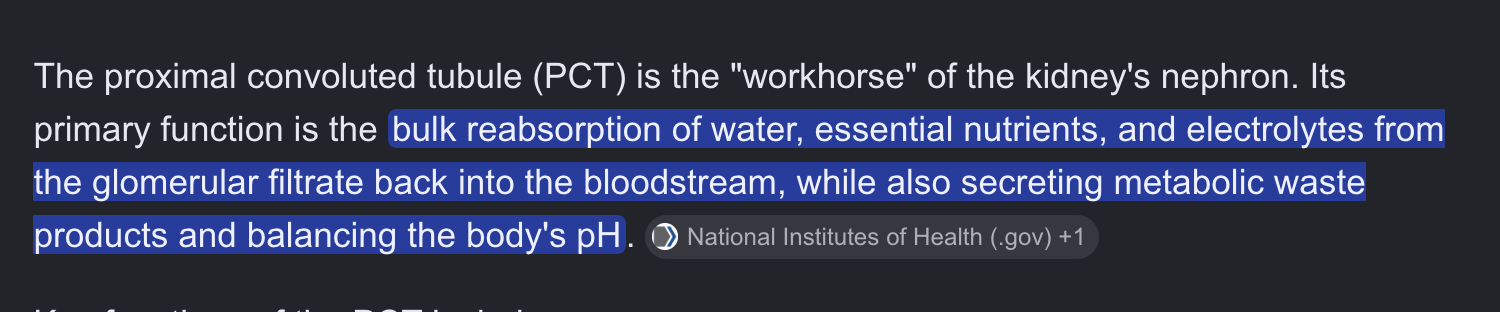
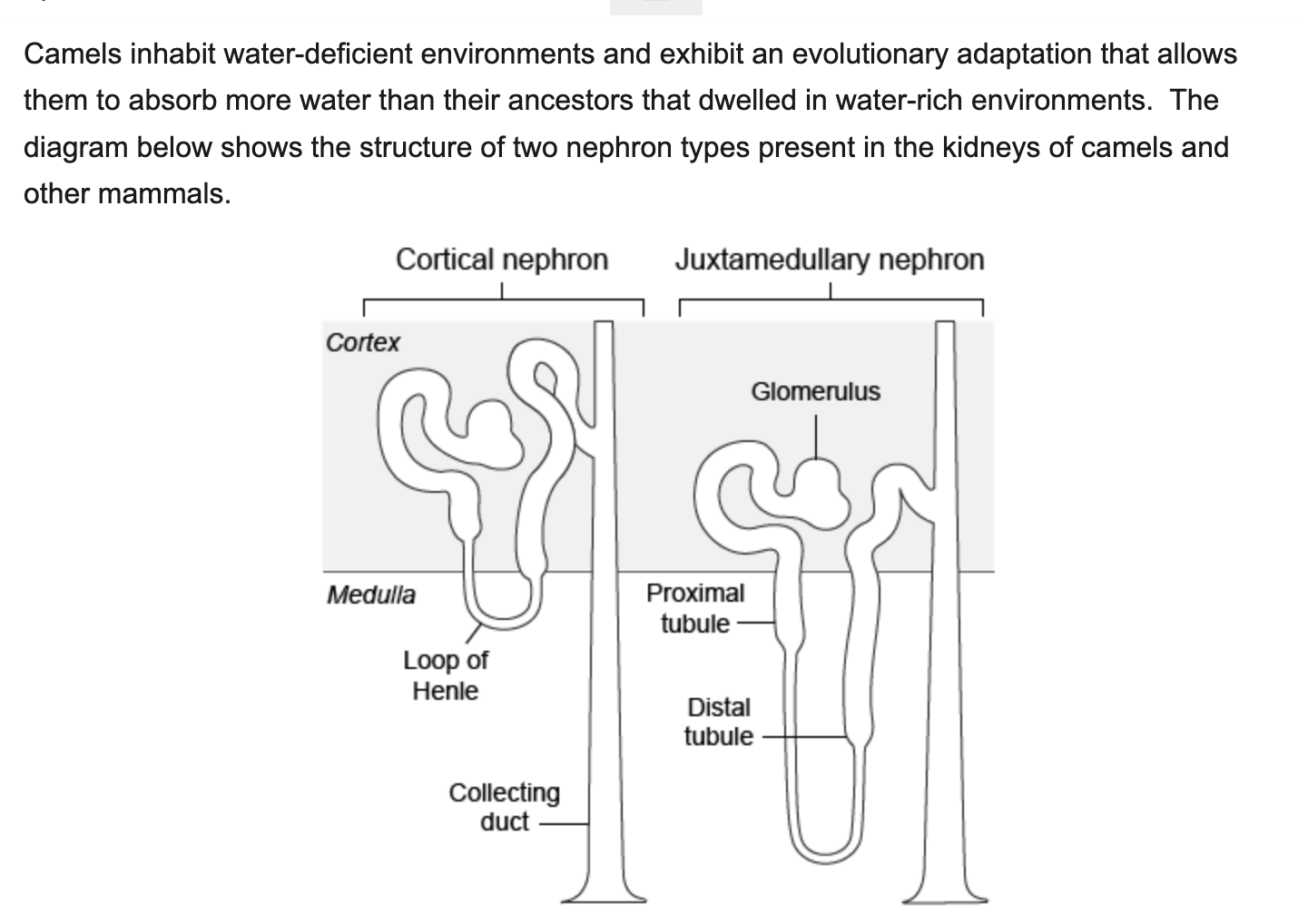

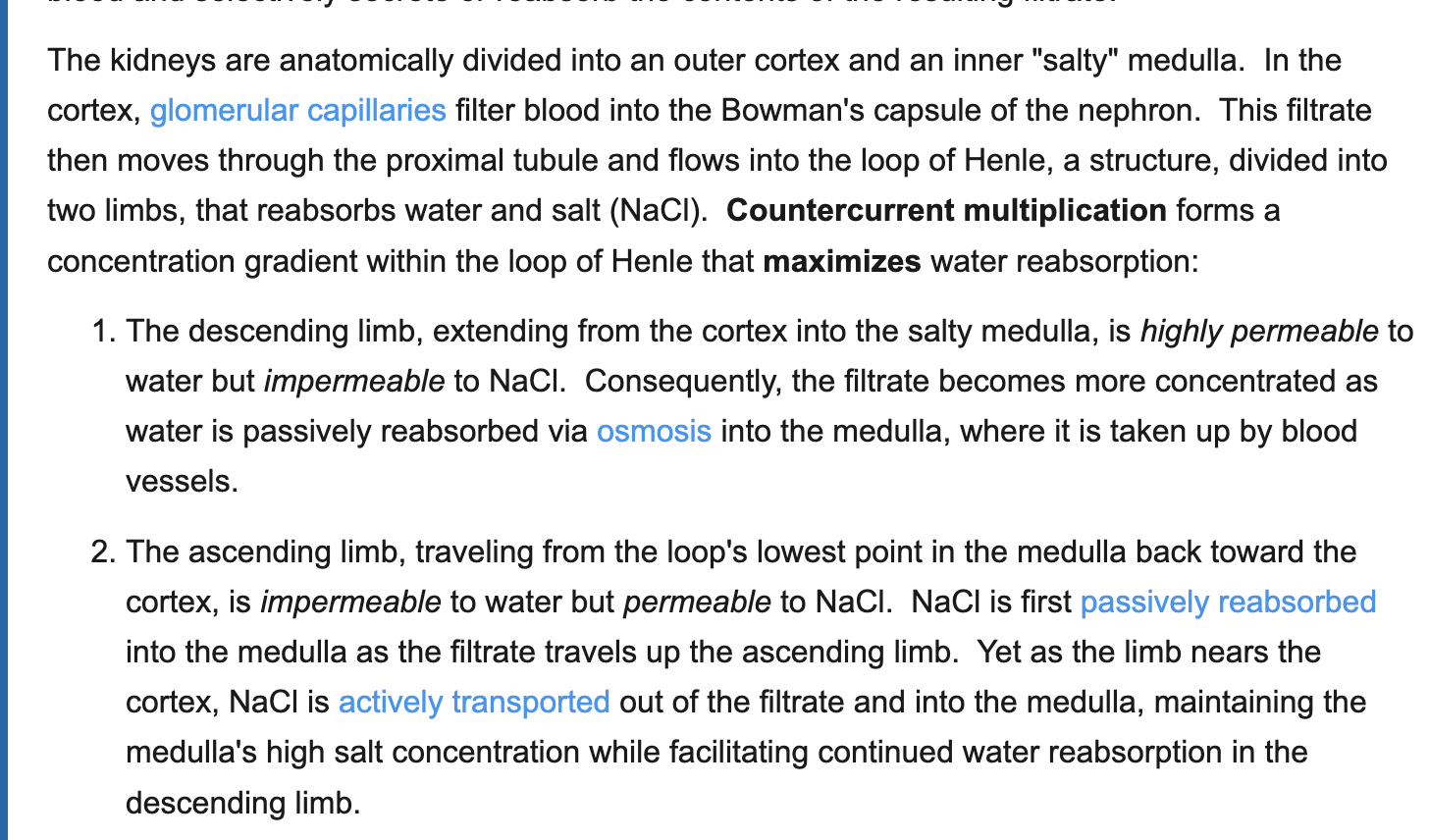
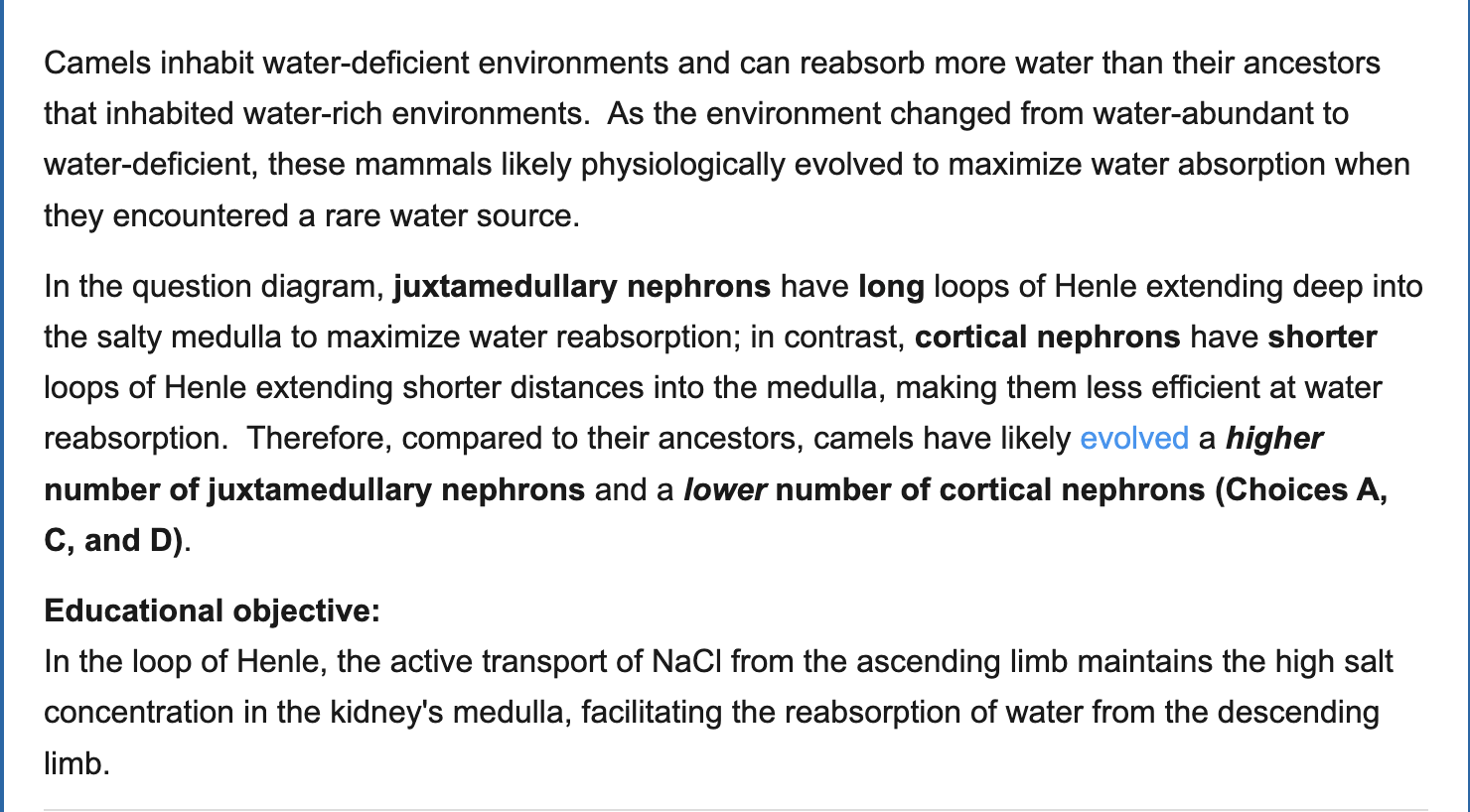
increase in juxtamedullary nephrons and a decrease in cortical nephrons compared to ancestors

Pancreas, gallbladder, Liver
Liver
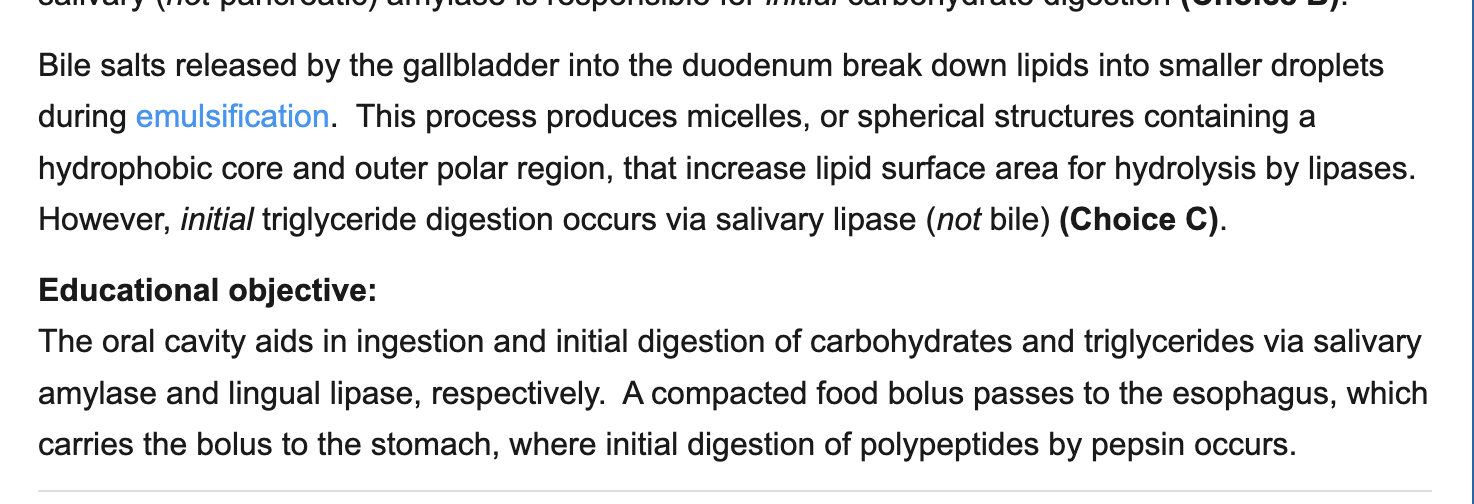
Gastric juice
digesive fluid made up mainly of HCl
secreted by parietal cells (in the stomach)
The acidic solution (1-3pH) helps activate proteolytic enzymes and kill harmful bacteria
chyme
a semifluid mass made partially of digested food mxied with gastric juice which will pass in small intestine (duodenum first)
In the duodenum (small intestine first part), how is the chyme neutralized?
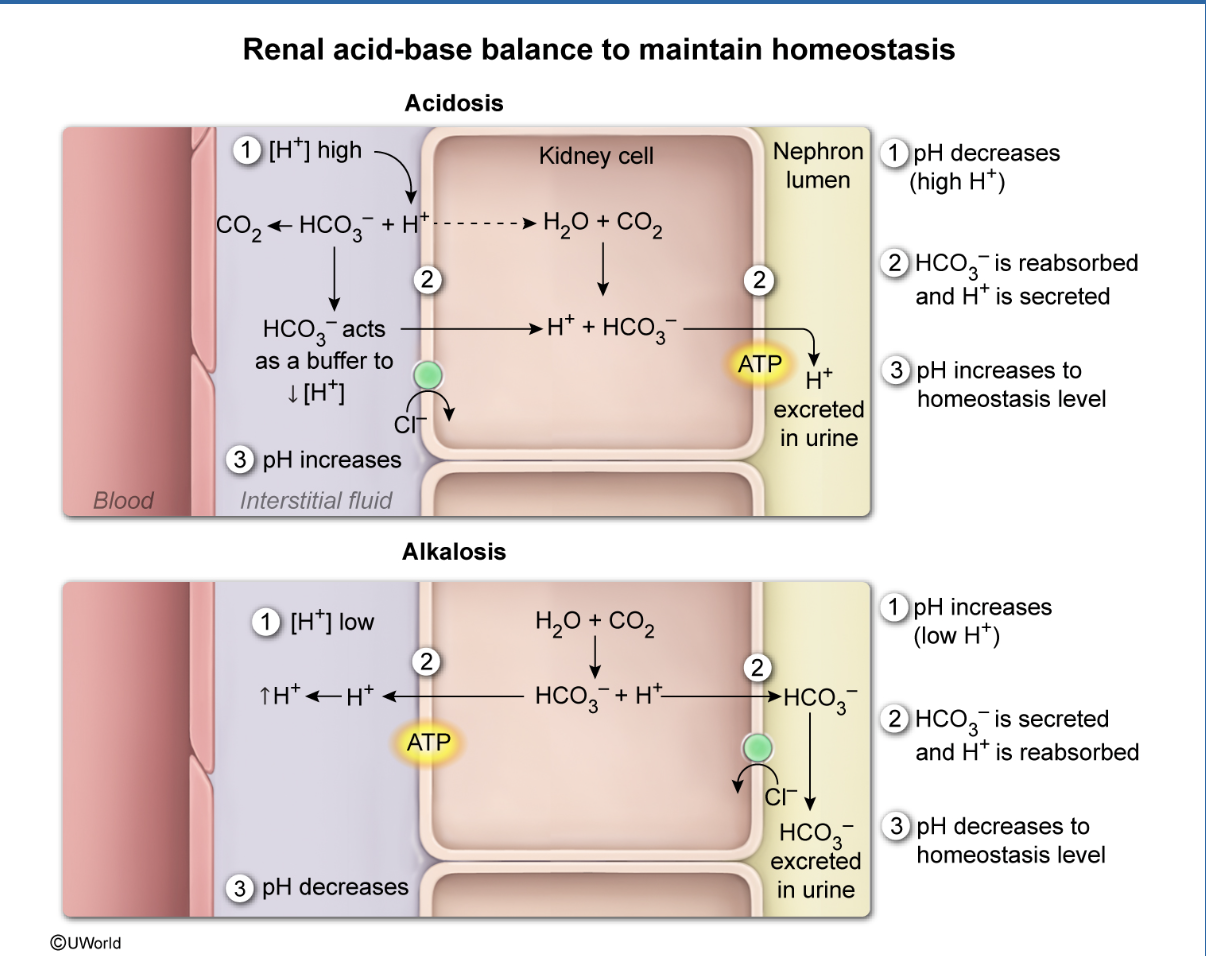
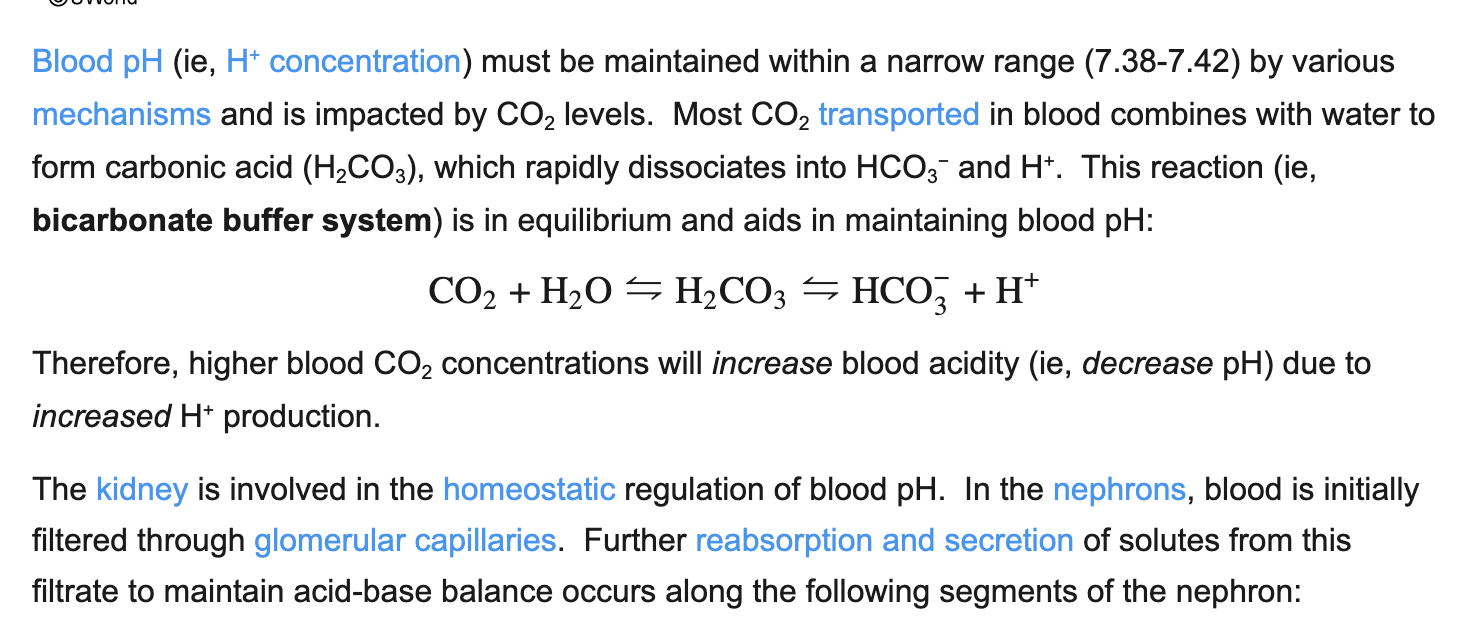
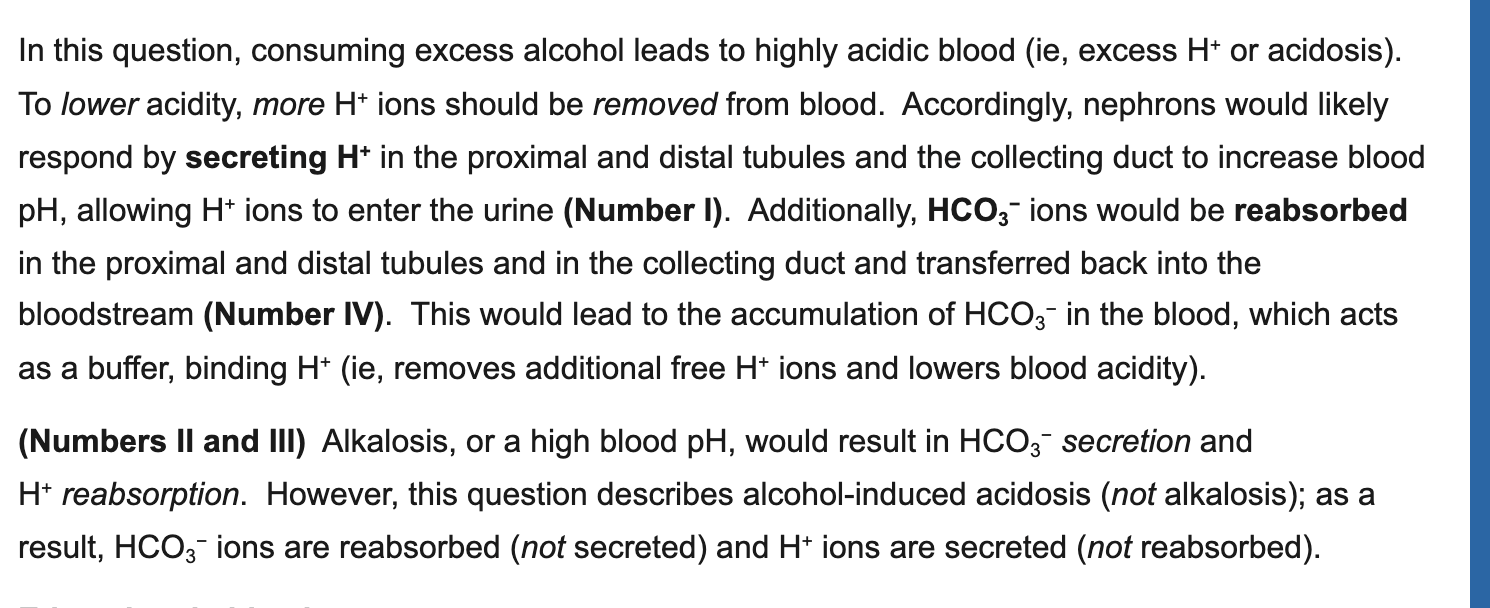
by bicarbonate ions secreted from pancreas via pancreatic duct and the alkaline bile released from storage of gallbladder. pH increases to about 6
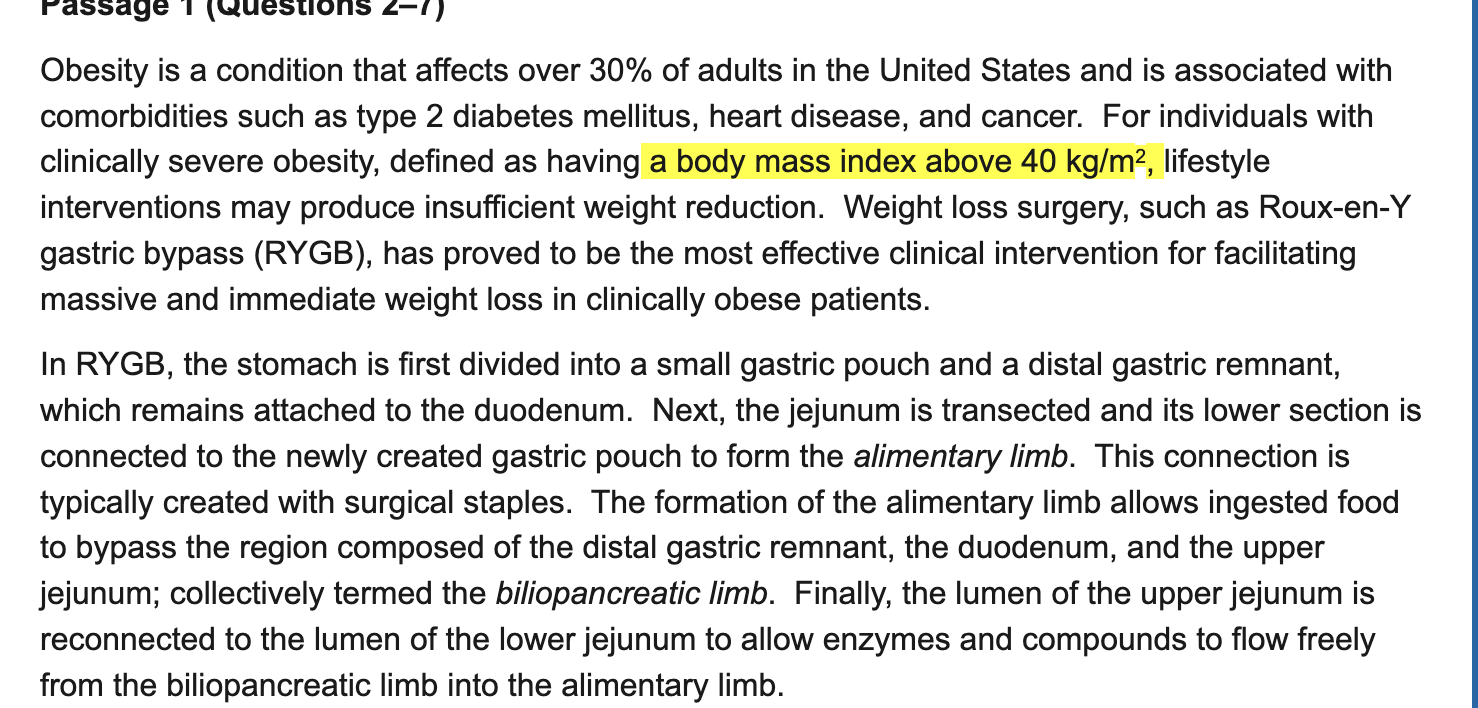
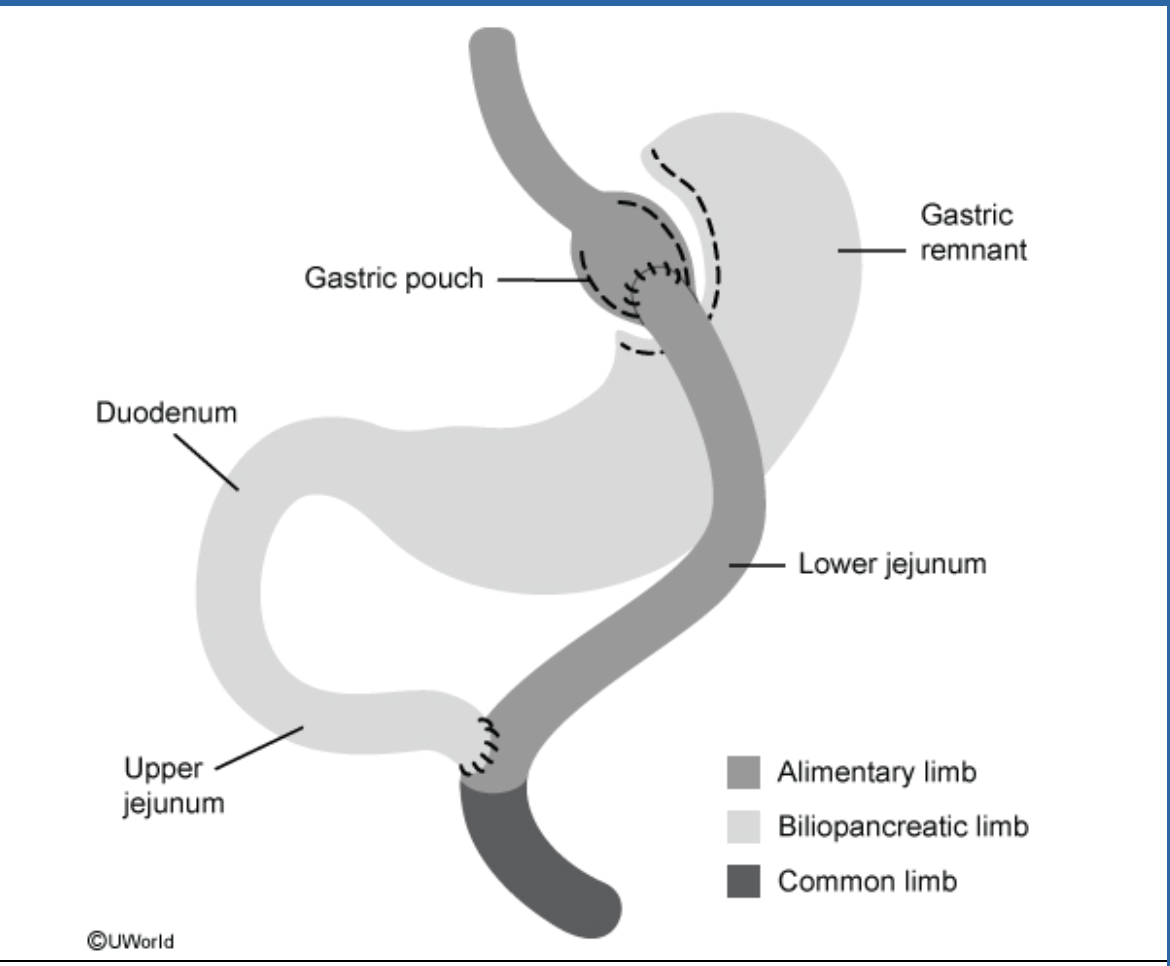
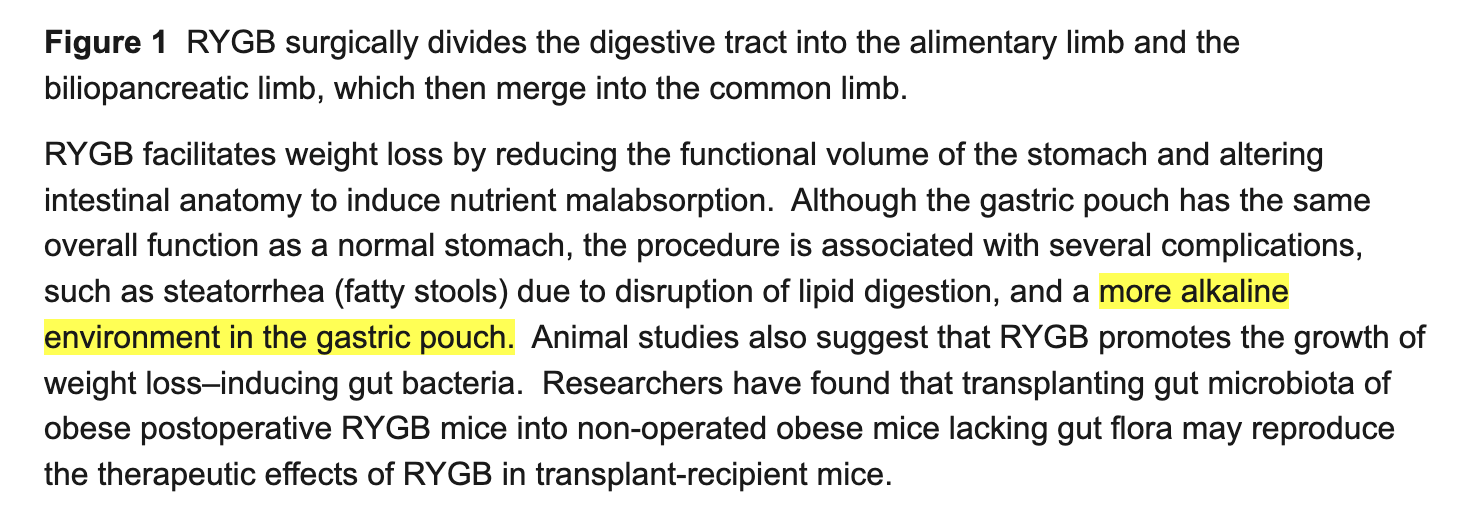
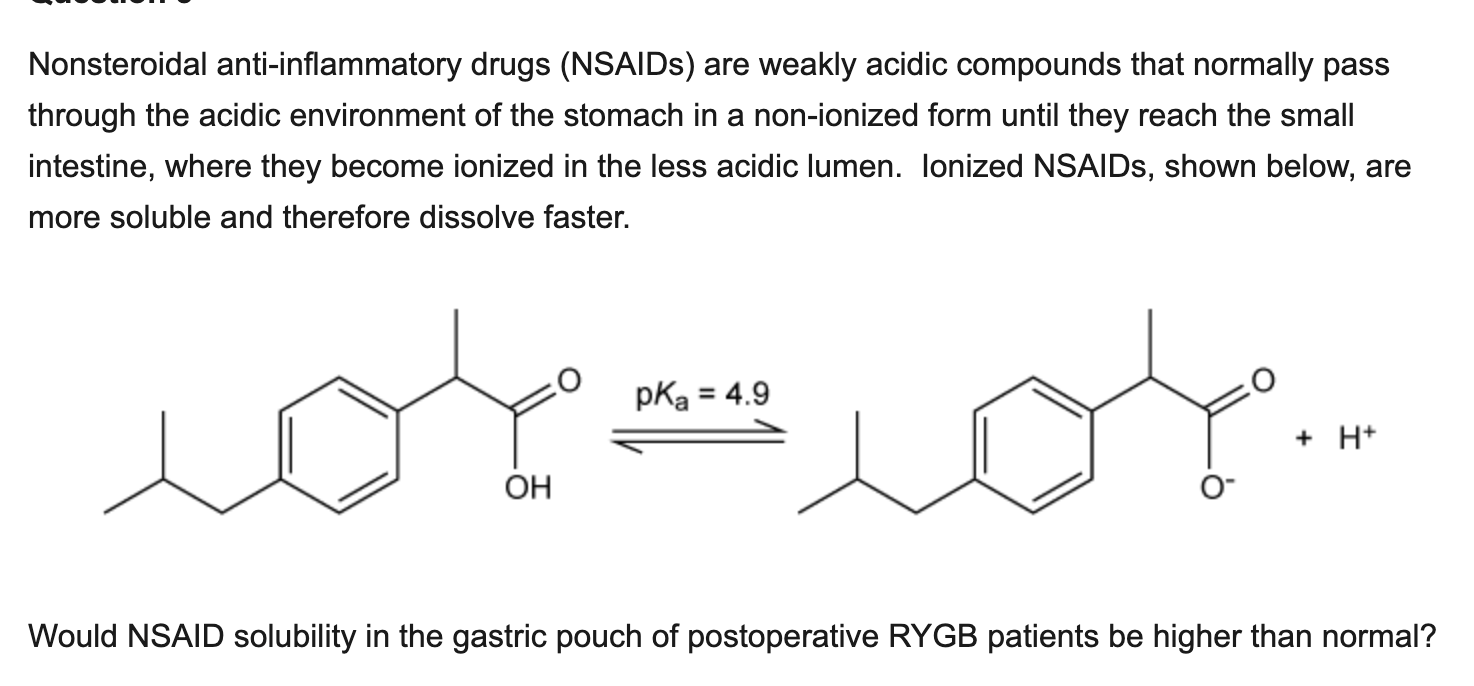
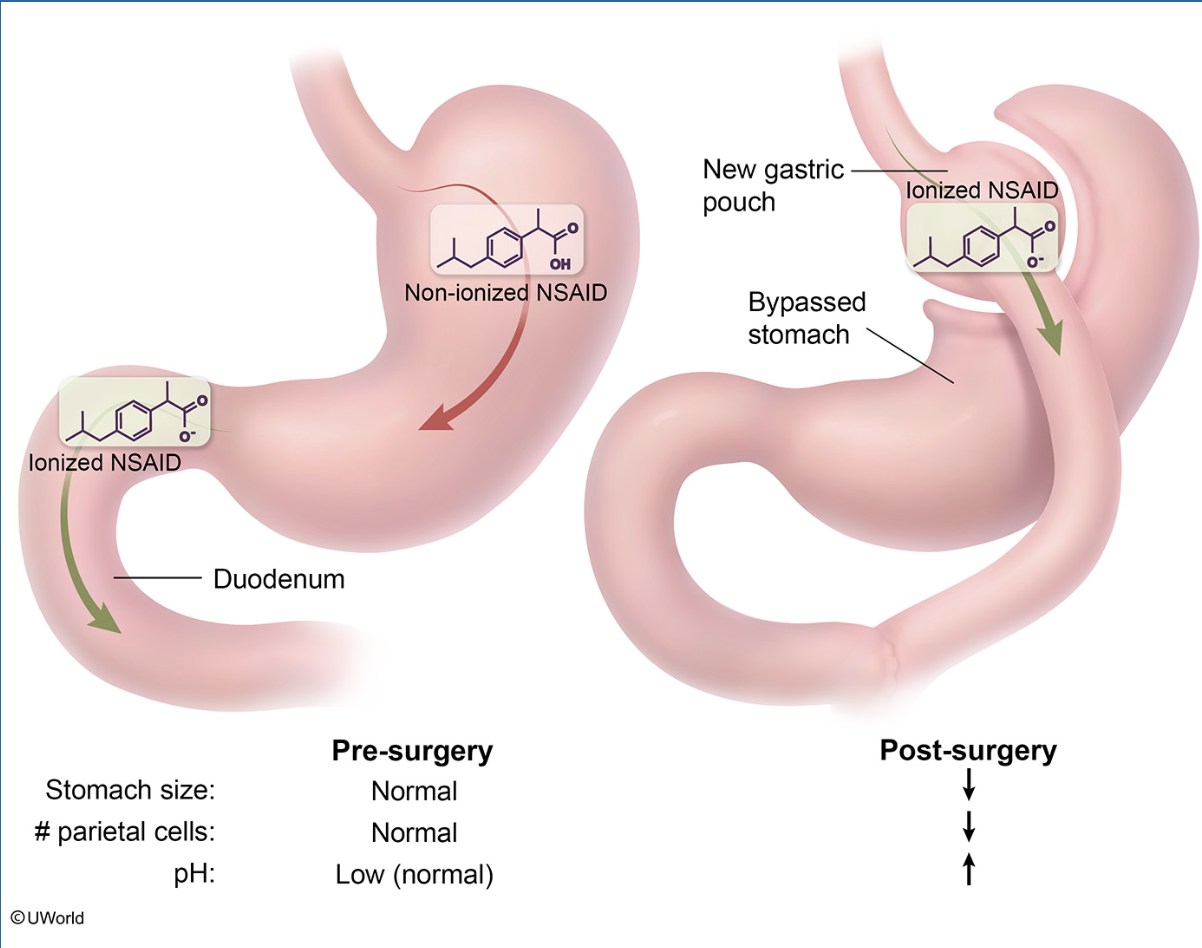
Yes, because the passage states that the surgery provides a more alkaline environment in the gastric pouch. RYGB increases the pH of the gastric juice.
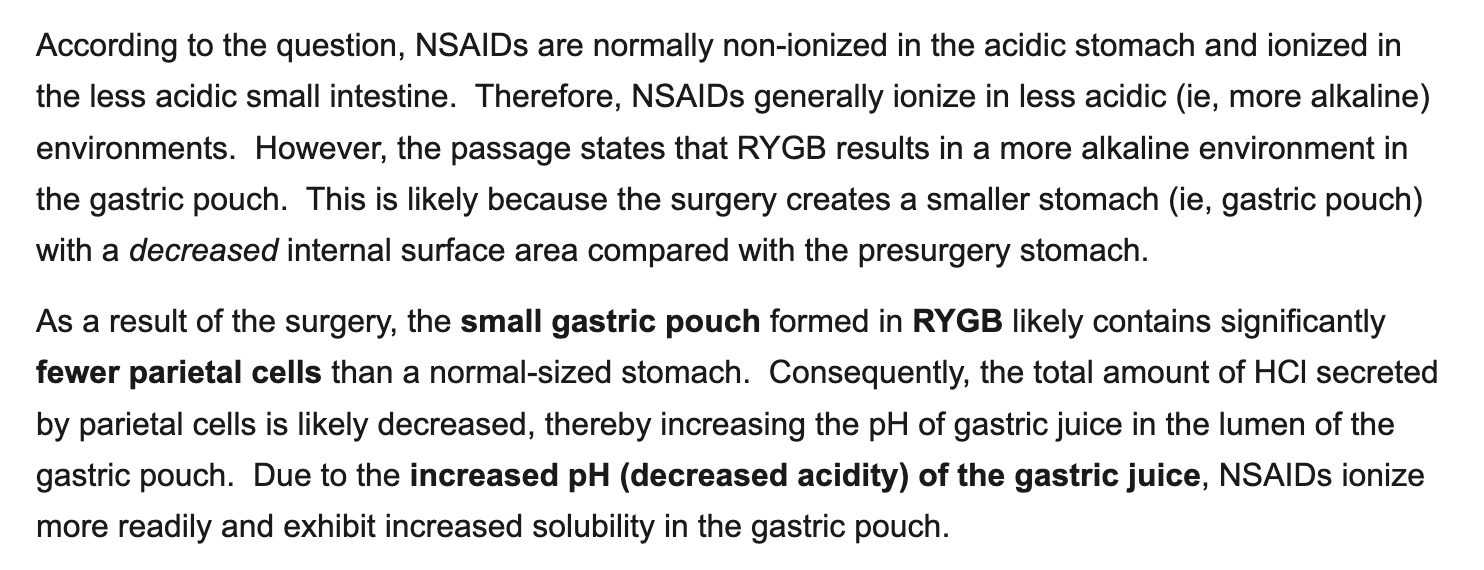
Pyloric sphincter
rings of muscle that divides the stomach and small intestine duodenum
Cardiac sphincter
lower esophageal ring of muscle heading into the stomach
intestinal villi
small finger like projections ound on the epithelial lining of the small intestine (increase its Surface area for nutrient absorption). Duodenum for digestion, jejunum and ileum are involved in nutrient absorption.

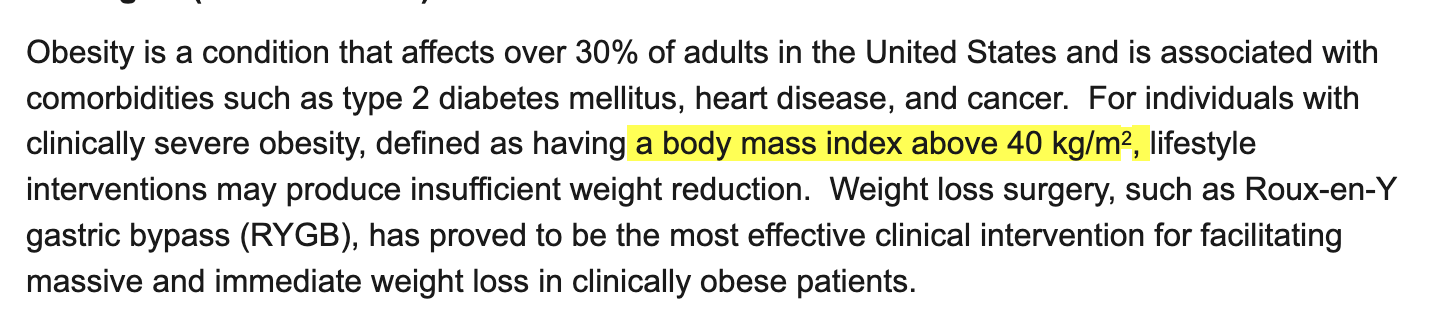
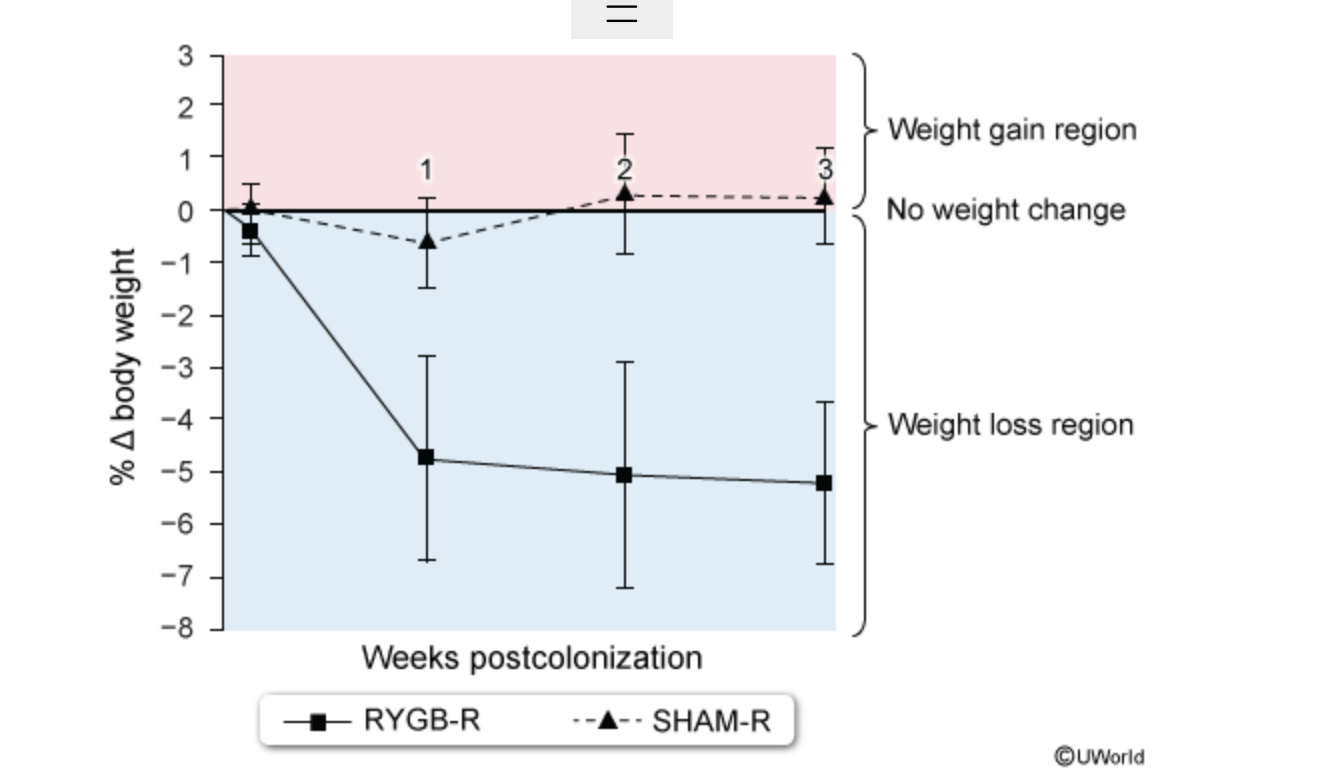
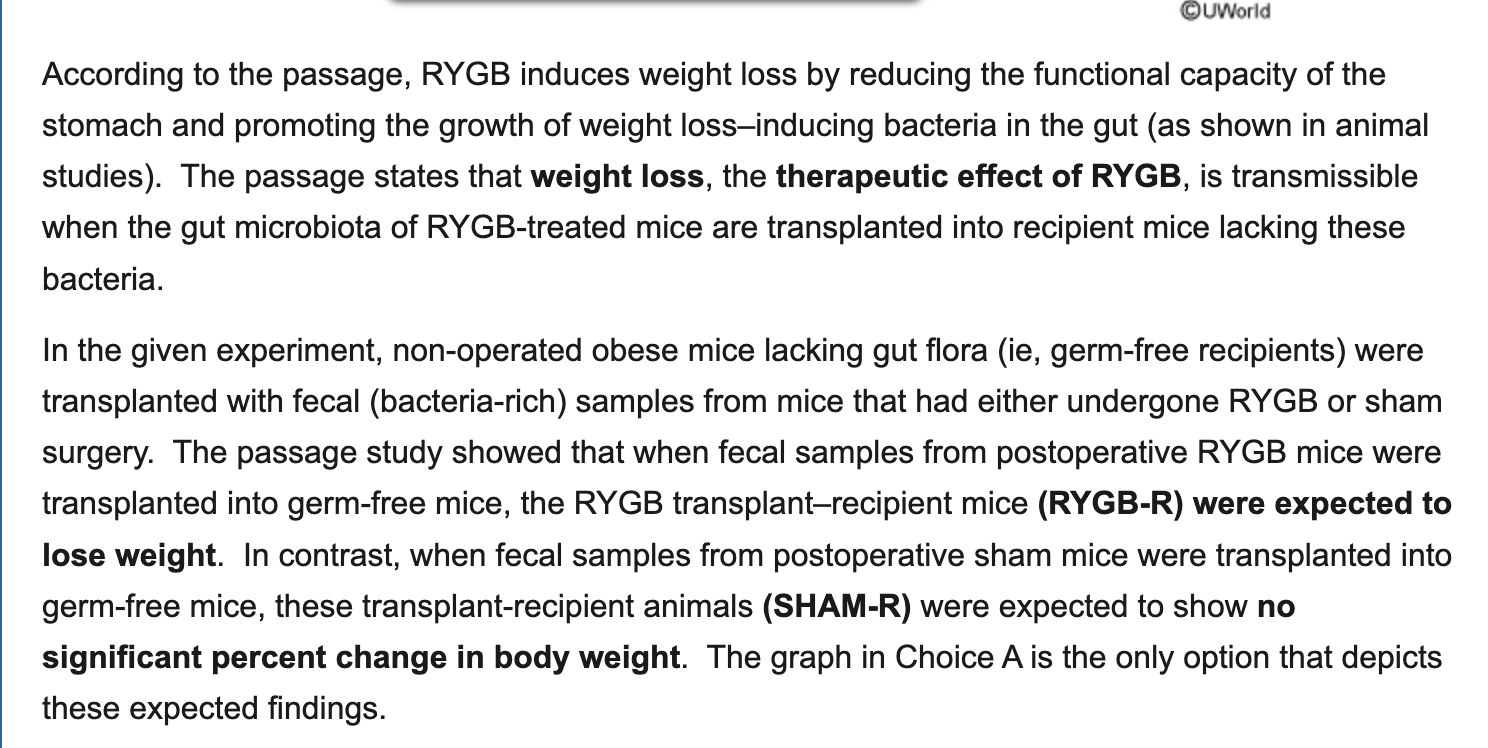
what would the graph look like?
Stomach cell types— secretes what—— function
G cells
Parietal cells—
Chief cells
mucous cells
G cells
secret gastrin to signal parietal cells to secrete HCl
Parietal cells
Secretes HCl (primary component of gastric jjuice to activate proteolytic enzymes and kill/denature foreign cells/proteins)
Secretes intrinsic factor to aid in absorption of vitamin B12 in ileum
Chief cells
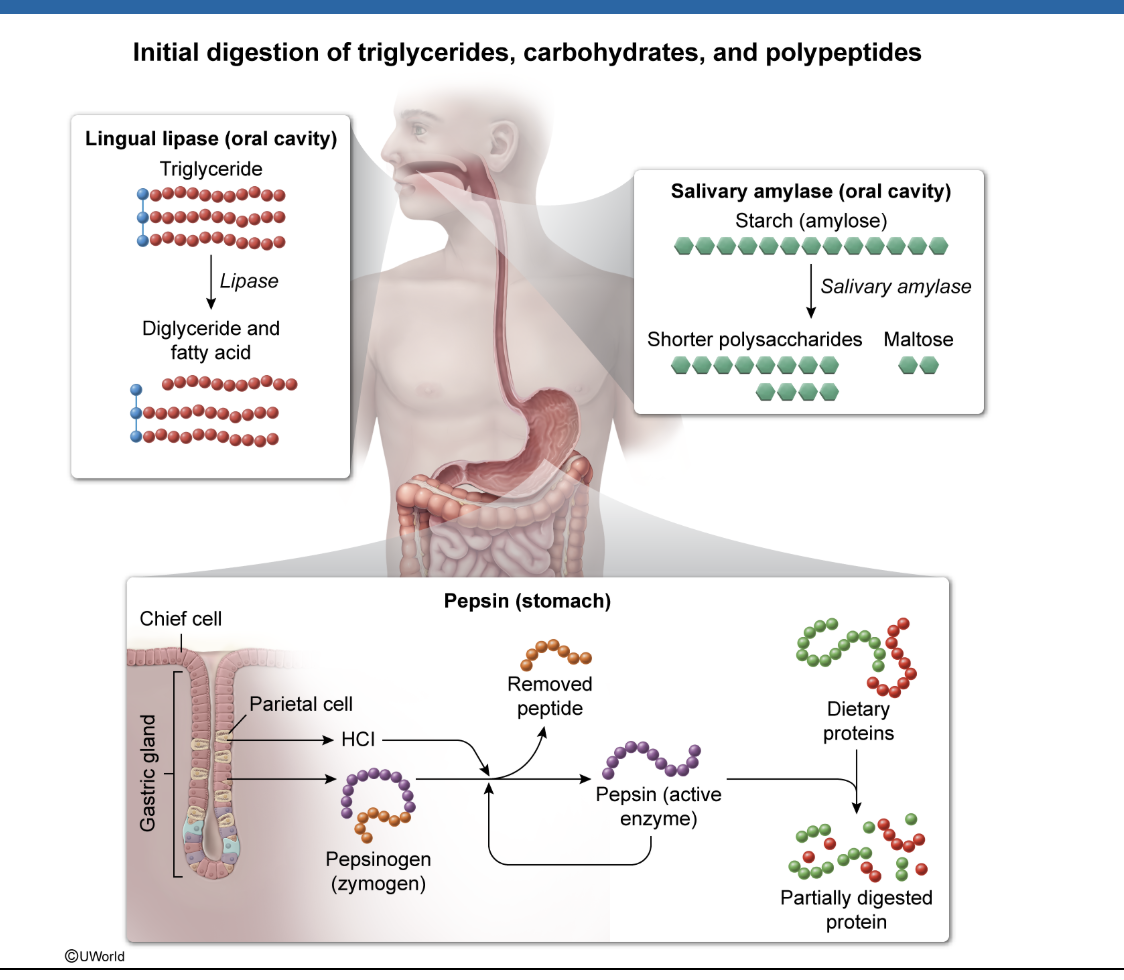
secretes pepsinogen—> zymogen of pepsin, wich cleaves polypeptides (when activated by low pH gastric juice)
secretes gastric lipase—-hydrolysis of lipids in stomach
mucous cells
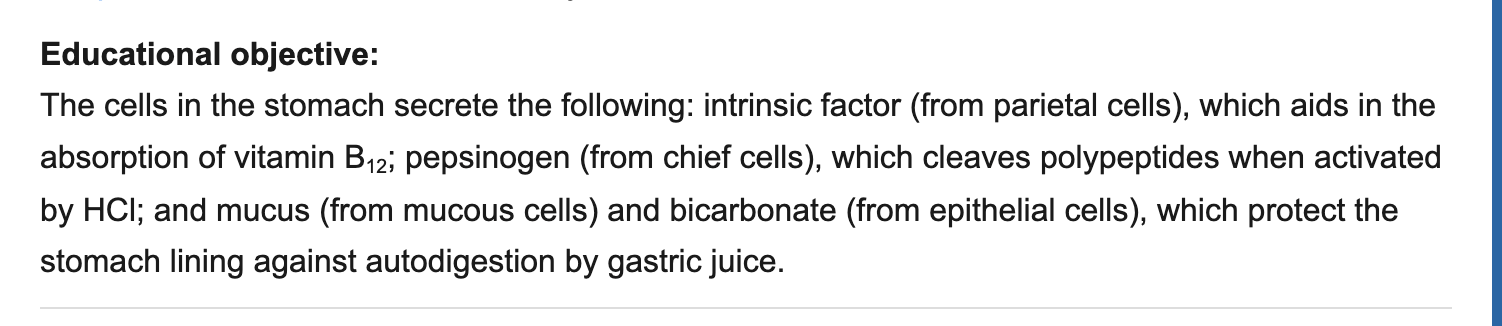
secretes mucus and bicarbonate to protect stoach walls from autodigestion
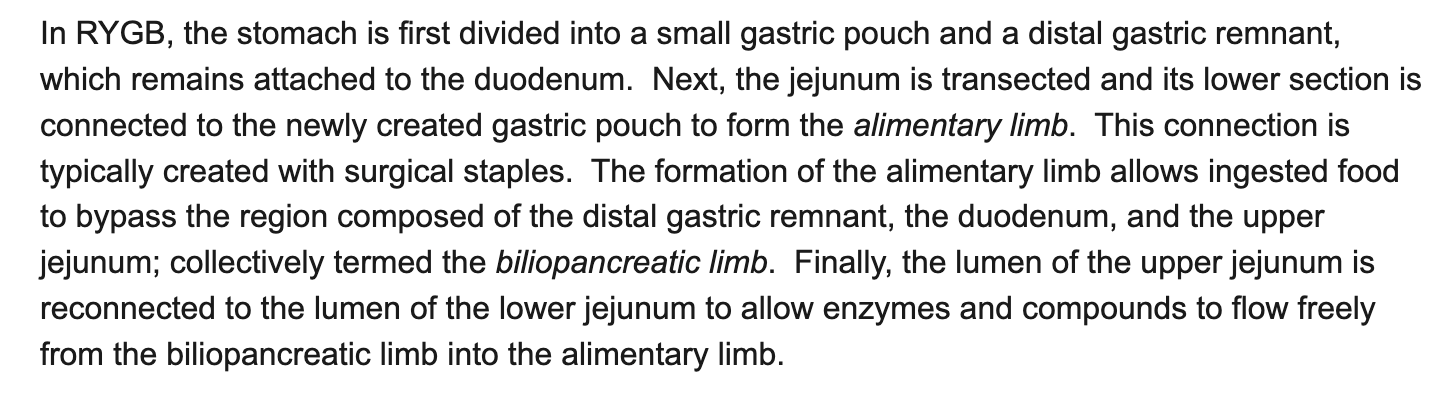
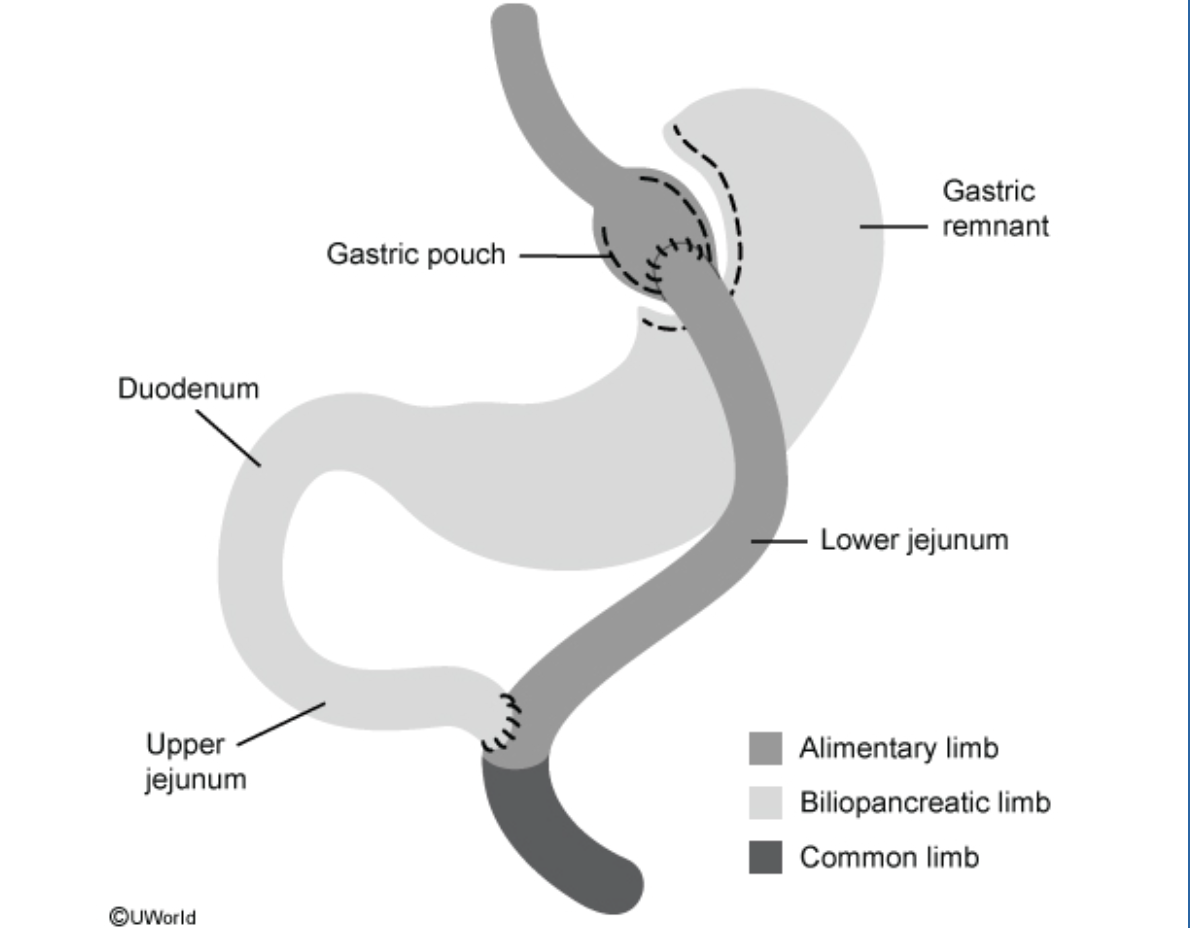

pepsinogen, trypsinogen, intrinsic factor, mucus
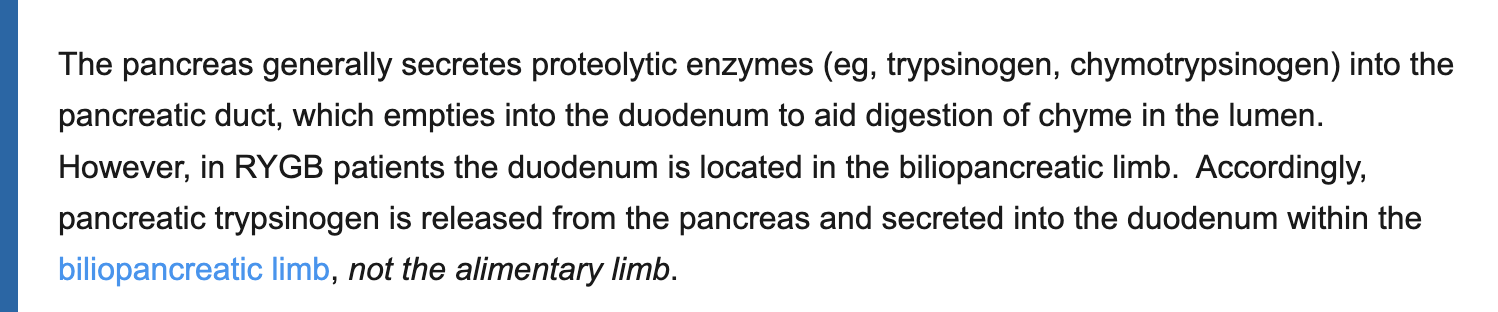
trypsinogen
which is secreted by pancreas

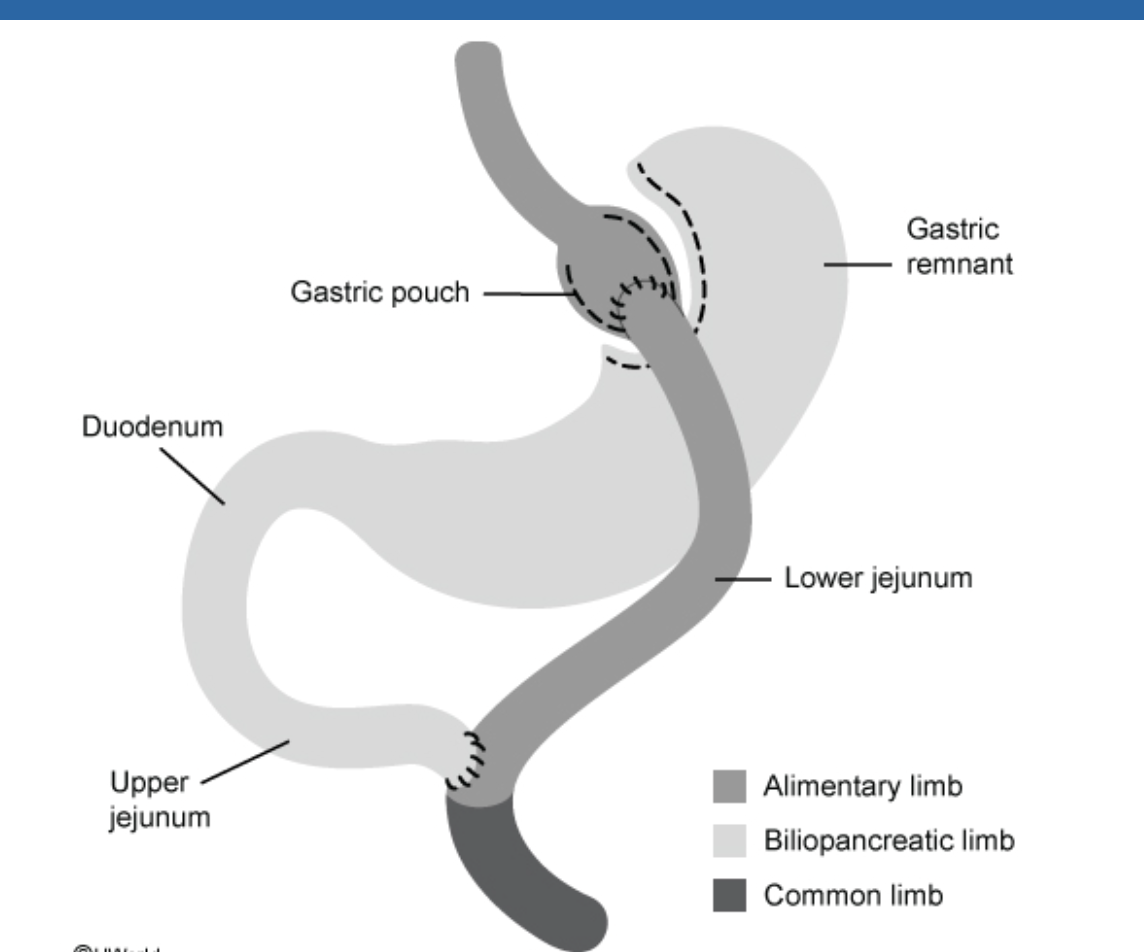
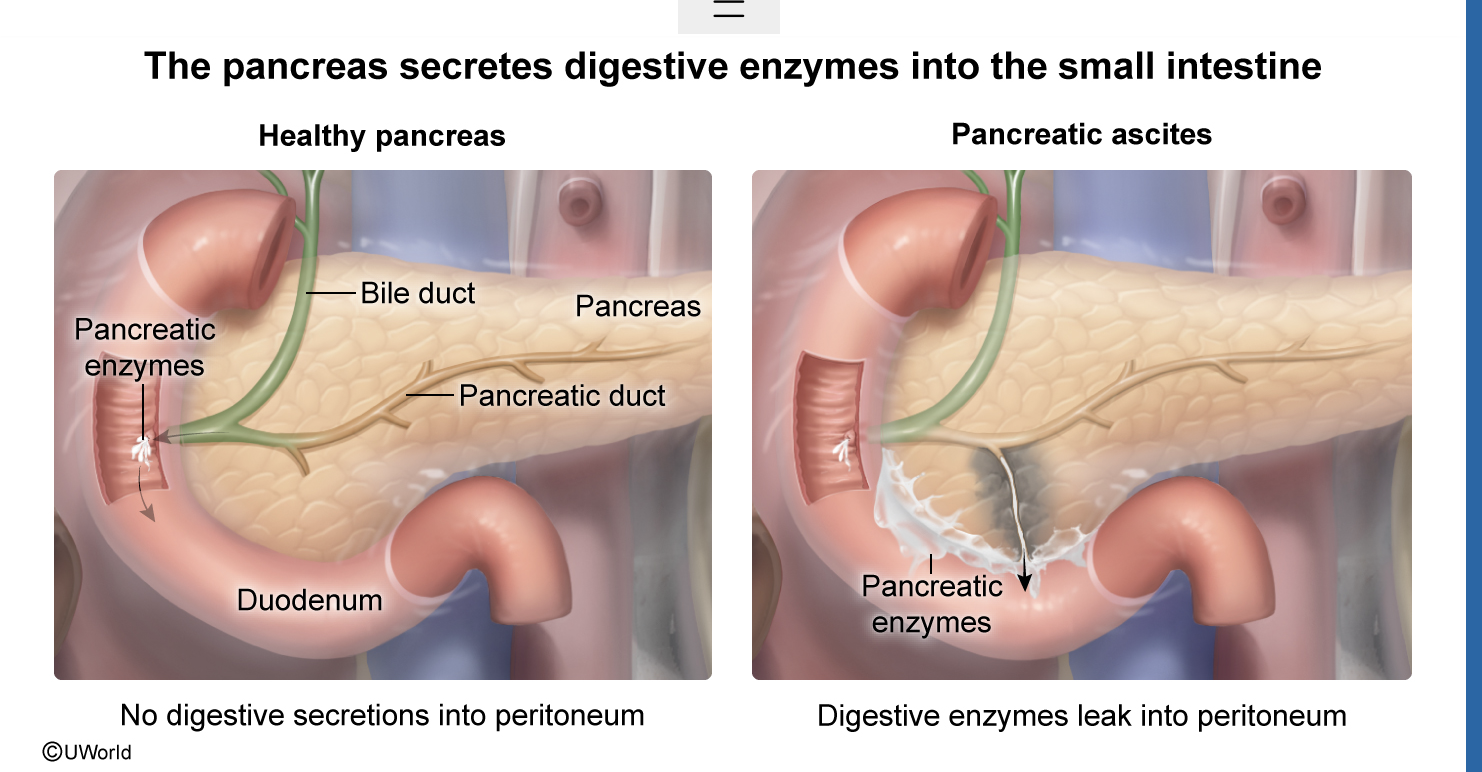
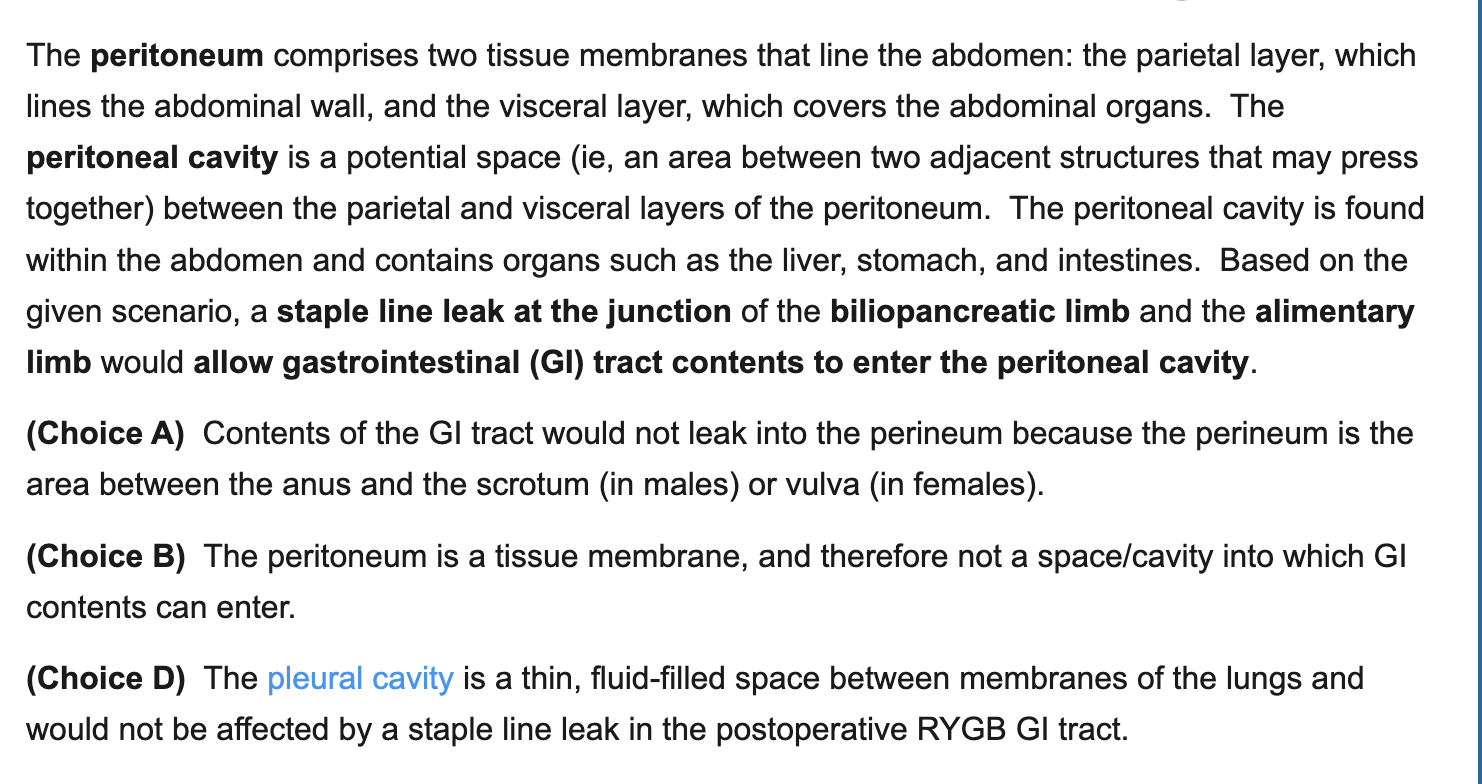
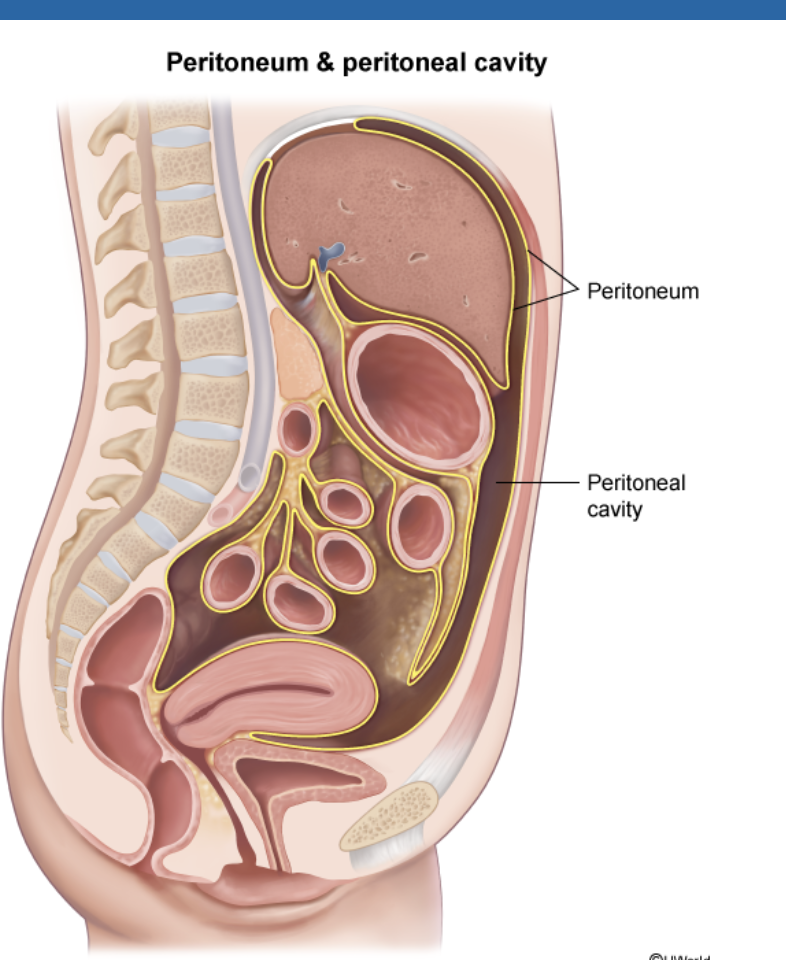
perineum, peritoneum, peritoneal cavity, pleural cavity
peritoneal cavity


parietal cell
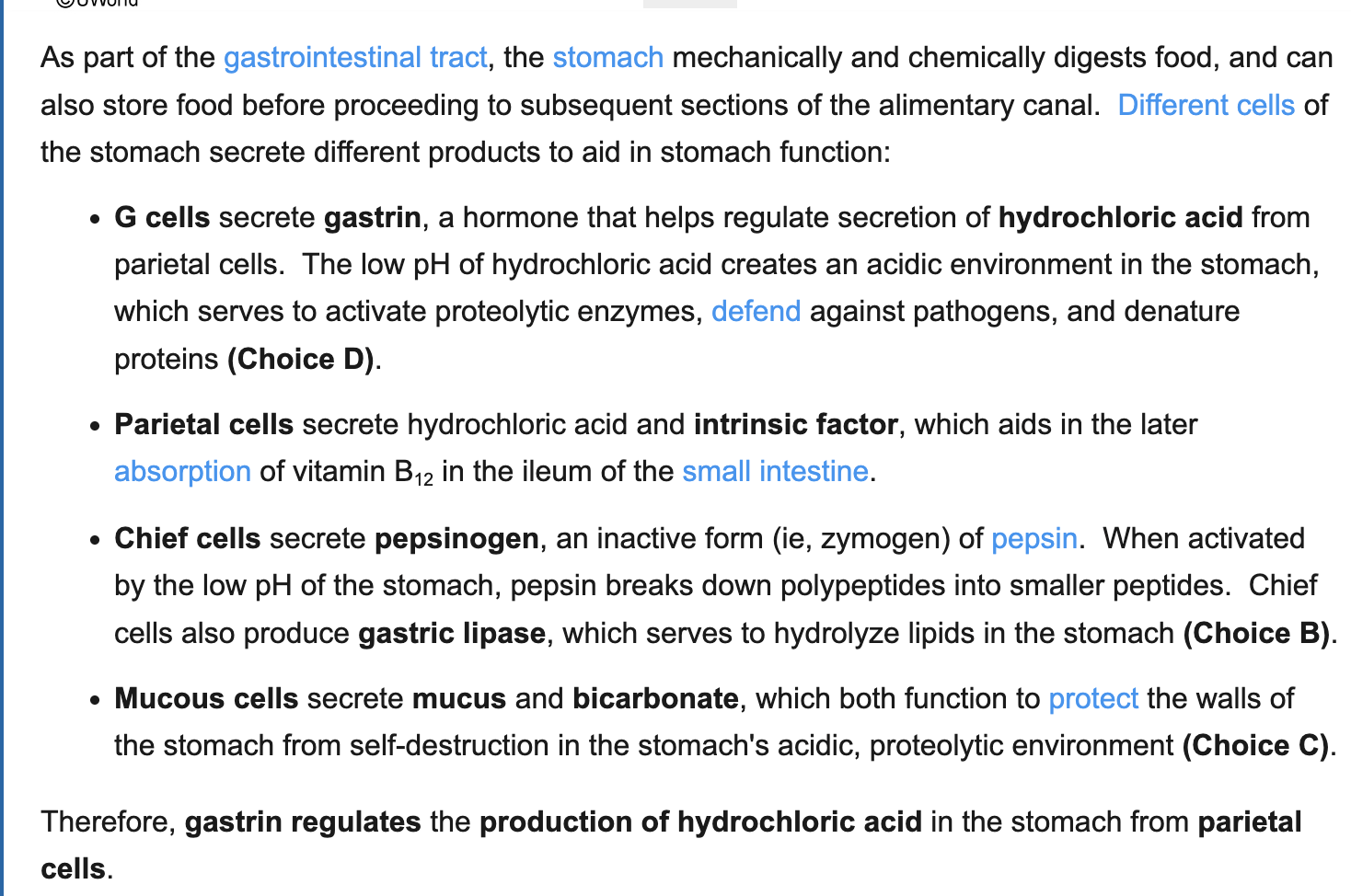
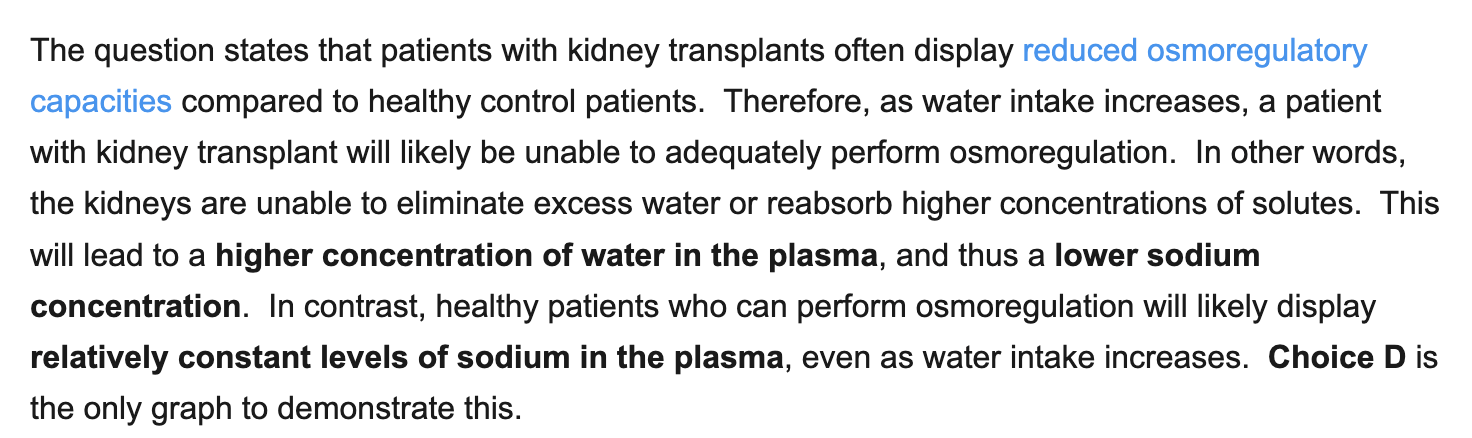
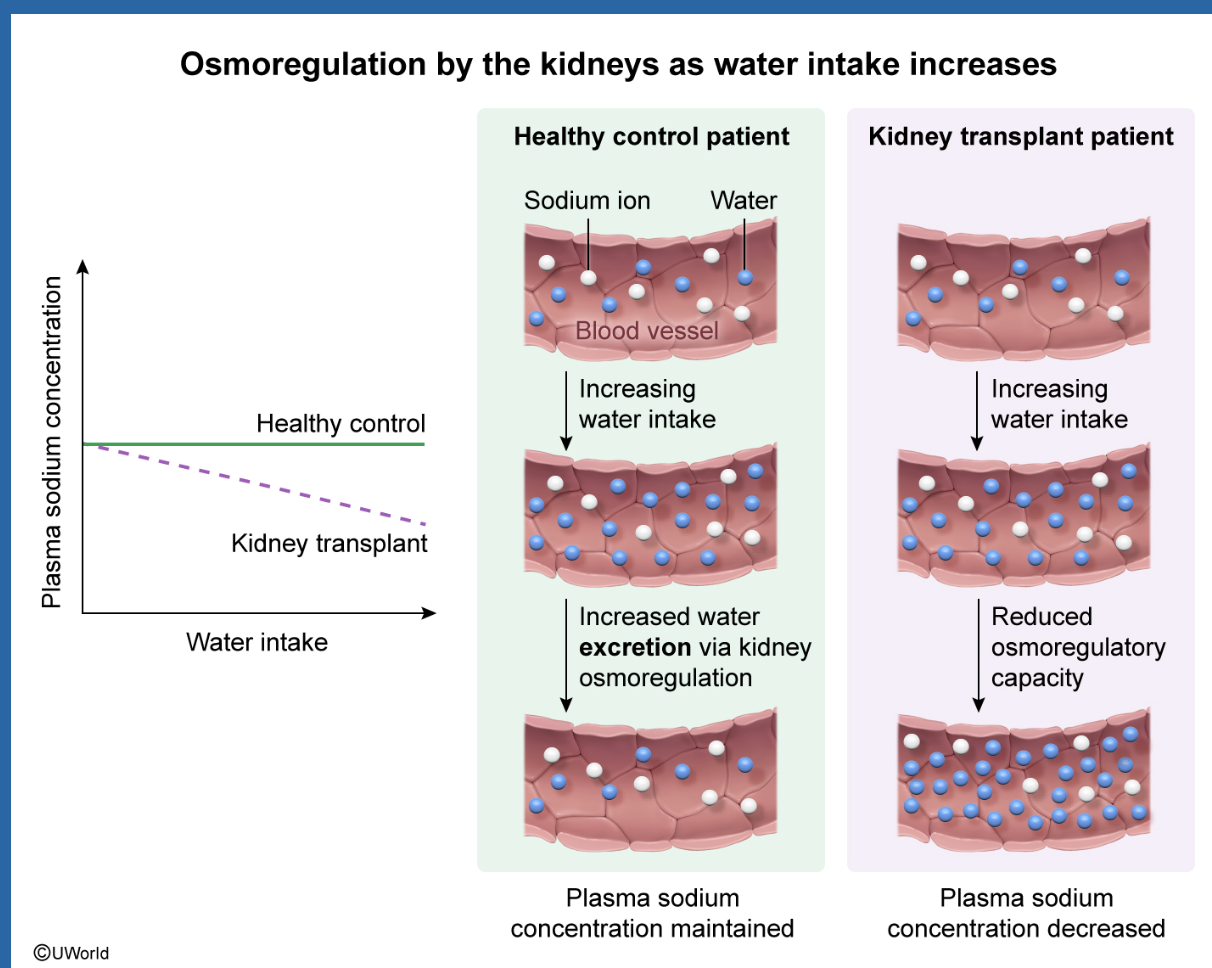
reduce osmoregulatory capacitites in kidney transplant


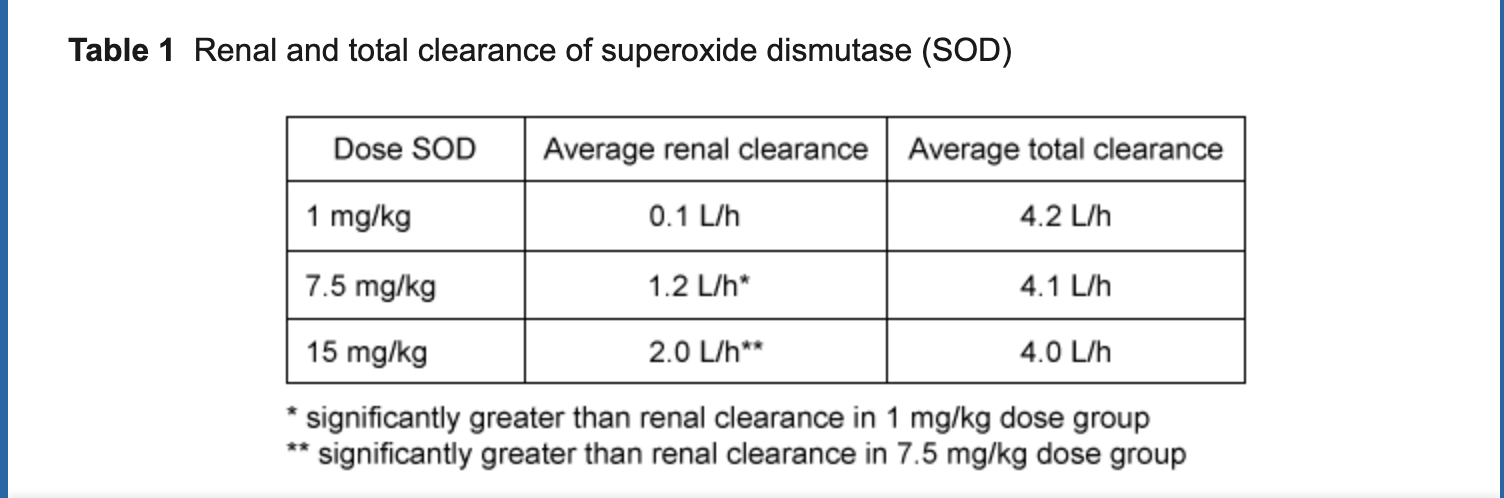


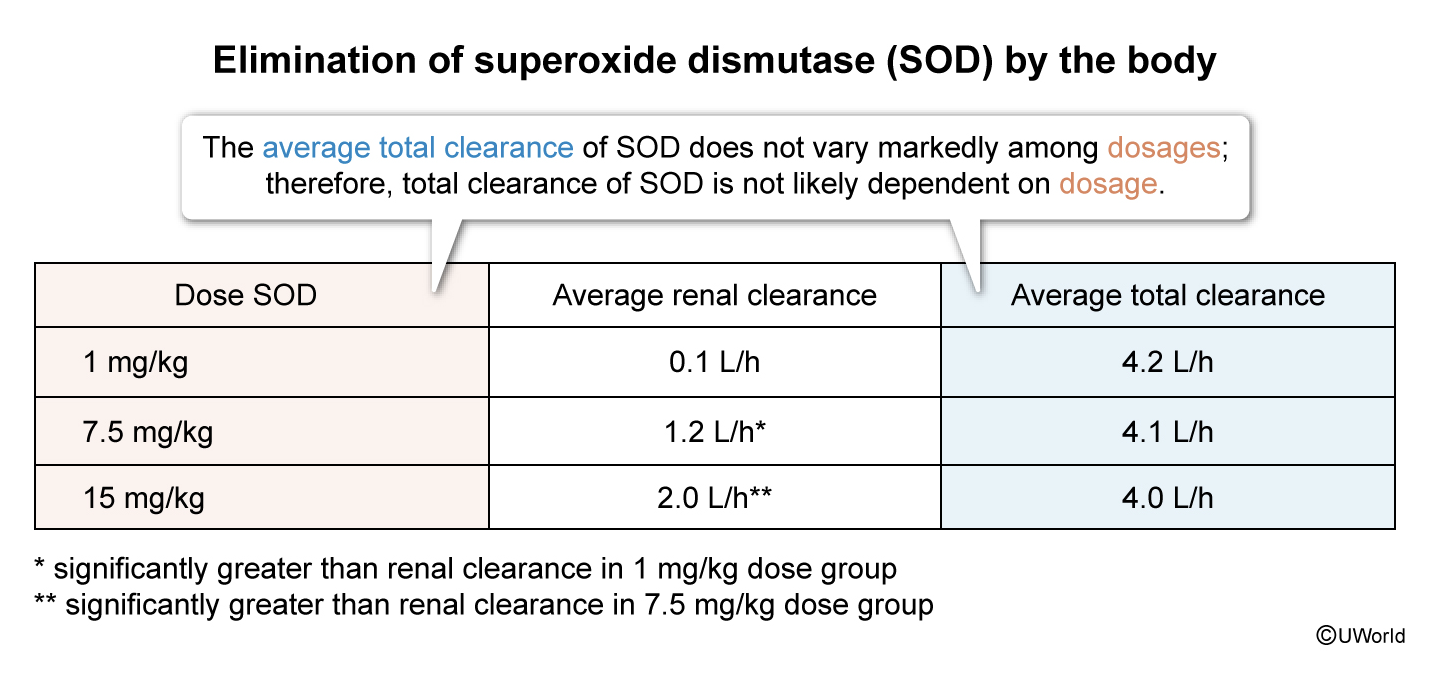
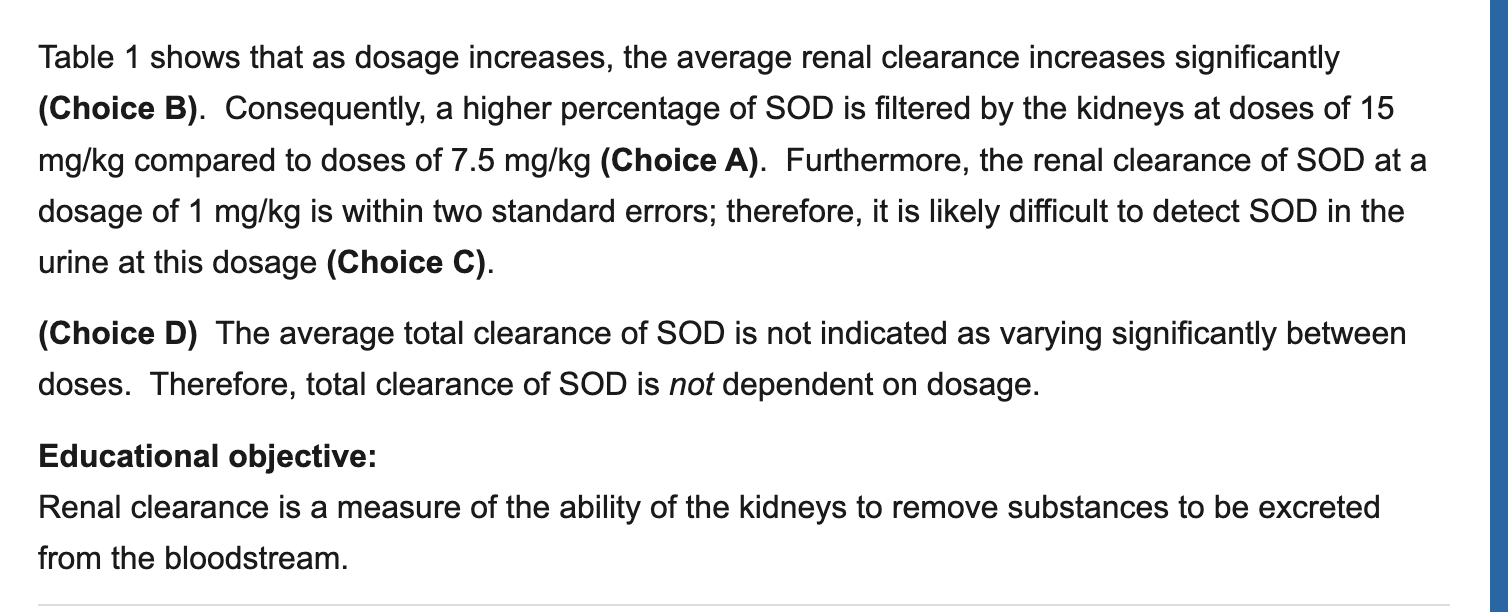
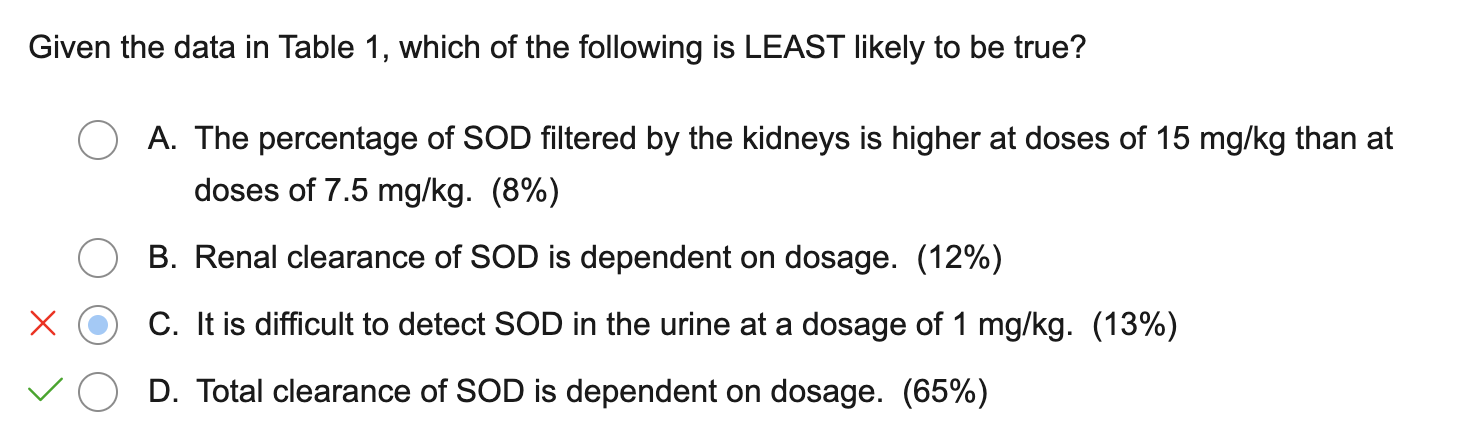
It its difficult to detect SOD in urine at a dosage of 1mg/kg
or
total clearance of SOD is dependent on dosage
Total clearance of SOD is dependent on dosage

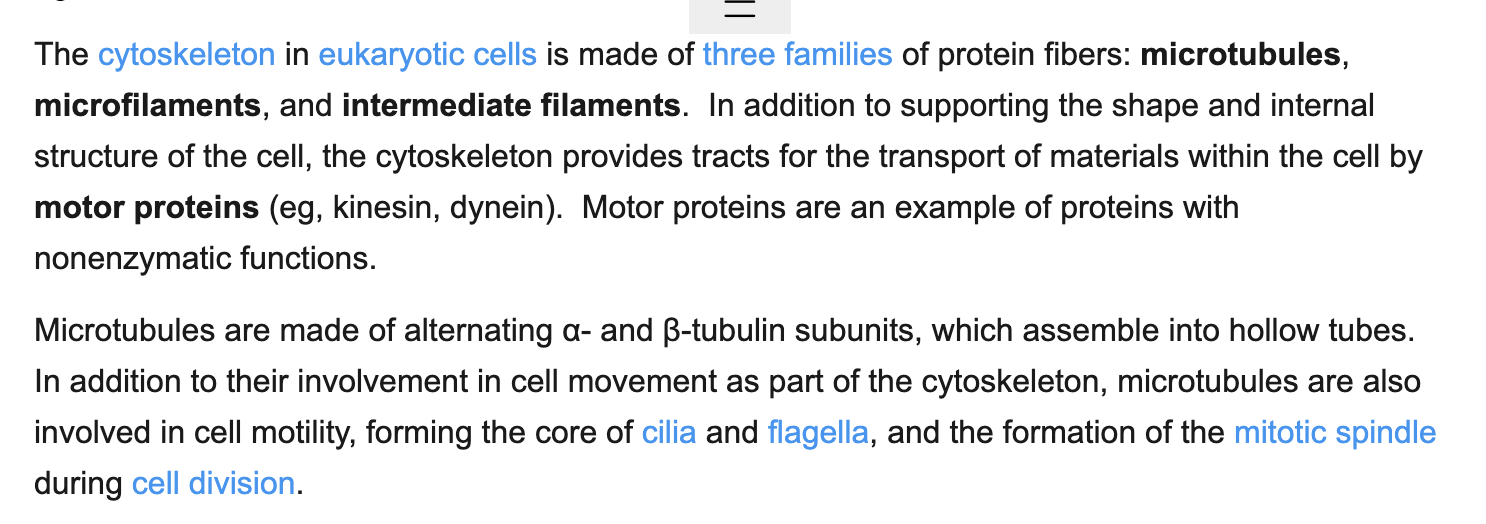
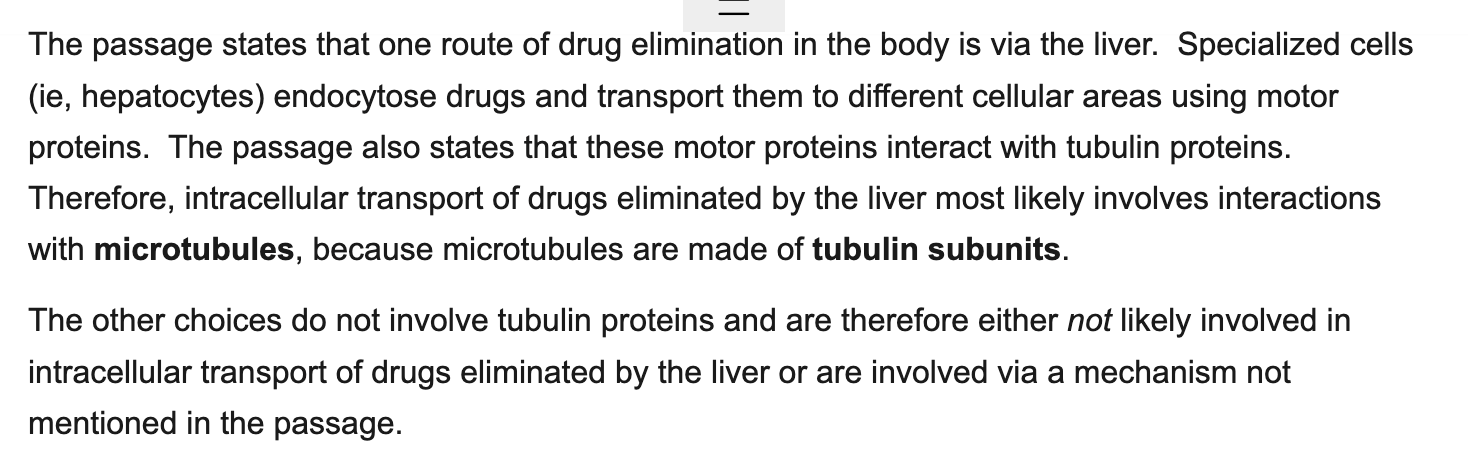
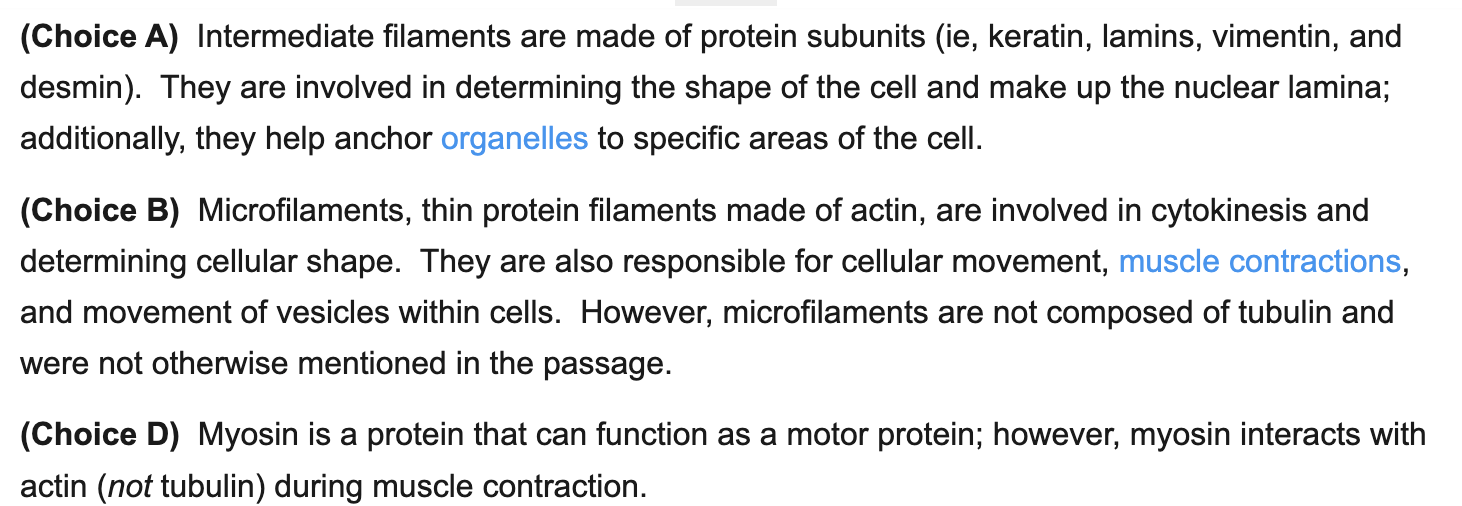
which of the cytoskeleton protein fibers?
microtubules

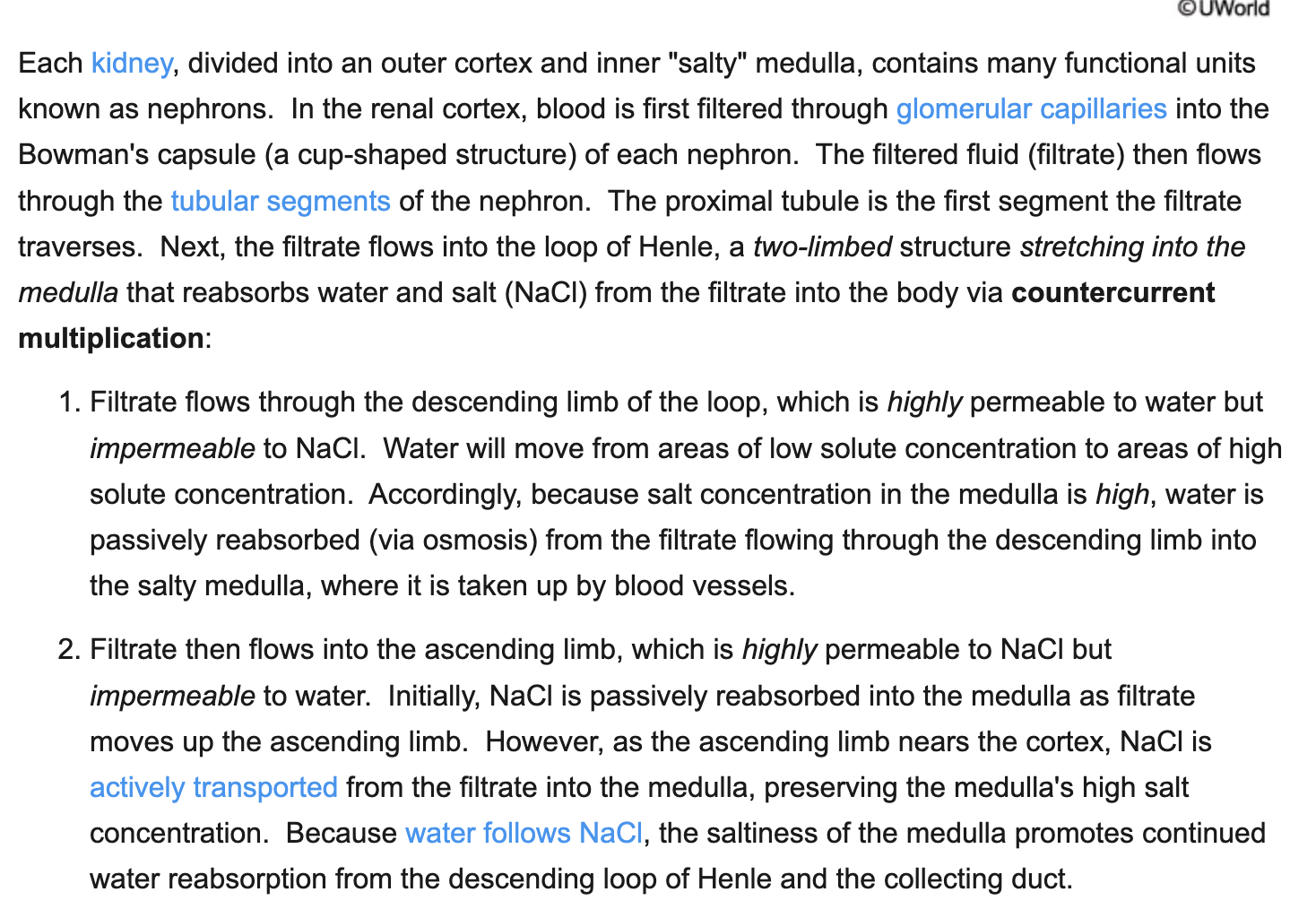
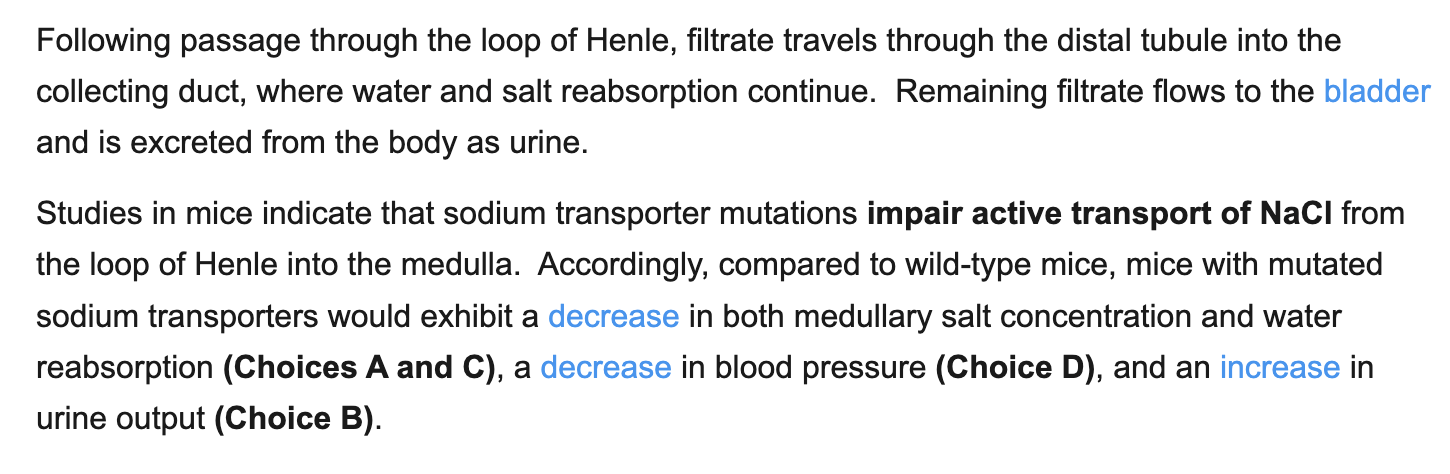
decreased altiness of medulla
decreased urine output
decreased renal water reabsorption
decreased blood pressure
answer (2)
na cl isn’t getting transported into medulla
nacl thats prevented from getting into medulla increases osmoic pressure and pulls water into the loop of henle increasing urine output
water is pulled in
losing water from medulla (loss of water from blood stream after)



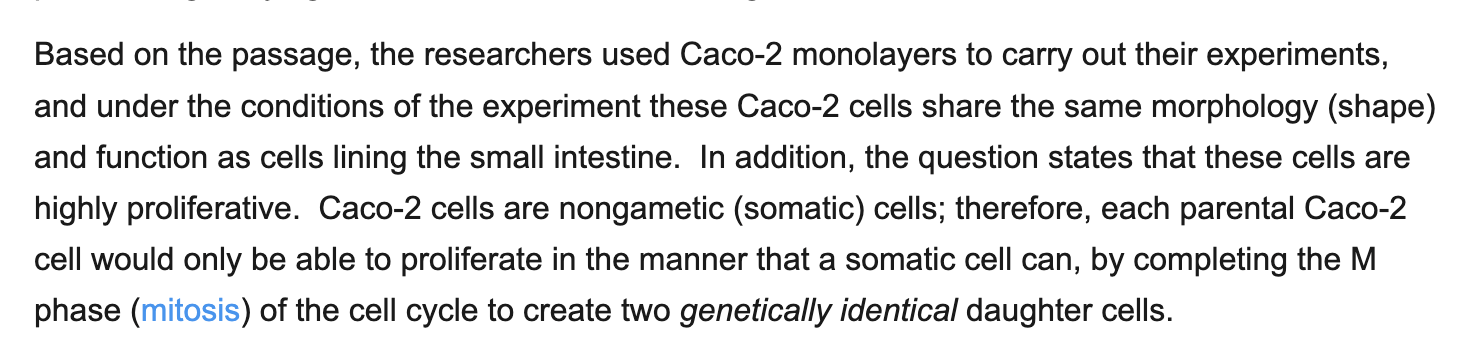
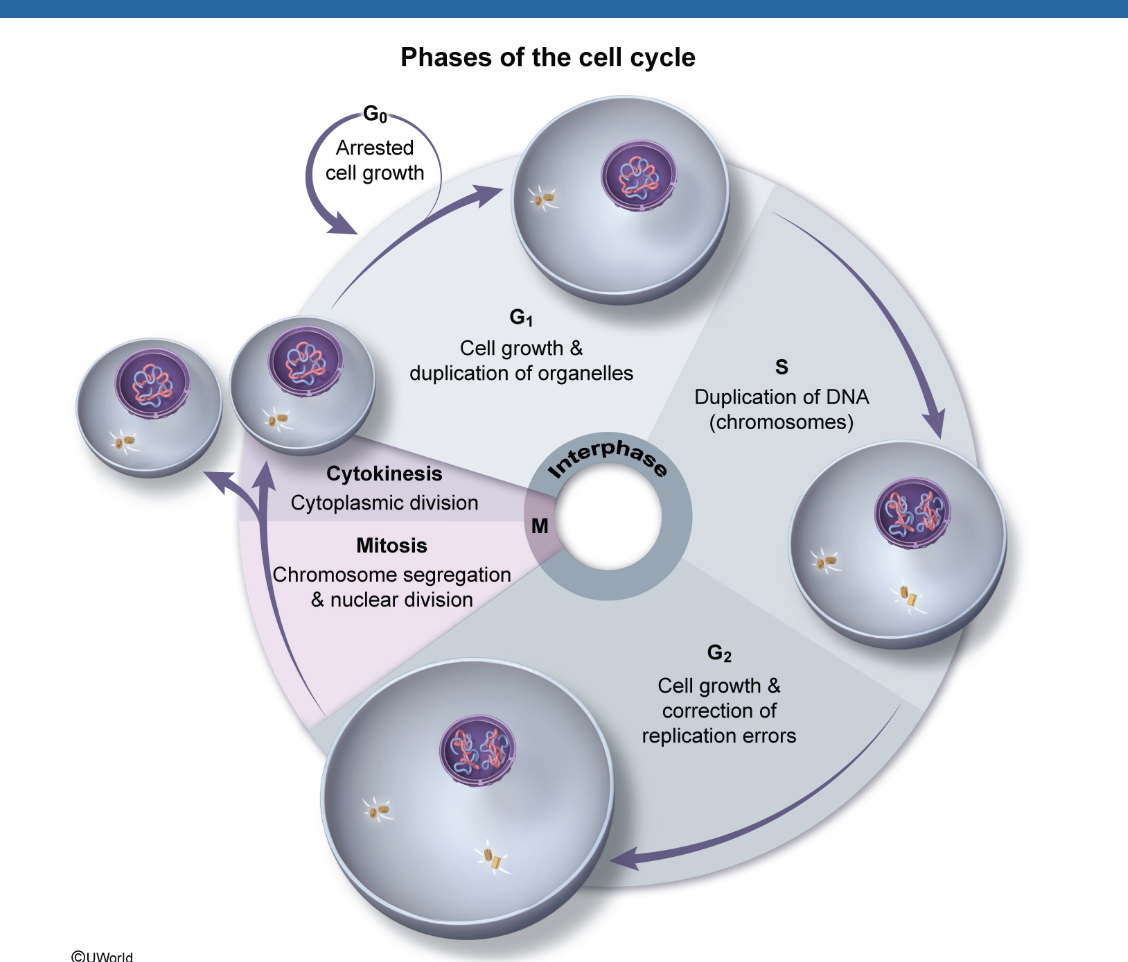
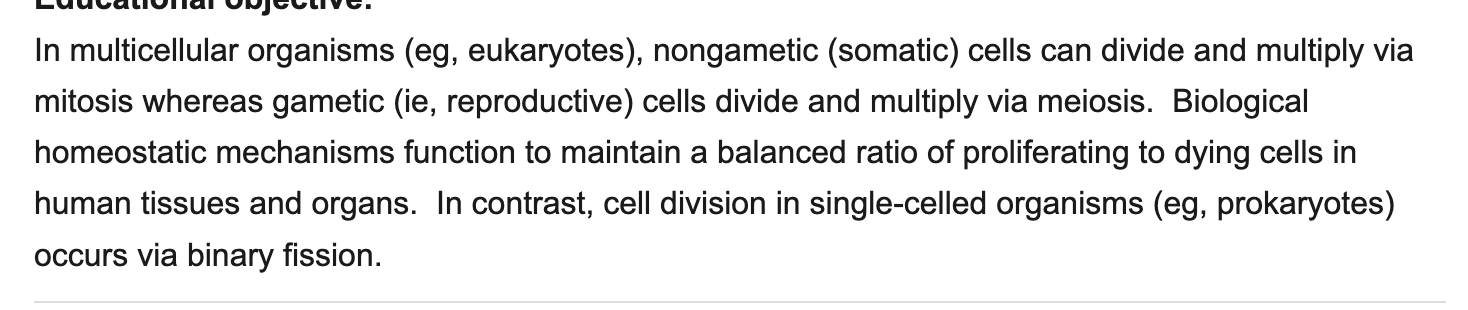
meiosis, G2, M phase
M phase


absorb
nutrient or water?
absorb water
colon is part of the large intestine

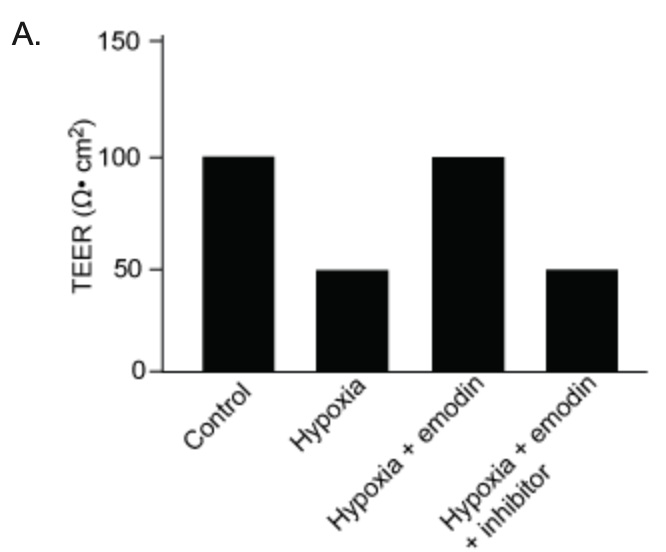
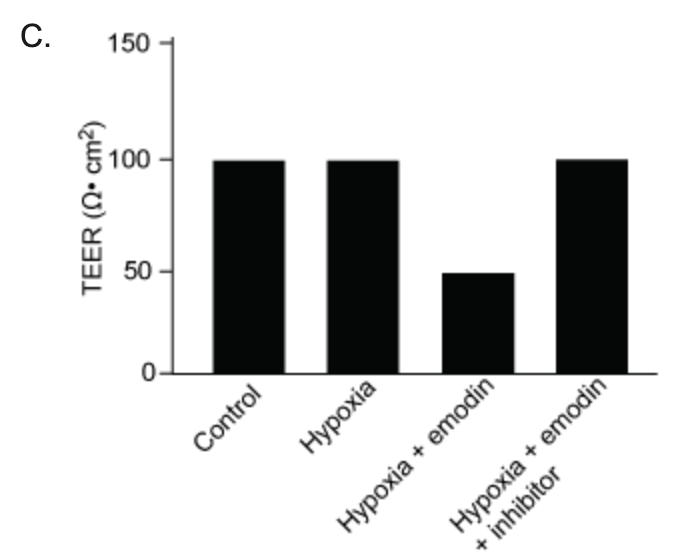
Answer A
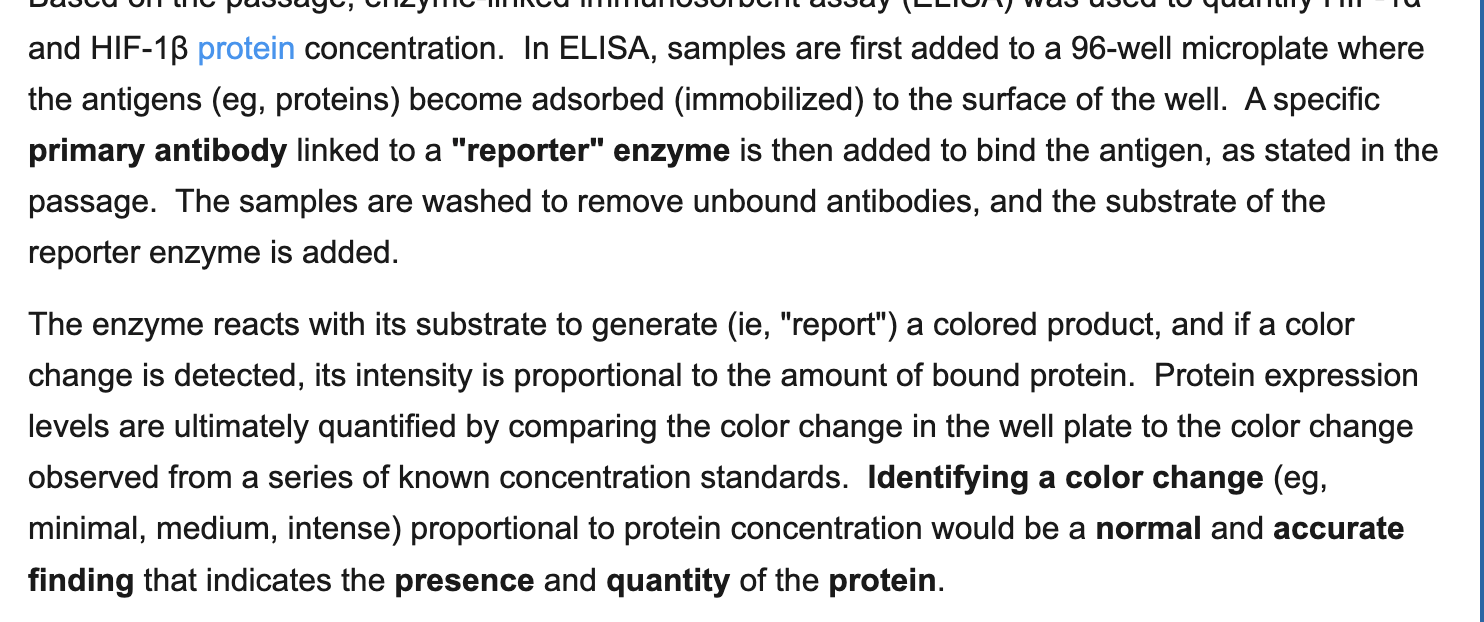
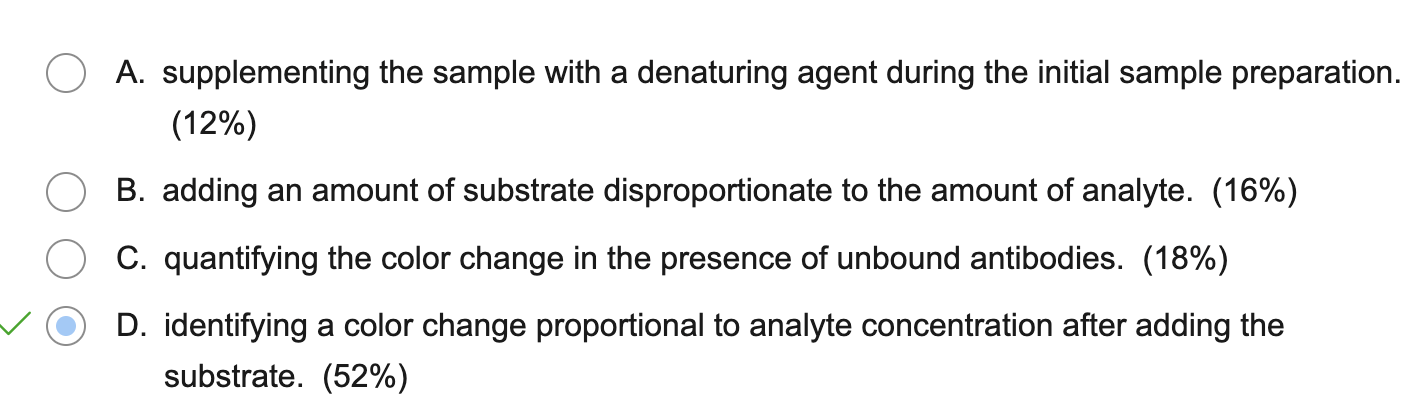
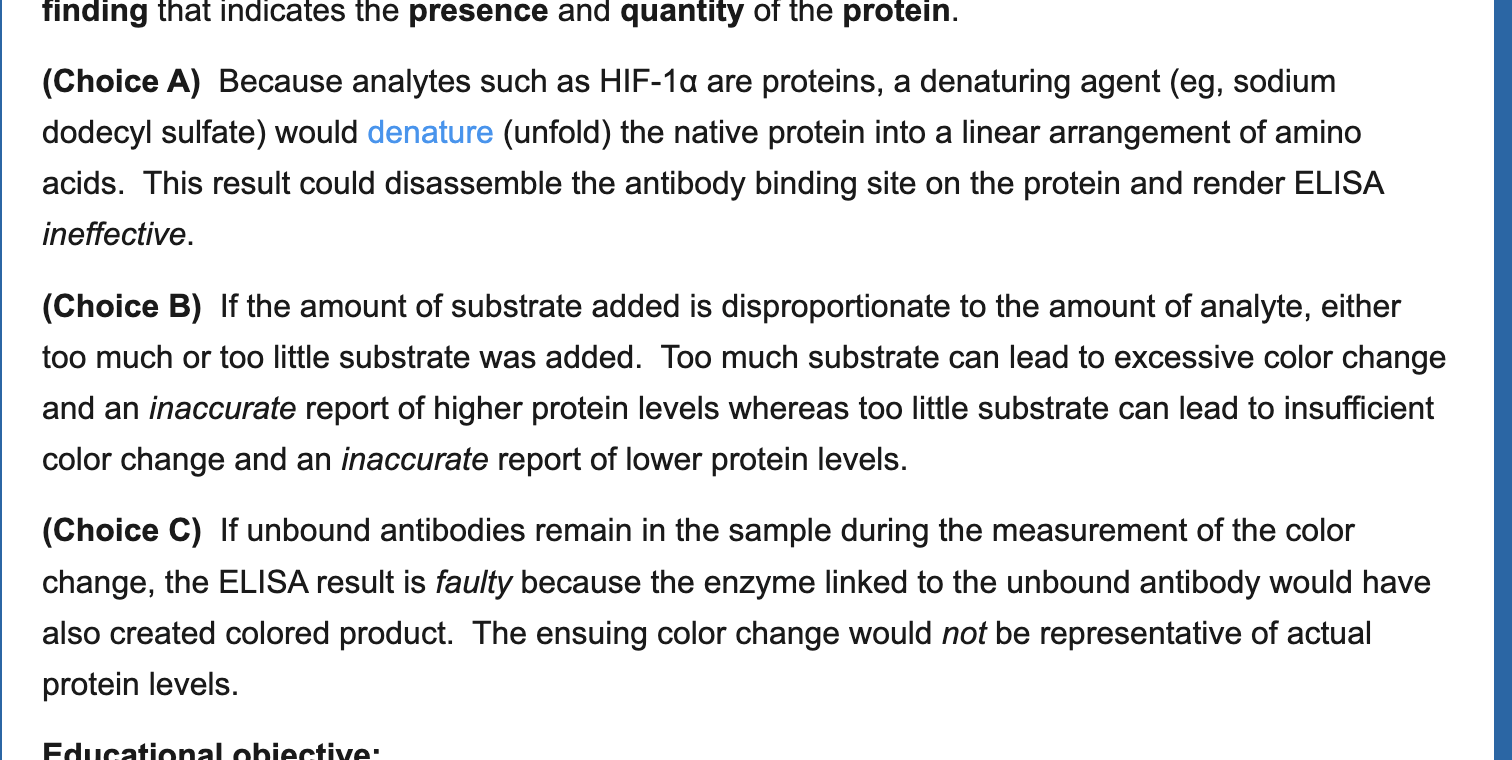
ELISA procedure


ileum or jejunum
ileum
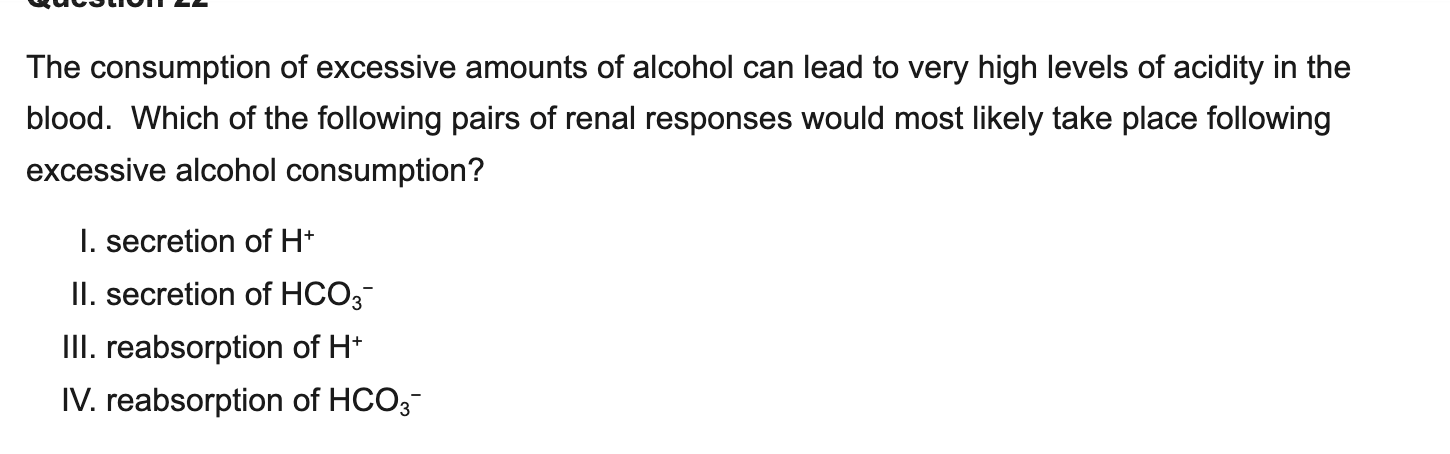
1 and 4