Tenses
 Call Kai
 Learn
Learn Practice Test
 Spaced Repetition
 Match
Match Flashcards
 Knowt Play
1/60

Earn XP
Description and Tags
serba-serbi tenses bahasa inggris yang berjumlah 12 tenses untuk verbal sententeces, mengecualikan past future tense dan nominal sentences. Untuk benar-benar menguasai tenses, sebenarnya diperlukan memahami: 1. The verb "to be" in all its forms (am, is, are, was, were, will be). 2. The verb "to have" in all its forms (has, have, had, will have). 3. Present participles, i.e., the "ing" form of verbs (e.g., playing, thinking, eating). 4. Past participles (e.g., played, thought, eaten)
Name | Mastery | Learn | Test | Matching | Spaced | Call with Kai |
|---|
No analytics yet
Send a link to your students to track their progress
61 Terms
verb tenses adalah
waktu kata kerja
menunjukkan kapan suatu aksi atau keadaan terjadi — apakah di masa lalu (past), sekarang (present), atau di masa depan (future).
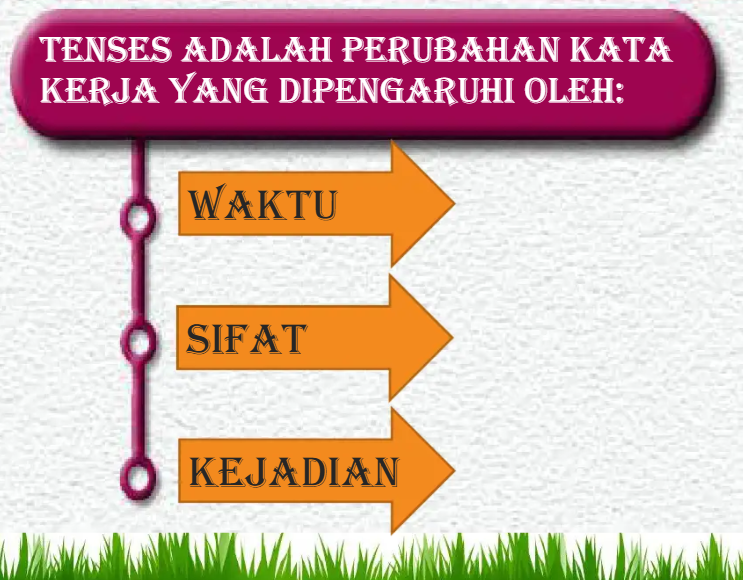
tiga acuan waktu utama (time reference) dalam tenses
past, present, future – masa lalu, masa sekarang, masa depan.
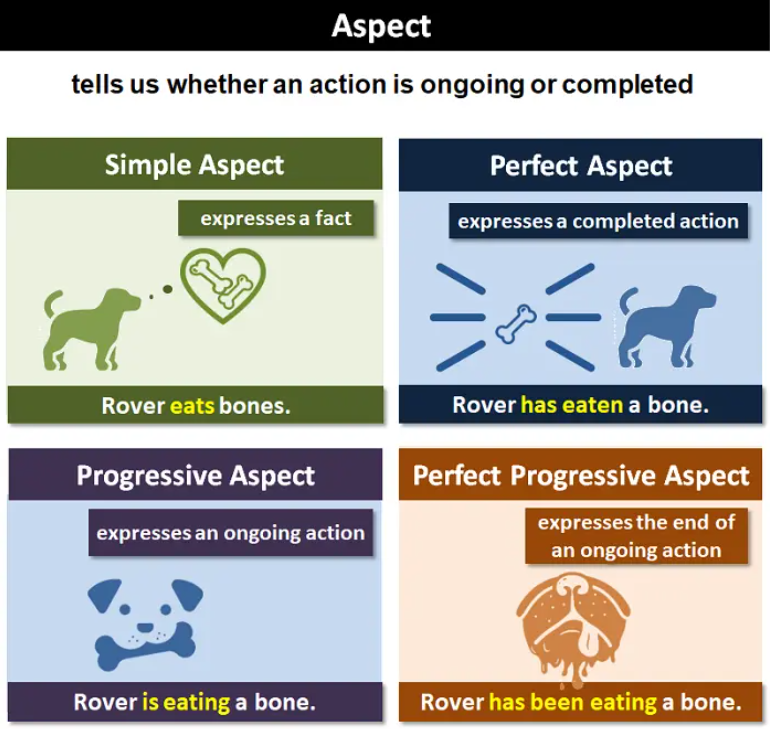
Aspect — cara melihat kejadian (sedang berlangsung / selesai / berulang) ada apa saja?
Simple – sederhana. Fakta / kebiasaan / aksi selesai tanpa fokus proses
Continuous / Progressive – terus-menerus / berprogres. Sedang terjadi.
Perfect –sempurna. Sudah selesai, dan ada hubungan dengan waktu berikutnya
Perfect Continuous – sempurna terus-menerus. Kombinasi perfect + continuous: Aksi berlangsung lama dan masih terus terjadi.
Melihat kejadian sebagai fakta/kejadian biasa disebut aspect apa?
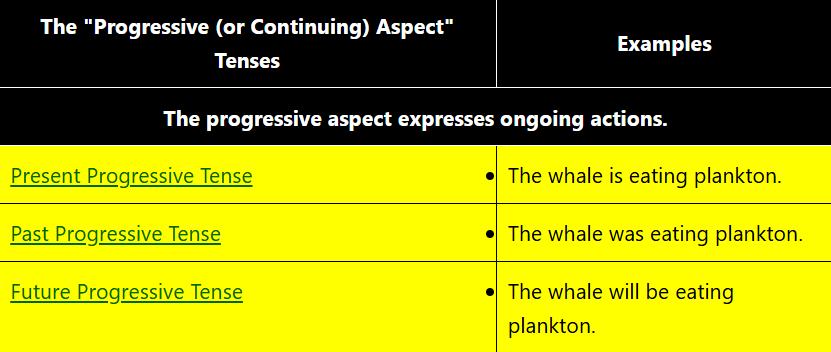
Simple aspect
Rumus simple aspect
V1 / V2 / will + V1
(V1) I eat
(V2) I ate
(Will + V1) I will eat
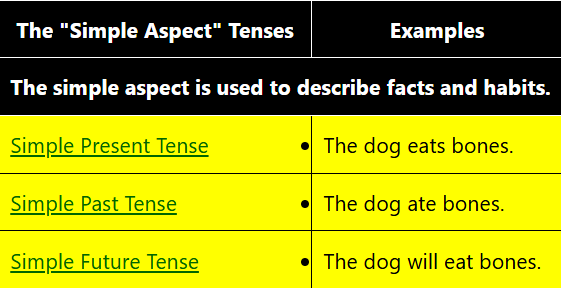
Melihat kejadian sebagai sedang berjalan disebut aspect apa?
continuous/progressive aspect
Rumus Continuous / Progressive aspect
be / will be + V-ing
(am/is/are+ V-ing) I am eating
(was/were + V-ing) I was eating
(will be + V-ing) I will be eating
Melihat kejadian sebagai sudah selesai dan masih ada dampaknya disebut aspect apa?
Perfect aspect
Rumus perfect aspect
have - has / had / will have + V3
(have / has + V3) I have eaten
(had + V3) I had eaten
(will have + V3) I will have eaten
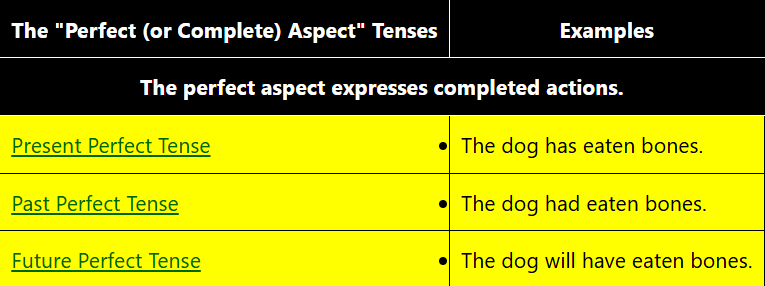
Melihat kejadian sebagai sudah berlangsung lama dan masih jalan terus disebut aspect apa?
perfect continuous/progressive aspect
Rumus Perfect Continuous / Progressive aspect
have - has / had / will have + been + V-ing
(have / has + been + V-ing) I have been eating
(had + been + V-ing) I had been eating
(will have + been + V-ing) I will have been eating
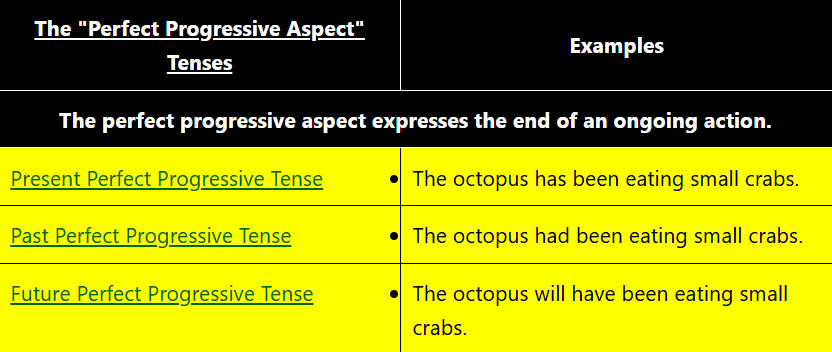
2 jenis kalimat (sentences) berdasarkan predikatnya
Verbal dan nominal
N.B.: flashcards ini hanya menampilkan rumus verbal sentences
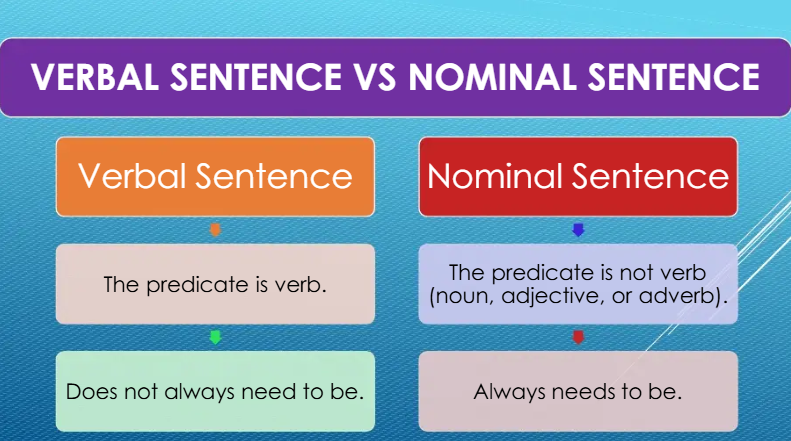
Berapa jumlah tenses
versi internasional 12
versi indonesia 16, karena memasukkan past future
Simple present tense adalah
Menyatakan kebiasaan, fakta umum, rutinitas.
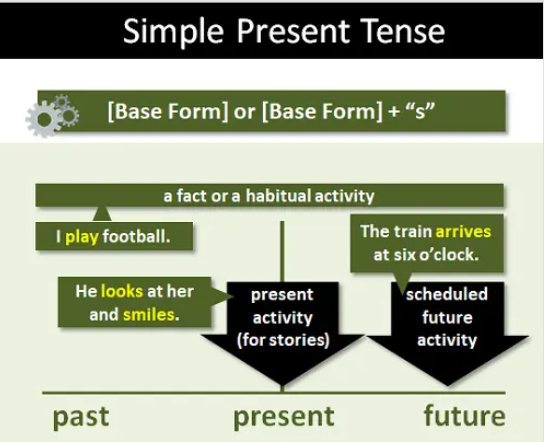
Rumus simple present tense
(+) S + V1(s/es) → She works every morning.
(-) S + do/does not + V1 → She does not work on Sunday.
(?) Do/Does + S + V1? → Does she work here?
(+) S + V1(s/es) → She works every morning.
(-) S + do/does not + V1 → She does not work on Sunday.
(?) Do/Does + S + V1? → Does she work here?
Rumus simple present tense
Simple past tense adalah
Kegiatan selesai di masa lalu (keterangan waktu jelas).
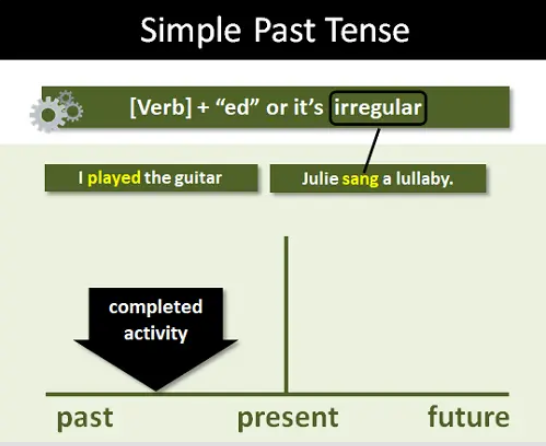
Rumus simple past tense
(+) S + V2 → She went to school yesterday.
(-) S + did not + V1 → She did not go to school.
(?) Did + S + V1? → Did she go to school?
(+) S + V2 → She went to school yesterday.
(-) S + did not + V1 → She did not go to school.
(?) Did + S + V1? → Did she go to school?
Rumus simple past tense
Simple future tense adalah
Menyatakan sesuatu yang akan terjadi (spontan/kejadian belum direncanakan).
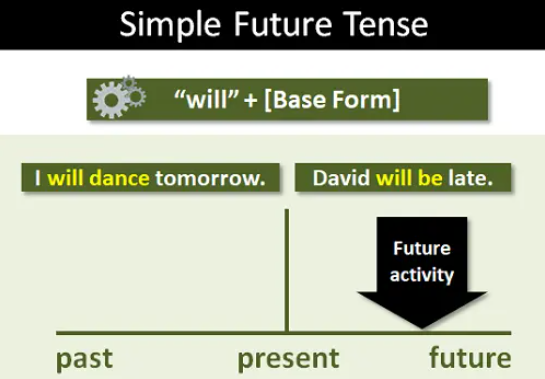
Rumus simple future tense
(+) S + will + V1 → I will go tomorrow.
(-) S + will not + V1 → I will not go tomorrow.
(?) Will + S + V1? → Will you go tomorrow?
(+) S + will + V1 → I will go tomorrow.
(-) S + will not + V1 → I will not go tomorrow.
(?) Will + S + V1? → Will you go tomorrow?
Rumus simple future tense
Present Continuous / Progressive tense adalah
Menyatakan sesuatu yang sedang berlangsung sekarang.
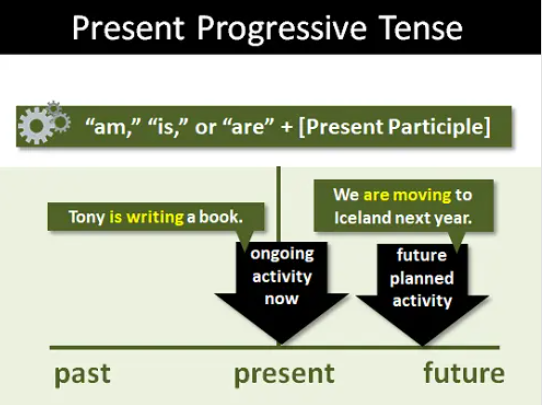
Rumus continuous / progressive tense
(+) S + am/is/are + V-ing → She is working.
(-) S + am/is/are not + V-ing → She is not working.
(?) Am/Is/Are + S + V-ing? → Is she working?
(+) S + am/is/are + V-ing → She is working.
(-) S + am/is/are not + V-ing → She is not working.
(?) Am/Is/Are + S + V-ing? → Is she working?
Rumus continuous / progressive tense
Past Continuous / Progressive tense adalah
Kegiatan sedang berlangsung di waktu tertentu di masa lalu.
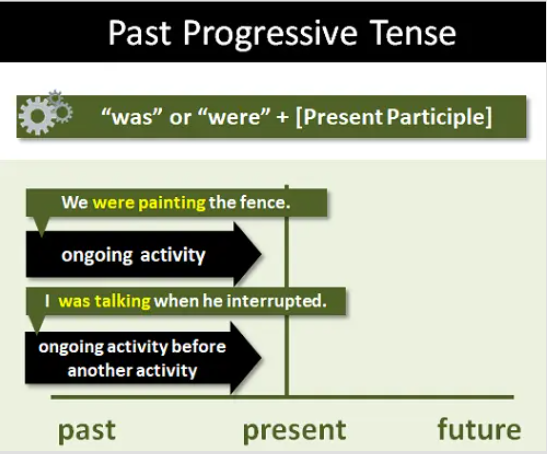
Rumus past continuous / progressive tense
(+) S + was/were + V-ing → She was working.
(-) S + was/were not + V-ing → She was not working.
(?) Was/Were + S + V-ing? → Was she working?
(+) S + was/were + V-ing → She was working.
(-) S + was/were not + V-ing → She was not working.
(?) Was/Were + S + V-ing? → Was she working?
Rumus past continuous / progressive tense
Future Continuous / Progressive tense adalah
Kegiatan yang akan sedang berlangsung di waktu tertentu di masa depan.
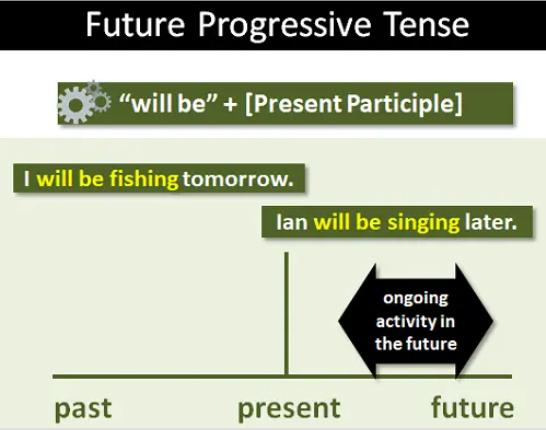
Rumus Future Continuous / Progressive tense
(+) S + will be + V-ing → She will be working.
(-) S + will not be + V-ing → She will not be working.
(?) Will + S + be + V-ing? → Will she be working?
(+) S + will be + V-ing → She will be working.
(-) S + will not be + V-ing → She will not be working.
(?) Will + S + be + V-ing? → Will she be working?
Rumus Future Continuous / Progressive tense
Present Perfect tense adalah
Menyatakan kejadian yang sudah terjadi tapi masih berhubungan dengan sekarang.
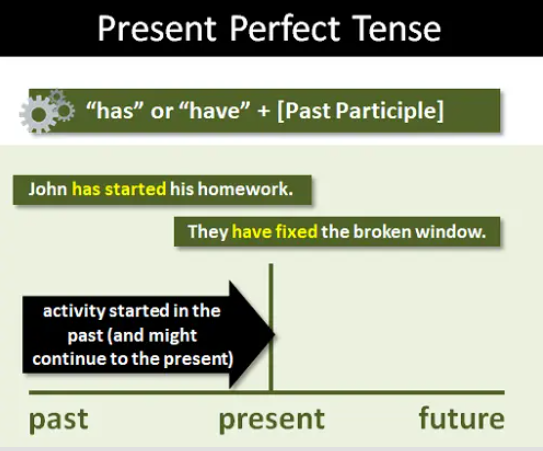
Rumus present perfect tense
(+) S + have/has + V3 → She has worked.
(-) S + have/has not + V3 → She has not worked.
(?) Have/Has + S + V3? → Has she worked?
(+) S + have/has + V3 → She has worked.
(-) S + have/has not + V3 → She has not worked.
(?) Have/Has + S + V3? → Has she worked?
Rumus present perfect tense
Past Perfect tense adalah
Kejadian yang terjadi lebih dulu sebelum kejadian lain di masa lalu.
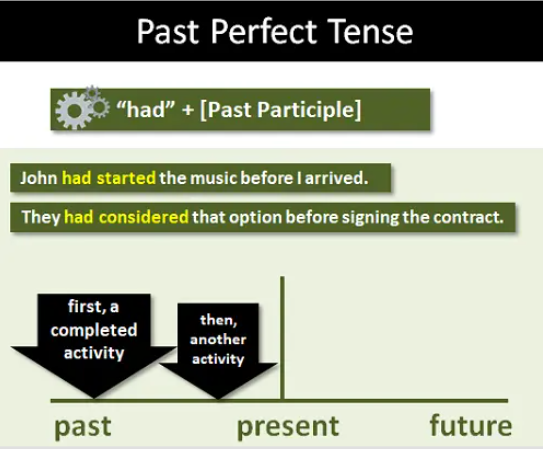
Rumus Past Perfect tense
(+) S + had + V3 → She had worked before he arrived.
(-) S + had not + V3 → She had not worked before he arrived
(?) Had + S + V3? → Had she worked before he arrived?
(+) S + had + V3 → She had worked before he arrived.
(-) S + had not + V3 → She had not worked before he arrived
(?) Had + S + V3? → Had she worked before he arrived?
Rumus Past Perfect tense
Future Perfect tense adalah
Kegiatan yang akan selesai sebelum waktu tertentu di masa depan.
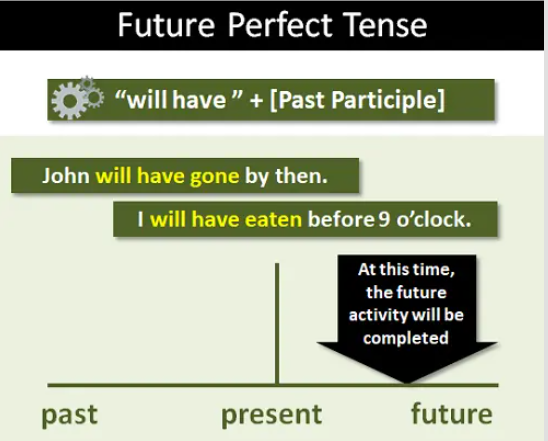
Rumus Future Perfect tense
(+) S + will have + V3 → She will have worked by tomorrow.
(-) S + will not have + V3 → She will not have worked by tomorrow.
(?) Will + S + have + V3? → Will she have worked by tomorrow?
(+) S + will have + V3 → She will have worked by tomorrow.
(-) S + will not have + V3 → She will not have worked by tomorrow.
(?) Will + S + have + V3? → Will she have worked by tomorrow?
Rumus Future Perfect tense
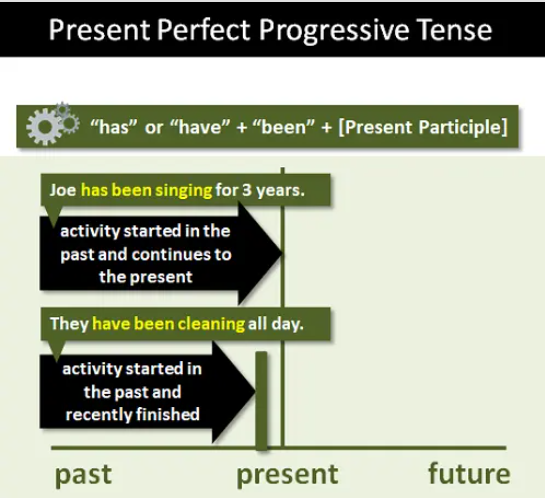
Present Perfect Continuous / Progressive adalah
Menekankan durasi kegiatan yang dimulai di masa lalu dan masih berlangsung.
Rumus Present Perfect Continuous / Progressive
(+) S + have/has been + V-ing → She has been working.
(-) S + have/has not been + V-ing → She has not been working.
(?) Have/Has + S + been + V-ing? → Has she been working?
(+) S + have/has been + V-ing → She has been working.
(-) S + have/has not been + V-ing → She has not been working.
(?) Have/Has + S + been + V-ing? → Has she been working?
Rumus Present Perfect Continuous / Progressive
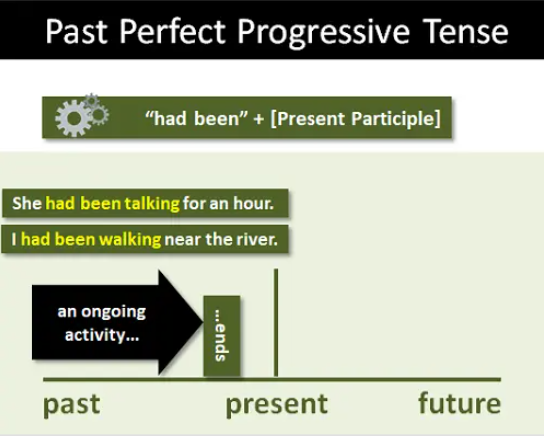
Past Perfect Continuous / Progressive tense adalah
Menekankan durasi sebelum kejadian lain di masa lalu.
Rumus Past Perfect Continuous / Progressive tense
(+) S + had + been + V-ing → She had been working for hours before her boss arrived.
(-) S + had + not + been + V-ing → She had not been working long when the power went out.
(?) Had + S + been + V-ing? → Had she been working there since morning?
(+) S + had + been + V-ing → She had been working for hours before her boss arrived.
(-) S + had + not + been + V-ing → She had not been working long when the power went out.
(?) Had + S + been + V-ing? → Had she been working there since morning?
Rumus Past Perfect Continuous / Progressive tense
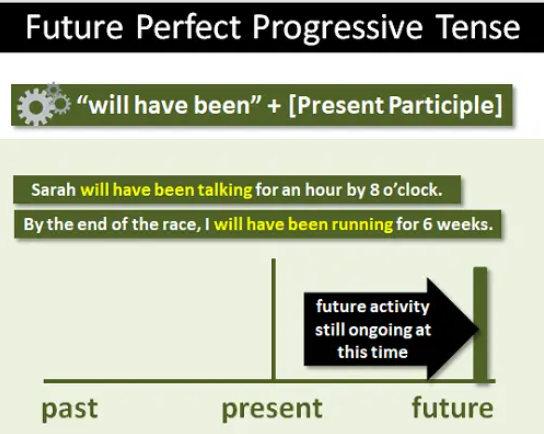
Future Perfect Continuous / Progressive tense adalah
Menekankan durasi kegiatan sampai waktu tertentu di masa depan.
Rumus Future Perfect Continuous / Progressive tense
(+) S + will + have + been + V-ing → She will have been working for 10 hours by the time she finishes the project.
(-) S + will + not + have + been + V-ing → She will not have been working for long when you arrive.
(?) Will + S + have + been + V-ing? → Will she have been working all night by tomorrow morning?
(+) S + will + have + been + V-ing → She will have been working for 10 hours by the time she finishes the project.
(-) S + will + not + have + been + V-ing → She will not have been working for long when you arrive.
(?) Will + S + have + been + V-ing? → Will she have been working all night by tomorrow morning?
Rumus Future Perfect Continuous / Progressive tense
I play badminton every weekend.
(Kebiasaan / rutin)
Simple Present
She is cooking dinner right now.
(Sedang berlangsung saat ini)
Present Continuous / Progressive
They have visited Bali before.
(Sudah pernah terjadi, efek masih relevan)
Present Perfect
He has been studying for three hours.
(Sudah belajar sejak tadi dan masih lanjut)
Present Perfect Continuous / Progressive
We watched a movie last night.
(Terjadi & selesai di masa lampau)
Simple Past
I was sleeping when you called.
(Sedang terjadi di masa lampau ketika sesuatu lain muncul)
Past Continuous / Progressive
She had finished her work before the meeting started.
(Satu aksi selesai lebih dulu dari aksi lampau lainnya)
Past Perfect
They had been waiting for an hour when the bus arrived.
(Sudah menunggu lama sebelum kejadian lain muncul di masa lampau)
Past Perfect Continuous / Progressive
I will call you later.
(prediksi masa depan)
Simple Future
This time tomorrow, I will be flying to Japan.
(Akan sedang berlangsung di waktu tertentu di masa depan)
Future Continuous
By next year, she will have graduated.
(Aksi akan selesai sebelum titik waktu masa depan)
Future Perfect
By 2026, I will have been working here for 10 years.
(Aksi berlanjut lama sampai titik waktu masa depan)
Future Perfect Continuous

