Improving Control
 Call Kai
 Learn
Learn Practice Test
 Spaced Repetition
 Match
Match Flashcards
 Knowt Play
1/92

Earn XP
Description and Tags
Single-Pilot Resource Management (SRM), Using your Airport and Radio Communications, The airport Environment and Correcting for Wind, Stalls, Takeoffs and Landings Explained.
Name | Mastery | Learn | Test | Matching | Spaced | Call with Kai | Chat |
|---|
No analytics yet
Send a link to your students to track their progress
93 Terms
According to the FAA, aeronautical decision making (ADM) is?
A systematic approach to the mental process used by pilots to consistently determine the best course of action in response to a given set of circumstances
Where can you reference material on Aeronautical Decision Making?
Advisory Circular
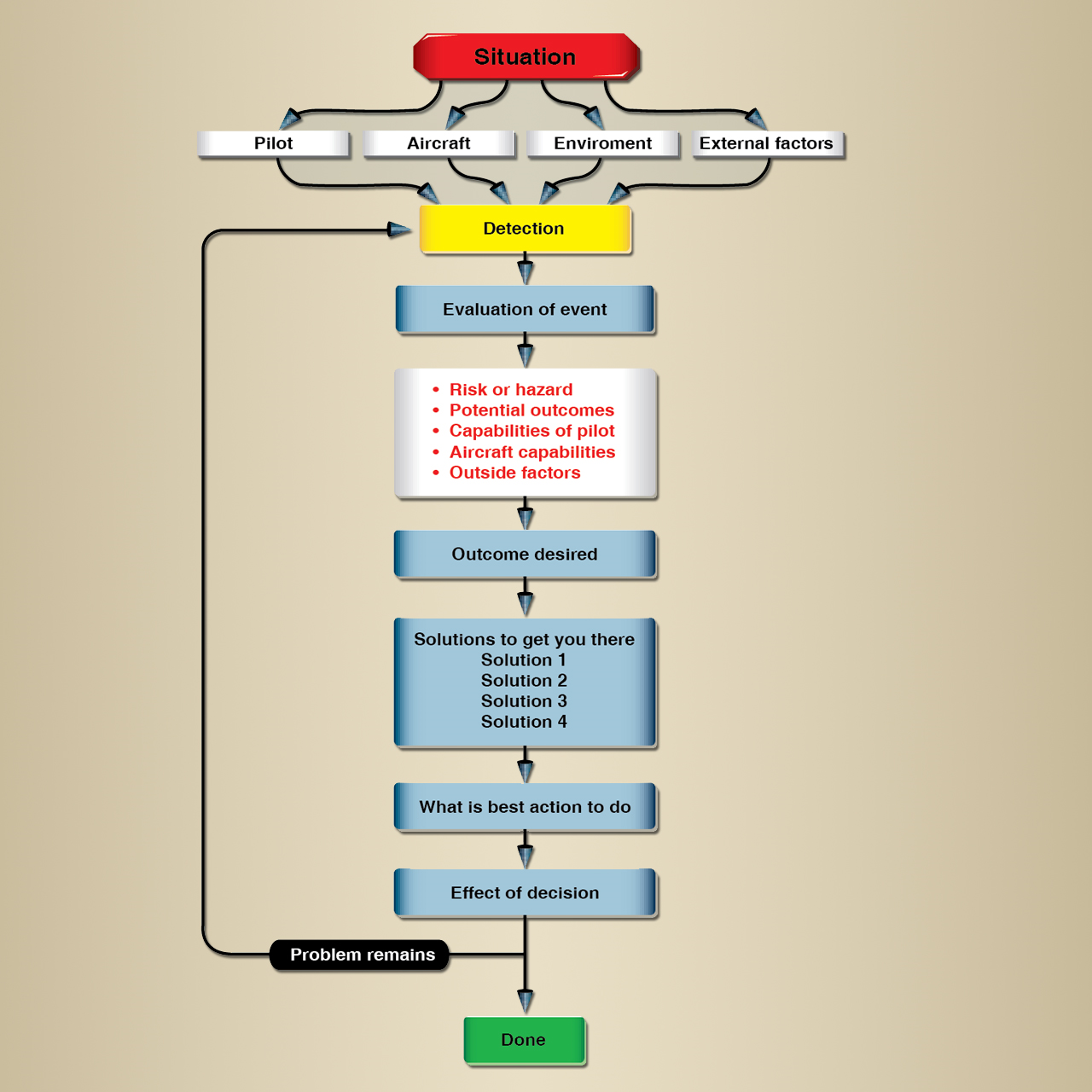
DECIDE model for (ADM)?
Detect the Change, Estimate the need to react to the change, Choose a desirable outcome, identify actions to control the change, Do take the necessary actions, and Evaluate the effect of the actions
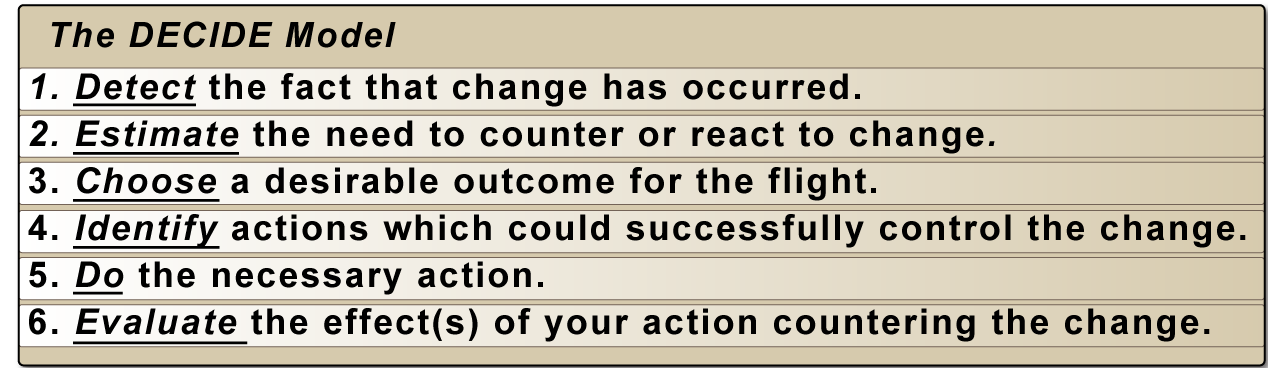
PAVE Checklist?
Pilot, Aircraft, enVironment and External pressures
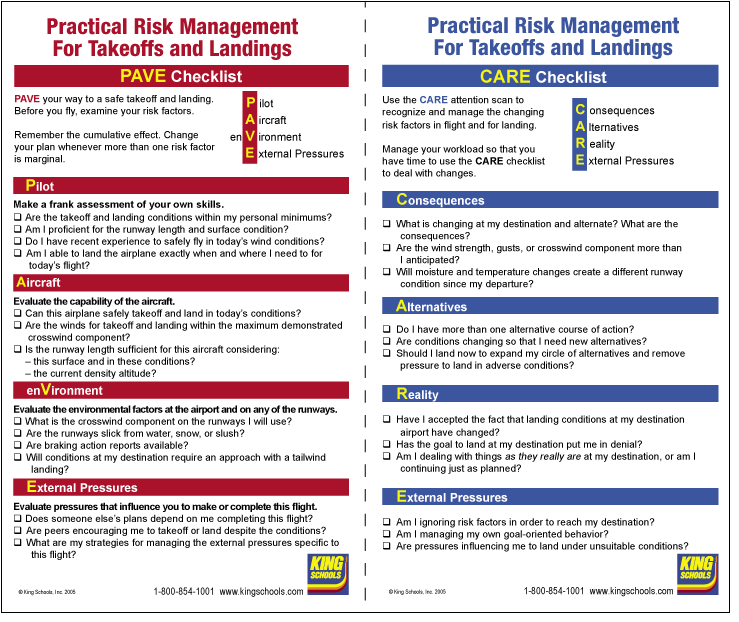
CARE Checklist?
Consequences, Alternatives, Reality, External Pressures
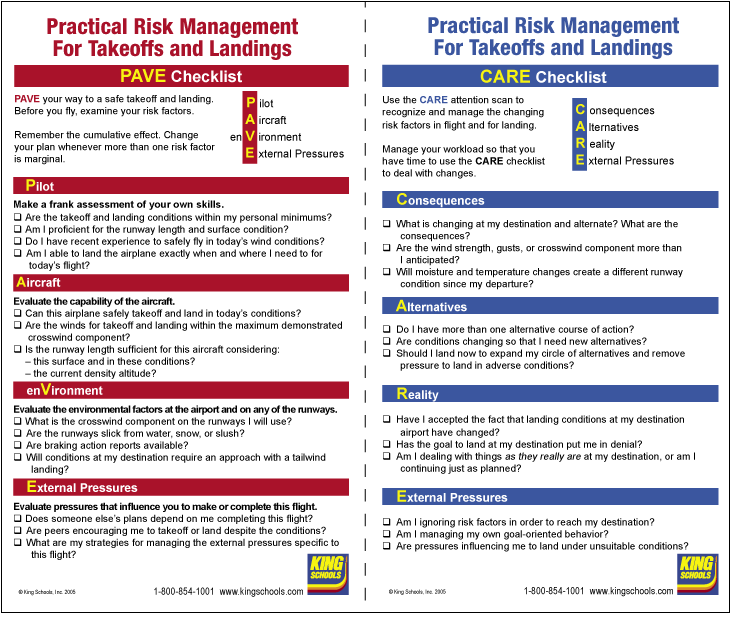
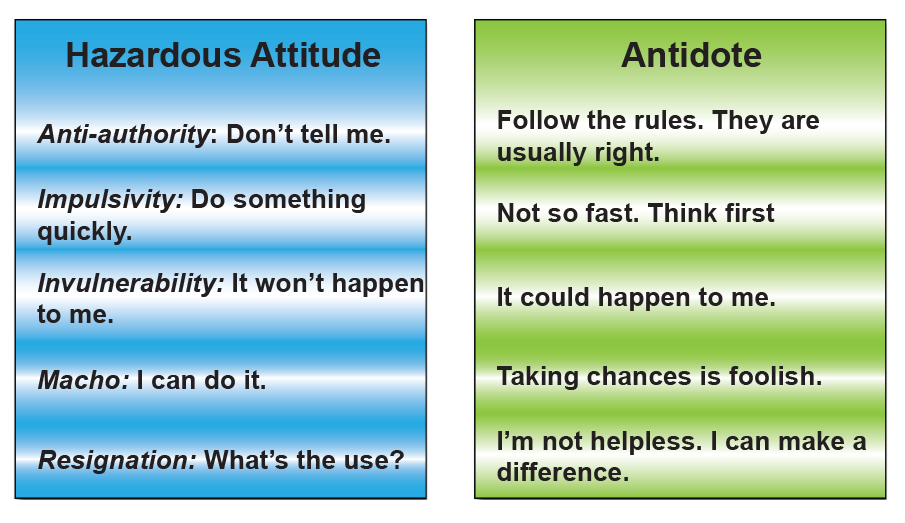
FAA has identified these as?
common hazardous attitudes
Controlled Flight Into Terrain (CFIT) is when an aircraft is flown into?
terrain, water or obstacles
Controlled Flight Into Terrain (CFIT) occurs during?
Day in low visibility, During the night, In mountainous areas, or in areas where the pilot is unfamiliar with the terrain
Information on Controlled Flight Into Terrain (CFIT) can be found in?
Advisory Circular
5 Ps?
Plan, Plane, Pilot, Passengers, Programming
IMSAFE checklist?
Illness, Medication, Stress, Alcohol, Fatigue and Food, Emotion
Personal Minimums refer to an?
Individual pilot’s set of procedures
If you have marginal items in two or more risk factor categories?
Cancel the flight
Scud running?
When pilots lower their altitude to avoid instrument meteorological conditions increasing the risk of collisions
Hypoxia is an oxygen deficiency in your body that can result from?
Flying at high altitudes without supplemental oxygen because the lower air pressure results in less oxygen reaching your lungs
Regulations state that no person may operate an aircraft?
Within 8 hours of consuming alcohol with a blood alcohol content of 0.04% or greater or any drug
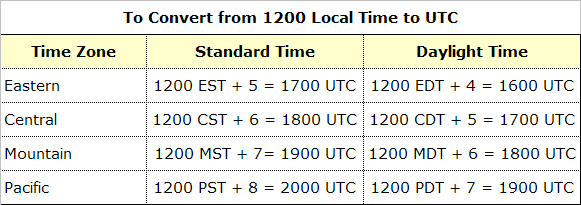
UTC?
Coordinated Universal Time is also referred to as Zulu time
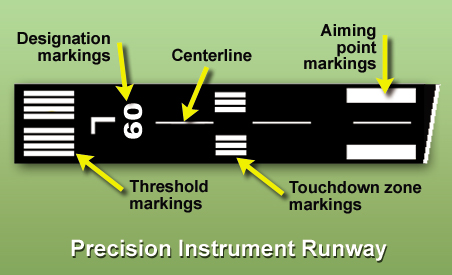
Three types of markings for runways?
Runways with no instrument approach, a nonprecision instrument approach and a precision instrument approach
The runway designation or number is?
The magnet direction of the centerline rounded to the nearest 10 degrees
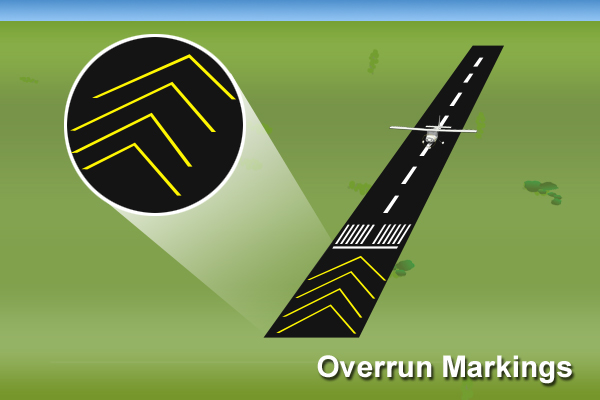
Pavement marked with yellow chevrons pointing toward the threshold indicate?
No normal operations allowed, may be used as an emergency overrun or stopway
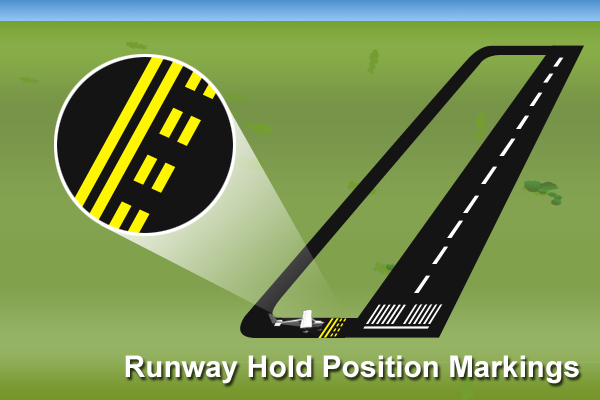
Runway holding position markings indicate?
Where to stop when approaching a runway
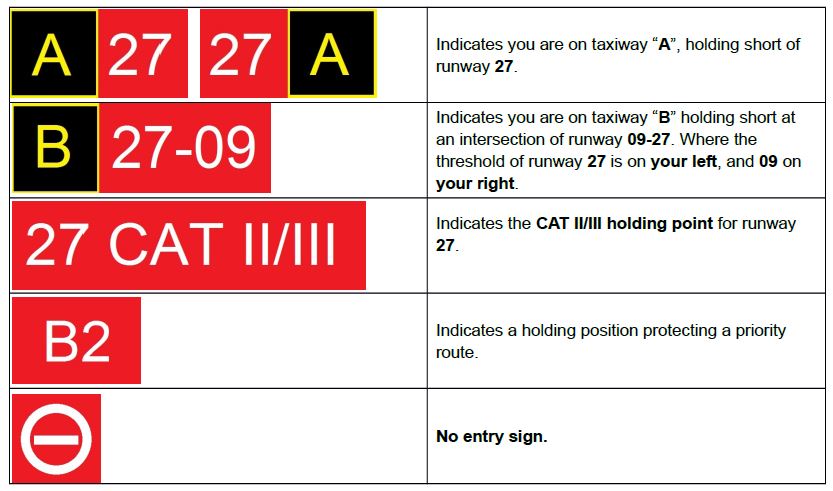
Signs with a red background and white lettering are?
Mandatory instruction signs and indicate areas where taxiing requires an air traffic control control clearance, special caution or is prohibited
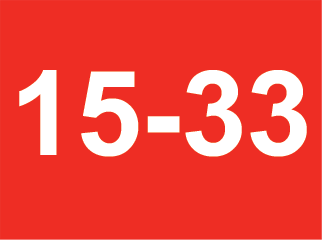
What sign is this?
A hold short sign for runway 15-33

What does this sign tell you?
You are located on taxiway (Tango)
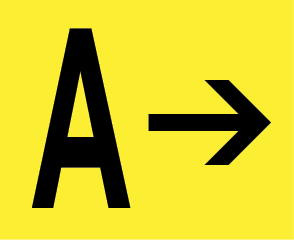
What does this sign tell you?
Taxiway (Alpha) is to the right

What does this sign mean?
There are 3,000 feet of runway remaining

What does a large “X” at each end of the runway mean?
Closed runway
Runway Incursions occurs when?
An aircraft enters an active runway without a clearance
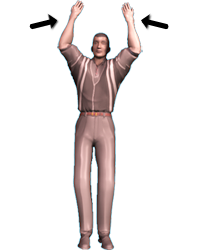
This means?
Proceed straight ahead
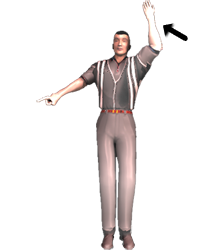
This means?
Left turn
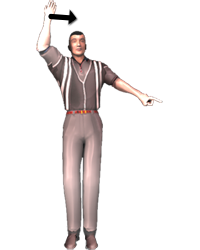
This means?
Right turn
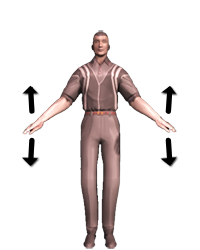
This means?
Slow down
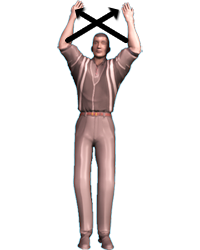
This means?
Stop
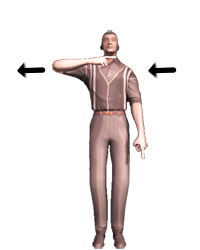
This means?
Cut engine
The radio is a communication transceiver that combines a?
Transmitter and Receiver
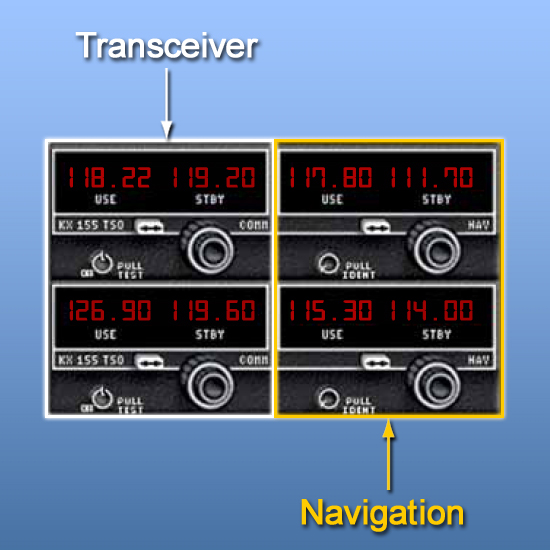
An aircraft transceiver operates in the?
Very high frequency (VHF) range which is the band from 118.00 to 136.975 megahertz (MHz)
A VHF transceiver is limited by?
line of sight meaning it will not curve over horizon or around mountains and has a greater range at higher altitude
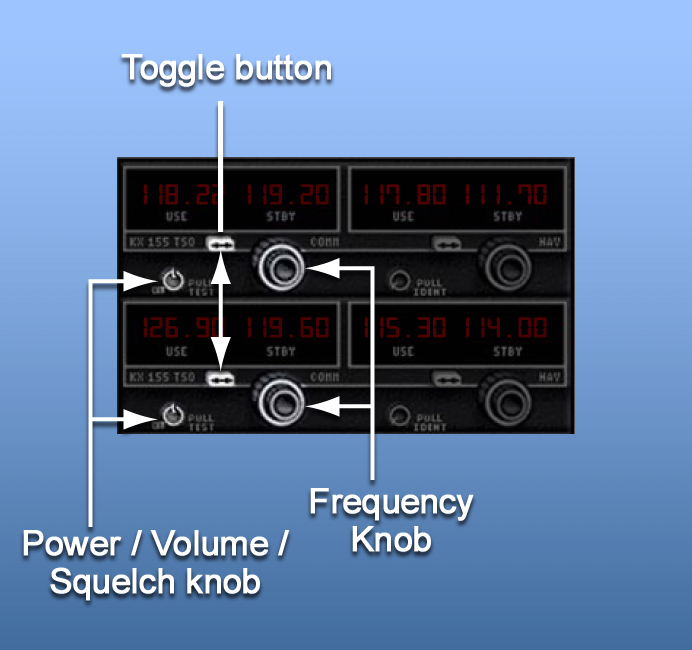
The parts of any modern transceiver will include?
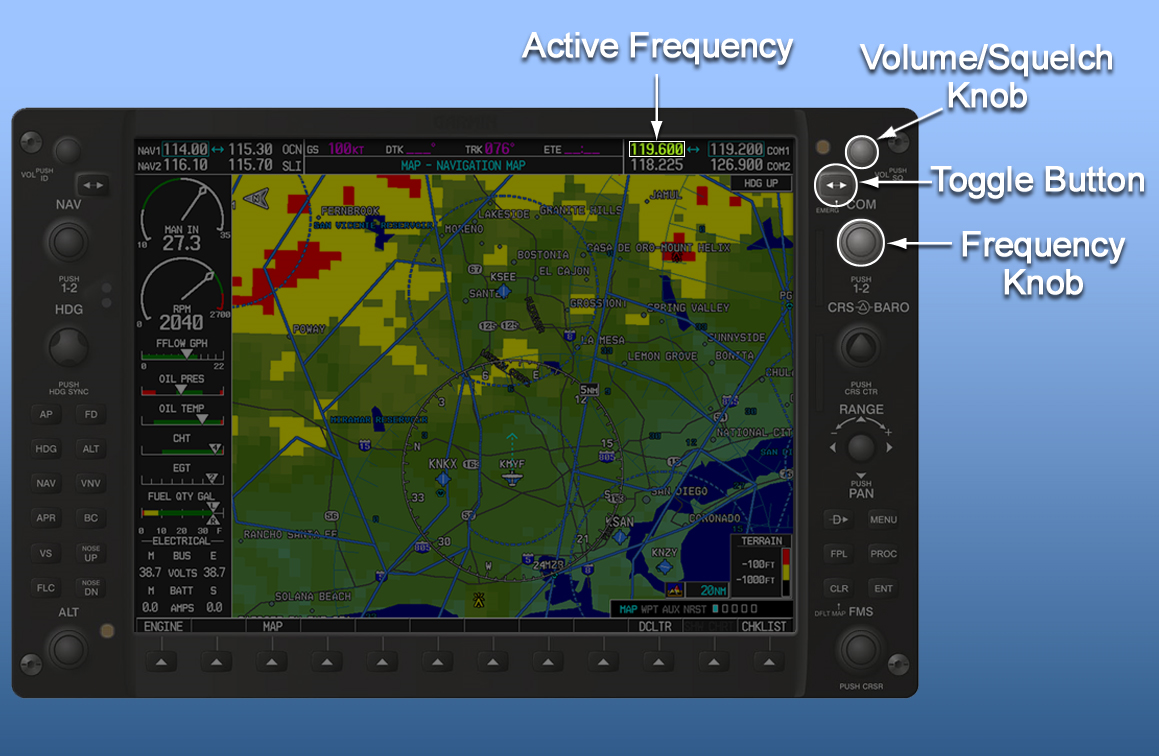
Power, volume, squelch and frequency knobs with a display for the active in use frequency and standby frequency controlled by the toggle button
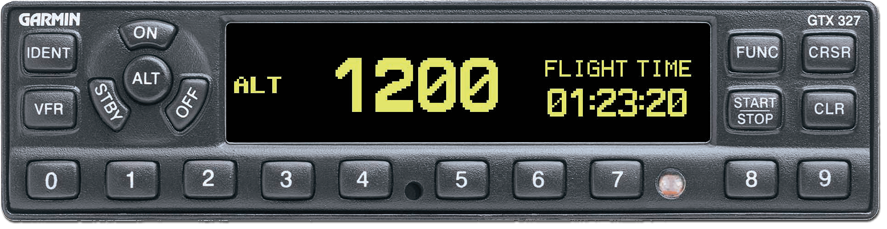
The Transponder works by?
Receiving an interrogation signal from a ground radar unit and sending a squawk back to the ground radar unit. The ground radar unit can determine the aircraft’s track. Unique transponder code may be assigned by the air traffic controller which can include the aircraft’s registration number
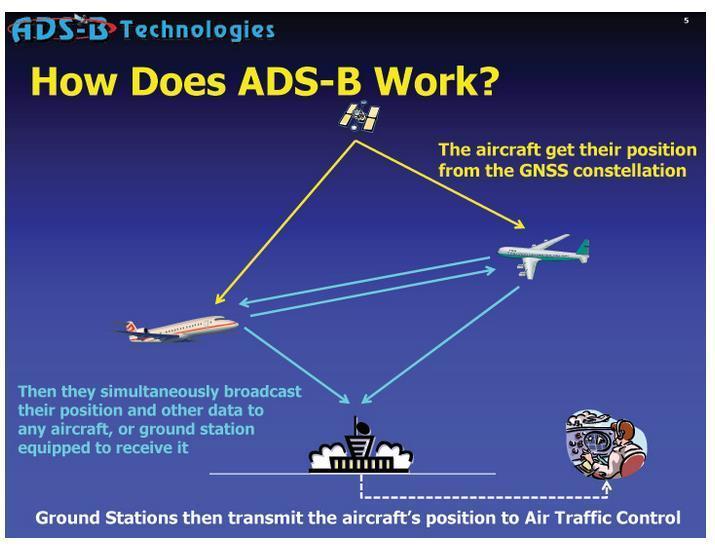
ADS-B Out?
Is based on an onboard GPS (GNSS) to broadcast aircraft information such as position, altitude and track direction to a ground station which is then relayed to an ATC facility. ADS-B updates more frequently and accurately than ATC radar and is required whenever a transponder is required
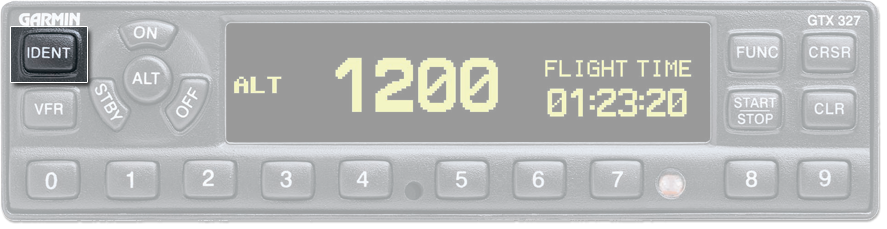
An IDENT button?
Brightens your position on the controller’s radar screen for 18 seconds
VFR code?
1200
0000 code?
Military Intercept, should never be used
7500 code? (ATC will ask “Did you really mean to squawk 7500?”)
Hijack
7600 code? (ATC will ask if you can hear them: “If you receive, squawk IDENT”)
Lost communications
7700 code?
Emergency
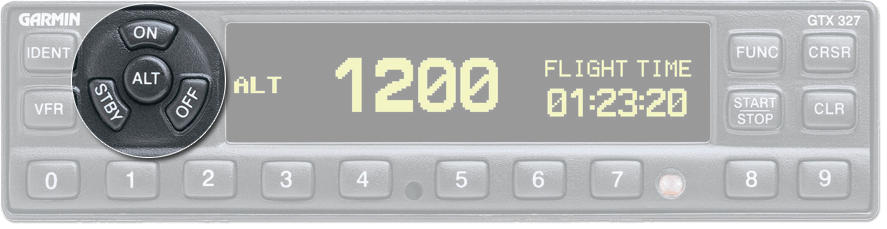
Operational modes on a transponder?
OFF | The unit is shut down |
STBY | The transponder is warming up but not transmitting |
ON | The unit responds to a radar interrogation but does not transmit altitude |
ALT | The transponder replies to a radar interrogation, including altitude information |
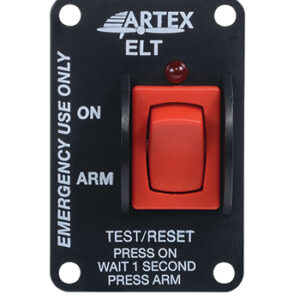
Emergency Locator Transmitter (ELT) operates?
Automatically when a gravity switch senses a hard collision or manually by the pilot
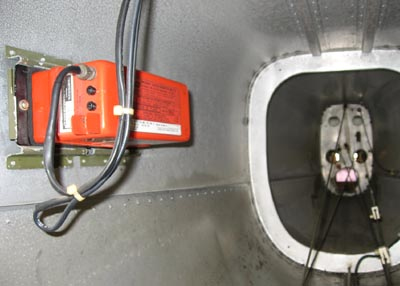
New ELT’s transmit on?
121.5, 243.0 and 406.028 MHz
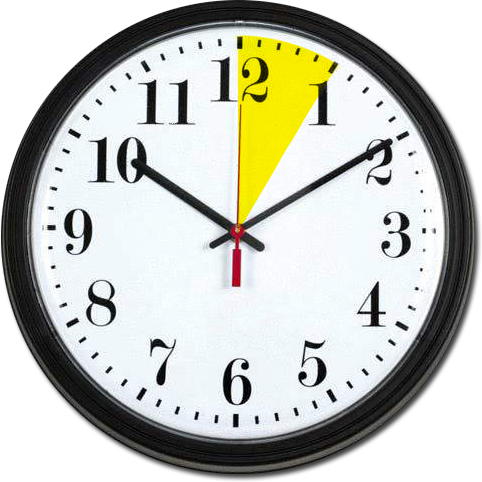
Old ELTs should be tested?
Between the top of the hour and five minutes after that hour only or by tuning you VHF receiver to 121.5 and listening for a signal
You activate Old Tech ELTs by moving the ELT rocker switch to the ON position, then?
Listen for the ELT signal for no more than three transmissions and seeing the red annunciator light, if one is available illuminate then moving the ELT rocker switch back to the RESET position
New Tech ELTs should only be tested by?
Authorized mechanics
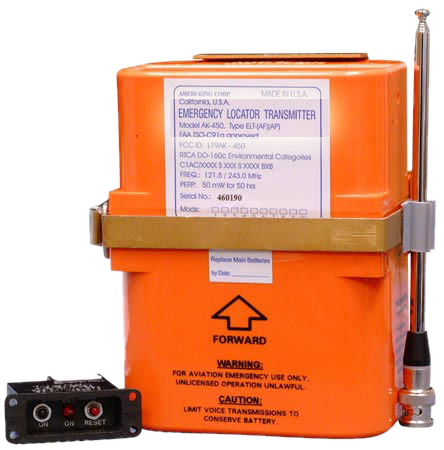
ELT’s battery is contained inside the unit and must be?
Replaced or recharged when 50% of the useful life has expired or when the transmitter has been in use for a total of one hour
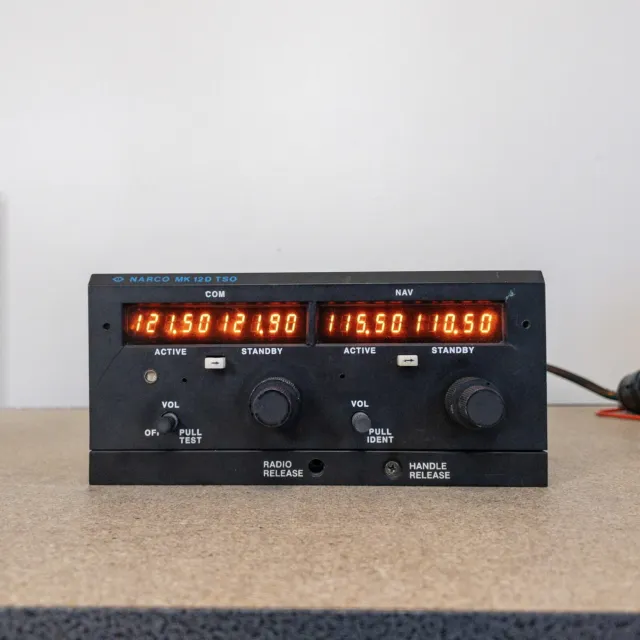
To ensure that your ELT is not transmitting, at the end of your flight tune your VHF transceiver to?
121.5
ATIS?
Automatic terminal information service that is updated approximately every hour
Clearance delivery?
Provides basic instruction to depart the area after takeoff to avoid a collision hazard
Air route traffic control centers (ARTCCs), called “Center” and provide separation and radar service on airways between major airports, generally?
More than 30 miles from the airport, mainly for aircraft on instrument flight plans but may be used by VFR
FSS?
Flight Service Stations provide weather information and are called Radio
With a radio failure, to enter the pattern at a non-towered airport, first overfly the airport?
500 feet above traffic pattern altitude.
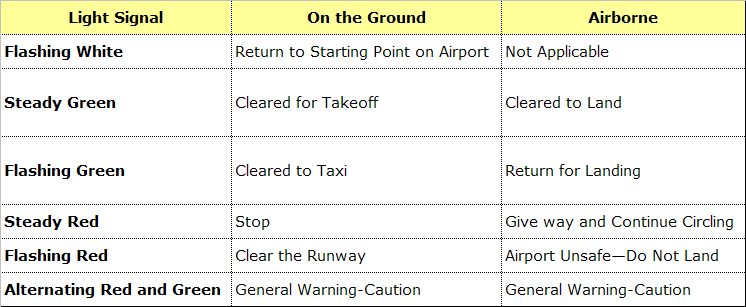
When are these colors flashed at you with a light gun?
When entering the pattern to land with a radio failure at an airport with ATC
Landings and takeoffs are usually made on the runway most aligned with the wind because?
It reduces your ground speed meaning you’ll have a slightly steeper angle of descent on landing
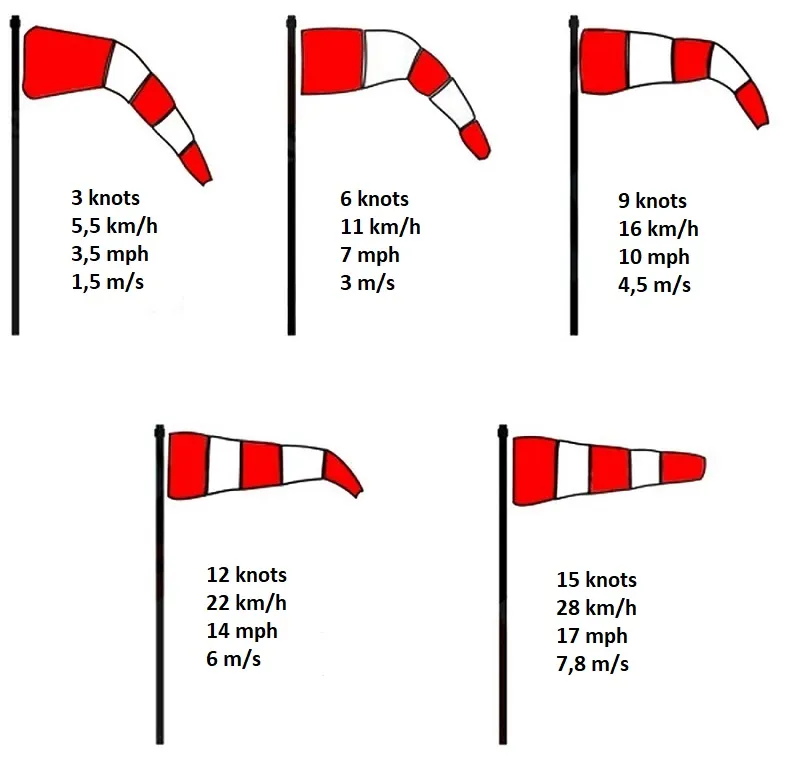
A windsock that is straight out usually indicates?
A wind stronger than 15 knots
AWOS?
Automated weather observing system
ASOS?
Automated surface observing system
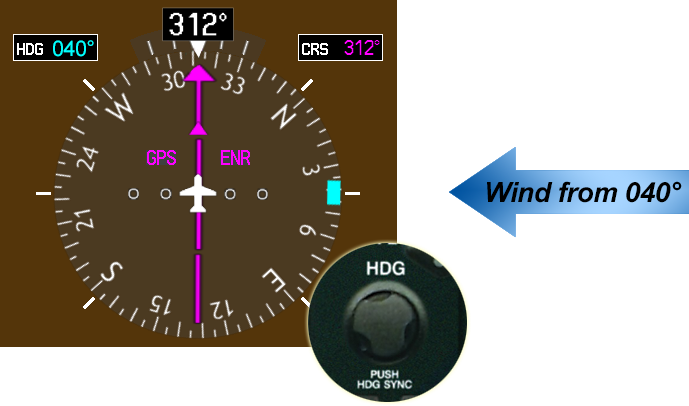
The wind direction on the ground, reported for the purpose of taking off and landing, is?
The direction the wind is blowing from and is rounded to the nearest 10 degrees
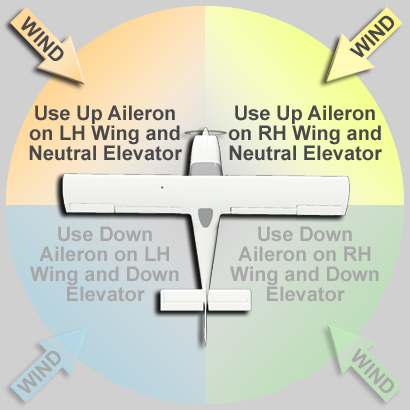
If the wind is coming from in front of you?
Keep the yoke positioned for neutral elevator, determine if the wind is coming from your right or left then aim the yoke into the wind
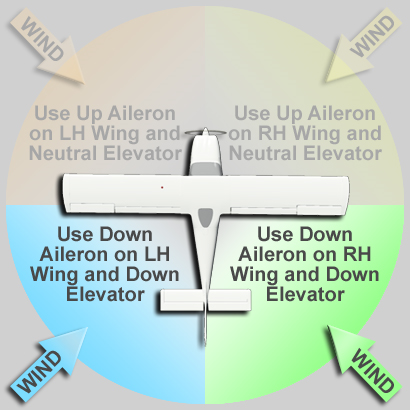
If the wind is coming from behind you?
Push the yoke forward and away from the wind
If you are staying in the traffic pattern for additional takeoffs and landings, turn onto the crosswind leg when you are?
300 feet below the traffic pattern
The downwind leg is flown level at traffic pattern altitude at?
1000 feet AGL
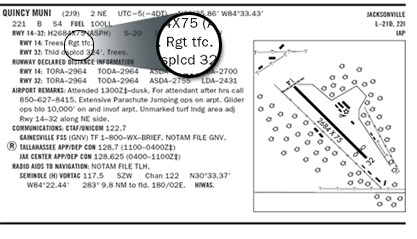
To find out if the traffic pattern is nonstandard (right traffic), the best source is?
The Chart Supplement because it also tells you the exact traffic pattern altitude (TPA)
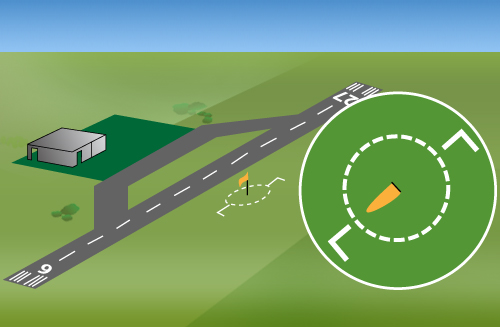
Traffic pattern legs will be depicted on a segmented circle showing?
The direction of the turn from base to final for the associated runway
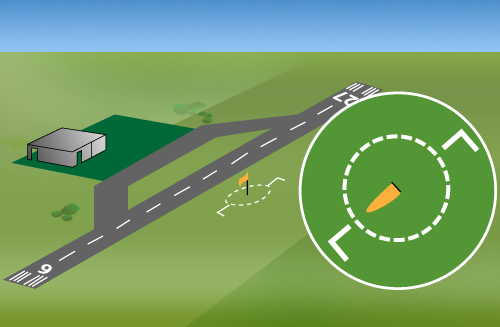
If there is no control tower, no AWOS or ASOS, and no one answers the UNICOM to tell you the wind conditions and which runway traffic is using, you can?
Overfly the airport 500 feet above the traffic pattern altitude to check the windsock, see if there is a traffic pattern indicator and determine the best runway to use
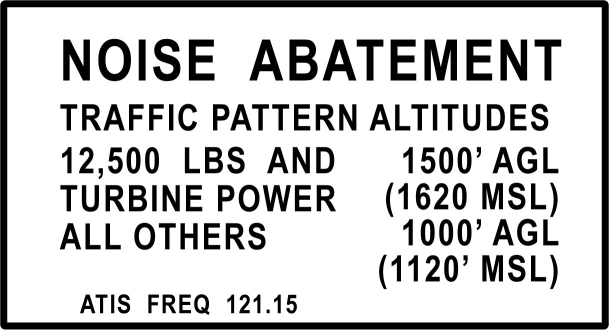
If you are departing the airport traffic area after takeoff you should? (Some airports have procedures)
Continue straight out or make a 45 degree turn in the direction of the crosswind leg and have reached pattern altitude
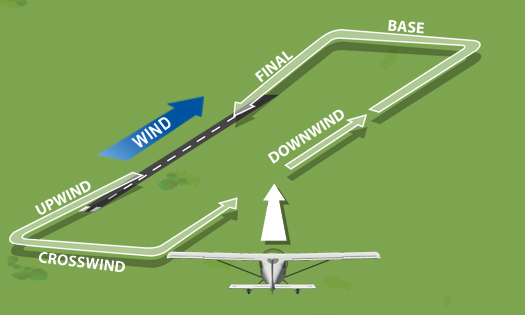
The standard traffic pattern entry is made on?
A 45 degree angle to downwind so that you end up at the midfield point at traffic pattern altitude which is usually 1000 feet AGL
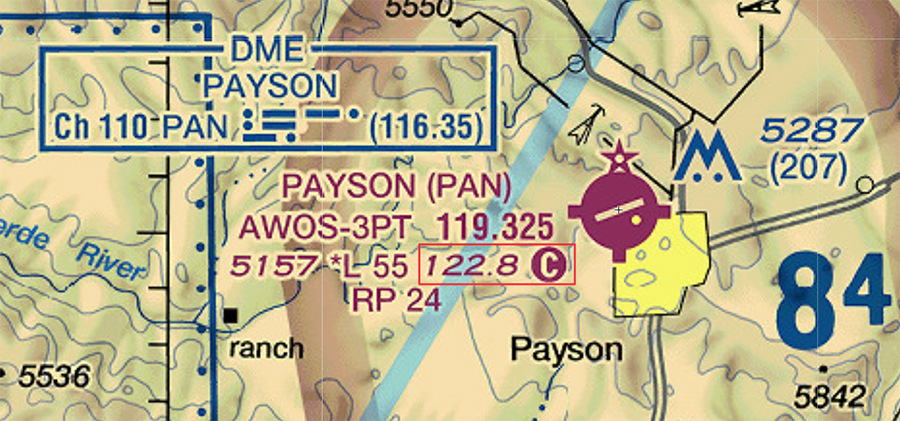
CTAF?
Common traffic advisory frequency
Usually operated by a fixed base operator (FBO). At an airport without a control tower the CTAF is usually the?
UNICOM frequency
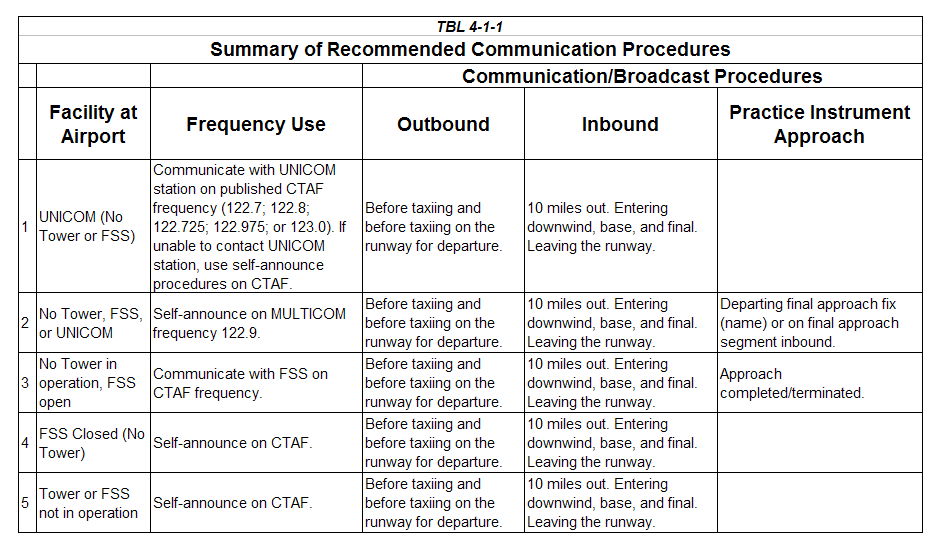
This is a summary of the recommended communication procedures at airports without a?
Control Tower
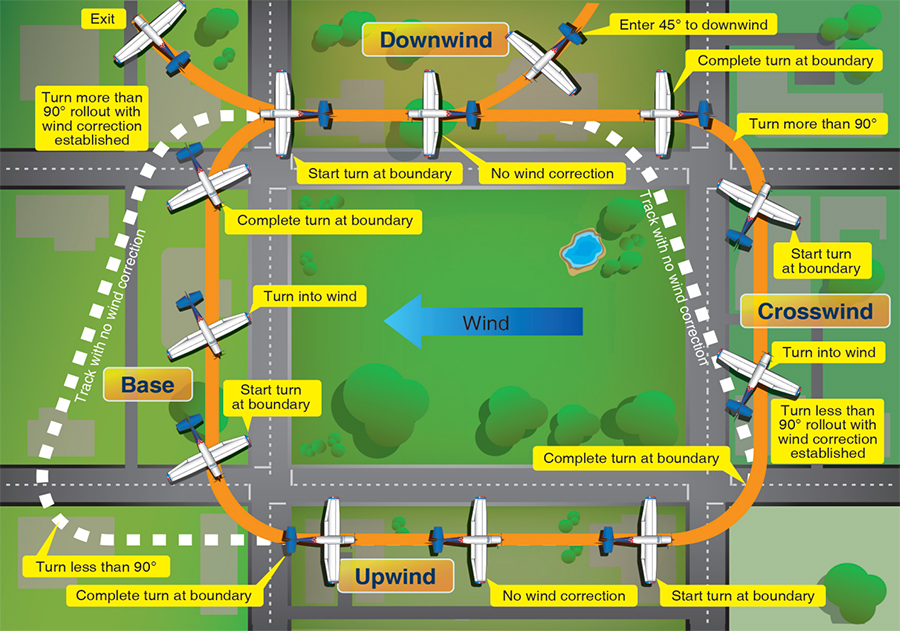
All ground reference maneuvers are entered into the downwind leg, and are performed at?
600 to 1,000 feet AGL entering downwind because this is where your groundspeed will be greatest and the required bank angle used for turning will be at its steepest
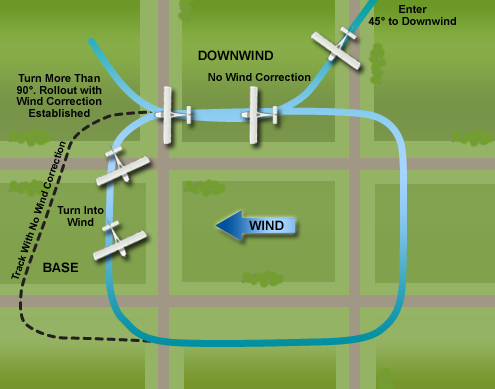
The first leg of the rectangular course is entered at a?
45 degree angle to the downwind leg at a constant power setting producing an airspeed less than maneuvering speed (Va)
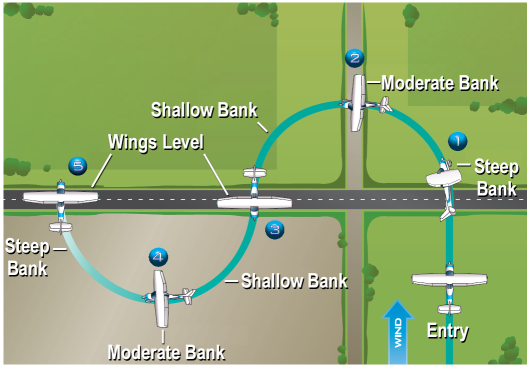
To perform S-turns pick a reference line perpendicular to the wind?
Start the first turn to downwind and use the steepest bank and fastest roll rate, when you are on upwind, use the shallowest bank and slowest roll rate
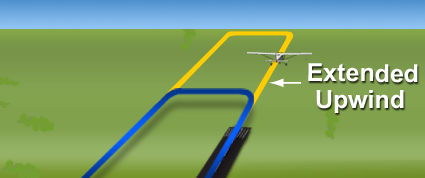
The best place to establish spacing in the pattern is on the upwind or departure leg, simply extend the?
Upwind leg to increase spacing
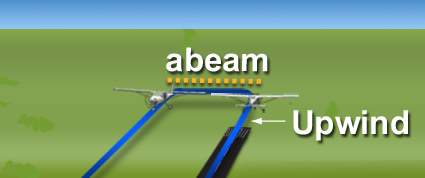
If you have an airplane ahead of you on upwind wait until that airplane is?
Abeam you on downwind before you turn crosswind
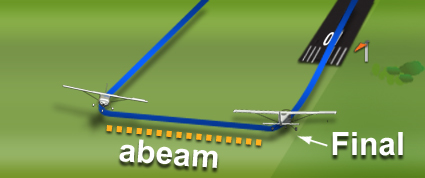
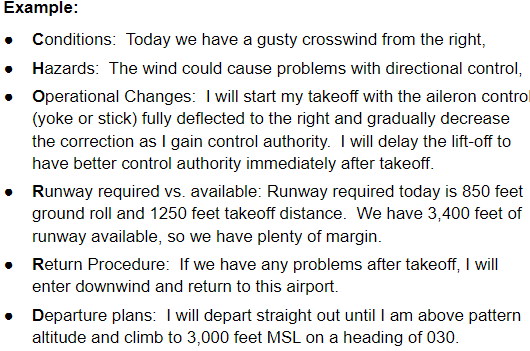
CHORRD Checklist?
Conditions, Hazards, Operational changes, Runways required/available, Return procedure and Departure Plans
Your airspeed on base should be?
(Vso)
1.4 times your stalling speed in landing configuration
Your airspeed on final approach should be?
(Vso)
1.3 times your stalling speed in landing configuration
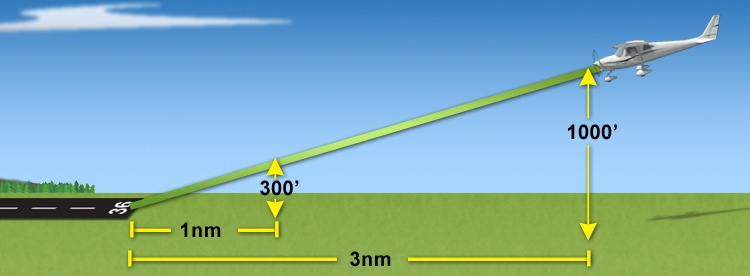
A normal final approach to landing should be?
300 feet per nautical mile
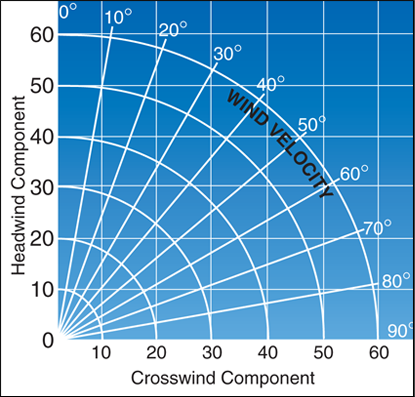
The headwind and crosswind component can be determined by using the?
Crosswind component chart
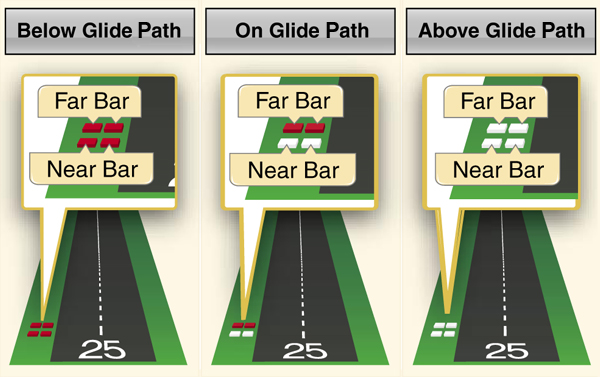
The most common visual approach aid is the? (VASI)
Visual approach slope indicator
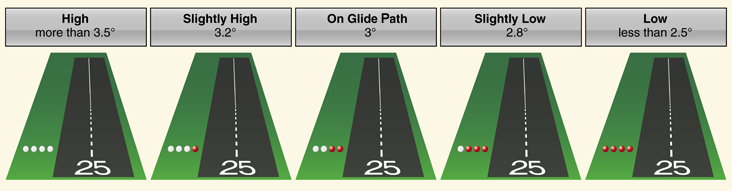
PAPI?
precision approach path indicator.
VASI has an effective range of?
4 miles during the day and 10 miles at night.