NC Envirothon 2026 Fishh
 Studied by 0 people
 Call Kai
 Learn
Learn Practice Test
 Spaced Repetition
 Match
Match Flashcards
 Knowt Play
1/43

There's no tags or description
Looks like no tags are added yet.
Name | Mastery | Learn | Test | Matching | Spaced |
|---|
No study sessions yet.
44 Terms
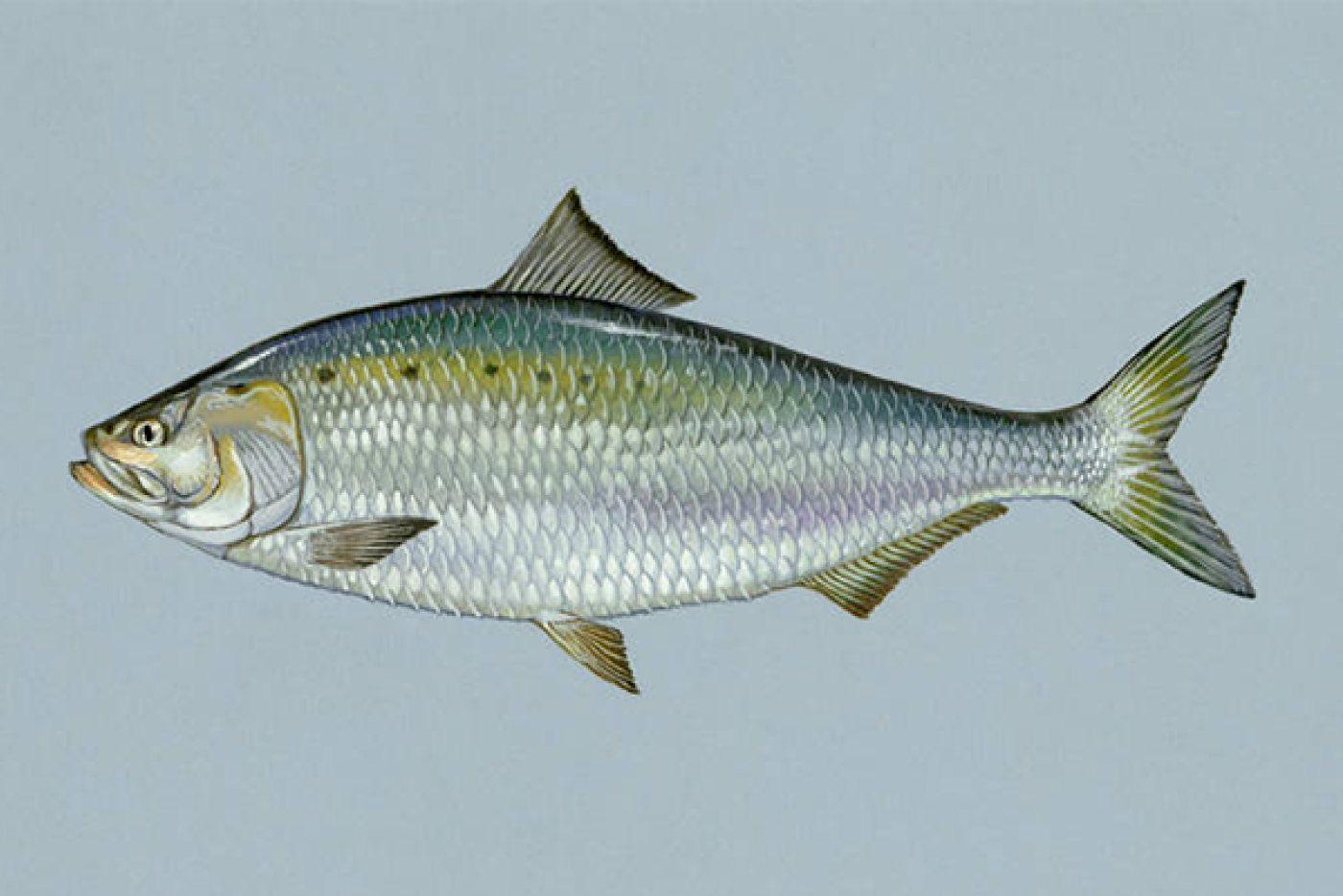
American shad
How to recognize American shad
4-6 dark spots, sawtooth-ridged belly
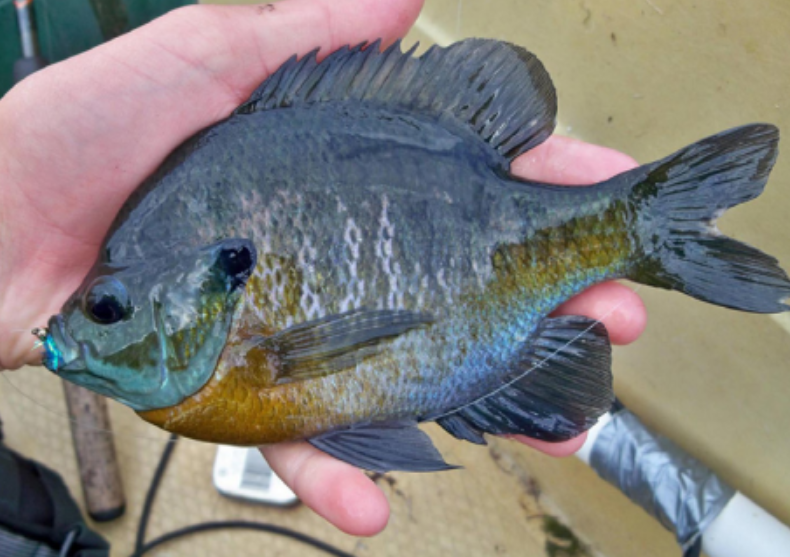
Bluegill
How to recognize bluegill
Black operculum, dark spot at posterior base of the soft dorsal fin, dark vertical bars
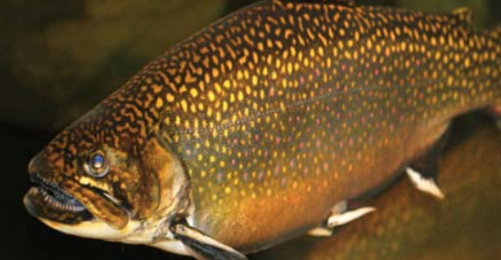
Brook trout
How to identify brook trout
Mottled, “worm-like” markings on back and tail, yellowish and orangish spots
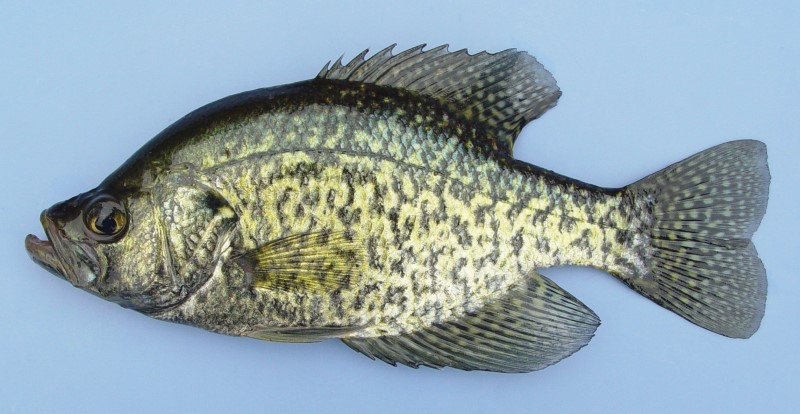
Black crappie
How to identify black crappie
7-8 spiny dorsal fin rays, compressed body, dorsal and anal fins same shape and size, spots in irregular pattern
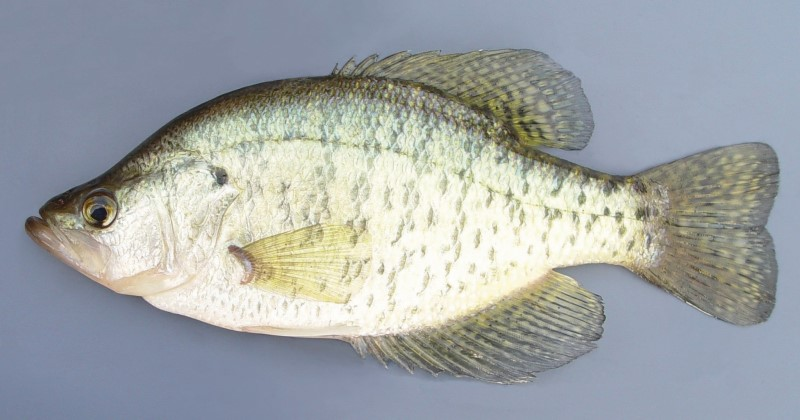
White crappie
How to identify white crappie
5-6 spiny dorsal fin rays, anal & dorsal fin same size and shape, spots form vertical bars
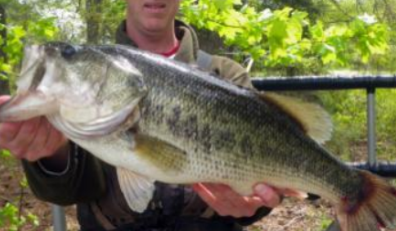
Largemouth bass
How to identify largemouth bass
Elongated body, long lower jaw, big. Deep dorsal fin notches, no scales at the base of dorsal fin
American shad scientific name & family
Alosa sapidissima, Clupeidae (herring)
American shad status/people interactions
Historically supported fisheries - Prized for flesh and roe
Many populations depleted by overfishing, dam construction
Degraded spawning sites due to water pollution
American shad habitat and habits
Anadromous
First spawning run at 4-5 yrs.
Large migrations, attempt to reach same spawn sites yearly. Annual spring spawning migration
Spawn in shallow water with moderate currents
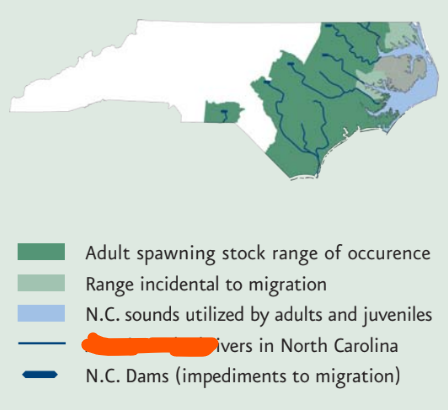
American shad range
American shad food
Juveniles eat worms, crustaceans and
insects. Adults eat large zooplankton, fish
eggs and small fish.
Bluegill scientific name & family
Lepomis macrochirus, sunfish/panfish
Bluegill additional names
Brim/bream
Bluegill status/people interactions
Highly adaptable
Prolific - Not endangered nor threatened
High mortality naturally & significantly from angling
Sought after for fishing opportunities (game fish)
Bluegill habitats
Streams, rivers, ponds, lakes, reservoirs
Warm slow-moving/still water, clear & quiet
Largest populations found in shallow lakes and ponds
Bluegill spawning
Season: Once per month, April-October.
Spawning peak in May and June ; Temp 70 F
Mature at 1-2 yrs, spawn at ~2-3
Nests located in 1-6 ft. of water
Form nesting colonies
Lay 2,000-60,000 eggs, hatch within 1-2 days depending on water temp. Can produce 2,000-10,000 young
Males protect eggs
Bluegill range
All NC counties
Bluegill food
Zooplankton, aquatic insects and small
fish. Also snails, mollusks, mites, fish eggs
and plants.
Brook trout scientific name & family
Salvelinus fontinalis, Salmonidae
Brook trout history & status
Only trout native to Western NC. Southern Appalachian strain
Southern Appalachian:
Historical logging damaged stream habitats
Erosion & siltation from activity limited spawning success: Smothers eggs, restricts oxygen supply
Lost canopy cover → stream warming, no longer able to support coldwater fishes
Other strains of brook trout & trout (Northern strain, rainbow, brown) stocked to replace S Appalachian, native brook population outcompeted
Range declined ~80% since 1900
Status of concern
Brook trout habitat
Isolated, high-altitude headwater streams
Water free of pollution & oxygen-rich
Brook trout spawning
Stable water flows, silt-free gravel for spawning
Abundance of pools & riffles w/ sufficient stream cover
Occurs in fall ~September-November.
Females construct nest (redd) in gravel,
incubation period varies depending on water temp
Hatch in early spring, mature in ~2 yrs.
Brook trout food
Adults - a wide variety of aquatic and
terrestrial insects, as well as crustaceans,
fish and other small vertebrates
young - small aquatic and terrestrial insects.
Brook trout range
Western NC
Largemouth bass scientific name & family
Micropterus salmoides, sunfish
Largemouth bass status
Most sought-after freshwater game fish in the US
Largemouth bass habitat
Lots of structure: E.g. weed beds, sunken logs, rocks, brush, standing timber
Uses structure for ambush sites & hiding from predators
Preferred temp 77-86 degrees
Rarely feed at temps below 50 degrees, cannot survive at above 98
Largemouth bass spawning
Spring, water temp ~60 degrees, swim to spawning grounds
Hatching based on water temp: 72 degrees: 2 days, 67 degrees: 5 days
Female deposits eggs in nest guarded by male
2,000 - 12,000 fry hatch
1-3 in. young called fingerlings
Largemouth bass people interactions
Stocking project after Hurricane Isabel - magnetic tags on different sized largemouth bass in Roanake and Chowan rivers. Study provided valuable insight on management strategy to monitor largemouth bass recovery
Largemouth bass range
All NC counties
Black crappie scientific name & family
Pomoxis nigromaculatus, sunfish
White crappie scientific name & family
Pomoxis annularis, sunfish