anatomy unit 1: body systems
 Call Kai
 Learn
Learn Practice Test
 Spaced Repetition
 Match
Match Flashcards
 Knowt Play
1/9

Earn XP
Description and Tags
there are 11 major bodily systems that work together to keep the body healthy and alive.
Name | Mastery | Learn | Test | Matching | Spaced | Call with Kai | Chat |
|---|
No analytics yet
Send a link to your students to track their progress
10 Terms
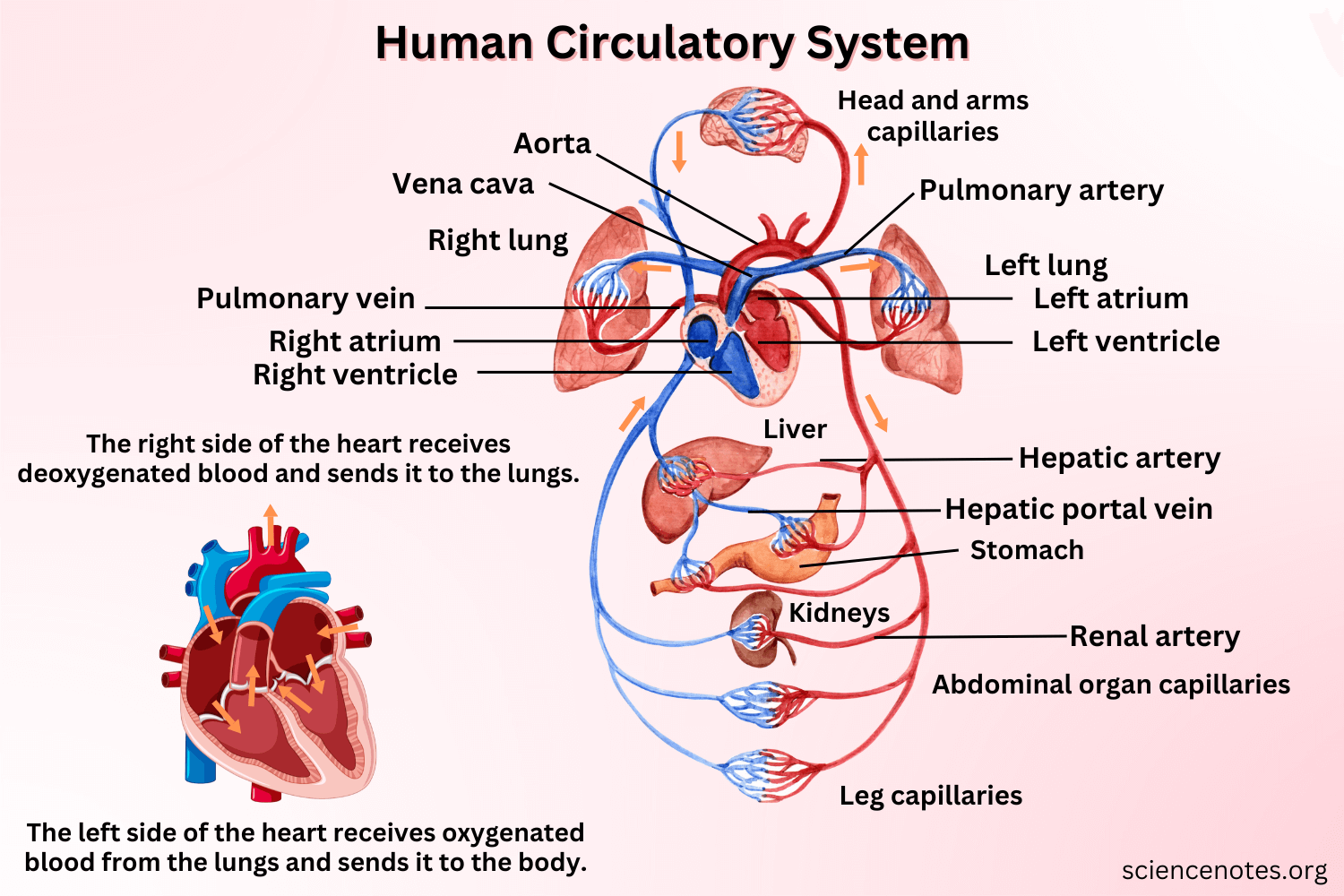
circulatory (cardiovascular) system:
responsible for the transportation of oxygen, nutrients and hormones throughout the body while eliminating cellular/metabolic waste.
Heart, blood vessels, and blood.
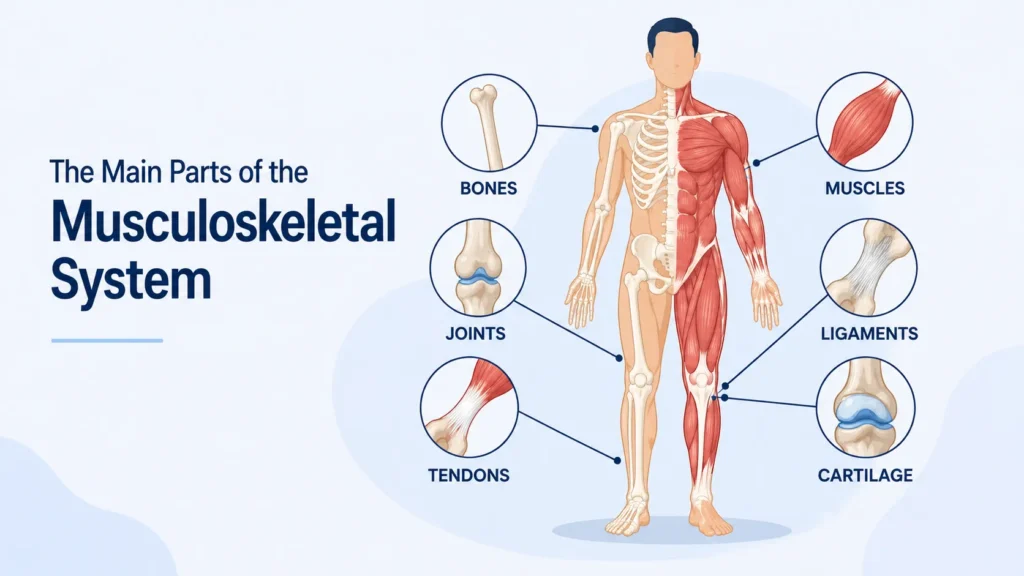
musculoskeletal system
Mechanical support, posture and movement.
muscular: Skeletal, smooth, and cardiac muscles
skeletal: Bones, cartilage, ligaments, and tendons
Respiratory system
exchange of oxygen and carbon-dioxide between the body and air, acid-base balance regulation, phonation.
Lungs, trachea (windpipe), and airways

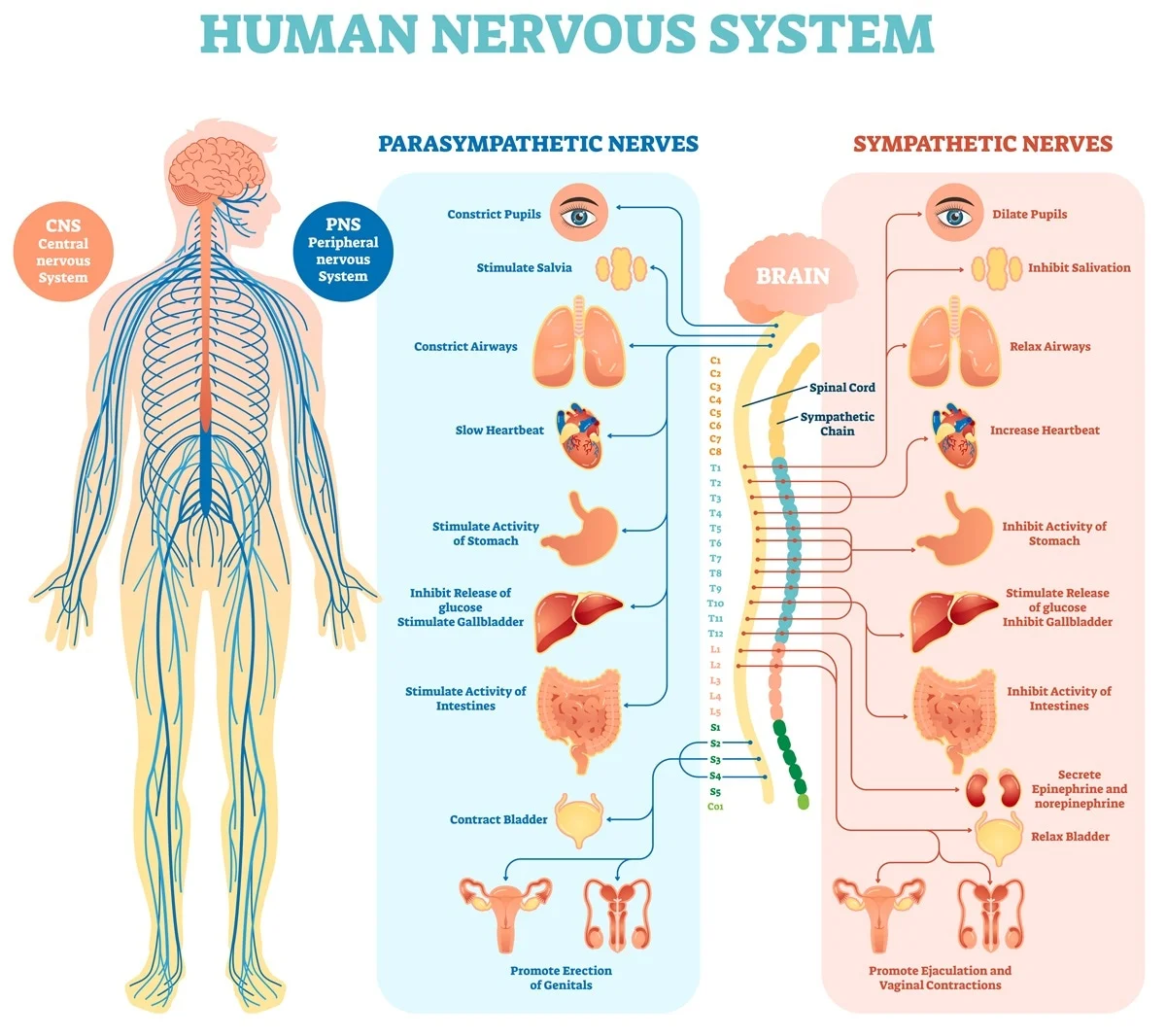
Nervous system
Initiation and regulation of vital body functions, sensation and body movements.
Brain, spinal cord, and nerves
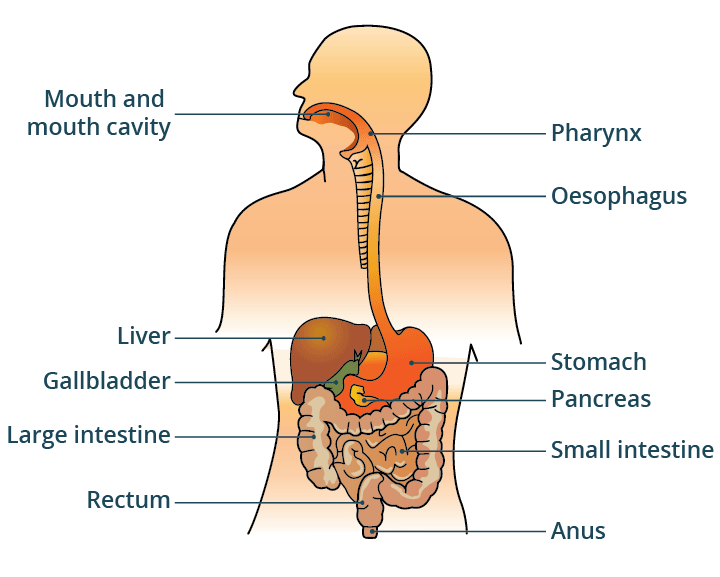
digestive system
Mechanical and chemical degradation of food with purpose of absorbing into the body and using as energy.
Stomach, small and large intestines, liver, and mouth
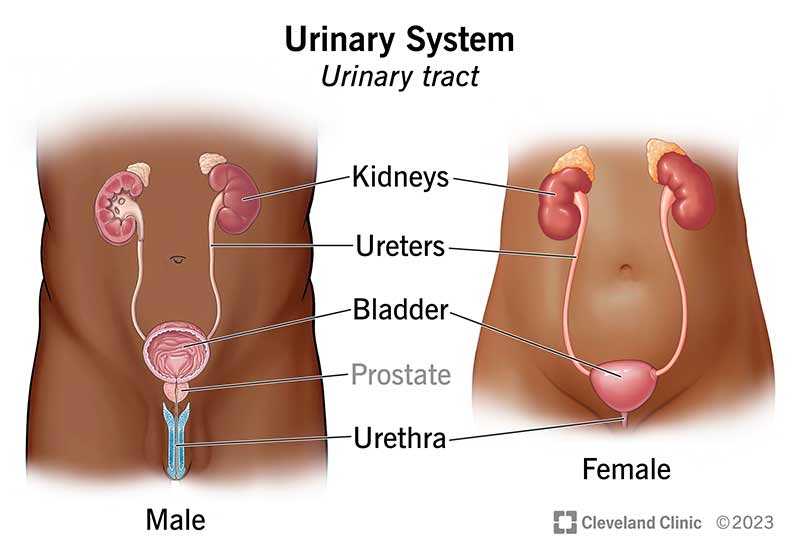
urinary system
Filtration of blood and eliminating unnecessary compounds and waste by producing and excreting urine.
Kidneys, bladder, ureters, and urethra
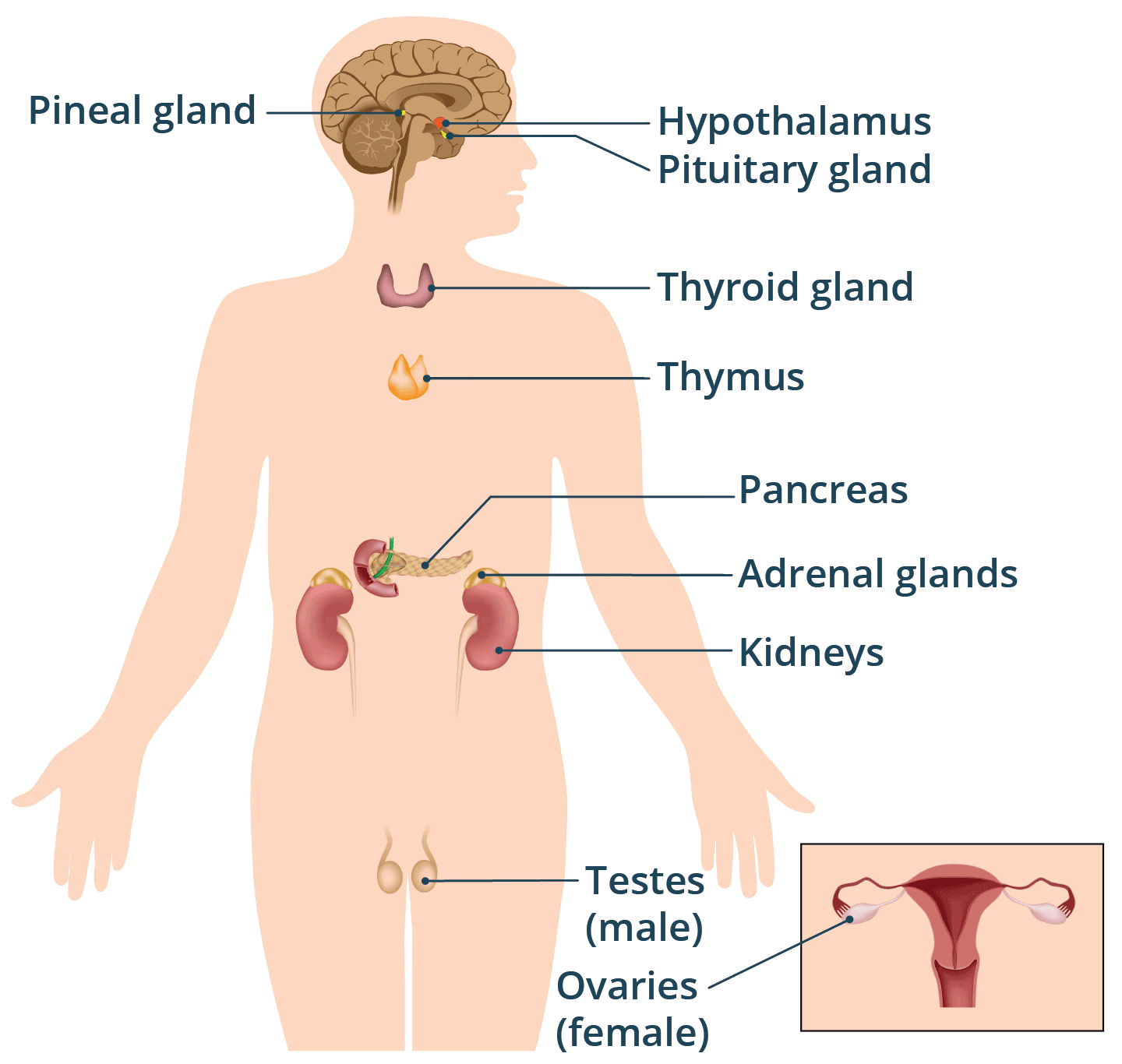
Endocrine system
Production of hormones in order to regulate a wide variety of bodily functions (menstrual cycle, sugar levels, etc)
Glands like the thyroid, pituitary, and adrenal glands
Lymphatic system
Draining of excess tissue fluid; immune defense of the body.
lymph nodes, spleen, and white blood cells

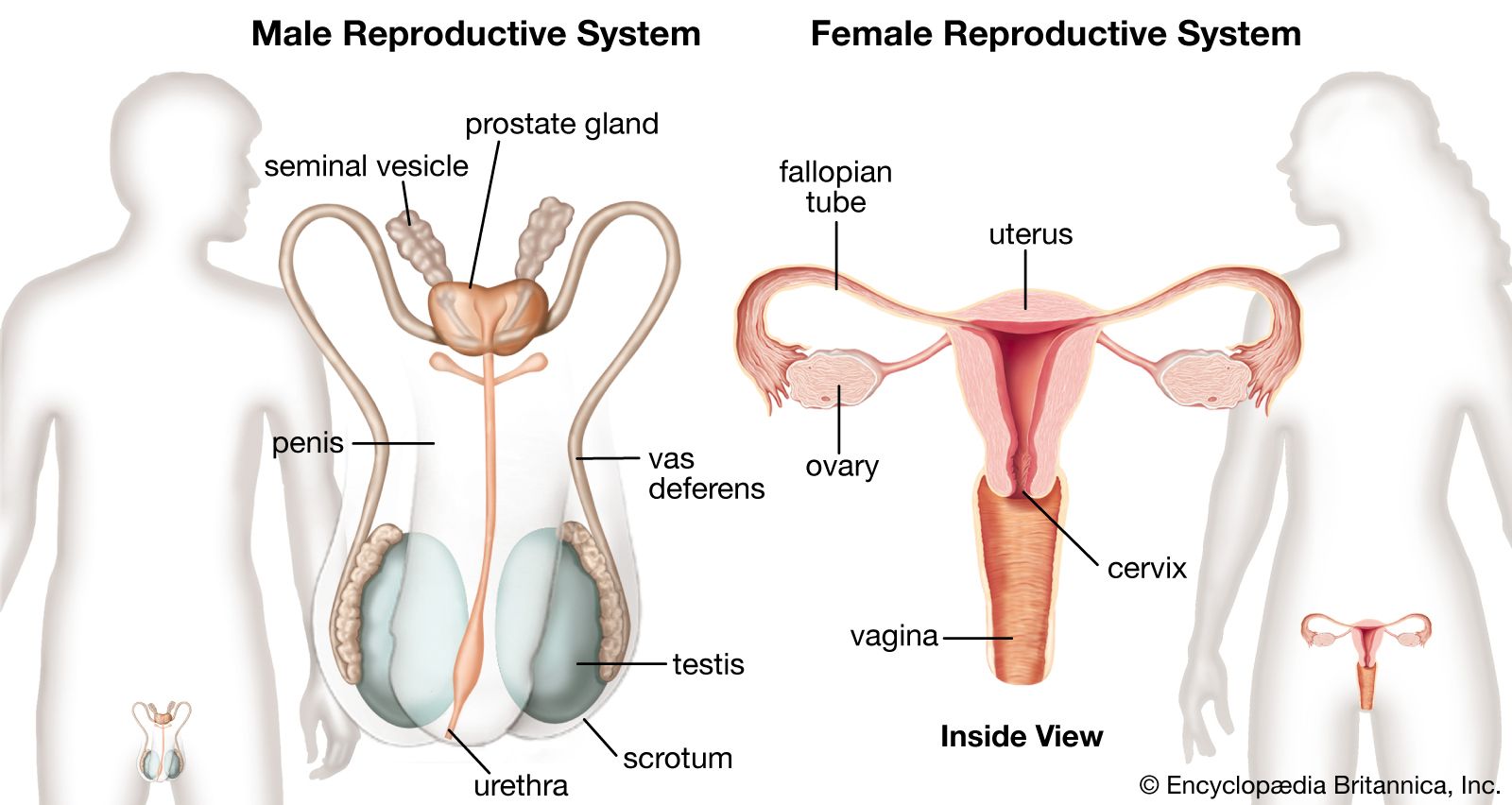
Reproductive system
Production of reproductive cells and contribution towards the reproduction process.
Ovaries and uterus (in females), testes and penis (in males)
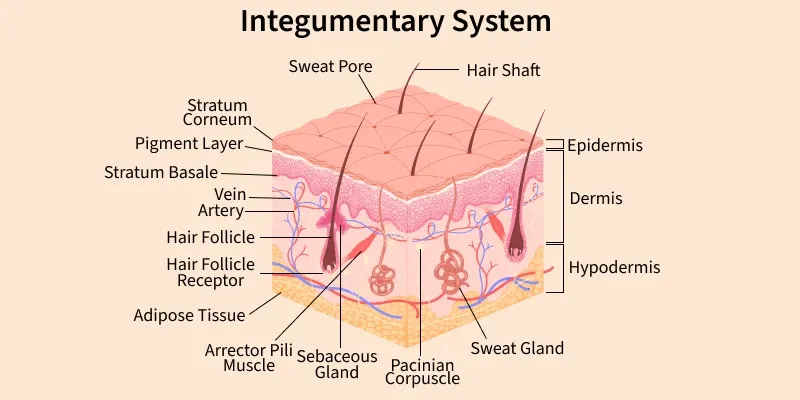
Integumentary system
Protects the body from outside harm, stops water loss, and controls temperature.
Skin (the largest organ), hair, and nails.