Anatomy 1 Lab 1 Practical
 Call Kai
 Learn
Learn Practice Test
 Spaced Repetition
 Match
Match Flashcards
 Knowt Play
1/85

There's no tags or description
Looks like no tags are added yet.
Name | Mastery | Learn | Test | Matching | Spaced | Call with Kai | Chat |
|---|
No analytics yet
Send a link to your students to track their progress
86 Terms

What is A, B, and C
A: Left hypochondriac region
B: right lumbar region
C: hypogastric region or pubic

What is next to A, B, and C
next to A: Edpigastric region
Next to B: umbilical
Next to C: inguinal region
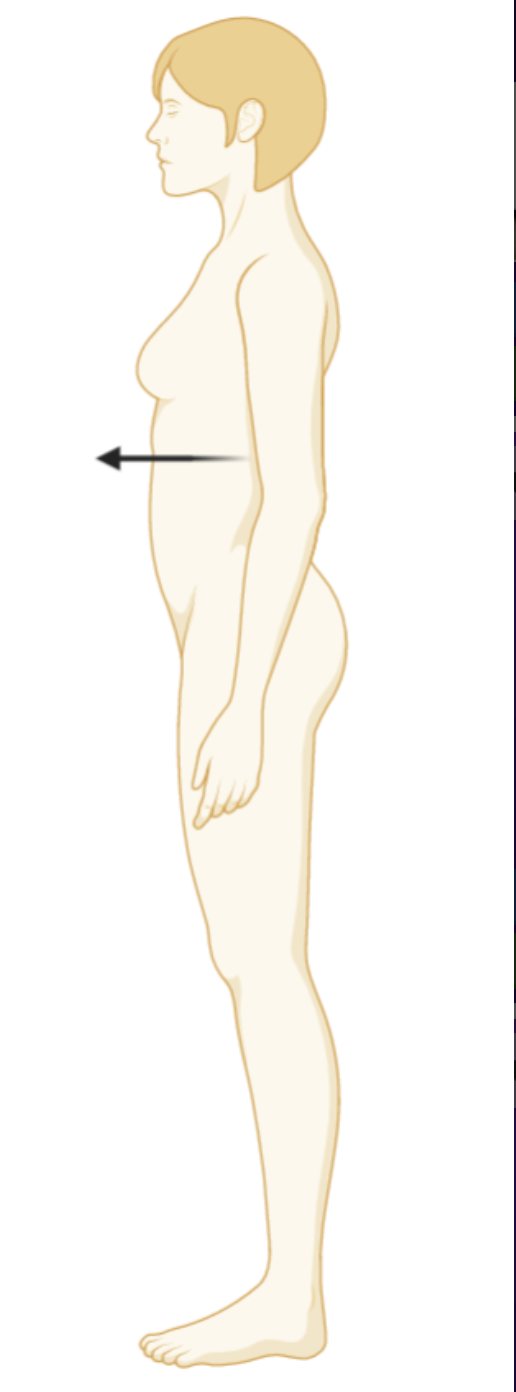
What anatomical direction is the arrow point?
Ventral or Anterior

What anatomical direction is the arrow point?
Dorsal or Posterior
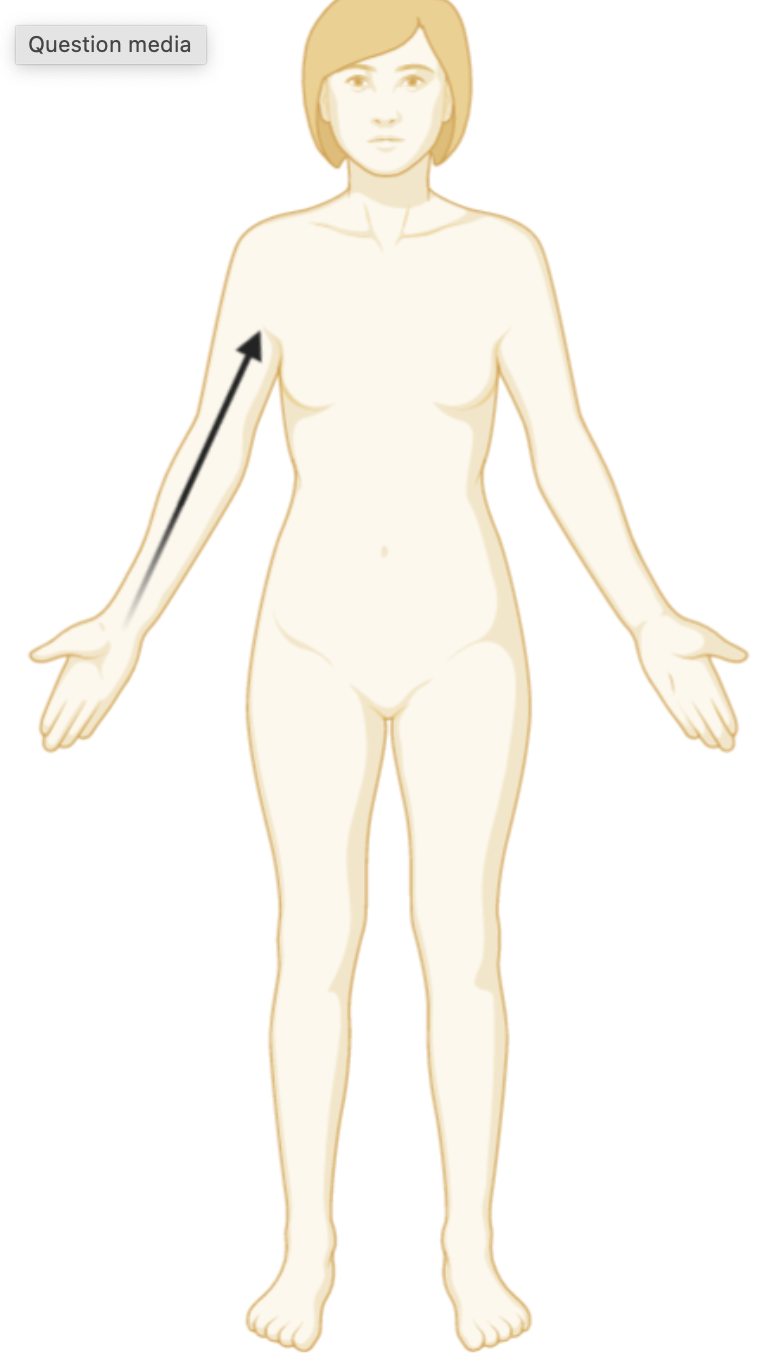
Proximal
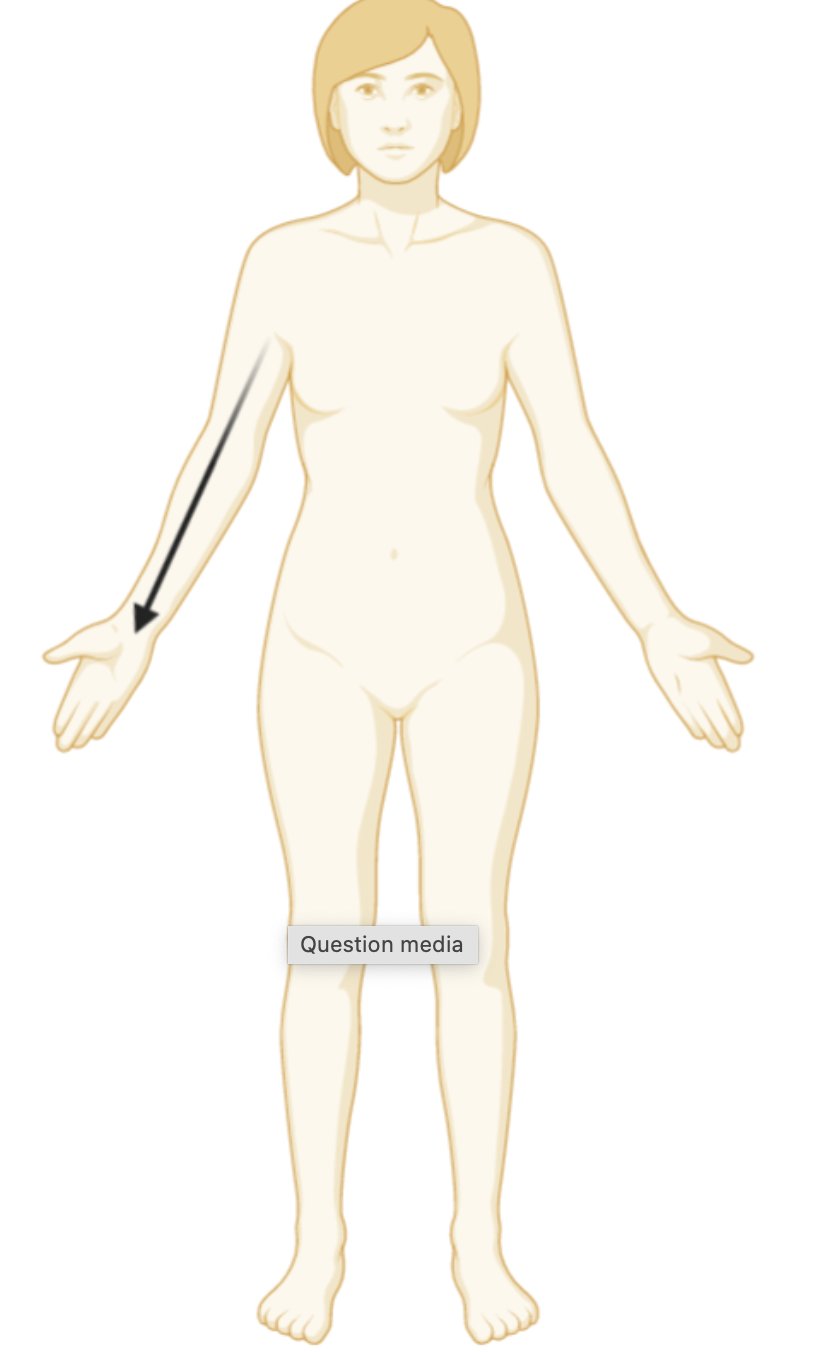
Distal
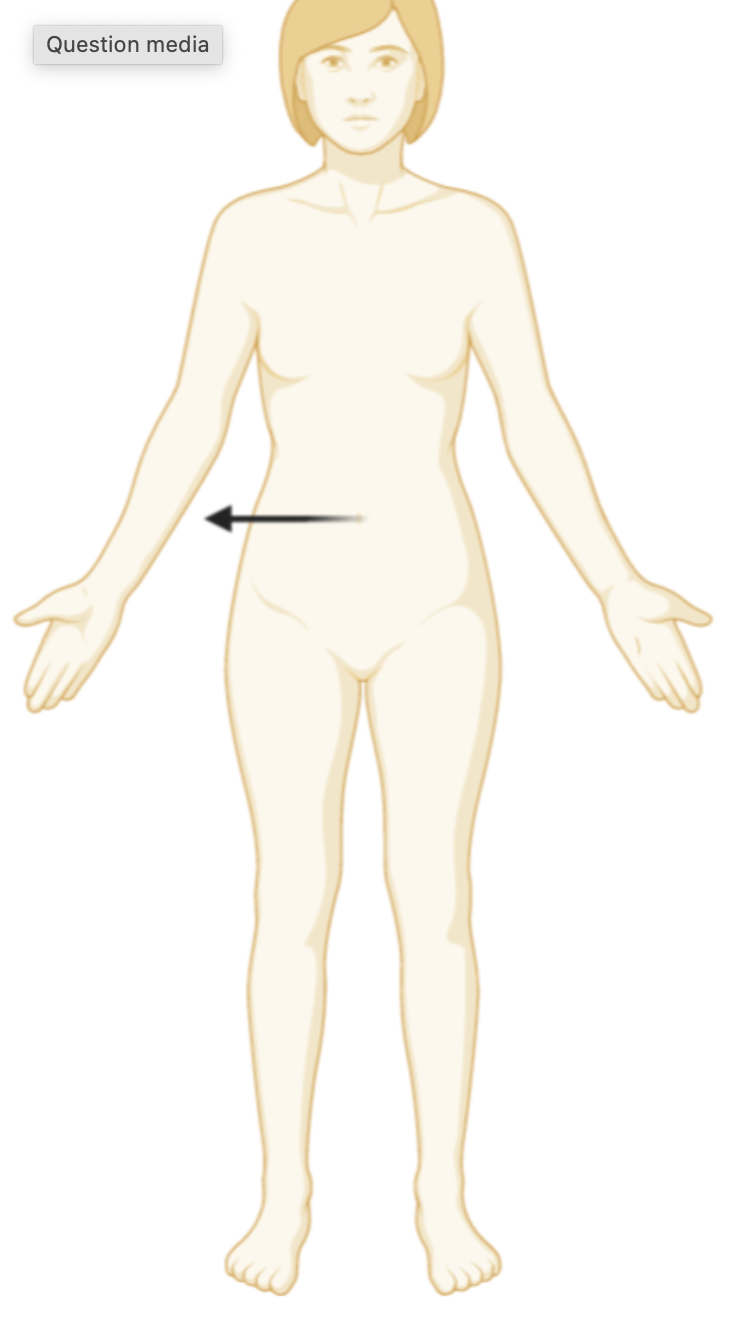
Lateral
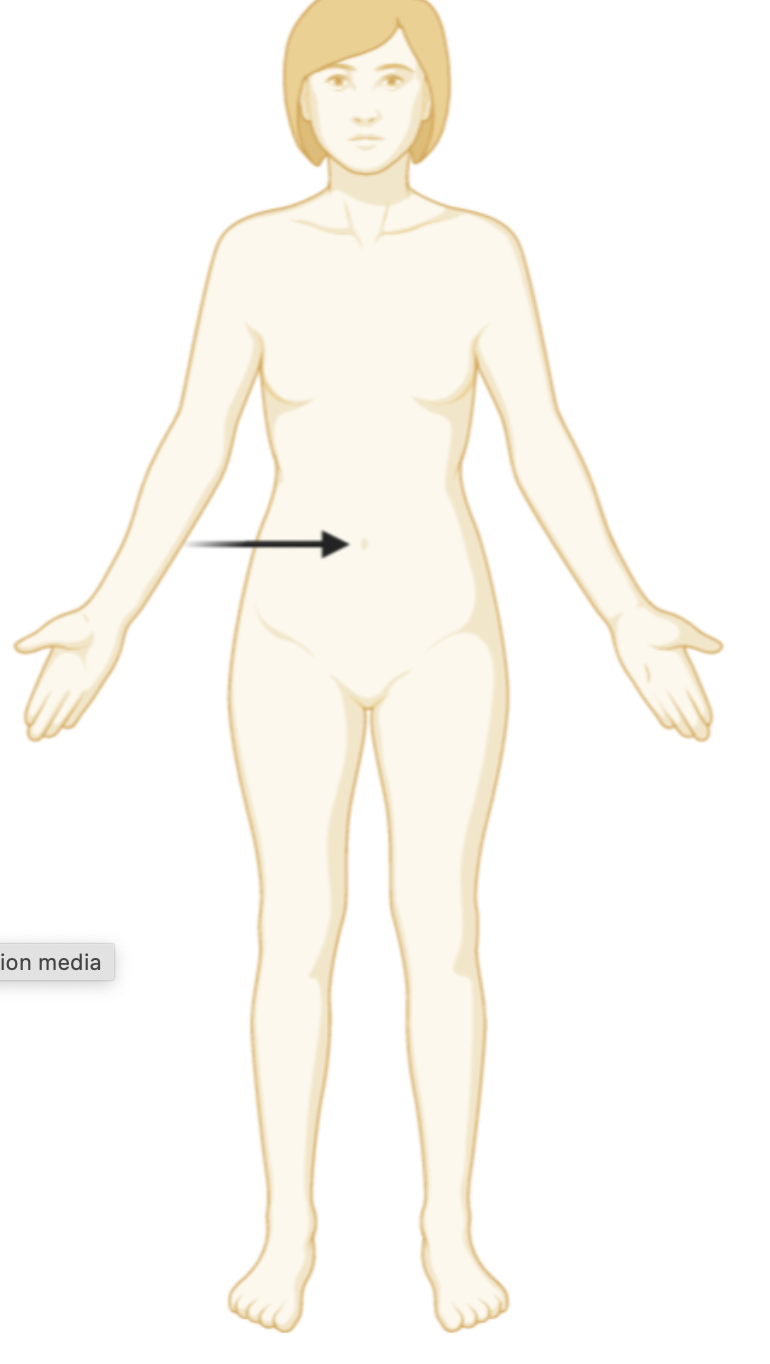
Medial
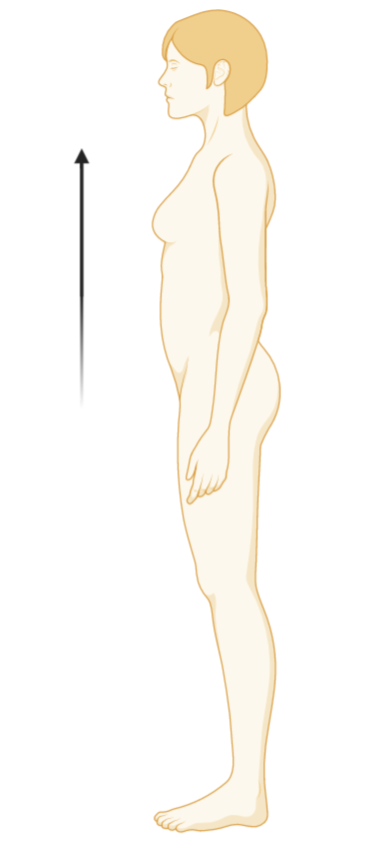
Superior
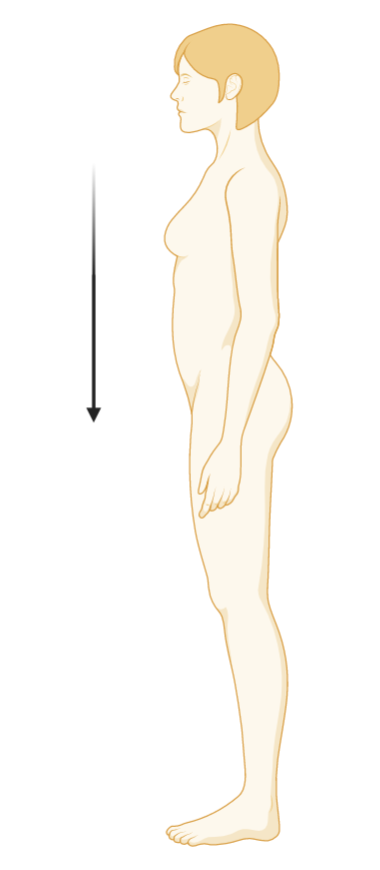
Inferior

Rostral

Caudal
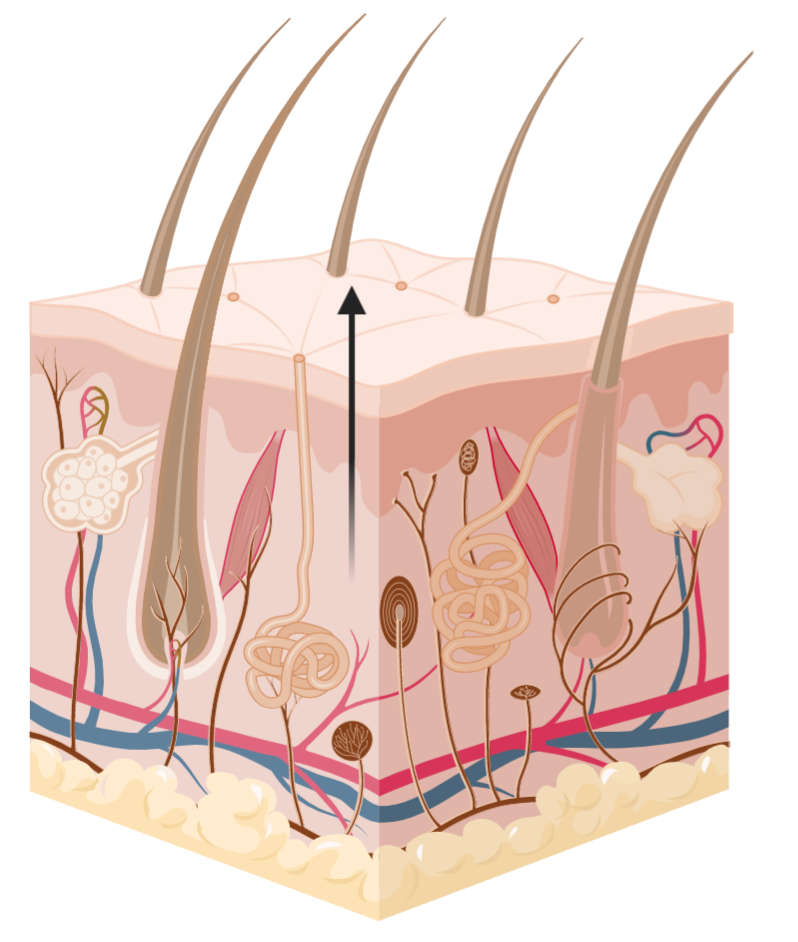
Superficial
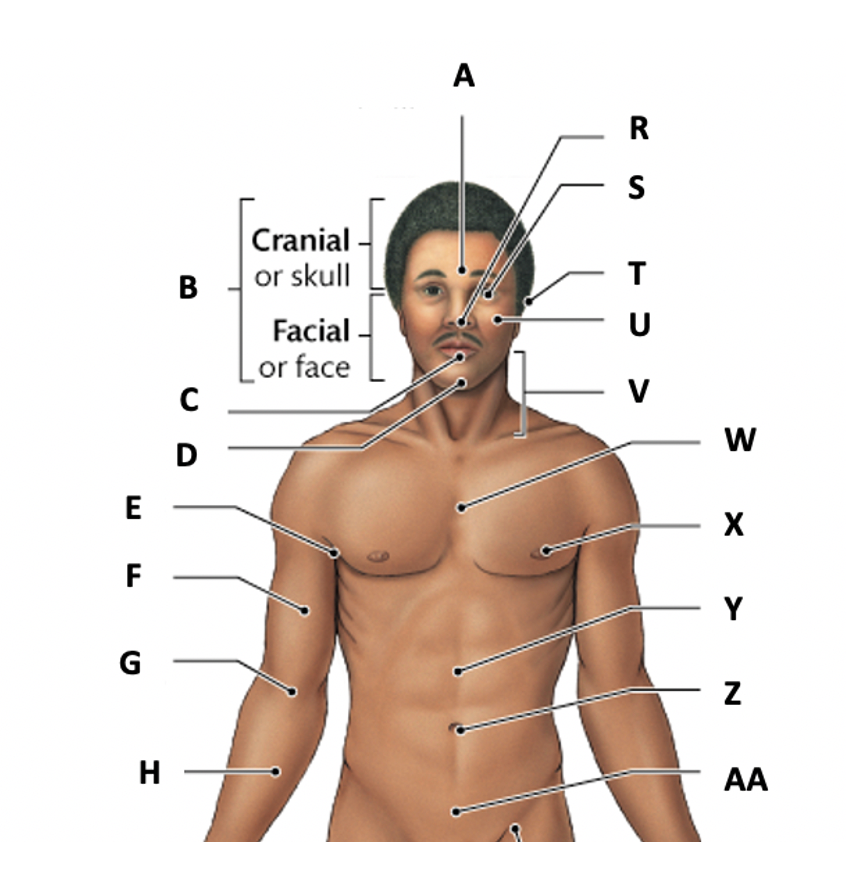
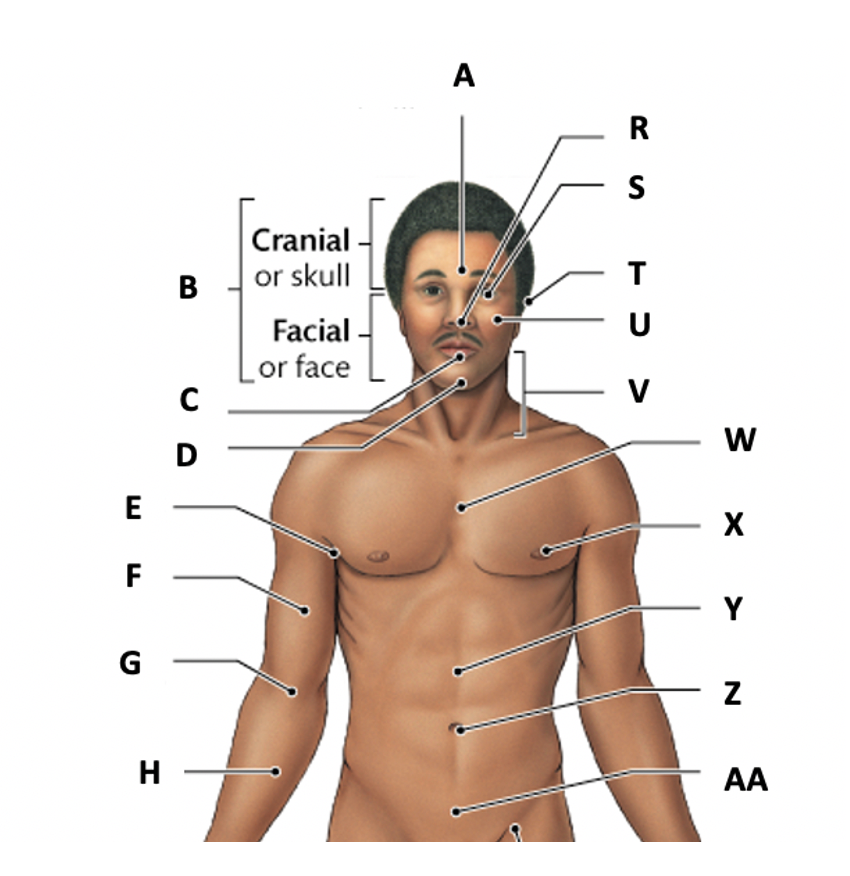
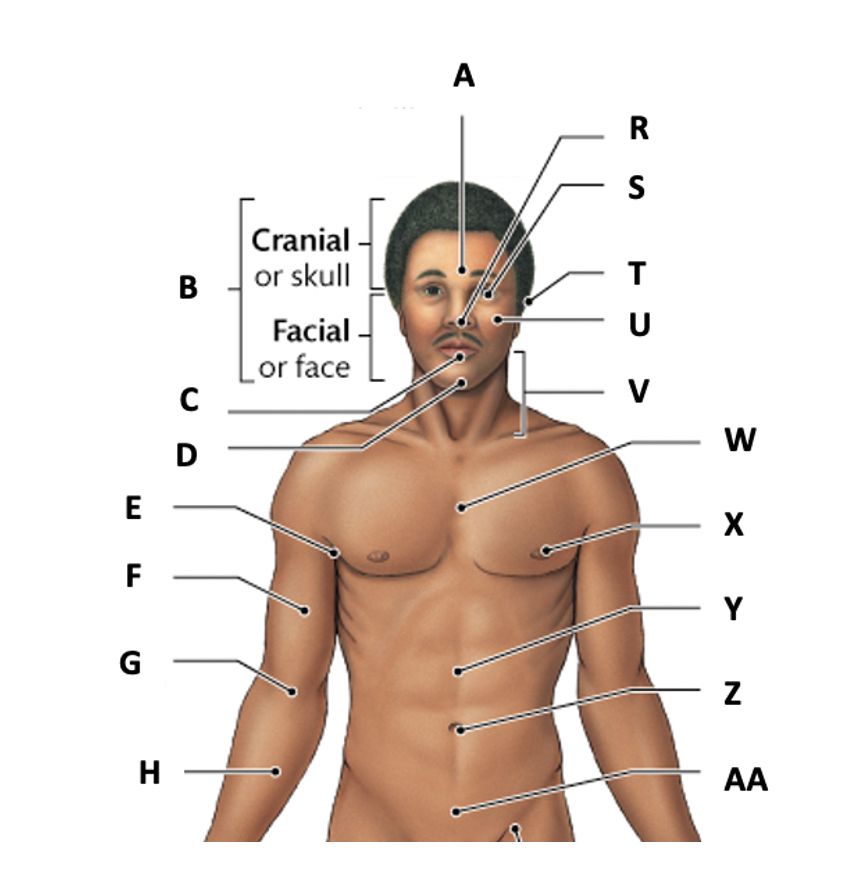
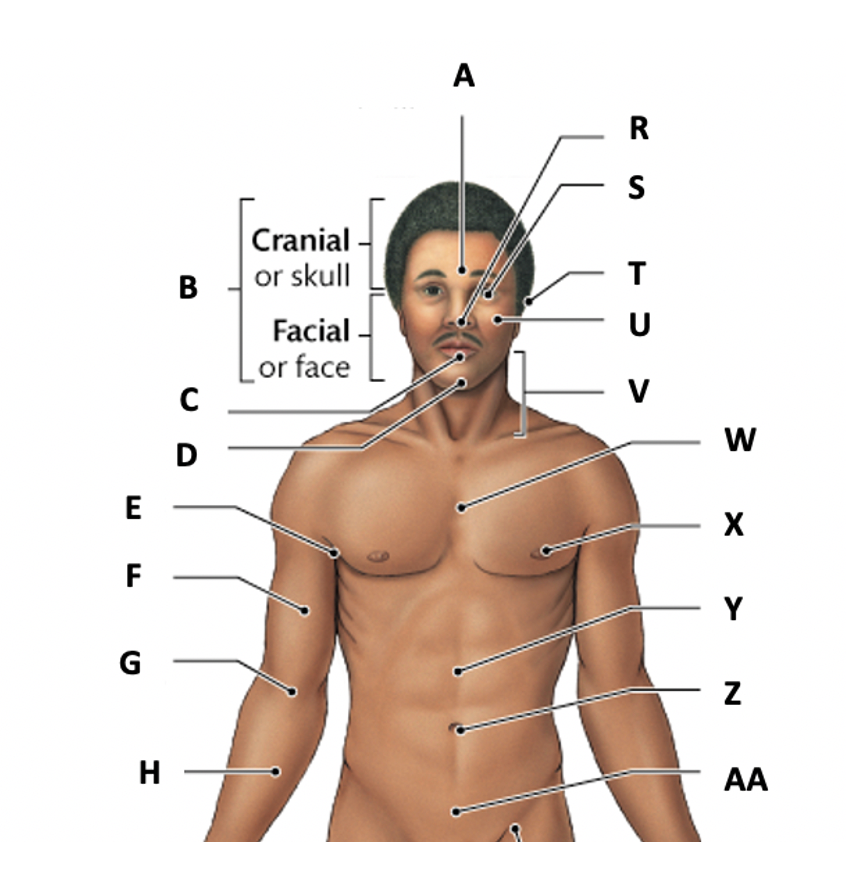
What is A
Frontal
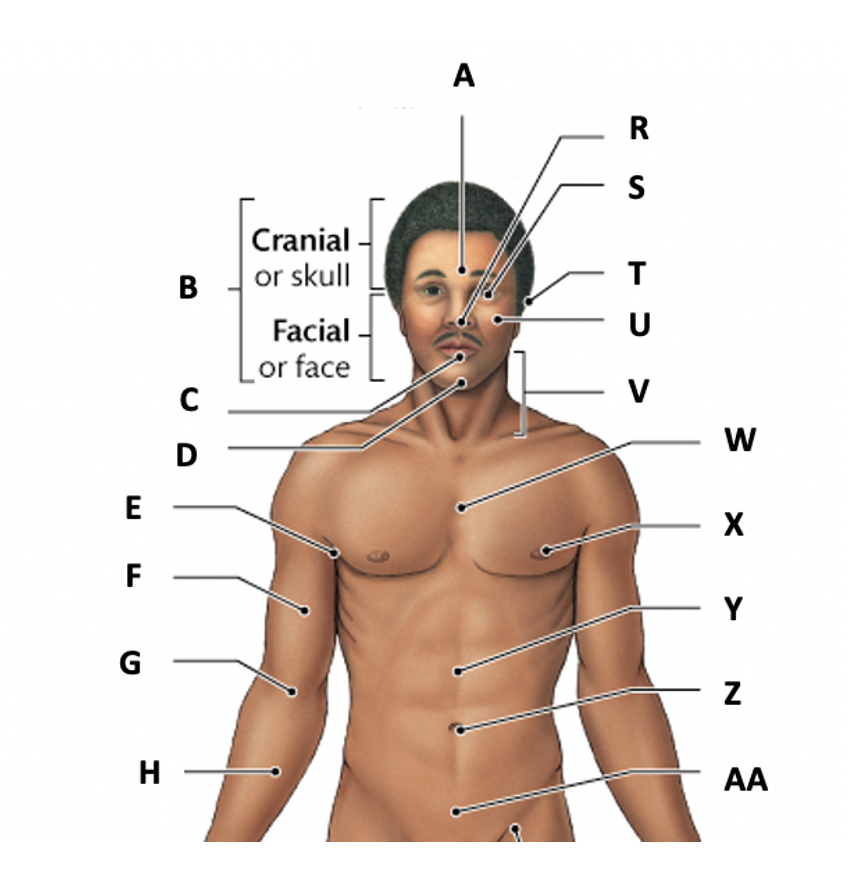
Cephalic
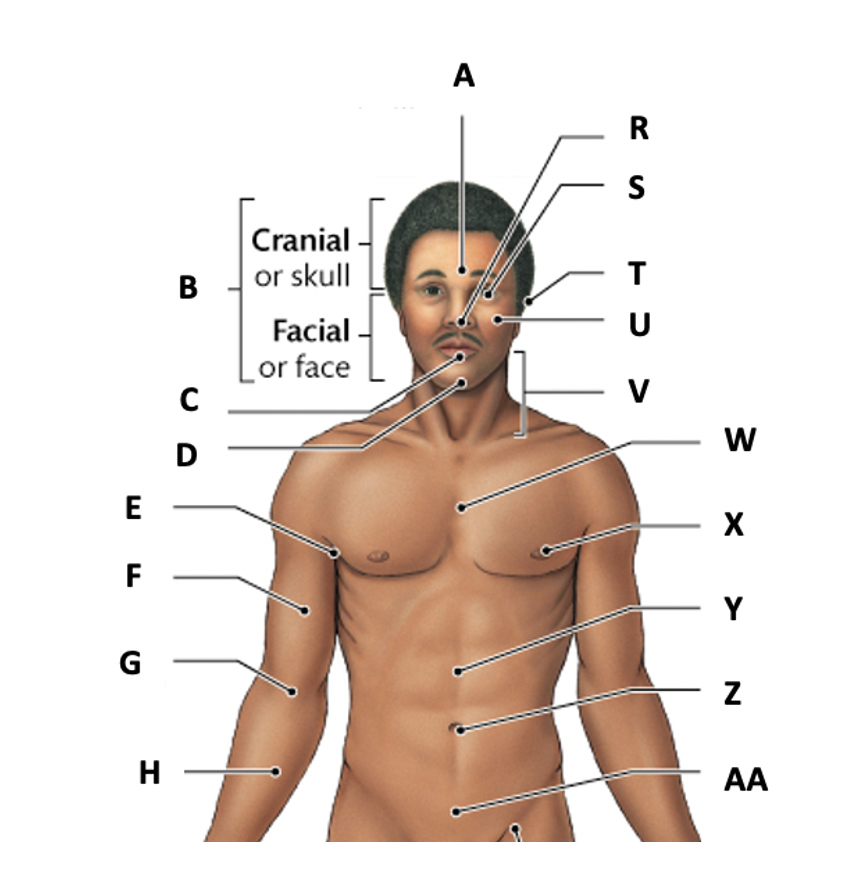
Oral

What is D
Mental

E= Axilary
F= Brachial
G= Brachial

Antebrachial
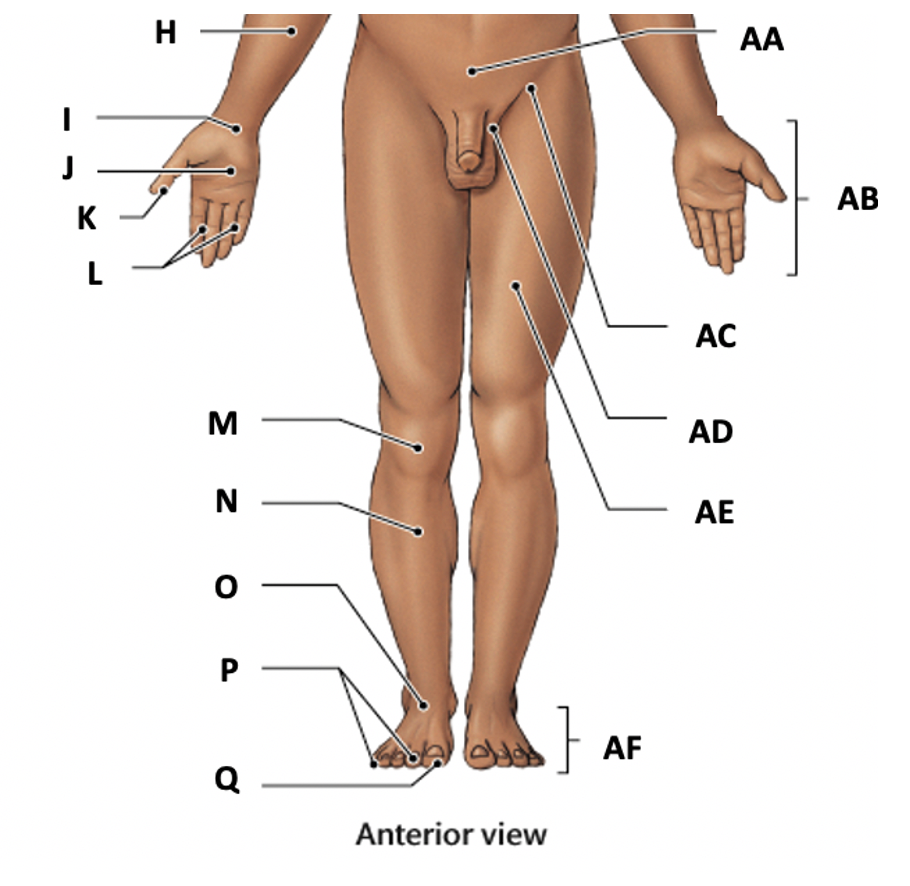
Carpal
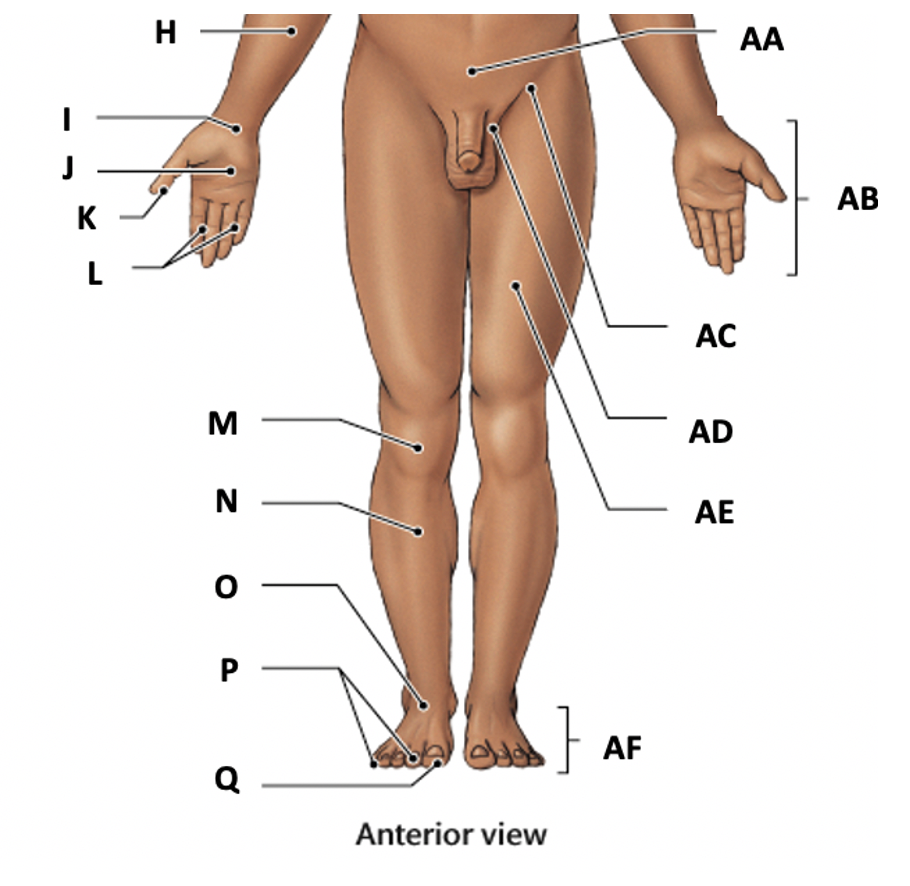
Palmar

K= Pollex
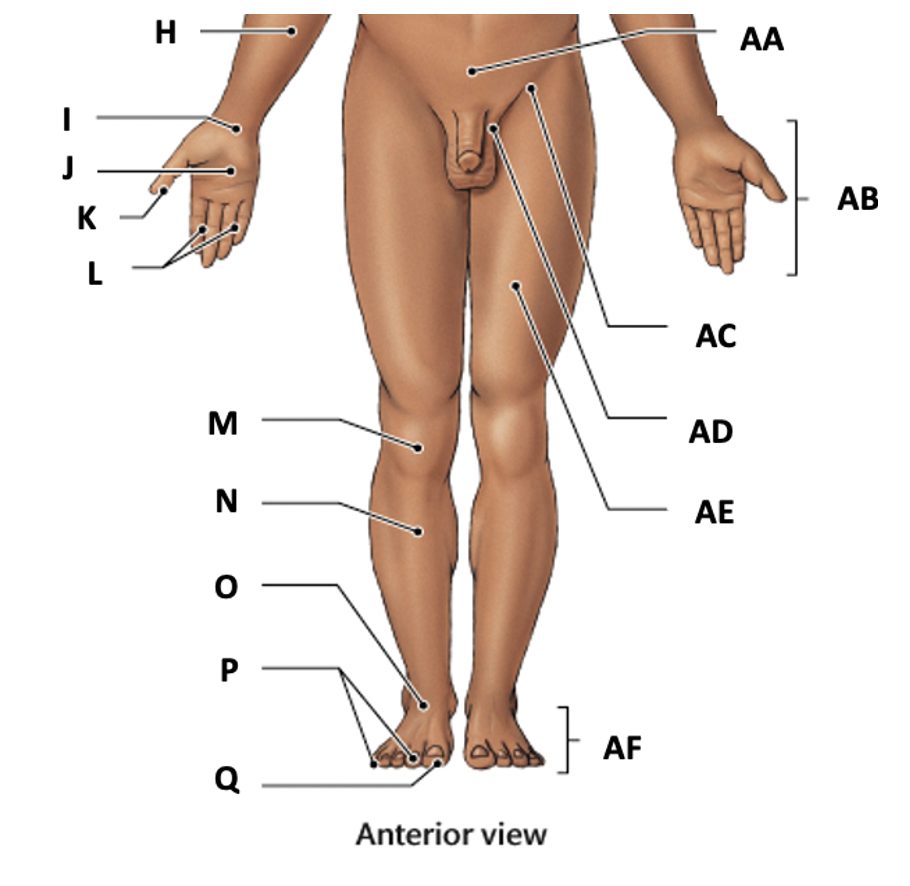
Phalanges
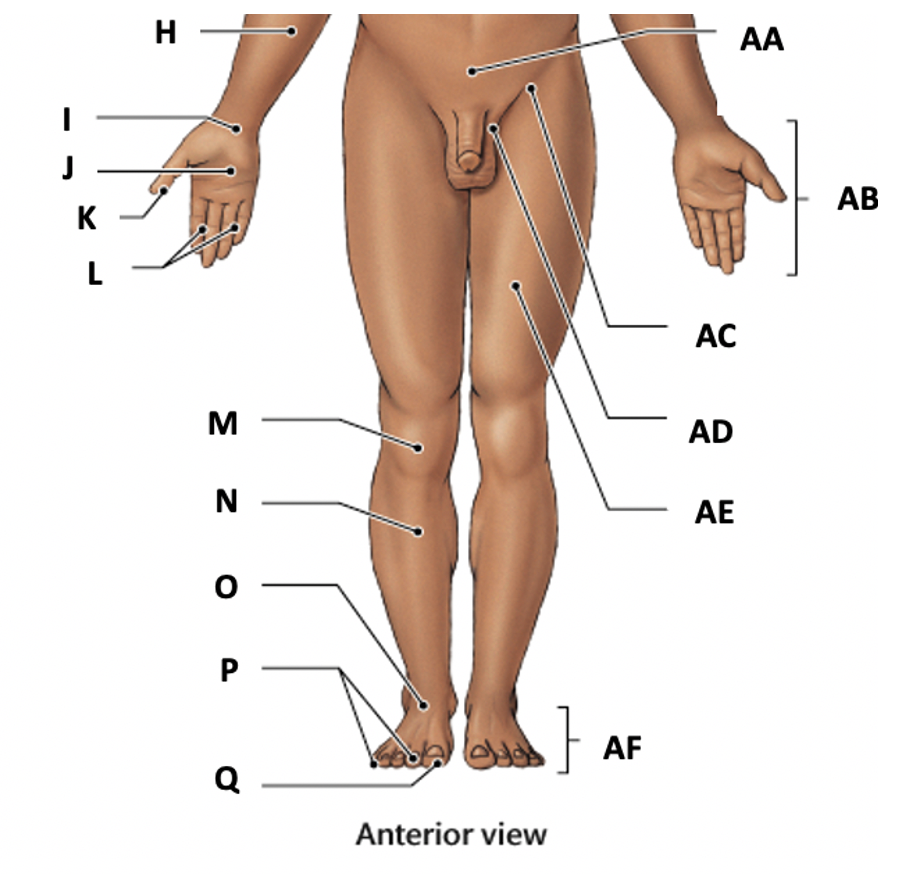
What is M
Patellar
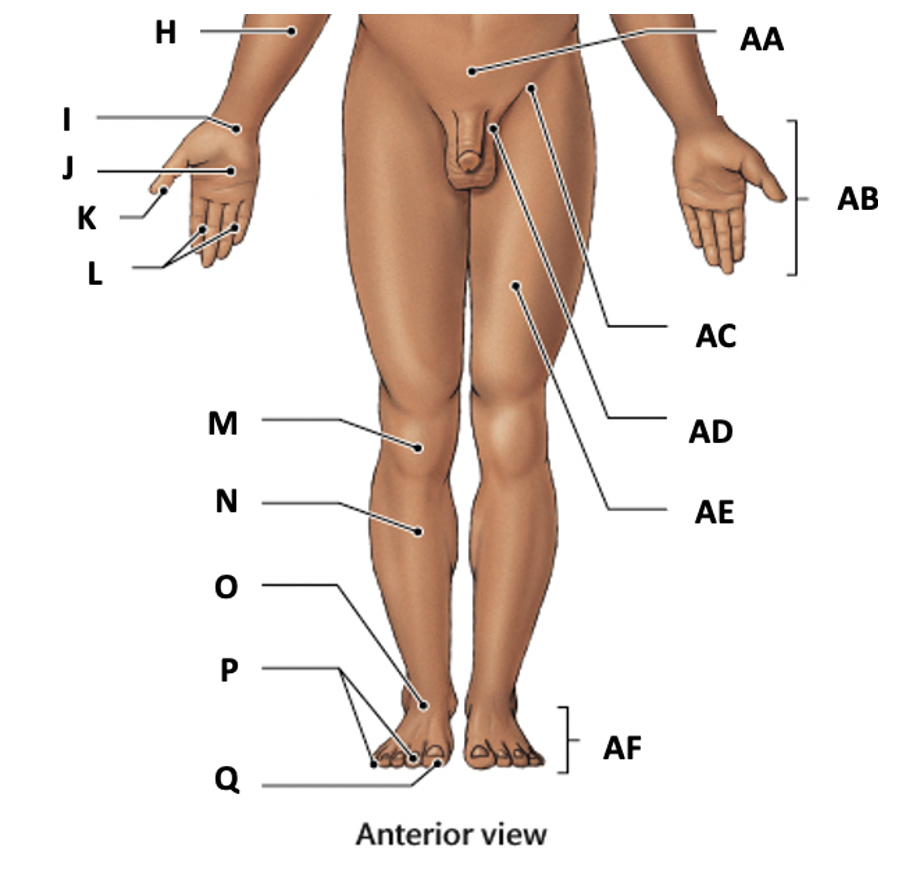
Crural

Tarsal
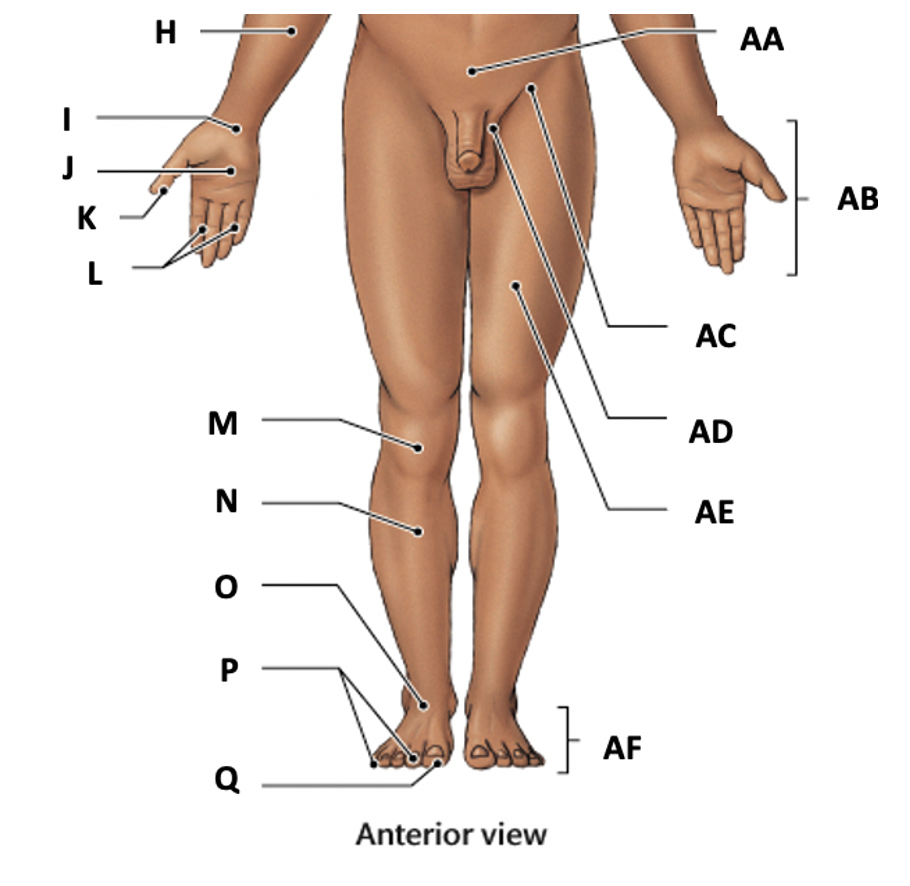
What is P
Phlanges’s
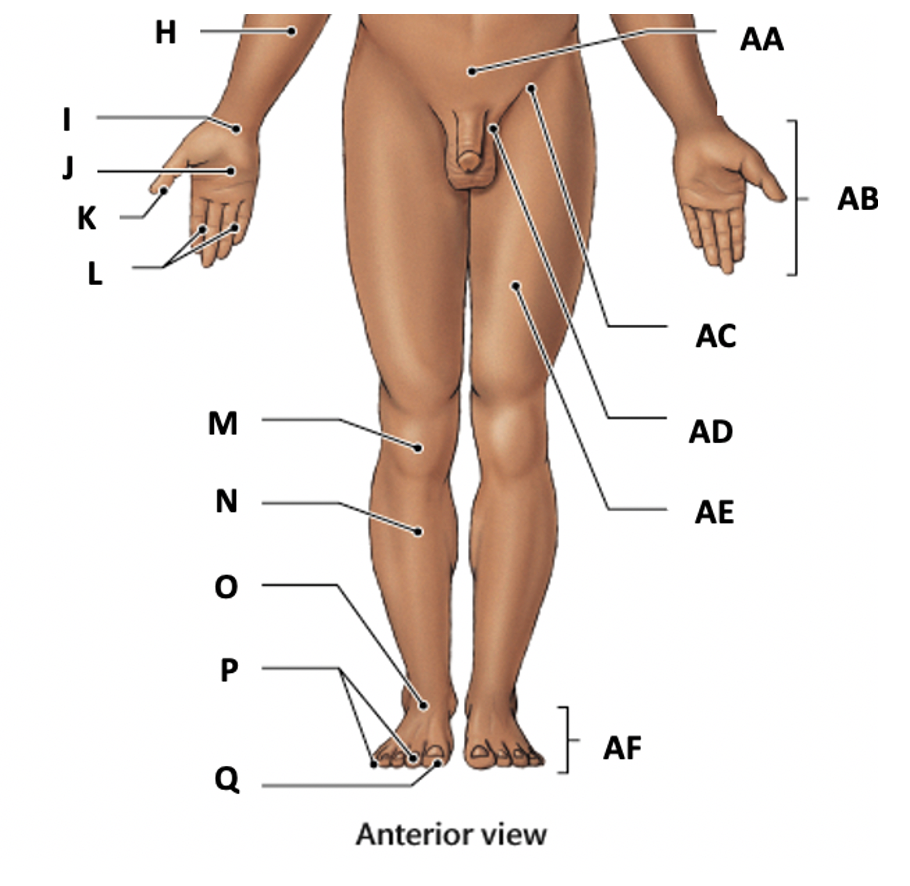
What is Q
Hallux
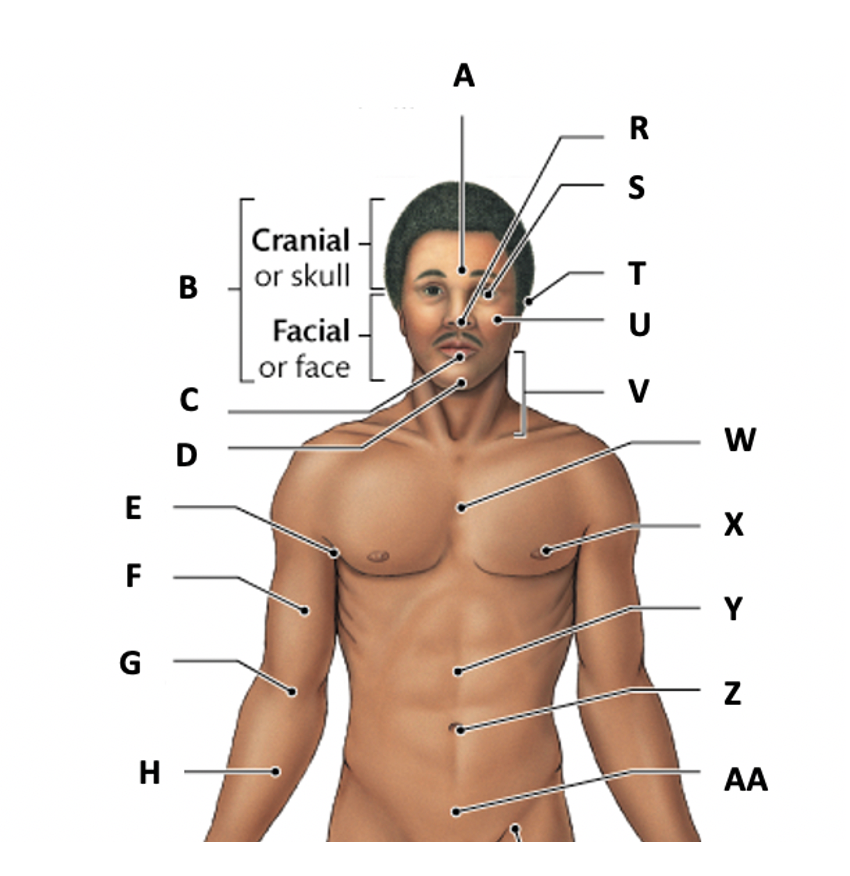
Nasal
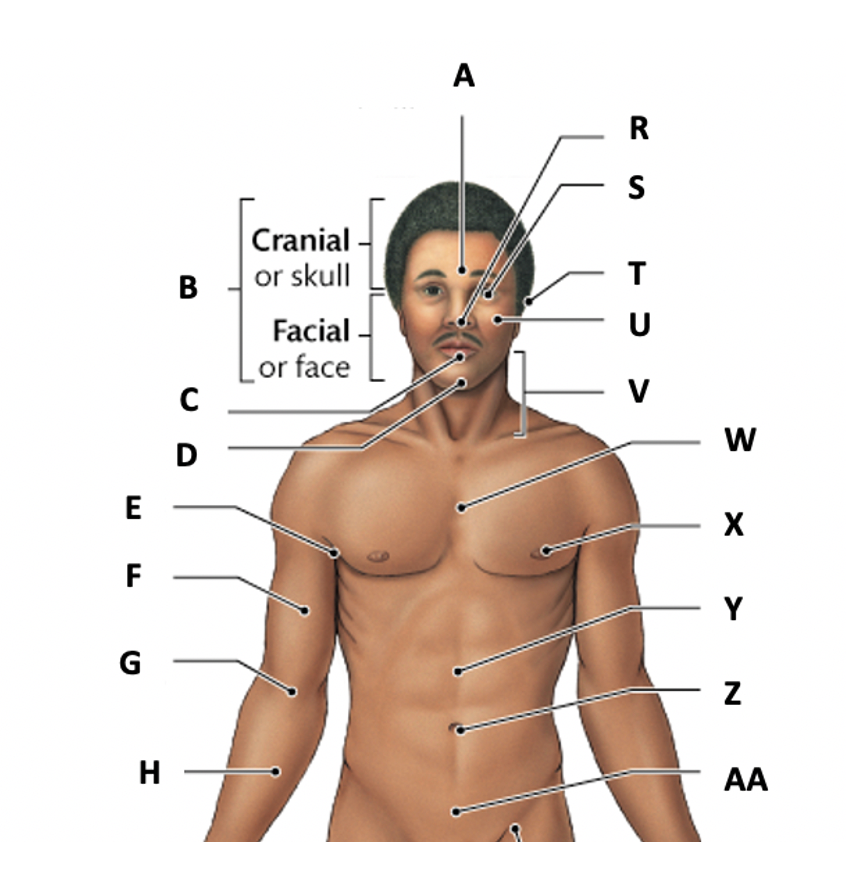
What is S
Occular
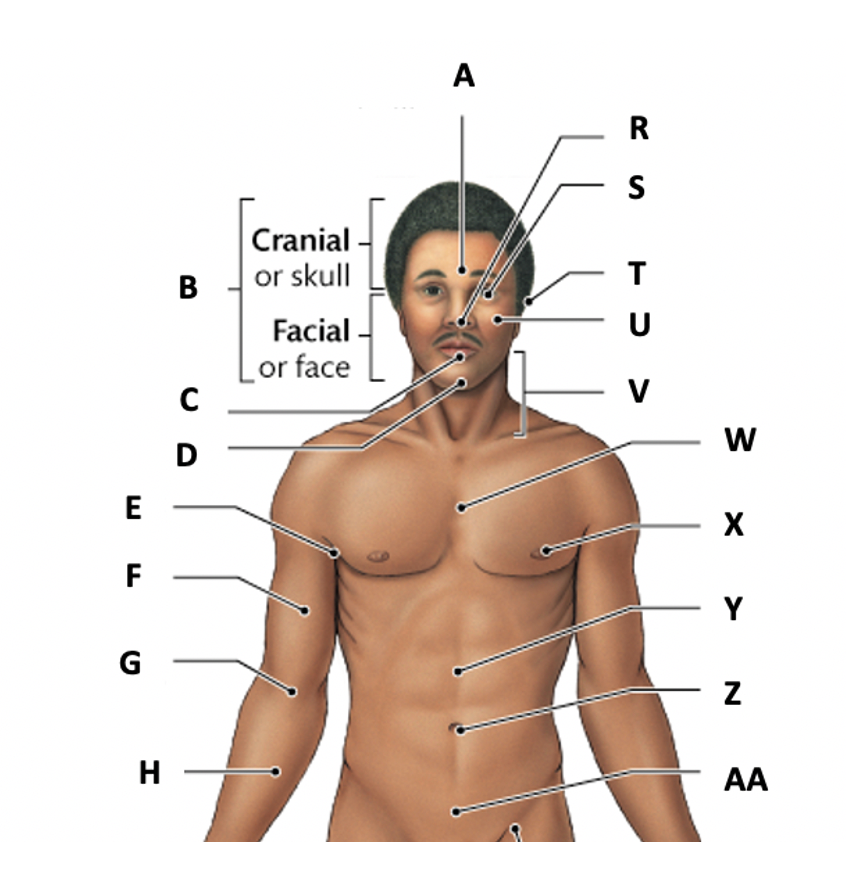
Otic
What is U
Buccal
What is V
Cervical

What is W
Thoracic
What is X
Mammary

What is Y
Abdominal
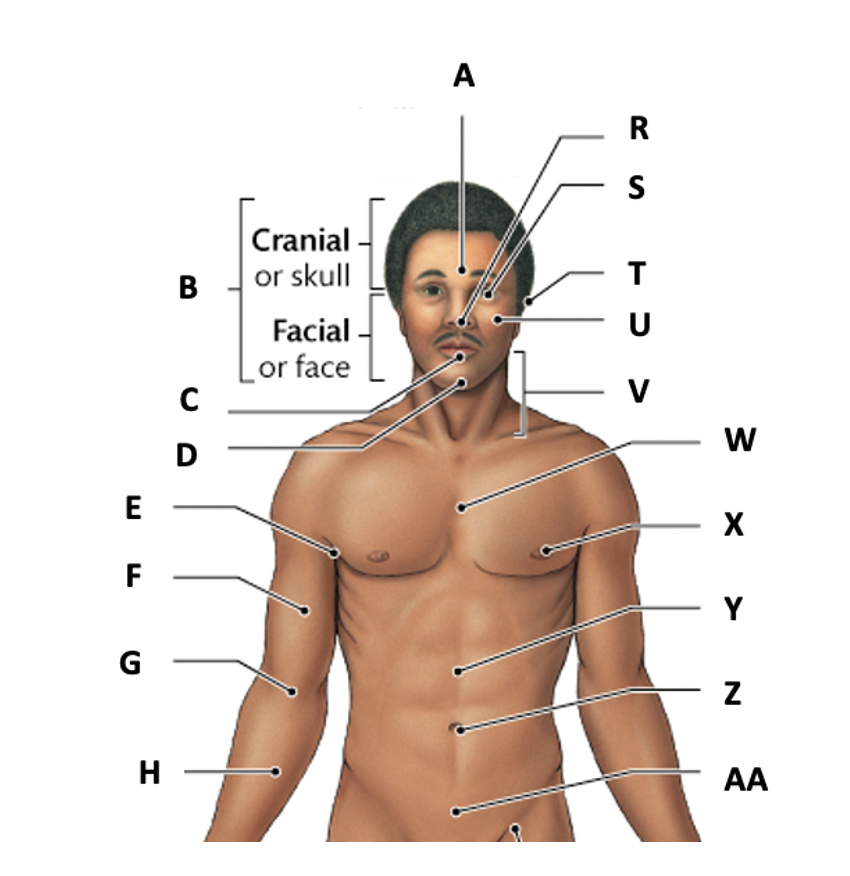
What is Z
Umbilical
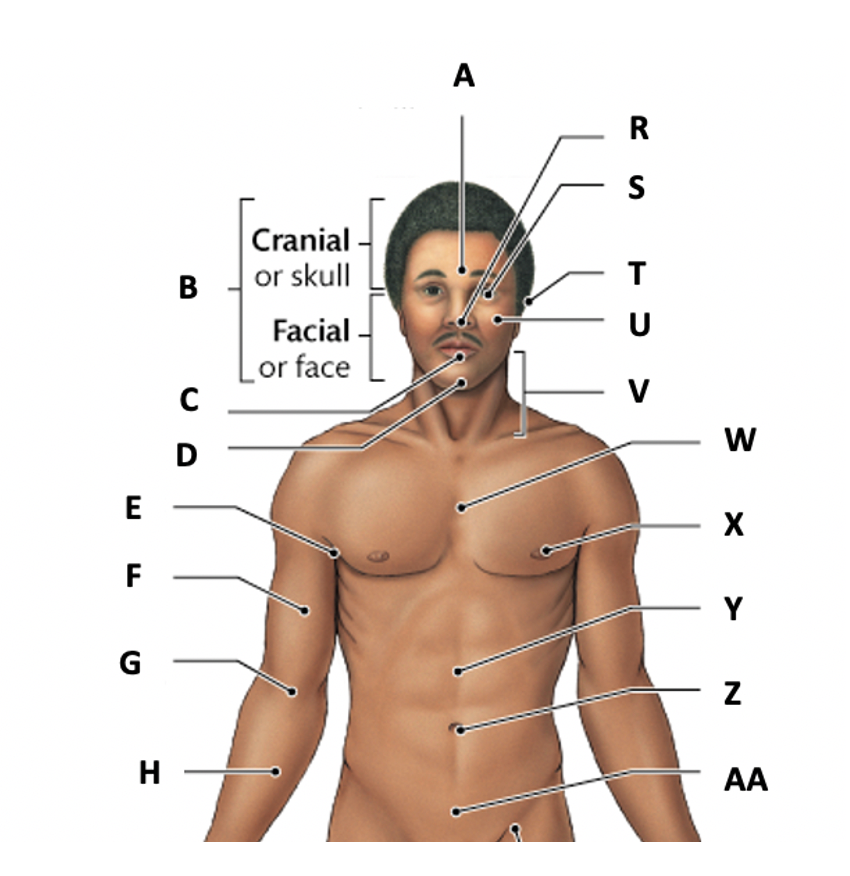
What is AA
Pelvic

What is AB
Manual

What is AC
Inguinal
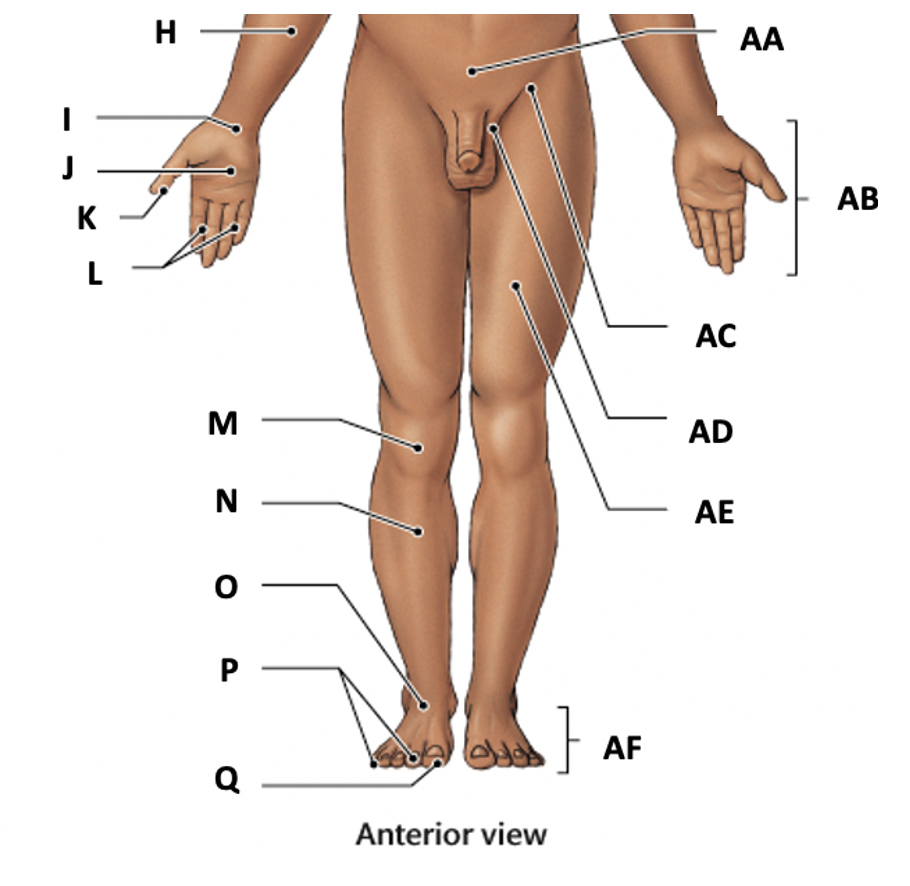
What is AD
Pubic

Femoral
What is AF

What is AF
Pedal
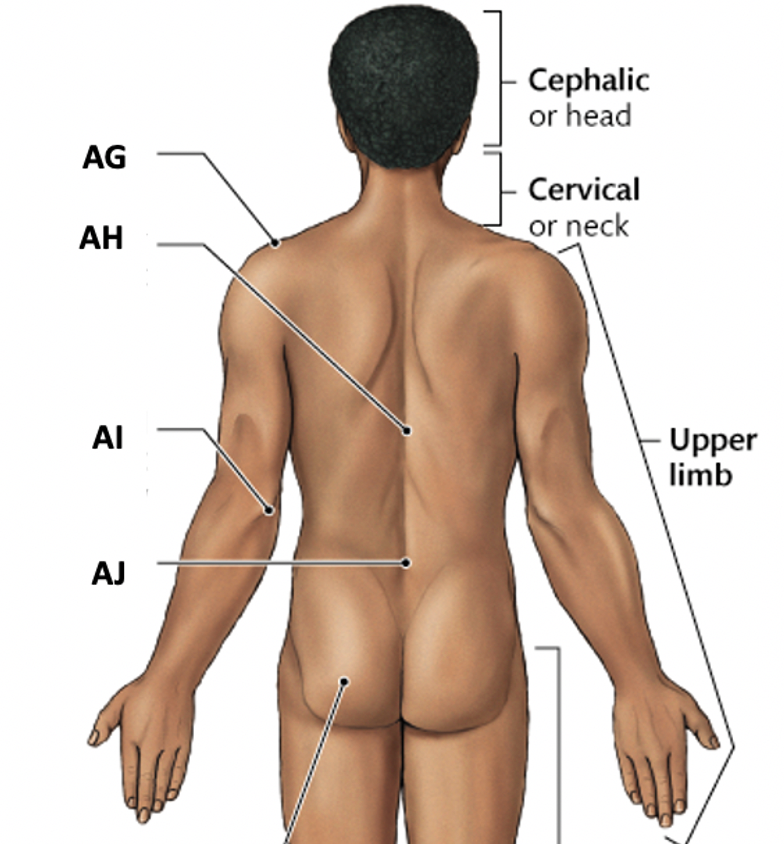
What is AG
Acromial
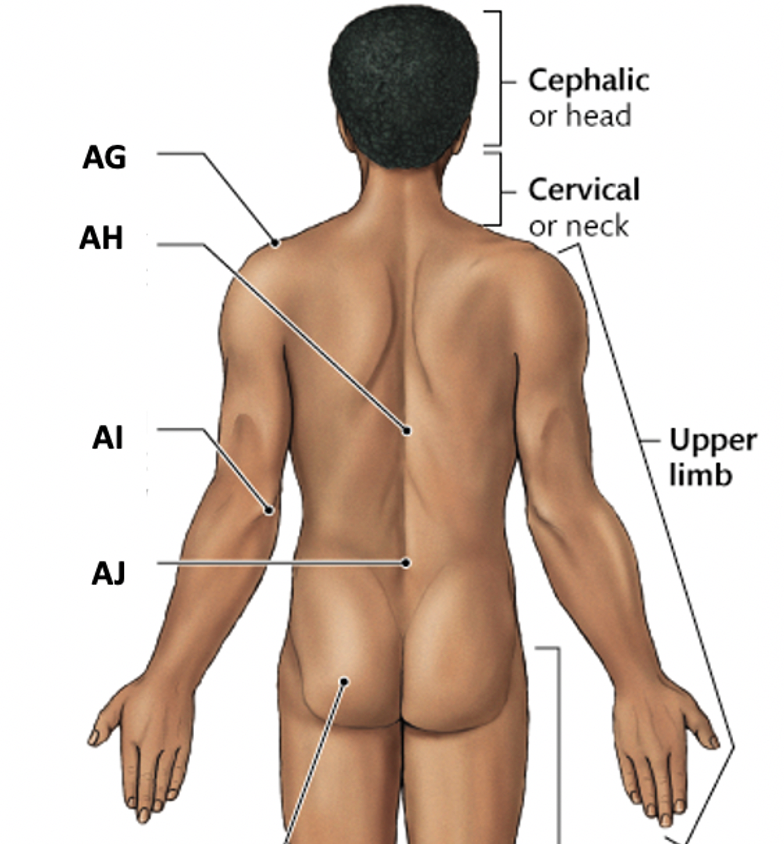
Dorsal Region
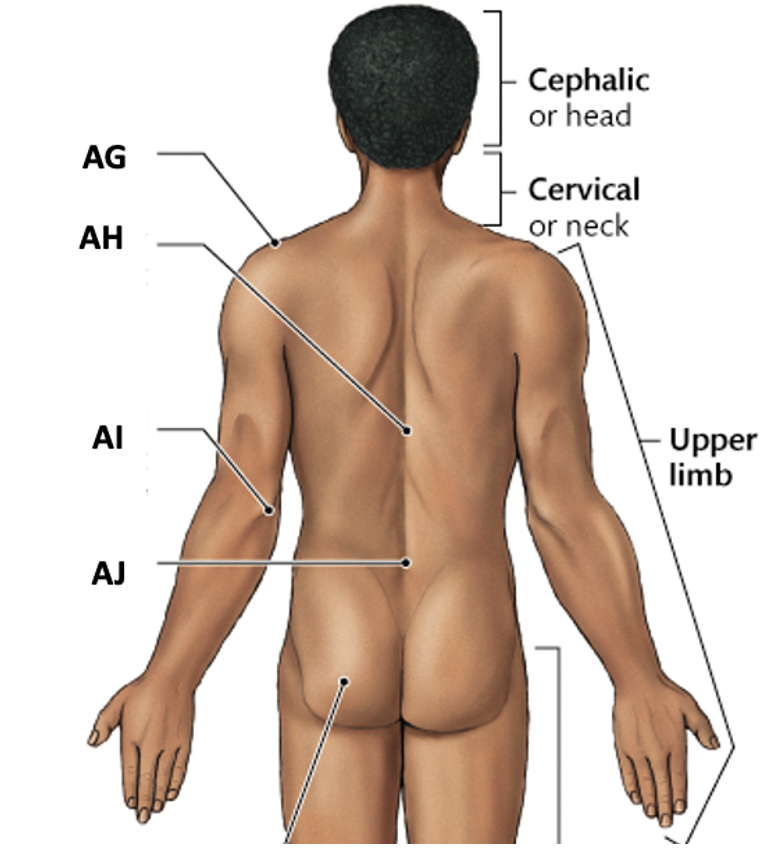
What is AI
Olecranal
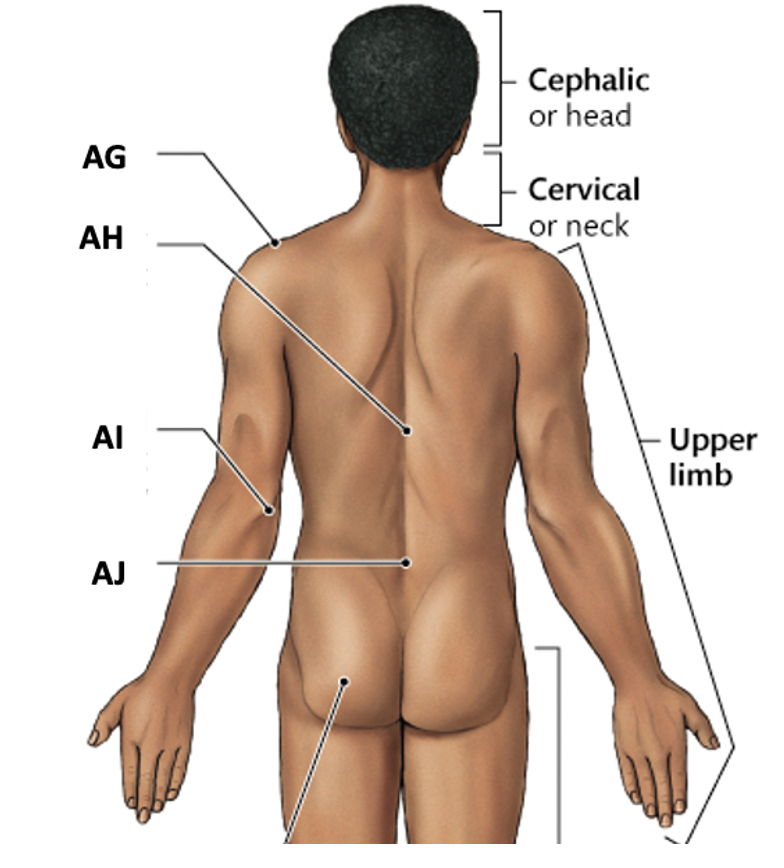
What is AJ
Lumbar
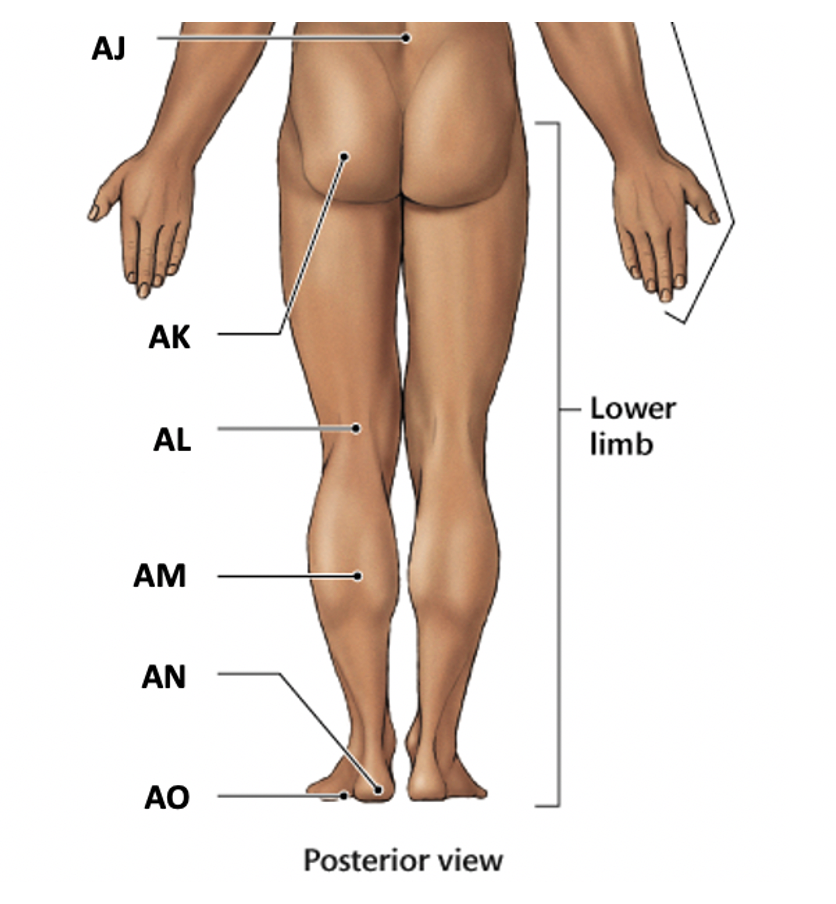
What is AK
Gluteal
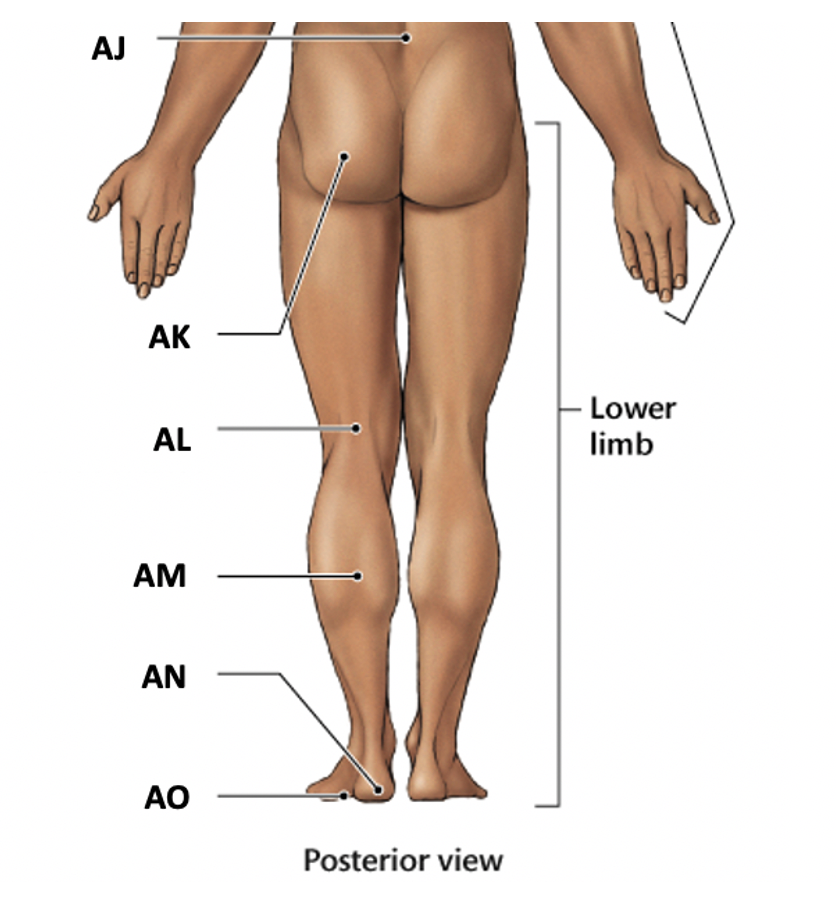
What is AL
Popliteal

What is M
Sural
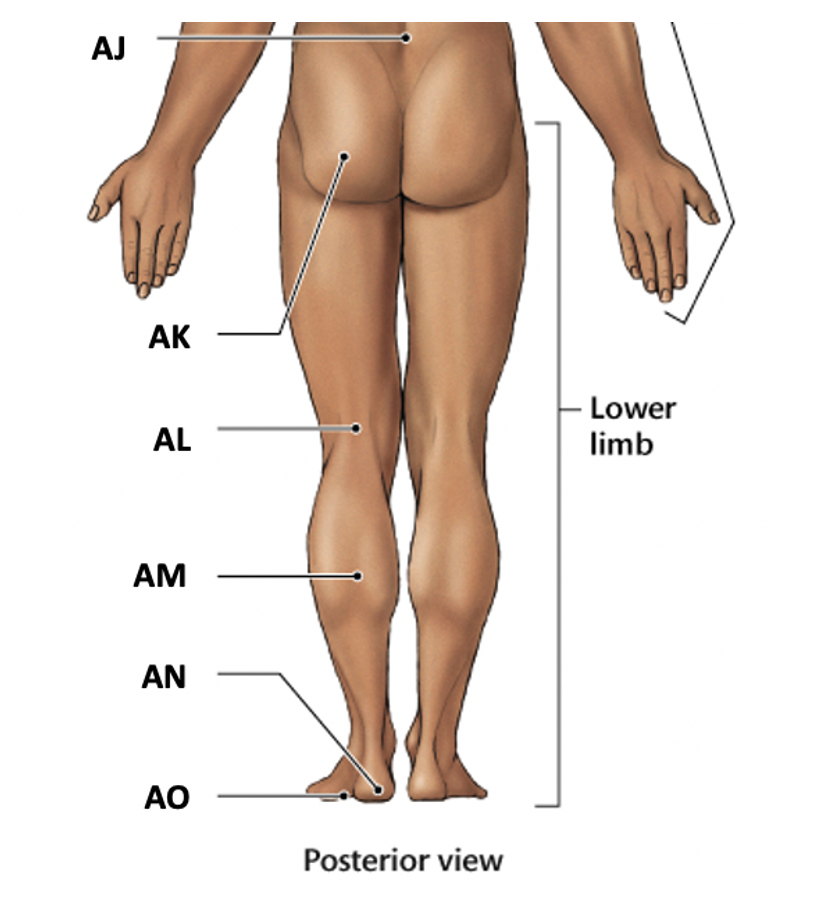
what is AN
calcaneal

What is AO
Plantar
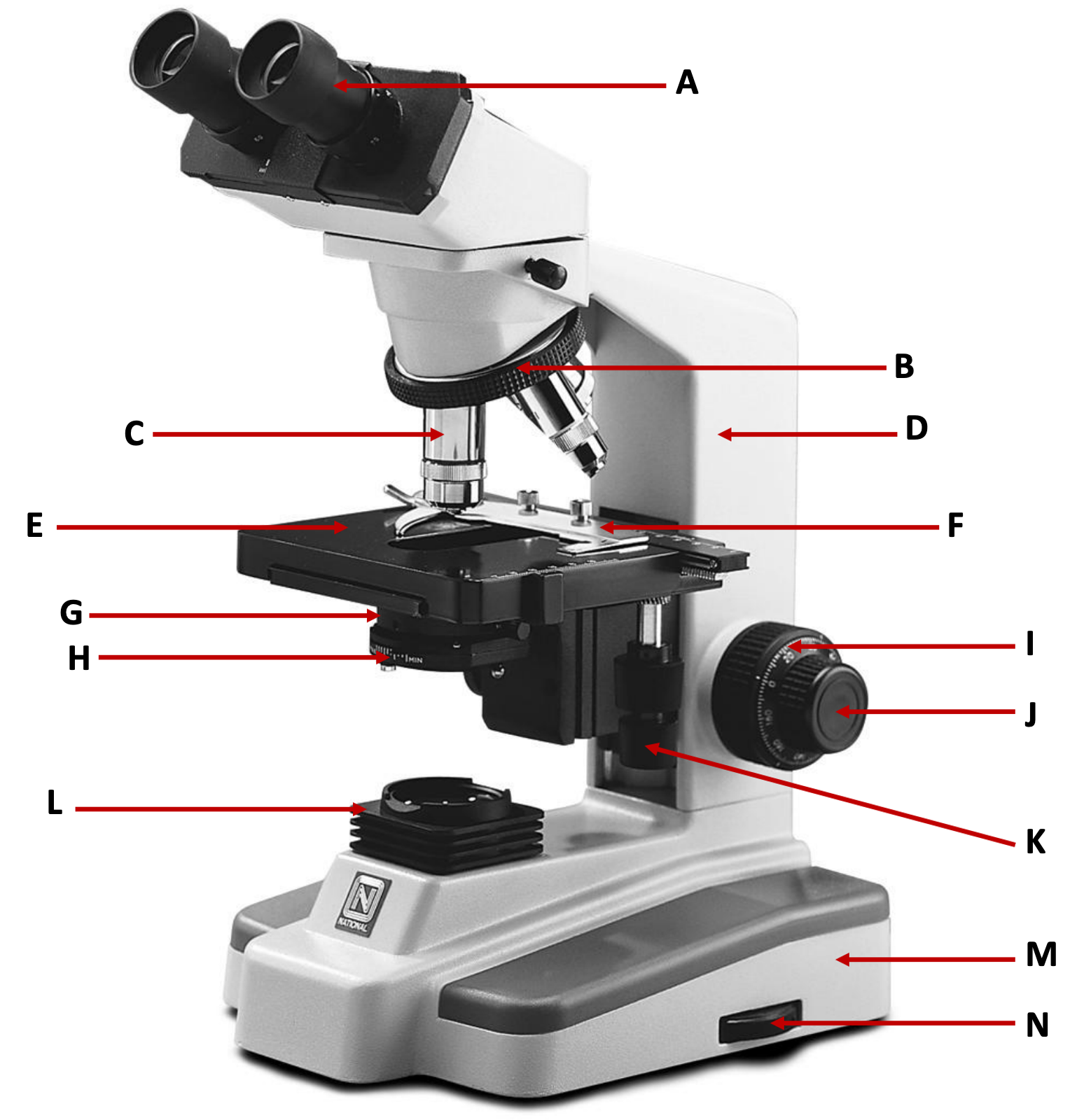
What is A
Occular Lens
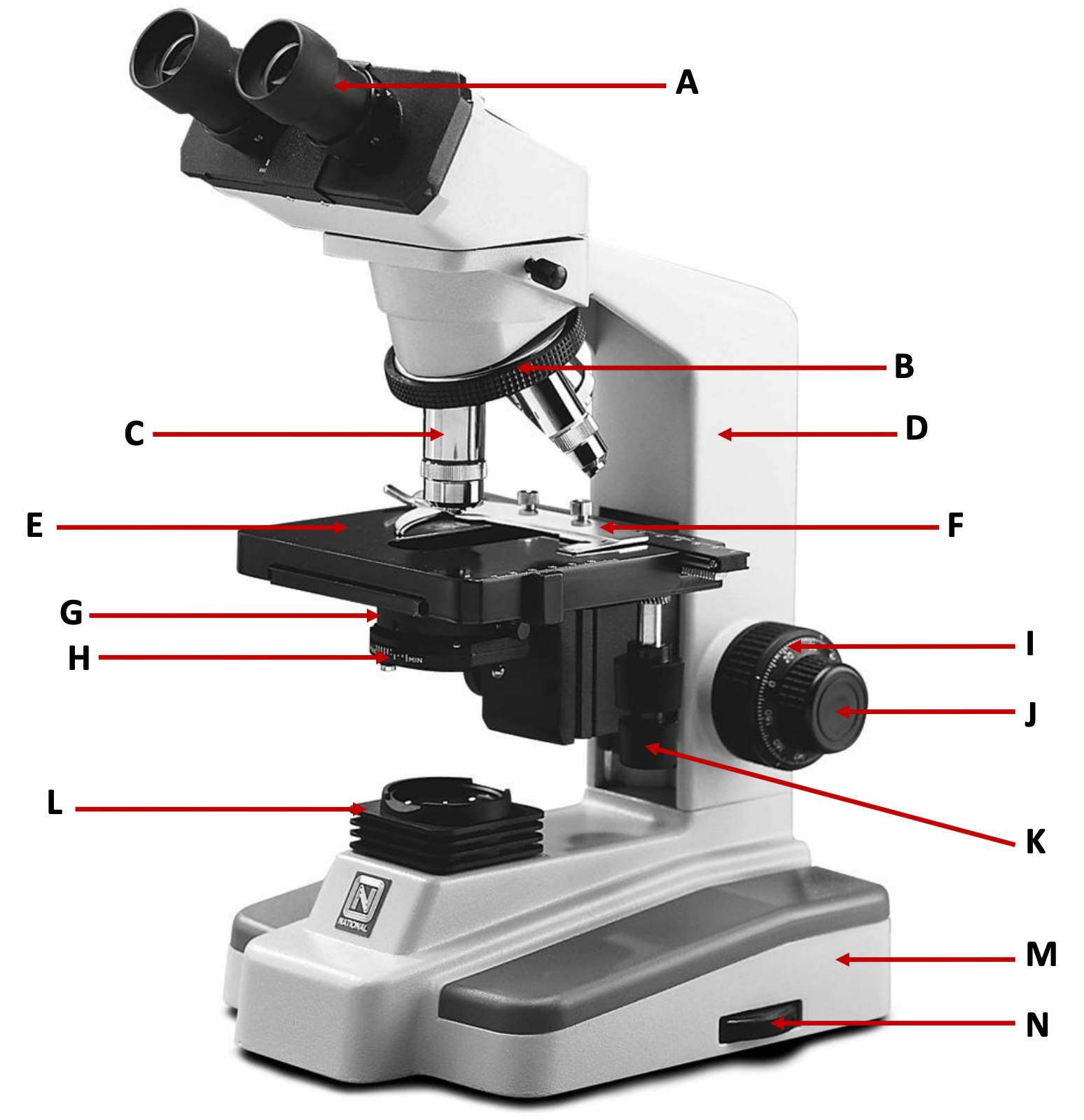
What is B
Nosepiece
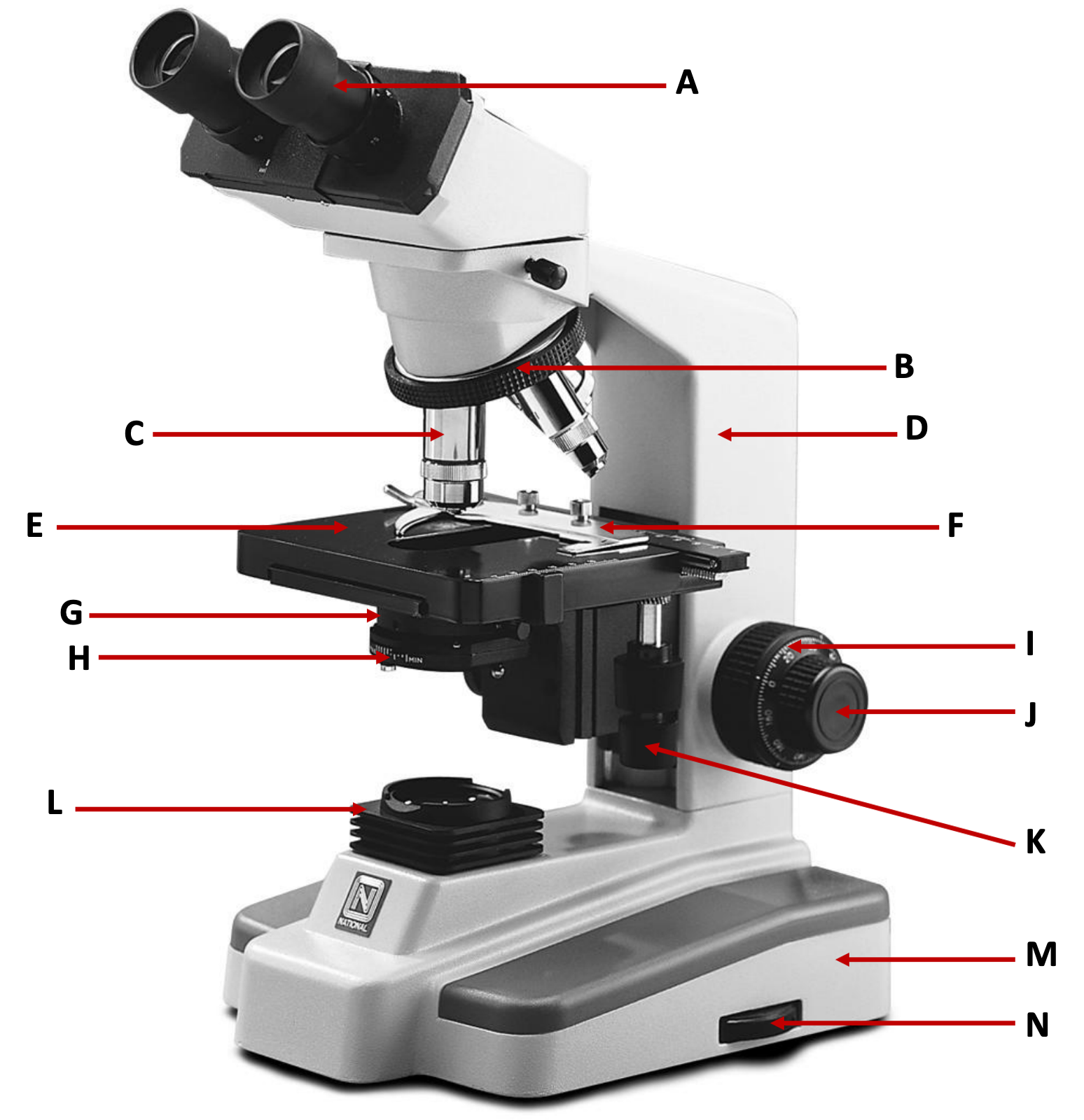
What is C
Objective lens

What is D
Arm
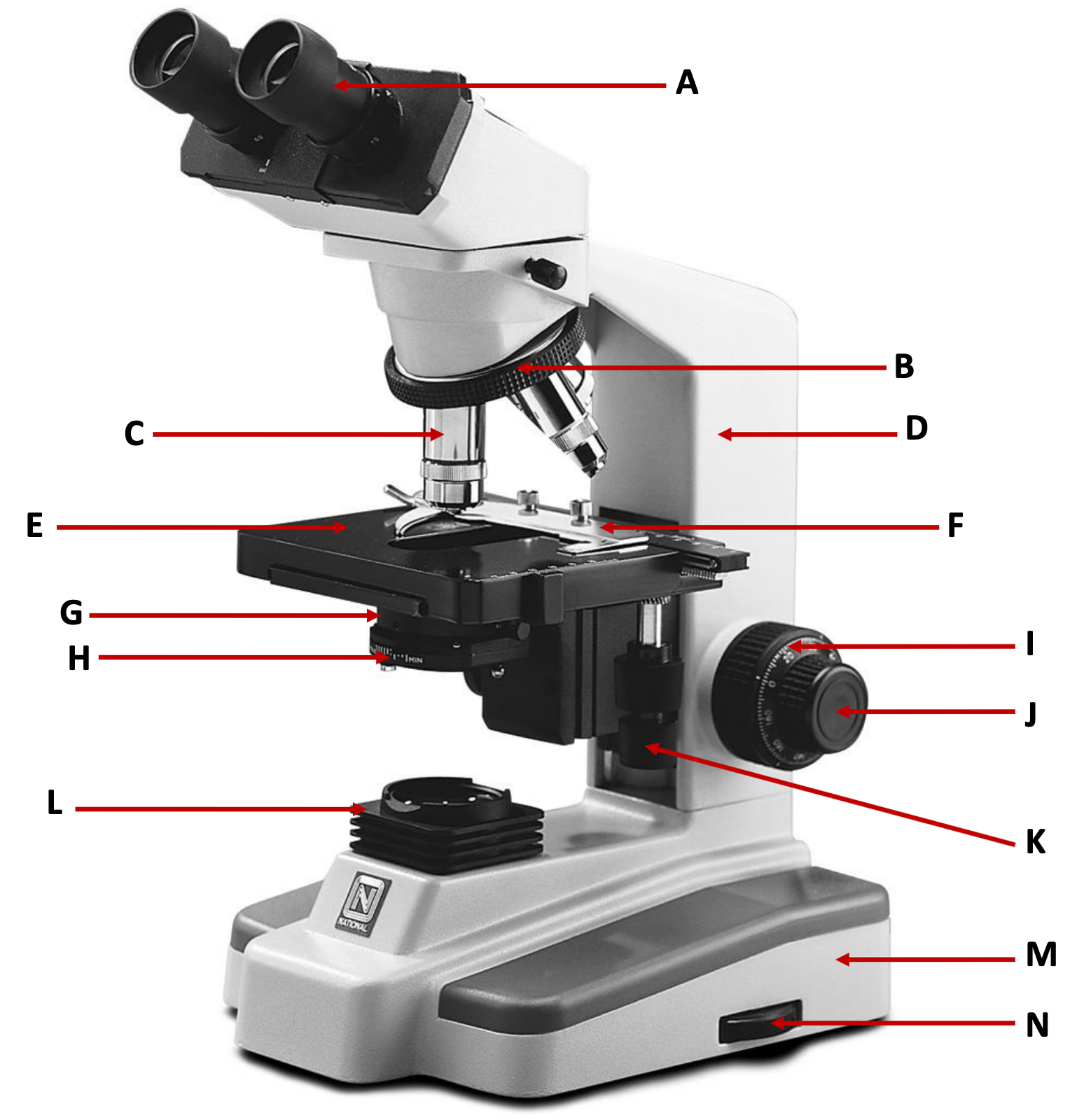
What is E
Stage
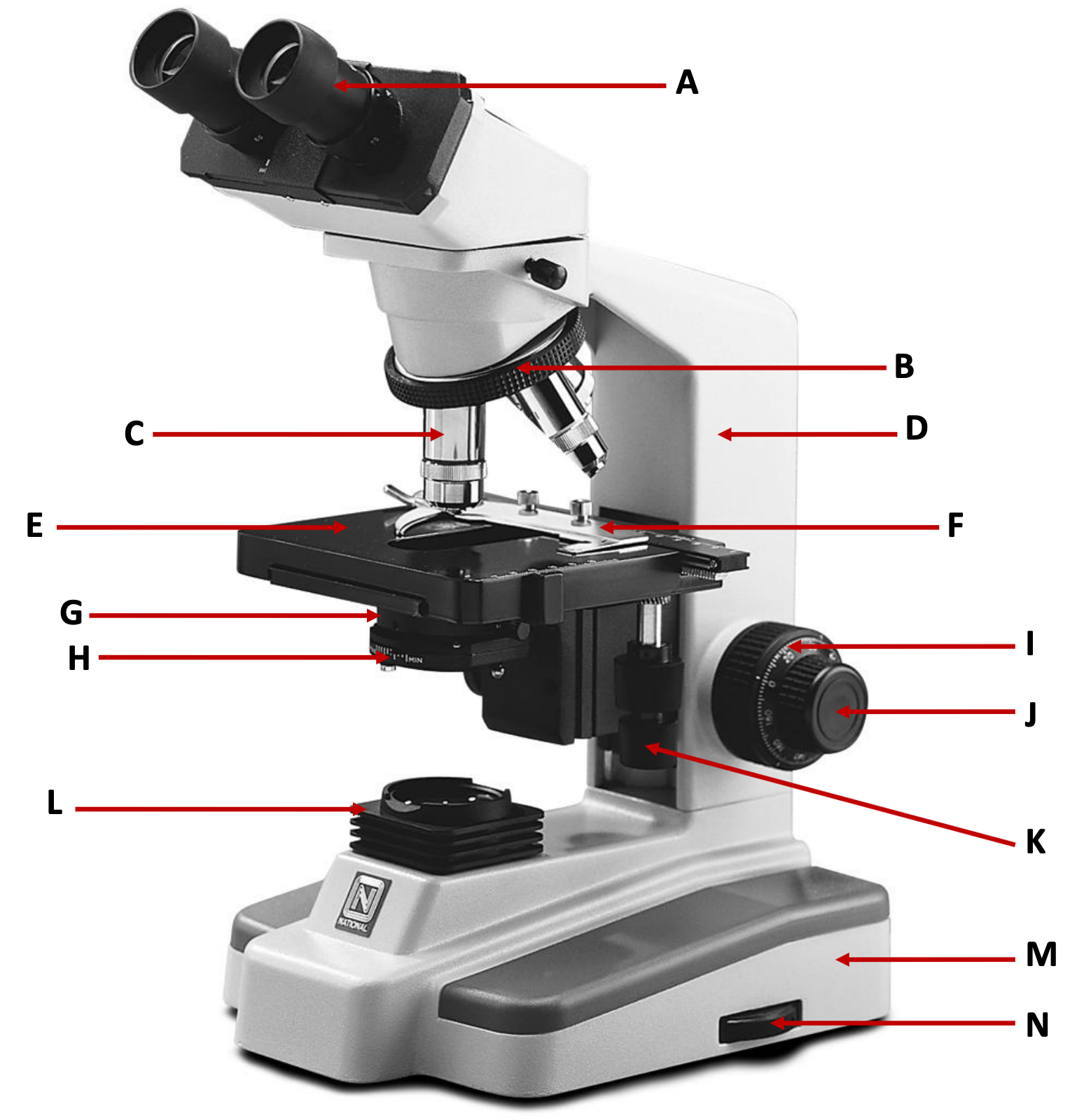
What is F
Mechanical Stage
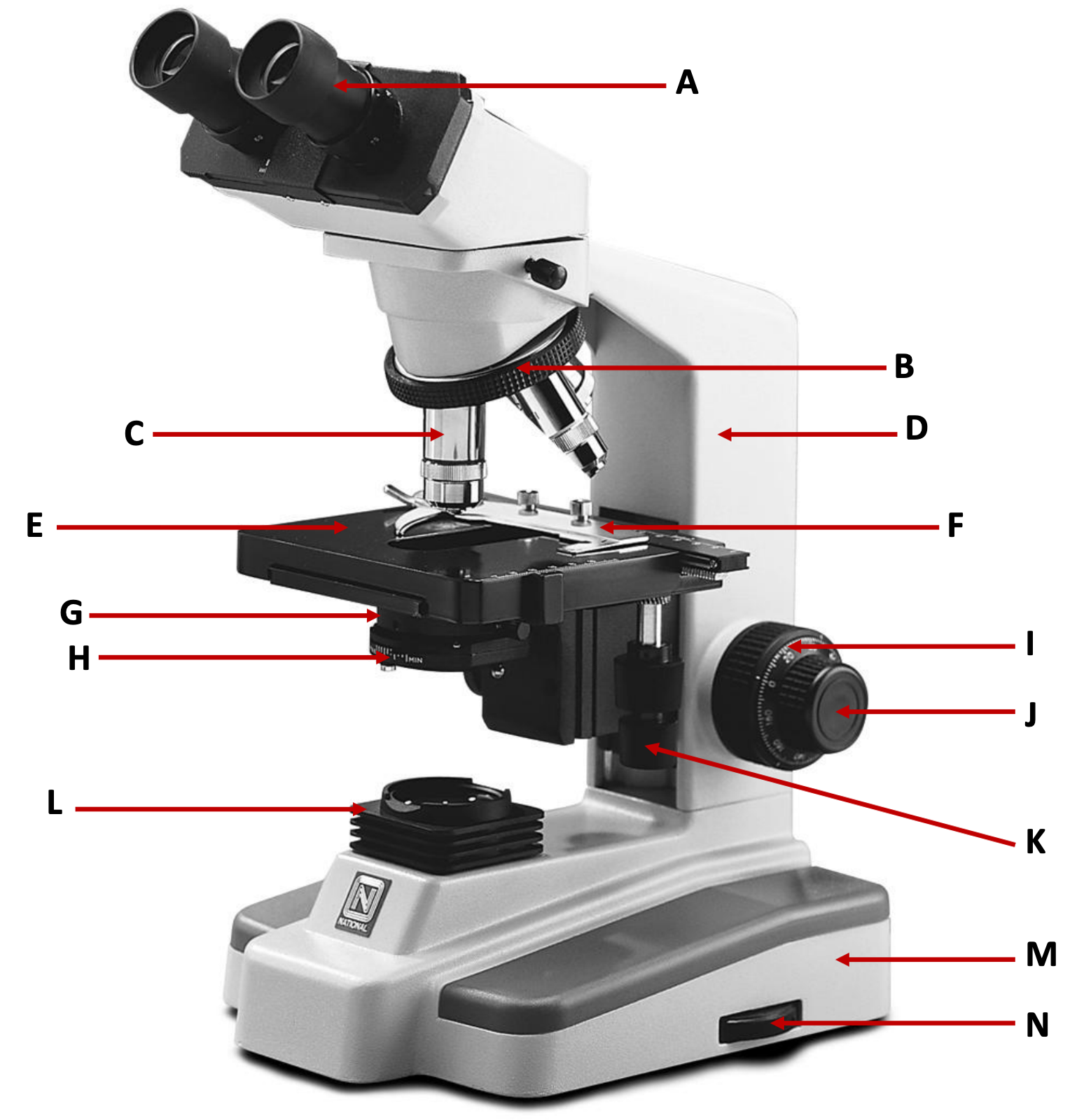
What is G
Condenser Lens
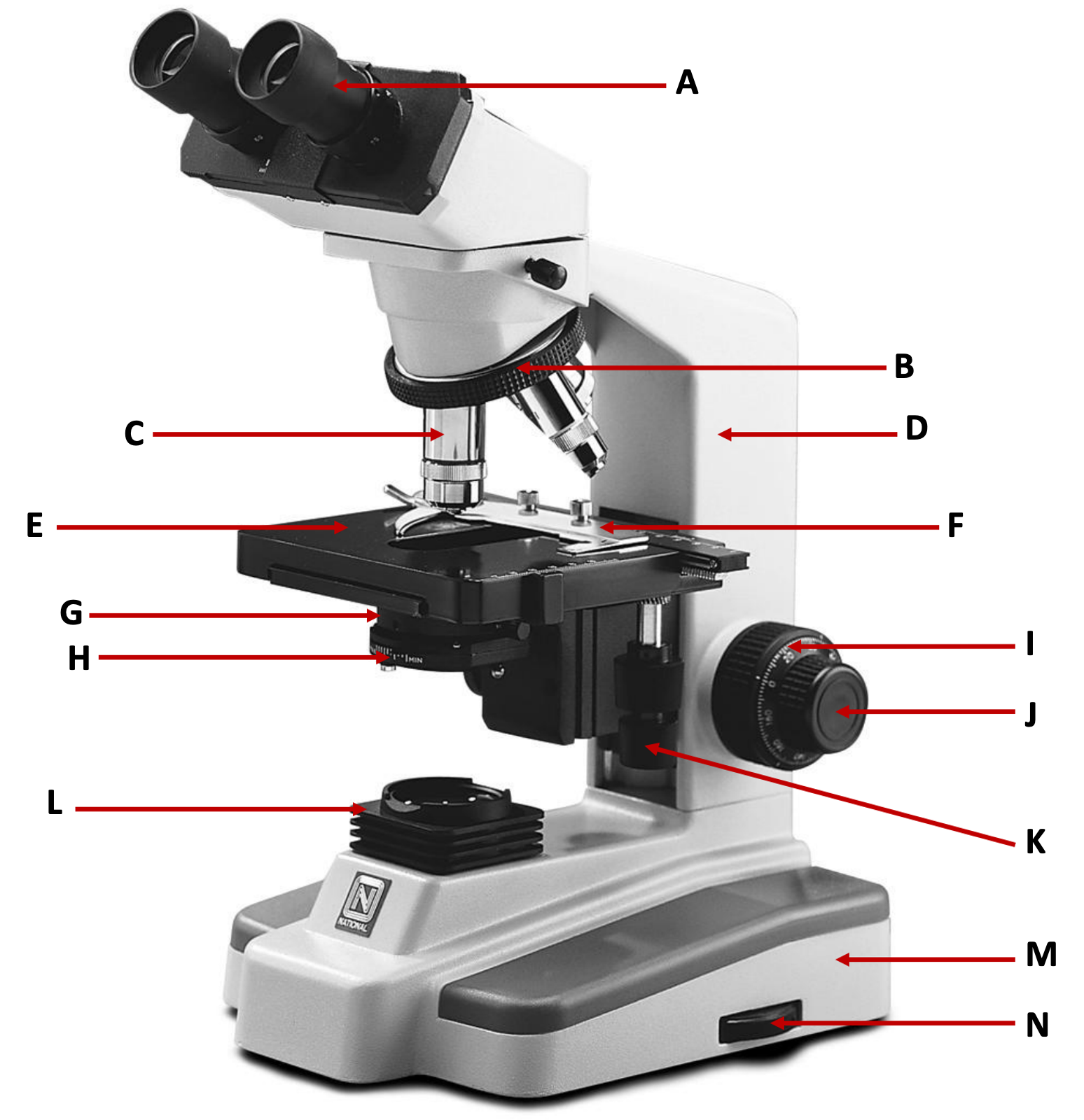
What is H
Iris Diaphragm
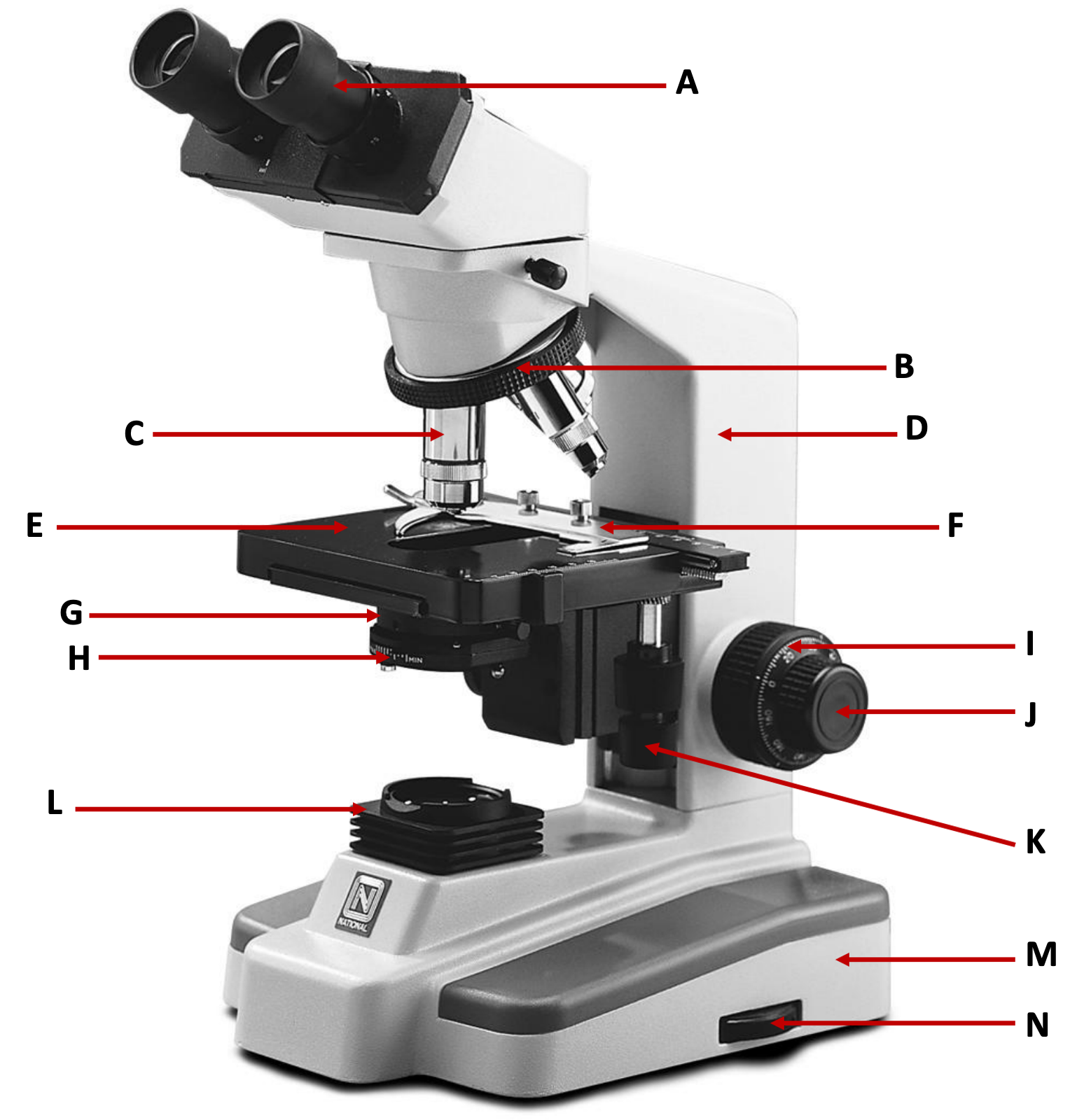
What is I
Coarse Adjustment Knob
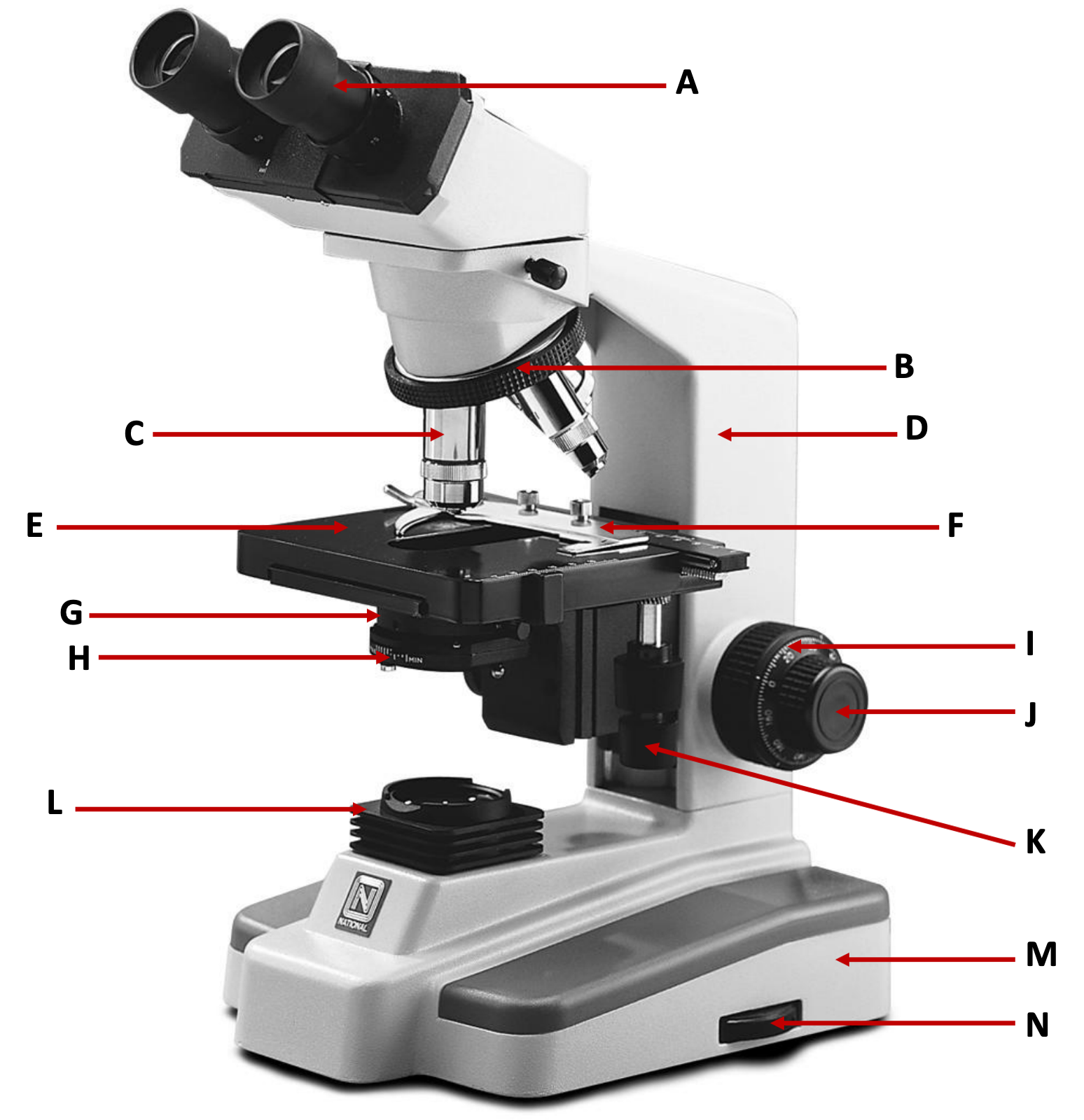
What is J
Fine Adjustment Knob
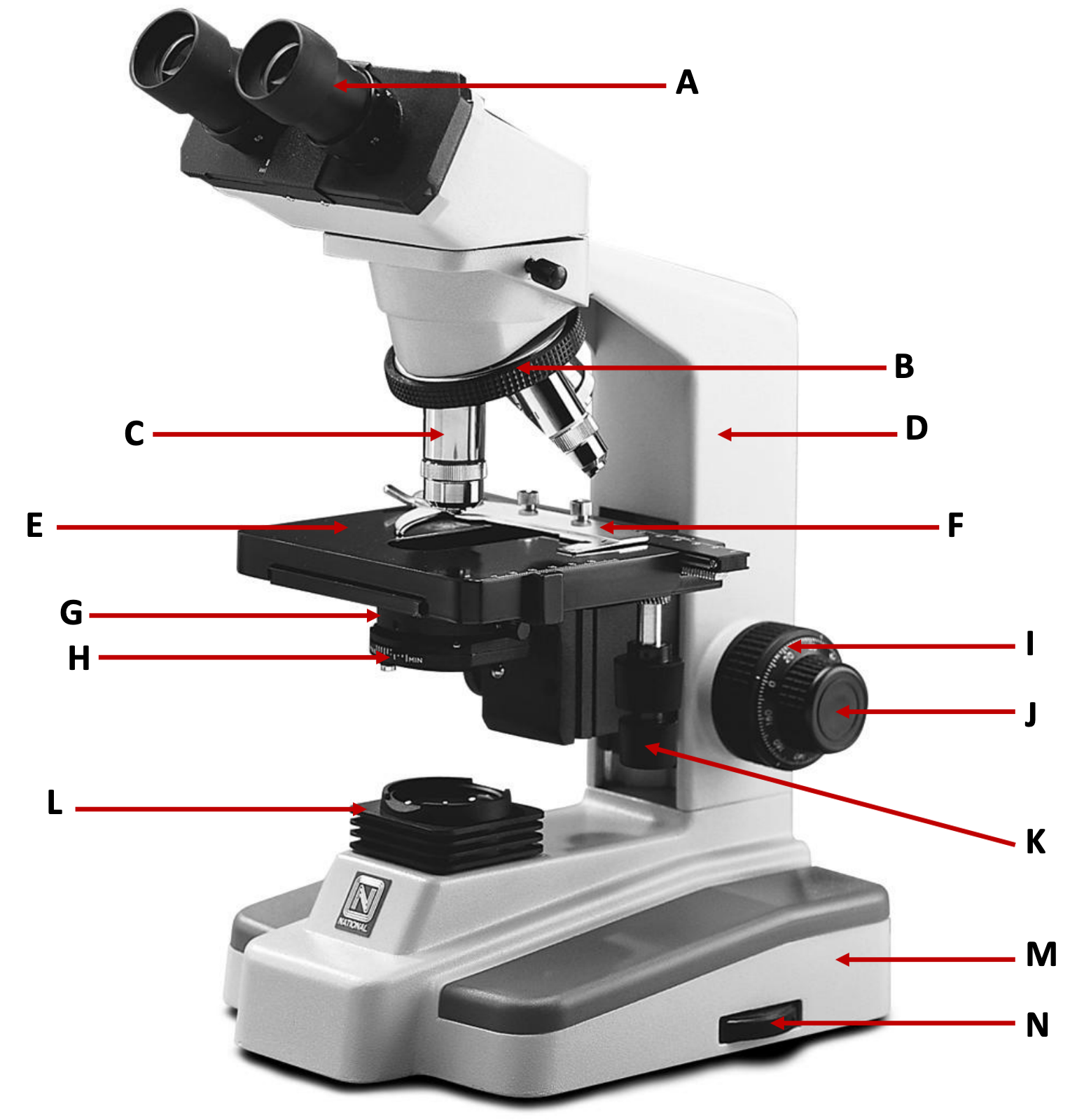
What is K
Mechanical Stage Control Knob

What is L
Substage Light
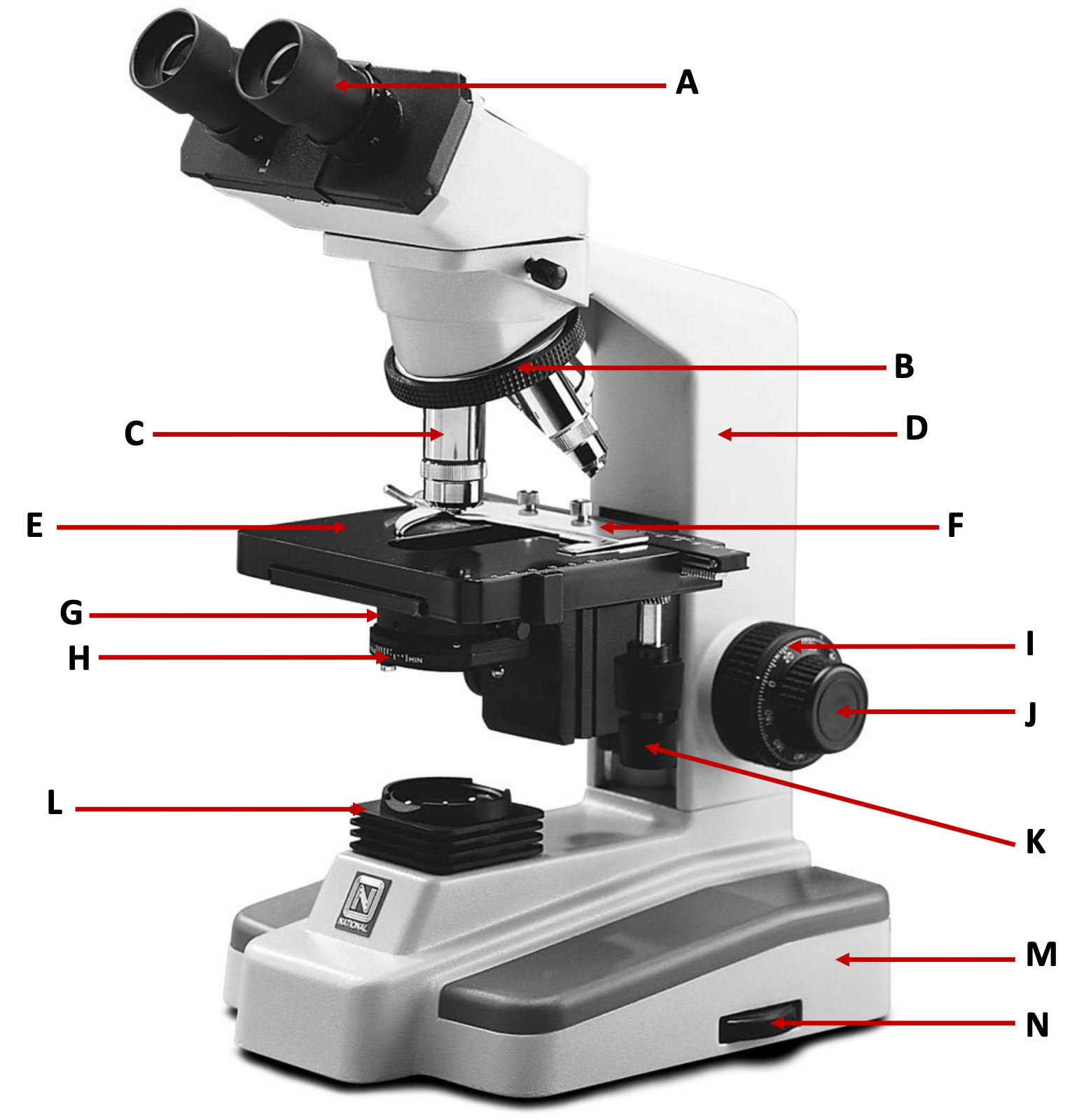
What is M
Base
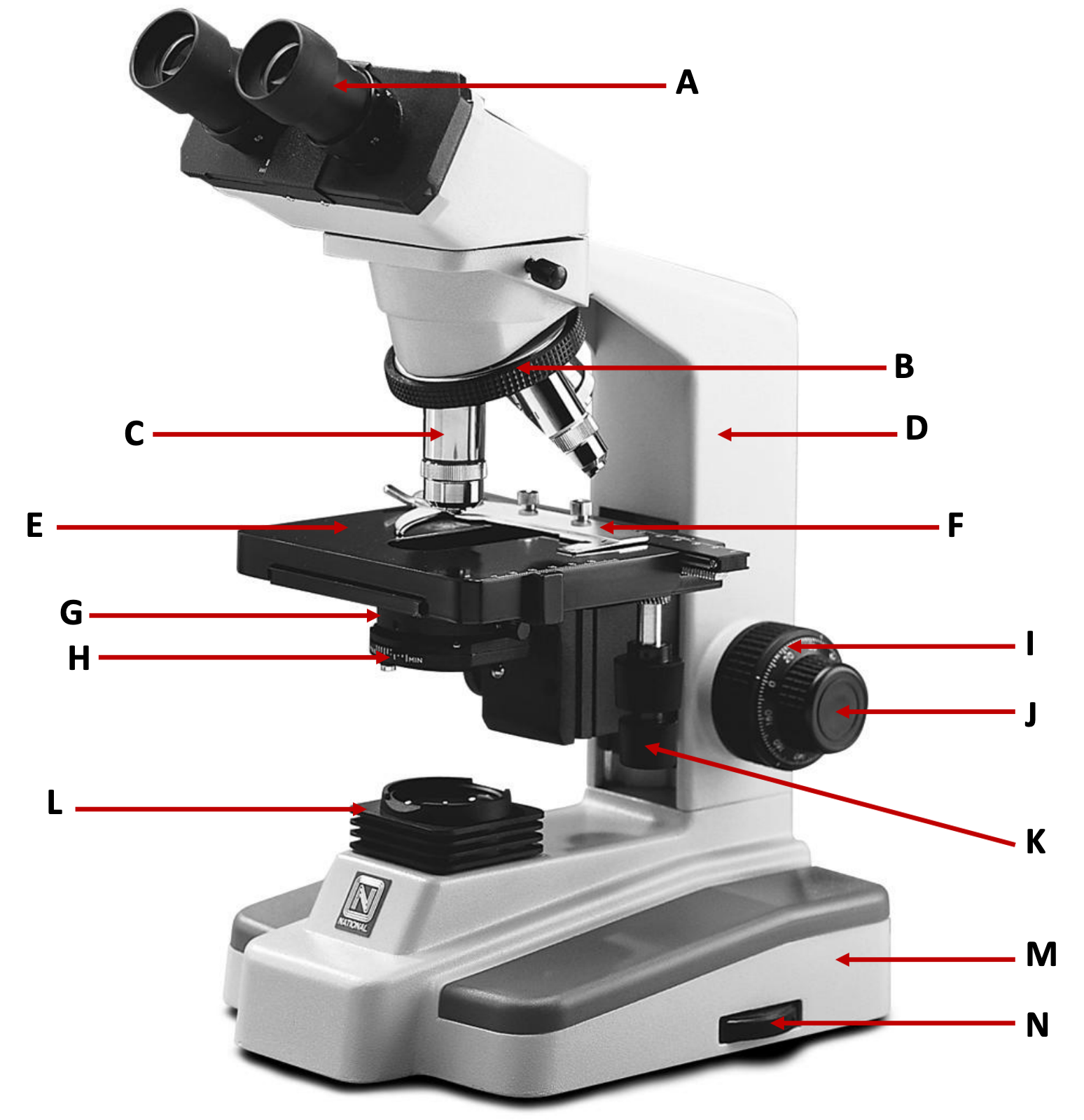
What is N
Light Control

Frontal or Coronal Plane
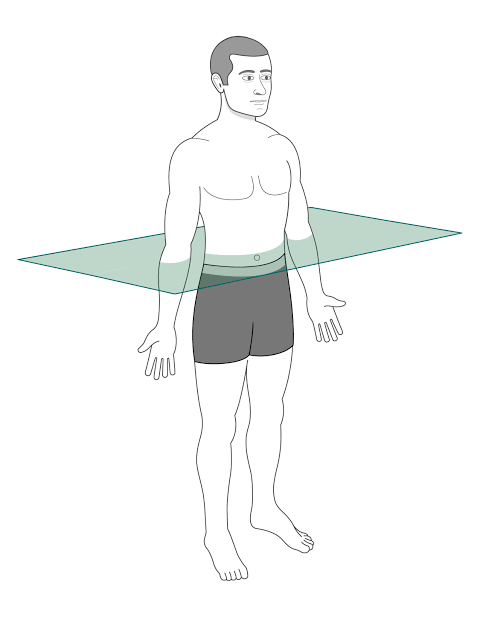
Transverse

Sagittal or longitudinal
Integumentary System
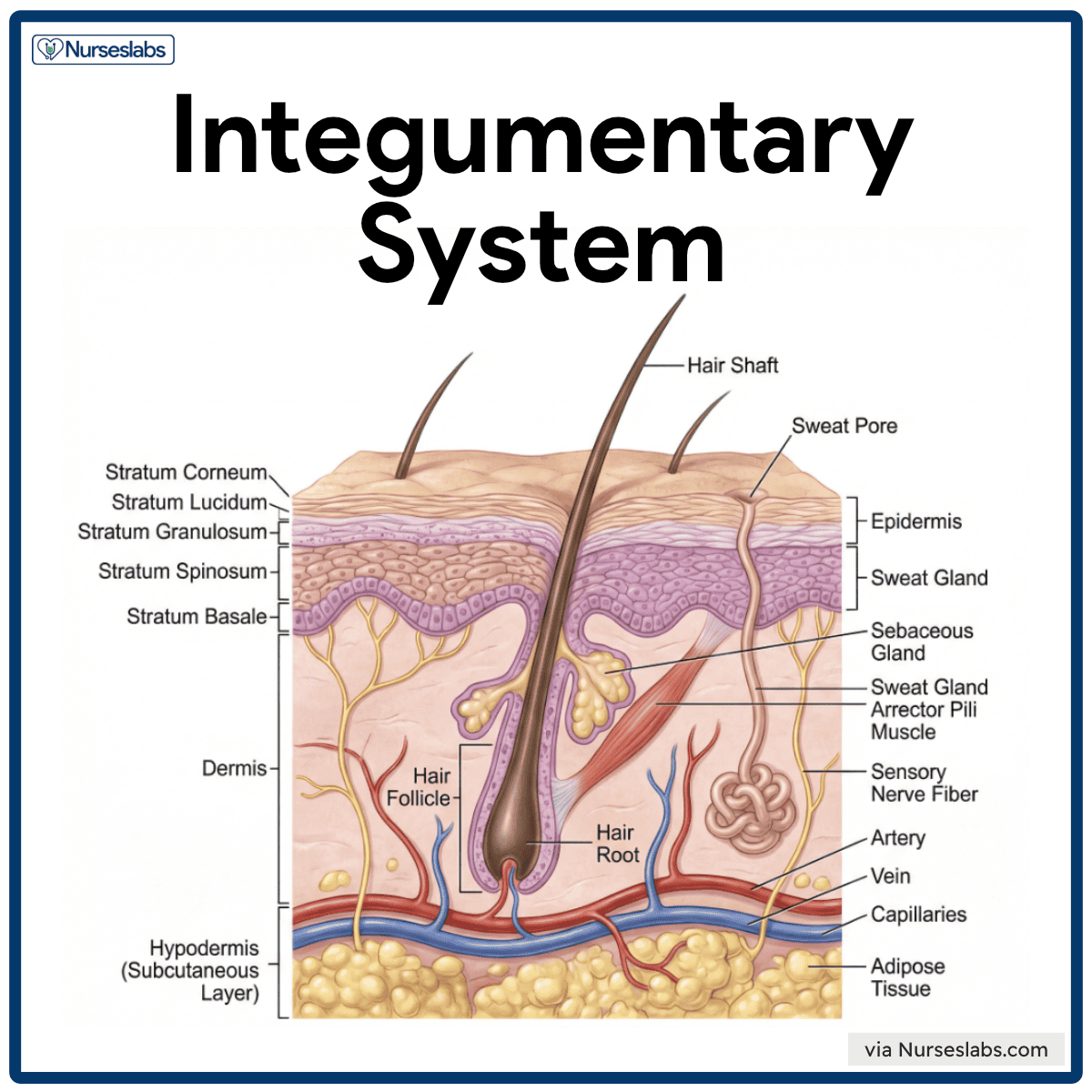
The body’s outermost layer consists of skin, hair, nails, and glands, which serve to defend against bacteria, protect from injury/sunlight, help regulate temperature, and produce vitamin D.
Anatomy: skin (dermis), hair, nails
Functions: protection, temperature regulation, and vitamin D production
Skeletal system
Anatomy: 206 bones, cartilage, ligaments, and tendons
Physiology: support, shape, structure, protection, movement, blood production, and storage of important minerals like calcium.
Connective tissues—cartilage cushions joints; ligaments connect bone to bone; tendons connect muscle to bone.
Muscular System
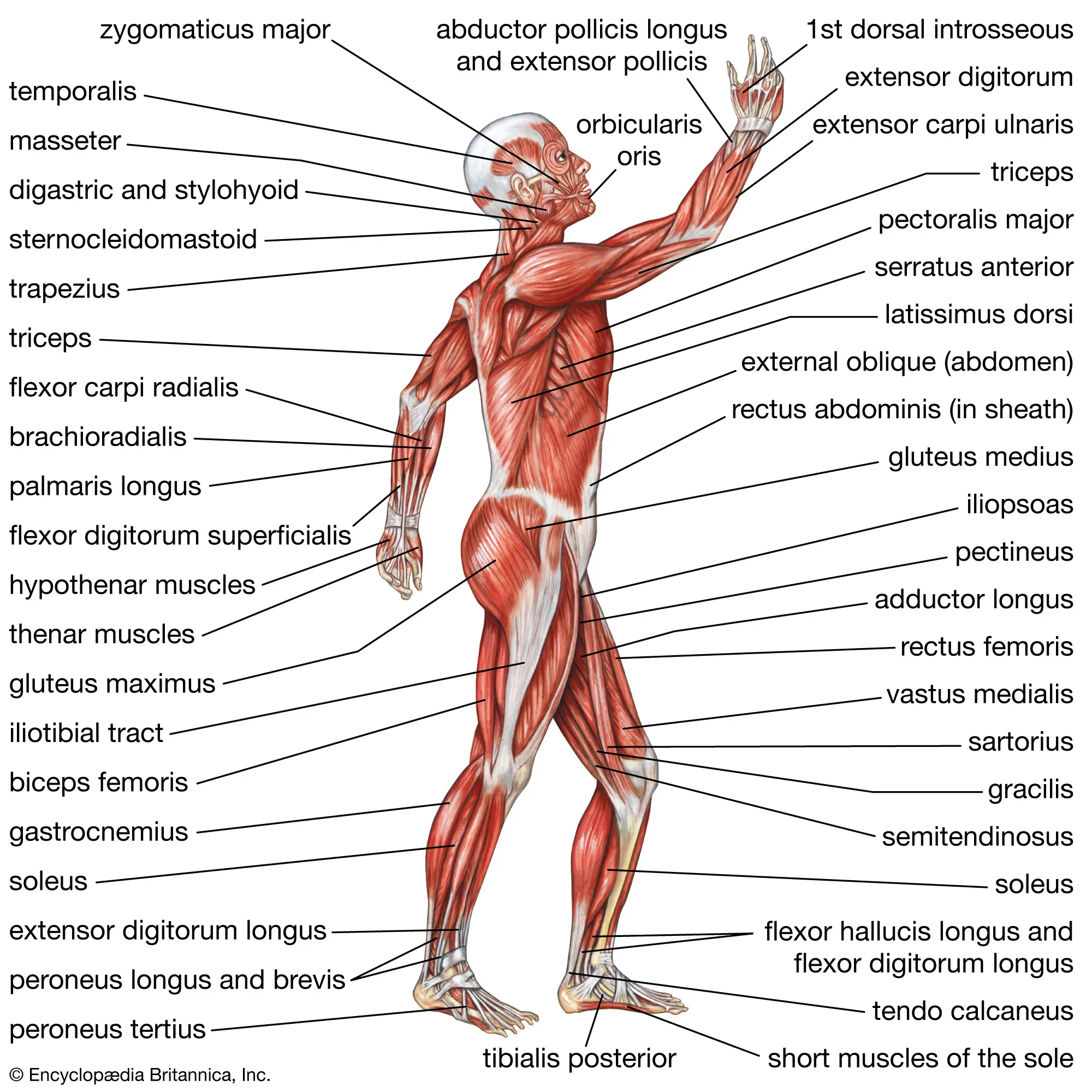
Anatomy: skeletal muscle, smooth muscle, and cardiac muscle.
Physiology: produces force and causes movement. Mobility, posture, stability, circulation, digestion, and heat production.
Nervous System
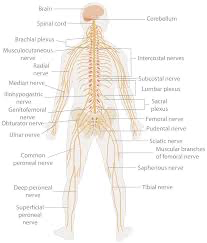
Anatomy: brain, spinal cord, nerves. Central nervous system, peripheral nervous system.
Physiology: Sensory input, integration, and motor output.
Endocrine System
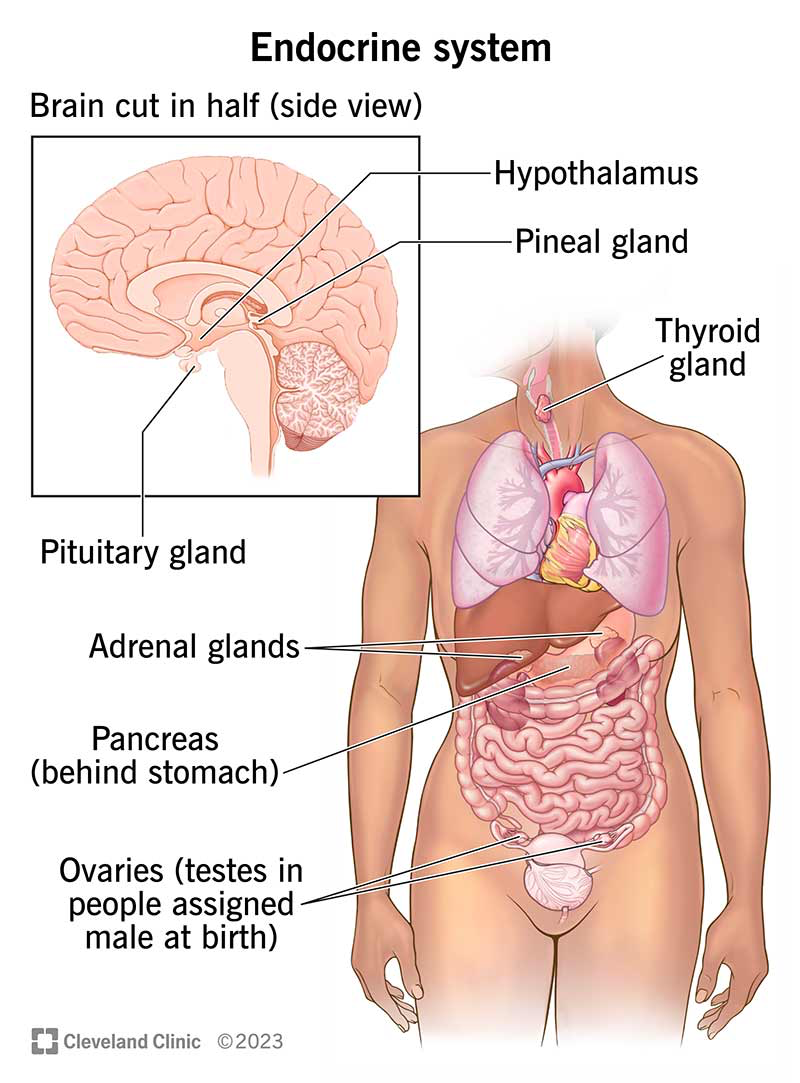
Anatomy: hypothalamus, Glands (pituitary, thyroid, adrenal, pancreas, gonads).
Physiology: metabolism, growth and development, homeostasis, stress response.
Cardiovascular System
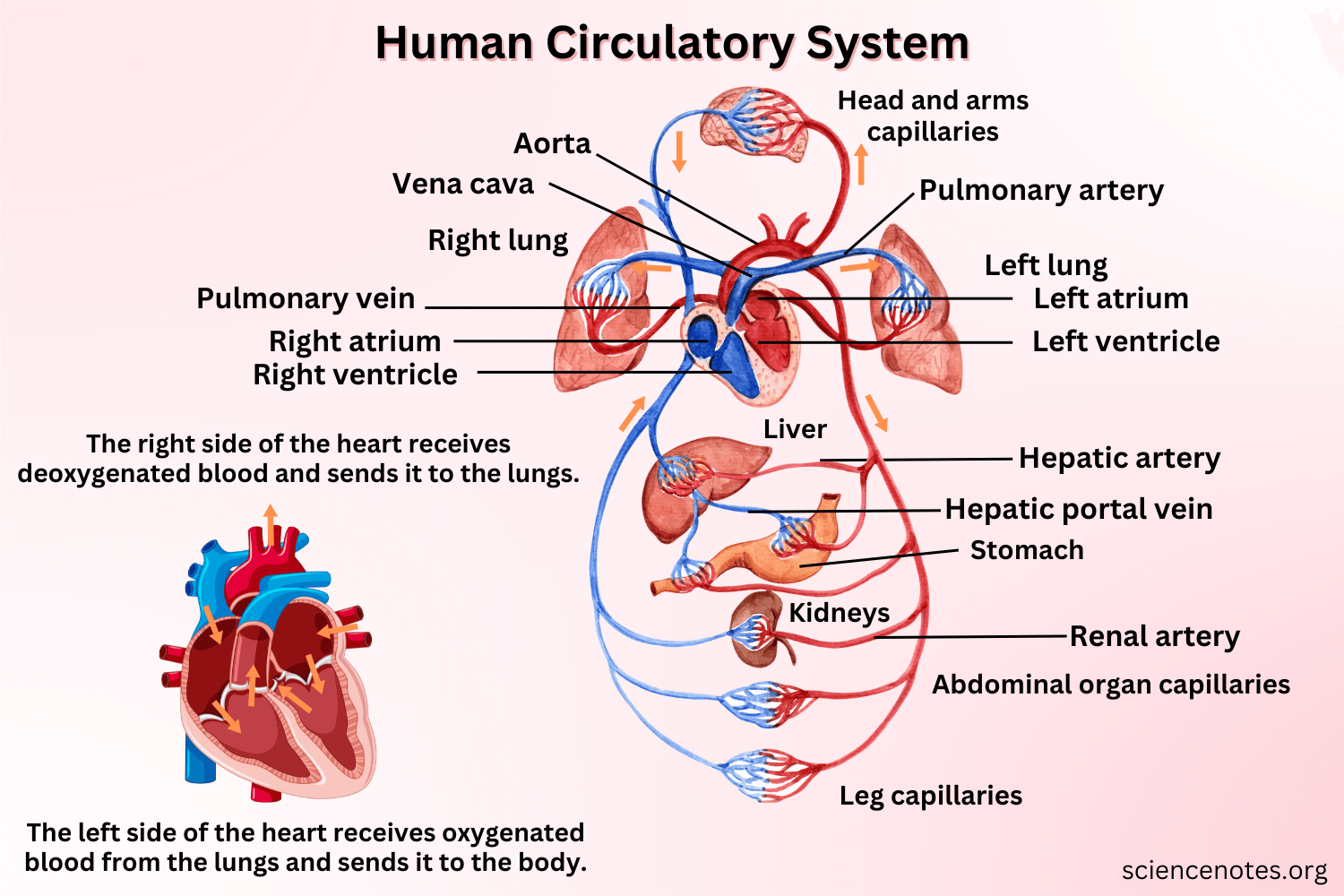
Anatomy: Heart, Blood vessels, blood
Physiology: Circulates blood, oxygen, nutrients, and waste products through the body.
Lymphatic system
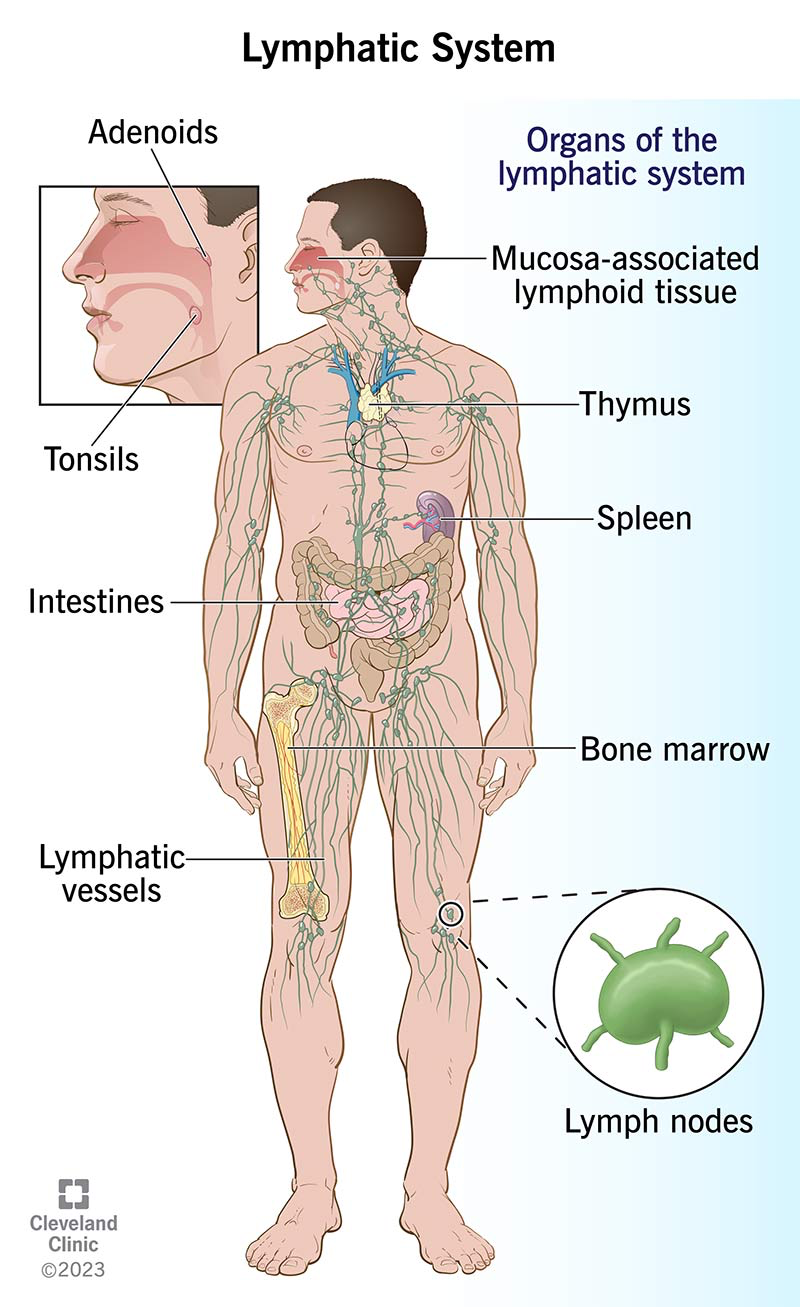
Anatomy: Lymph, lymph vessels, lymph nodes, spleen, thymus, tonsils, and bone marrow.
Physiology: fluid balance, immune defense, fat absorption.
Respiratory System
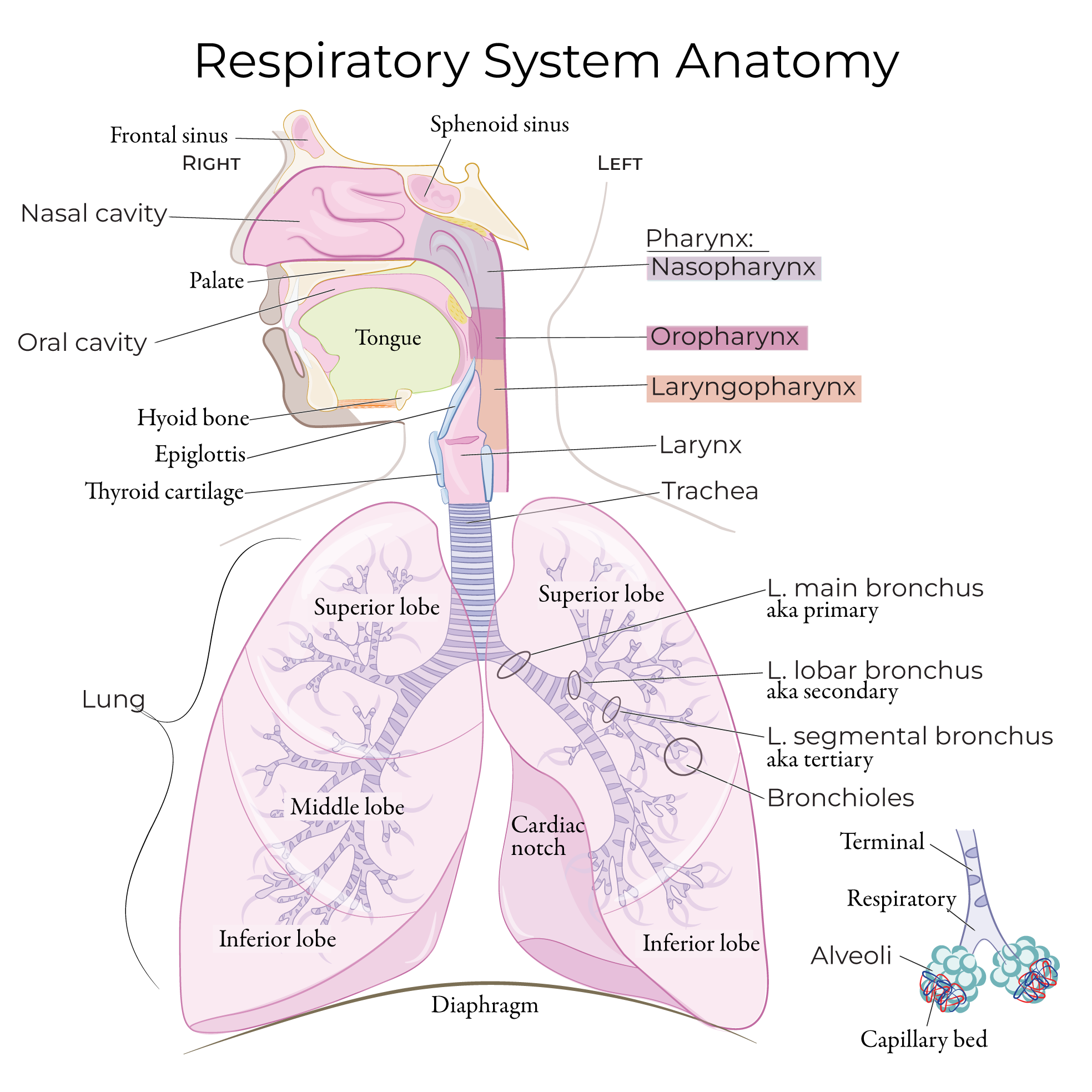
Anatomy: nasopharynx, oropharynx, larynx ( voice box), epiglottis, trachea, lungs, visceral pleura, bronchioles, bronchi, alveoli.
Physiology: gas exchange, air conditioning ( warms and moistens incoming air), protects from dust, germs, and foreign particles. vocalization and smell. Inhale oxygen, exhale carbon dioxide.
Digestive System
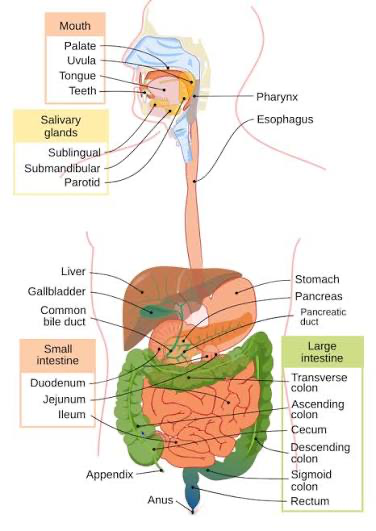
Anatomy: esophagus, stomach, small intestine, duodenum, large intestine, colon, rectum.
Physiology: digestion, ingestion, elimination, propulsion, mechanical and chemical digestion.
Urinary System
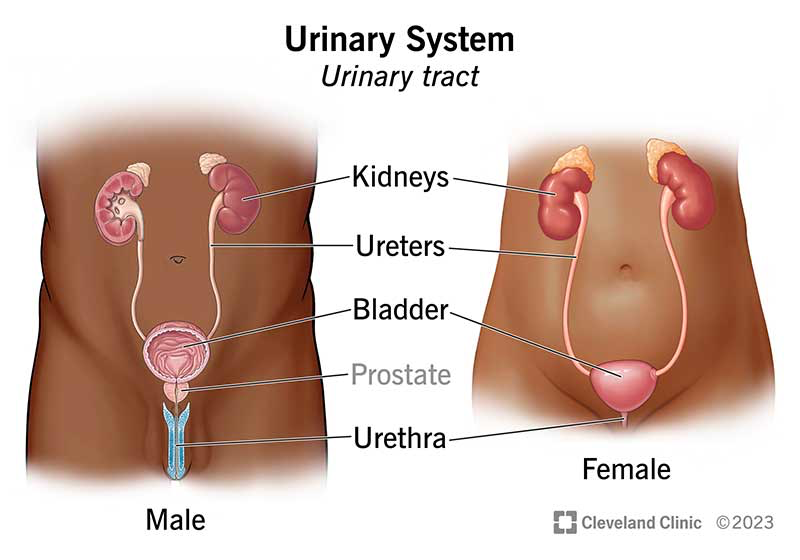
Anatomy: Kidneys, ureters, bladder, and urethra.
Physiology: filtering and realsing
Reproductive System
Female Anatomy: ovaries, fallopian tubes, uterus, cervix, vagina, and vulva.
Male Anatomy: testicles, epididymis, vas deferens, accessory glands, penis.
Physiology: produce gametes, produce hormones,
Bio Female: supports growth during pregnancy