08 Beans
 Call Kai
 Learn
Learn Practice Test
 Spaced Repetition
 Match
Match Flashcards
1/6

There's no tags or description
Looks like no tags are added yet.
Name | Mastery | Learn | Test | Matching | Spaced | Call with Kai | Chat |
|---|
No analytics yet
Send a link to your students to track their progress
7 Terms
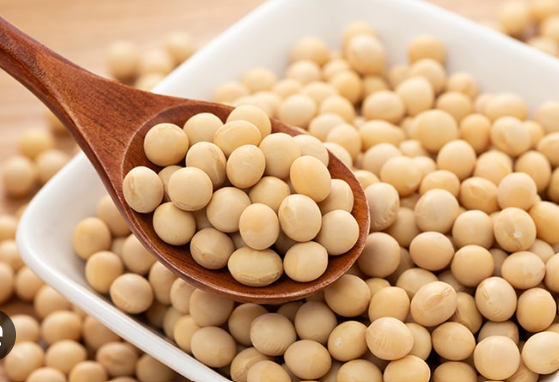
だいず(大豆)(Daizu)
Daizu (soybean) is an annual plant from the legume family that is rich in protein and fat, which is why it is also known as the “meat of the fields.”
Soybeans serve as a raw material for numerous processed foods such as tofu, miso, soy sauce, and natto. Unripe beans are eaten as edamame. In addition, they are used as a source of oil, animal feed, and even in the chemical industry, making them a versatile and important plant.
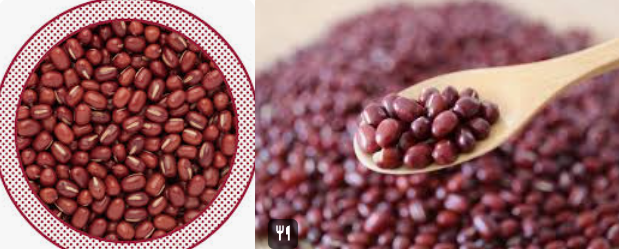
あずき(小豆) (Azuki)
Azuki (小豆) is an annual legume from the Vigna genus and a traditional ingredient in Japanese cuisine, used in anko (red bean paste), sekihan (red rice), and oshiruko. Azuki beans are low in fat and rich in protein, fiber, and minerals. Due to their red color, they have also been used since ancient times to ward off evil and in festive dishes. There are different varieties, including large Dainagon beans and white azuki, which are selected according to the cooking purpose and shelf life.
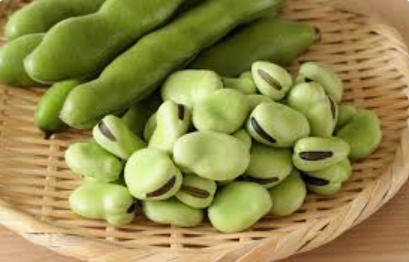
ソラマメ (そら豆) (Sora-mame)
Soramame (空豆, broad beans) is an annual or biennial legume from the bean family, whose pods characteristically grow upwards towards the sky. The beans are large, have a creamy texture and a distinctive flavor. They are usually cooked with salt, used in stir-fries or stews. Soramame are in season from spring to early summer (around April to June) and are rich in vitamins, iron and fiber.
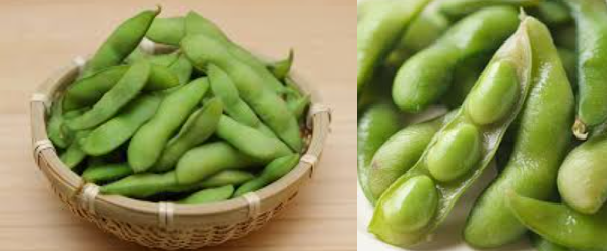
えだまめ(枝豆)(Eda-mame)
Edamame are young, green soybeans that are harvested before they are fully ripe. They are often cooked in boiling water with their pods and eaten. Edamame combine the nutritional benefits of beans and vegetables, are rich in protein, vitamins, and fiber, and are considered particularly nutritious—so much so that they are also known as “meat of the fields.”
In Japan, they are particularly popular as a snack with beer in the summer, and they help relieve fatigue and support liver function.
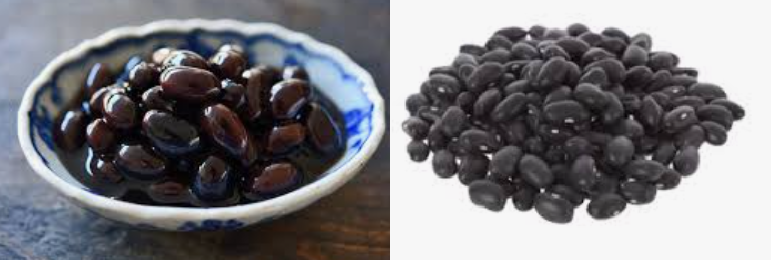
くろまめ(黒豆) (Kuro-mame)
Kuromame (黒豆), also known as kurodaizu, are black soybeans and an essential ingredient in traditional osechi-ryori (New Year's dishes). They are rich in anthocyanins and polyphenols and have a high nutritional value. Kuromame are often cooked sweet (nimame), but can also be enjoyed as edamame, kinako (bean flour), or kuromame tea.
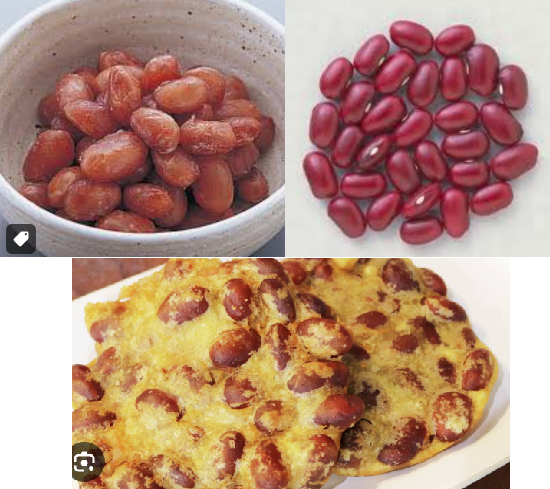
きんときまめ(金時豆) (Kintoki-mame)
Kintoki beans (金時豆) are a type of red kidney bean with a beautiful reddish-purple color. The beans are large and evenly shaped, so they do not easily fall apart when cooked, and are often used for nimame (boiled beans) or amanatto (sweet beans). They are mainly grown in Hokkaido and are very nutritious, rich in protein, fiber, vitamins, and minerals. Kintoki-mame are not only suitable for Japanese cuisine, but also for various Western stews.
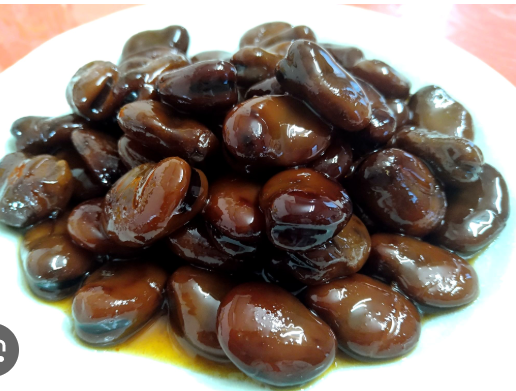
しょうゆまめ (醬油豆) (Shooyu-mame) *Gerichte
Shoyu-mame (醤油豆) is a traditional dish from Kagawa Prefecture, in which dried soramame (broad beans) are roasted and then marinated in a sweet and spicy marinade made from soy sauce, sugar, and chili. Roasting gives them a characteristic, slightly crumbly texture. Shoyu-mame is enjoyed as a snack with alcohol or as an accompaniment to tea or rice. Similar fermented products such as shoyu-no-mi are also found in prefectures such as Nagano, but they differ in their production methods.