Medical Terminology - Chapters 1 & 2
 Call Kai
 Learn
Learn Practice Test
 Spaced Repetition
 Match
Match Flashcards
 Knowt Play
1/71

There's no tags or description
Looks like no tags are added yet.
Name | Mastery | Learn | Test | Matching | Spaced | Call with Kai | Chat |
|---|
No analytics yet
Send a link to your students to track their progress
72 Terms
How many healthcare terms CANNOT be decoded?
10%
What is the difference between a diagnosis and a prognosis?
A diagnosis represents the present condition, while a prognosis represents a future condition.
What is the difference between acute and chronic?
Acute refers to a short term and sudden condition. Chronic refers to a long term and persistent condition.
TRUE or FALSE: You can see a symptom.
FALSE. A symptom is based on a patient’s explanation.
What does qid mean?
4 times a day
What does the prefixes “hyper-” and “hypo-” mean?
hyper- = high
hypo- = low
What does CARD stand for in terms of decoding healthcare words?
C = Check the word parts in a term
A = Assign meanings to the word parts
R = Reverse the suffix to the front of the term
D = Define the term
What does the suffix “-tomy” mean?
To remove
What does the suffix “-plasty” mean?
To repair
What should you do if a combining form ends with the same vowel that begins a suffix?
Drop one of the vowels. Both vowels are not needed.
What does “esophagogastroduodenoscopy” mean?
To view the esophagus, stomach, and small intestine
What are the suffixes that mean “pertaining to”?
-ac
-al
-ar
-ary
-eal
-ic
-ous
What does “litho-” mean?
kidney
What does “sub-” mean?
below
SINGULAR: vertebra
PLURAL: vertebrae
SINGULAR: arthrosis
PLURAL: arthroses
SINGULAR: appendix
PLURAL: appendices
SINGULAR: arthritis
PLURAL: arthritides
SINGULAR: phalanx
PLURAL: phalanges
SINGULAR: endocardium
PLURAL: endocardia
SINGULAR: digitus
PLURAL: digiti
SINGULAR: therapy
PLURAL: therapies
List the levels of organization in a human body, from smallest to largest.
1.cell
2.tissues
3.organs
4.body systems
5.organism
Are humans electrical? Explain why or why not.
Humans are electrical because cells in our bodies are made up of molecules. Those molecules contain charges.
Define metabolism.
Metabolism is the process in which energy is built up and broken down.
Why is homeostasis important?
Homeostasis is important because it keeps the human body stable.
TRUE or FALSE: Lysosomes break down substances, and ribosomes are the sites of protein formation.
TRUE. Lysosomes engage in a process called phagocytosis (engulfing) and remove waste. Ribosomes create proteins for the body.
Does stromal refer to weak or strong?
strong
What does “histology” mean?
the study of the tissues
Define “ventral” and “dorsal.”
ventral = front
dorsal = back
buccal
cheek

cephalic
head
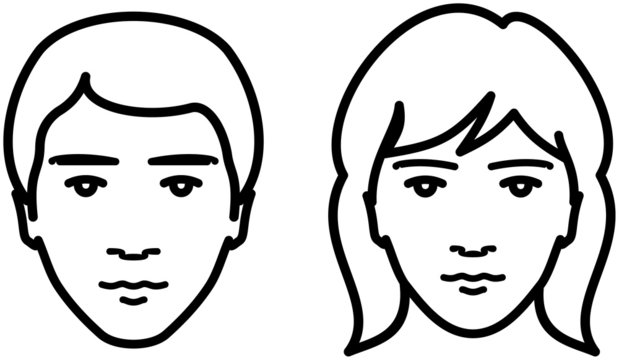
cervical
neck

cranial
skull

facial
face

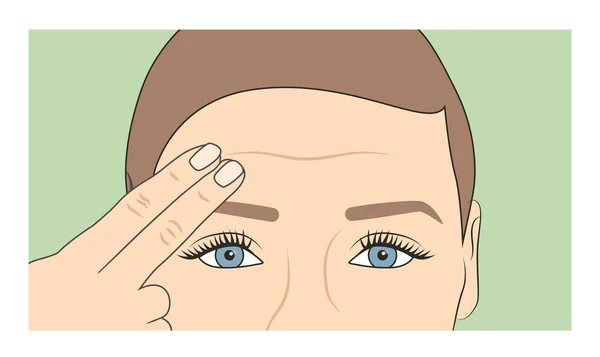
frontal
forehead
mental
chin

nasal
nose

ocular
eye

oral
mouth

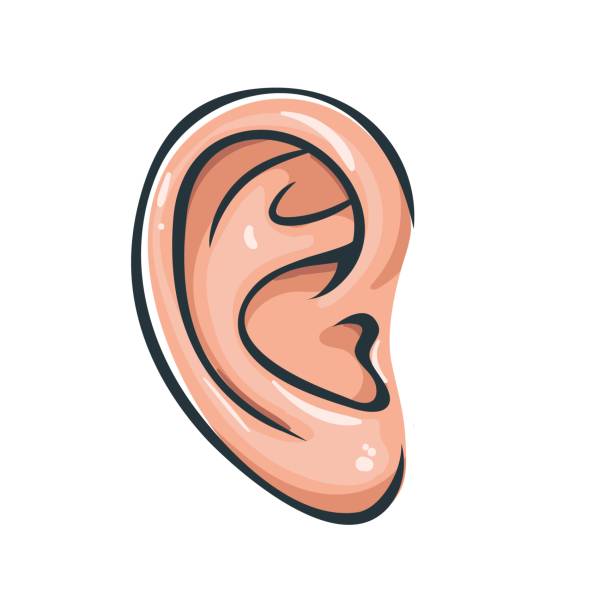
otic
ear
axillary
armpit

deitoid
shoulder

inguinal
groin

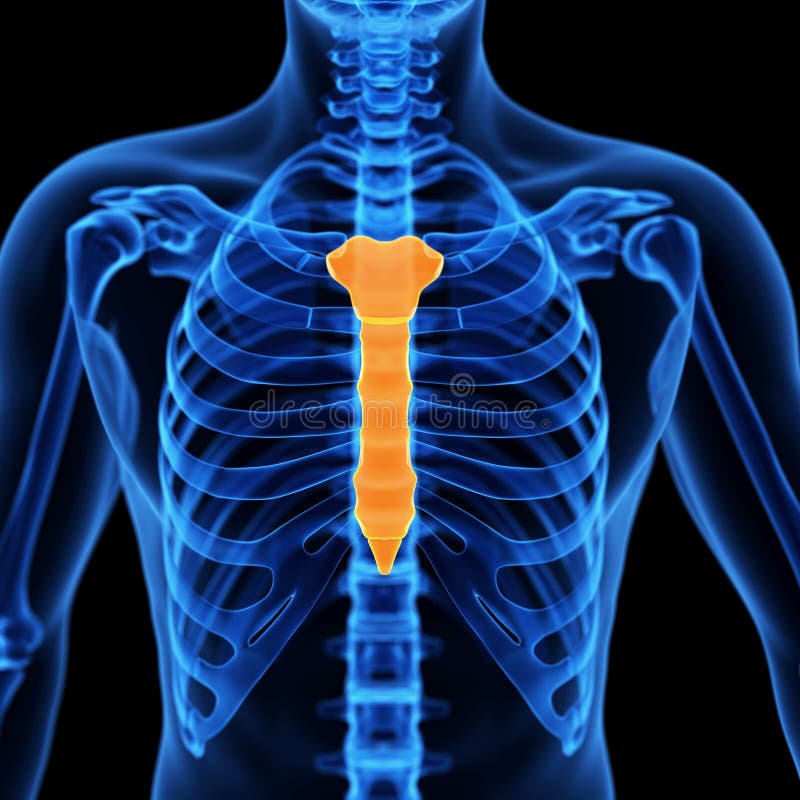
sternal
breastbone
thoracic
chest

brachial
arm

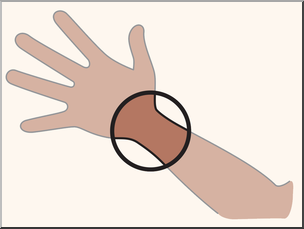
carpal
wrist
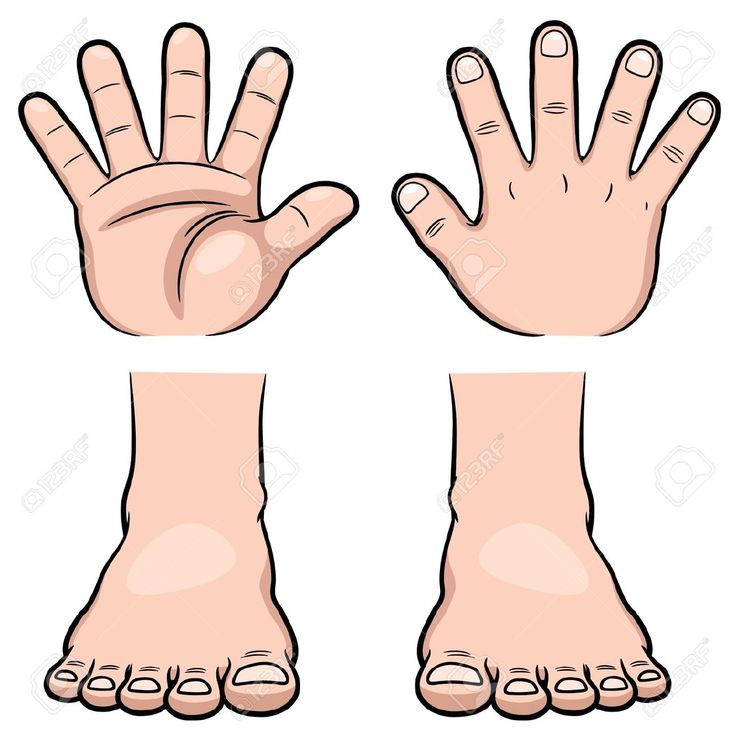
digital
finger & toe
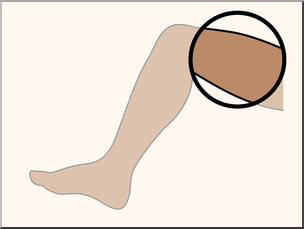
femoral
thigh
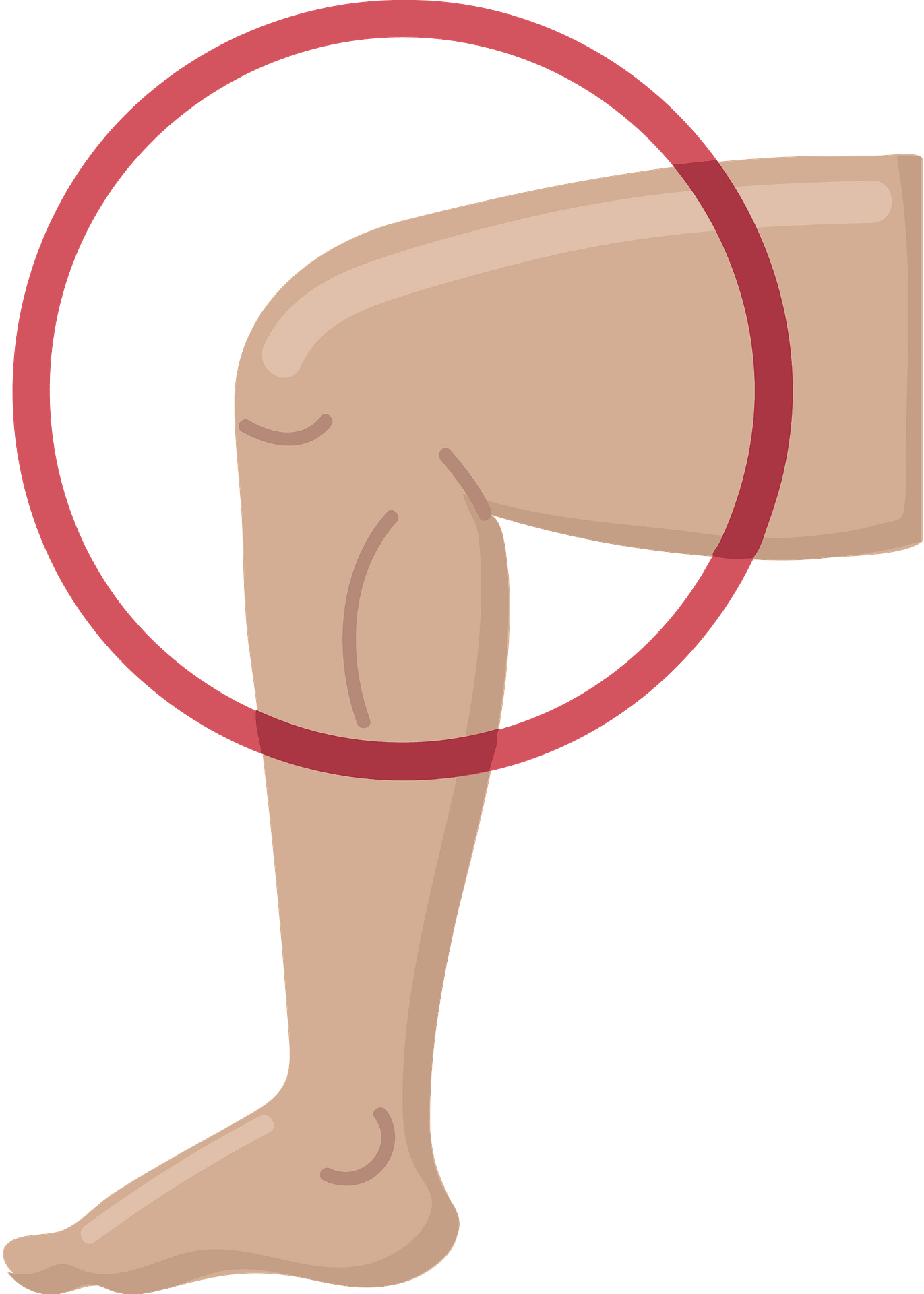
patellar
knee
plantar
sole of the foot
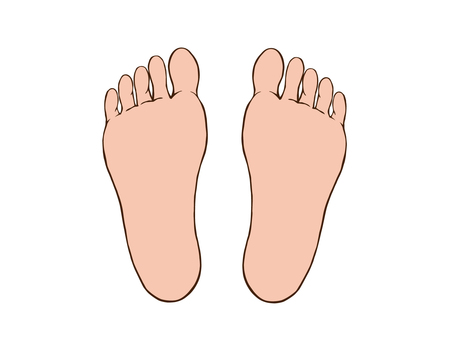
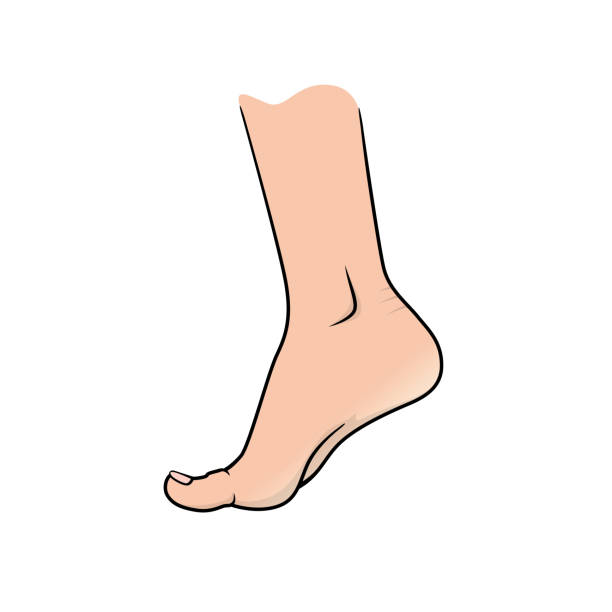
tarsal
ankle
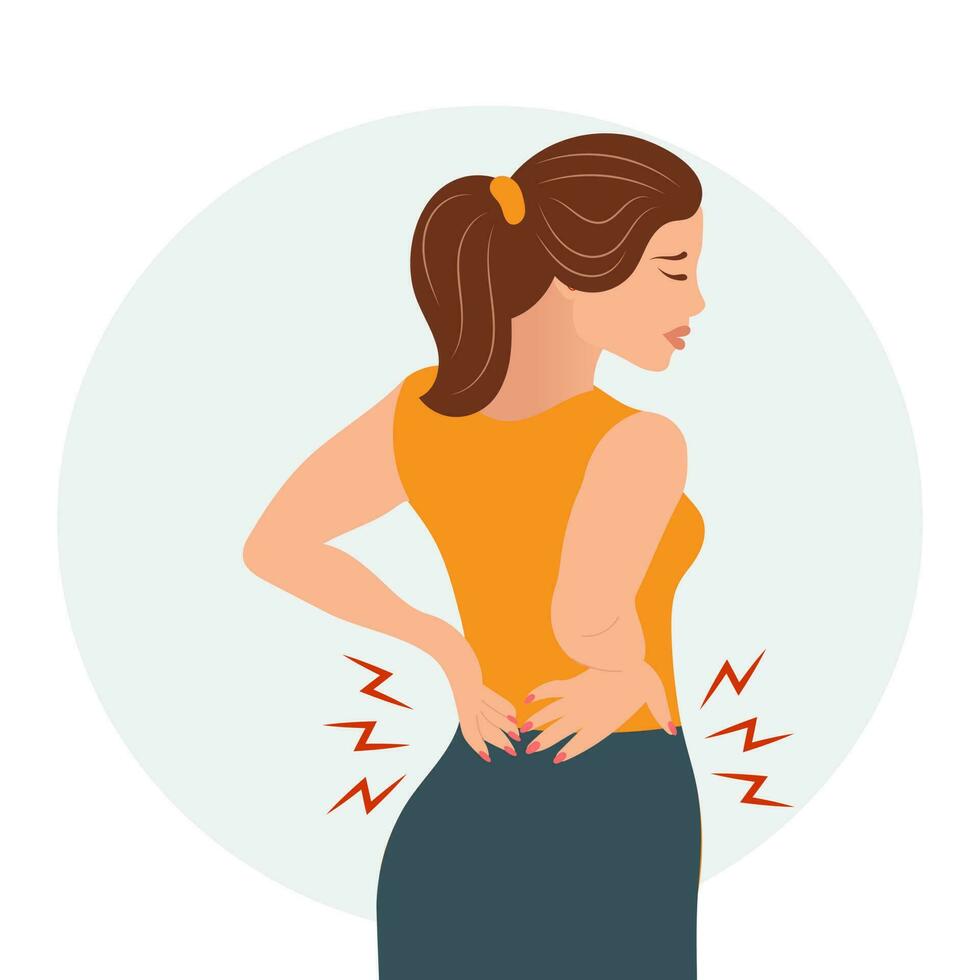
lumbar
lower back
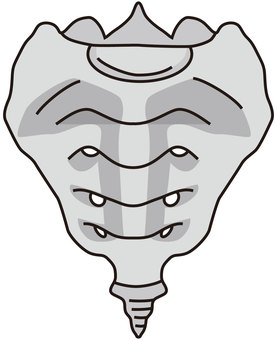
sacral
sacrum
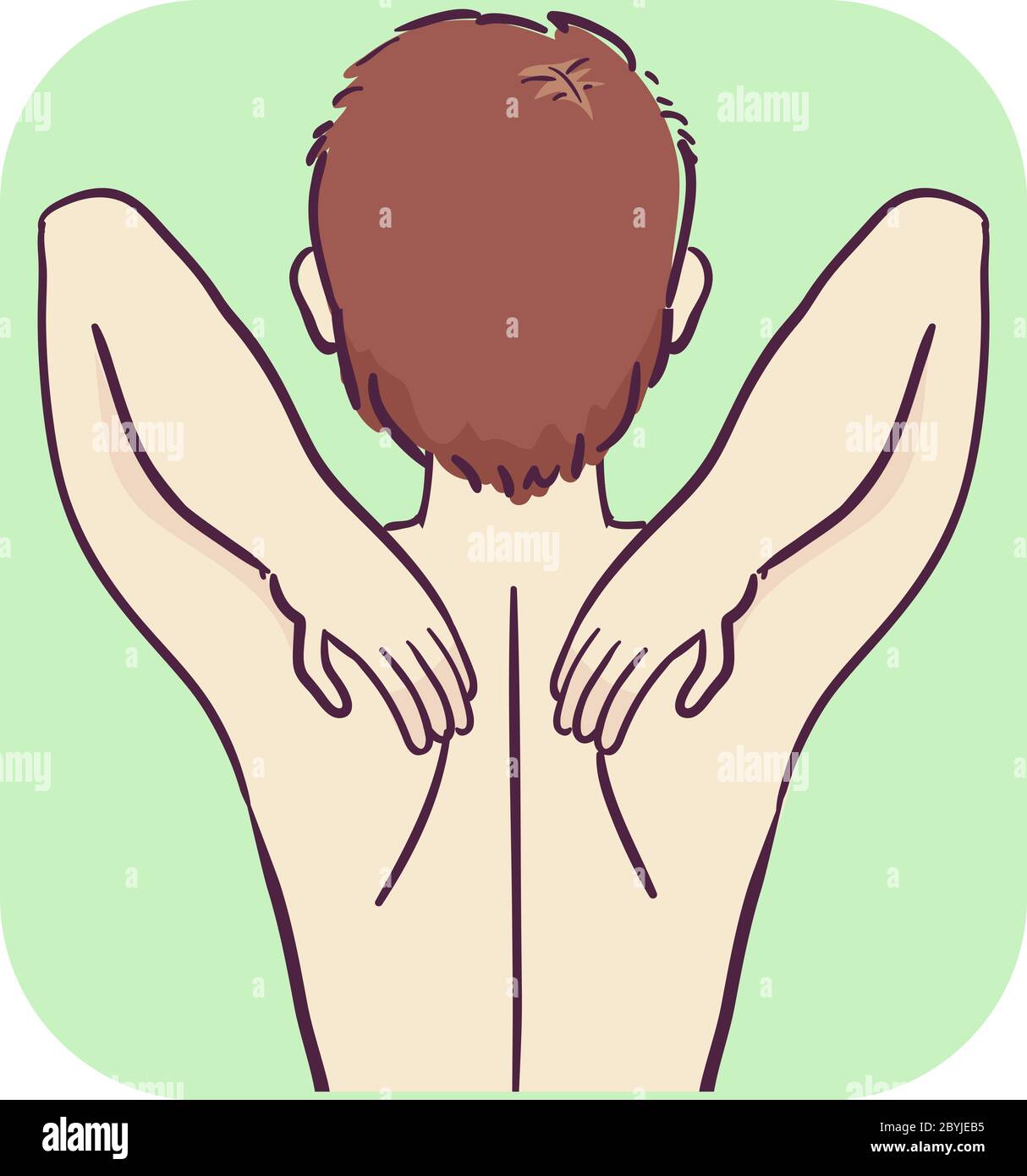
scapular
shoulder blade
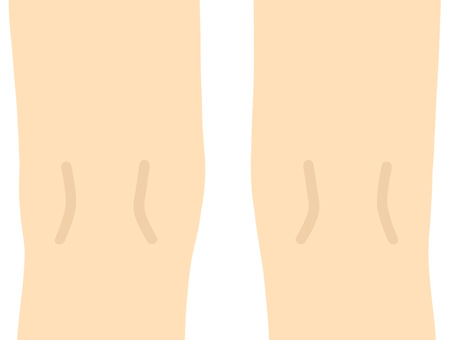
popliteal
back of knee
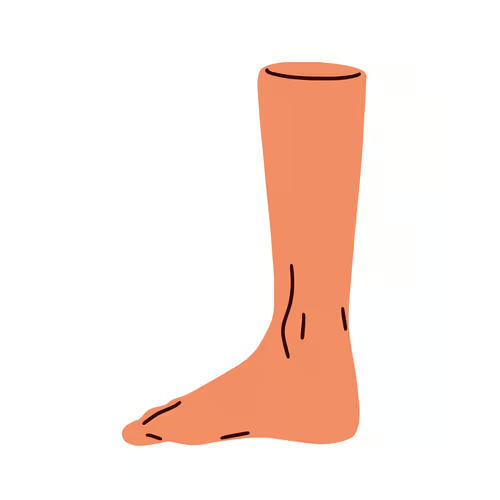
sural
calf
What is another word for posterior?
dorsal
Define cephalad.
cephalad = towards the head
TRUE or FALSE: The prefix “ipsi-” means opposite.
FALSE. “ipsi-” means “same.”
What is the difference between “proximal” and “distal”?
Proximal means near the point of attachment. Distal means far from the point of attachment.
TRUE or FALSE: “Supine” means “lying on one’s belly.”
FALSE. “Supine” means “lying on one’s back.” “Prone” means “lying on one’s belly.”
What does “dextrad” and “sinistrad” mean?
dextrad = right
sinistrad = left
What does “afferent” and “efferent” mean?
afferent = towards a structure
efferent = away from a structure
What does the ventral cavity contain?
T = thoraccic
A = abdominal
P = pelvic
What region is medial to the hypochondriac region?
epigastic region
What region is inferior to the epigastic region?
umbilical region
What region is inferior to the right lumbar region?
right iliac region
TRUE or FALSE: The midsagittal plane separates the body into equal parts.
TRUE
What direction does the transverse plane divide the body in?
The transverse plane divides the body horizontally.
Define the prefix “meta-.”
meta- = beyond, change