Biology 1114 - Exam 2
 Call Kai
 Learn
Learn Practice Test
 Spaced Repetition
 Match
Match Flashcards
 Knowt Play
1/43

There's no tags or description
Looks like no tags are added yet.
Name | Mastery | Learn | Test | Matching | Spaced | Call with Kai | Chat |
|---|
No analytics yet
Send a link to your students to track their progress
44 Terms
Armillaria ostoya
feeds on dead plant material, bread, grass,
fruiting bodies
start as spores…they need moist situation to grow. millions of spores for larger fungi.
chitin
nitrogen containing structural polysaccharide
also found in exoskeletons
substrate
osmotrophy
breakdown of big molecules to small molecules
ingest the small ones
heterotrophy
glycogen (sugar storage)
hyphae
transparent, the beginnings of the spores. the network
mycelia
root part of fungi. network
septa
fruiting bodies
reproductive structures
spreads! many different ways, rain, wind, insects etc.
spores
asexual reproduction
happens best if it is stable. fast spread. 1000+ reproductions.
sexual reproduction
to make a mushroom, you need to have mating occur.
there must be two.
isogametes
no zygote is formed
phallotoxins an amatoxins
attack the liver
vominting
distorted vision
hallucinogens
muscamiol
claviceps purpurea
psilocybe (magic mushrooms)
cryptomycota
can be posterior flagellate and non flagellate
lacks chitin
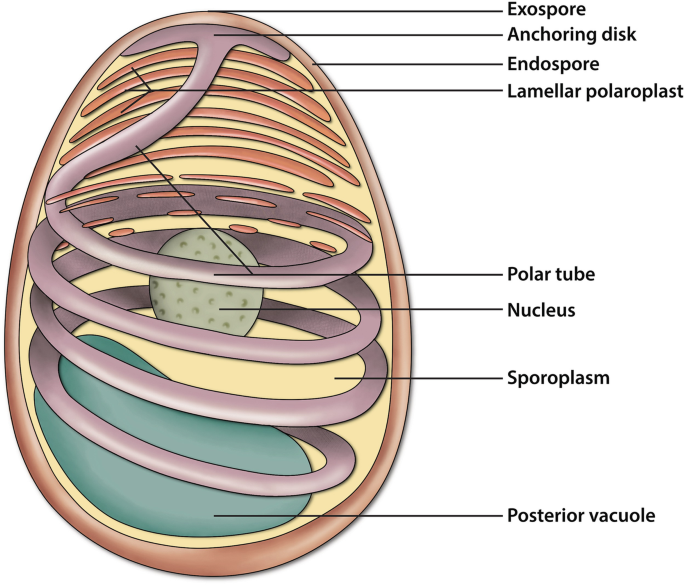
microsporidia
coiled spring to get into host
infect people with impaired immune systems
large affect on honey bee populations
inhabit moist places
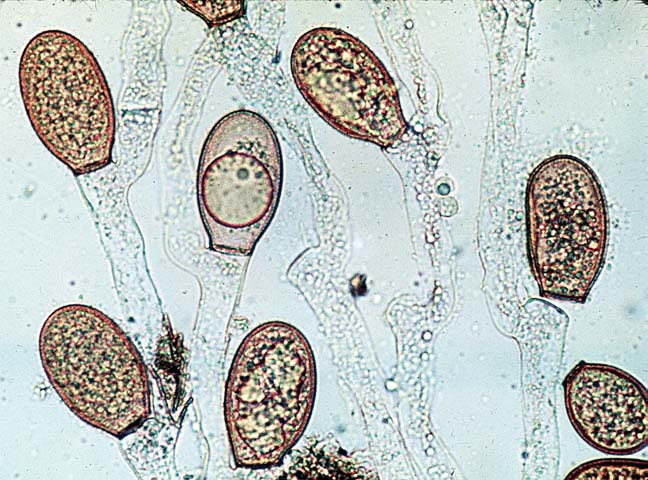
chytrids
occur in water and soil
primitive….no partitions
can produce flagellated cells
oogametes
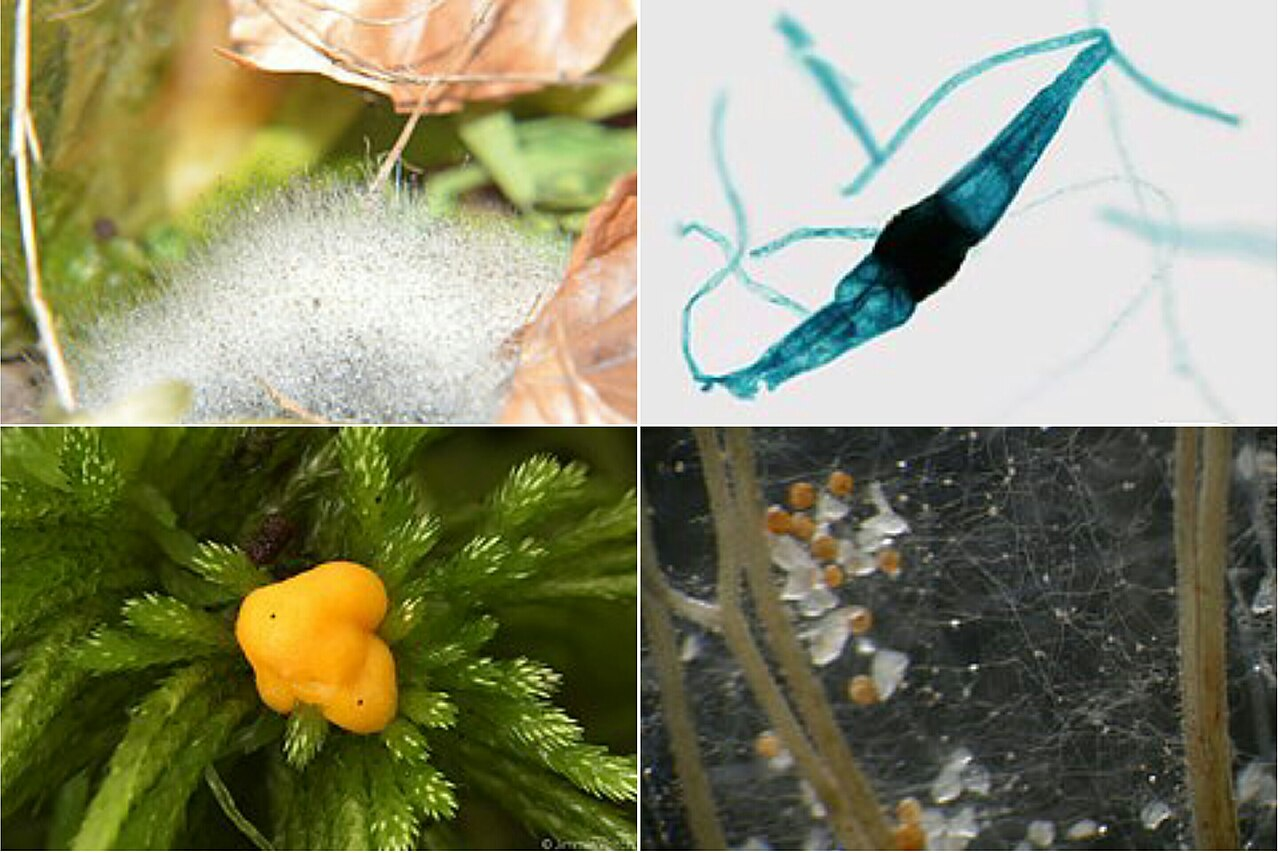
mucoromycota
contribute to an infectious disease
primitive, no partitions
reproduce sexually and asexually
hyphae are clear. pigment is in the spores
parasites to plants and cyanobacterial partners
ascomycota
advanced, have partitions
simple pores
one nuclei per compartment
to sexually reproduce, they must produce a mushroom
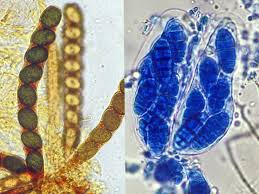
ascomycetes
in water, they are looking for the dead things at the bottom of the river
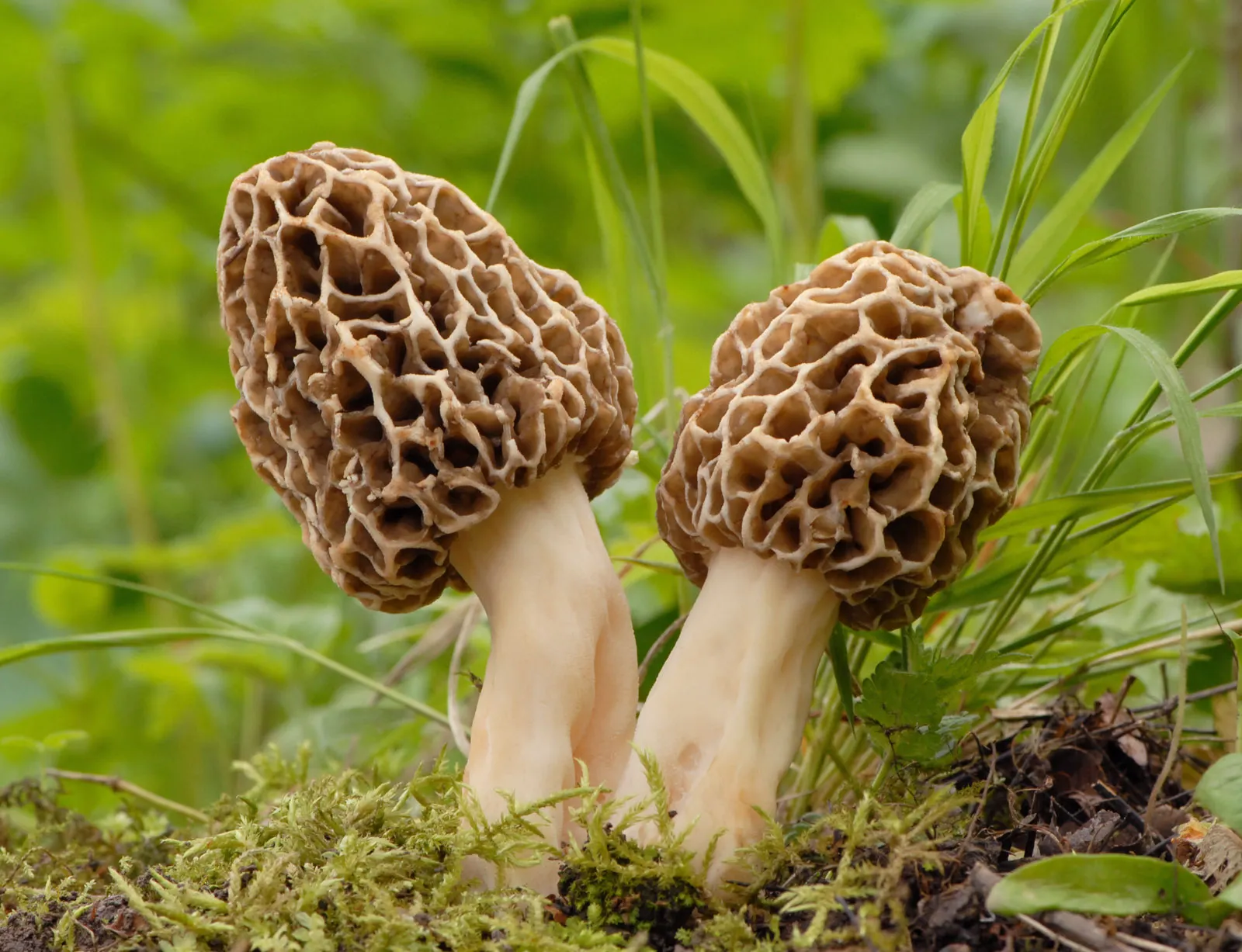
yeasts, lichen, cup fungi, morel mushrooms
basidiomycetes
have partitions! this means advanced
has complex pores
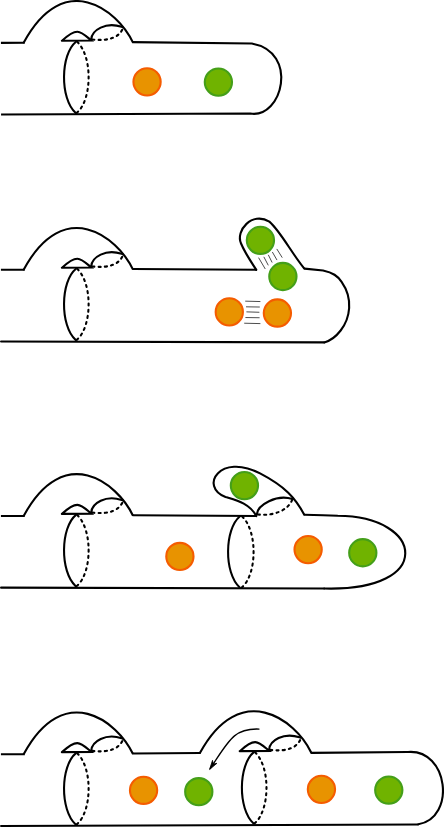
every compartment must have two nuclei
clamp connection
needs lots of water to create the cap of the mushroom
forms fairy rings
some are bioluminescent
decomposition
largest role for fungi
biopolymer that gives wood its strength
break down organic compounds into water and CO2
nematophagous fungi
has nematodes
entomorphagous fungi
invades a host and germinated inside of it
spread through spores
the theme for “the last of us” show
wheat rust
crop disease. typically produce specialized cells called haustoria.
white nose syndrome
picked up on hikers boots. big affect on bats.
dimorphic fungi
more prevalent since global warming
airborne fungi...inhale yeast form
dimorphic diseases
Blastomyces dermatidis —> blastomycosis
Coccidia imunis —> coccidiomycosis
Histoplasmosis capsulatum —→ histoplasmosis
fungal endophytes
sour so that herbivores dont feed on them.
lichen
very sensitive to pollution
can live for over 4,000 years
soredia - algae wrapped in hypha
mycorrhizae
Mycorrhizae are beneficial fungi that attach to plant roots to form a team. The fungus acts as a massive extension of the plant's roots, seeking out water and nutrients, while the plant repays the fungus by providing food (sugars) made during photosynthesis. symbiotic relationship.
land plants is the supergroup
plants come from green algae
all land plants develop through
sporic lifecycles
bryophytes
lack plumbing.
streptophyte green algae
photosynthetic pigments
chlorophylls a an b
cartoene accessory pigments
stores things in starch
has plasmodesmatas
zygotic life cycle
liverwarts
hepatophyta
hornworts
anthoceratophyta
mosses
byrophyta
lycophytes
lycopodiophyta
pteriophytes
pteriophyta
cycads
cycadophyta
ginkoges
ginkgophyta
conifers
coniferophyta
angiospersm