CHEM 2132 | Quiz 1
 Call Kai
 Learn
Learn Practice Test
 Spaced Repetition
 Match
Match Flashcards
 Knowt Play
1/35

Earn XP
Description and Tags
IR Spectra, Mass Spec
Name | Mastery | Learn | Test | Matching | Spaced | Call with Kai | Chat |
|---|
No analytics yet
Send a link to your students to track their progress
36 Terms
Diagnostic region
1500-4000 cm-1
clearest info; look here first
-O-H group absorption region
3200-3600 cm-1
broad

carboxylic acid (-OH group bond)
2200-3600 cm-1
very broad signal

primary amine (R-N-H2)
3350-3500 cm-1
two signals
“vampire” fang

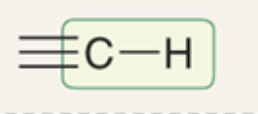
terminal alkynes
~3300 cm-1
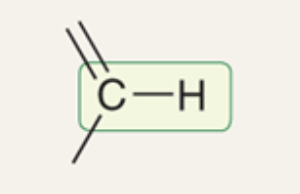
sp2 CH
just above 3000
3000-3100; weak
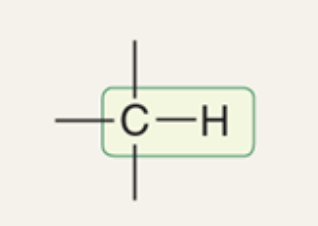
sp3 CH
2850-3000
multiple strong signals
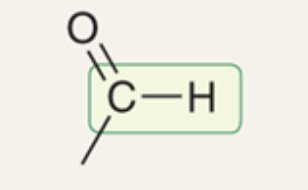
C-H in aldehyde
2750 and 2850
two weak signals
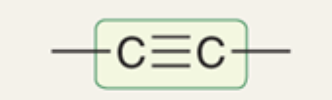
internal alkynes
2100-2200
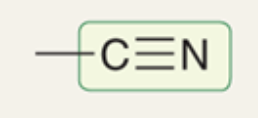
nitrile
2200-2300
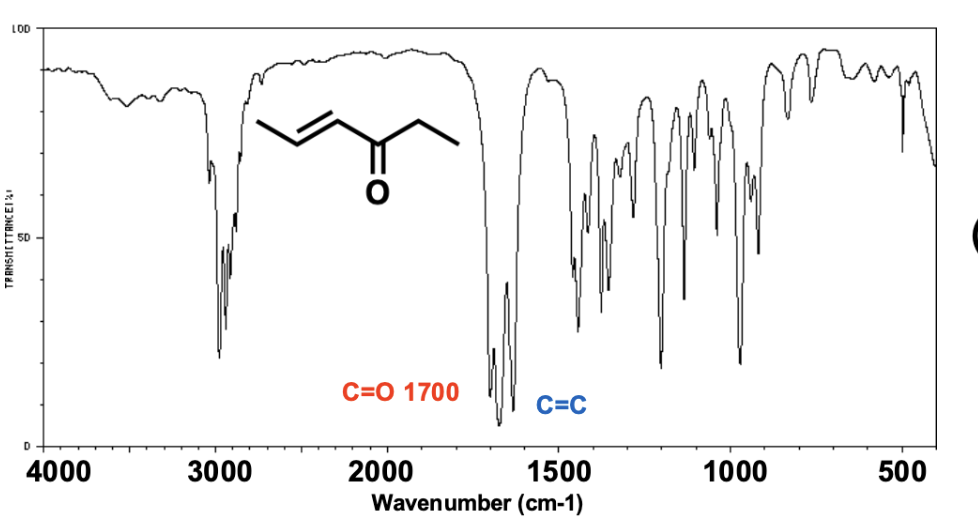
conjugation means the wavenumber will be (higher/lower)
lower
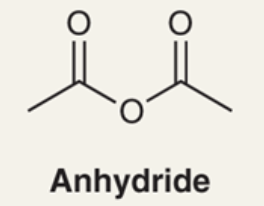
anhydride
1820 and 1760
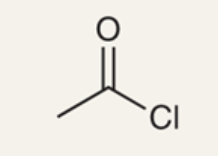
acid chlorides
1800
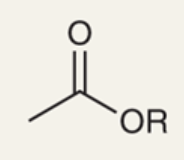
ester
1735
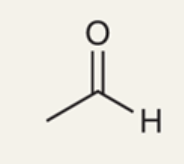
aldehyde (carbonyl)
1730
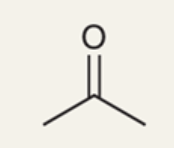
ketone
1720

carboxylic acid
1715

amide
1650
below 3000 cm-1
sp3 C-H (majority)
slightly above 3000 cm-1
sp2-CH (double bonds present)
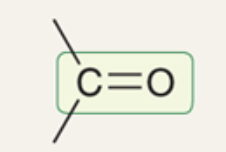
double bond carbonyl range
1650-1820 (STRONG)
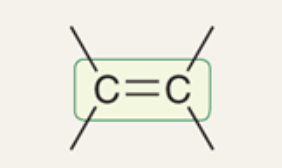
C=C double bond
1600-1700 (weak)
degrees of unsaturation formula
(2C + 2 + N - H - X)/2
methyl radical
15 amu
ethyl radical
29 amu
propyl radical
43 amu
butyl radical
57 amu
loss of water (alcohols)
M - 18 amu
alpha cleavage -OH
(M-R)
a terminal alkyne is not present if the range ____ is absent
2100-2200
loss of 28
C2H4, CO, N2
increasing ring strain (increases/decreases) frequency
increases
for O-H bonds, more steric hindrance = less H-bonding = the peak will be (wide/narrow)
narrow
(T/F) higher s character = higher wavenumber
true
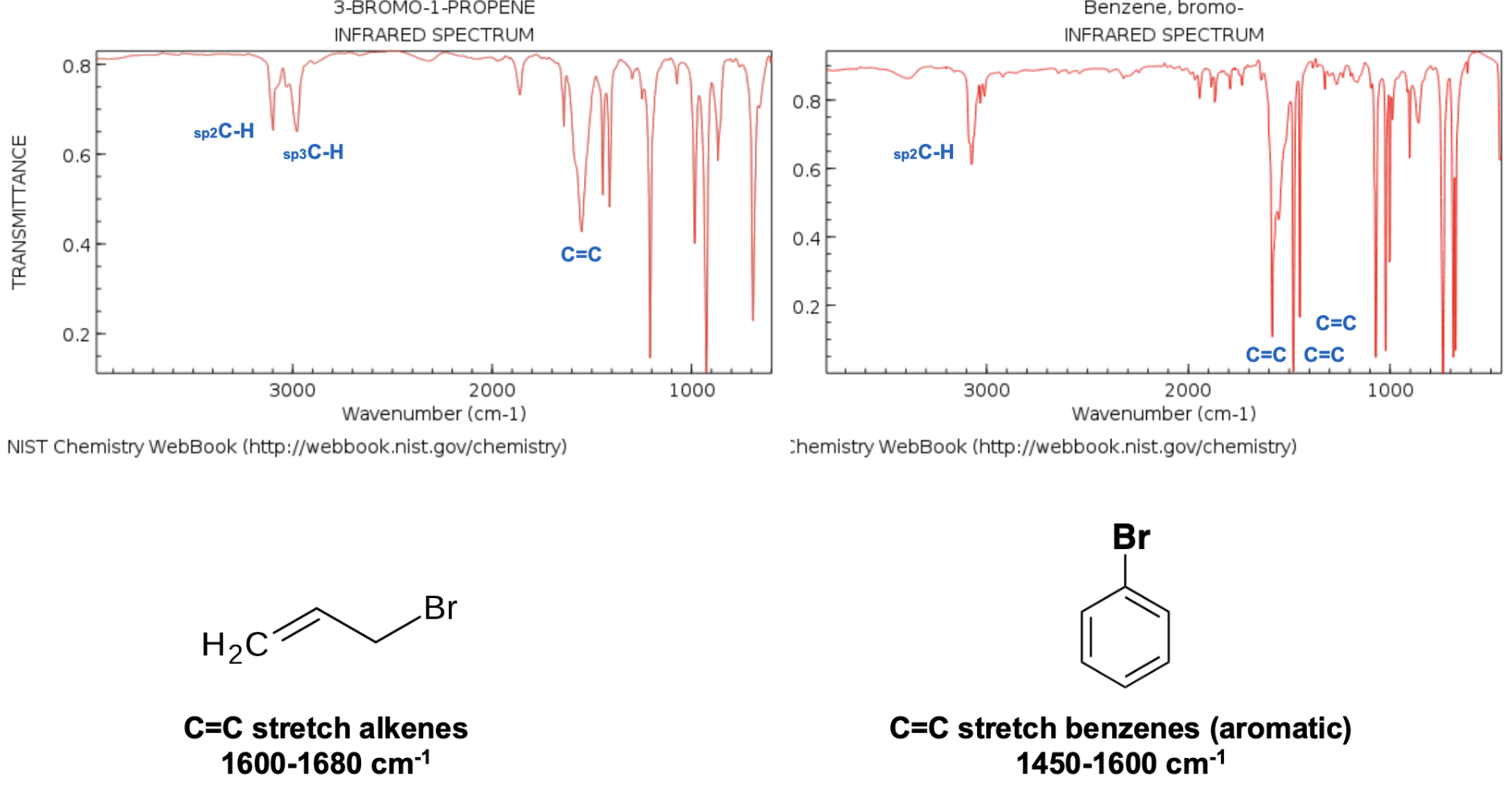
C=C stretch from benzenes
1450-1600 cm-1
Resonance decreases frequency
Higher intensity of signal at a lower energy
conjugation will (increase/decrease) frequency due to more single C-H bond character
decrease