Spain: Notable Writers, Poets, Playwrights, etc.
 Call Kai
 Learn
Learn Practice Test
 Spaced Repetition
 Match
Match Flashcards
 Knowt Play
1/21

There's no tags or description
Looks like no tags are added yet.
Name | Mastery | Learn | Test | Matching | Spaced | Call with Kai | Chat |
|---|
No analytics yet
Send a link to your students to track their progress
22 Terms
1554 - Anonymous - The Life of Lazarillo de Tormes (All Facts)
“Picaresque” Spanish Novel
This name derives from its celebration of a hero called a “picaro” which was essentially a wandering rogue
The “picaro” was a common character in Spain at the time - a (war) veteran who rejected hard work, lived on wits, and chanced his luck with every new opportunity
Novel which reflected a collapsing society, as Spanish citizens were overcame by fatalism and a growing insecurity
Novel which was condemned as immoral and heretical and placed on the “Index”
Spanish authorities disliked and condemned its vigorous anti-clericalism
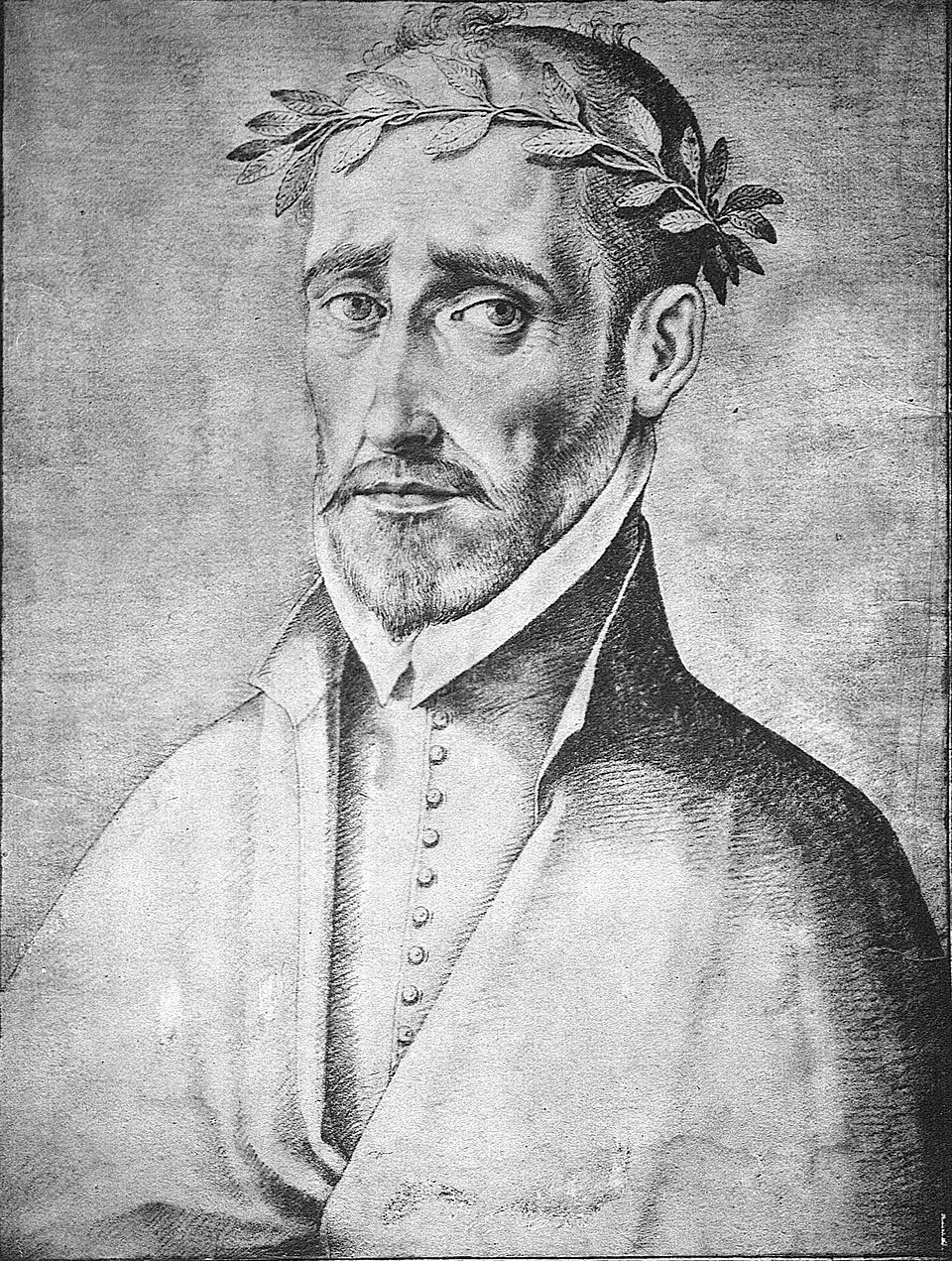
1534 - 1597 - Fernando de Herrera (All Facts)
Spanish Poet
The best of his “canciones” describes the Battle of Lepanto
He was a lyric poet
He died in Seville
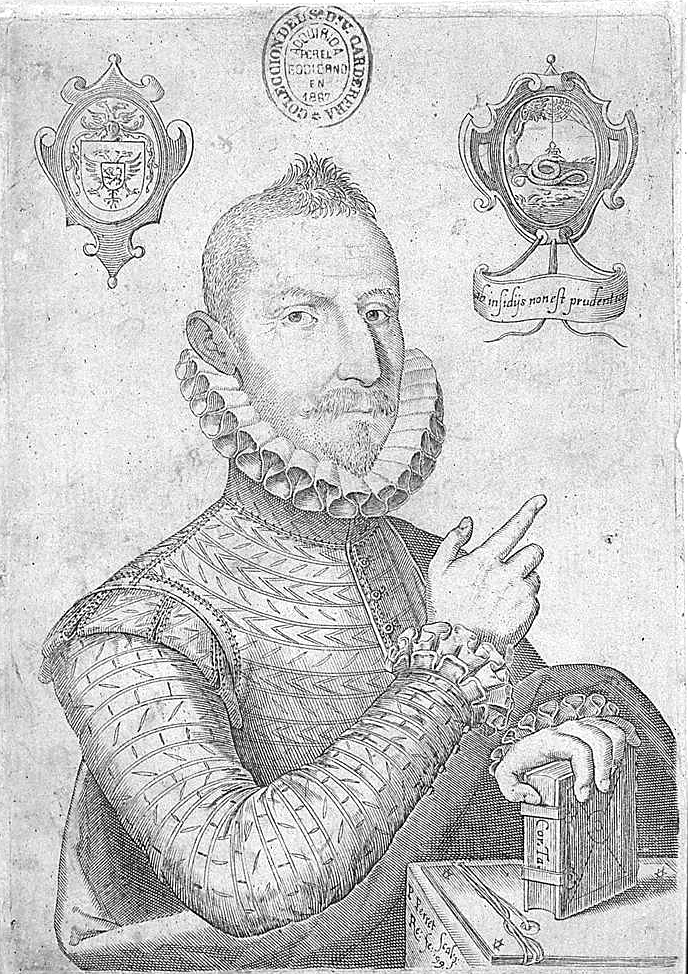
1547 - 1614 - Mateo Aleman (All Facts)
Spanish Writer and Novelist
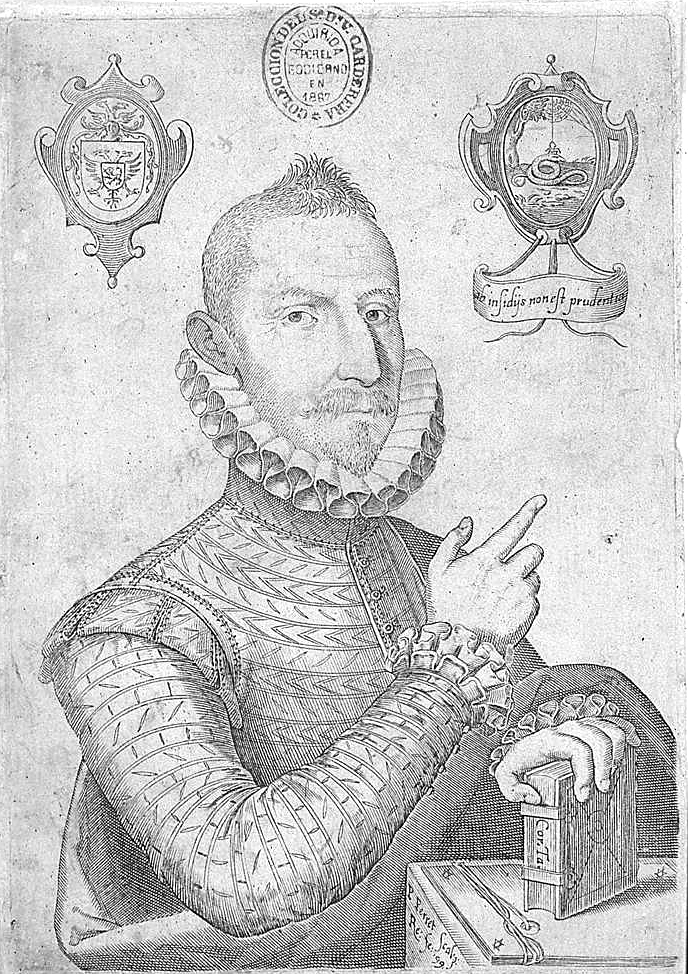
1599 / 1604 - Mateo Aleman: Guzman de Alfarache (All Facts)
Work which tells the life story of the namesake hero
It represented a new type of picaresque novel with its long and numerous episodes
It was instantly popular
It was published in two volumes
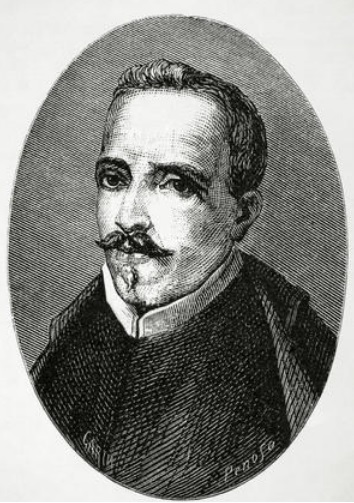
1539 - 1616 - Inca Garcilaso de la Vega (All Facts)
Spanish-Peruvian Mestizo Chronicler and Historian
He was the son of an Inca princess by one of the Spanish conquistadors
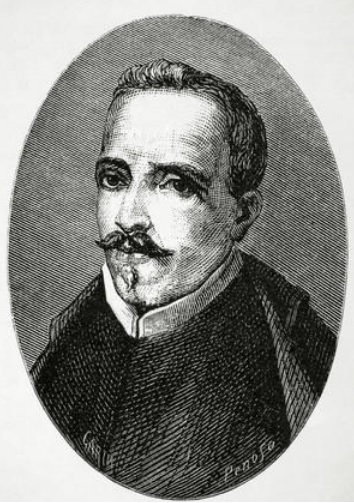
1609 - Inca Garcilaso de la Vega: Commentaries relating the origins of the Incas (All Facts)
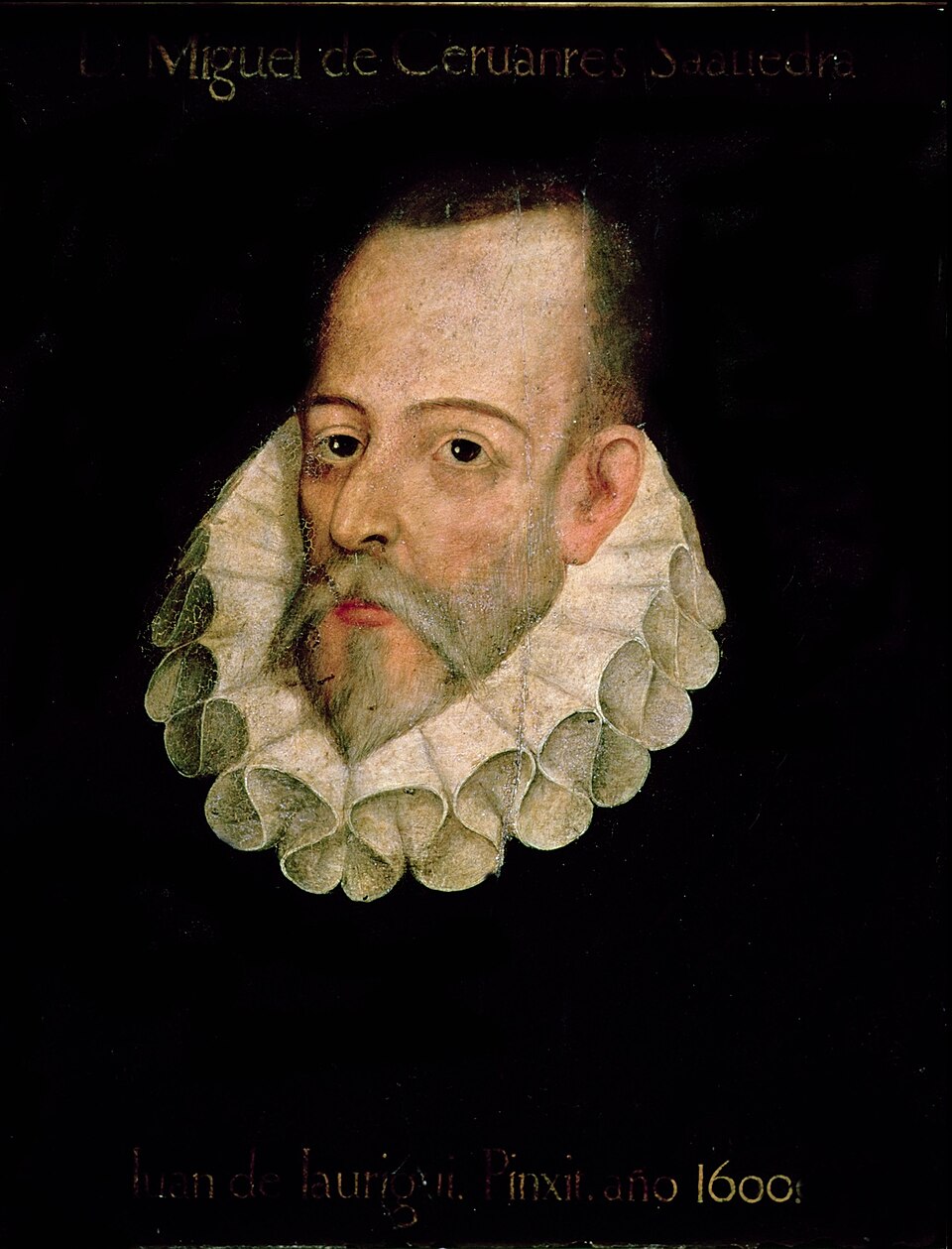
1547 - 1616 - Miguel de Cervantes (All Facts)
Spanish Writer, Novelist, and Playwright
He was born in Alcala in Spain to a noble but impoverished family
He left Spain at the age of 22 and enlisted in the army of the Holy League
He fought in and was wounded in the Battle of Lepanto
He continued fighting as a soldier until he was taken prisoner by the Ottoman Turks
Despite many attempts at escape, he spent five years in Algiers before he was ransomed and returned to Madrid
He began writing, but poverty forced him into a variety of temporary jobs
He is widely regarded as the greatest writer in the Spanish language and one of the world's first modern novelists
He was one of Spain’s greatest writers
He died after he succumbed to a sudden and fatal illness
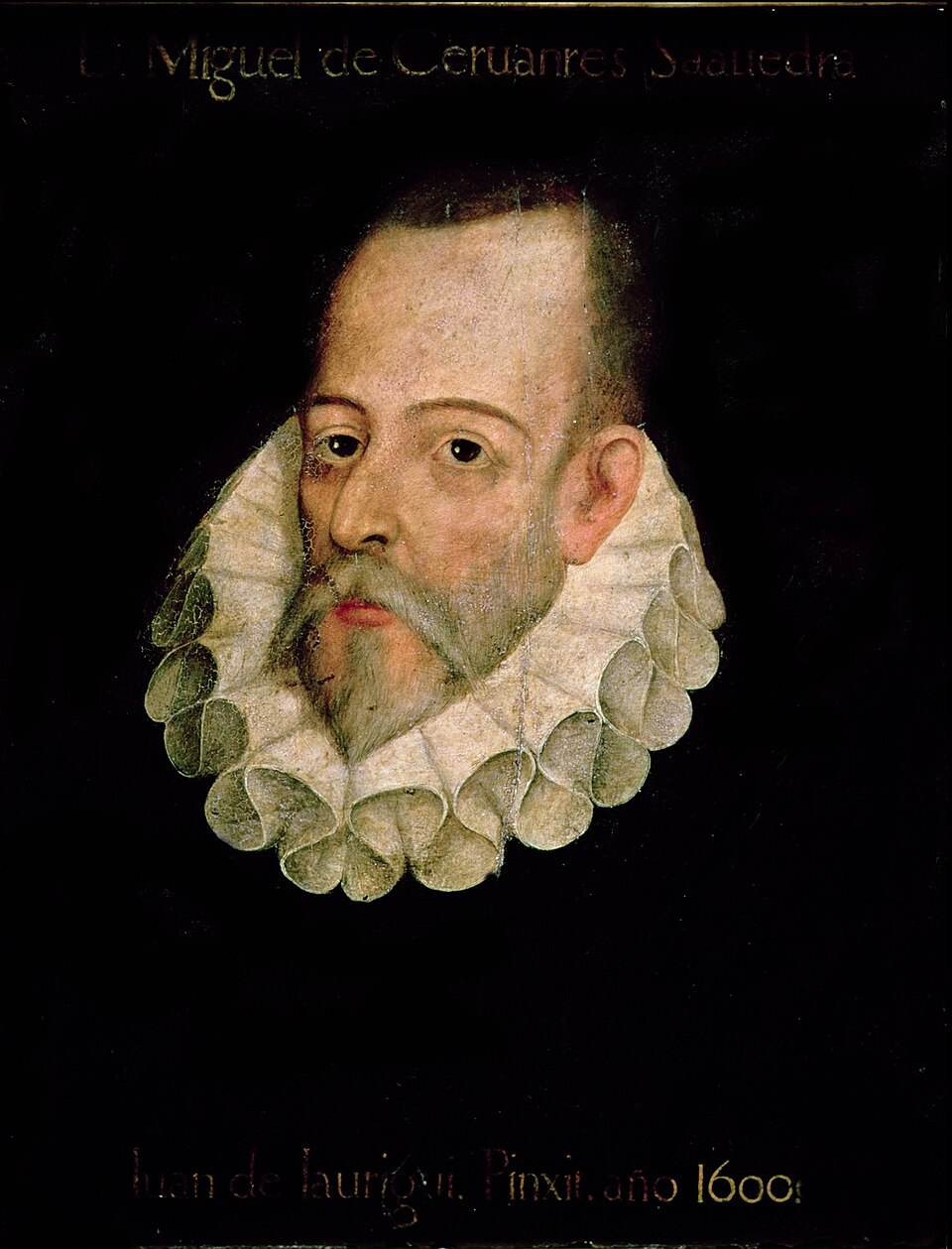
1582 - Miguel de Cervantes: The Algiers Deal (All Facts)
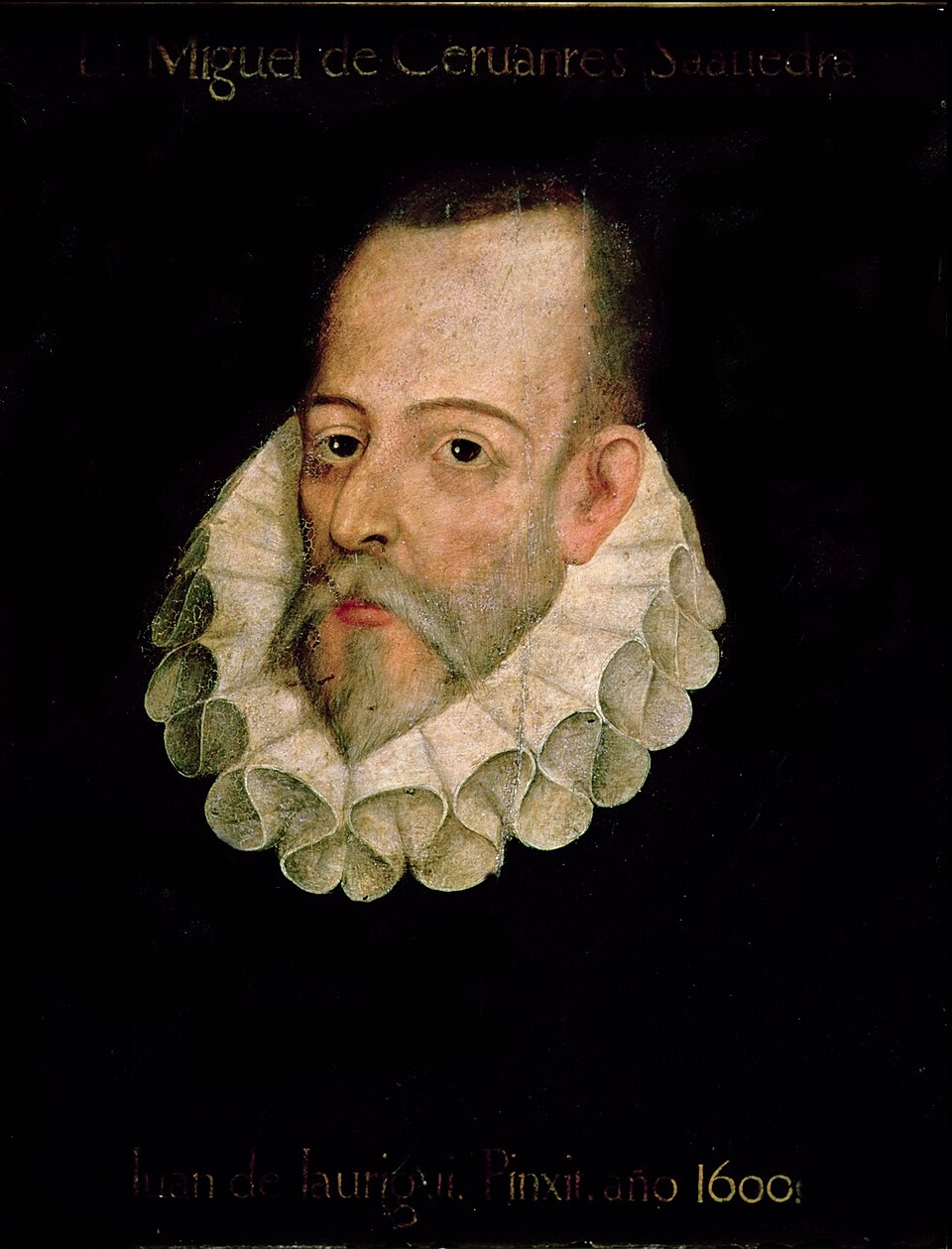
1585 - Miguel de Cervantes: La Galataea (All Facts)
First work published of the namesake author
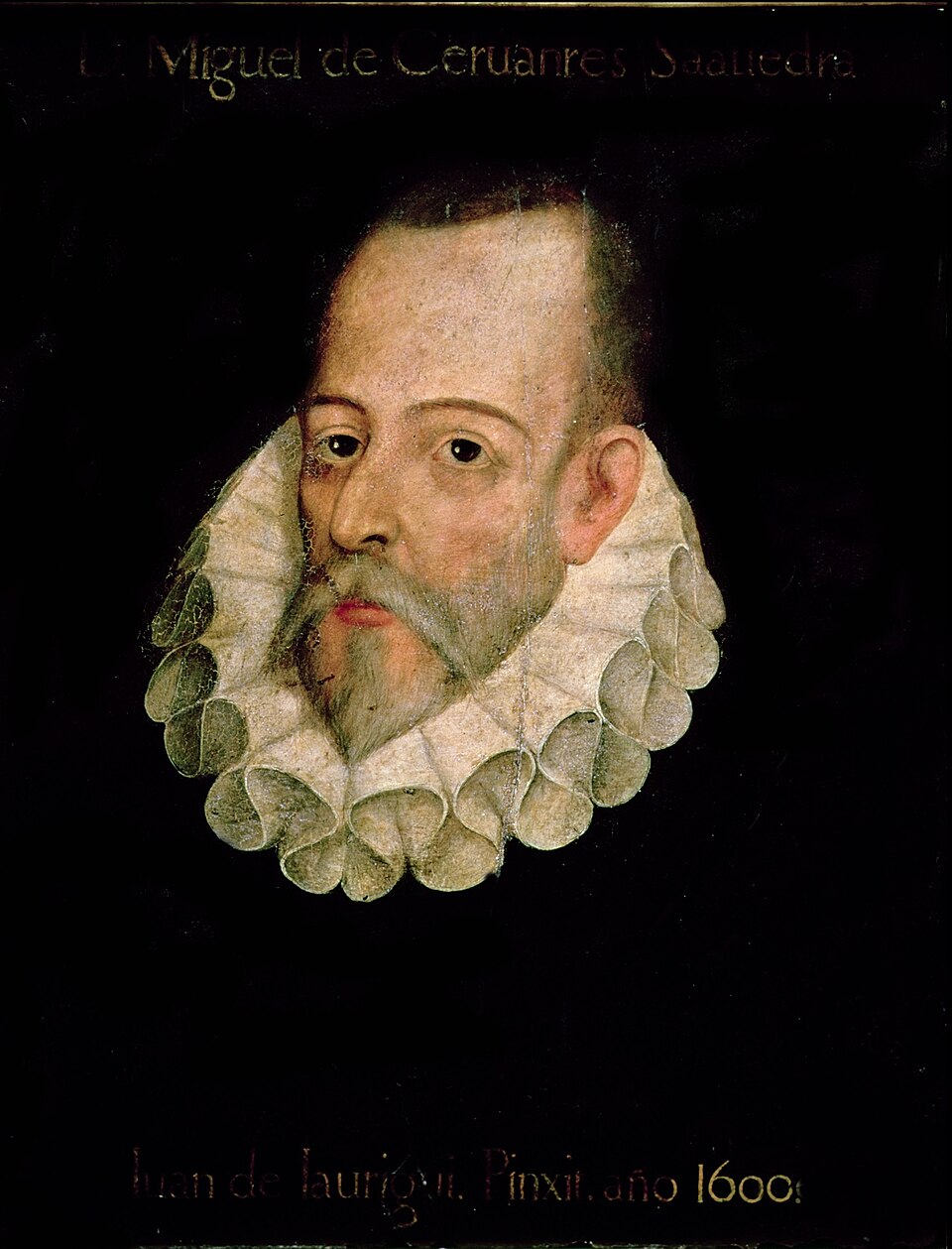
1585 - Miguel de Cervantes: La Numancia (All Facts)
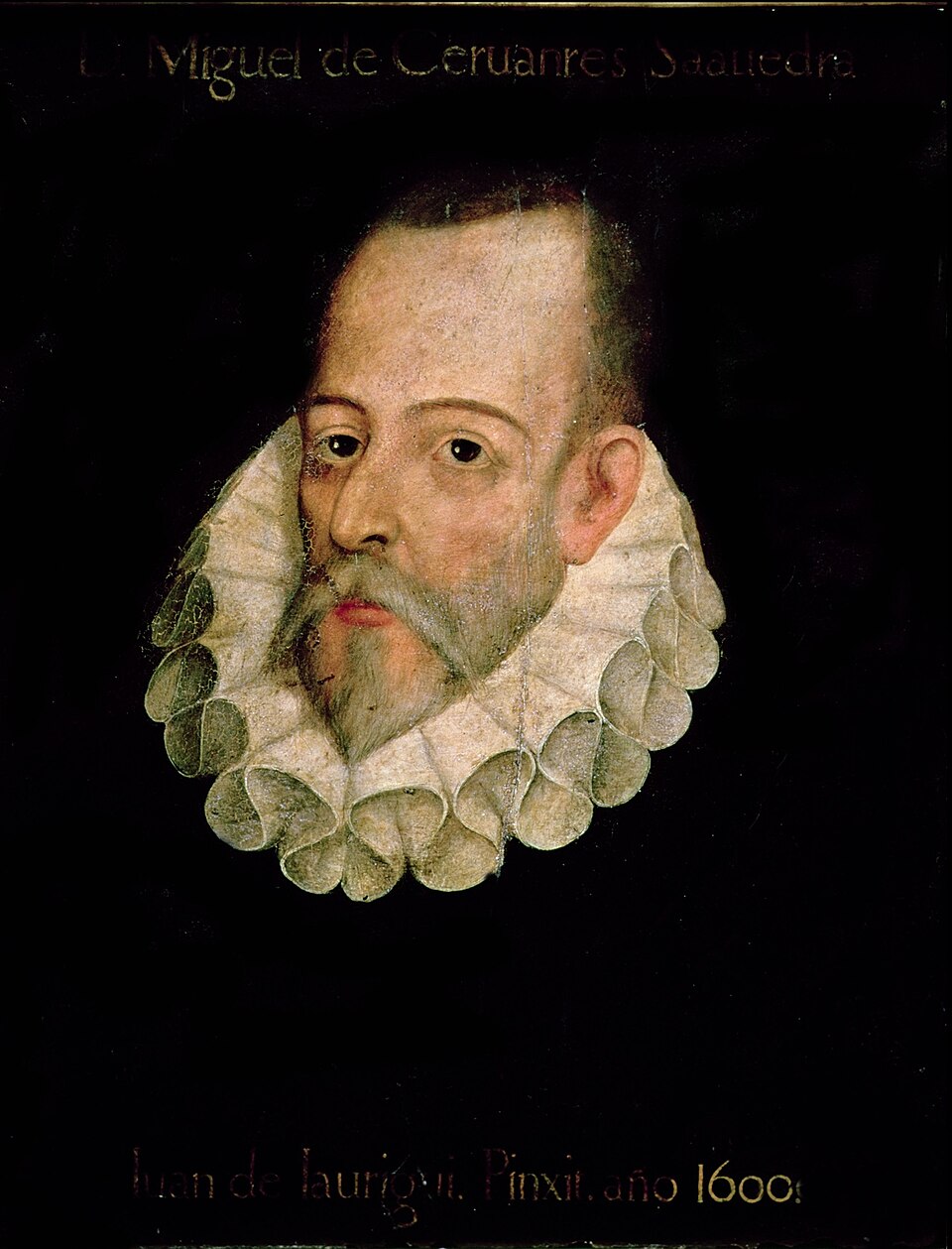
1605 - Miguel de Cervantes: Don Quixote (All Facts)
Novel which delighted readers all over Spain, it is considered the first modern novel in history
Novel which simultaneously pokes fun at the traditional tales of chivalry and contemporary Spanish society
Novel whose fictional protagonist
is a keen consumer of just the sort of stories the namesake author mocks as too much romance has indeed driven the namesake protagonist mad
is accompanied by his squire Sancho Panza, whose earthy common sense contrasts with his namesake master’s fantasies
roams the world in search of adventure on his ageing horse Rosinante
saw, in his madness, the most ordinary things appear romantic or terrifying
had his own fair lady, in true chivalric style, even if the girl he honors had no idea of his interest
takes up his lance and tilts at what he thinks are giants, but in reality are only windmills
searches for fine ideals, but the modern Spain in which he travels proves disappointing as greed and gold have replaced chivalry and the knightly qualities he values
Novel which was the first by which the namesake author experienced real success, although his contemporary playwright Lope de Vega was less than complementary about it
Novel which was so popular that a “second part” appeared, written by an anonymous hack; considered the first historical work of fanfiction
He responded with a genuine sequel, which was just as popular as the original
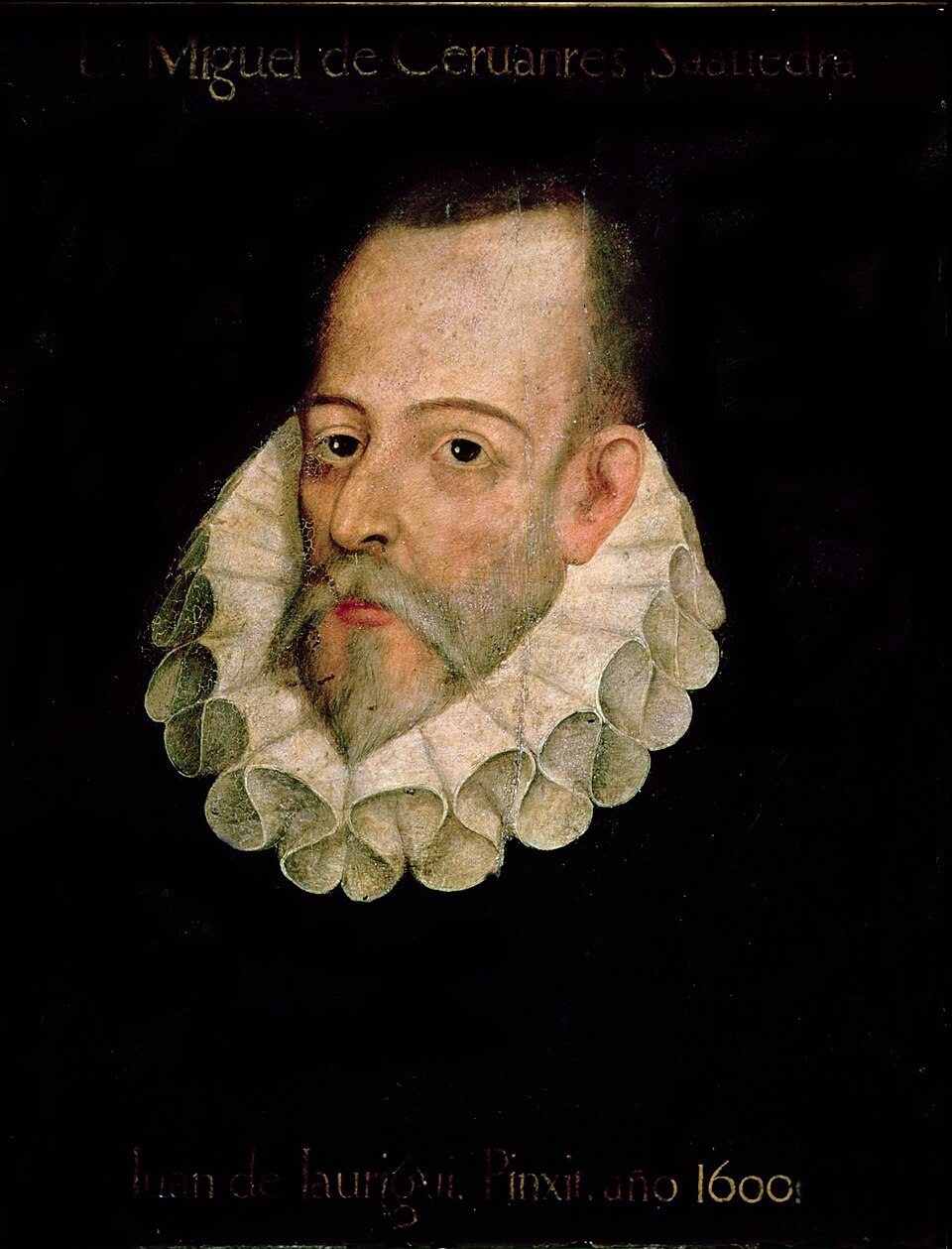
1613 - Miguel de Cervantes: Exemplary Novels (All Facts)
Collection of short stories which includes amorous exploits and picaresque adventures
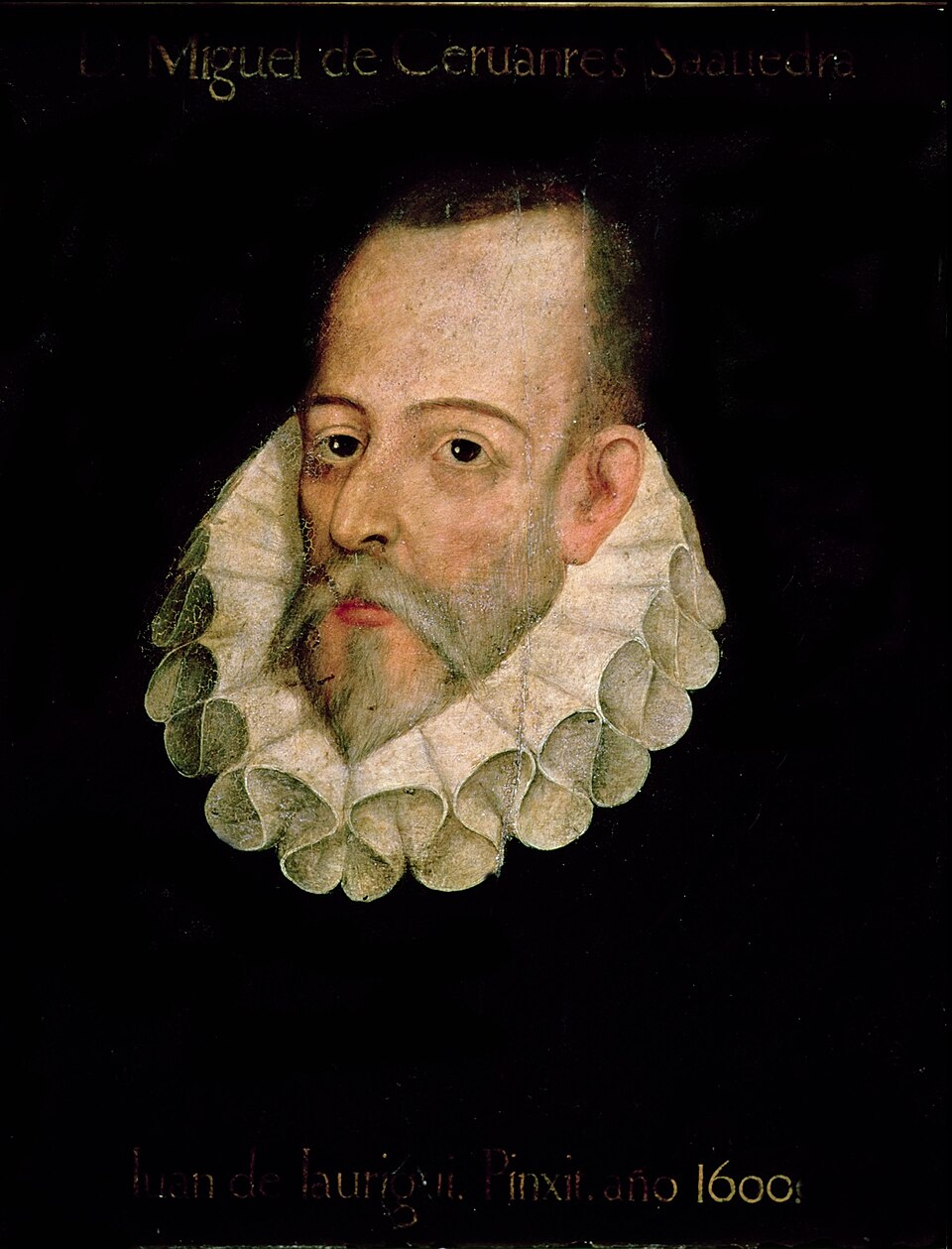
1617 - Miguel de Cervantes: The Works of Persiles and Sigismunda (All Facts)
Last novel of the namesake author, published posthumously
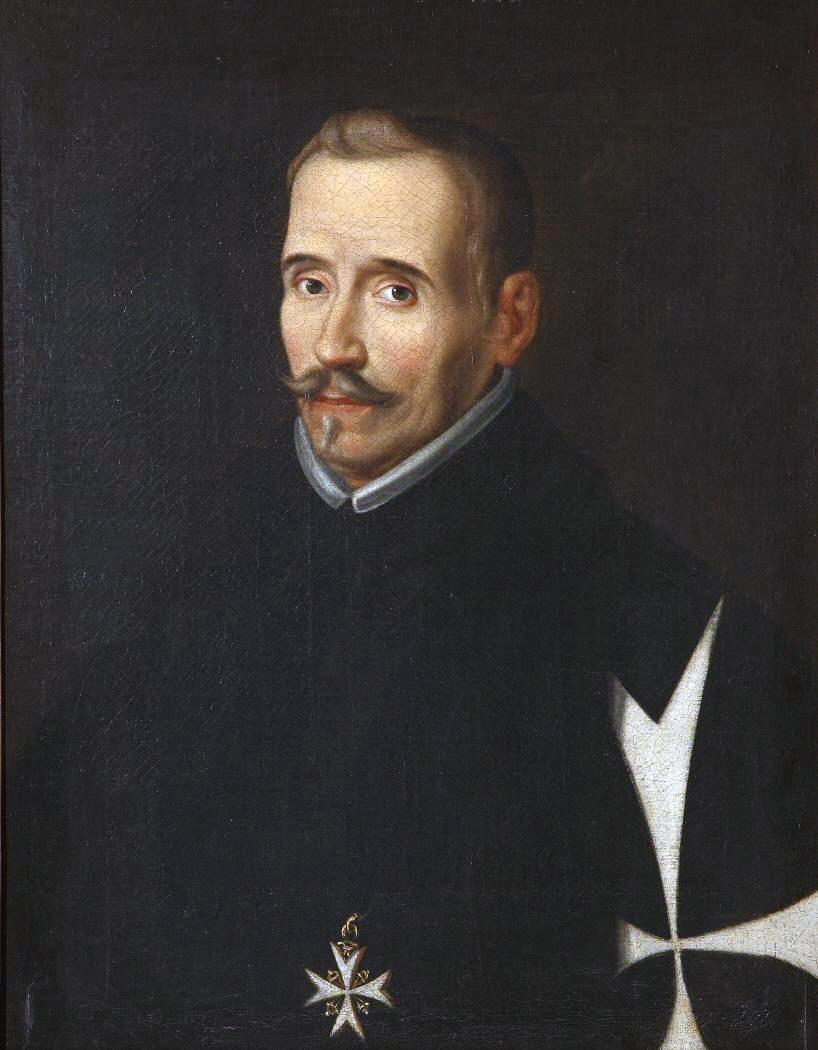
1562 - 1635 - Lope de Vega (All Facts)
Spanish Playwright and Novelist
His popular plays were more notable for their entertainment value than their artistic merit
He was said to have written 1,500 plays, though no record survives of at least half of these
He also claimed to have written six novels, several verse epics, and hundreds of sonnets and ballads
He also claimed he could write a play in a day
He was notoriously unfaithful to his wife, having had five illegitimate children besides three from his marriage
Despite this, he
was ordained as a priest at one point
gave most of his large earnings to charity or to the church
He died in poverty
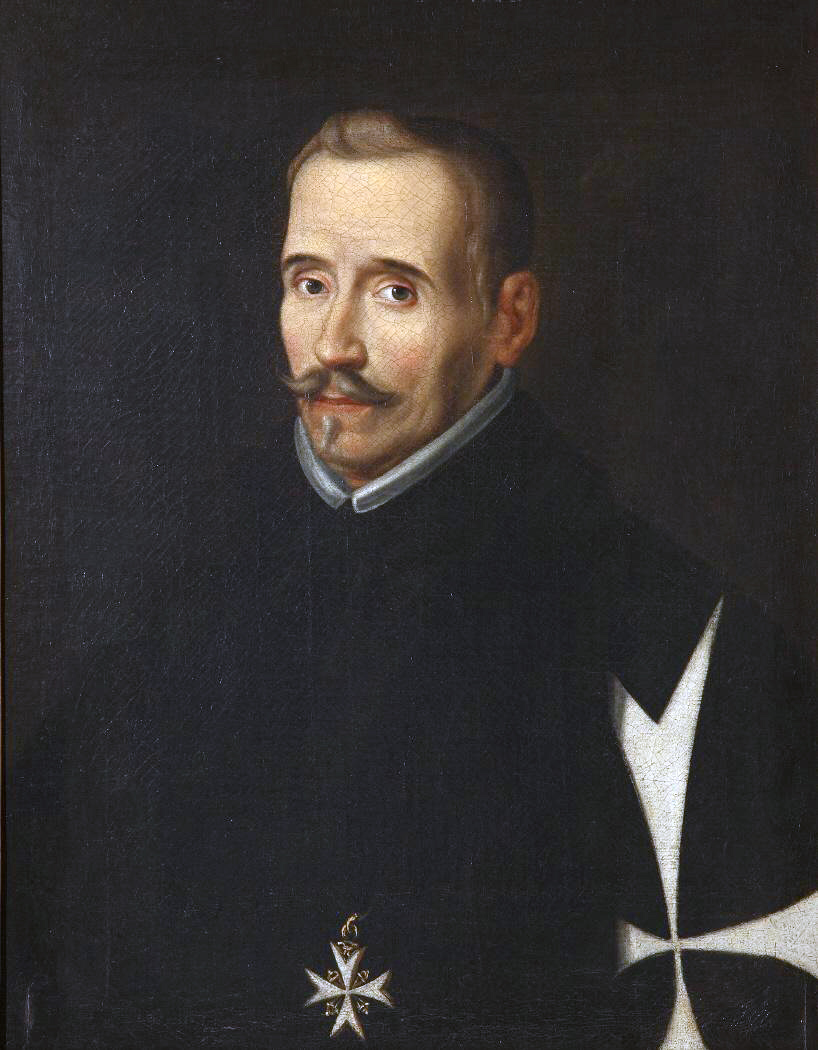
1618 - Lope de Vega: Fountain of Rebels / Fuente Ovejuna (All Facts)
Play about the fictional namesake village which rebelled against the Spanish King and Queen under the leadership of a young woman
Play which was the namesake playwright’s most famous
1590 - 1600s - Maria de Zayas y Sotomayor (All Facts)
Spanish Writer, Novelist, and Scholar
She is considered one of the first feminist writers in history
1637 - Maria de Zayas y Sotomayor: Exemplary Love Stories and Romantic Disappointments (All Facts)
Collection of novels which caught the public imagination and were deliberately packed with horror and melodrama
Collection of novels, all of which had happy endings and were built around the device of entertaining an elderly lady
Collection of novels that had a sequel published after them which had stories that all had sad endings
Collection of novels in which the namesake author defended women against male claims of natural superiority and argued for a woman’s right to be educated
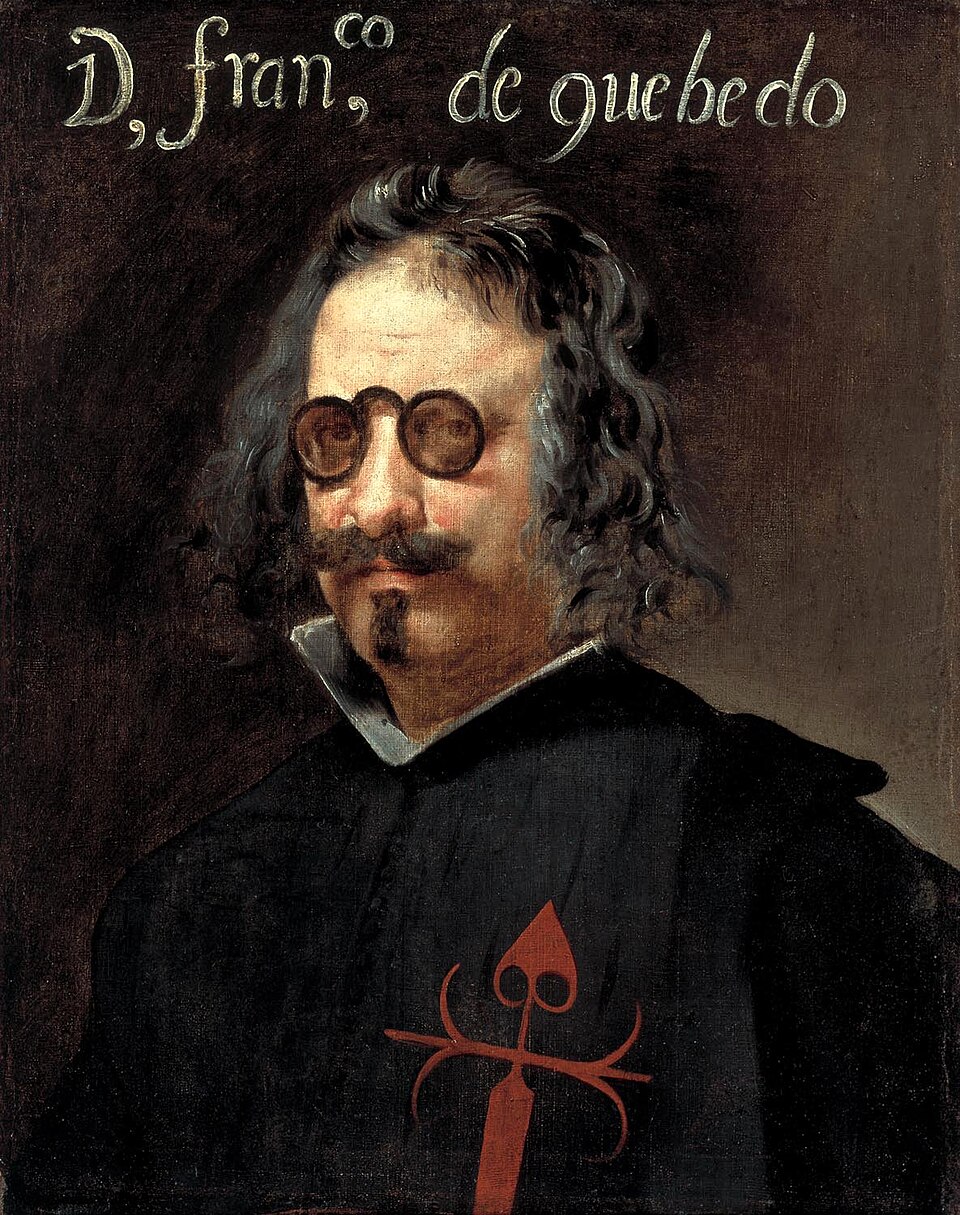
1580 - 1645 - Francisco de Quevedo (All Facts)
Spanish Poet and Scholar
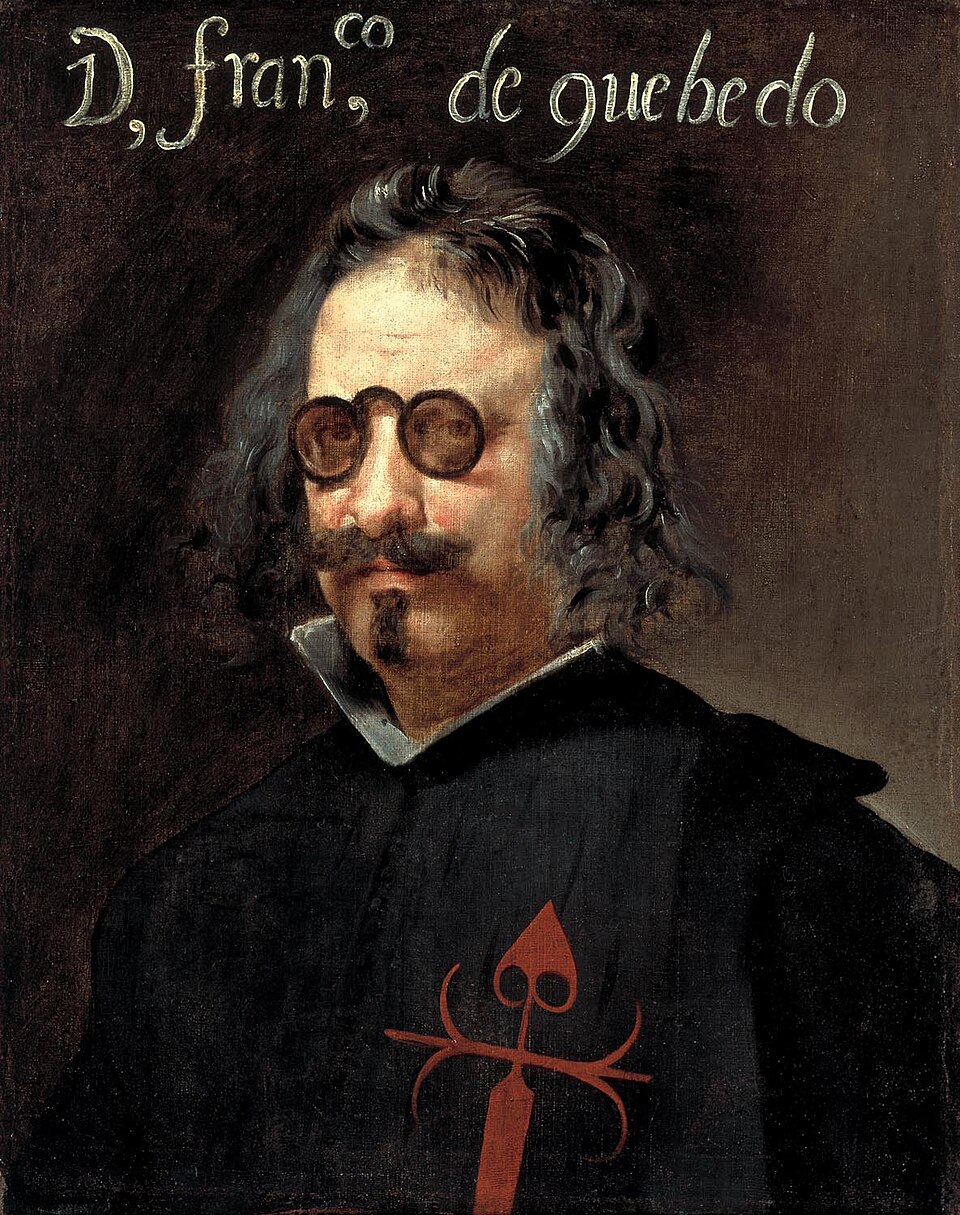
1631 - Francisco de Quevedo: Dreams (All Facts)
Collection of highly successful moral satires that were condemned for ridiculing the Holy Scripture
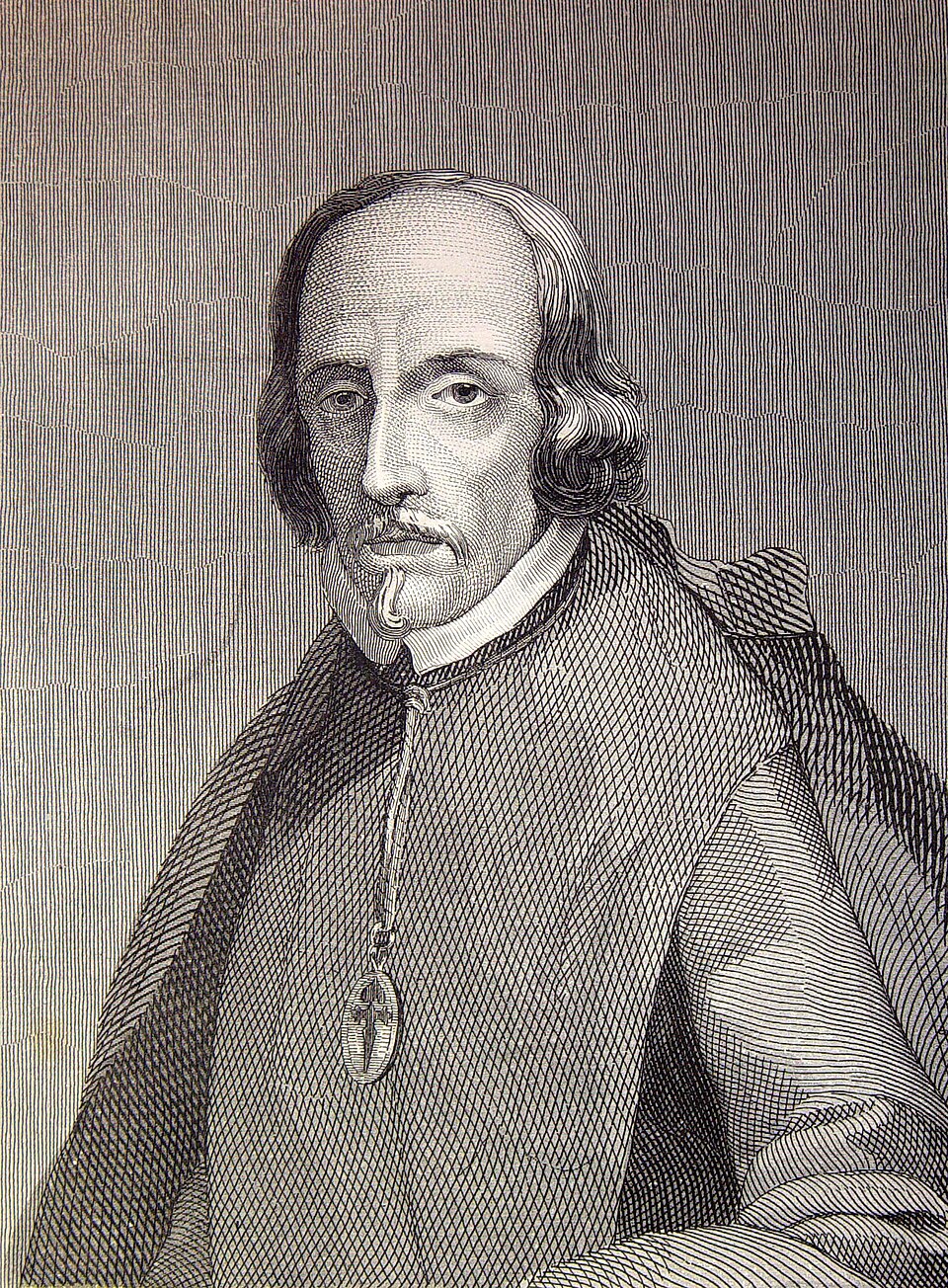
1600 - 1681 - Pedro Calderón de la Barca (All Facts)
Spanish Dramatist and Poet
His works include light comedies and many plays of religious inspiration
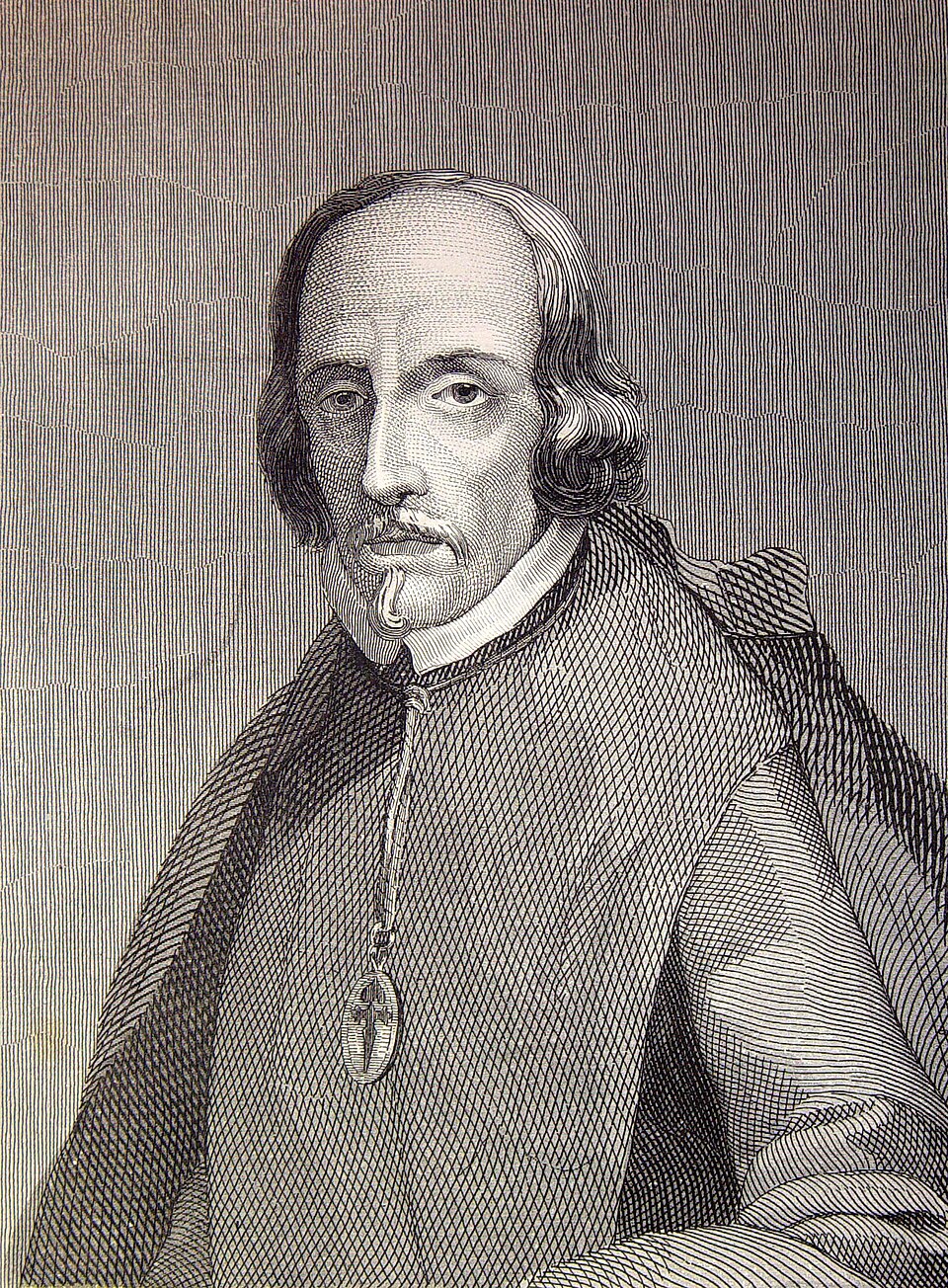
1636 - Pedro Calderón de la Barca: The Mayor of Zalamea (All Facts)
Play in which a peasant becomes mayor and defines the class conventions by ordering the execution of the nobleman who raped his daughter
Play in which the ex-peasant mayor is commended by the king for avenging her honor
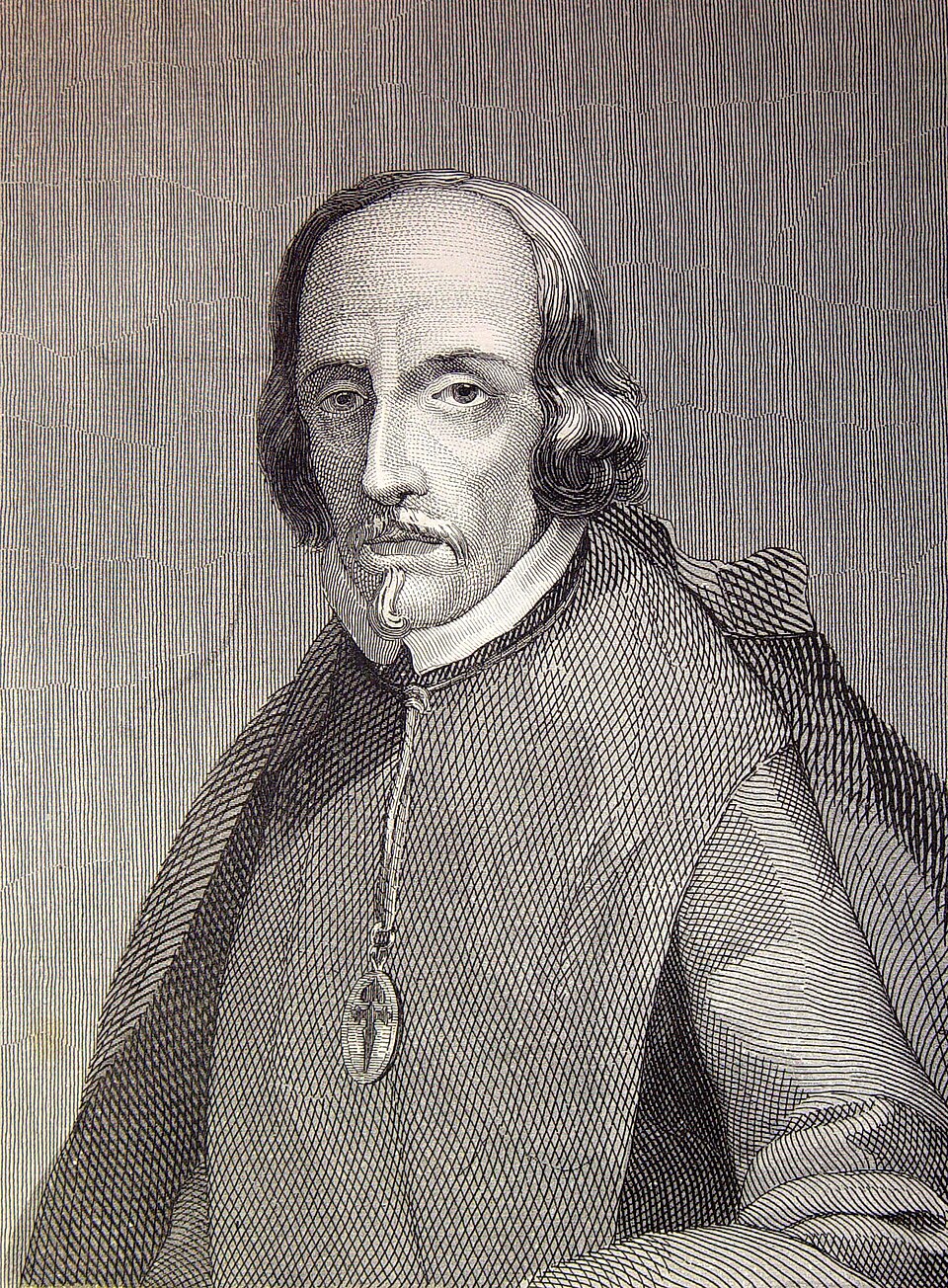
1637 - Pedro Calderón de la Barca: The Prodigious Magician (All Facts)
Religious Drama that was both play and book