CFA-Vol6 Fixed Income
 Call Kai
 Learn
Learn Practice Test
 Spaced Repetition
 Match
Match Flashcards
 Knowt Play
1/61

There's no tags or description
Looks like no tags are added yet.
Name | Mastery | Learn | Test | Matching | Spaced | Call with Kai | Chat |
|---|
No analytics yet
Send a link to your students to track their progress
62 Terms
The yield-to-maturity of the payment is called a spot rate, denoted by ZN. That is
The N-period discount factor, DFN, and the N-period spot rate, ZN, for a rangeof maturities in years N > 0 are called the discount function and the spot yield
curve (or, more simply, spot curve), respectively.
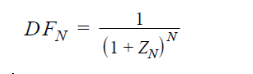
The forward pricing model describes the valuation of forward contracts. The formula is

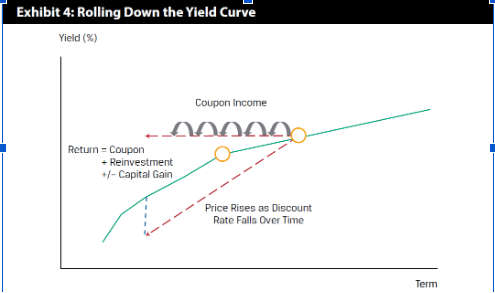
Rolling down the yield curve
Diyelim ki verim eğrisi yukarı doğru bakıyor. Bu şu demek:
10 yıllık tahvilin faizi: %5
9 yıllık tahvilin faizi: %4
Sen bugün gidip 10 yıllık bir tahvil aldın. 1 yıl boyunca hiçbir şey değişmediğini (faizlerin aynı kaldığını) hayal et. 1 yıl sonra senin tahvilin artık 9 yıllık bir tahvil olur.
Olay şurada: 10 yıllıkken %5 faizle fiyatlanan tahvilin, artık "9 yıllık tahvillerin dünyasına" girdiği için %4 faizle fiyatlanmaya başlar. Finansta kuraldır: Faiz düşerse, tahvilin fiyatı artar.
Swap Spread, Swap Oranı ile xx getirisi arasindaki farktir
Devlet Tahvili (Treasury) Getirisi

I-Spread, bir Swap Oranı ile kurumsal tahvilin (corporate bond) getirisi ile arasındaki farktır.

TED spread
Difference between MRR and the yield on a Treasury bill of the same maturity
MRR–OIS spread
which is the difference between MRR and the overnight indexed swap (OIS) rate. An OIS is an interest rate swap in which the periodic floating rate of the swap equals the geometric average of a daily unsecured overnight rate (or overnight index rate).
is considered an indicator of the risk and liquidity of money market securities.
Neyi Ölçer? Bankaların birbirine borç verirken ne kadar "korktuğunu".
Spread artarsa, bankalar arası piyasada risk algısı yükselmiş ve likidite azalmış demektir.
OIS (Overnight Indexed Swap) Nedir
OIS, bir tarafın sabit faiz ödediği, diğer tarafın ise günlük gecelik faizlerin geometrik ortalamasını (değişken bacak) ödediği bir swap sözleşmesidir.
Bu oran "neredeyse" riskiz kabul edilir çünkü çok kısa vadelidir (gecelik).
The unbiased expectations theory, also called pure expectations theory
It says that the forward rate is an unbiased predictor of the future spot rate; its broadest interpretation is that bonds of any maturity are perfect substitutes for one another.
The unbiased expectations theory assumes
Eşit Getiri Varsayımı: Yatırımcının hangi vadede tahvil aldığının bir önemi yoktur. 5 yıllık bir tahvili 3 yıl tutmak ile, peş peşe üç tane 1 yıllık tahvil almanın beklenen toplam getirisi aynıdır.
Kusursuz İkame: Farklı vadelerdeki tahviller birbirinin mükemmel alternatifidir. Yatırımcılar vade riskine bakmaz, sadece getiriye odaklanır.
Geleceğin Aynası: Bugünün uzun vadeli faizleri (veya vadeli faiz oranları - forward rates), piyasanın gelecekteki kısa vadeli faizlerin ne olacağına dair "tarafsız" tahminini yansıtır.
Yerel Beklentiler Teorisi (Local Expectations Theory)
Saf Beklentiler Teorisi'nin (Unbiased Expectations) biraz daha teknik ve kısıtlı bir versiyonudur.
Bu iki teoriyi birbirinden ayıran temel farklar şunlardır:
Vade Farkı: Saf Beklentiler Teorisi, "ne kadar süre beklersem bekleyeyim (3 yıl, 5 yıl vb.) getiri aynı olur" derken; Yerel Beklentiler Teorisi sadece çok kısa bir zaman dilimi (örneğin bir sonraki ay veya gün) için konuşur.
Temel İddia: Hangi vadeye sahip tahvili alırsanız alın (ister 2 yıllık ister 30 yıllık), kısa bir süre için beklenen getirinin o anki risksiz faiz oranına (kısa vadeli bono faizi) eşit olacağını savunur.
Dayanak Noktası (Arbitraj): Bu teori, piyasada risksiz bir şekilde kâr elde etme imkanının (no-arbitrage) olmadığını varsayar. Eğer uzun vadeli bir tahvil, kısa vadede risksiz faizden daha fazla kazandıracak olsaydı, herkes ona saldırır ve fiyatlar dengeye gelene kadar arbitraj devam ederdi.
Likidite Tercihi Teorisi (Liquidity Preference Theory)
Beklentiler teorilerinin aksine yatırımcıların "riskten kaçındığını" ve belirsizlikten hoşlanmadığını savunur.
Bu teorinin ana mantığını şu başlıklarla özetleyebiliriz:
Vade Riski Primi: Uzun vadeli tahviller, kısa vadeli olanlara göre daha fazla faiz oranı riskine (fiyat oynaklığına) sahiptir. Yatırımcılar, paralarını uzun süre bağlamanın getirdiği bu riski üstlenmek için ekstra bir getiri yani likidite primi talep ederler.
Artan Prim İlkesi: Vade uzadıkça belirsizlik arttığı için likidite primi de artar. Yani 10 yıllık bir tahvilin primi, 5 yıllık olanınkinden daha büyüktür
Piyasa Segmentasyonu Teorisi (Segmented Markets Theory),
faiz oranlarını bir "tahmin" veya "risk primi" meselesinden ziyade, tamamen arz ve talep dengesi olarak görür.
Tercih Edilen Yaşam Alanı Teorisi (Preferred Habitat Theory),
Piyasa Segmentasyonu ile Beklentiler Teorisi arasında "gerçekçi" bir orta yol bulur.
Litterman ve Scheinkman'ın (1991) Üç Faktörlü Modeli : 1. Seviye - Paralel Kayma
Nedir: Verim eğrisinin tüm vadelerde (kısa, orta ve uzun) aşağı yukarı aynı miktarda yukarı veya aşağı kaymasıdır.
Portföy Etkisi: Portföyün toplam durasyonu ile en çok bu faktör ilgilidir. Eğri paralel yükselirse tahvil fiyatları düşer
Litterman ve Scheinkman'ın (1991) Üç Faktörlü Modeli : 2. Diklik “Egim degisimi”
Nedir: Kısa vadeli faizler ile uzun vadeli faizler arasındaki farkın açılması veya kapanmasıdır. Genelde kısa vadeli oranların uzunlara göre daha fazla değişmesiyle tetiklenir.
Terimler: Fark artarsa Steepening (dikleşme), azalırsa Flattening (düzleşme) denir.
Litterman ve Scheinkman'ın (1991) Üç Faktörlü Modeli : 3. Eğrilik (Curvature) - "Kelebek Hareketi"
Nedir: Eğrinin orta kısmının (vadesinin), uç kısımlara (kısa ve uzun vade) göre ters yönde hareket etmesidir.
Görünüm: Eğri daha "tümsek" (humped) veya daha "çukur" (u-shaped) bir hal alır. Finans literatüründe buna Butterfly (kelebek) hareketi de denir.
Effective Duration (Etkin Süre)
Odak Noktası: Eğrinin paralel (her noktada aynı miktarda) aşağı veya yukarı kayması.
Kullanım Alanı: Portföyün faiz oranlarındaki genel bir artış veya azalışa karşı ne kadar hassas olduğunu ölçer. Ancak eğrinin büküldüğü, yani şeklinin değiştiği (non-parallel) durumlarda yetersiz kalır
Key Rate Duration (Anahtar Oran Süresi)
The term bond risk premium
refers to the expected excess return of a default-free long-term bond less that of an equivalent short-term bond or the one-period risk-free rate.
Eğrinin Şekline Göre Al-Sat Stratejisi
Eğri Dikleşecekse (Steepening
(Uzun vadeli faizler, kısa vadelilere göre artacak)
Aksiyon: Uzun vadeli tahvilleri sat (short), kısa vadeli tahvilleri al (purchase)
Mantık: Faiz artarsa fiyat düşer; bu yüzden faizi en çok artacak olan uzun vadeli tahvilden kurtulup, faizi düşük kalacak olan kısa vadeliye geçilir.
Bullet (Mermi) Portföy:
Yatırımın tek bir vade segmentinde (örneğin sadece 5 yıllıklar) yoğunlaşmasıdır.
Barbell (Halter) Portföy:
Yatırımın her iki uçta (çok kısa ve çok uzun vadeler) toplanması, orta vadenin boş bırakılmasıdır.
İşte o iki tip arbitraj fırsatının "basitçe" açıklaması: 1. Değer Katlanabilirliği (Value Additivity)
Mantık: Parçaların toplamı, bütünün fiyatına eşit olmalıdır.
Örnekteki Durum: * A Varlığı (Parça): 1 dolar öder, fiyatı 0.952$.
B Varlığı (Bütün): 105 tane A'dan oluşur. Teorik fiyatı $105 \times 0.952 = 100\$$ olmalı.
Fırsat: Ama piyasada B varlığı 97$'dan satılıyor. Yani "bütün", parçalarından daha ucuz.
Ne Yaparsın?
105 tane tekil A varlığını piyasada 100$'a satarsın (açığa satış).
Cebine giren bu 100$'ın 97$'ı ile gidip B paketini alırsın.
Sonuç: Daha işin başında 3$ net kar cebine kalır. Bir yıl sonra B'den gelen 105 dolarla, sattığın A'ların borcunu kapatırsın. Net maliyet sıfır, kar garanti.
İşte o iki tip arbitraj fırsatının "basitçe" açıklaması: 2. Baskınlık (Dominance))
Mantık: Eğer iki varlık aynı riske sahipse (ikisi de risksizse), daha fazla getiri sağlayan varlık daha pahalı olmalı veya aynı fiyattaysalar getirileri aynı olmalıdır.
Örnekteki Durum:
C Varlığı: Bugün 100$, seneye 105$ veriyor.
D Varlığı: Bugün 200$, seneye 220$ veriyor.
Analiz: C'den iki tane alsan (200$ ödesen) seneye 210$ alırsın. Ama D aynı paraya (200$) seneye 220$ veriyor. Yani D, C'yi her türlü "dövüyor" (domine ediyor).
Ne Yaparsın?
Piyasada 2 tane C satarsın, eline 200$ nakit geçer.
Bu 200$ ile hemen gidip 1 tane D alırsın.
Sonuç: Bugün cebinden çıkan para 0$. Bir yıl sonra D'den 220$ gelir, sattığın C'ler için 210$ ödersin. Tertemiz 10$ kar.
Stripping
Tahvil Ayrıştırması veya ABD Hazine piyasasındaki resmî adıyla STRIPS (Separate Trading of Registered Interest and Principal of Securities) mekanizmasıdır.
Bu mekanizma, standart bir kuponlu devlet tahvilinin gelecekteki tüm nakit akışlarını birbirinden kopararak her birini tek başına satılabilen bağımsız birer Sıfır Kuponlu Menkul Kıymet (Zero-Coupon Security) haline getirme işlemidir.
Reconstitution
ealers can recombine the appropriate individual zero-coupon securities and reproduce the underlying coupon Treasury. This process is called reconstitution. Dealers in sovereign debt markets around the globe are free to engage in the same process.
There are two methods commonly used to estimate interest rate volatility:
First: using the historical interest rate volatility based on data from the recent past.
Second: to estimate interest rate volatility is that derived from observed market price
Bond value at a node

The value of the callable bond relative to the value of the straight bond:

The value of the put option increases the value of the putable bond relative to the value of the straight bond.
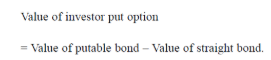
EFFECT OF INTEREST RATE VOLATILITY (Call)
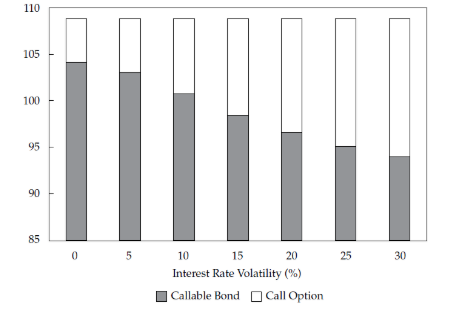
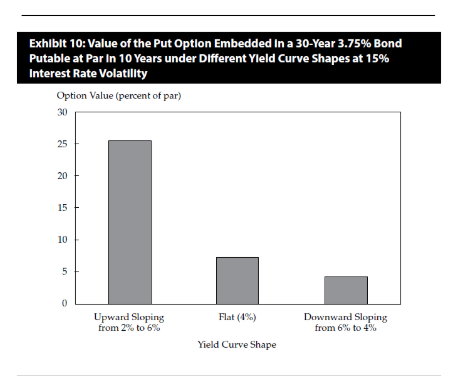
EFFECT OF INTEREST RATE VOLATILITY (Put)
EFFECT OF Flat Yield curve(Call)
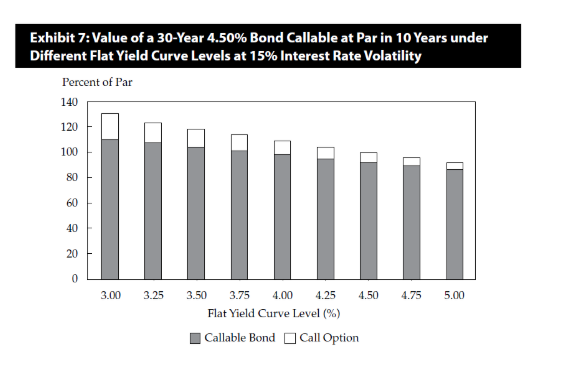
Exhibit 7 shows that as interest rates decline, the value of the straight bond rises; however, the rise is partially offset by the increase in the value of the call option.
EFFECT OF Flat Yield shape (Call)
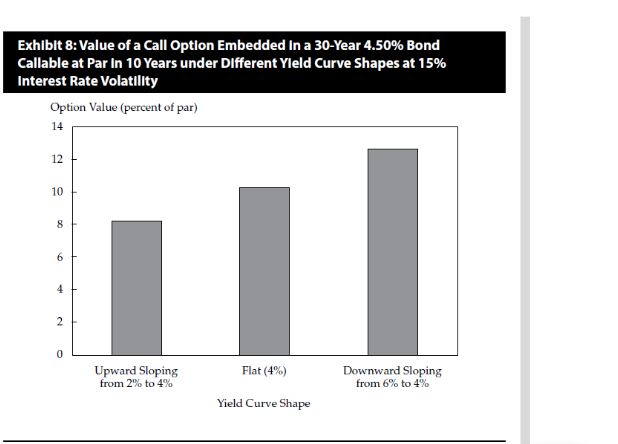
Basitçe anlatmak gerekirse, mesele "Şirket bu tahvili gelecekte geri çağırmaya ne kadar meyilli olur?" sorusunda bitiyor.
EFFECT OF Flat Yield curve (Put)
EFFECT OF Flat Yield shape (Put)
the probability of default in Year 1 may be 1%; the probability of default in Year 2, conditional on surviving Year 1, may be 1.25%; and so on.
To illustrate, we return to the three-year 4.25% option-free bond introduced earlier, but now we assume that it is a risky bond and that the appropriate Z-spread is 100
bps. To calculate the arbitrage-free value of this bond, we have to increase each of the one-year forward rates given in Exhibit 1 by the Z-spread of 100 bps:

Effective duration indicates the sensitivity of the bond’s price to a 100 bps parallel shift of the benchmark yield curve—in particular, the government par curve—assuming
no change in the bond’s credit spread.
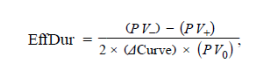
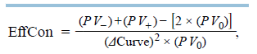
Effective convexity
Market Conversion premium per share

Market Conversion price

The market conversion premium ratio

Hisse fiyatı dönüştürme fiyatının çok altındaysa, alım opsiyonu (call option) xx olur.
Out of the money" (zararda)
Credit spread and is also known in practice as the G-spread
The difference between the yields to maturity on a corporate bond and a government bond with the same maturity is the most commonly used measure of credit risk. It is called the credit spread and is also known in practice as the G-spread.
Expected exposure
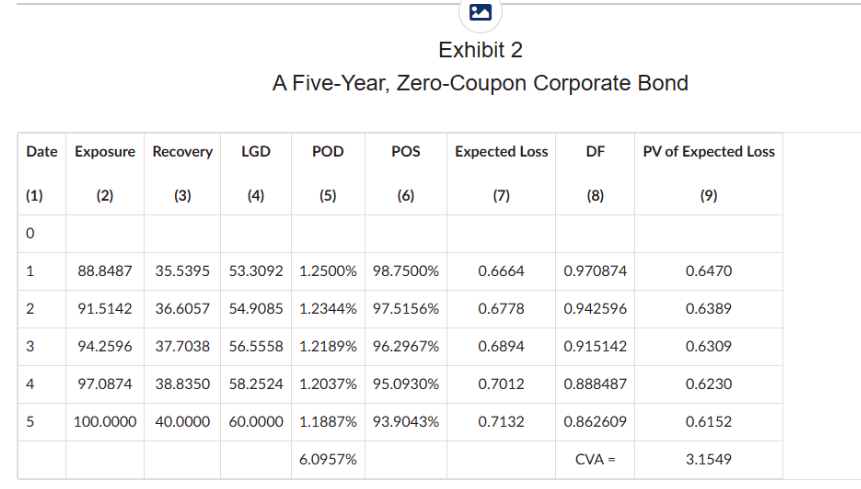
The first factor to consider in modeling credit risk is the expected exposure to default loss. This quantity is the projected amount of money the investor could lose if an event of default occurs, before factoring in possible recovery.
Credit valuation adjustment (CVA)
is the value of the credit risk in present value terms. In Exhibit 2, LGD stands for the loss given default, POD stands for the probability of default on the given date, POS stands for the probability of survival as of the given date, DF stands for the discount factor, and PV stands for the present value.
Five primary factors are included in the proprietary algorithm used to get the FICO score:
35% for the payment history: This includes the presence or lack of such information as delinquency, bankruptcy, court judgments, repossessions, and foreclosures.
30% for the debt burden: This includes credit card debt-to-limit ratios, the number of accounts with positive balances, and the total amount owed.
15% for the length of credit history: This includes the average age of accounts on the credit file and the age of the oldest account.
10% for the types of credit used: This includes the use of installment payments, consumer finance, and mortgages.
10% for recent searches for credit: This includes “hard” credit inquiries when consumers apply for new loans but not “soft” inquiries, such as for employee verification or self-checking one’s score.
Kredi analiz modelleri:Yapısal modeller (Structural models)
model for credit risk analysis, in contrast, uses option pricing and relies on a traded market for the issuer’s equity.
1970’lerde Black, Scholes ve Merton tarafından geliştirilmiştir.
Bir şirketin varlık değeri borçlarının altına düştüğünde temerrüt (default) gerçekleşir.
Temerrüt olasılığı opsiyon fiyatlama mantığıyla modellenir.
Avantajı: Kredi riskinin ekonomik nedenlerini açıklaması.
Dezavantajı: Uygulaması zordur çünkü şirket varlık değeri, volatilitesi ve borç yapısı gibi verileri doğru ölçmek güçtür.
Kredi analiz modelleri: Azaltılmış-form modeller (Reduced-form models)
in credit risk analysis uses historical variables, such as financial ratios and macroeconomic variables, to estimate the default intensity.
990’larda geliştirilmiştir.
Temerrütü şirket varlıklarından türetmek yerine rastgele gerçekleşen dışsal bir olay olarak ele alır.
Poisson süreci kullanılarak temerrüt zamanı (default time) ve temerrüt yoğunluğu (default intensity) tahmin edilir.
Avantajı: Gözlemlenebilir veriler (finansal oranlar, makroekonomik göstergeler vb.) kullanılır ve regresyonla tahmin edilebilir.
Dezavantajı: Temerrütün ekonomik nedenlerini açıklamaz ve temerrütün sürpriz şekilde gerçekleştiğini varsayar.
Tranche CDS
A third type of CDS is the tranche CDS, which covers a combination of borrowers but only up to pre-specified levels of losses—much in the same manner that asset-backed securities are divided into tranches, each covering particular levels of losses.
The fair price of CDS protection for this period for a given borrower may be estimated as

An investor buys $10 million of five-year protection, and the CDS contract has a duration of four years. The company’s credit spread was originally 500 bps and widens to 800 bps. Estimate the CDS price change and estimated profit to the investor.
The percentage price change is estimated as the change in spread (300 bps) multiplied by the duration (4), or 12%. The profit to the investor is 12% times the notional ($10 million), or $1.2 million.
The swap rate is derived using xx lending rates
Short term
The YTM of a bond provides a good estimate for expected return if the spot rate curve is
Flat
Which of the following yield curve changes would most likely result from a flight to quality?
Bullish flattening
Correct because bullish flattening typically occurs as a result of investor demand. During highly uncertain market periods, investors flock to government bonds in what is termed a flight to quality
The binomial tree is based on the spot rate curve and a no arbitrage condition, therefore any option-free bond should have the xx value whether
Same
OAS (Option adjustes spread) formula
(Z spread: bir tahvilin nakit akışlarının bugünkü değerini mevcut piyasa fiyatına eşitlemek için spot faiz eğrisinin (spot rate curve) her bir noktasına eklenmesi gereken sabit yayılmadır (paralel kaymadır).)

OAS (Option-Adjusted Spread), definition
OAS (Option-Adjusted Spread), gömülü bir opsiyon (erken itfa/erken ödeme gibi) barındıran bir tahvilin, bu opsiyon riskinden tamamen arındırıldıktan sonra yatırımcıya sunduğu net kredi ve likidite risk primidir.
OAS'ı Yüksek Olan Tahvil: Sunduğu net risk primi daha fazla olduğu için piyasada ucuz kalmıştır (underpriced / cheap) → ALINIR.
OAS'ı Düşük Olan Tahvil: Sunduğu net risk primi az olduğu için piyasada pahalılanmıştır (overpriced / dear) → SATILIR.
The values of the put and call options decrease when interest rate volatility decreases, so the value of the callable bond will xx and the value of the putable bond will yy.
XX= increase, YY= Decrease
Short-term structured finance vehicles with granular, homogeneous assets tend to be evaluated using a xx approach to the existing book of loans.
Statistical based
A portfolio-based approach is used for medium-term granular and homogeneous obligations because the xx but changes over time.
Portfolio