Gen Path 1: Exam 1
 Call Kai
 Learn
Learn Practice Test
 Spaced Repetition
 Match
Match Flashcards
 Knowt Play
1/17

There's no tags or description
Looks like no tags are added yet.
Name | Mastery | Learn | Test | Matching | Spaced | Call with Kai | Chat |
|---|
No analytics yet
Send a link to your students to track their progress
18 Terms
Etiology
Origin of the disease, or why a disease occurs.
Pathogenesis
Development of a disease, or how a disease occurs.
Cell Injury Mechanisms (5 Total)
ATP Depletion
Generation of Reactive Oxygen Species
Loss of CA+ Homeostasis
Altered Membrane Permeability
DNA and Protein Damage
Hypoxia
Low Oxygen Availability, Cells can produce ATP through Anaerobic Glycolysis (Better than Ischemia)
Ischemia
Low Blood Flow (Oxygen and Glucose) Anerobic Glycolysis eventually fails, worse than hypoxia.
Reactive Oxygen Species are associated with
Inflammation
Oxygen Toxicity
Chemicals/Drugs
Radiation
Aging
Major Sites of DNA Damage
Thymidine and Guanine
How is Reactive Oxygen Species (ROS) Controlled
Enzymes such as Catalase, SOD, and Glutathione Peroxidase
Antioxidants such as Vitamins E, A and C, Glutathione, and Cysteine
Serum Proteins that reduce/bind iron and copper to block ROS formation
Degree of Cell Injury is determined by
Physiologic state of the cell
Intensity of the insult
Duration of the insult
# of exposures to the insult
Reversible Cell Injury
Often Acute, short duration and low intensity.
Coagulative Necrosis

Liquefactive Necrosis
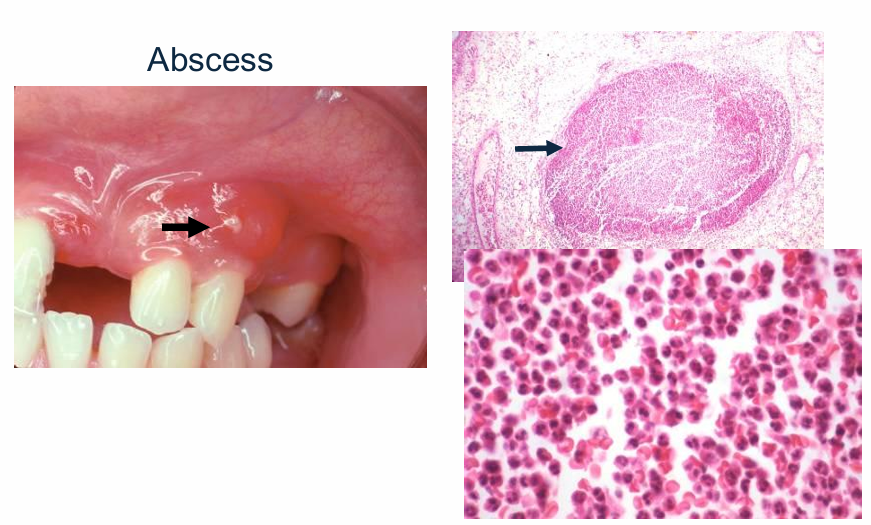
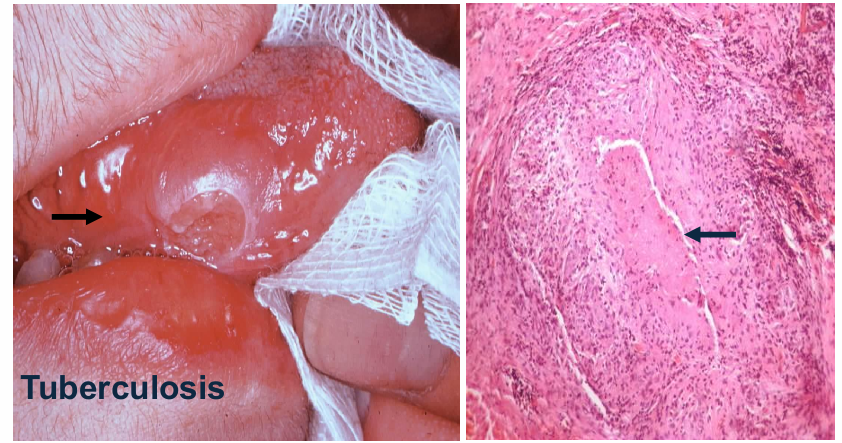
Caseous Necrosis
Fat Necrosis

Intrinsic Mechanism for Apoptosis
Mitochondrial Pathway
Extrinsic Mechanism for Apoptosis
Death Receptor PathwayC
Common Node of Apoptosis
Initiator Caspases