schizophrenia
 Call Kai
 Learn
Learn Practice Test
 Spaced Repetition
 Match
Match Flashcards
 Knowt Play
1/42

There's no tags or description
Looks like no tags are added yet.
Name | Mastery | Learn | Test | Matching | Spaced | Call with Kai | Chat |
|---|
No analytics yet
Send a link to your students to track their progress
43 Terms
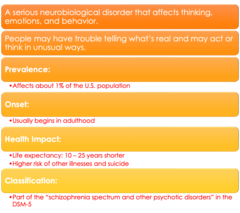
overview of schizophrenia
-psychotic symptoms, diminished ability to relate to others
-effects thinking, emotions, and behavior
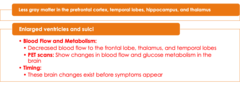
structural anatomic alterations
-less gray matter in prefrontal cortex, temporal lobes, hippocampus, thalamus
neurotransmitter abnormalities
-overactive dopamine pathway
-too little GABA and acetylcholine
-NaChR reduced (nicotine can help relieve)
-low glutamate

schizophrenia etiology
-not fully understood
-genetic, biological & environmental factors
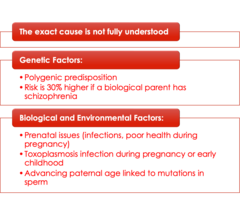
risk factors for schizophrenia
**multifactorial, not based off just one thing
-early life adversity
-health disparities
-biochemical & genetic
-neurodevelopment factor
-timing of stress
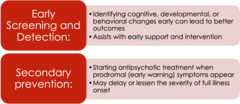
schizophrenia prevention
-early screening & detection
-secondary prevention
clinical manifestations overview
-symptoms based on stage
-vary among individuals
-symptoms that impact ADLs
positive symptoms of schizophrenia
-hallucinations (auditory, accusatory most common)
-delusions
-catatonia
-disordered thinking
types of delusions*
reference (belief that certain events occur for benefit of individual)
nihilistic (beliefs that individual is nonexistent or dead)
religious (belief that individual is religious figure)
grandiose (special power or significance)
persecutaory (belief that others wish to harm the individual)
features of delusions*
-thought broadcasting (belief that others can hear thoughts)
-withdrawal (belief that others can remove thoughts)
-control (belief that others can control thoughts)
-insertion (belief that others can insert thoughts into persons mind)
catatonia can involve...
-mutism
-echopraxia (repeating movements of others)
-echolalia
-waxy flexibility (maintaining whatever position they are placed in)
-automatic obedience (robotic cooperation with any request)
-can also manifest in excited state
negative symptoms*
-flat/ blunted affect
-thought blocking (sudden interruption in speech without explanation)
-alogia (poverty of speech)
-anhedonia
-avolition
-social withdrawal
*often persists throughout all phases of the illness
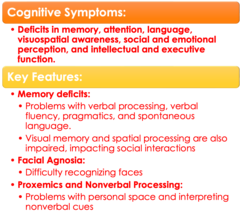
cognitive symptoms
-deficits in memory, attention, language, visuospatial awareness, social and emotional perception, intellectual and executive function
-memory deficits
-facial agnosia
-proxemics and nonverbal processing
schizophrenia clinical manifestations
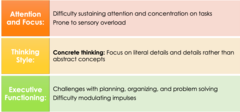
-attention and focus
-concrete thinking
-executive functioning (challenges with planning, organizing, and problem solving)
affective symptoms
*if they have these things on top, increases suicide risk
-depression
-mania
-younger/ older age
-higher IQ higher premorbid functioning
-recent onset of illness
-male sex
-recent discharge from hospital
phases of schizophrenia
-premorbid
-prodromal
-acute
-residual
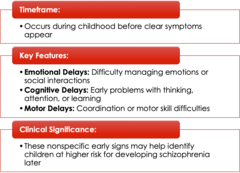
premorbid phase
-before clear symptoms appear
-emotional, cognitive, and motor delays
*nonspecific early signs that may help ID children @ higher risk
prodromal phase
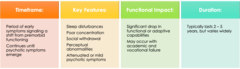
-period of early symptoms signaling a shift
-sleep disturbances, poor concentration, social withdrawal, perceptual abnormalities, attenuated or mild psychotic symptoms
-significant drop in adaptive capabilities, may occur with academic and vocational failure
-typically lasts 2-5 years
acute phase of schizophrenia
-onset of full blown psychotic symptoms
-significant distress, often when help is sought
-short term hospitalization
-longer untreated leads to poorer outcomes
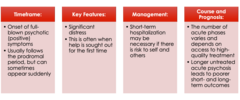
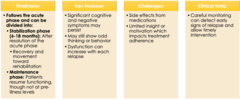
residual phase of schizophrenia
-divided into stabilization phase (6-18 months) & maintenance phase (resume functioning)
-cog & negative symptoms may persist, still show odd thinking/ behavior, dysfunction can increase with each relapse
-SE from meds, limited insight or motivation
-careful monitoring can detect early signs of relapse and allow timely intervention
comorbid disorders
•Contributing Factors:
•Self-care deficits and sedentary lifestyle
•Social isolation
•Limited access to quality healthcare
•Poor dietary habits
•Substance Use:
•Nicotine and caffeine
•Alcohol, cannabis, and opioids
•Increased Risk For:
•Cardiovascular disease
•Diabetes
•COPD
•Infectious diseases
•Common Mental Health Disorders:
•Depression
•Anxiety
•PTSD
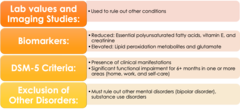
diagnostic testing
-labs & imaging (rule out)
-biomarkers
-DSM 5
-exclusion of other disorders
pharm therapy
-antipsychotic meds
-goal: decrease positive symptoms, so pt can maintain social relationships & complete ADLs
-types: typical antipsychotics, atypical, dopamine system stabilizers
-SE differ
-risk of suicide
-no atypical antipsychotics for pts w dementia related psychosis, increased risk of death!
typical antipsychotics
*phenothiazines (chlorpromazine) and nonphenothiazine (haloperidol)
-block D2 dopamine receptors in brain
SE:
-extrapyramidal symptoms!
-NMS
-anticholinergic
-difficulty ejaculating, delayed orgasm
-high prolactin levels
extrapyramidal symptoms
*typical antipsychotics
-akathisia (restlessness)
-dystonia
-Tardive Dyskinesia
neuroleptic malignant symptoms
*typical antipsychotics
-high fever, confusion, decreased level of consciousness, muscle rigidity, hyperthermia
management of typical antipsychotics adverse effects
anticholinergic symptoms:
-benzotropine & trihexyphenidyl
-help normalize the level of dopamine to help decrease stiffness and rigidity
-IV/IM benztropine and diphenhydramine (Benadryl) can quickly reverse dystonia and extrapyramidal symptoms
managing tardive dyskinesia:
-usually managed by lowering dose or a switching to another antipsychotic
managing NMS:
-emergency, immediately discontinue antipsychotic, admit to ICU and supportive care
atypical antipsychotics
-risperidone, lurasidone, olanzapine
-blocks D2 receptors, treat both positive and negative symptoms
benefits of atypical antipsychotics
-lower risk of EPS and TD at therapeutic doses
risks/ SE of atypical antipsychotics
-increased risk of metabolic syndrome, CV and cerebrovascular events, type 2 DM, blood disorders, seizures, and sudden death
-increased for older adults w dementia
-can still cause anticholinergic effects, endocrine changes, TD and NMS
dopamine system stabilizers **103 listen
-ariprazole
-work similarly to atypical antipsychotics but with even fewer side effects
-very few anticholinergic SE, lower risk of weight gain, helps reduce anxiety and depression
-not usually first line therapy, add on to improve symptom control
pharm therapy, other meds
•Along with antipsychotics, some patients may also take adjunct medications, such as:
•Antianxiety medications:
•Help reduce anxiety and agitation
•Antidepressants:
•Treat depressive symptoms
•Mood stabilizers:
•Help control mood swings or irritability
fam intervention & psychoeducation
-family interventions continue for several months + combined with med and therapy **works best!
-for fam:
less stress/ burden, improved communication, helps fam to understand triggers and how to support recovery
social skills training
*teaches how to interact!
1. learning about emotions
2. figuring out situations
3. practicing skills
CBT
key techniques:
-distraction, positive self talk, behavioral strategies
-coping & problem solving

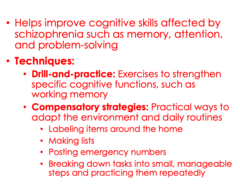
cognitive remediation
-improves cognitive skills like memory, attention, and problem solving
repetitive transcranial magnetic stimulation
-noninvasive, delivers magnetic pulses
-research suggests that rTMS helps reduce auditory hallucinations in some patients
with age more...
negative symptoms
-most people show symptoms in early adulthood, positive symptoms decrease with age
early onset schizophrenia
-before 17-18
-rare before puberty
-hard to diagnose in kids(imagination/ play) (will have delusions/ hallucinations abt toys)
-adolescents: more common in boys
-prognosis for kids is usually poor
-similar treatment as adults, monitor SE
late onset schizophrenia
-after 40
-more common in women
-positive symptoms more noticeable
-respond to lower doses of antipsychotic meds
very late onset
-after 60
-lower genetic risk, higher premorbid functioning, likely caused by neurodegen & organic factors, more common in immigrant population
-manage w lose does & psychosocial interventions
assessment
look for changes in appearance/ behavior
-poor personal hygiene, weight loss, unusual gestures, pacing, incoherent speech/ word salad
-appearance tells a lot
-nicotine
-lack of insight (may not notice these things)
nursing interventions
-orient
-avoid over stimulation/ overwhelming
-stay calm & consistent
-inform pts. before touching them
-assess pts. understanding of treatment plan and ability to follow it
*short, direct communications. give options