Muscular System Lecture Notes SET 1
 Call Kai
 Learn
Learn Practice Test
 Spaced Repetition
 Match
Match Flashcards
 Knowt Play
1/32

Earn XP
Description and Tags
A set of vocabulary flashcards covering the principles of the muscular system, lever classes, naming conventions, and specific facial and trunk muscles.
Name | Mastery | Learn | Test | Matching | Spaced | Call with Kai | Chat |
|---|
No analytics yet
Send a link to your students to track their progress
33 Terms
Skeletal Muscular System Size
The system is composed of roughly 700 muscles, of which students must identify 47.
Muscle Action Principle
Muscles only pull; they do not push.
Prime Mover (Agonist)
The muscle that has the major responsibility for a particular movement.
Antagonist
A muscle that opposes or reverses a specific movement.
Synergist
A muscle that helps the prime mover by adding extra power and reducing undesirable or unnecessary movements.
Fixator
A subtype of synergist that immobilizes a bone or a muscle's origin to provide a stable base for movement.
Origin
The site of muscle attachment that is usually stationary during contraction.
Insertion
The site of muscle attachment that usually moves during contraction.
Lever
A rigid structure that moves around a fixed point called a fulcrum.
Fulcrum
The fixed pivot point of a lever; in the human body, joints act as fulcrums.
Effort
The force applied to cause movement in a lever system.
Load
The force that resists movement in a lever system.
First Class Lever
An arrangement where the fulcrum is positioned between the load and the effort, such as the occipital condyle.
Second Class Lever
An arrangement where the load is located between the fulcrum and the effort, such as the gastrocnemius acting on the foot.
Third Class Lever
An arrangement where the effort is applied between the fulcrum and the load, such as the biceps brachii at the elbow.
Speed Levers
Levers where force is lost but speed and range of movement are gained.
Power Levers
Levers that are slower and more stable, prioritizing strength over speed.
Pennant Arrangement
A fascicle pattern where short fascicles attach obliquely to a central tendon; can be unipennant, bipennant, or multipennant.
Rectus
A naming term indicating muscle fibers run straight or parallel to the midline.
Transversus
A naming term indicating muscle fibers run at right angles to the midline.
Oblique
A naming term indicating muscle fibers run at angles to an imaginary fixed axis.
Serratus
A muscle shape description meaning 'sawtooth'.
Orbicular
A muscle shape description meaning 'circular'.
Gracilis
A muscle shape description meaning 'slender'.
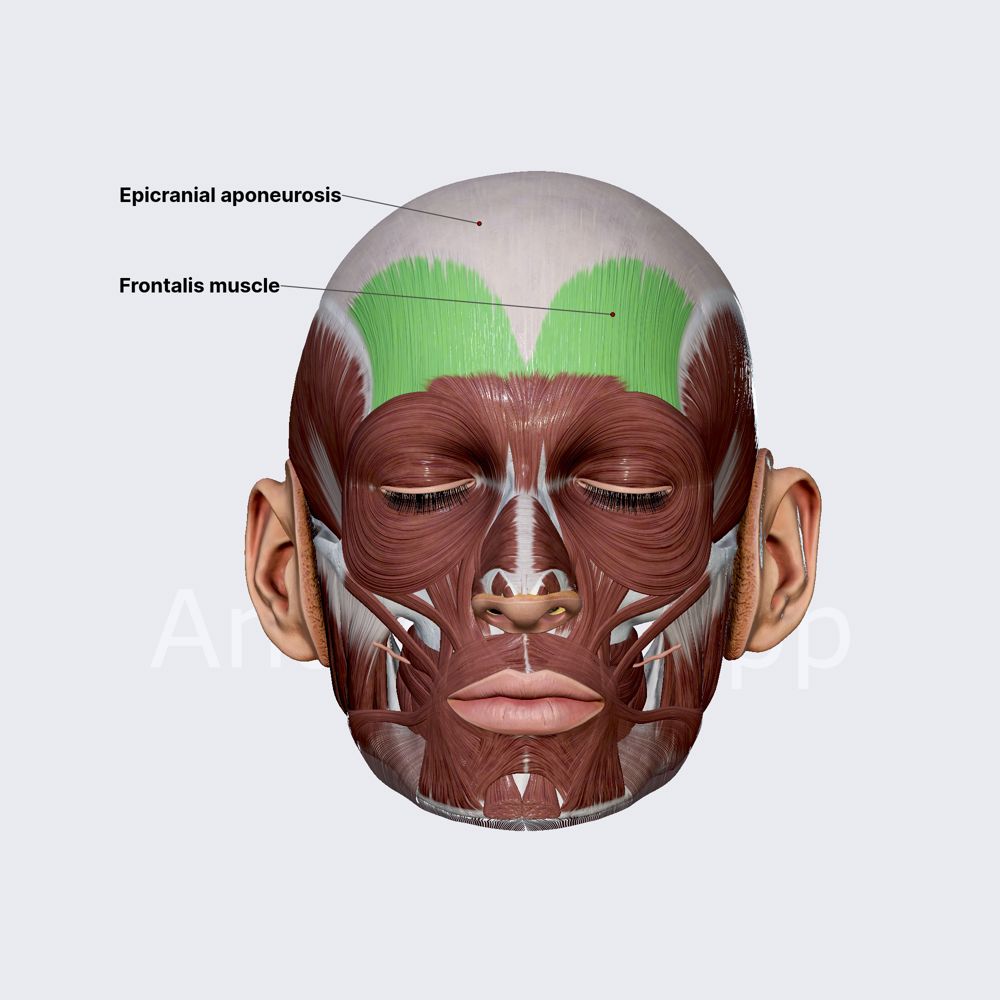
Occipital frontalis
Muscle originating at the epicranial aponeurosis and inserting into the supraorbital skin; responsible for wrinkling the forehead.
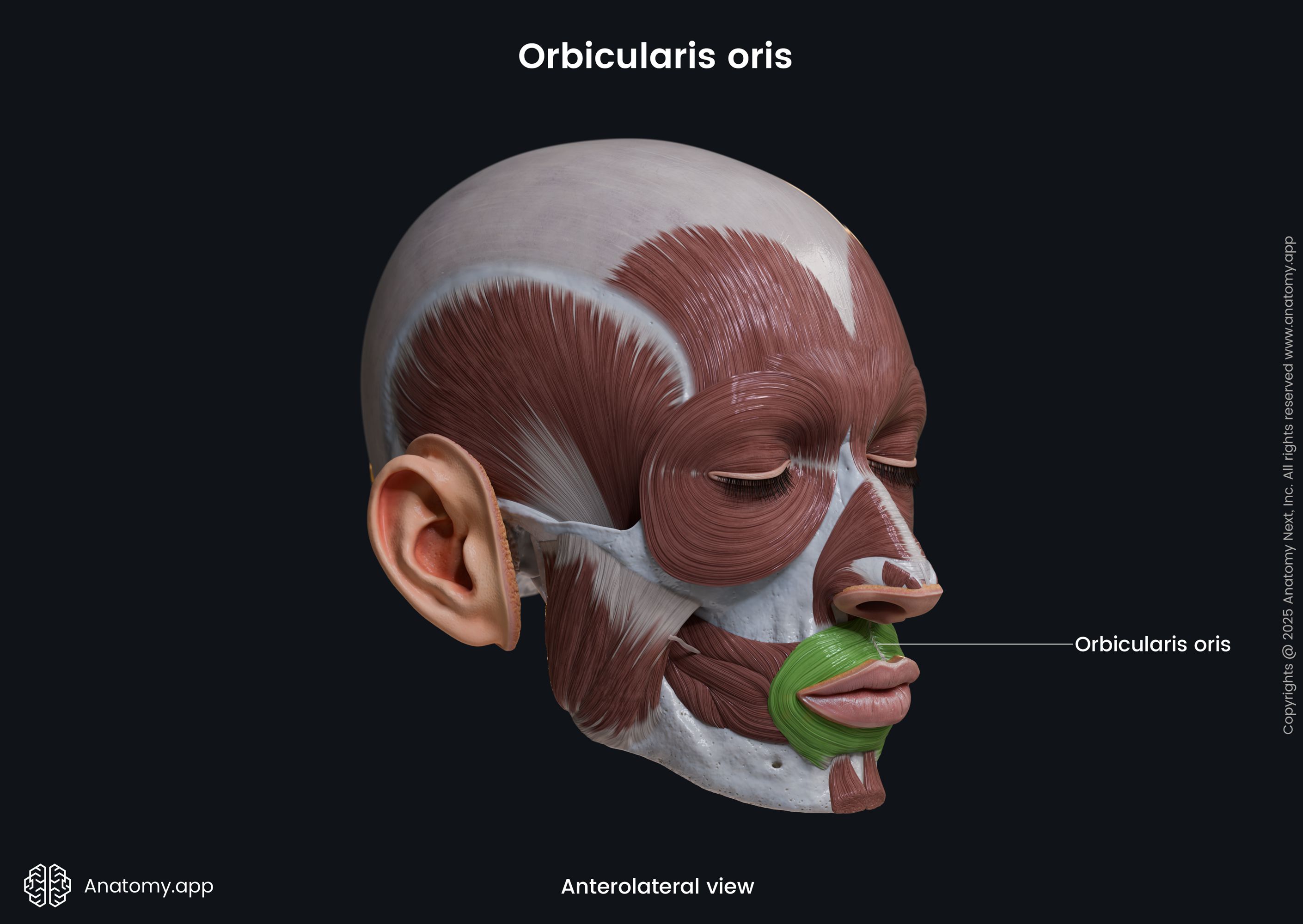
Orbicularis oris
Muscle around the mouth used for closing the mouth and kissing.
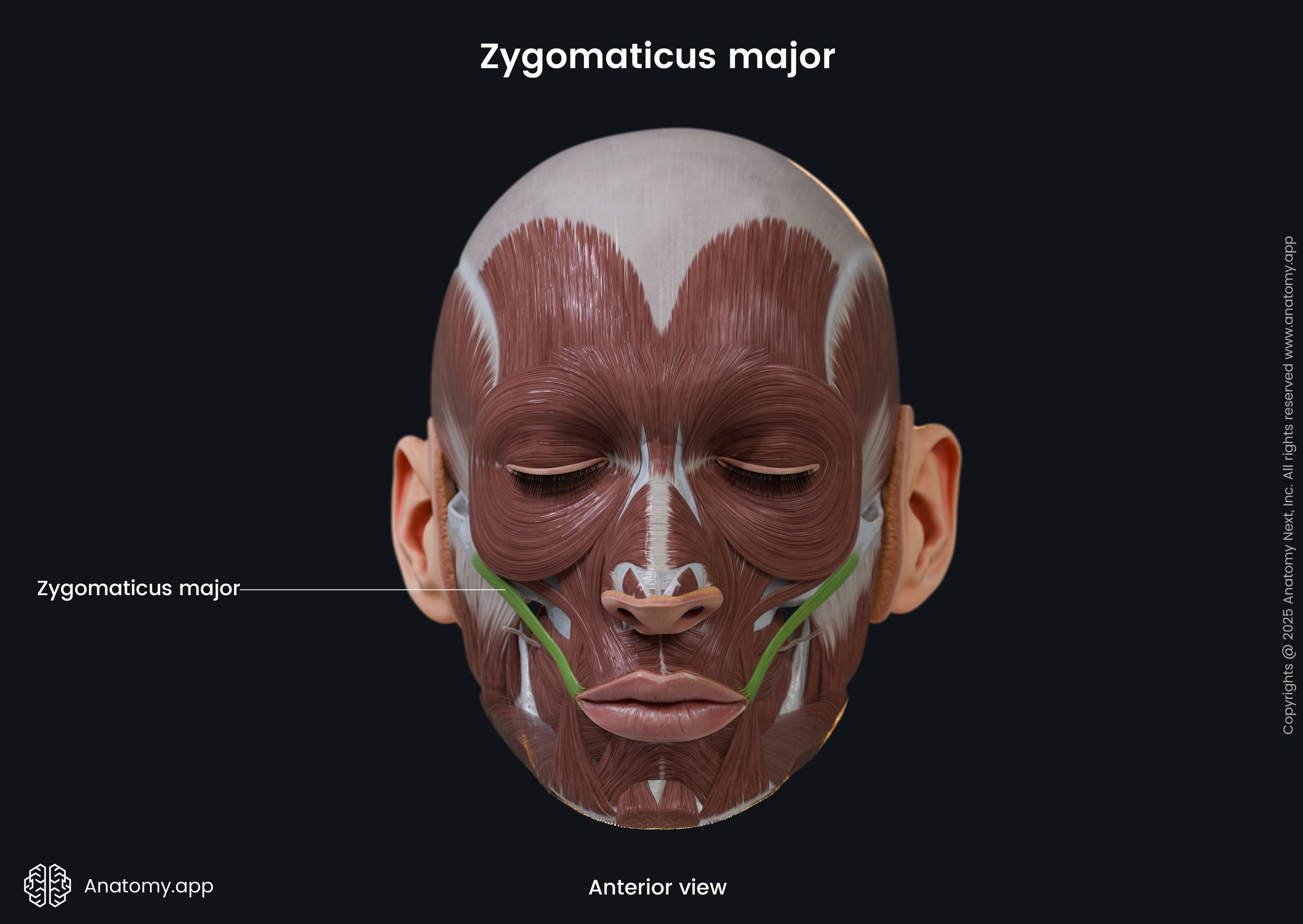
Zygomaticus major
Muscle originating on the zygomatic bone and inserting into the corner of the mouth; used for smiling.
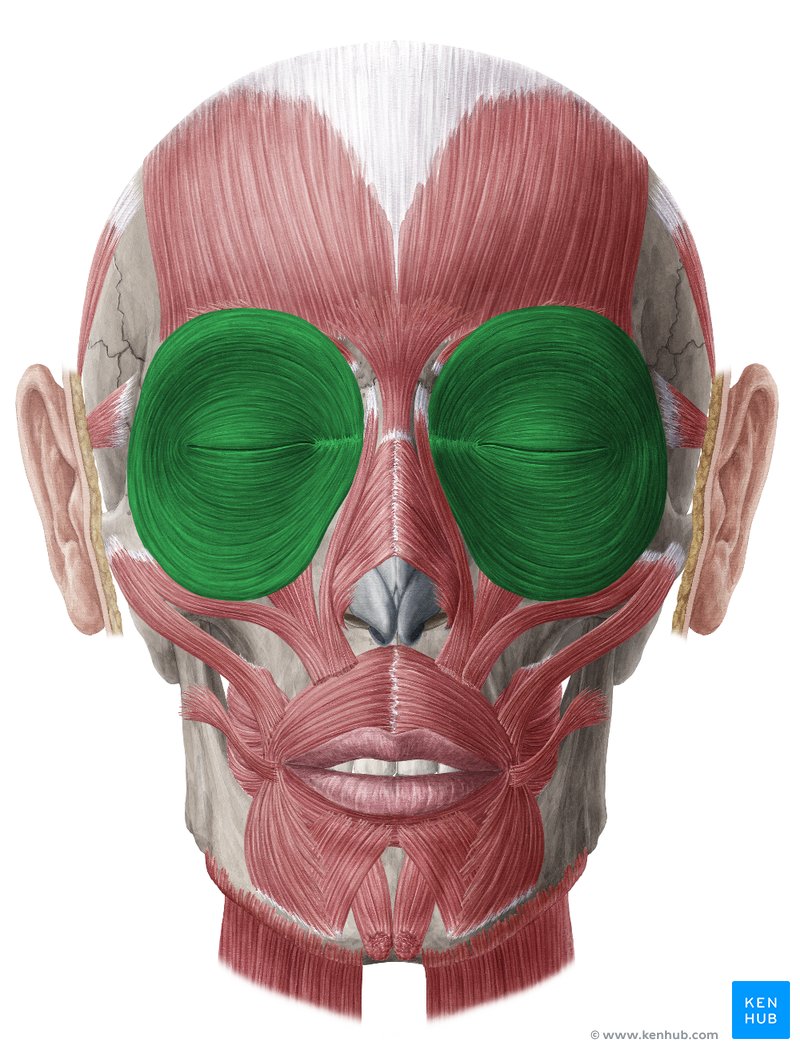
Orbicularis oculi
Muscle that circles the eye and functions to close the eyes.
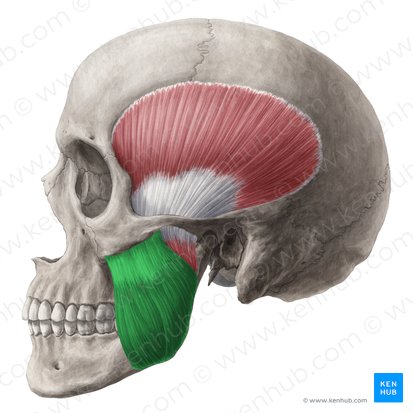
Masseter
Muscle originating on the zygomatic arch and inserting into the lateral surface of the mandible; elevates the mandible.
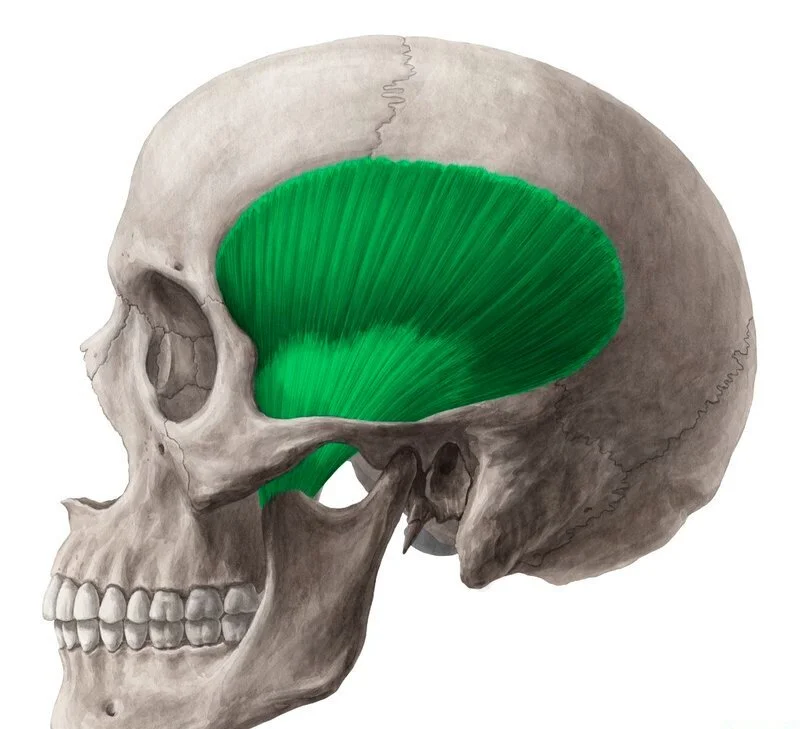
Temporalis
Synergistic muscle that works with the masseter to elevate the mandible.
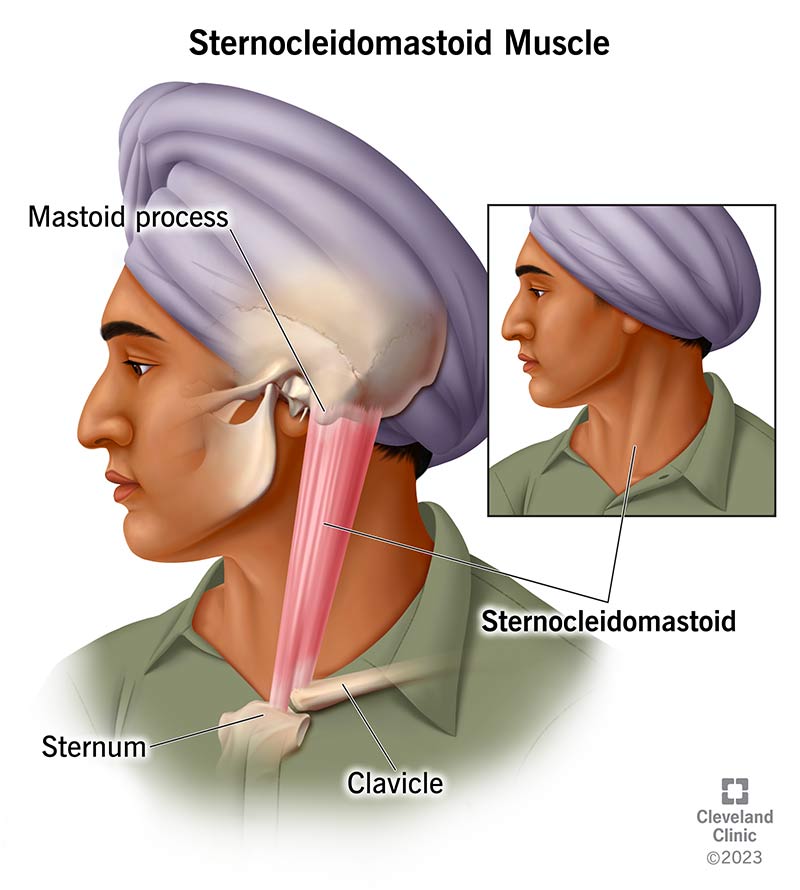
Sternocleidomastoid
Muscle originating at the sternum and clavicle and inserting into the mastoid process; rotates the head or pulls it downward.
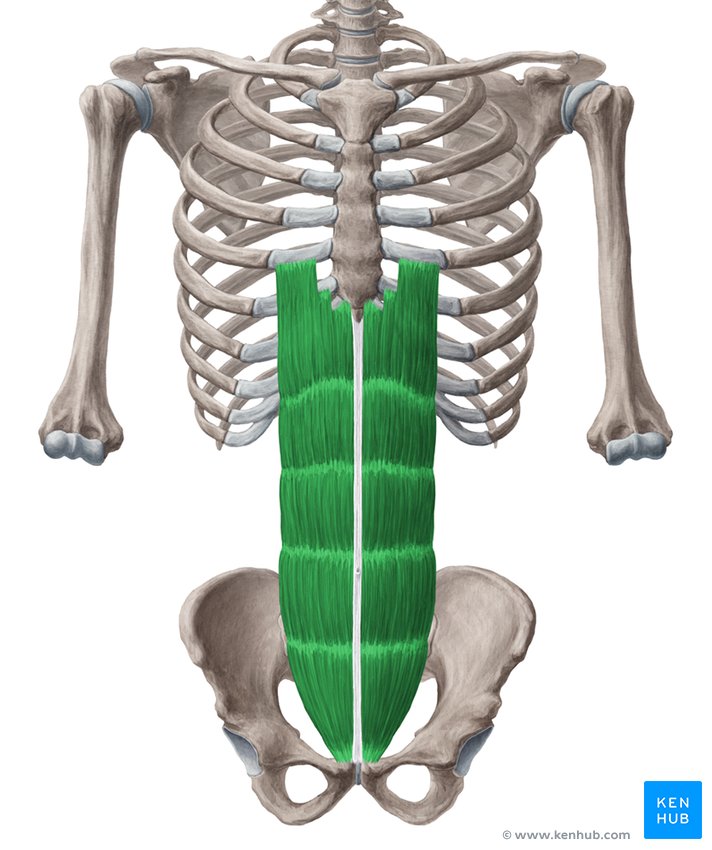
Rectus abdominis
Muscle originating at the pubic crest and symphysis; compresses the abdomen and flexes the vertebral column.
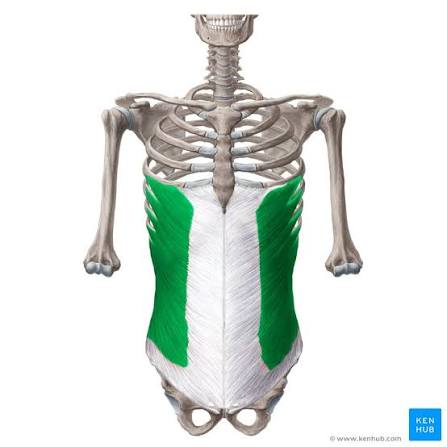
External oblique
Muscle originating at ribs 5 through 12; functions to compress the abdomen and rotate the body.