Disease and Healing: Inflammatory Process
 Call Kai
 Learn
Learn Practice Test
 Spaced Repetition
 Match
Match Flashcards
 Knowt Play
1/69

There's no tags or description
Looks like no tags are added yet.
Name | Mastery | Learn | Test | Matching | Spaced | Call with Kai | Chat |
|---|
No analytics yet
Send a link to your students to track their progress
70 Terms
Cellular adaptation is a reversible, structural, and functional response that allows a cell to achieve a new steady state and survive. This is a response to what 2 types of stress?
Physiological stress
Pathological stimuli

What are the 4 types of cellular adaptation?
Hypertrophy
Atrophy
Hyperplasia
Metaplasia

What is hypertrophy?
An increase in cell size, leading to an enlarged organ (ex: skeletal muscle growth or hypertrophy due to high blood pressure)
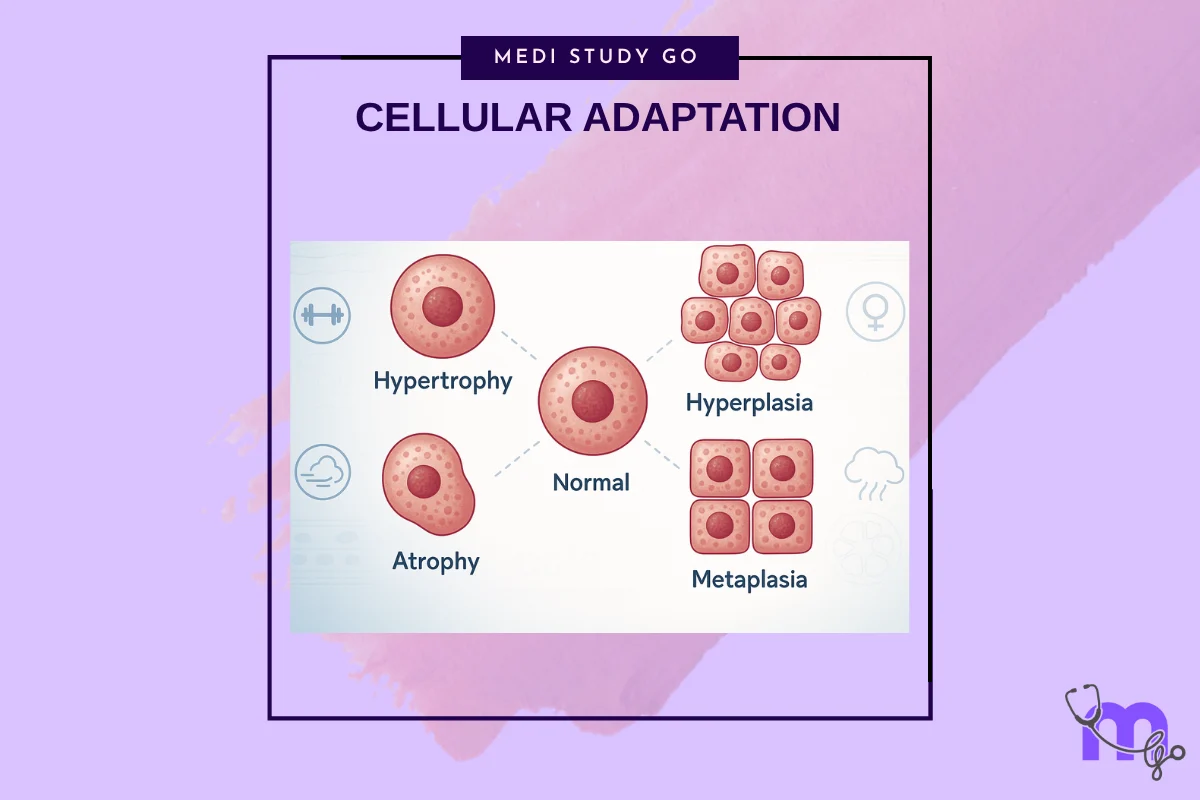
What is atrophy?
A decrease in cell size and functional capacity due to reduced metabolic demand, disuse, or aging (ex: shrinking of uterus after pregnancy)
What is hyperplasia?
An increase in cell number resulting from heightened division
What is metaplasia?
The replacement of one mature cell type by another resilient cell type in response to chronic stress, injury, or irritation
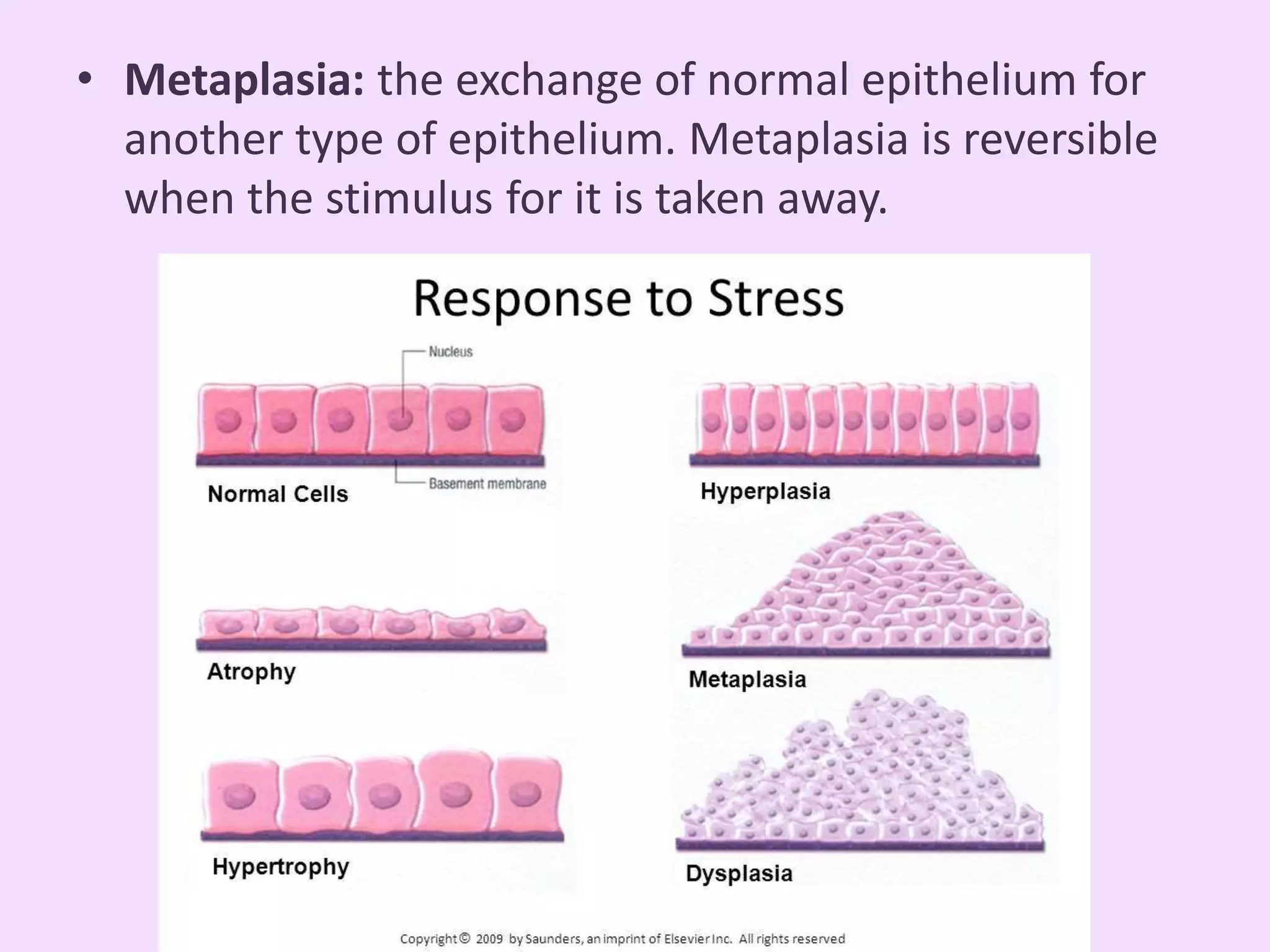
Explain the adaptive limits of cells:
If the intensity or duration of the stress surpasses the cell’s adaptive capacity, there can be true cell injury or death
Coronary v.s. Carotid arteries:
Coronary: Supplies blood directly to heart muscle
Carotid: Supplies blood to the brain

What are the 2 types of cell death?
Necrosis
Apoptosis
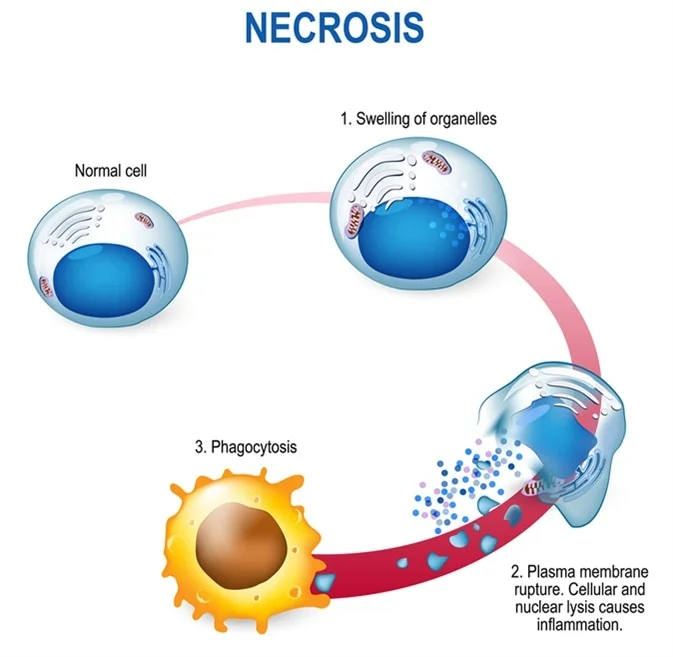
What is necrotic cell death?
Cell death that is accidental and uncontrolled. Caused by loss of blood supply, exposure to toxins, cellular swelling, protein denaturation. Results in tissue dysfunction.
What is apoptosis?
Energy-dependent programmed cell death that safely eliminates damaged, old, or unneeded cells without causing inflammation. Dead cells are removed with minimal disruption of the surrounding tissue.

What are the 8 causes of cell injury?
Hypoxia
Chemical Agents
Infectious Agents
Genetic Defects
Immunologic Reactions
Nutritional Imbalences
Physical Agents
Aging

What are the 3 ways oxygen deprivation (hypoxia) causes cell injury?
Ischemia: loss of blood supply in a tissue due to impeded arterial flow or reduced venous drainage
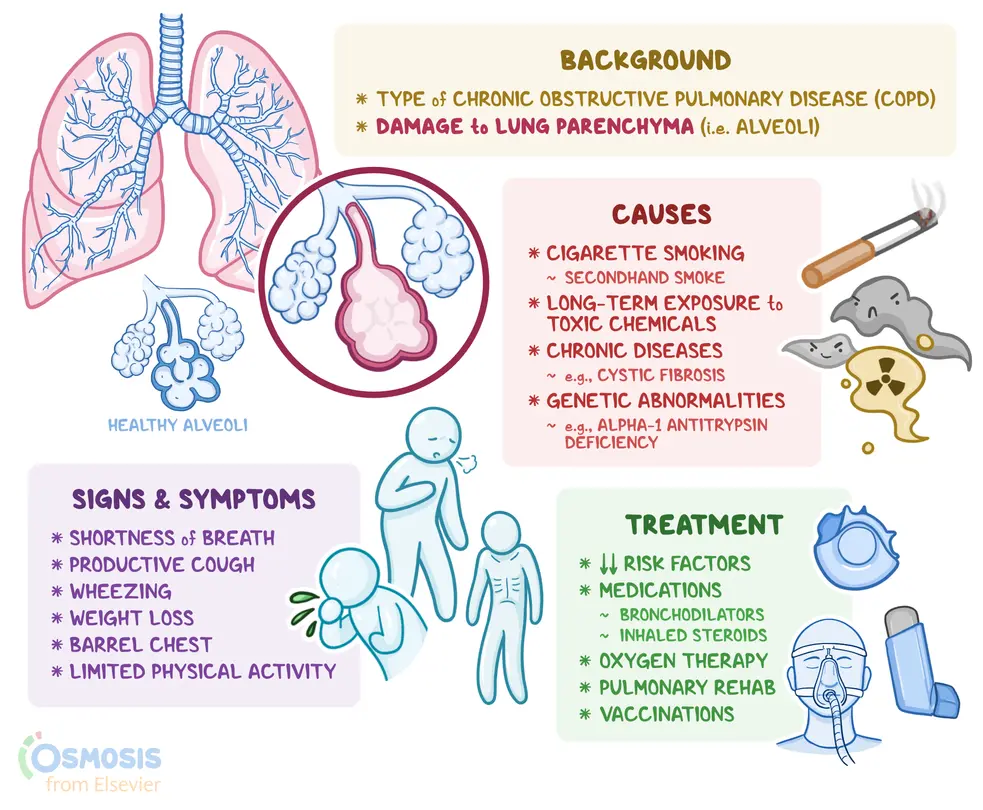
Inadequate oxygenation: pneumonia and emphysema
Reduced oxygen carrying capacity of the blood: anemia

What is ischemia?
Loss of blood supply in a tissue due to impeded arterial flow or reduced venous drainage (ex: tourniquet, blood clots, low blood pressure)

What is anemia?
Reduced oxygen carrying capacity of the blood

What is pneumonia and emphysema?
Caused by inadequate oxygenation. Emphysema is a chronic lung disease that destroys the walls of air sacs, causing a weaker defense system, leading to pneumonia
Give examples of how chemical agents cause cell death:
Any chemical substance can cause cell injury (salt, water, oxygen).Ethanol (whiskey, beer, vodka) causes liver injury that is reversible initially → chronic ethanol abuse will lead to irreversible injury
What are infectious agents that can cause cell injury?
Viruses, bacteria, worms, fungi, protozoan, prions

What are the immunologic reactions that cause cell injury?
Anaphylactic shock → exaggerated immune response
Auto-immune diseases → loss of self-tolerance
What is anaphylactic shock?
A severe, sudden, life-threatening allergic reaction that causes a drop in blood pressure and narrows airways
What are auto-immune diseases?
Loss of self-tolerance
→ Body’s immune system mistakenly attacks healthy cells, tissues, and organs as foreign threats
→ Creates autoantibodies leading to chronic inflammation

Describe physical agents that cause cell death:
Trauma (cuts, bruises, concussions) burns, cold (frostbite)

Describe how aging causes cell injury:
Repeated trauma, imperfect restoration of structure or function, cellular senescence
What is cellular senescence?
Biological state in which damaged or aging cells permanently stop dividing but remain metabolically active

What does response to injurious stimuli depend on?
Type of injury, duration, and severity

The consequence of injury depend on the type, adaptability and genetic makeup of the injured cell. Give an example of how this can be reversible or irreversible:
Striated skeletal muscle can accommodate 2-3 hrs of complete ischemia without irreversible injury. Cardiac muscle can tolerate 20-30 min and the brain can only tolerate 4-5 min

What is inflammation?
A protective response intended to eliminate the initial cause of cell injury as well as the necrotic cells and tissues resulting from the original result.

What is the purpose of inflammation?
To heal and reconstitute the sites of injury. It helps to clear infections, make wound healing possible, but has the potential to cause harm (heaves, asthma, anaphylaxis)

Describe how inflammation is interwoven with repair processes:
→ Damaged tissue is replaced by regenerated new tissue
→ Residual defect is filled with fibrous scar tissue
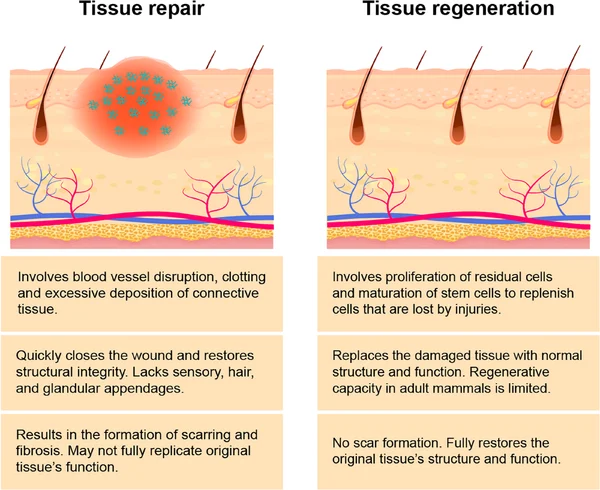
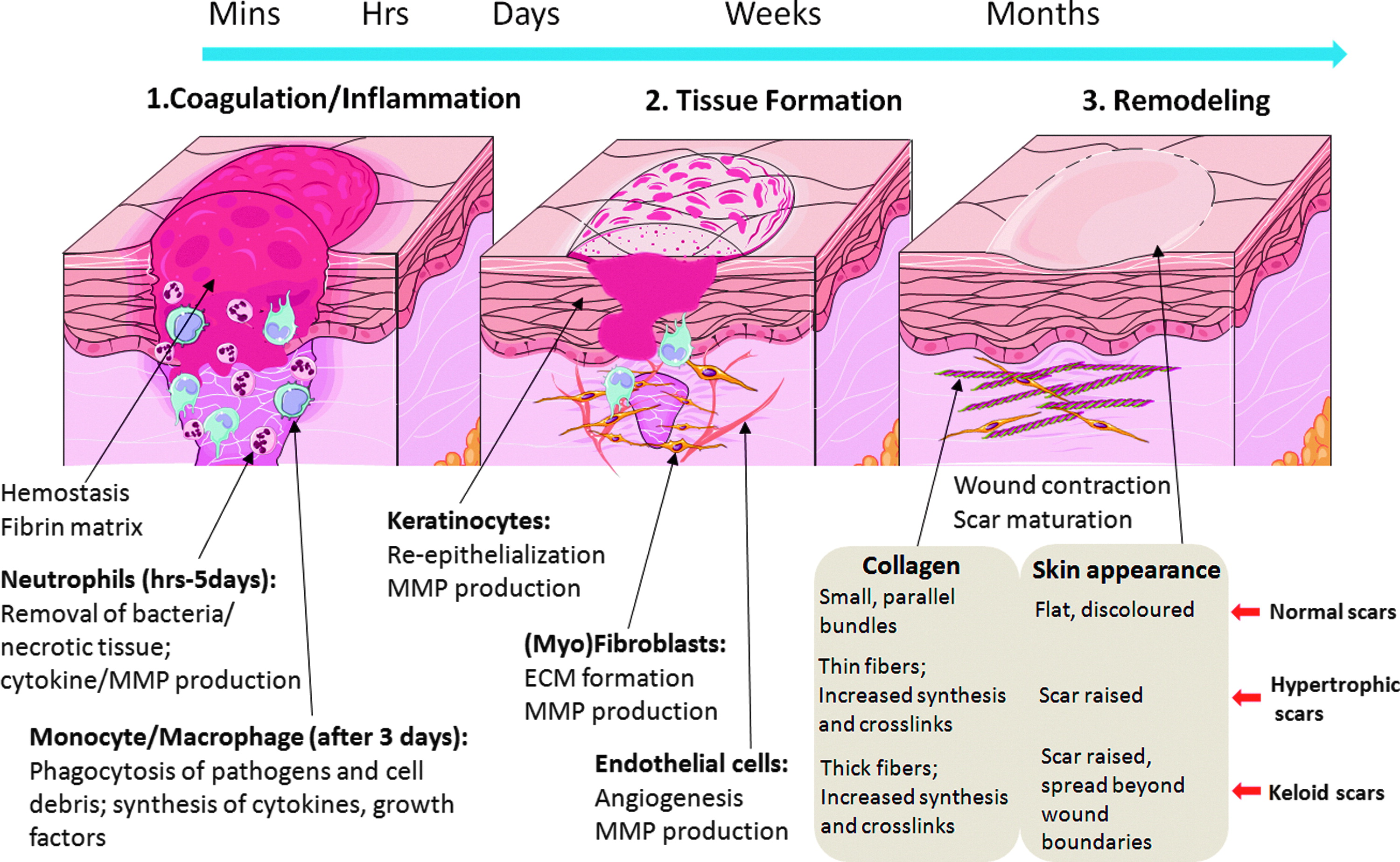
What are the key processes of tissue repair?
Inflammation phase → Regeneration Pathway → Fibrous Repair Pathway (replacement) → Granulation Tissue Formation → Remodeling and Scarring

What is acute inflammation?
The immune systems immediate and early response to injury or infection. Designed to deliver leukocytes to sites of injury.

What are the 5 signs of inflammation?
Redness
Heat
Swelling
Pain
Loss of Function
What are the purpose of leukocytes in acute inflammation?
Leukocytes clear any invading microbes and begin the process of cleaning necrotic tissue
What are the 2 components of acute inflammation?
Vascular changes
Cellular events
Describe vascular changes in acute inflammation:
Initial vasoconstriction (to stop bleeding), followed by vasodilation (increased blood flow)

Describe the overall cellular events in acute inflammation:
Cellular recruitment and activation → leukocytes migrate

What are leukocytes?
White blood cells that protect the body from infections, diseases, and foreign bodies

What are the 5 types of leukocytes?
Neutrophils
Eosinophils
Basophils
Lymphocytes
Monocytes
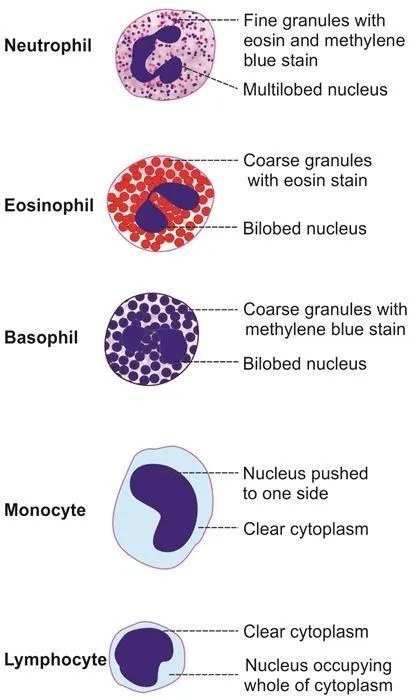
Which types of leukocytes contain granules in their cytoplasm (granulocytes)?
Neutrophils, Eosinophils, Basophils

Which type of leukocytes are considered agranulocytes?
Lymphocytes and Monocytes

What is a granulocyte?
A specific white blood cell (leukocyte) that releases enzyme-filled granules to fight infections and manage immune responses

What is the most abundant type of leukocyte and are first responders to infections?
Neutrophils
What are the 6 steps to acute vascular and cellular changes during inflammation?
Initial vasoconstriction (secs) to stop bleeding, platelet aggregation, blood coagulation
Vasodilation (cause of redness & heat of area, by histamine release): to bring in leukocytes
Increase vascular permeability
Neutrophils will transmigrate through intercellular junction to the extracellular matrix
Leukocytes release chemical mediators
Phagocytosis
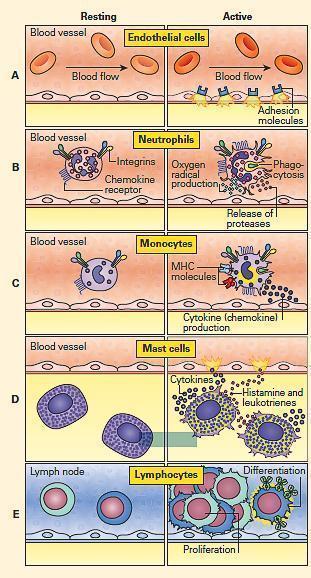
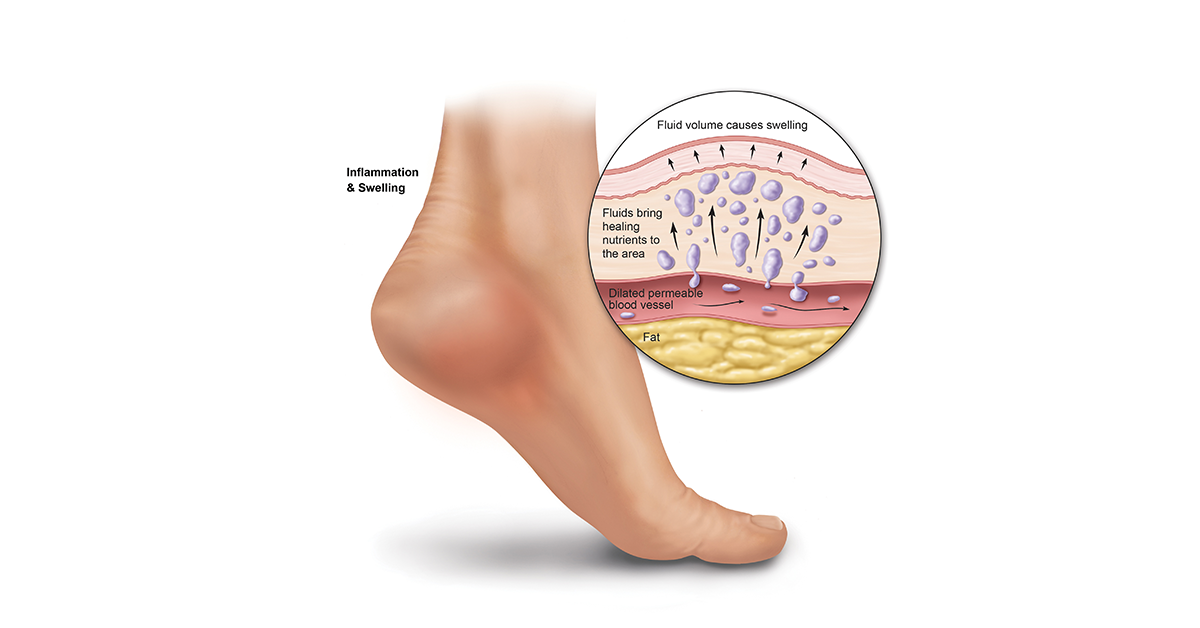
During vascular changes of inflammation, explain what occurs during the increase of vascular permeability:
Protein-rich fluid in extracellular tissue (exudate), causes edema/swelling. Blood becomes more viscous and circulation slows down
What are the chemical mediators that leukocytes release?
Histamine, cytokines, leukotrienes, prostaglandins. These recruit more leukocytes to the site of injury

What is phagocytosis?
Leukocyte will ingest (engulfment) injurious particle, which will led to degradation of the ingested material. This serves both to kill bacteria or virus and also to clean up dead cells

What is the overall steps to inflammation?
Marination → Rolling Adhesion → Firm Adhesion → Transmigration → Phagocytosis

What are the 3 outcomes of acute inflammation
Resolution
Scarring or Fibrosis
Progression to chronic inflammation

What is the resolution of acute inflammation?
When injury is limited or short-lived, minimal tissue damage, tissue is capable of replacing any irreversibly injured cell (dead) with new perfect and functional cells. It means the tissue is as perfect as new, morphological and functionally
What is scarring or fibrosis of acute inflammation?
After substantial tissue damage, or when injury occurs to tissue that does not regenerate. In cases of abscess formation (bacteria, neutrophils, dead cells → pus): only outcome is scarring
Describe how acute inflammation can progress to chronic:
Persistent viral or bacterial infection → can lead to complete regeneration or fibrosis
What is chronic inflammation? How does it arise?
Prolonged inflammation where the body continuously tries to heal and repair tissue damage. Caused by persistent microbial infection (tuberculosis, fungi), prolonged exposure to toxic agents, and autoimmune disease (multiple sclerosis, rheumatoid arthritis)

What is active inflammation? Give examples.
Tissue healing and injury occurs during simultaneously (arthritis, heaves, asthma)
What is angiogenesis?
New capillary blood vessels form from pre-existing blood vessels. Triggered by hypoxia and chronic inflammation.

What are the 2 types of chronic inflammation?
Granulomatous
Non-graulomatous

What is granulomatous inflammation?
Formation of granuloma, isolating the insulting site. Granuloma wall is fibrous tissue, separating the causative agent and areas of necrosis (Tuberculosis, mechanical irritation from foreign body)
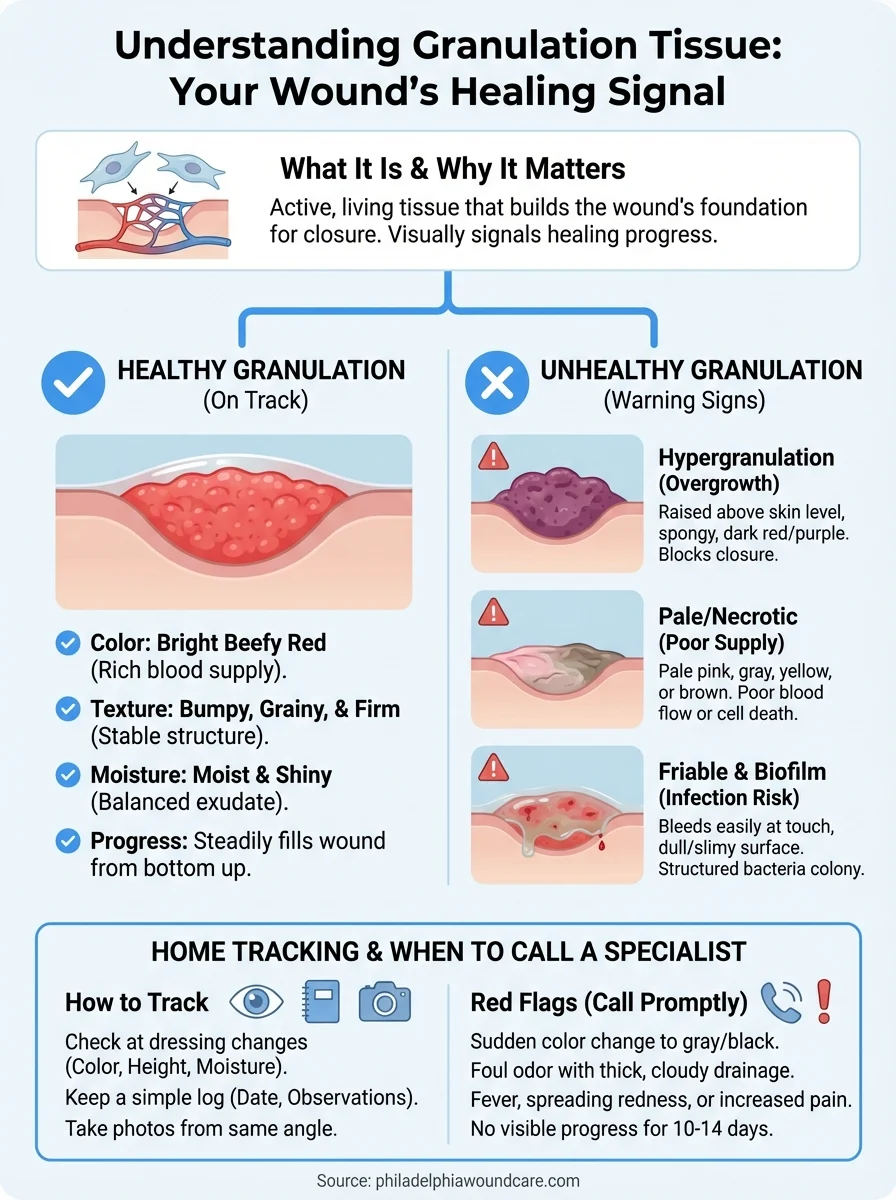
What is non-granulomatous inflammation?
Diffuse of white blood cells or necrosis without forming clusters. Fibrosis typically occurs. (Chronic viral infection such as hepatitis, chronic auto-immune diseases like rheumatoid arthritis)
Why is the extracellular matrix important for repair and regeneration?
Coordinates the growth, movement, and differentiation of cells during tissue repair. It offers mechanical support, determination of cell orientation, control of growth, organized regeneration of tissues.
What occurs when the ECM does not do its job properly?
Scar, fibrosis, and loss of function can occur
What are the components of ECM?
→ Collagen: conference tensile strength
→ Elastin: recoil and return to baseline structure
→ Glycosaminoglycans & Hyaluronic acid: highly hydrated compressible gels conferring resilience and lubrication
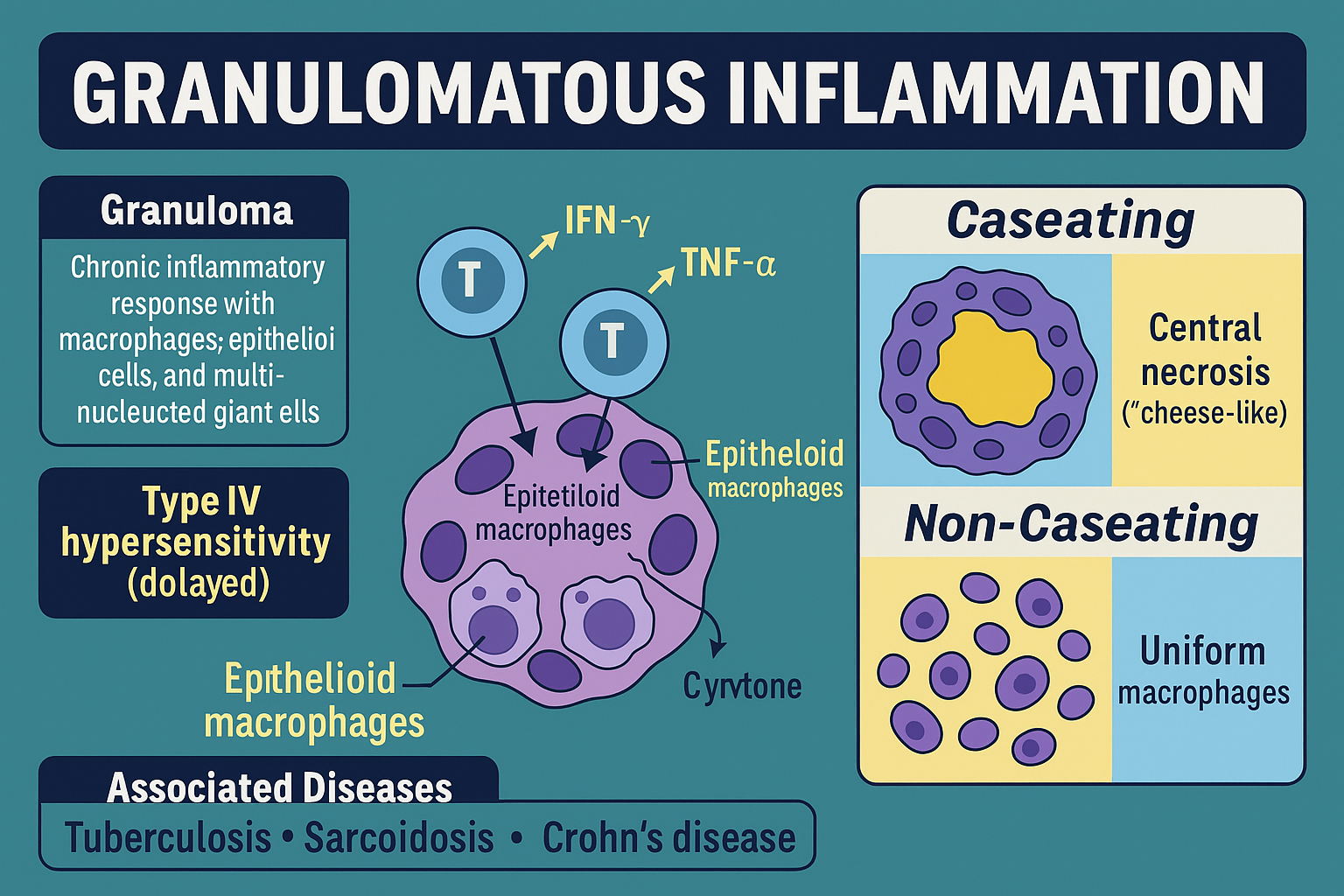
What tissue is essential for healing and cannot heal without it?
Granulation tissue
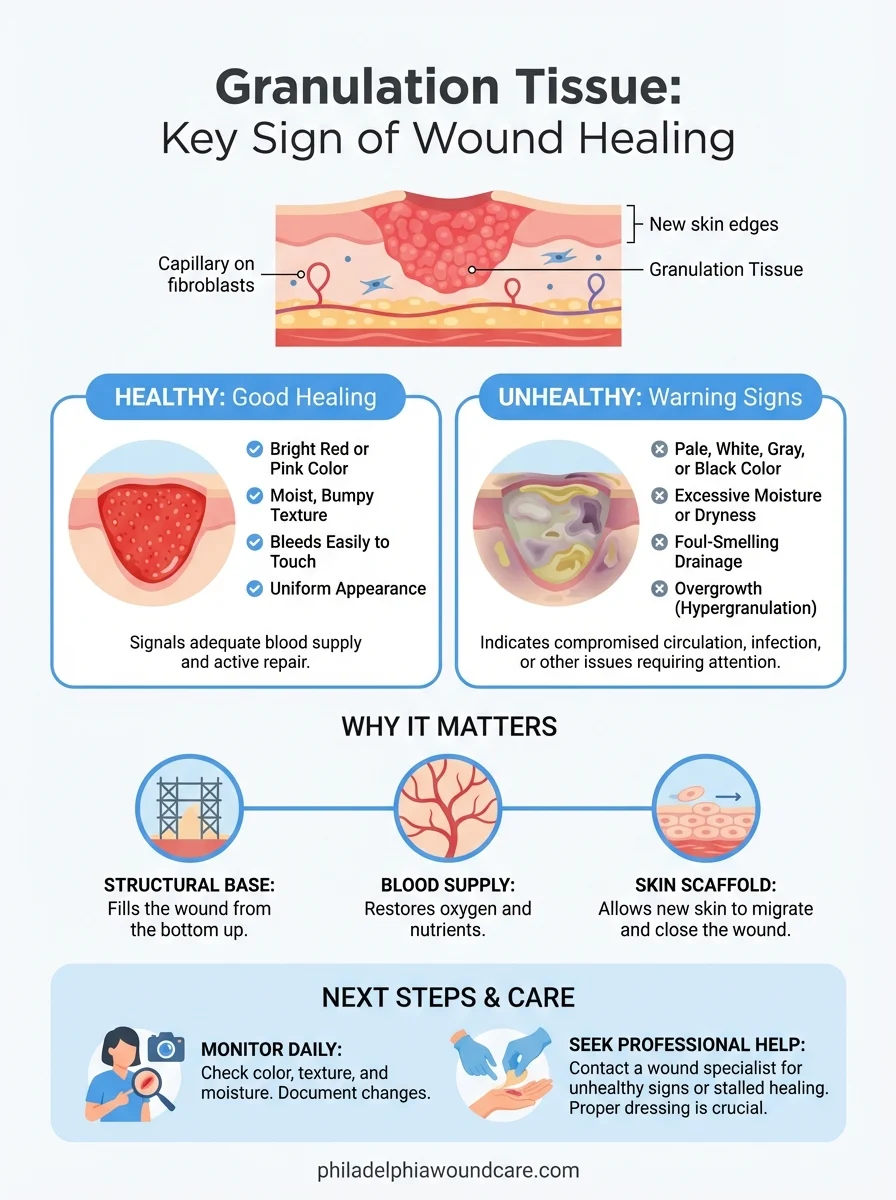
Fibrosis can occur when an injury is repaired by connective tissue. Why and when does this occur?
Repair occurs by replacement of what should be normally functioning cells with connective tissue with severe or persistent tissue injuries. Too much granulation tissue can form (angiogenesis, fibroblasts, loose ECM), causing it to become fibrotic tissue
Granulation tissue is highly populated with macrophages. What does this allow?
Clears debris and allows for fibroblast proliferation and ECM production
What happens when too much granulation tissue deposits?
What is the % of tissue wound strength when carefully sutured?
70% of normal strength of unwounded tissue
What is the % of tissue wound strength when suture is removed?
10% of normal strength of unwounded tissue
What is the % of tissue wound strength 3 months after suture is removed?
70-80% strength of normal strength
What is wound healing?
A very organized event of specialized cells where they first clean the injured site and progressively build the scaffolding to fill any resulting defect
What is first intention wound healing?
(Primary) Clean, uninfected surgical incision approximated by suture. Cells are regenerated, maintain normal function, and scarring is minimal.

What is second intention wound healing?
(Secondary) Open wound, abscesses, and ulcerations heels naturally from the bottom up. Normal architecture is not achieved, extensive growth of granulation tissue, and results in fibrotic scar formation
