Insight advanced L3 unit 3
 Call Kai
 Learn
Learn Practice Test
 Spaced Repetition
 Match
Match Flashcards
 Knowt Play
1/34

There's no tags or description
Looks like no tags are added yet.
Name | Mastery | Learn | Test | Matching | Spaced | Call with Kai |
|---|
No analytics yet
Send a link to your students to track their progress
35 Terms

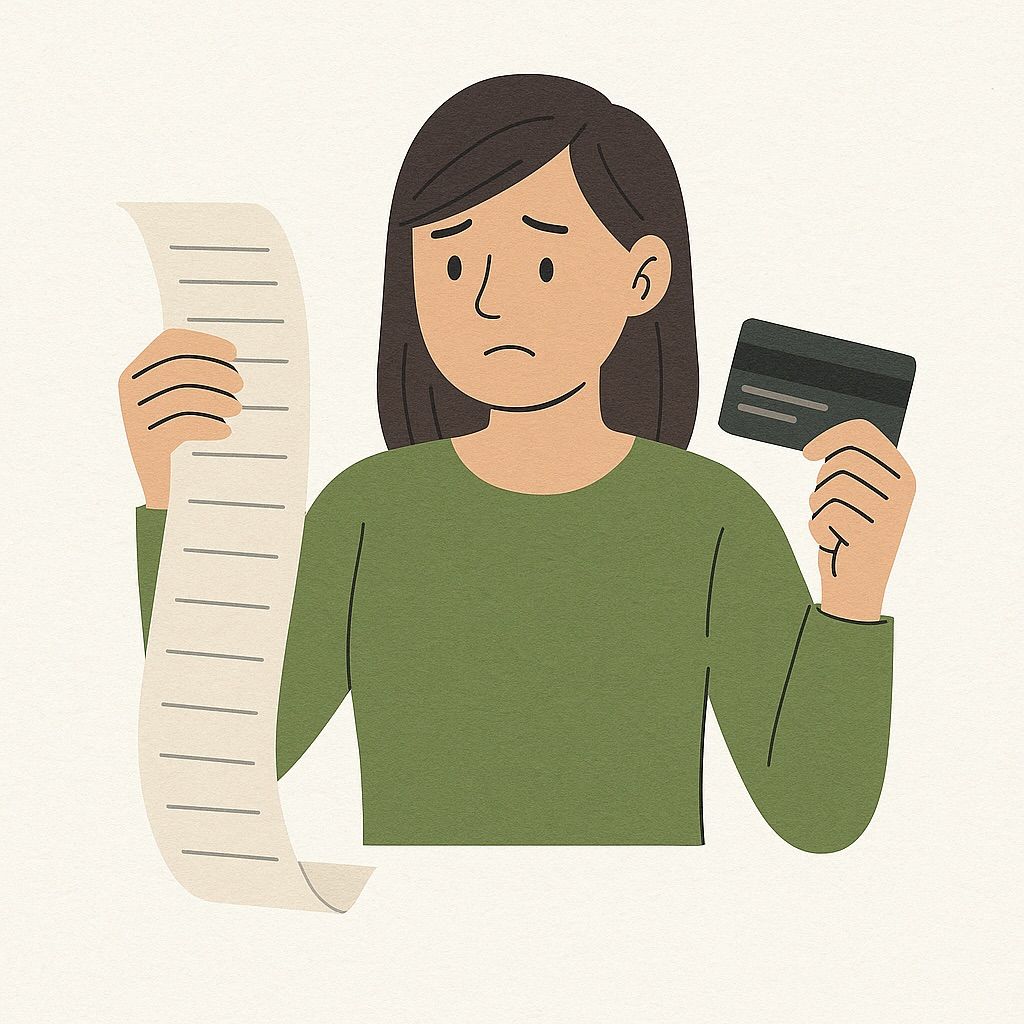
Splash out on (phrasal verb)
To spend a lot of money on something, especially something that is not essential but enjoyable or luxurious.
She splashed out on a designer handbag for her birthday.
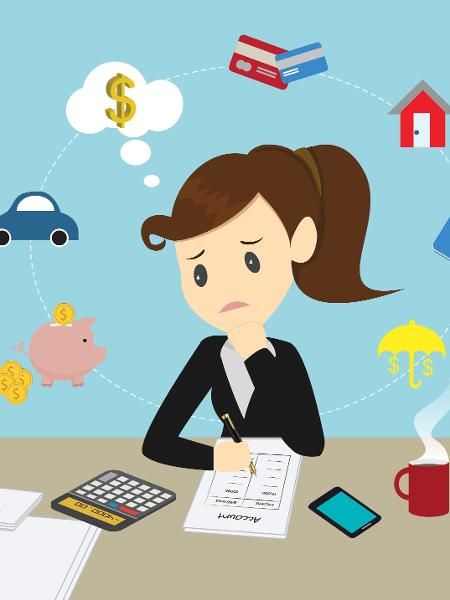
Live beyond someone´s means (idiom)
To spend more money than one can afford; living a lifestyle that one's income cannot support.
He's living beyond his means by renting such an expensive apartment.
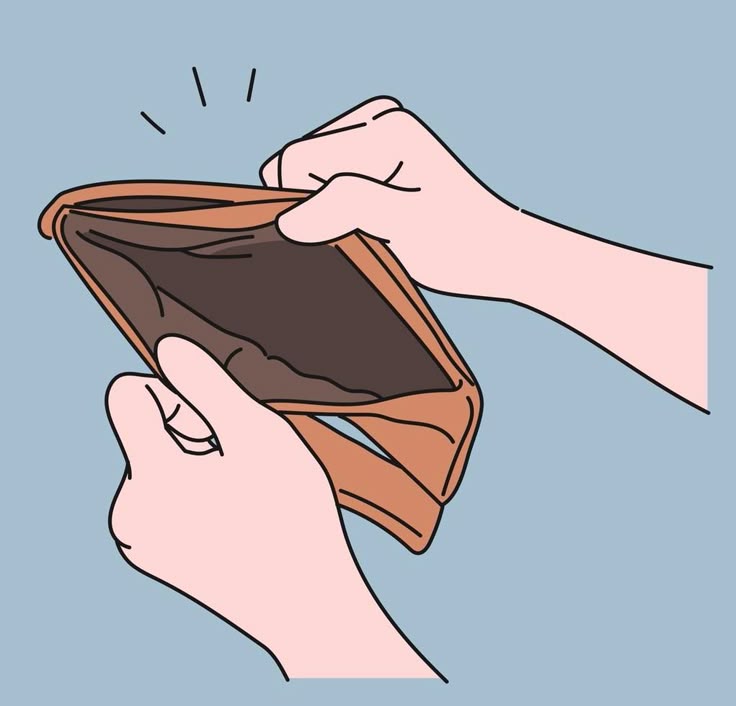
Struggle to make ends meet (idiom)
To have difficulty paying for basic living expenses due to low income or high costs.
After losing her job, she struggled to make ends meet every month.
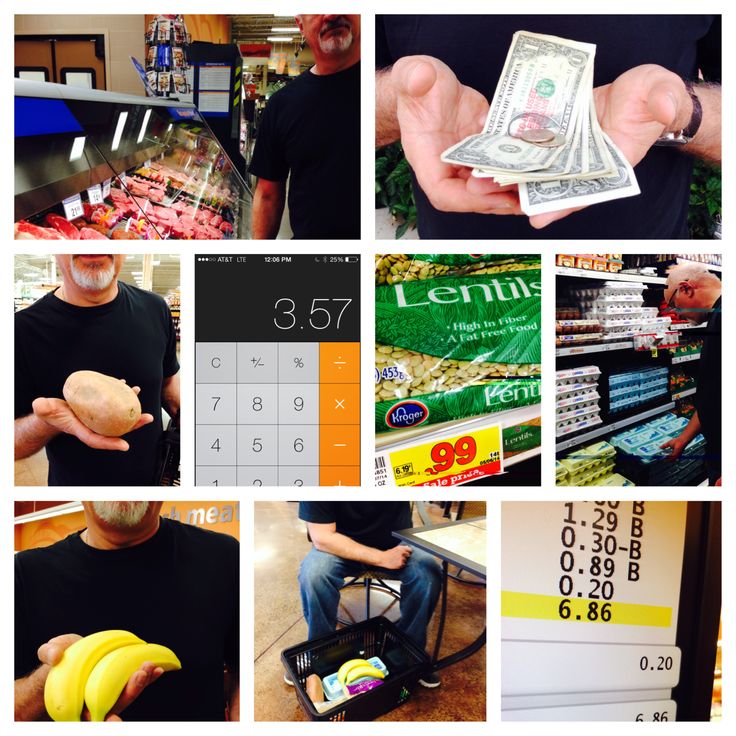
To be strapped for cash (idiom)
To not have enough money; to be short on cash temporarily.
I'm a bit strapped for cash right now, so I can't go out this weekend.

To be frittered away (phrasal verb)
To waste money, time, or resources little by little on unimportant things.
His inheritance was frittered away on unnecessary gadgets and parties.
He frittered away a fortune on fast cars and gambling.
Live on the breadline (idiom)
To have very little money to live on; to be just above the poverty level.
Many families are living on the breadline due to rising living costs.
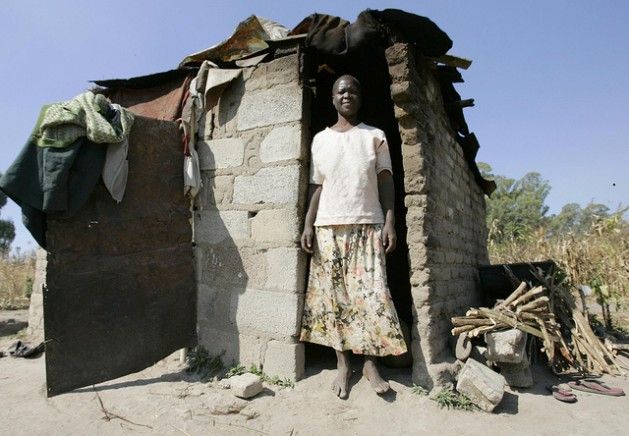
Poverty-stricken (compound adjective)
Extremely poor; suffering from severe financial hardship.
The poverty-stricken region received international aid after the flood.
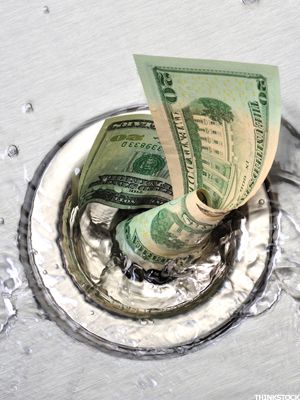
Squander (verb)
To waste money, time, or opportunities foolishly or irresponsibly.
He squandered his fortune on gambling and luxury cars.
They squandered the profits on expensive cars.
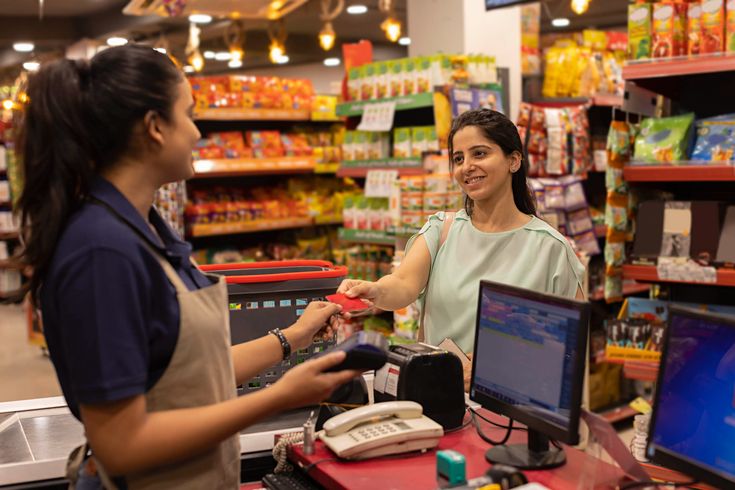
Retail (noun)
The sale of goods in shops to customers, for their own use and not for selling to anyone else
We are looking for more retail outlets for our products.
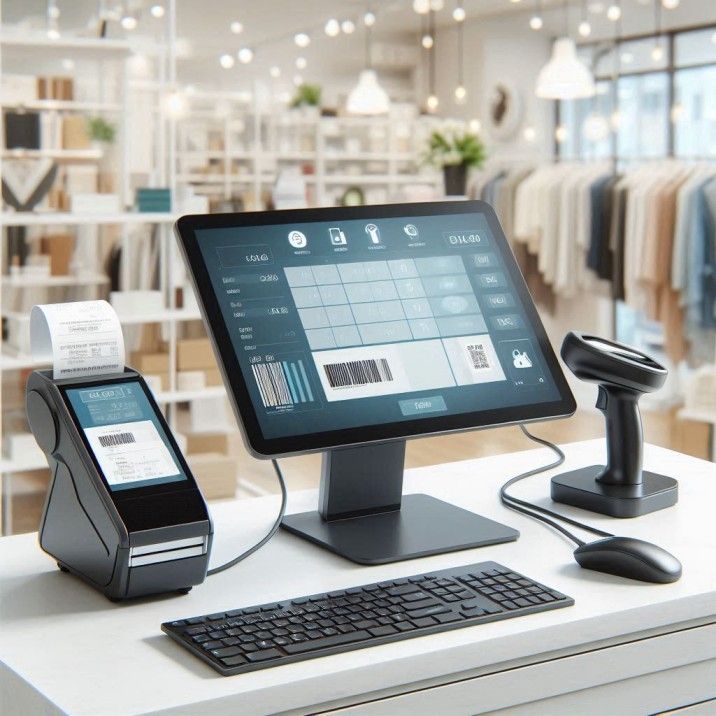
Point of sale (noun)
The place and time where a retail transaction occurs, where the customer pays for goods or services.
The cashier scanned the items at the point of sale and handed the customer a receipt.

Merchandise (noun)
Goods that are bought and sold, especially in a store.
The store's merchandise includes clothing, shoes, and accessories.
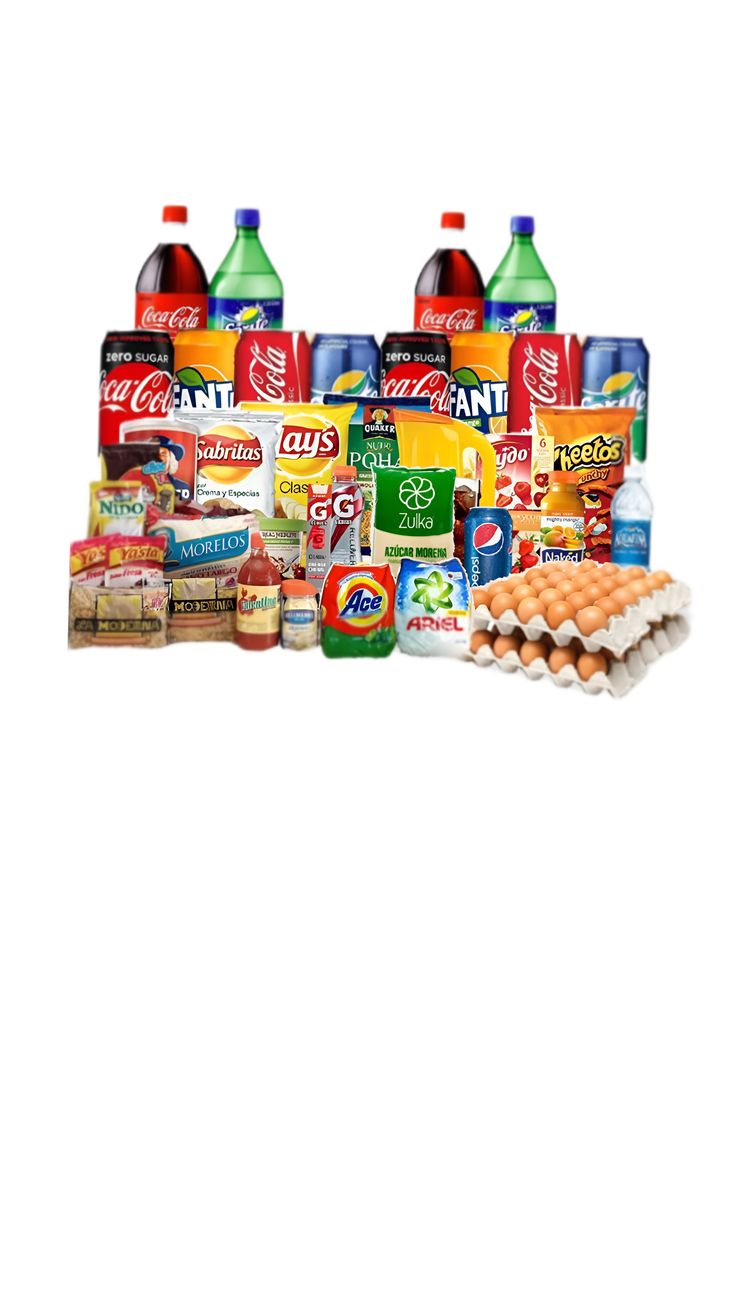
Line (of products, cosmetics, clothing)
A range or category of similar products offered by a company.
The company launched a new line of organic skincare products.
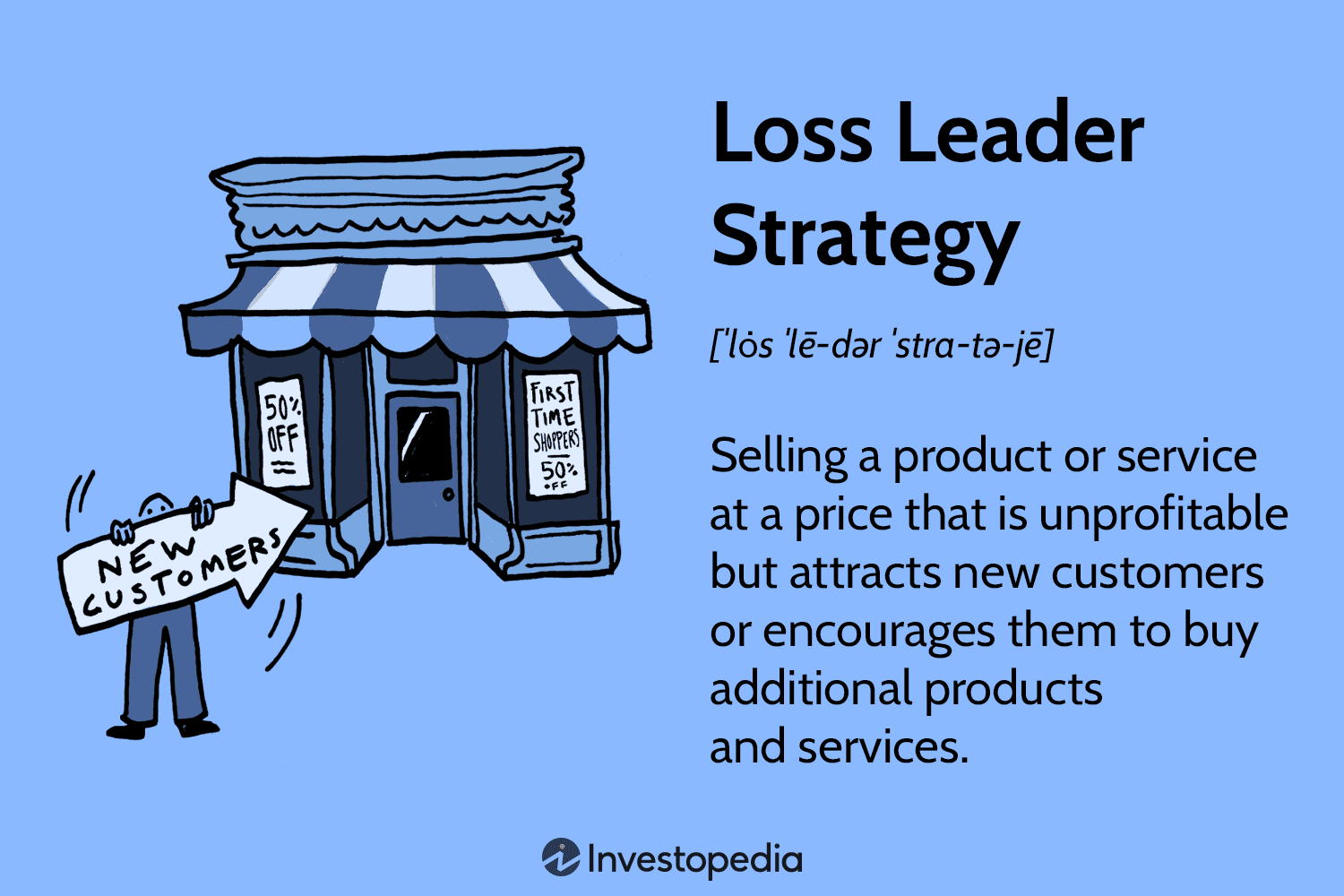
Loss leader (noun)
A product sold at a low price (often below cost) to attract customers to buy other items.
The supermarket used cheap milk as a loss leader to bring people into the store.
Supermarkets sometimes sell bread as a loss leader to bring in customers for other, more expensive goods
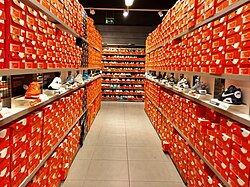
Outlet (noun)
A store that sells products directly from a manufacturer, often at a discount.
She bought her shoes at a Nike outlet for half the original price.
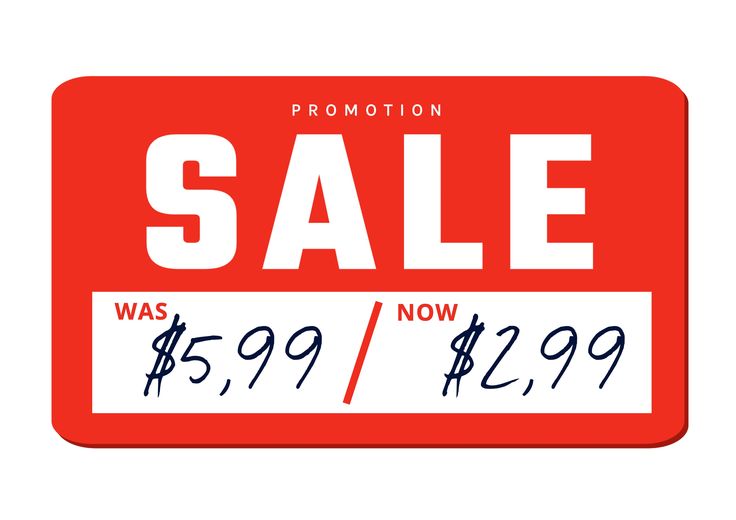
Seconds (noun)
Goods that are sold at a reduced price because of minor defects or imperfections.
He bought a pair of jeans labelled as seconds because they had a small stitching error.
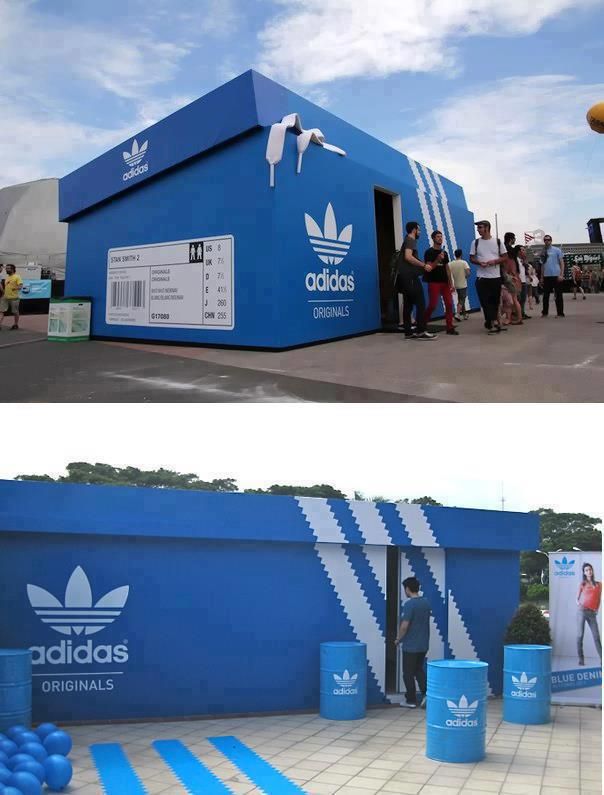
Pop-up (adjective)
A temporary retail store that opens for a short period, often to promote a product or brand.
A pop-up coffee shop opened downtown for the weekend festival.
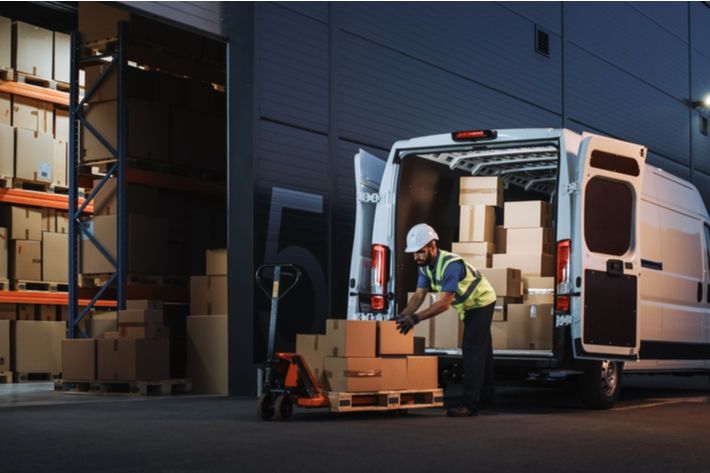
Supplier (noun)
A person or company that provides goods or materials to another business.
The bakery’s flour supplier delivers every Monday.

Gain (verb) (market share, experience, access))
To obtain or increase something, especially over time.
She gained valuable experience during her internship.

Outstrip (verb) (supply, rivals, inflation)
To go faster or do better than someone/something.
Tradu: sobrepasar, superar.
Their company outstripped all competitors in terms of sales.

Conduct (verb) (market research, a survey, market analisys)
To carry out or organize an activity or process.
They a campaign of bombings and assassinations.
The scientists conducted an experiment to test the hypothesis.

Launch (verb) (a product, an advertising campaign, an investigation)
To start or introduce something new (e.g., a project, campaign, or product).
The organization has launched a campaign to raise $150,000.
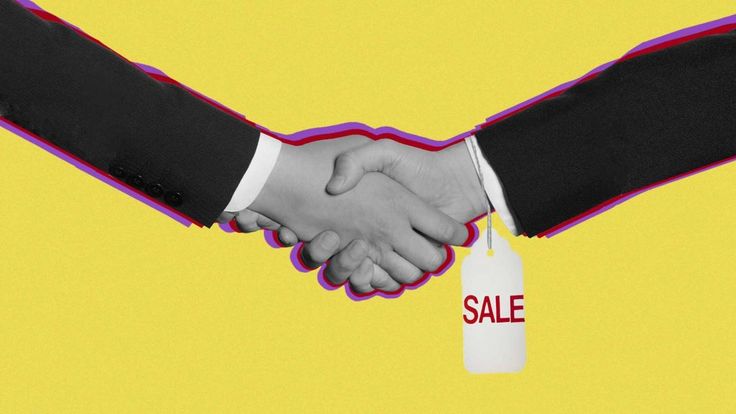
Make (verb) (a deal, a loss, a profit)
To create or produce something.
He made a detailed report for the meeting

Set up (verb) (a display, a company, an advertising agency)
To establish or arrange something.
They set up a new branch office in Madrid.
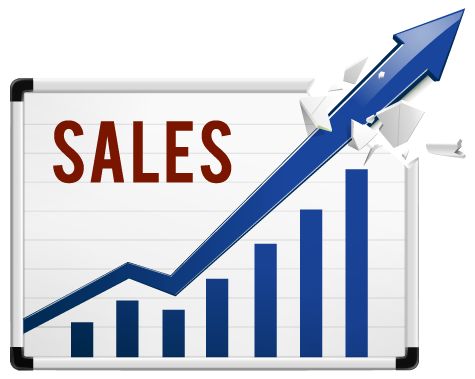
Boost (verb) 8sales, profits, productivity)
To increase or improve something.
The new resort area has boosted tourism.

Manipulate (verb) (minds, public opinion, data)
To control or influence something or someone, often in a clever or unfair way.
He manipulated the data to make the results look better.

Soar (verb)
To rise quickly and high.
Temperatures are expected to soar above 40°C tomorrow.

Surge (verb)
sudden, strong increase.
.The crowd surged through the gates.

Slump (noun)
A sudden or prolonged decline or fall.
The war was followed by an economic slump.
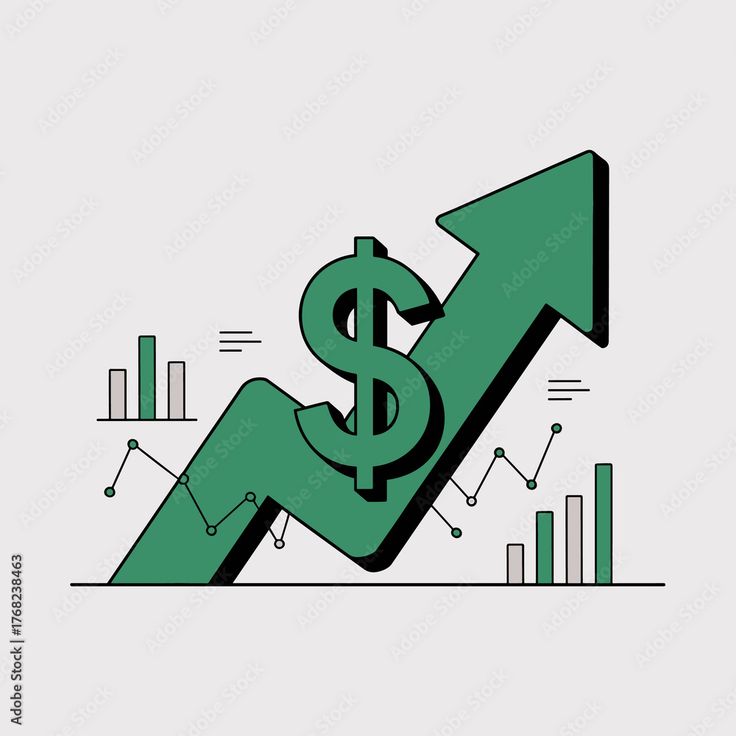
Rocket (verb)
To rise very quickly and suddenly.
Housing prices have rocketed in the last year.
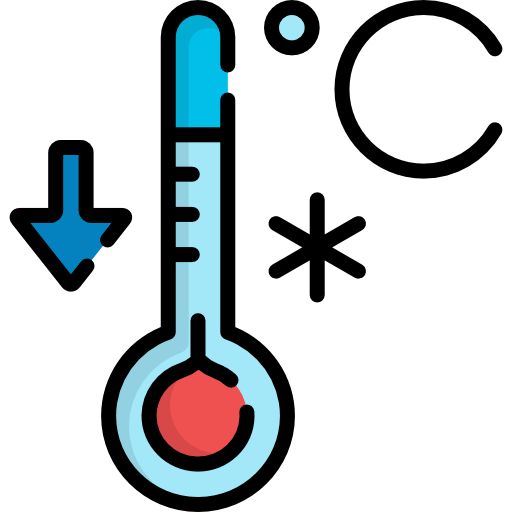
Dip (noun)
A small or temporary decrease.
There was a slight dip in temperatures overnight.

Plummet (verb)
To fall very fast and suddenly.
The bird plummeted to the ground after being hit.
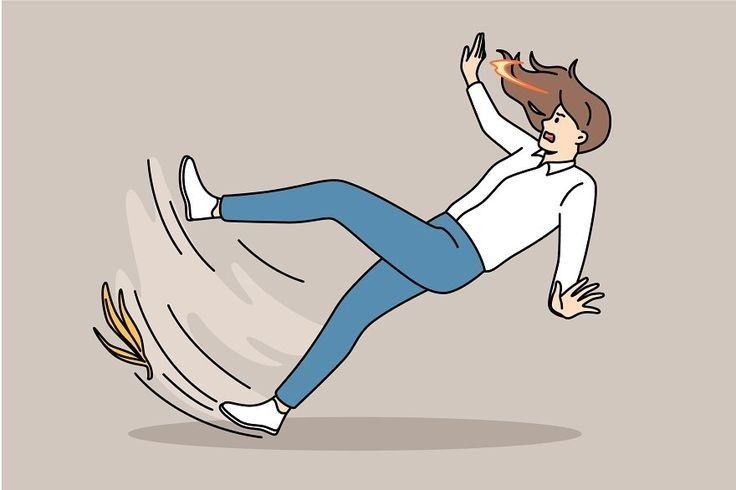
Tumble (verb)
To fall quickly and suddenly.
Stock prices tumbled after the announcement.
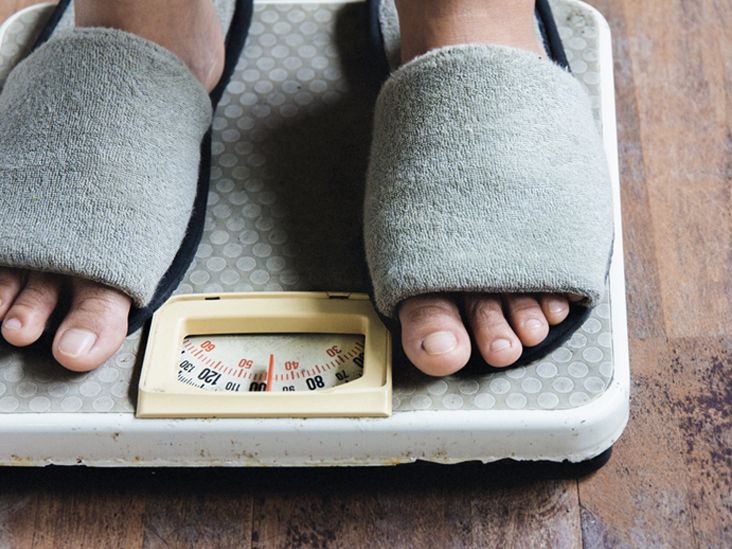
Fluctuate (verb)
Changing frequently in level, strength, or value.
Oil prices have been fluctuating all month.
Sharp (adjective)
Sudden and significant (increase or decrease).
There was a sharp rise in unemployment.