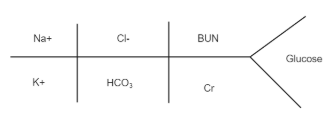
Lab Values

0.0(0)
Studied by 0 people
call kaiCall Kai
learnLearn
examPractice Test
spaced repetitionSpaced Repetition
heart puzzleMatch
flashcardsFlashcards
GameKnowt Play
Card Sorting

1/220

flashcard set

Earn XP

Description and Tags

Ch 4 2025 book

Last updated 10:13 PM on 6/24/26
Name
Mastery
Learn
Test
Matching
Spaced
Call with Kai

No analytics yet

Send a link to your students to track their progress

221 Terms

1
New cards

What is point-of-care (POC) testing, and what are some examples?

Rapid testing performed at the site of patient care that provides quick results;

Cardiac enzymes, A1C, INR, and infection testing

2
New cards
What is therapeutic drug monitoring (TDM)?
Obtaining drug levels or other labs to monitor efficacy and safety
3
New cards

What does a CBC evaluate?

WBCs, RBCs, platelets, H/H

4
New cards

What does hemoglobin (Hgb) measure?

The oxygen-carrying protein in red blood cells
5
New cards
What does hematocrit (Hct) measure?
The proportion of RBCs in the blood
6
New cards

What is analyzed in a CBC with differential?

The different types of white blood cells
7
New cards

What does a BMP assess?

Electrolytes, glucose, renal function, and acid-base status (HCO3 or bicarb)

8
New cards

What tests are included in a CMP?

all labs from BMP + Albumin, ALT, AST, total bilirubin, and total protein
9
New cards
What is the primary purpose of the additional tests in a CMP?
To assess liver function
10
New cards
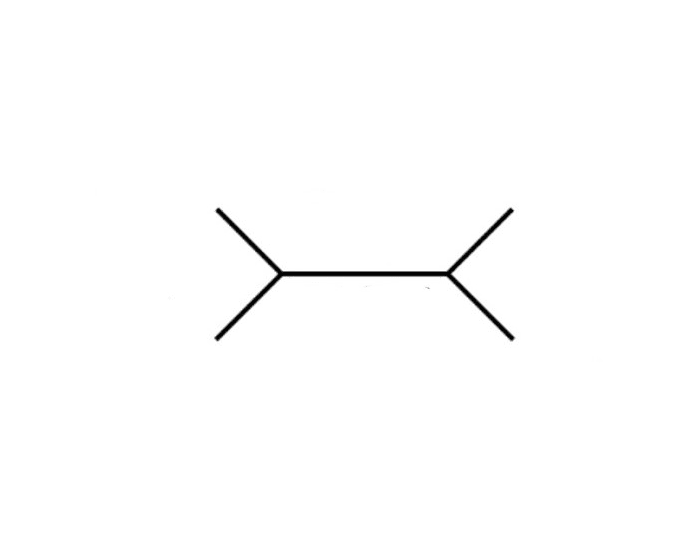
<p>fill in the blanks on this stick figure</p>

fill in the blanks on this stick figure

like dis
<p>like dis</p>
11
New cards
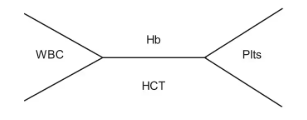
<p>fill in the blanks on this stick figure</p>

fill in the blanks on this stick figure

like dis

<p>like dis</p>
12
New cards
What are the three major blood cell lines produced by stem cells in the bone marrow?

RBC

WBC

PLT

13
New cards

What is another name for WBCs and what about RBCs?

Leukocytes; erythrocytes

14
New cards
What is an immature red blood cell called?
Reticulocyte
15
New cards

What is an increase in ___ called?

  1. WBCs

  2. RBCs

  3. platelets

  1. Leukocytosis

  2. Polycythemia

  3. Thrombocytosis

16
New cards

What is a decrease in ___ called?

  1. WBCs

  2. RBCs /Hgb

  3. platelets

  1. Leukopenia

  2. Anemia

  3. Thrombocytopenia

17
New cards
What is myelosuppression?
A decrease in WBCs, RBCs, and platelets
18
New cards
What is agranulocytosis?
A decrease in granulocytes (neutrophils, basophils, and eosinophils)
19
New cards
Which WBCs are classified as granulocytes?
Neutrophils, basophils, and eosinophils
20
New cards
Which drugs are commonly associated with agranulocytosis?
Clozapine, propylthiouracil, methimazole, procainamide, carbamazepine, isoniazid, and sulfamethoxazole/trimethoprim
21
New cards
Which WBCs are not granulocytes?
Lymphocytes and monocytes
22
New cards

What is the normal_____ range?

  1. total calcium

  2. ionized calcium

  1. 8.5–10.5 mg/dL

  2. 4.5–5.1 mg/dL

23
New cards
When should corrected calcium be calculated?
When albumin is low (not needed for ionized calcium)
24
New cards

What can ______ calcium levels?

  1. increase

  2. decrease

  1. Calcium supplements, vitamin D, and thiazide diuretics

  2. Loop diuretics, bisphosphonates, cinacalcet, steroids, calcitonin, foscarnet, topiramate, and long-term heparin

25
New cards
What is the normal chloride (Cl) range and purpose?
95–106 mEq/L; assesses acid-base status and fluid balance
26
New cards
What is the normal magnesium (Mg) range?
1.3–2.1 mEq/L
27
New cards

What can _____ magnesium levels?

  1. increase

  2. decrease

  1. Magnesium-containing antacids and laxatives

  2. PPIs, diuretics, amphotericin B, foscarnet, echinocandins, diarrhea, and chronic alcohol use

28
New cards
What is the normal phosphate (PO4) range?
2.3–4.7 mg/dL
29
New cards

What can _____ phosphate levels?

  1. increase

  2. decrease

  1. CKD

  2. Phosphate binders, foscarnet, and oral calcium

30
New cards
What is the normal potassium (K) range?
3.5–5 mEq/L
31
New cards

What drug classes commonly increase potassium levels?

RAAS inhibitors, potassium supplements, calcineurin inhibitors, TMP-SMX, NSAIDs, and selected drugs (e.g., pentamidine, canagliflozin)

32
New cards

What drug classes commonly decrease potassium levels?

Diuretics, beta-2 agonists, insulin, sodium polystyrene sulfonate, steroids, and conivaptan

33
New cards
What is the normal sodium (Na) range?
135–145 mEq/L
34
New cards

What can ___ sodium levels?

  1. increase

  2. decrease

  1. Hypertonic saline, tolvaptan, and conivaptan

  2. Carbamazepine, oxcarbazepine, SSRIs, diuretics, and desmopressin

35
New cards
When should sodium be corrected before interpretation?
When hyperglycemia is present
36
New cards
What is the normal bicarbonate (HCO3−) range?

Venous: 24–30 mEq/L;

Arterial: 22–26 mEq/L

37
New cards
What is bicarbonate used to assess?
Acid-base status
38
New cards

What can _____ bicarbonate levels?

  1. increase

  2. decrease

  1. Loop diuretics and systemic steroids

  2. Topiramate, zonisamide, and salicylate overdose

39
New cards

What is the normal BUN range? and what is BUN used for?

7–20 mg/dL; With SCr (BUN:SCr ratio) to assess fluid status and renal function

40
New cards
What can increase BUN levels?
Renal impairment and dehydration
41
New cards
What is the normal serum creatinine (SCr) range?
0.6–1.3 mg/dL
42
New cards

What can increase SCr levels?

Renal dysfunction or nephrotoxic drugs (e.g., aminoglycosides, amphotericin B, cisplatin, cyclosporine, NSAIDs, tacrolimus, vancomycin)

43
New cards

Which drugs can falsely increase SCr?

TMP-SMX, H2RAs, and cobicistat
44
New cards

What can decrease SCr levels?

Low muscle mass, amputation, and hemodilution
45
New cards
What is the normal glucose range?
70–110 mg/dL
46
New cards
What is the normal anion gap (AG) range?
5–12 mEq/L
47
New cards
What does an increased anion gap suggest?
Metabolic acidosis
48
New cards
What is the normal WBC range?
4,000–11,000 cells/mm³
49
New cards
What is the primary use of the WBC count?
Diagnose and monitor infection and inflammation
50
New cards

What can _____ WBC count?

  1. increase

  2. decrease

  1. Inflammation, stress, systemic steroids, colony-stimulating factors, and epinephrine

  2. Clozapine, bone marrow-suppressing chemotherapy, carbamazepine, cephalosporins, immunosuppressants, procainamide, and vancomycin

51
New cards
What is the normal neutrophil range?
45–73%
52
New cards
What are neutrophils used to assess?
The likelihood of acute infection
53
New cards
What is ANC and what is it used for?
Absolute neutrophil count; used to assess for neutropenia
54
New cards
What are other names for neutrophils?
PMNs (polys) or segmented neutrophils (segs)
55
New cards

What is the normal band range? and what are bands?

3–5%

Immature neutrophils released from the bone marrow to fight infection

56
New cards
What is a left shift?

An increase in bands released from the BM to fight an infection

57
New cards

What is the normal eosinophil range? and what can increase them?

0–5%; Drug allergy, asthma, inflammation, and parasitic infection

58
New cards

What is the normal basophil range? and what can increase them?

0–1%;

Inflammation, hypersensitivity reactions, and leukemia

59
New cards
What is the normal lymphocyte range?
20–40%
60
New cards

What can ____ lymphocytes?

  1. increase

  2. decrease

  1. Viral infections and lymphoma

  2. Bone marrow suppression, HIV, and systemic steroids

61
New cards
What can decrease lymphocytes?
Bone marrow suppression, HIV, and systemic steroids
62
New cards

What is the normal monocyte range?

What can increase monocytes?

2–8%; Chronic infections, inflammation, and stress

63
New cards
What is the normal RBC range?
Males: 4.5–5.5 × 10⁶ cells/µL; Females: 4.1–4.9 × 10⁶ cells/µL
64
New cards
What can increase RBC count?
ESAs, smoking, and polycythemia
65
New cards
What can decrease RBC count?
Bone marrow-suppressing chemotherapy, low production, blood loss, deficiency anemias (B12/folate), hemolytic anemia, and sickle cell anemia
66
New cards
What is the normal hemoglobin (Hgb) range?
Males: 13.5–18 g/dL; Females: 12–16 g/dL
67
New cards

What can ____ hemoglobin?

  1. increase

  2. decrease

  1. ESAs

  2. Anemia and bleeding (including anticoagulants, antiplatelets, and fibrinolytics)

68
New cards
What is the normal hematocrit (Hct) range?
Males: 38–50%; Females: 36–46%
69
New cards
What is the normal MCV range?
80–100 fL
70
New cards
What does MCV measure?
The size and average volume of RBCs
71
New cards
What does an increased MCV indicate?
Macrocytic anemia (e.g., B12 or folate deficiency)
72
New cards
What does a decreased MCV indicate?
Microcytic anemia (e.g., iron deficiency)
73
New cards
What is the normal MCH range?
26–34 pg/cell
74
New cards
What is the normal MCHC range?
31–37 g/dL
75
New cards
What is the normal RDW range?
11.5–14.5%
76
New cards
What does RDW measure?
Variability in RBC size
77
New cards
What are MCV, MCHC, and RDW collectively called?
RBC indices
78
New cards
What is the normal iron range?
65–150 mcg/dL
79
New cards
What can increase iron levels?
Iron supplementation
80
New cards
What can decrease iron levels?
Blood loss or poor nutrition
81
New cards
What is the normal TIBC range?
250–400 mcg/dL
82
New cards
What is the normal transferrin level?
>200 mg/dL
83
New cards
What is the normal transferrin saturation (TSAT) range?
Males: 15–50%; Females: 12–45%
84
New cards
What is the normal ferritin range?
11–300 ng/mL
85
New cards
What is the normal erythropoietin range?
2–25 mIU/mL
86
New cards
What is the desirable total cholesterol (TC) level?
87
New cards
How long should a patient fast before a fasting lipid panel?
9–12 hours
88
New cards
What is the desirable LDL level?
89
New cards
What is the desirable HDL level?
≥60 mg/dL
90
New cards
What is the desirable non-HDL level?
91
New cards
How is non-HDL cholesterol calculated?
Total cholesterol − HDL
92
New cards

What is the desirable triglyceride (TG) level?

93
New cards
What labs are included in a lipid panel?
TC, HDL, LDL, and TG
94
New cards
What is the purpose of a lipid panel?
Assess cholesterol levels and cardiovascular risk
95
New cards
What is the normal lipoprotein(a) [Lp(a)] level?
96
New cards
What is the normal apolipoprotein B (ApoB) level?
97
New cards
What is the significance of elevated Lp(a) and ApoB?
Increased coagulation and cardiovascular disease risk
98
New cards
What is the normal C-reactive protein (CRP) range?
0–0.5 mg/dL
99
New cards
What does an elevated CRP indicate?
Inflammation and increased cardiovascular risk
100
New cards
What is a desirable coronary artery calcium (CAC) score?