AMÉ FOH Training, Culinary Glossary, & Food Safety Flashcards
 Call Kai
 Learn
Learn Practice Test
 Spaced Repetition
 Match
Match Flashcards
 Knowt Play
1/90

Earn XP
Description and Tags
Vocabulary flashcards covering Nikkei cuisine terms, AMÉ service concepts, allergen identification, and ASCIA emergency protocols.
Name | Mastery | Learn | Test | Matching | Spaced | Call with Kai | Chat |
|---|
No analytics yet
Send a link to your students to track their progress
91 Terms
ESCA’s foundation and meaning
A restaurant group co-founded in 2019 by Ibby Moubadder and Jorge Farah; derived from the Latin word for "food", standing for Elevating the Sensations for every guest, the Culture, the Staff, and the Atmosphere.
Who is the Executive Chef of ESCA Hospitality Group?
Erik Ortolani
AMÉ
It is ESCA’s Nikkei table, where Japanese precision meets Peruvian warmth. It is located at 84 Oxford Street, Darlinghurst. In Spanish, it means “I loved”.
NIKKEI
It literally means “of Japanese descent”. A term referring both to the Japanese communities who emigrated to Peru and the unique culinary style born from combining Japanese cooking techniques with Peruvian ingredients.
ESCA Hospitality Group venues
There are 10 venues:
AMÉ
LOA
AALIA
AALIA WINE ROOM
HENRIETTA (Bondi, Parramatta, Surry Hills)
ITŌ
JŌJI
LILYMU
NOUR
BESA
Omotenashi
The Japanese philosophy of hospitality without expectation of reward—genuine attentiveness that reads the table and anticipates guest needs before they are voiced.
What is the difference between ITO and AME’?
ITO is a Japanese izakaya with Italian accents. AME instead is a Nikkei table, where Peru and Japan meet.
A5 KAGOSHIMA
Regarded as the most premium Japanese Wagyu beef available, considered the highest graded marbled beef in the world. Rich, with heavy intramuscular fat. It is reserved at AMÉ for wagyu empanada and wagyu cheek.
ABURI
A culinary technique using a torch to gently scorch the surface of a protein, used on AMÉ's aburi salmon maki.
ACEVICHADO
A citrus-chilli sauce built on a leche de tigre base, used to dress fish and seafood ceviche-style. Used for King Prawn, Achevicado, Aji Amarillo nigiri.
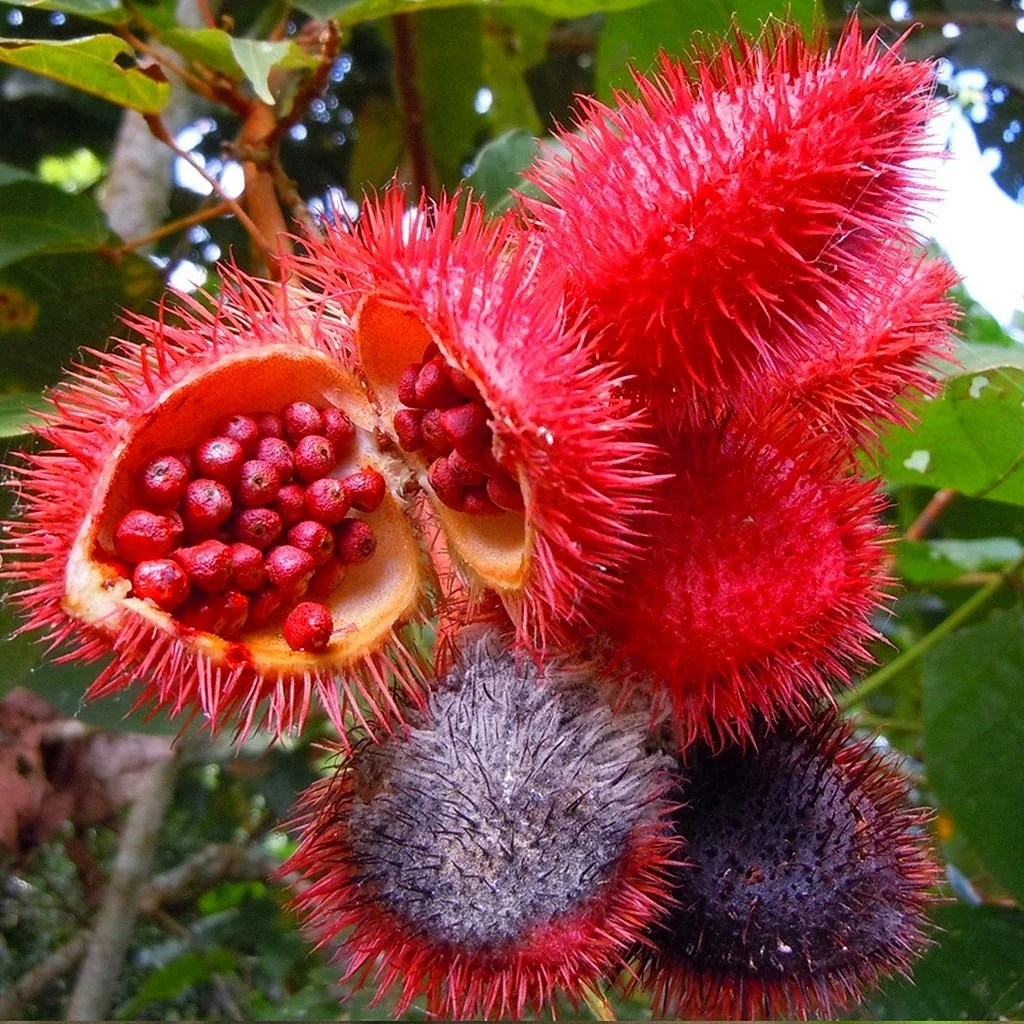
ACHIOTE
A Latin American spice from the seeds of the achiote tree (annatto) giving dishes a red-orange colour and earthy, peppery edge; used to marinate chicken arepa.
AJI
General Peruvian term for chilli pepper. We use Aji Amarillo, Aji Panca, Aji Verde, Rocoto.
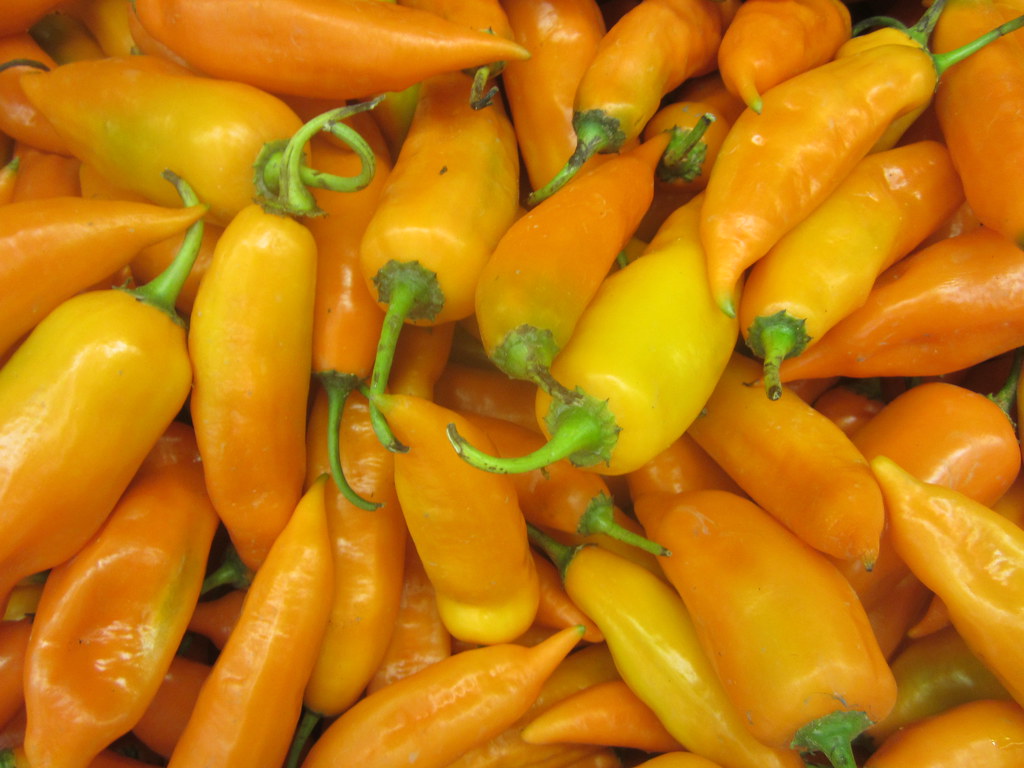
AJI AMARILLO
Peru's signature yellow chilli, fruity and moderately spicy, serving as the backbone of many Peruvian sauces.
AJI KEWPIE
Japanese Kewpie mayonnaise blended with aji amarillo for a citrus-chilli edge, used on Sweet Potato Okonomiyaki.
AJI PANCA
A dried, dark red Peruvian chilli that is smoky and mild, not fiery. Used in Nikkei Nigiri and Raw.

AJI VERDE
Peru's herbaceous green chilli sauce blending green chilli, coriander, and herbs; used on Hiramasa Kingfish Nigiri and Beef Tongue.
AKAMI
The lean, deep-red cut of tuna loin, prized for its clean flavour compared to fattier toro cuts.
ANTICUCHERA
A smoky Peruvian sauce built on aji panca and vinegar, traditionally served with anticuchos (skewered, grilled meats). Used on Bangalow Sweet Pork Cutlet.
AONORI
Dried, flaked green seaweed used as a garnish on Roasted Corn.
ARROZ CON PATO
A classic Peruvian braised duck and rice dish coloured and flavoured with coriander, finished at AMÉ with shiitake and ume sesame.
BOTTARGA
Cured, pressed fish roe grated fine as an intense, salty umami garnish; used on Hokkaido Scallop Nigiri.
CANCHA
Toasted, dried Peruvian corn kernels that are crunchy and nutty, used as a classic ceviche garnish. Used on out Cevice Clasico.
CAUSA CROQUETTE
A crumbed, fried croquette built from causa (Peru's seasoned, lime-and-chilli potato mash); AMÉ's version is filled with spanner crab.
CHALAQUITA
A fresh Peruvian relish of finely diced onion, tomato, coriander, and chilli.
CHICKEN AREPA
A Latin American corn flatbread (arepa), here topped with achiote-marinated chicken and avocado. Street food style share plate.
CITRUS FINANCIER
A small almond-flour French cake paired with yuzu curd and passionfruit granita.
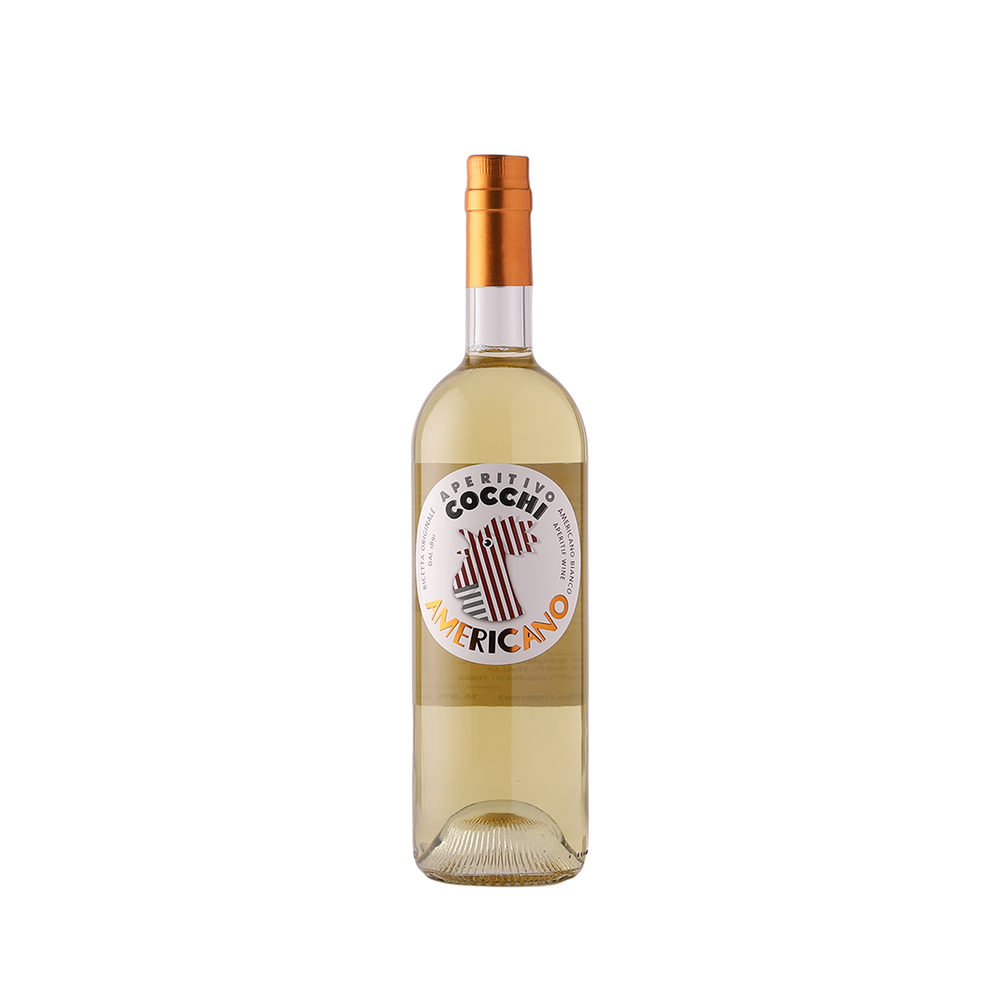
COCCHI AMERICANO
An Italian aromatised wine (a vermouth-style aperitif) flavoured with gentian and cinchona bark, with a bittersweet, quinine edge.
DAIKON
Large, long, white radish, generally pickled, grated, or used as a garnish.

DASHI
A Japanese traditional stock usually made from kombu kelp and bonito flakes.
EDAMAME
Young soybean, steamed and served in the pod. Featured in our spicy edamame snack.
EMPANADA
A filled, folded pastry, fried or baked. Out Golden Curry Empanada is filled with a golden curry mix and served with green herb sauce.
FINGER LIME
An Australian native citrus, sometimes called "citrus caviar" for its tiny, popping juice vesicles. Used on Hiramasa Kingfish Nigiri.

FOIE GRAS
A French delicacy - the liver of a duck that has been overfed to produce a rich, buttery, fatty liver. Used in the beef making, foie gras.
GRANITA
An Italian styled shaved ice. Passion fruit granita comes with the Citrus Financier.
HOJICHA
Japanese green tea where the leaf is roasted rather than steamed. Used in the Kuzumo, corn, cocoa, hojicha dessert.
HUACATAY
Peruvian black mint, an aromatic herb related to marigold with an earthy and slightly bitter flavour. It is not mint! Used in Charred Cabbage.

IKURA/SALMON ROE
Salmon caviar or fish roe. Larger style, red/orange and watery, with an explosive sensation when eaten.
JICAMA
A crisp, mildly sweet Mexican/Central American root vegetable eaten raw for its water-chestnut-like crunch. Used in our Beef Tataki Criollo.

KAKIGORI
Japanese shaved ice dessert, built in layers with syrup or fruit. Our version is the Guava Kakigori.
KARAAGE
A Japanese cooking technique where a protein or vegetable is marinated, dredged in flour, then deep fried. Used for Chicken Karaage.
KOJI
A grain inoculated with the mould Aspergillus Oryzae, key to fermented products including miso, soy sauce, and sake.
KONBU / KOMBU
A form of edible seaweed that is an essential ingredient in dashi.
KOSHIHIKARI RICE
A premium short-grain Japanese rice variety, prized for its balance of sweetness, stickiness, and sheen. Our standard side rice.
LECHE DE TIGRE
Literally "tiger's milk" - it is citrus-chilli-fish marinade, usually it is left behind after making ceviche and drunk on its own as a restorative. Used in out Ceviche Clasico and several achevichado-style sauces.
LIME FURIKAKE
A Japanese dry seasoning blend (usually sesame, seaweed and salt) given a lime lift. Used on Roasted Corn.
As some furikake contains bonito, confirm the exact recipe with the kitchen before serving as vegetarian.
LUCUMA
A Peruvian subtropical fruit with a dense, custardy texture and maple-caramel-sweet potato flavour profile. Used in our Dark Chocolate & Locuma Mousse.

LUCUMA ORGEAT
Orgeat is traditionally an almond syrup used in cocktail. This version is made or flavoured with locuma for a Peruvian twist.
MIRIN
Sweet Japanese rice wine used primarily for cooking to add sweetness and balance.
MBS
Marble Beef Score - The Australian rating run 1-9, the Japanese MBS rating runs 8-12. Marbling is referred to the intramuscular fat that drives flavour and tenderness.

MISO
Fermented seasoning paste made from soybeans. Used in our black miso glaze.
MOCHI
A Japanese rice cake made from glutinous rice, steamed and pounded into a smooth, stretchy dough.
NIGIRI
A small oval block of seasoned sushi rice topped with a thin slice of fish, meat, or vegetable. It is seasoned with soy and wasabi by the chef, and eaten with the hands.
NORI DUST
Toasted nori (seaweed sheet) ground to a fine, savoury powder. Dusted over Rice Crackers with coops sauce.
OCOPA SAUCE
A traditional Peruvian sauce made from aji amarillo, huacatay, and usually peanuts or nuts, blended to a thick, savoury dressing. Confirm peanut/tree nuts and dairy content with kitchen before recommending to allergy guests.
OKONOMIYAKI
A Japanese savoury pancake, traditionally cabbage-based; AMÉ's version is built on sweet potato and finished with queso fresco and aji kewpie mayo.
PACHIKAY
A Peruvian herb sauce, built on huacatay and other greens. Used in our Wok Greens.
PALMITOS
Heart of palm—the tender inner core of a palm stem, mild and slightly crunchy. Used in our Spicy Tuna Maki.
PANELA
Unrefined whole cane sugar common across Latin America with a deep, molasses-like sweetness. Used in the panela dressing on our Wagyu Nigiri.
PARA PICAR
Spanish/Peruvian for "to nibble on"—the menu's snacks-and-share section.
PISCO
Peru's grape brandy, distilled from fermented grape juice. It is central to our beverage identity.
PONZU / PONZU SAUCE
A sauce made with soy sauce and citrus juice, derived from Dutch "pons" (citrus juice) and Japanese "su" (vinegar). Used in our scallop dishes, truffle ponzu.
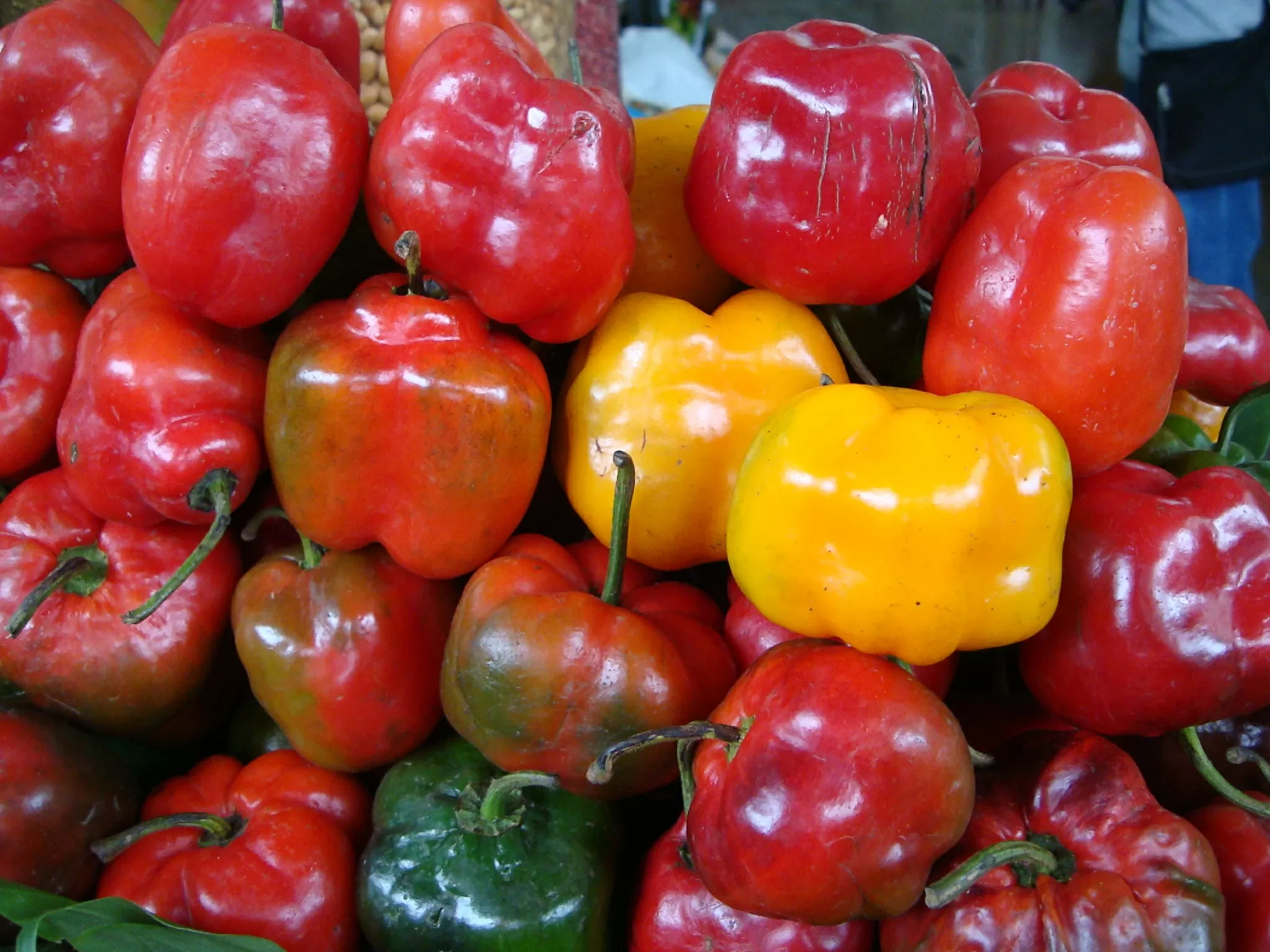
ROCOTO
A Peruvian chilli that is fruity with real heat (hotter than jalapeño). Advise the guest about it.
QUESO
Spanish for “Cheese” - it refers to a soft, salty fresh cheese. Used for Tasmanian Salmon Nikkei Nigiri and Sweet Potato Okonomiyaki.
SAKE
Traditional Japanese alcoholic beverage made by fermenting rice using rice, water, koji, and yeast.
RAIJIN
The Japanese God of thunder, lightning and storms.
SALSA CRIOLLA
A classic Peruvian relish consisting of thinly sliced red onion, lime, chilli, and coriander. Served with out Sirloin.
SALSA HUANCAINA
A classic Peruvian cheese-based sauce made from queso fresco, aji amarillo, and milk/cream. Served with our Crispy Potatoes.
SASHIMI
Slices of raw fish sliced with precision and served without rice. The style behind our tiradito and ceviche.
SHIITAKE
A meaty, umami-rich Japanese mushroom, used fresh or dried. Used in our Arroz con Pato.
TATAKI
A protein marinated then seared on the outside while remaining raw inside. Used for our Beef Tataki Criollo.
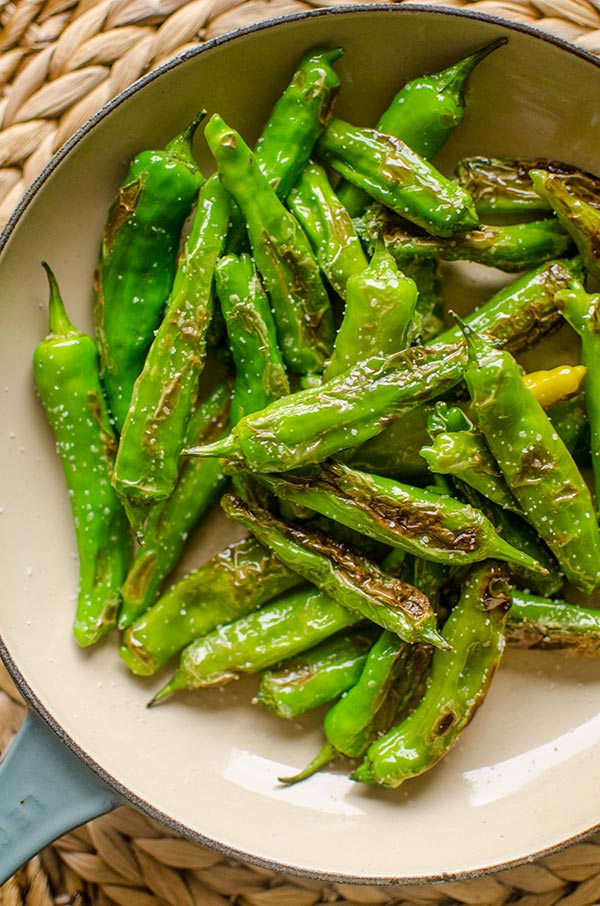
SHISHITO
A mild Japanese green pepper, sweet with the occasional spicy one in the batch.
TERIYAKI
Sauce made with soy sauce, mirin and sugar, often used as a glaze for meat, fish or vegetable.
TOGARASHI
Shichimi togarashi, a Japanese seven-spice blend containing chilli, sesame, citrus peel, and seaweed. Mild, aromatic heat. Used on our Spicy Tuna Maki.
TOFU
A food made from soybeans, with a soft and creamy texture. It is produced by curdling soy milk then pressing the curds into blocks.
UME SESAME
A blend built on ume (Japanese pickled plum) for a sharp, sour salty note, finished with sesame. Used in our Arroz con Pato.
WAKAME
A delicate, slightly sweet Japanese seaweed, usually rehydrated for salads and garnishes. Used in Red Capsicum Maki.
WASABI
A Japanese plant with a thick green root that tastes like strong horseradish.
YUZU
Japanese citrus fruit tasting like a mix between mandarin, lemon, orange, and grapefruit.
YUZUKOSHO
A fermented Japanese condiment of yuzu zest, chilli, and salt. Sharp, citrus forward heat. Used in Hokkaido Scallop Nigiri and Red Capsicum.
How many seat does AME’ have?
94 seats across 35 tables.
Food Allergy
An immune system response to a food protein that the body mistakenly believes is harmful, which can be potentially life-threatening.
Food Intolerance
An inability to digest or process certain foods properly, which does not involve the immune system and is not life-threatening.
Chef Card
A card provided by some customers listing their specific allergies, given by waitstaff to the chef and returned to the customer with their specially prepared meal.
L.E.A.R.N. Strategy
ESCA's framework for guest complaint handling standing for Listen, Empathise, Apologise, React, and Notify.
Anaphylaxis
A severe, potentially life-threatening allergic reaction requiring immediate administration of an adrenaline device and calling emergency services (Triple Zero - 000).
EpiPen®
An auto-injector adrenaline device administered by forming a fist, pulling off the blue safety release, placing orange end against outer mid-thigh, pushing hard until a click is heard/felt, and holding for 3 seconds.
Anapen®
An adrenaline device administered by pulling off black needle shield, pulling off grey safety cap, placing needle end firmly against outer mid-thigh at 90°, pressing red button to click, and holding for 3 seconds.
Jext®
An auto-injector adrenaline device administered by forming a fist, pulling off yellow cap, placing black injector tip against outer mid-thigh, pushing black tip firmly until a click is heard, and holding for 3 seconds.
neffy®
A nasal spray adrenaline device administered by placing nozzle into nostril until fingers touch nose and pressing plunger firmly, without test spraying.
Taruzake
A style of Japanese sake aged in cedar barrels, such as Yoshinogawa Junmai Taruzake.
Yuzushu
A Japanese citrus liqueur made with yuzu, such as Yoshinogawa Citrus Liqueur (10% ABV).