FoodTech exam
 Call Kai
 Learn
Learn Practice Test
 Spaced Repetition
 Match
Match Flashcards
 Knowt Play
1/54

There's no tags or description
Looks like no tags are added yet.
Name | Mastery | Learn | Test | Matching | Spaced | Call with Kai | Chat |
|---|
No analytics yet
Send a link to your students to track their progress
55 Terms
Historical changes to the availability of food, including:
Global migration of food groups
Food security definition
Food security is to have access to necessary affordable, safe, nourishing culturally appropriate food is a human right – not just quantity but quality.
Historical changes to the availability of food, including:
Global migration of food groups
what world and local events that have impacted food availability
· Covid-19 Pandemic
· Ongoing Russia + Ukraine War
· Effects of inflation and consumer pricing
· War in Palestine + Israel
· Location, low income and poor education can be barriers to this
· Natural disasters
· Climate change
· Economy (cost of living crisis)
· Migration
Historical changes to the availability of food, including:
Global migration of food groups
Historical changes to the availabilty of foods inlcuding:
1. Staple foods
2. European settlements
3. Native foods
4. Migration and post colonisation
Historical changes to the availability of food, including:
Global migration of food groups
Staple Food Definition
Staple foods are readily available to most of the population and provide a major source of energy in their diets plant or animal. They are usually inexpensive and easily accessible.
Historical changes to the availability of food, including:
Global migration of food groups
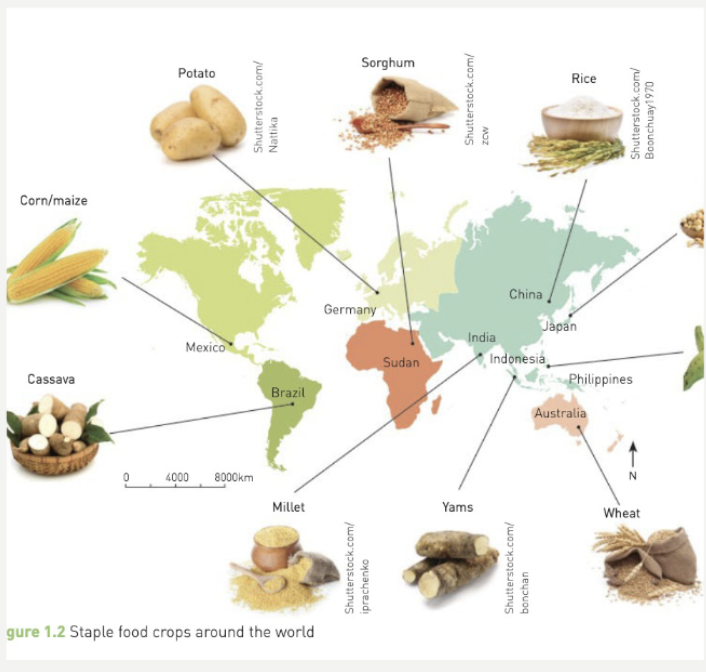
Staple Foods around the world
australia = wheat
uk = potato
china = rice
mexico = corn
Historical changes to the availability of food, including:
Global migration of food groups
Before euopenan settlement in austrlaia - settled in 1788
- indigenous Australians moved from place-to-place following seasonal food sources to avoid depleting food sources.
- nature governed the way they ate and accessed food.
- they hunted for animals and gathered plant foods like kangaroo, wattle seed, honey ants, emus etc.
- they lived sustainably and their diet was varied and nutritious.
Historical changes to the availability of food, including:
Global migration of food groups
Native foods definiton
- Traditionally foods that grow naturally in their environment and are not farmed.
- As a society we are becoming more conscious of where foods originate from and native foods are becoming more popular
Historical changes to the availability of food, including:
Global migration of food groups
Food in Australia Post-colonisation
- First feet brought flour, rice, salted meat, salt, alcohol, vinegar, seeds and vine cuttings, and some animals
- Plants did not grow well in our conditions and livestock died or escaped
- relied on food supplies by ship, with a diet they were used to didn’t use the plentiful Australian supply
- A lot of people got sick as their diet lacked macro and micronutrients so as a result they got scurvy and died
Historical changes to the availability of food, including:
Global migration of food groups
Migration and what they brought to australia
Culture/Race/Country who migrated | When did they come? | What produce, products, practices, cooking methods are now incorporated in Australian culture from this original culture? |
European First Fleet | 1788 | Rice, flour, salt, salted meat, alcohol, seed, vine cuttings etc |
Labourers from Asia, the south sea islands and Europe | Early 1800s | Germans established the wine and dried fruit industries |
Migrants from China, Ireland, and Scandinavia came | 1850s-1890s | Scandinavians set up dairy industry – butter and cheese and the Irish brought potatoes whilst the chinses market gardens began to establish |
Afghans and Greek communities came | 1860s | Greek communities establish feta cheese industry and also introduce filo pastry and products such as vine leaves |
Americans came
| 1870s | Increase food manufacturing mostly in jams, cordials and sources. |
Immigration from Europe increased. People from Italy, Greece and malta came | 1930s | Increased production of sugar cane fields, fruits, and dried fruits |
Migrants from Europe and middle east | Late 1940s | Increased food production in Australia |
The US | 1960s | Brought fast food chains like KFC and McDonalds and that sparked a popularity for outdoor livibg like picnics and barbeques. Foreign restaurants also became more popular |
Immigrants from Vietnam and Cambodia came | Late 1970s | Brought more foreign dishes to Australia |
Migrants arrive from Africa and South America | 2000s | many new restaurants appear from all different cultures and this influenced a rise in the sue of traditional indigenous ingredients in tv food shows. |
Historical changes to the availability of food, including:
Global migration of food groups
What is Australia like today?
Australian food supply is diverse, safe, abundant, fresh and of high quality.
One of the most varied in the world thanks to being multicultural
Historical changes to the availability of food, including:
Global migration of food groups
how has global migration contributed to the movement of staple foods around the world?
Migration has allowed immigrants from around the world to transport their staple foods to different countries.
This is evident in the staple food rice, traditionally a staple food in China but is now used in most homes around the world and is consumed in their diet regularly.
Historical changes to the availability of food, including:
Global migration of food groups
Australias food scene today
very diverse and multicultural
so many different cuisines
at restaurants today almost every place has a dish on the menu in which it has a native ingredient
Migration has allowed different cultrues to bring their native food to australia allowing for a very mixed food scene
Technological developments influential on food availability
production and manufacturing processes and equipment techniques
How has technolgy impacted the food supply chain
Technology has impacted all aspects of the food supply chain which has contributed to the availability, quality and safety of food.
Technological advancements are seen in the way food is produced, manufactured, stored and distributed
Technological developments influential on food availability
production and manufacturing processes and equipment techniques
Technology in the food insudtry
Technology is used in many parts of the food industry such as
Processing techniques e.g., sterilisation of canned foods • Tools/Machinery – both domestic and industrial
Storage and distribution systems e.g. ordering, shipping and distribution of supermarket items
Production and manufacturing, e.g. mass, batch and one-off production
Resources e.g., provision of energy
Technological developments influential on food availability
production and manufacturing processes and equipment techniques
What has technology made it possible to do?
- Create innovative ways for storage such as eco-friendly packaging
- Minimise waste
- Enhance consumer experience.
Technological developments influential on food availability
production and manufacturing processes and equipment techniques
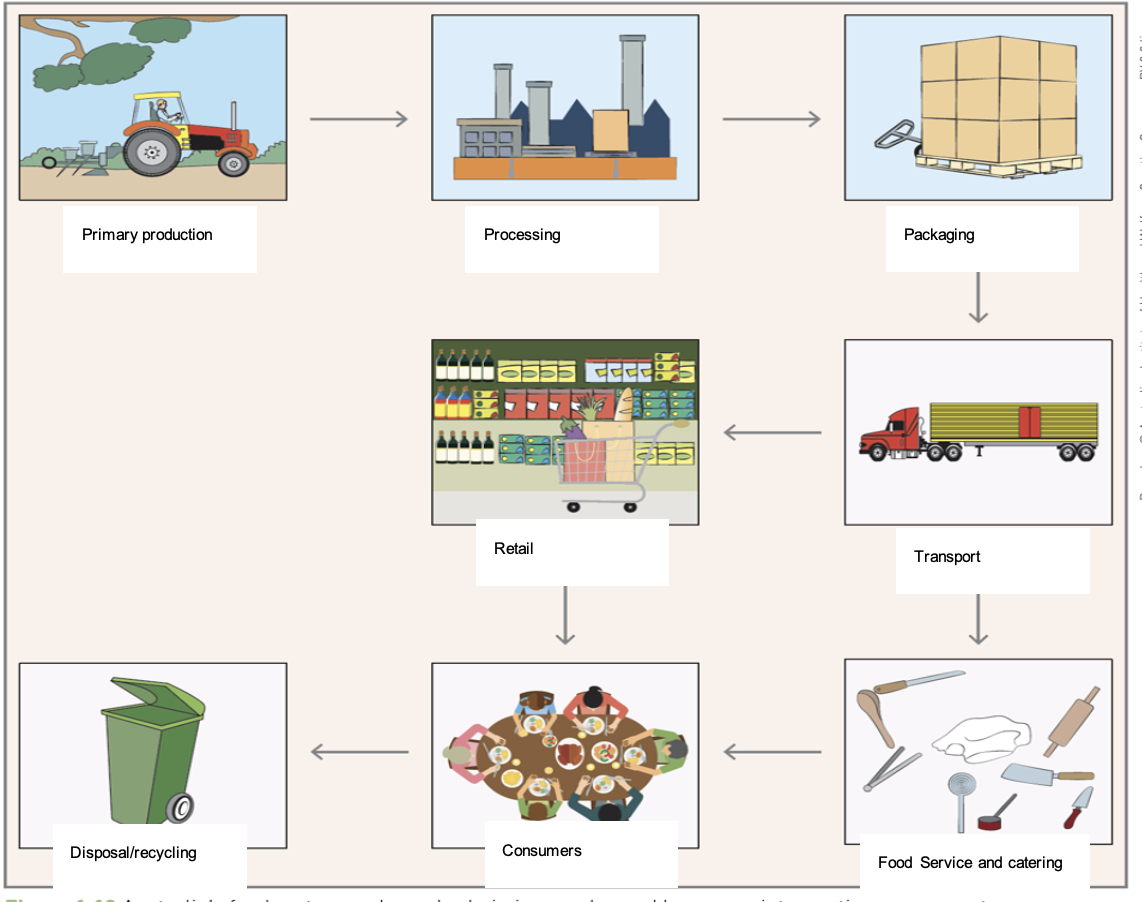
The food supply chain
primary production
processing
pacakging
transport
retail
food service and catering
consumers
disposal/recyling
Technological developments influential on food availability
production and manufacturing processes and equipment techniques
What has technology done for the production processes food
Advancements in science and technology have contributed to better soil, nutrient, water and pest management to more effective methods of planting, harvesting, storing, processing and transporting farm products.
This results in better quality food
Technological developments influential on food availability
production and manufacturing processes and equipment techniques
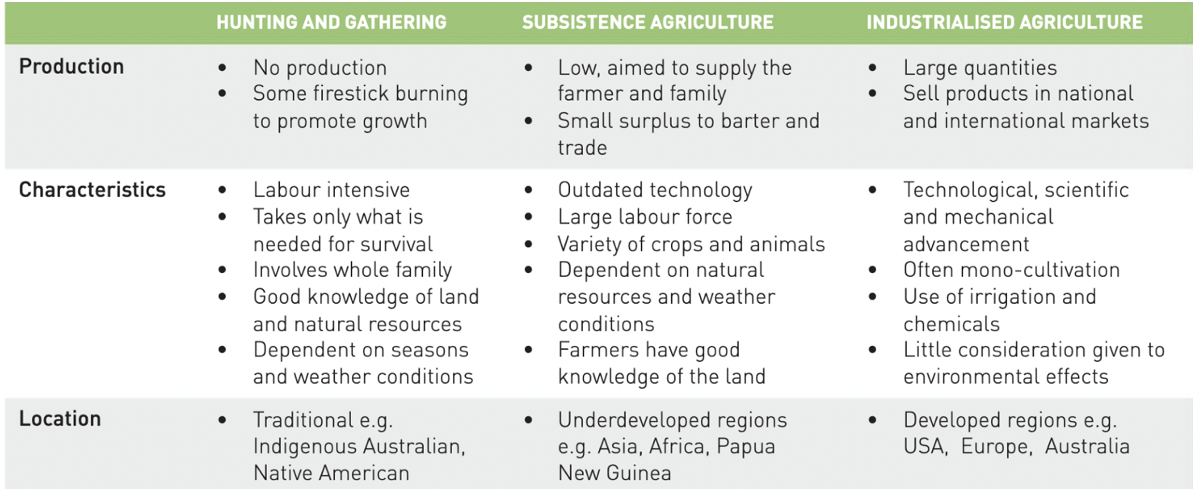
The progress of food production systems
hunting and gathering
subsistence agriculture
industrialised agriculture
as tehcnology has imporved over the years we are seeing industriliesd agricultrue dominating most of teh food production processes around the world. However, there is still hunting and gathering and subsistence agriculture around teh world but it is much less common
Technological developments influential on food availability
production and manufacturing processes and equipment techniques
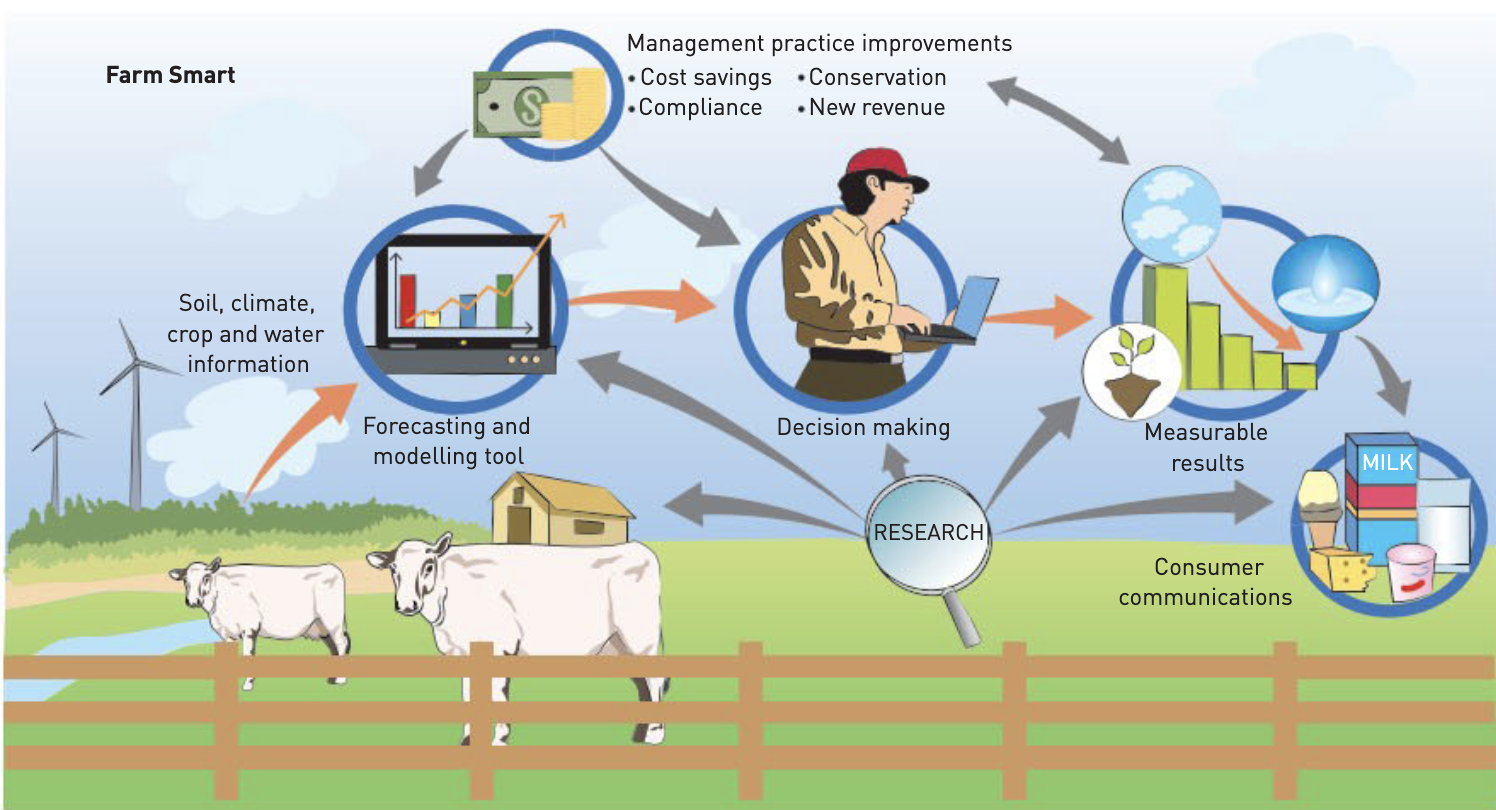
Smart Farms
to keep agriculture growing and effective many farmers use a range of technologies to ensure this happens
tehcnologies include - precision agriculture, remote sensing, computers, the interent, specialsed software, global positioning, drip irragtion and biotechnology
preciison agriculture - satelite farming
monitors crop yields, soil levels and weather patterns to increase farm efficenciy
the info gathered by the GPS helps teh farmer identify precisily where to plant, and when and where to apply pesticides and fertiliser
Technological developments influential on food availability
production and manufacturing processes and equipment techniques
Future producers
ttechnological advances, new famrong equipment and innovative cultivation techniques are allowing commercial farms to decrease labour needd while increasing the overall productivity of the land
as farmland becomes scarec or unprodictive producers are looking for innovative places to grow food
Technological developments influential on food availability
production and manufacturing processes and equipment techniques
Future producers - Hydroponic farming
technique of growing plants using a water based nutrient solution rather than soil and can include aggregate substrate or growing media such as vermiculite, coconut coir, or perlite
Underground
Reliable local source of fresh produce
Nutrient rich water solution instead of soil
Special LED lights to grow plants indoors
Maximise growth and production
Reduce labour costs
Less water, waste and space
Access to fresh and nutritious food all year round
Beneficial for urban jungles and city dense places
Technological developments influential on food availability
production and manufacturing processes and equipment techniques
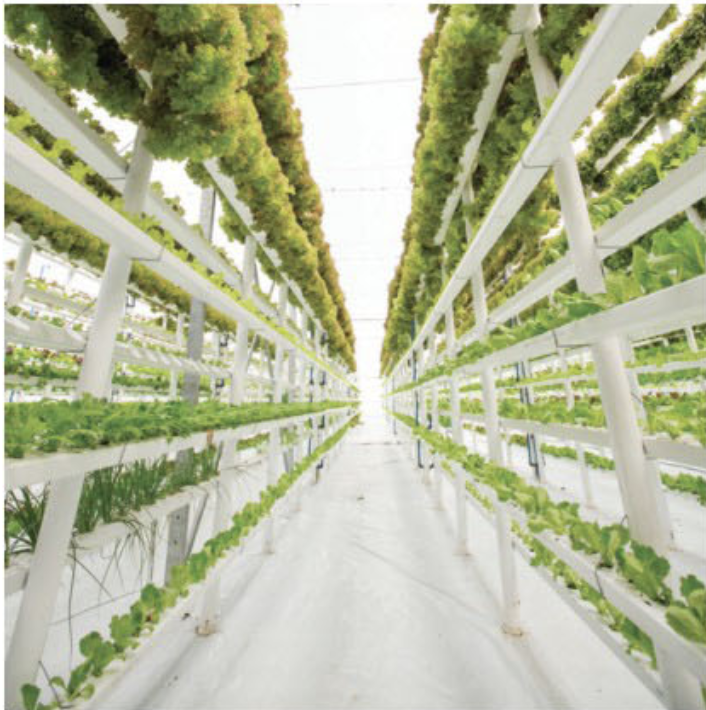
Future producers - Vertical farming
Custom to any size and any crop
Fully automated from seeding
Nursery period 7-10 days
Specially designed trays for maximum yield
Growth cycles average 15-20 days
Efficient water recycles system.
Controlled uninterrupted growth environment.
Fully programmable intelligent system
Growth under full spectrum LED lighting
Elevated automation
Consistent quality crop
Minimal labour handling
Technological developments influential on food availability
production and manufacturing processes and equipment techniques
Future producers - 3D printers
3D printed food can provide the control necessary to put a custom amount of protein, sugar, vitamins, and minerals into the foods we consume
Space food
Avoid time consuming process of making things by hand
Expensive
Good for making small supply of intricate and delicate foods

Technological developments influential on food availability
production and manufacturing processes and equipment techniques
What is manufacturing and processing?
Processing food involves actions that change raw materials (plants or animals) into foodstuffs suitable for consumption. It uses technology to extend the shelf life of foods by slowing down the natural processes of deterioration
Technological developments influential on food availability
production and manufacturing processes and equipment techniques
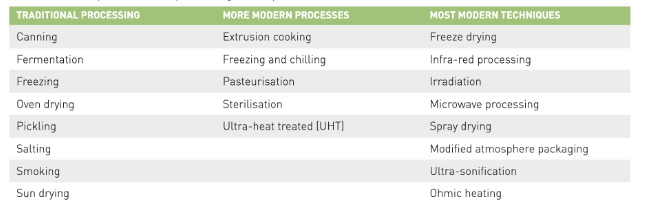
Development of food processing techniques
Technological developments influential on food availability
production and manufacturing processes and equipment techniques
Types of processed foods
•Minimally Processed Foods
• Fresh fruits + veggies
• canned fish and beans
•Moderately Processed Foods
• ingredients added to facilitate safety and preservation
• jarred pasta sauce, salad dressing, yoghurt, cake mixes
•Heavily Processed Foods
• made of multiple ingredients
• frozen/pre-made meals, cereals, deli meats, biscuits, chips, soft drinks
Technological developments influential on food availability
production and manufacturing processes and equipment techniques
Equipment tools
Developments in control systems, sophisticated processing and packaging systems, and logistics and distribution have resulted in increasing efficiency through saving time, costs, labour and energy.
Increased efficiency through saving time, labour, and energy
Ensure product quality, safety and cost
Electricity has allowed the use of appliances in the production and preparation of food which has reduced labour and refrigeration has increased safety
Food packaging: barriers to oxygen, moisture and microbes
Technological developments influential on food availability
production and manufacturing processes and equipment techniques
What modern technology is now prevalent in our present marketplace?
Qr codes, scan and go, barcode scanners, smart trolleys, body recognition sensors, cameras monitor stock and queue lengths etc
Technological developments influential on food availability
production and manufacturing processes and equipment techniques
Describe what type of technology was used in the early days of white settlement.
Hand tools, simple machinery like windmills and waterwheels, horse drawn equipment, basic shelter material like wood thatch and sod, manual planting and harvesting, fire for heating cooking and light.
Technological developments influential on food availability
production and manufacturing processes and equipment techniques
Marketplace - What are some advantages that technology has bought to the marketplace?
- Increased efficiency
- Enhanced communication
- Globalisation
- Improved customer experience
- Increase variety for consumers.
- Data analytics sourced from research.
- Innovation
- Supply chain optimization
- Economic growth
- Sustainability
Technological developments influential on food availability
production and manufacturing processes and equipment techniques
Technology has impacted the way we package our food. List some examples
- Vacuum packaging
- Active packaging
- Biodegradable and compostable packaging
- Recyclable packaging
- Smart labels and QR codes
- Tamper-Evident packaging
Technological developments influential on food availability
production and manufacturing processes and equipment techniques
Food Storage and Distribution
Why is appropriate food storage critical in the storage of our food?
- Nutritional value and safety of food
- Protect foods from spoilage and contamination.
Technological developments influential on food availability
production and manufacturing processes and equipment techniques
Food Distribution
Name and describe some advancements in technology that enhance the quality of products.
- Biotechnology and genetic engineering techniques are used to modify the genetic makeup of crops and livestock to improve traits such as yield, disease resistance, nutritional content and flavour
- Food Fortification and enrichment involves adding essential vitamins, minerals and nutrients to food products to address nutritional deficiencies and enhance their health benefits. This is beneficial as it can help combat malnutrition and improve public health by increasing the nutritional value of staple foods like flour, rice, and dairy products contributing to a better overall quality of life
Technological developments influential on food availability
production and manufacturing processes and equipment techniques
How have environmental concerns been addressed?
- Sustainable agriculture practices
- Organic farming
- Biotechnology and genetic engineering
- Renewable energy
- Food waste reduction
- Water conservation
- Regenerative agriculture
- Sustainable seafood practices
Technological developments influential on food availability
production and manufacturing processes and equipment techniques
Identify the four main transport modes for food.
○ Air
○ Road
○ Sea
○ Rail
Social, economic and political influences on food availability
effects of poverty and affluence
Poverty around the world
The world produces enough food to feed the entire world, however approximately one-quarter (25%) of the world is inadequately fed.
The UN says “poverty is more than the lack of income and resources to ensure a sustainable livelihood. It includes hunger and malnutrition, limited access to education, social discrimination, and lack of participation in decision making.”
Social, economic and political influences on food availability
effects of poverty and affluence
Define Affluent
-money can mean the difference between living comfortably and living in relative poverty
- affluence means great wealth and abundance
Social, economic and political influences on food availability
effects of poverty and affluence
Relative Poverty
A condition in which one or more basic needs cannot be satisfied, and the standard of loving falls below that of the rest of the community.
Social, economic and political influences on food availability
effects of poverty and affluence
Absolute poverty
Severe deprivation of basic human needs, including food, safe drinking water, sanitation facilities, health, shelter, education and information
Social, economic and political influences on food availability
effects of poverty and affluence
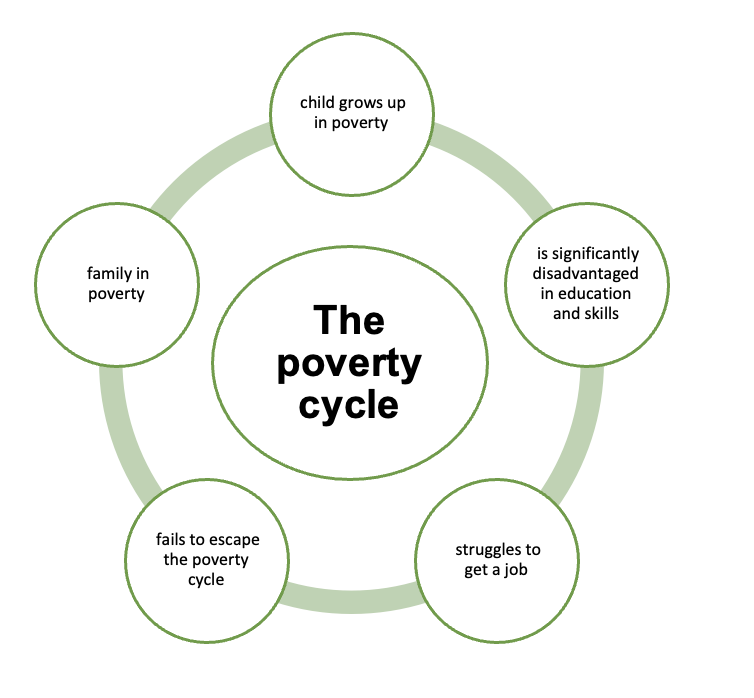
Poverty Cycle
Cycle of poverty – ongoing cycle of food insecurity and poor health, difficult to break
Social, economic and political influences on food availability
effects of poverty and affluence
Australia’s health
The issue of poverty is not just an issue in developing countries. In Australia the Red Cross Australia estimates that 2.5 million people – nearly 14% of all Australians – are unable to supply themselves and their families with life’s basic needs and are living on or below the poverty issue. Poverty affects people regardless of geographic location, ethnicity, background, religion or creed.
Social, economic and political influences on food availability
effects of poverty and affluence
Effects of affluence
- High income have the opposite effect of poverty on individuals
- In affluent societies, there is plentiful food available in a wide range of options to meet the needs of the community
- This oversupply of food in affluent societies can result in conditions linked with overnutrition e.g. diabetes, heart disease, hypertension, obesity
Social, economic and political influences on food availability
government policy, eg taxation, embargoes, subsidies, war, export strategies
The politics of food
- Politics refers to our system of administration and government.
- Food is a vital commodity (something that can be bought or sold) and therefore is highly impacted by political factors.
- Most countries will import and export food.
Social, economic and political influences on food availability
government policy, eg taxation, embargoes, subsidies, war, export strategies
Social Justice
Food Systems must ensure:
- Food security
- Sustainability
- Promote public health
A socially just food system would address all of the above, but as highlighted when discussing poverty, it is often not achieved
Social, economic and political influences on food availability
government policy, eg taxation, embargoes, subsidies, war, export strategies
The effect of government policy
- Availability, pricing, variety and quality of Australian food supply are all affected by government policy
- Policies can encourage or restrict trade and investment into food production, determine land use and crops grown and how food will be distributed.
Social, economic and political influences on food availability
government policy, eg taxation, embargoes, subsidies, war, export strategies
Political influence table
Political Influence | Description | Impact on Food Availability |
Taxation | Individuals and companies are required to pay taxes or charges to local state and federal governments. Taxes are collected to pay for public services like education, roads and hospitals to help certain people in the community, such as people with a disability or the unemployed. One tax that all Australians must pay is goods and services tax (GST) | GST can impact food availability as it adds an additional cost towards products which may not be affordable for some people depending on their financial situation. However, some governments put tax on fast food to limit the consumption in order to benefit consumers quality of life. Fresh fruits, milk, breads and other staple items are exempt from GST to make them more available and affordable for people to buy. |
Embargo | A partial or a complete prohibition/ban of trade with a particular country or a group of countries. | Embargoes reduce the amount of food supply on world trade markets which subsequently increases the price of certain products.
Embargoes can also make food less available in certain countries which can have a negative impact on people’s quality of life.
For example, there was a ban in exporting live cattle to Indonesia as they were being treated poorly. This meant that live cattle had to be slaughtered in Australia’s which resulted in the price of meat to go up as processing meat In Australia is more expensive then internationally. |
Subsidy | Subsidies are payments made to producers to encourage local production, supplement income and assist in operations.
Subsidies are usually paid to farmers like wheat farmers in order to encourage them to expand there work to the world market to decrease the price of wheat.
Ex – India offers a subsidy to sugar producers to get their product to port. | Allows foods to be more available nationally for a lower price.
Farming industries can expand and grow a greater profit which can have a positive impact on the economy. |
War | War and armed conflicted are usually associated with poor food security, famine and death. | Most conflicts disrupt food production through physical destruction and plundering of crops and livestock. Harvests and food reserves.
War has a negative impact on food availability because of the destruction it causes food production slows or stops which means there will be no supply of food to people. Moreover, countries may put embargoes on certain countries to put pressure on the governments to minimise the war. This results in certain food products that are imported from other countries to be not available due to the embargoes. |
Export Strategies | Trade is an important part of the global food system as very few countries are able to produce everything. Certain strategies are put in place in order to increase trade.
Governments place regulations and policies in place in order to control their export strategies.
E.g. Australia’s reputation as a producer of clean, green and safe food has created high global demand for Australian food products. | Export strategies such as free trade policies with agricultural trading policies to assist farmers in reaching existing and emerging markets is beneficial to Australia as we can continue the reputation of safe food and continue exporting to other countries to increase the food availability in different nations.
Free trade policies allows food to be exported at a cheaper price which makes food more available at is less expensive to export and import. |
Social, economic and political influences on food availability
type and state of the economy
What is the economy?
The economy is the framework of production, distribution and consumption of goods and services.
Social, economic and political influences on food availability
type and state of the economy
Characteristics of a strong economy
- Gives its country political power
- More prosperous
- Usually benefits its citizens
Social, economic and political influences on food availability
type and state of the economy
Characteristics of a weak economy
- leaves its country less protected from the world market
- increased poverty amongst its citizens
Social, economic and political influences on food availability
type and state of the economy
The economic cycle
expansion
boom
recession
depression

Social, economic and political influences on food availability
type and state of the economy
High economic activity means?
- Growth or expansion/boom
Social, economic and political influences on food availability
type and state of the economy
Low economic activity means?
- Inflation, recession or decline
Social, economic and political influences on food availability
type and state of the economy
Recovery means?
- Moving from recession into prosperity
Social, economic and political influences on food availability
type and state of the economy
Types of economies
Agricultural | - Relies on the production and export of agricultural products to maintain standard of living (developing countries with technology). - Few agricultural economies today – Sierra Leone, the Central African Republic and Chad are currently agricultural-based economies |
Subsistence | - Does not produce a surplus of food - Weather dependent - Usually produces enough food for the populace - Aboriginal cultures of the Amazon Rain forest and remote tribes in Africa and Polynesia are still living this way |
Industrial | - Produces a large amount of food for trade - Uses recent technologies - India and China are considered to be growing industrial economies |
Market | - Based on the use of resources for production and distribution - The demand and supply determine what will be produced and how much and for whom - Australia and USA can be classified as having market economies |
Mixed | - A combination of two or more of the above |
Social, economic and political influences on food availability
type and state of the economy
What about australia’s economy?
- Australia is a mixed market industrial economy, meaning producers and consumers dictate production, the distribution and price, government regulates the economy to ensure prosperity and avoid absolute poverty, where individuals and communities are unable to supply any basic needs for long periods of time