BIO Test #8
 Call Kai
 Learn
Learn Practice Test
 Spaced Repetition
 Match
Match Flashcards
 Knowt Play
1/11

There's no tags or description
Looks like no tags are added yet.
Name | Mastery | Learn | Test | Matching | Spaced | Call with Kai | Chat |
|---|
No analytics yet
Send a link to your students to track their progress
12 Terms
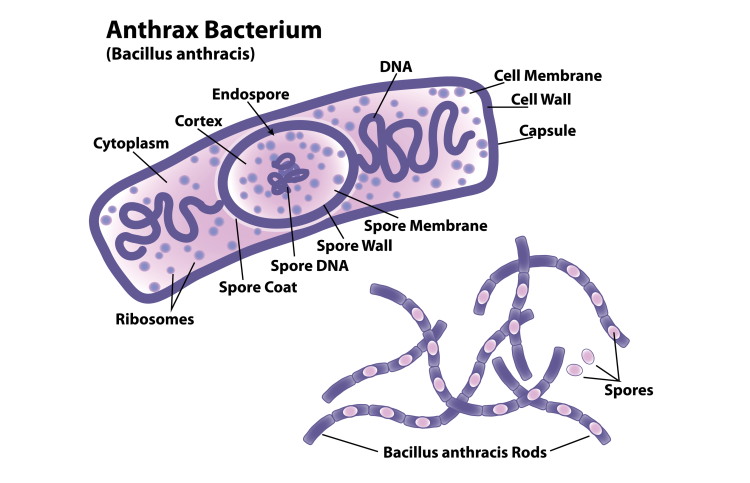
The survival of some bacteria even in harsh and extreme environmental conditions is facilitated by which structure?
A.
Gram-positive membrane
B.
Gram-negative membrane
C.
Endospore
D.
Glycocalyx
E.
Endotoxin
C.
Endospore
A. Gram postive has a thick peptidoglycan cell wall (purple). This serves in strucural support
B. Gram negative has a thin petidoglycan cell wall, but it has endotoxins (LPS) (pink)
C. Endospores are structures that sourround the genetic cmaterial in bad conditions, allowing its survival in dangerous environments
Which of the following is a function of the lymphatic system?
A.
Transport fats towards the digestive system
B.
Return fluids that have escaped from blood vessels
C.
Transport of nutrients towards target cells
D.
Synthesis of erythrocytes
E.
Take up particles except larger proteins
B.
Return fluids that have escaped from blood vessels
A. Lymphatic system transports fats away from the small intestine. Fats absorbed in the small intestine go to the lymphatic system then are put back in the blood.
B. The lymphatic system collects excess interstitial fluid (escaped from blood capillaries) and returns it to the cardiovascular system, maintaining fluid balance).
C. This is done by the cirvulatory system, not lymphatic
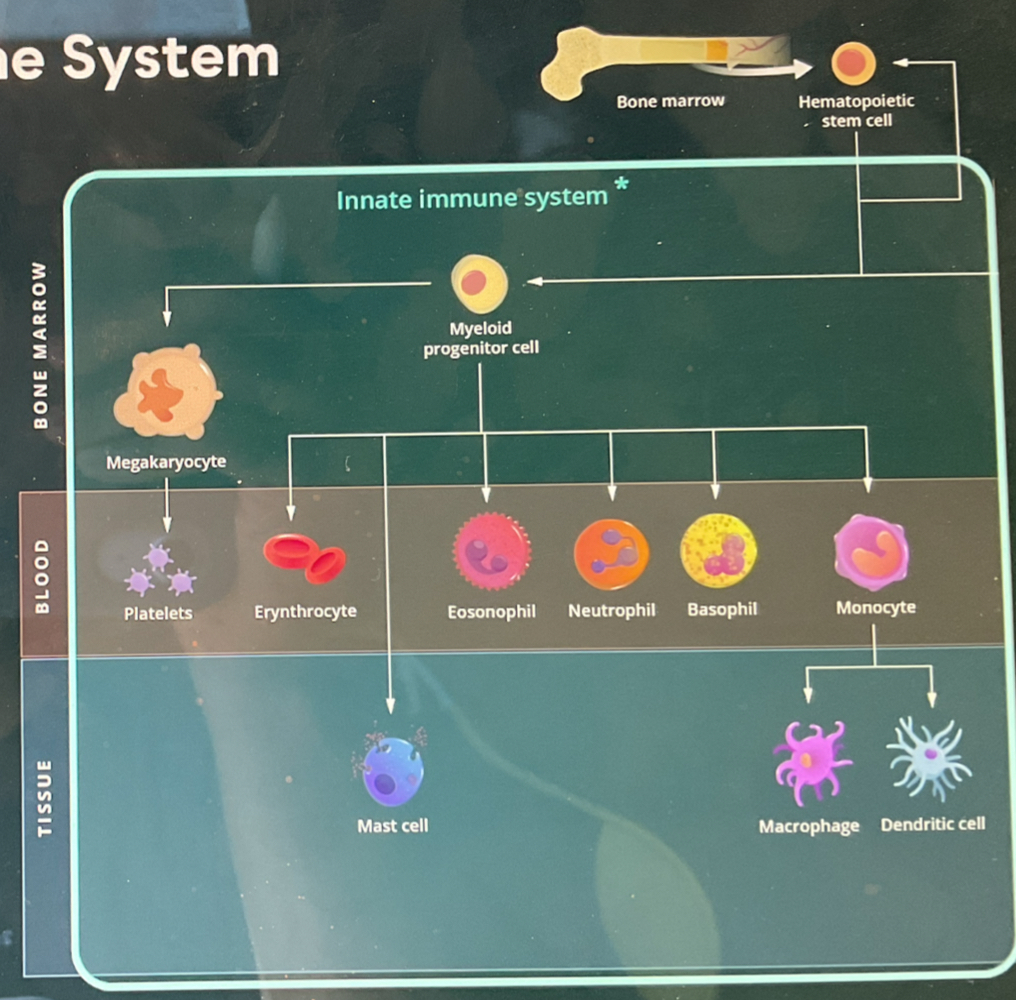
D. Red blood cells are produced in the red bone marrow. (Hematopoeitc stem cells)
E. Lymphatic system actually can take big proteins from the blood that cannot pass through capillaries.
Which of the following prevents acetylcholine from remaining for too long in the synapse?
A.
Choline acetyltransferase
B.
Passive diffusion into pre-synaptic cell
C.
Acetylcholinesterase
D.
Degradation by post-synaptic cell surface receptors
E.
Uptake by post-synaptic cell
C.
Acetylcholinesterase
Degradation of the acetylcholine signal in the synaptic cleft may occur in various mechanisms
Hydrolysis by acetylcholinesterase
Diffusion away from the synaptic cleft
Active reuptake by the pre-synaptic cell
Acetlycholine never enters the post snyaptic cell, it just binds to receptors on the post synaptic cell, which causes na+ influx which causes a depolarization event.
Full acetylcholine pathway
Ca2+ released in pre synaptic membrane
This causes acetlycholine to be released in the synaptic celft (NMJ)
Acetylcholine diffuses (passive) across the cleft and binds to post synaptic receptors
Acetylcholine in the cleft can by hydrolyized by acetylcholinesterase
Post synaptic receptors cause Na+ influx, which depolarizes the cell and starts an AP
What is the earliest stage seen during embryonic development?
A.
Morula
B.
Zygote
C.
Blastocyst
D.
Blastomere
E.
Trophoblast
B.
Zygote
Stages of embryonic development:
Zygote
Blastomeres
Morula
Blastocyst
Implantation
Gastrulation
Zombies
Bring
More
Babies
Into
Graves
All of the following are characteristics of epigenetics EXCEPT one. Which one is the EXCEPTION?
A.
Modifies nucleotide sequence
B.
Heritable
C.
Contributes to phenotypic variability
D.
Influences gene expression
E.
May result from external or environmental factors
A.
Modifies nucleotide sequence
Epigenetics involves heritable phenotypes that result from changes to the expression of the genome without modifying the nucleotide sequence. Epigenetics regulates when certain genes are expressed. In other words, it allows specific genes to turn “on” or “off”. Since epigenetics do not alter the nucleotide sequence, epigenetic changes explain why genetically identical organisms can still have noticeable physical differences.
DNA Methylation
Decreases gene expression
Winds DNA tighter around histone proteins
DNA Acetylation
Increases gene expression
Causes DNA to unwing around histones
Which of the following develops into macrophages?
A.
Neutrophils
B.
Mast cells
C.
Eosinophils
D.
Monocytes
E.
Dendritic cells
D.
Monocytes
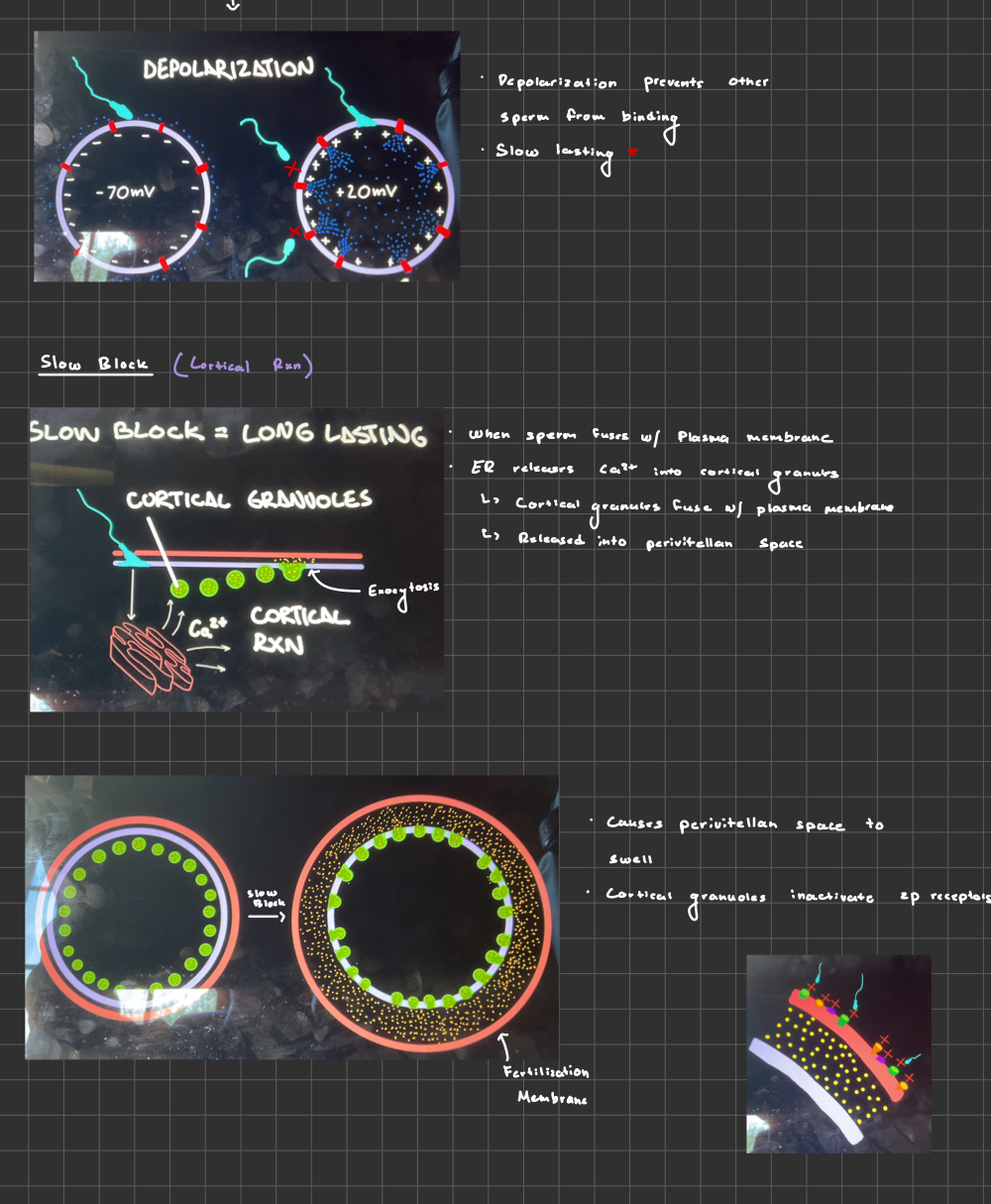
Which of these is involved in the polyspermy blocks?
A.
Hyperpolarization
B.
Intracellular acetylcholine release
C.
Extracellular calcium influx
D.
Release of cortical granules
E.
Synthesis of ZP3
D.
Release of cortical granules
Fast Block
Na+ rushes into the egg, causing depolarization
This alters the charge of the membrane, not letting any other sperm fuse with the membrane
Slow Block
Cortical granules releasees ca2+ into the intermebrane space.
This expands the space (zona pollucida expands outwards) and inactivates zp3 receptors, which the sperm normally attach to.
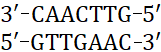
To reliably insert a DNA segment into a plasmid vector, a restriction enzyme must first be used on a palindromic sequence called a recognition site. Which of the following sequences would be ideal for this purpose?
A.
B.
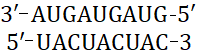
C.
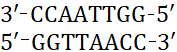
D.
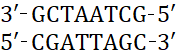
E.
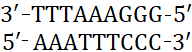
C.
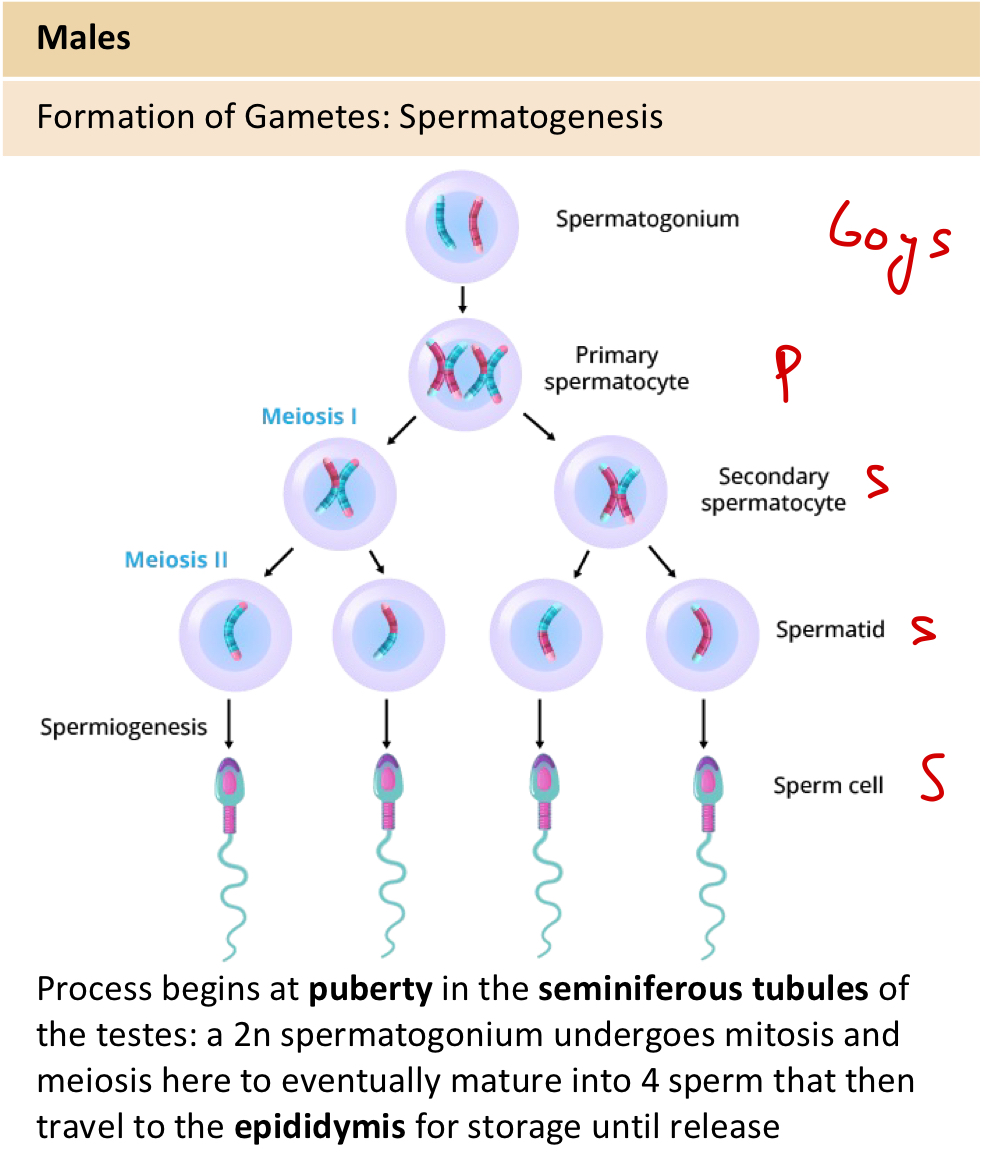
Which of the following is the product of spermatogenesis?
A.
Primary spermatocytes
B.
Spermatogonia
C.
Secondary spermatocytes
D.
Spermatids
E.
Spermatozoa
E.
Spermatozoa
G. oys Spermatagonium
P Primary Spermatocyte
S. Secondary Spermatocyte
S. Spermatid
S Spermatazoa
Which of the following scientists proposed the theory of trait inheritance through use and disuse?
A.
Lamarck
B.
Darwin
C.
Cuvier
D.
Mendel
E.
Wallace
A.
Lamarck
Lamarck
Use and disuse
Cuvier
Catastrophism
The process of photosynthesis can be summarized as follows:
6CO2 + 6H2O → C6H12O6 + 6O2
Which process is ultimately responsible for the production of oxygen?
A.
Breakdown of glucose
B.
Splitting of H2O
C.
Splitting of CO2
D.
Breakdown of mesophylls
E.
Aerobic respiration
B.
Splitting of H2O
Glucose (C6H12O6) is synthesized from carbon dioxide (CO2) during the Calvin Cycle (light-independent reactions) using the energy provided by ATP and NADPH.
Oxygen (O2) is produced from the splitting of water (H2O) during the light-dependent reactions, as shown in the image where water is split at Photosystem II (PS II) releasing oxygen, protons (H+), and electrons.
Honeybees and ants secrete a trail of a chemical factor after locating a source of food, allowing them to communicate the location of the food to others. This form of communication is accomplished using which type of compound?
A.
Pheromone
B.
Hormone
C.
Neurotransmitter
D.
Primary messenger
E.
Secondary messenger
A.
Pheromone
Releaser pheremones
Short lived, reversible pheromes
Food trails
Primer pheremones
Caues physiological changes