Ch. 3 -- Macromolecules Quiz Pt. 1
 Call Kai
 Learn
Learn Practice Test
 Spaced Repetition
 Match
Match Flashcards
 Knowt Play
1/10

There's no tags or description
Looks like no tags are added yet.
Name | Mastery | Learn | Test | Matching | Spaced | Call with Kai | Chat |
|---|
No analytics yet
Send a link to your students to track their progress
11 Terms
Carbohydrates
Atoms: C, H, O
Monomer: monosaccharides; glucose, fructose, galactose
Polymers: disaccaride (sucrose), polysaccharides
Bond: glycosidic linkages
Function: structural support, short term energy storage
Example: cellulose, starch, glycogen, glucose, sucrose

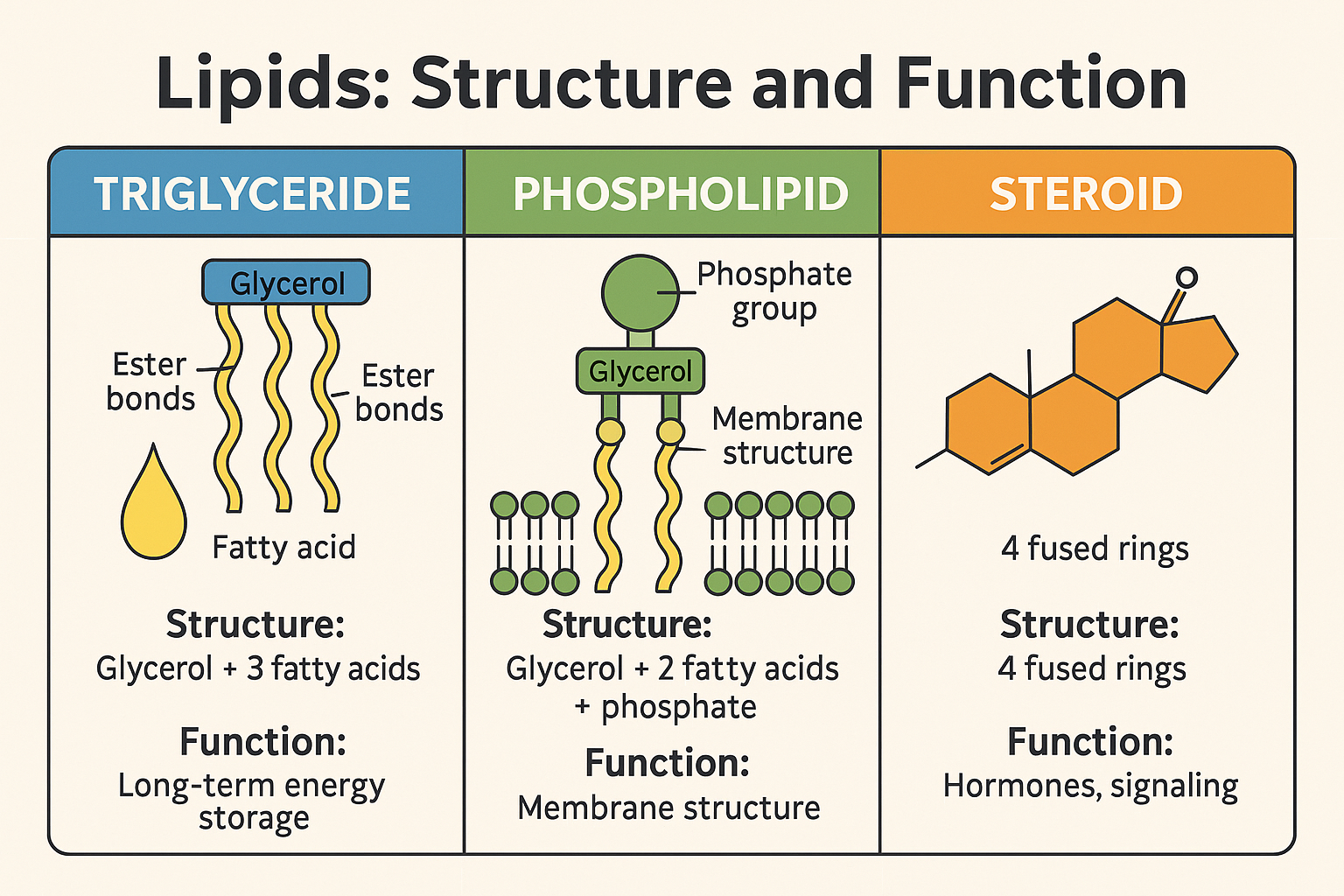
Lipids
Atoms: C, H, O
Monomer: no true monomer —> glycerol + fatty acids
Polymers: triglyceride, phospholipids
Bond: ester linkage
Function: component of cell membrane, long term energy storage, hormone signaling
Examples: phospholipids, fats and oils, triglycerides, estrogen and testosterone
Proteins
Atoms: C, H, O, N, S
Monomer: Amino acids
Polymer: polypeptides, proteins
Bond: Peptide bonds
Functions: storage, transport, hormonal, receptor, structural, defensive, enzymatic
Examples: collagen, DNA polymerase, helicase, antibodies

Proteins - Primary Structure
a sequence (linear) of amino acids held together by peptide bonds

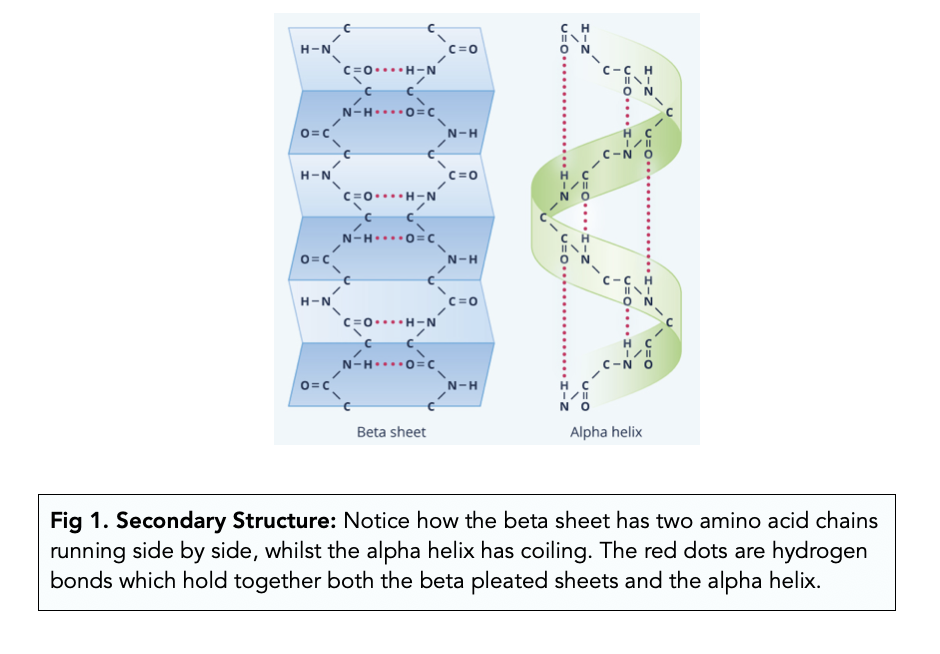
Proteins - Secondary Structure
alphas helixes and beta pleated sheets, held together by hydrogen bonds between backbone atoms
Proteins - Tertiary Structure
a helix + b sheets in a three-dimensional structure, held together by interactions between R groups

Proteins - Quaternary Structure
multiple three dimensional sub units held together by interactions (not all proteins have this)

Nucleic Acids
Atoms: C, H, O, N, P
Monomers: DNA: deoxyribose nucleotide / RNA: ribonucleotide
Polymers: DNA and RNA
Bond: phosphodiester bond
Functions: genetic heredity info — RNA → DNA → Proteins, transmitting genetic information to get proteins made
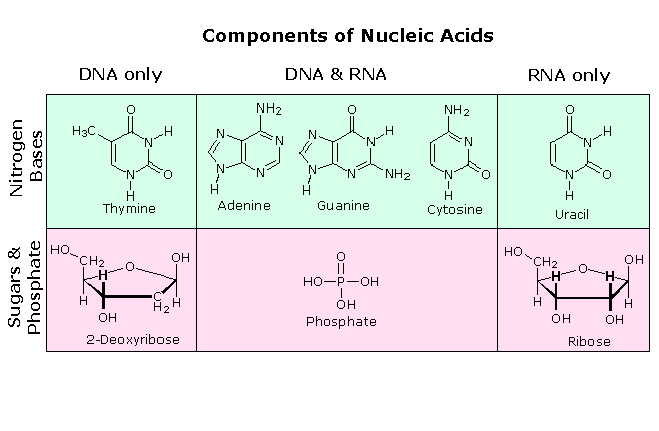
DNA
Sugar: deoxyribose (no OH)
Bases: A, G, C, T
Strands: double stranded
Function: stores genetic information for reproduction, creation, protein synthesis, and inheritance of genes
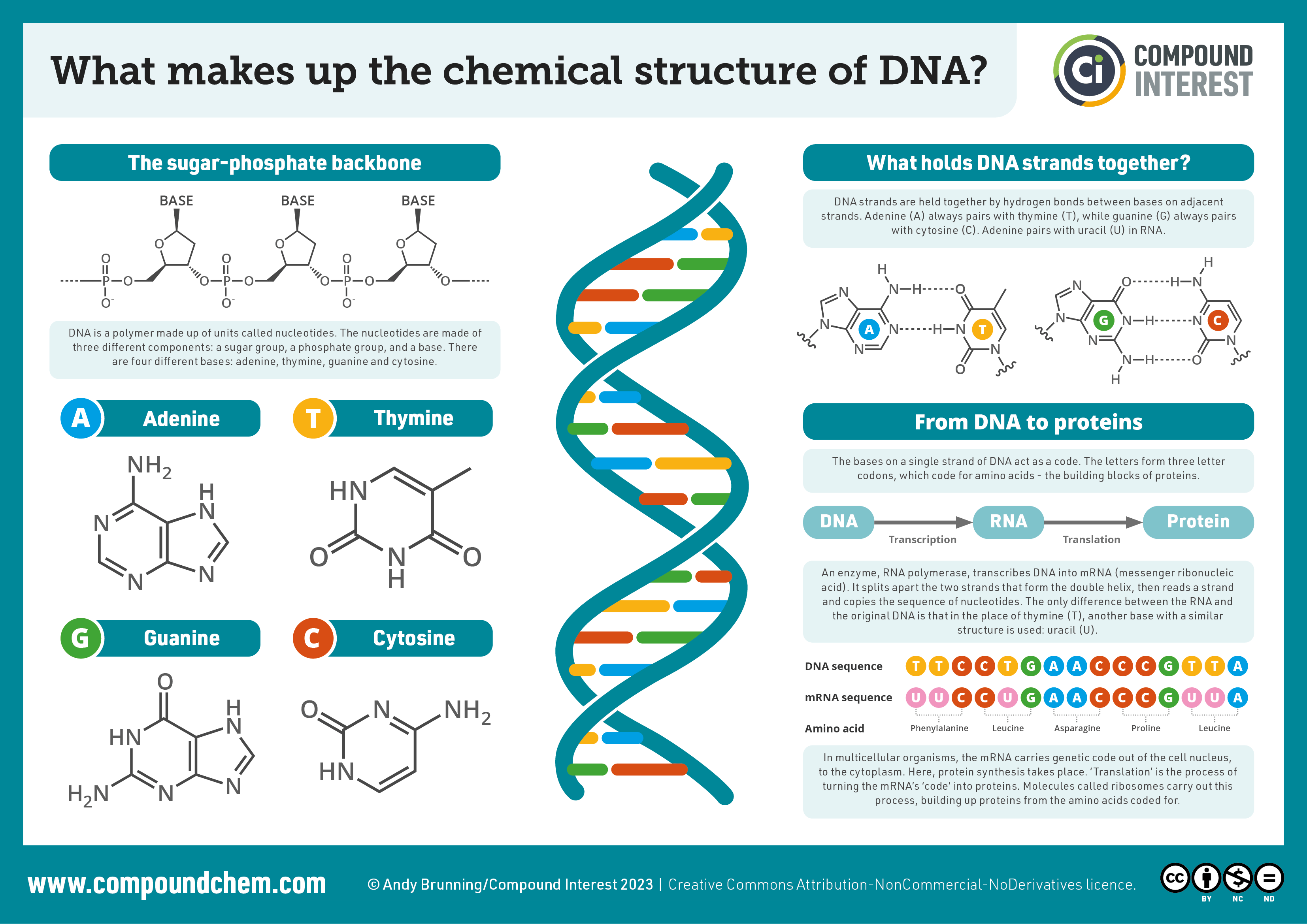
RNA
Sugar: ribose
Bases: A, G, C, U
Strands: single strand
Function: a photo copy of DNA; temporary and less stable, RNA will travel in order to trigger protein synthesis

Protein Denaturation
protein unfolds and its three dimensional bonds break (often down to the primary structure) because of stressors like heat, pH changes, physical stress and metals
