Lecture 4: Infectious Diseases and Pathology II
 Call Kai
 Learn
Learn Practice Test
 Spaced Repetition
 Match
Match Flashcards
 Knowt Play
1/79

There's no tags or description
Looks like no tags are added yet.
Name | Mastery | Learn | Test | Matching | Spaced | Call with Kai | Chat |
|---|
No analytics yet
Send a link to your students to track their progress
80 Terms
1. Contact or enter host cells and directly cause death of infected cells
2. Release of toxins that kill cells at a distance, release of enzymes that degrade tissue components, or ischemic necrosis after damaging blood vessels
3. Induction of host immune responses that can cause additional tissue damage
What are the three main mechanisms by which microorganisms cause disease?
By entering cells, replicating inside, and provoking direct injury to host cells.
How do viruses cause direct damage to host cells? (3)
Virus tropism (the ability of a virus to infect specific cells or tissues).
What determines the manifestations of viral infections?
1. Host receptors for viruses
2. Specificity of transcription factors
3. Physical characteristics of tissues
4. Direct cytopathic effects
5. Anti-viral immune responses
6. Transformation of infected cells
What factors determine virus tropism? (6)
Specificity of viral surface proteins to host cell surface proteins
Viral injury: Host receptors for viruses
What determines viral binding to host cells?
D4, CXCR4, and CCR5 on T cells and macrophages.
Viral injury: Host receptors for viruses
Which host receptors does HIV glycoprotein gp120 bind to?
Host proteases may be required to activate viral proteins and enable binding of the virus to host cells.
Viral injury: Host receptors for viruses
What role can host proteases play in viral infection?
Influenza virus — host protease cleaves and activates hemagglutinin.
Viral injury: Host receptors for viruses
Give an example of a virus that requires host protease activity for infection.
The presence of Lineage-specific transcription factors that recognize viral enhancers and promoters facilitate viral replication inside the host cell.
Viral Injury: Specificity of transcription factors
How do transcription factors influence viral replication?
The presence of specific transcription factors in that cell type.
Viral Injury: Specificity of transcription factors
What determines whether viral promoters and enhancers are active in a host cell?
JC virus, which causes leukoencephalopathy.
Viral Injury: Specificity of transcription factors
Which virus replicates only in oligodendroglia due to transcription factor specificity?
Because the viral promoter and enhancer DNA sequences regulating viral gene expression are active only in glial cells.
Viral Injury: Specificity of transcription factors
Why does JC virus replicate specifically in oligodendroglia?
The host environment and temperature contribute to tissue tropism and determine where viruses can replicate.
Viral Injury: Physical characteristics of tissues
How do physical characteristics of tissues influence viral injury?
Because they are resistant to the gastrointestinal environment.
Viral Injury: Physical characteristics of tissues
Why can enteroviruses replicate in the intestine?
Because lower temperatures in the upper respiratory tract favor their replication.
Viral Injury: Physical characteristics of tissues
Why do rhinoviruses preferentially replicate in the upper respiratory tract?
Host cells can be killed by:
1. Prevention of synthesis of critical host macromolecules
2. Production of degradative enzymes and toxic proteins
3. Induction of apoptosis
Viral Injury: Direct cytopathic effects
What are direct cytopathic effects of viral injury?
By inactivating cap-binding protein, preventing synthesis of host proteins.
Viral Injury: Direct cytopathic effects
How does poliovirus block host protein synthesis?
Produces proteins that inhibit synthesis of cellular DNA and mRNA, and other proteins that degrade host DNA.
Viral Injury:Direct cytopathic effects
How does HSV (herpes simplex virus) damage host cells?
By triggering pro-apoptotic mechanisms such as endoplasmic reticulum perturbations during virus assembly.
Viral Injury:Direct cytopathic effects
How can viral replication induce apoptosis?
By recognizing viral proteins on infected cell surfaces and activating cytotoxic T (Tc) cells.
Viral Injury: Anti-viral immune responses
How can the immune system contribute to viral injury?
They destroy infected cells to clear infection but can also cause significant tissue injury.
Viral Injury: Anti-viral immune responses
What is the dual role of cytotoxic T cells in viral infection?
In hepatitis B infection, CTLs destroy infected hepatocytes, leading to liver damage while attempting to clear the infection.
Viral Injury: Anti-viral immune responses
Give an example of tissue injury caused by antiviral immune responses.
By stimulating cell growth and survival through various mechanisms.
Viral Injury: Transformation of infected cells
How can oncogenic viruses contribute to transformation of infected cells?
1. Antiapoptotic strategies
2. Insertional mutagenesis
3. Hijack the control of the cell cycle
Viral Injury: Transformation of infected cells
What mechanisms do oncogenic viruses use to stimulate cell growth and survival? (3)
1. Bacterial Virulence
2. Bacterial Adherence to Host Cells
3. Bacterial Toxins
Mechanisms of Disease Causation: Bacterial injury
What are the three main mechanisms by which bacteria cause disease?
Bacterial virulence is the capacity of bacteria to cause disease, relying on their ability to:
- Adhere to host cells
- Invade cells and tissues
- Deliver toxins
What is bacterial virulence?
Pathogenic bacteria possess virulence genes grouped in clusters called pathogenicity islands.
Where are bacterial virulence genes often located?
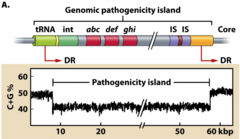
Virulence factors are exchanged between bacteria via plasmids (small circular DNAs) and bacteriophages (viruses).
How do bacteria exchange virulence factors? (2)
Antimicrobial resistance is passed between many genera and species of bacteria through plasmids.
How is antimicrobial resistance spread between bacteria?
Many bacterial toxin genes originate from bacteriophages, which inoculate these genes into bacterial cells.
What is the relationship between bacteriophages and bacterial toxin genes?
Biofilms are communities of bacteria living inside a layer of extracellular polysaccharides that adhere to tissues or medical devices.
What are bacterial biofilms?
Biofilms block immune system access and promote plasmid transfer, making bacteria more resistant to treatment, which can lead to persistent or relapsing infections.
How do biofilms affect bacterial infections?
1. Bacterial endocarditis
2. Artificial joint infections
3. Respiratory infections in cystic fibrosis patients
What are examples of infections associated with bacterial biofilms? (3)
Adhesins are bacterial surface molecules that bind to host cells or the extracellular matrix, allowing colonization.
What are bacterial adhesins?

The specificity is determined by different bacterial surface structures that recognize particular host cell molecules.
What determines the specificity of bacterial adherence to host cells?
Protein F and teichoic acid, which bind to fibronectin on host tissues.
Which surface molecules help Streptococcus pyogenes adhere to host cells?
Pili are filamentous proteins on bacterial surfaces; variations in amino acids at the tips determine binding specificity to host cells
How do pili contribute to bacterial adherence?
A toxin is any bacterial substance that contributes to illness.
What is a bacterial toxin?
Endotoxins (lipopolysaccharides, LPS) are part of the outer membrane of Gram-negative bacteria and are composed of:
1. Lipid A - long-chain fatty acid anchor
2. Core polysaccharide - sugar chain attached to Lipid A
3. O antigen - variable carbohydrate chain attached to the core
What is the structure of bacterial endotoxins (LPS)?

proteins secreted by the bacterium
What are exotoxins?
The O antigen is a variable carbohydrate chain used to serotype strains of enterobacteria for diagnostic purposes.
What is the role of the O antigen in endotoxins?

Lipid A binds to CD14 on host leukocytes. The Lipid A-CD14 complex then binds to Toll-like receptor 4 (TLR4), activating the innate immune system and triggering cell activation and inflammatory responses.
How does Lipid A activate the host immune system?

1. Release of cytokines and chemokines
2. Enhancement of T cell activation
What are the positive outcomes of LPS (endotoxin) in the body? (2)
Excessive LPS can overstimulate cytokine release, leading to:
1. Septic shock
2. Disseminated intravascular coagulation (DIC)
3. Acute respiratory distress syndrome (ARDS)
What are the negative outcomes of high levels of LPS in the body?
Exotoxins are secreted proteins that cause cellular injury and disease, classified by their mechanism and site of action.
What are bacterial exotoxins?
Enzymes like proteases, hyaluronidases, coagulases, and fibrinolysins act on specific substrates in vitro. Their exact role in disease is not well understood.
What are enzymatic exotoxins and their role?
Exfoliative toxins (proteases) produced by Staphylococcus aureus cleave proteins that hold keratinocytes together, causing epidermis detachment from the dermis.
What are exfoliative toxins and what do they do?
A-B toxins alter intracellular signaling or regulatory pathways and have two components (or domains)
1. Active (A) component with enzymatic activity
2. Binding (B) component that binds cell surface receptors and delivers the A protein into the cell cytoplasm.
What are A-B exotoxins and how do they function?
- Bacillus anthracis
- Vibrio cholerae
- Corynebacterium diphtheriae
Which bacteria produce A-B exotoxins? (3)
Superantigens overstimulate T cells, leading to proliferation and excessive cytokine release, which causes capillary leak and an inflammatory response syndrome.
What are superantigens and what do they do?
Staphylococcus aureus and Streptococcus pyogenes.
Which bacteria produce superantigens that cause toxic shock syndrome? (2)
Neurotoxins, produced by Clostridium botulinum and Clostridium tetani, inhibit neurotransmitter release, causing paralysis that can lead to death by respiratory arrest.
What are neurotoxins and their effect?
Enterotoxins cause various gastrointestinal problems:
- Nausea and vomiting: Staphylococcus aureus
- Watery diarrhea: Vibrio cholerae
- Bloody diarrhea (dysentery): Clostridium difficile
What are enterotoxins and the gastrointestinal effects they cause?
Granulomas sequester bacteria to prevent their spread but also cause tissue damage
What is the negative effect of granulomatous inflammation?
It triggers a delayed hypersensitivity response, forming granulomas that lead to caseous necrosis and fibrosis.
How does Mycobacterium tuberculosis cause tissue damage?
Some viral infections cause immune-mediated destruction of host cells instead of the virus itself. For example, T cells destroy hepatocytes infected with HBV or HCV.
How can T-cell-mediated inflammation have negative effects?
Pattern recognition receptors (PRRs) bind to PAMPs (pathogen-associated molecular patterns) and DAMPs (damage-associated molecular patterns) from damaged host cells, activating the immune system and causing inflammation.
How does innate immune inflammation cause tissue damage?
After Streptococcus pyogenes infection, antibody-antigen complexes deposit in renal glomeruli, leading to nephritis.
How can poststreptococcal glomerulonephritis develop?
Damage to epithelial lining (e.g., in the intestine) allows pathogenic and commensal microorganisms to interact with local immune cells, resulting in inflammation.
How do chronic inflammatory diseases relate to humoral immunity?
Chronic inflammation from viruses (HBV, HCV) or bacteria (Helicobacter pylori) can lead to malignant transformation of affected tissues.
How can humoral immune responses contribute to cancer?
Antigenic variation allows microorganisms to avoid recognition by the immune system through genetic changes, helping them evade immune responses and persist in the host.
What is antigenic variation and why is it important for microorganisms?
Microorganisms alter their surface proteins to resist antimicrobial peptides (e.g., defensins, cathelicidins, thrombocidins) by:
- Preventing binding
- Inactivating the peptides
- Downregulating peptide expression
How do microorganisms use surface protein modification to evade the immune system?
Encapsulated bacteria (e.g., Streptococcus pneumoniae, Neisseria meningitidis, Haemophilus influenzae) avoid phagocytosis.
Mycobacterium tuberculosis blocks lysosome-phagosome fusion, preventing bacterial killing.
How do microorganisms resist phagocytosis and killing within phagosomes?
1. Intracellular pathogens (e.g., Mycobacterium tuberculosis) activate the alternative complement pathway, promoting phagocytosis to reach sites for proliferation.
2. Some bacteria hide inside host cells to escape antibodies and complement (Shigella, enteroinvasive E. coli, M. tuberculosis, M. leprae, Salmonella Typhi).
- Listeria monocytogenes manipulates the host cytoskeleton to spread from cell to cell.
How do microorganisms overcome antibodies and complement?
Some bacteria (e.g., Yersinia and Salmonella) express virulence proteins that inhibit the mature inflammasome, preventing:
- Secretion of pro-inflammatory cytokines
- Pyroptosis (inflammatory cell death)
How do some bacteria escape the inflammasome?
- Blocking IFN signaling
- Stimulating downstream IFN receptors
- Encoding homologues of cytokines, chemokines, or their receptors to compete with IFN
How do viruses disrupt interferon (IFN) pathways?
DNA viruses (e.g., HSV, CMV, EBV):
- Bind to or alter MHC class I localization, reducing cytotoxic T cell recognition
- Target MHC class II for degradation (herpesvirus), impairing helper T cell antigen presentation
- Direct infection of viruses compromises leukocyte function
How do DNA viruses decrease T-cell recognition?
Diffuse, predominantly mononuclear, interstitial infiltrates are typical in chronic inflammation.
- Can also appear acutely in infections by viruses, intracellular bacteria, and intracellular parasites.
What characterizes mononuclear and granulomatous inflammation?
A reaction usually caused by viruses, characterized by cell necrosis or cellular proliferation along with inflammatory cell infiltration.
What is a cytopathic-cytoproliferative reaction?
Intracellular viral replication can lead to:
- Viral aggregates (inclusion bodies)
- Cellular fusion forming multinucleated cells (polykaryons or syncytia)
- Blister formation in the skin due to detachment of epithelial cells
- Proliferation of epithelial cells, inducing warts
- Malignant transformation
What are the morphological features of cytopathic-cytoproliferative reactions? (5)
Secretion of powerful toxins (e.g., Clostridium perfringens) can lead to rapid and severe tissue necrosis.
How can microorganisms cause tissue necrosis?
Necrotic lesions contain inflammatory cells
Resemble infarcts with:
- Disruption or loss of basophilic nuclear staining
- Preservation of cellular outlines
What are the morphological features of necrotic lesions caused by microorganisms?
Many infections elicit chronic inflammation; some resolve completely, while others lead to extensive scarring.
How do infections contribute to chronic inflammation and scarring?
An exuberant scarring response can be the major cause of dysfunction in affected tissues.
What is the role of scarring in chronic infections?
1. Schistosoma haematobium eggs → "pipestem" fibrosis of liver or bladder wall
2. Mycobacterium tuberculosis → constrictive fibrous pericarditis
3. Chronic HBV infection → cirrhosis of the liver with dense fibrous septa surrounding regenerating hepatocyte nodules
Give examples of infections that cause fibrosis or scarring: (3)

Partial impairment of the immune system increases susceptibility to specific types of infections, depending on the defective immune component.
How does immunodeficiency affect susceptibility to infections?
severe bacterial infections caused by extracellular bacteria
Some viral infections, e.g., rotavirus and enteroviruses
Which infections are patients with antibody deficiencies (e.g., X-linked agammaglobulinemia) susceptible to?
Intracellular pathogens, mostly viruses and some parasites.
Which infections are patients with T-cell defects susceptible to?
- Early complement component deficiencies → infections with encapsulated bacteria (e.g., Streptococcus pneumoniae)
- Late complement component deficiencies → infections with Neisseria species
How do complement deficiencies affect infection susceptibility?
Increased infections with Staphylococcus aureus, some Gram-negative bacteria, and fungi.
How do neutrophil function deficiencies affect infections?