ELECTRICITY SYSTEM
 Call Kai
 Learn
Learn Practice Test
 Spaced Repetition
 Match
Match Flashcards
 Knowt Play
1/31

There's no tags or description
Looks like no tags are added yet.
Name | Mastery | Learn | Test | Matching | Spaced | Call with Kai | Chat |
|---|
No analytics yet
Send a link to your students to track their progress
32 Terms
Electricity
Form of energy from moving electrons
Generated by friction, induction, or chemical change
Produces magnetic, chemical, and radiant effects
electrons
negatively charged particles that flow in electric currents.
protons
positively charged particles found in atomic nuclei, contributing to atomic mass and charge.
neutron
not electrically charge
electricity is the movement of electrons
Principle of Electricity
Voltage
is the pressure from an electrical circuit's power source that pushes charged electrons (current) through a conducting loop, enabling them to do work such as illuminating a light.
Volt
measurement for voltage
Alessandro Volta
Inventor of the voltaic pile—the forerunner of today's household battery.

Current
the rate at which electrons flow past a point in a complete electrical circuit.
ampere
the international unit used for measuring current.
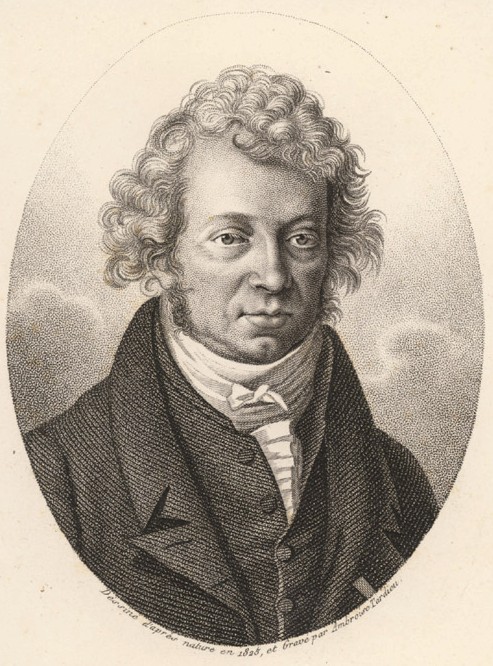
Andrè-Marie Ampére
Amps are named for French mathematician/physicist ___________
Resistance
a measure of the opposition to current flow in an electrical circuit.
Ohm
measured in_____, symbolized by the Greek letter omega (Ω)
Ohm's law
the current through a conductor between two points is directly proportional to the voltage across the two points.
Electric Current
the rate of flow of electric force in a Conductor (flow of electrons)
Circuit
Electric Current will only flow in a complete loop – known as a ____________
refers to the wire installation that supply currents to lights and convenient outlets
Direct Current
a Classifications of Electric Current where electricity flows in one direction, from positive to negative
Alternating Current
a Classifications of Electric Current where electricity constantly reverses direction of flow.
Series circuit
a type of circuit where a single path exist for current flow, the elements are arranged in a series one after the other with no branches.

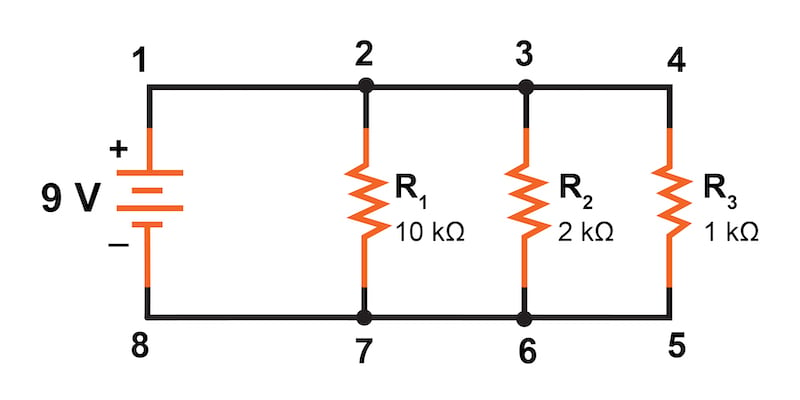
Parallel Circuit
a type of circuit where the loads are placed across the same voltage constituting a separate circuit. also known as multiple connection
Energy
in physics, the capacity for doing work.
Joule
The SI derived unit used to measure energy or work is _____
Electric Power
measures the rate of electrical energy transfer by an electric circuit per unit of time.
Watt
a measure of the rate of energy transfer over a unit of time, with one watt equal to one joule (J)
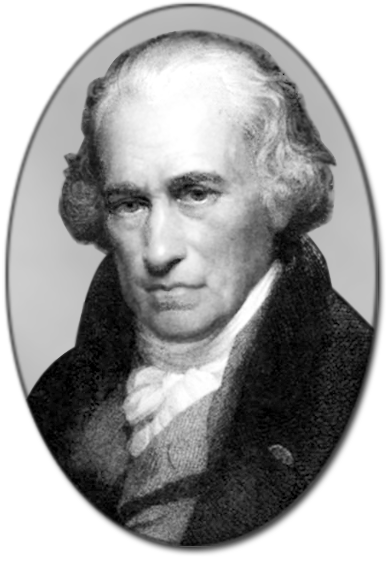
James Watt
Watt named after a Scottish instrument maker and inventor _________
Power factor
is a measure of how effectively you are using electricity. is the ratio of working power to apparent power, or kW / kVA.
Working Power
is expressed as kilowatts (kW) and is the “true”or“real” power used by all electrical appliances
Resistive loads
Loads that use true or real power. Common resistive loads include electric heating and lighting.
Reactive Power
An inductive load, such as a motor, compressor or ballast that requires reactive power to generate and sustain a magnetic field needed to operate.
Apparent Power
The ratio between working power and reactive power.
Voltage Drop
defined as the amount of voltage loss that occurs through all or part of a circuit due to impedance.
3 percent
The National Electrical Code recommends limiting the voltage drop from the breaker boxto the farthest outlet for power, heating, or lighting to ___ ______ of the circuit voltage.