DNA, RNA AND GENETICS
 Call Kai
 Learn
Learn Practice Test
 Spaced Repetition
 Match
Match Flashcards
 Knowt Play
1/113

There's no tags or description
Looks like no tags are added yet.
Name | Mastery | Learn | Test | Matching | Spaced | Call with Kai | Chat |
|---|
No analytics yet
Send a link to your students to track their progress
114 Terms
who discovered DNA
Friedrich miescher
how did miescher discover DNA
he collected bandages from a nearby clinic and washed off the pus
experimented and isolated a new molecule- nuclein- from the cell nucleus
determined that nuclein was made up of H, O, N and P and there was a unique ratio of P:N
also isolated nuclein from other cells and later used salmon sperm as a source
Avery’s experiment
neutralised bacteria is harmless to animals
extracts from pathogenic bacteria are harmful- becomes infectious (transformed)
extracts from pathogenic bacteria treated with proteinases- are still infectious (transformed)
extracts from pathogenic bacteria treated with nucleases-are not infectious
thus DNA is the genetic material
what is the flow of genetic information
DNA to RNA to protein
how many ways can drugs target DNA
indirectly by targeting the processing enzymes
directly by interacting with the structure
purine bases
adenine
guanine
attaches to the sugar residue through N9
pyrimidine bases
cytosine
thymine
attaches to the sugar residue through N1
what is the sugar molecule that attaches
beta-D-2’-deoxyribose sugar
it connects to form a polymer through a phosphate diester bond at the 3 and 5 positions
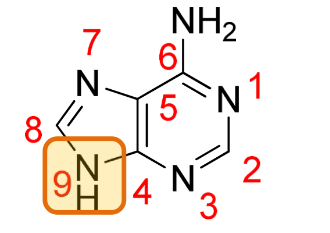
adenine
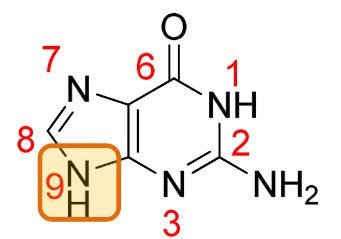
guanine
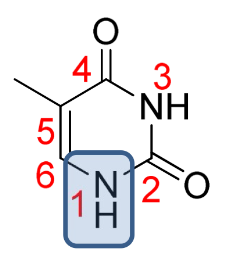
thymine
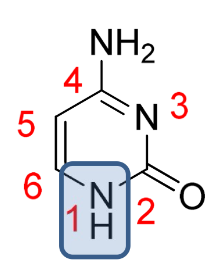
cytosine
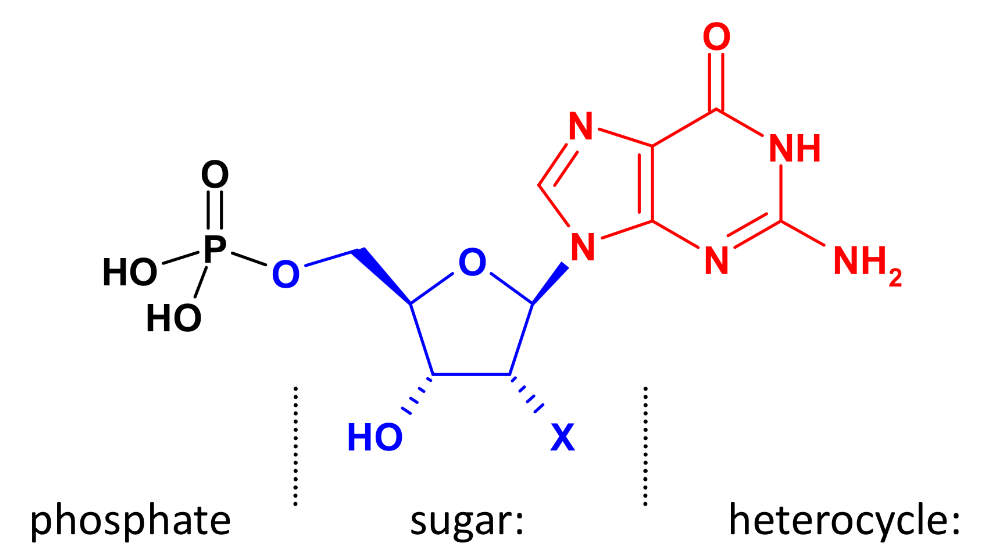
general nucleotides structure
phosphate
sugar: ribose- X = OH (RNA) 2’-deoxyribose: X-H (DNA)
nucleobase
RNA equivalent of thymine
uracil
nomenclature of a nucleotide with one phosphate- example adenine
deoxygadenosine 5’-monophosphate (dAMP)
nomenclature of a nucleotide with two phosphate- example adenine
deoxygadenosine 5’-diphosphate (dADP)
nomenclature of a nucleotide with three phosphate- example adenine
deoxygadenosine 5’-triphosphate (dATP)
DNA is double stranded
it forms a helical structure- sugar phosphate backbone lies on the outside and the bases on the inside
formed through hydrogen bonding
base pairs are stacked with van de Waals interactions between them
chains are complimentary
how many rings are in pyrimidine
1 carbon ring
how many rings does purine have
2 carbon rings
base pairs
A and T
C and G
is the helix right or left handed
right handed
DNA is stabilised by stacking
the base pairs are flat
pi-pi interactions
stabilising energy from the vertical pi-pi stacking interaction between sets of pairs in the stack
they are more hydrophobic than sugar phosphate backbone
sugar phosphate backbone is negatively charged
DNA structure is polyanionic
pKa of a phosphodiester is about 1, which gives DNA water solubility
DNA will carry counter ions inside the cells (Na+, K+, Mg2+)
hydrophobic effect
when hydrophobic groups come together
better than van Der Waals forces
water surrounds DNA
spine of hydration in the grooves
hydrogen bond donors
NH and OH
hydrogen bond acceptor
O,N and F
difference between thymine and uracil
thymine has a CH3 group so it can have a hydrophobic interaction and differentiate between AT & TA base pair
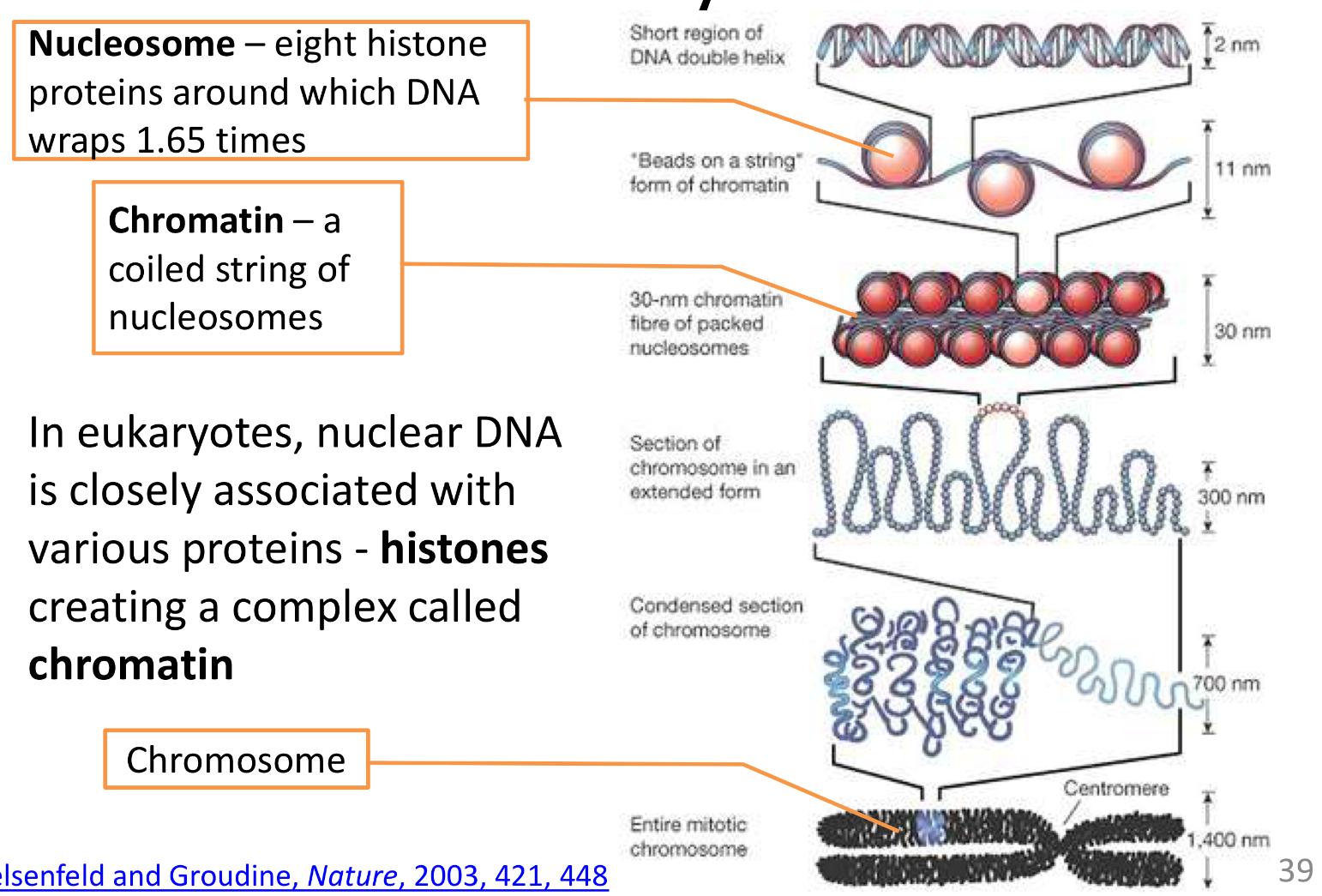
nucleosome
8 histone proteins around which DNA wraps 1.65 times
chromatin
a coiled string of nucleosomes
DNA tertiary structure
DNA is packed into the cell through interaction with histones to form nucleosomes
Using the DNA
double helix coils into a 3D shape- supercoiling
double helix has to unravel during replication
unravelling leads to strain
relieved by enzyme-catalysed cutting and repair of DNA chain
crossing an intact strand through the broken strand
topoisomerase
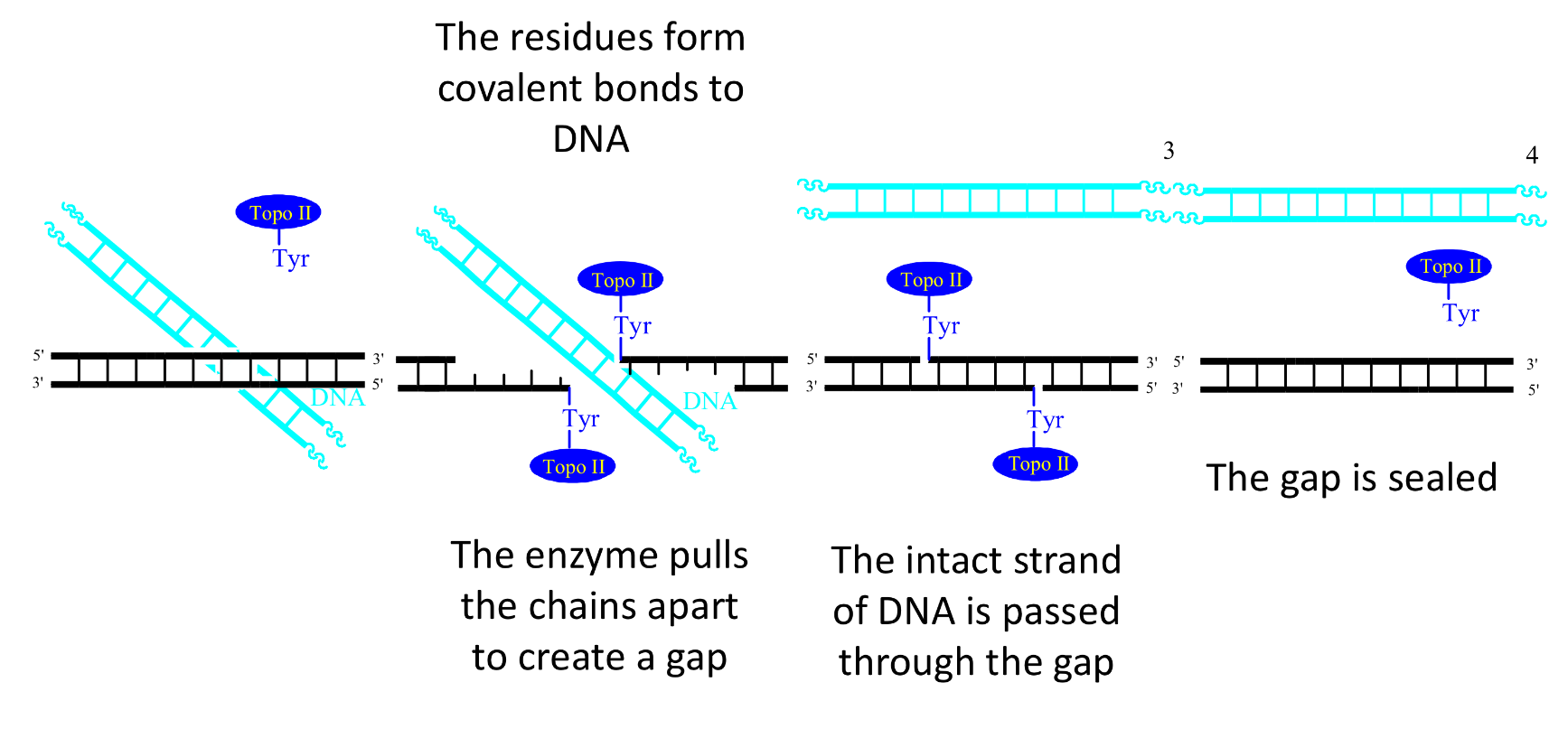
the action of topoisomerase II
the enzyme pulls the chains apart to create a gap
the residues form covalent bonds to DNA
the intact strand of DNA is passed through the gap
the gap is sealed
do DNA strands run parallel or antiparallel
antiparallel to each other
where do proteins bind
in the major groove
RNA vs DNA
sugar: deoxyribose (DNA) vs ribose (RNA)
nucleobase: thymine (DNA) vs uracil (RNA)
secondary structure: double (DNA) vs single strand (RNA)
size: DNA » RNA (75 to a few thousand nucleotides)
is RNA more or less stable than DNA
less stable
you don’t want RNA to stick around
RNA structure
RNA double helices are in the A-form (they have a wide, shallow minor groove and a deep, narrow major groove)
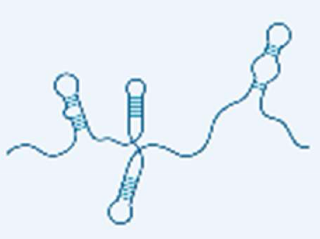
can form hairpins, loops and bulges
types of RNA
mRNA
tRNA
rRNA
snRNA
snoRNA
miRNA
siRNA
lncRNA
messenger RNA (mRNA)
encodes proteins
75-3000 nucleotides in length
25% of total RNA
relays the code for a protein from DNA to the protein production site
transfer RNA (tRNA)
acts as adaptor between mRNA and amino acids
75-90 nucleotides in length
16% of total RNA
the adapter unit linking the triplet code on mRNA to specific amino acids
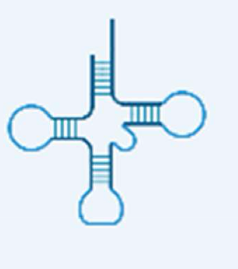
ribosomal RNA (rRNA)
forms the ribosome function
100-3100 nucleotides in length
82% of total RNA
present in ribosomes
small nuclear RNA (snRNA)
functions in various nuclear processes
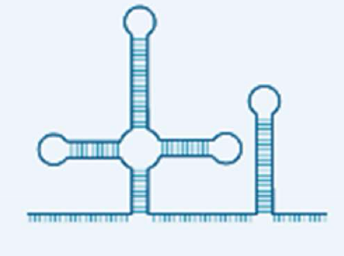
small nucleolar RNA (snoRNA)
facilitates chemical modification of RNAs
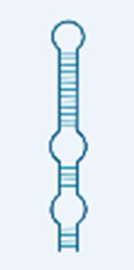
micro RNA (miRNA)
regulates gene expression
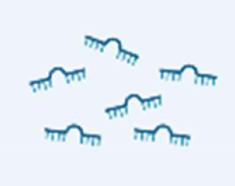
small interfering RNA (siRNA)
silences gene expression
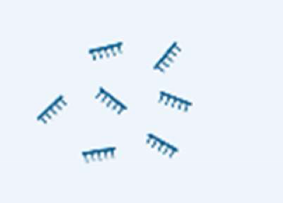
long non-coding RNA (lncRNA)
regulates gene expression
what is structurally different between RNA and DNA
RNA has a 2’-OH group
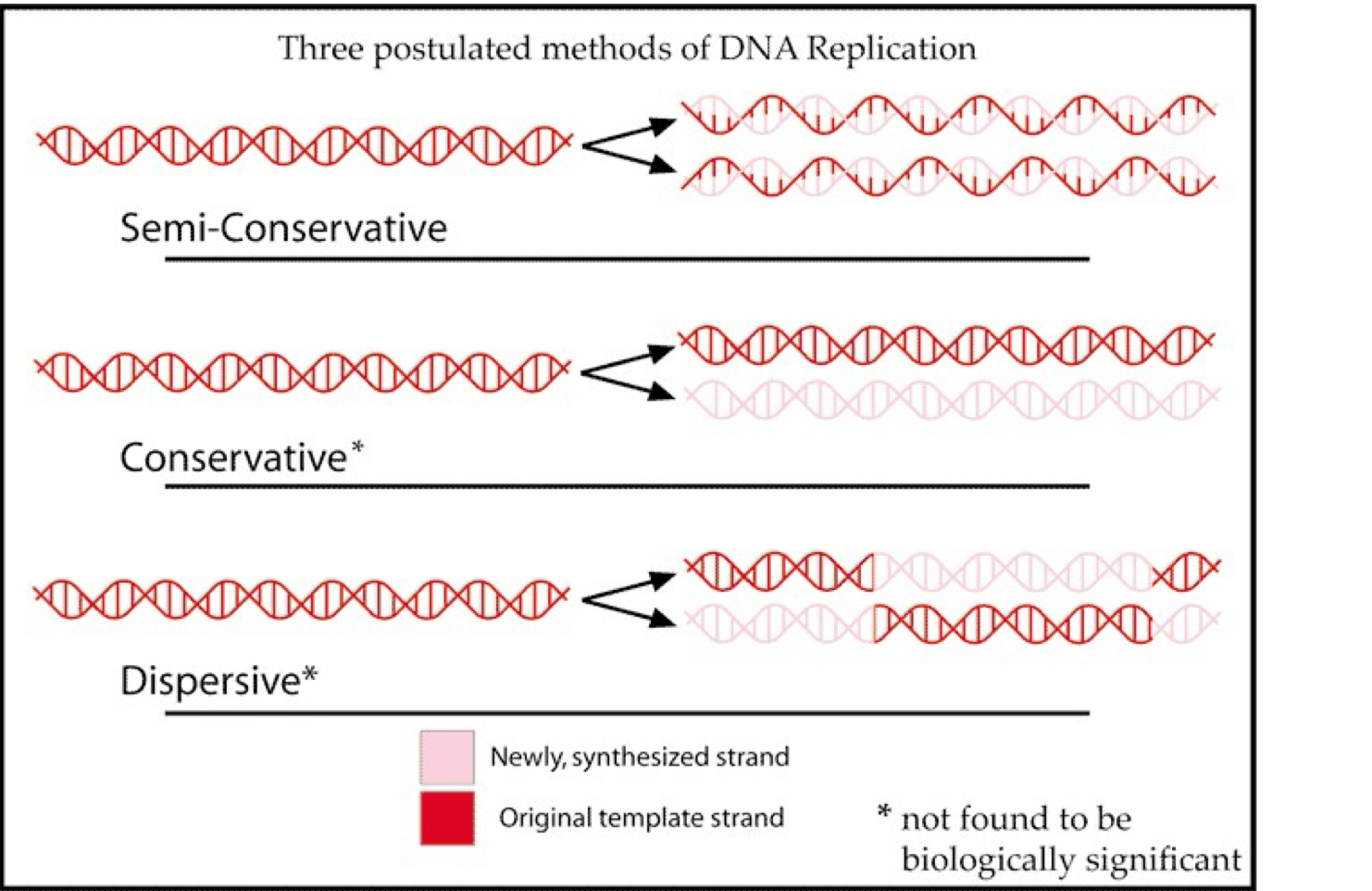
3 types of DNA replication
semi-conservative
conservative
dispersive
DNA replication
before a cell can divide it must duplicate all its DNA
the enzyme DNA polymerase catalyses the addition of a nucleotide to the 3’-OH group of the polynucleotide chain
base pairing happens first
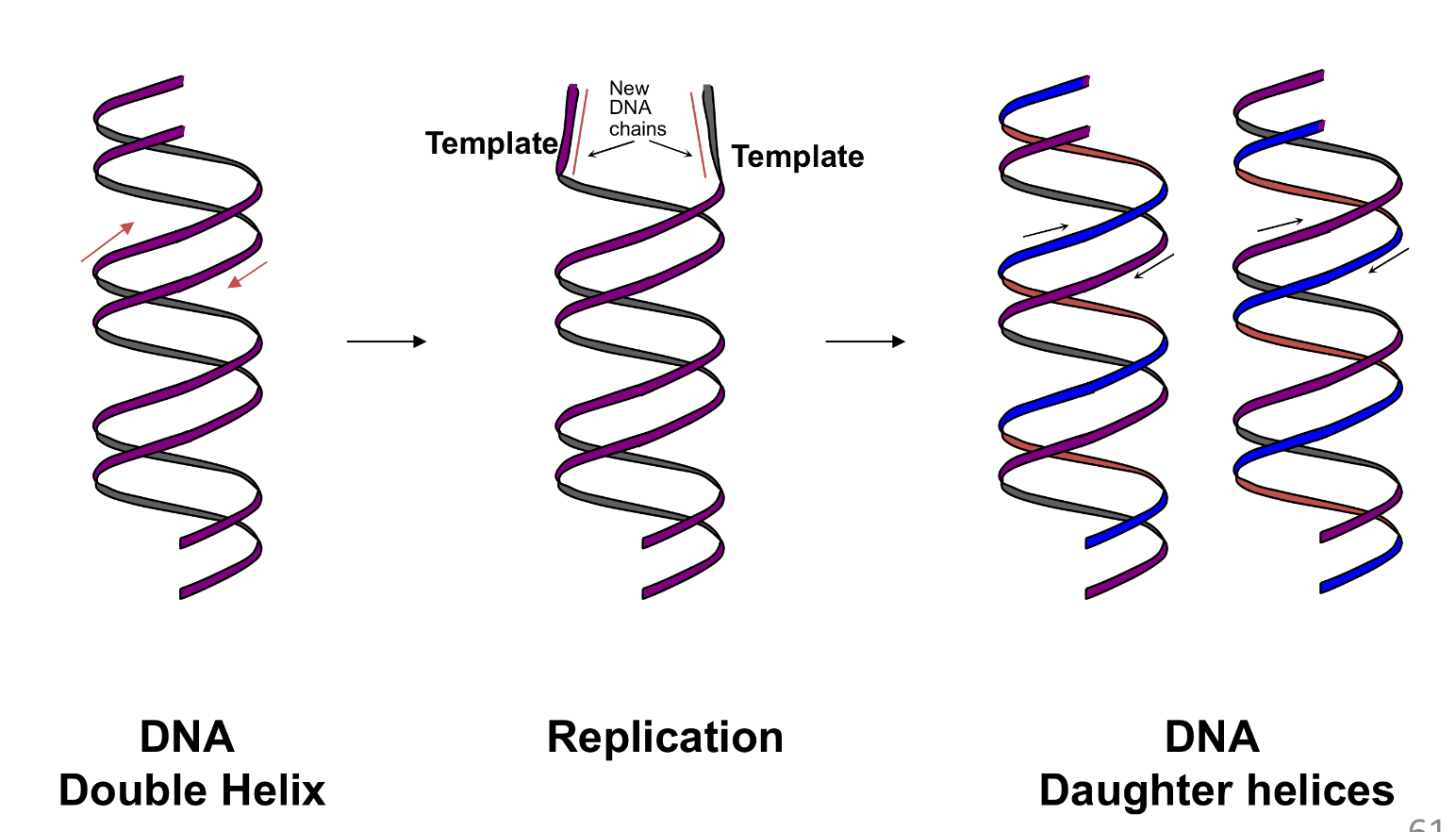
DNA synthesis
new DNA is made by enzymes called DNA polymerase
it requires a template and primer
synthesise DNA only in the 5’ to 3’ direction
DNA polymerase proof-reads as it moves along
Replication fork
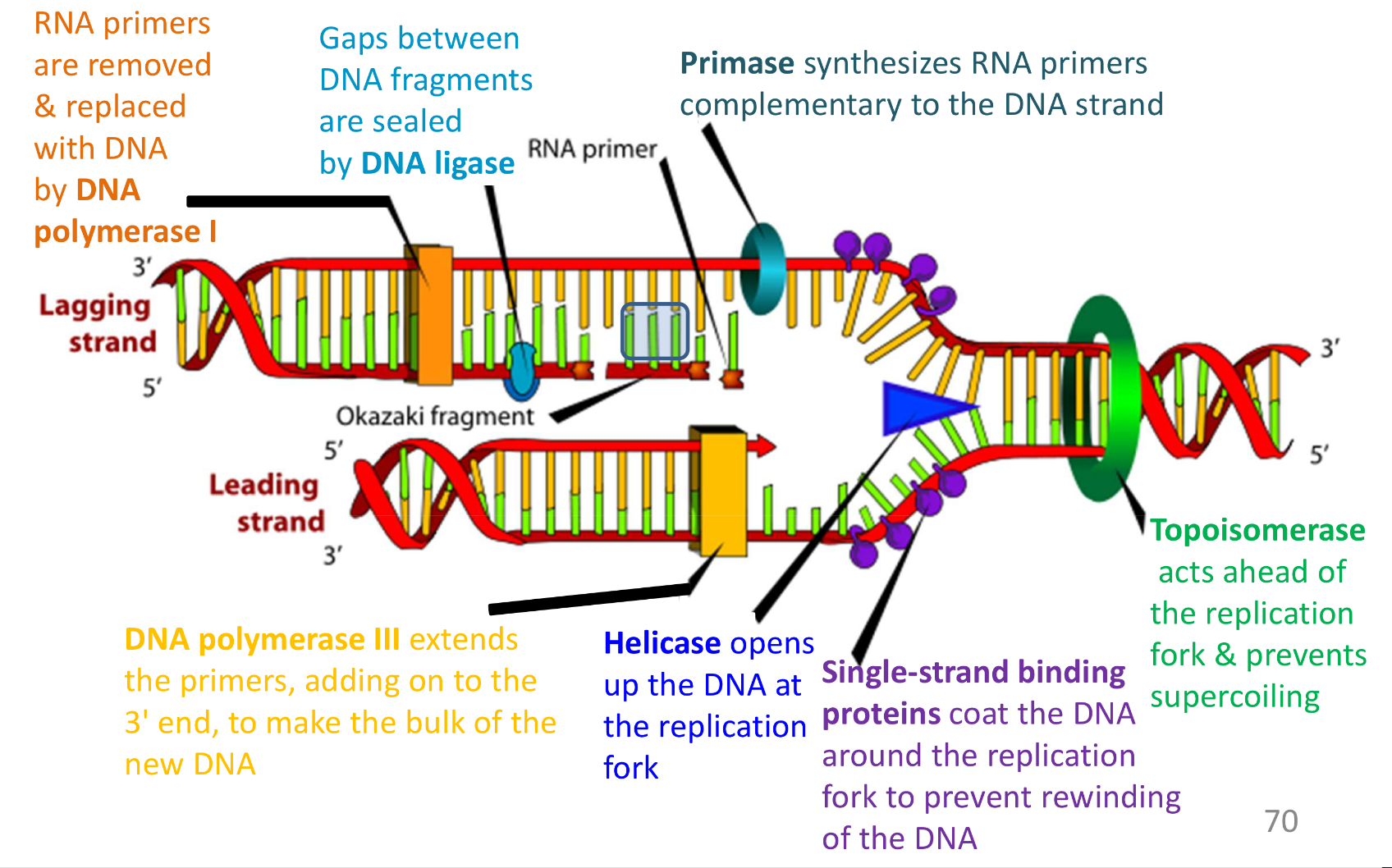
leading strand
one strand that is continuously replicated
the lagging strand
is replicated in small sections (Okazaki fragments which are later joined together)
DNA transcription and translation
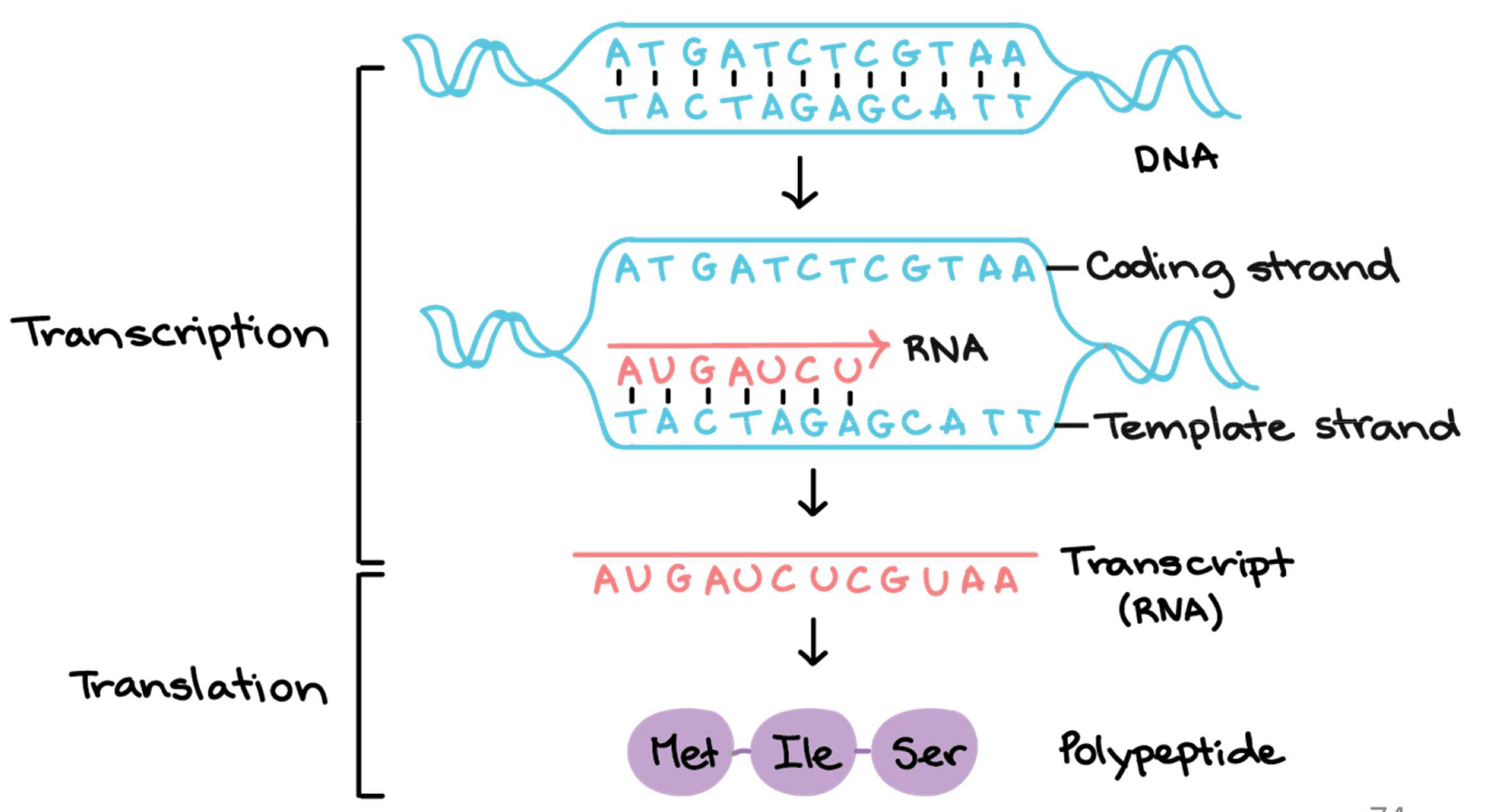
Transcription
the copying of a segment of DNA which codes for a specific protein
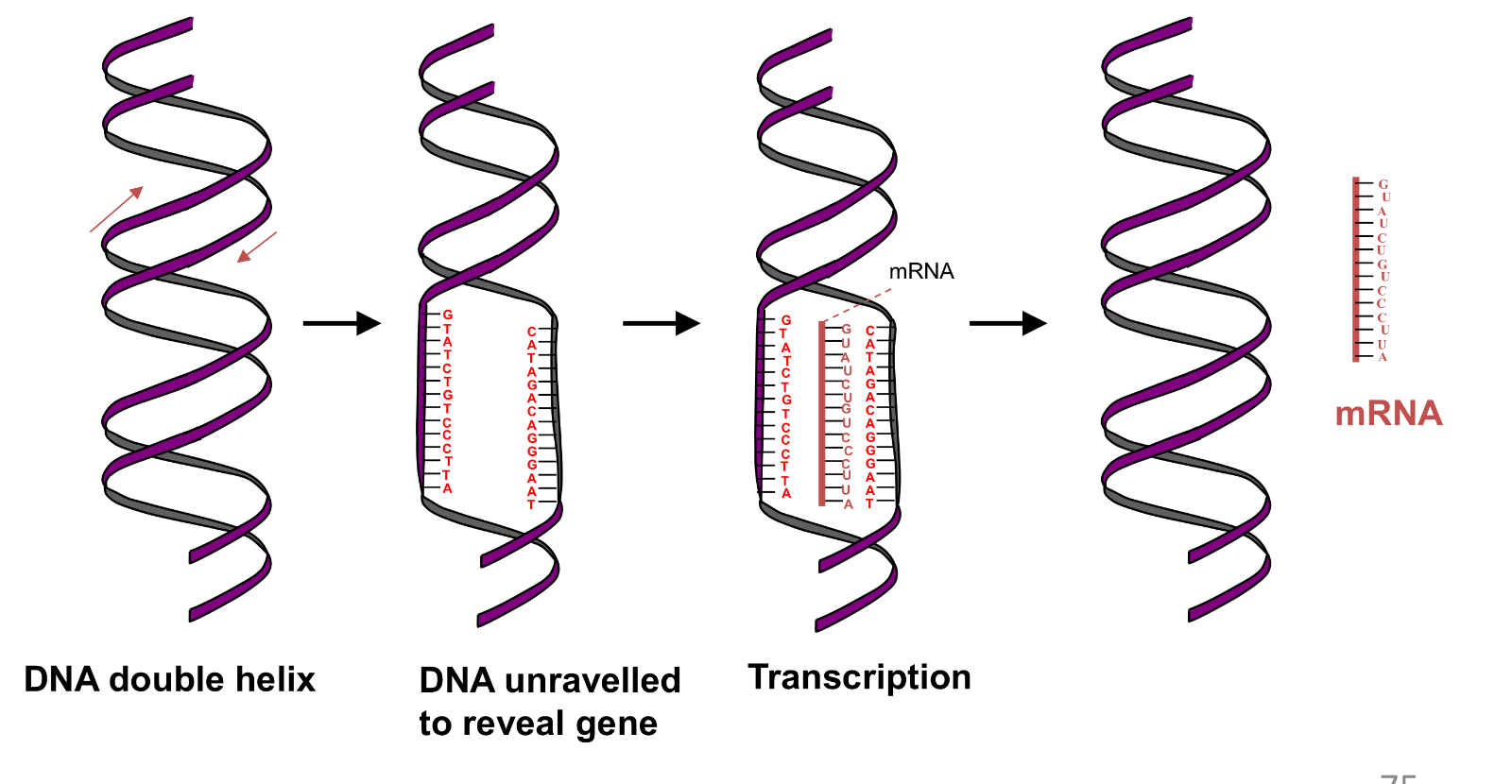
RNA polymerase
RNA polymerase attaches to the template DNA strand
catalyses production of complementary RNA
polymerases are large enzymes composed of approximately 12 subunits and when active on DNA, they are also typically complexed with other factors
Process of transcription
transcription initiation is when the RNA polymerase binds to the DNA upstream (5’) of the gene at a specialised sequence called a promoter
then the DNA double helix unwinds and RNA polymerase reads the template strand- strand elongation
adding nucleotides to the 3’ end of the growing chain
transcription continues until a terminator sequence
RNA polymerase reads the template strand
mRNA is therefore a complement of the template strand so it’s the same as the coding strand
mRNA transcripts
modification to the mRNA can occur where a middle section (intron) is removed
end regions (exons) are then spliced together
translation
the process of protein synthesis after transcription of DNA to RNA
mRNA is decoded in a ribosome outside the nucleus to produce a specific amino acid chain
the ribosome facilitates decoding
inducing the binding of complementary tRNA anticodons to the mRNA codons
the tRNAs carry specific amino acids that are chained together into a polypeptide as the mRNA passes through and is ‘read’ by the ribosome
anticodon
contains 3 bases that are specific for the attached amino acid base pairs to the complementary triplet codon on mRNA
codon
sequence of 3 DNA or RNA nucleotides that correspond to a specific amino acid or stop signal
stop codons
UAA
UAG
UGA
start codon
AUG
3 phases of translation
initiation
elongation
termination
Initiation
the ribosome assembles around the target mRNA
the first tRNA is attached at the start codon
elongation
the last tRNA transfers the amino acid it carries to the large ribosomal subunit which binds it to the previous one (transpeptidation)
the ribosome then moves to the next mRNA codon to continue the process creating an amino acid chain
termination
when a stop codon is reached, the ribosome releases the polypeptide
the ribosomal complex moves onto the next mRNA to be translated
translocation process
as the ribosome travels along the mRNA it reveals the triplet code
the growing chain is transferred to the new tRNA which enters at the aminoacyl ‘a’ site
the empty/ used tRNA leaves the peptidyl ‘p’ site
the ribosome can then move along the mRNA towards the next codon
a new tRNA can come and join up, but only if it has the correct anticodon for the codon on the mRNA
the empty/used tRNA leaves and the ribosome moves along and the new incoming tRNA can join
Genome
the entire genetic material present in the cell of an organism
genetic code
the rules used by living cells to translate information encoded within genetic material (DNA or mRNA sequences of codons) into proteins
genetics
branch of biology concerned with the study of genes, genetic variation and heredity in organisms
genetic inheritance
the transfer of traits from parents to offspring
first studied by Mendel
Mendel’s experiment
he crossed plants through cross-pollination by transferring the pollen the flower from one flower to another
he studied 7 traits of pea plants:
seed shape
seed colour
flower colour
flower position
pod shape
pod colour
stem length
dominant trait
a trait is expressed even if only one version is present
can have a homozygous genotype (2 dominant) or heterozygous genotype (1 dominant and 1 recessive)
recessive trait
trait is only expressed if both versions are present
only appear in homozygous genotypes
law of segregation
mendel concluded that each trait is controlled by discrete factors:
for every trait, there exist 2 such factors
these discrete factors get separated during gamete formation and so that every gamete gets only one of the 2 discrete factors
they join together as the gametes fuse to form a zygote
homologous chromosome
the pairs are identical in structure and composition
there are 22 pairs
non-homologous chromosomes
they have different compositions and structures
sex chromosomes are non-homologous
gene
a segment of DNA that codes for the synthesis of one particular protein
allele
the portion of a chromosome that carries a particular gene
you get one maternal one and one paternal one
genotype
the entire genetic makeup or all the alleles present in an individual
phenotype
the traits observed in an individual
epigenetic
any heritable changes in gene expression not caused by DNA sequence
mutation
change in the nucleotide sequence of the genome of an organism
how can mutations result
errors during DNA replication, mitosis or meiosis
damage to DNA or the repair pathway
insertion or deletion of segments of DNA due to mobile genetic elements
point mutations
substitution
insertion
deletion
substitution
one base is incorrectly added during replication and replaces the pair in the corresponding position on the complementary strand
insertion
one or more extra nucleotides are inserted into replicating DNA
deletion
one or more nucleotides is skipped during replication or otherwise excised
chromosomal mutations
inversion
deletion
duplication
translocation
inversion
one region of a chromosome is flipped and reinserted
translocation
a region from one chromosome is aberrantly attached to another chromosome
gene amplification
the number of tandem copies of a locus is increased
expanding trinucleotide repeat
the normal number of repeated trinucleotide sequences is expanded
causes of mutations
UV radiation
X-rays
cigarette smoke
HPV
polymorphism
variability between individuals
genetic disorder
a health condition caused by abnormalities in the genome
can be caused by a mutation in a single gene (monogenic) or multiple genes (polygenic) or by a chromosomal abnormality
autosomal dominant
inheritance of a mutation from 1 parent only is sufficient for the person to be affected
autosomal dominant disorder
produced by a single mutated allele even though the other allele is normal
autosomal recessive
mutated alleles have to be inherited from both parents in order for a person to be affected