Biochemistry Chapter 1-3
 Call Kai
 Learn
Learn Practice Test
 Spaced Repetition
 Match
Match Flashcards
 Knowt Play
1/164

There's no tags or description
Looks like no tags are added yet.
Name | Mastery | Learn | Test | Matching | Spaced | Call with Kai | Chat |
|---|
No analytics yet
Send a link to your students to track their progress
165 Terms
Smallest organisms
single cell, microscope
Larger multicellular organism
many cell, vary in shape size function
Plasma membrane
lipid +protein semipermeable membrane
Transport proteins
let specific things in/out
Receptor Proteins
signal transmission
Membrane enzymes
Reaction pathways
cytoplasm
everything inside the membrane
Cytosol
fluid part of membrane, contains small organic molecules (central metabolites)
Nucleoid
Bacteria/Archaea: no membrane around it
Nucleus
Eukaryotes, encolsed in double membrane
Lower size limit
minimum number is biomolecules needed to function
Upper size limit
diffusion, nutrients in, waste out
Three Domains of Life
Bacteria: single celled, no nuclear membrane, common environments
Archaea: single celled, no nuclear membrane, extreme environments
Eukarya: membrane bound organelles
Aerobic Habitat
plenty of oxygen, derive energy from transfer of electrons from fuel molecules to oxygen within cell
Anaerobic Habitat
devoid oxygen, microorganisms obtain energy by transferring electrons to N2, H2S, CO2
Photoautotroph
CO2 + light: dandilion
Photoheterotroph
organic compound + light: Heliobacteria
Chemoautotroph
CO2 + inorganic compound: hydrogen bacteria
Chemoheterotrophs
organic compounds + organic compounds: Humans
Cell envelope
plasma membrane + outer layers
Endoplasmic Reticulum/Golgi Complex
lipid/protein synthesis and processing
Peroxisomes
fatty acid oxidation
Lysosomes
digest cellular debris
Vacuoles
storage of organic acids
Actin filaments
thinnest, movement
Microtubules
help organism move/chromosomes
Intermediate filaments
structural support
Endomembrane system
segregates specific metabolic processes and provides surfaces for enzyme catalyzed reactions
Structural Hierarchy (small—> large)
Monomers, Macromolecules, Supermolecular Complexes, Organelles
Monomers
Nucleotides, amino acids, sugars
Macromolecules
Nucleic Acids, Proteins, Lipids, Carbs
Polymers with MW above 5,000
Supermolecular Complexes
Chromatin, Plasma membrane, cell wall
In vitro
studies cleaner can miss real cellular context
In vivo
crowded, other molecules interfere/interact
Goal of biochemistry
To understand the chemical basis of life by studying the structures, properties, and functions of biological molecules and the reactions they undergo.
Study of biochemistry
The study of the chemical substances and processes that occur in living organisms
Most abundant elements
C,N,O,H
Can form 1-4 bonds
Lighter elements, stronger bonds
Trace elements
Fe, Cu, Zn often needed for specific enzyme/proteins to function
Biomolecules
hydrocarbons + function groups swapped in for H
Methyl
CH3

Ethyl
C2H5

Phenyl
cyclohexene

Carbonyl (aldehyde)
COH

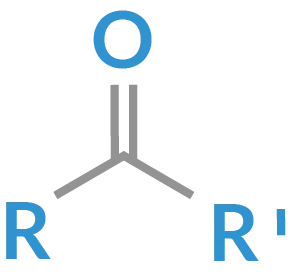
Carbonyl (ketone)
CO
Carboxyl
COO-
Hydroxyl
OH

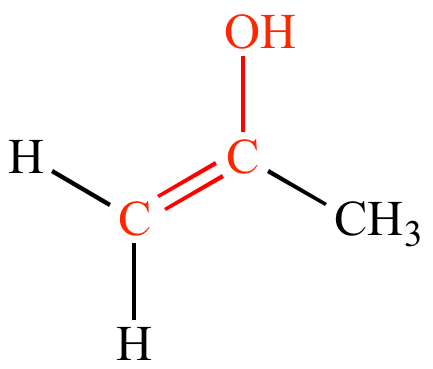
Enol
Ether

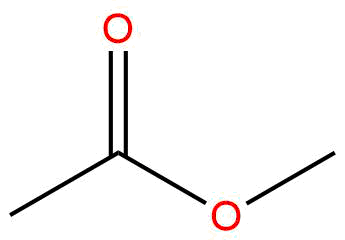
Ester
Acetyl

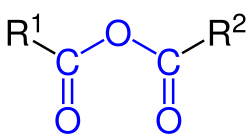
Anhydride
Amino
NH3+
Amido
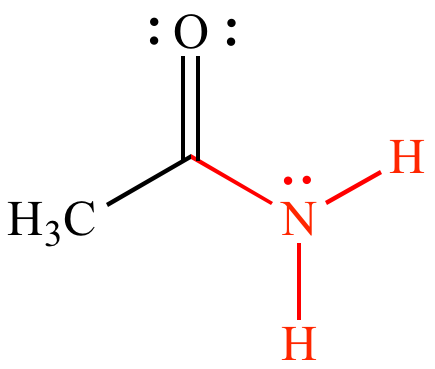
Imine

Guanidinium

Imidazole
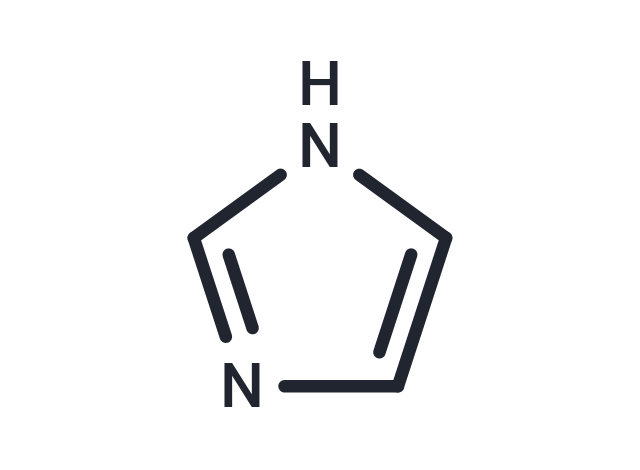
Sulfhydryl

Disulfide

Thioester

Phosphoryl

Cyano

Phosphoanhydride

Proteins
Monomer: amino acid
Function: enzymes, structure, transport, signaling
Nucleic Acids
Monomer: nucleotides
Function: store, transmit genetic info
Metabolome
full set of small molecules in a cell under given conditions
Polysaccharides
Monomer: Sugars
Function: energy storage, structure, cell regulation
Proteome
Sum of all proteins functioning in given cell
Genome
sequence of cells DNA
Informational Macromolecules
Proteins and Nucleic Acids
Configuration
Breaking covalent bonds, Fixed, Cis/Trans, chiral centers
Conformation
Free rotation around single bonds, freely, rotational states
Sterioisomers
molecules with same chemical bonds and formula but different configuration
Stereospecific
requiring specific configurations in interacting molecules
Geometric (cis/trans) isomers
form non rotating double bonds
Chiral centers
carbon bonded to 4 diff groups
enantiomers vs diasteromers
mirror image vs not mirrored
Stereospecificity
All amino acids (-Glycine) L, Glucose/Sugars D
Dynamic Steady State
concentrations stay constant, molecules constantly being replaced
Open system
exchanges energy and matter
Closed system
exchanges energy not matter
Isolated system
exchanges neither
Organisms obtain energy in 2 ways
oxidizing chemical fuels, absorb sunlight
Entropy
randomness/disorder of a system
Entropy Glucose Oxidation
Aerobic organisms extract energy from glucose from their surroundings and oxidize it
Entropy Information
Living organisms highly ordered, information rich and entropy poor
Gibbs Free Energy
Delta G = Delta H-TDeltaS
Entropy Teakettle
heat spontaneously spreads out and randomizes
Delta G Negative
Exergonic, release energy, spontaneous (ATP→ADP)
Delta G Positive
Endergonic, gain energy, non spontaneous (ADP→ATP)
Bioenergentics
study of energy transformation in living systems
Keq
How far reaction proceeds before stopping
Enzymes
Mostly proteins, determine how matter and energy are channeled into cellular activities
Metabolism
catabolism + anabolism
Catabolism
break down molecules, release energy, ATP NAD(P)H
Anabolism
Builds up molecules, requires energy, proteins, nucleic acids
Genetic continuity
living things reproduce with near perfect fidelity across billions of years
DNA replication
strands separate, act as template, build new complementary strand produce 2 identical double helicases,
DNA Repair
Damaged strand uses other template to repair nucleotides
DNA → Protein
DNA transcribed to RNA, RNA translated into amino acid chain