Cell size
 Studied by 0 people
 Call with Kai
 Learn
Learn Practice Test
 Spaced Repetition
 Match
Match Flashcards
 Knowt Play
1/20

There's no tags or description
Looks like no tags are added yet.
Name | Mastery | Learn | Test | Matching | Spaced | Call with Kai |
|---|
No study sessions yet.
21 Terms
cell size
high surface area to volume ratio is good
volume of a cube
l x w x h
length x width x height
surface area of a cube
2(lxw) + 2(lxh) + 2(wxh)
2(length x width) + 2(length x height) + 2(width x height)
if all sides are the same 6s2
volume of a cylinder
hπr2
(height)π(radius2)
surface area of a cylinder
2πrh + 2πr2
2π(radius)(height) + 2π(radius2)
volume of a sphere
4/3πr2
4/3π(radius2)
surface area of a sphere
4πr2
4π(radius2)
larger cells
more energy to function
more space for substances to travel and waste to be excreted
less efficient
lower SA:V ratio
smaller cell
less energy to function
less space for substances to travel and waste to be excreted
more efficient
higher SA:V ratio
surface area
determines the rate that substances enter or exit the cell
volume
determines the amount of nutrients and oxygen the cell needs and the amount of waste it produces
ratio formula
surface area/volume : 1
growth in cell
volume increases faster than surface area
volume is three dimensional, whereas surface area is two dimensional
lower SA:V ratio as size increases
decrease in SA:V ratio
decreases as size increase
volume increases faster than surface area
most desirable shape for high SA:V ratio
sphere for a large cell
irregular pattern (usually shaped in a splatter) because it has more surface area
high SA:V ratio
good
more effecient exchange of substances
low SA:V ratio
bad
less efficient exchange of substances
cell could die
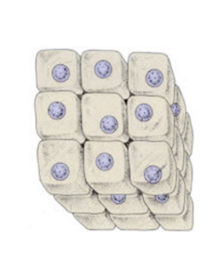
.
overall size is the same but the SA : VOL is larger
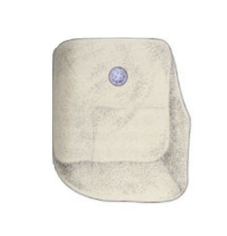
.
would die since it would not be able to get enough food or remove enough waste
long cells
high SA:V ratio
spherical cells
lower SA:V ratio
tend to be smaller