Swimming - 1st Sem PE
 Studied by 5 people
 Call Kai
 Learn
Learn Practice Test
 Spaced Repetition
 Match
Match Flashcards
 Knowt Play
1/22

There's no tags or description
Looks like no tags are added yet.
Name | Mastery | Learn | Test | Matching | Spaced |
|---|
No study sessions yet.
23 Terms
Freestyle stroke
The fastest and most efficient of the swimming strokes used in competition.
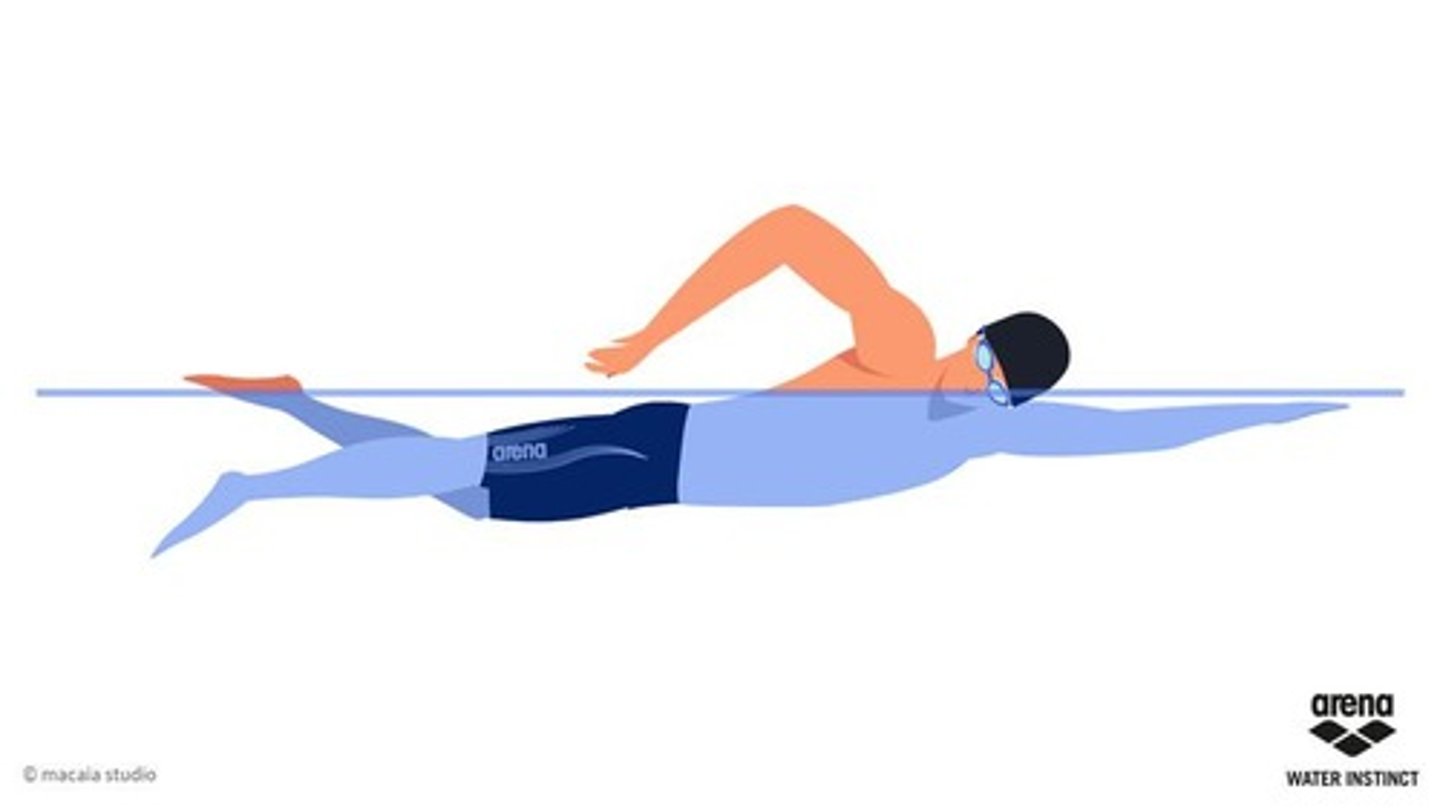
Front crawl
The freestyle stroke is also known as _____.
Breaststroke
A swimming stroke characterized by simultaneous arm movements followed by a frog-like kick.
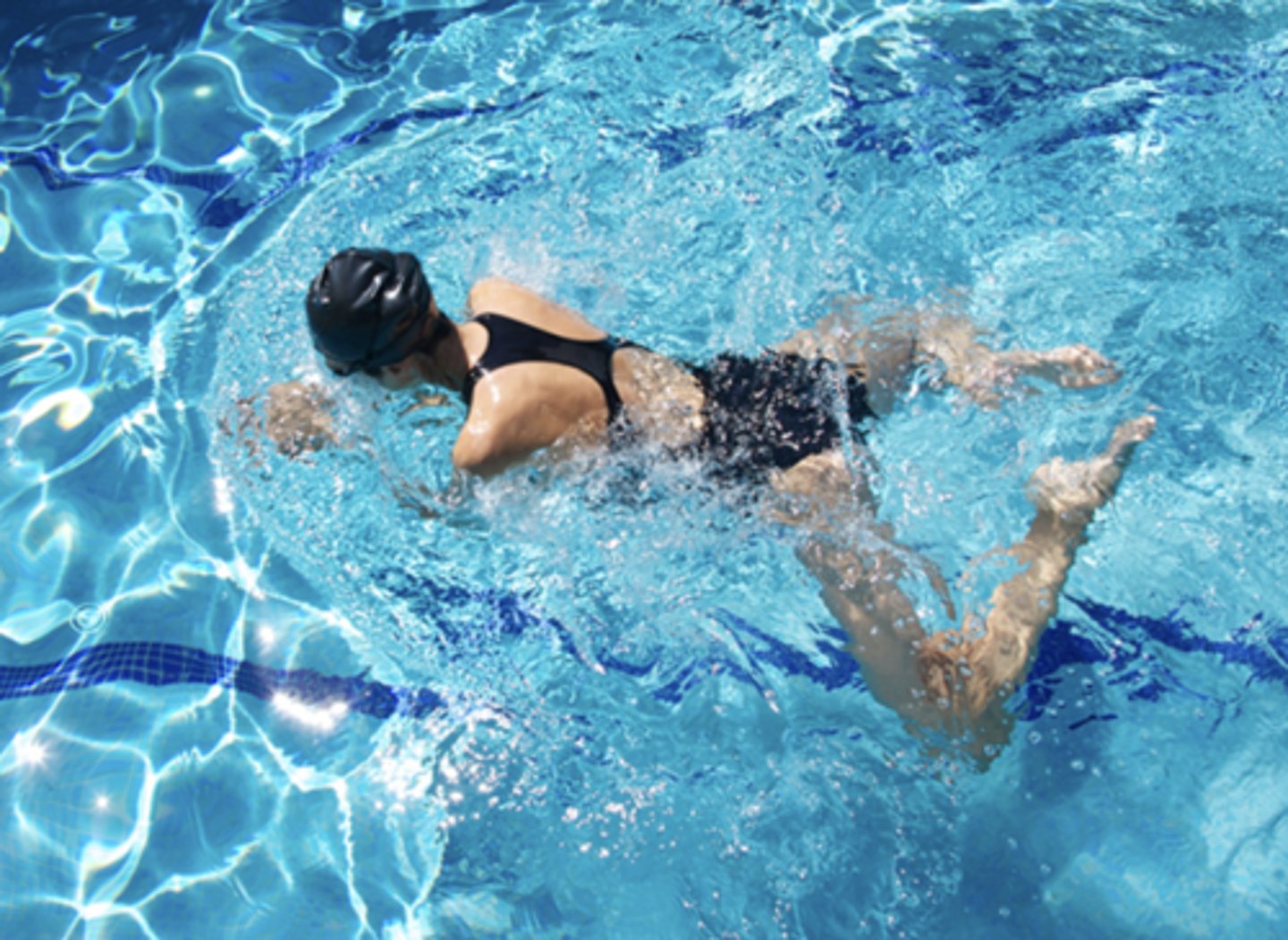
Breaststroke
A great way to work your lower body more than you do with other strokes.
Backstroke
Arms move alternately, one pulls underwater from overhead to hip, while the other recovers above water from hip to overhead.
Backstroke
Can help work your arms and shoulders in a different way from all of the forward-facing strokes.
Butterfly stroke
A challenging swimming technique characterized by a simultaneous arm movement and an undulating dolphin kick.
Butterfly stroke
The combination of strength and coordination and the hardest swimming stroke.
Streamline form
A form in swimming that is a body position that minimizes drag and maximizes efficiency.
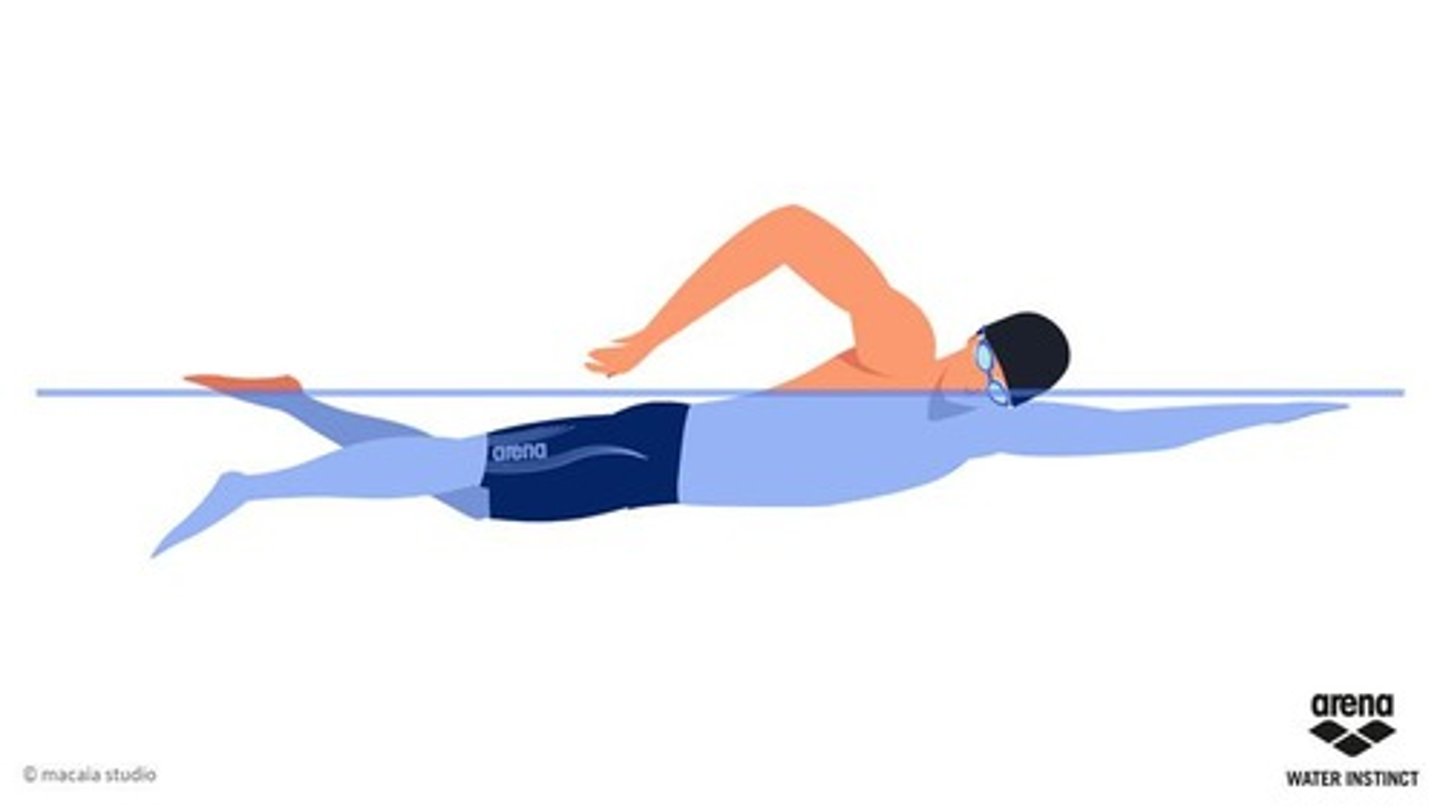
Freestyle
The most common stroke used in competitive swimming.
50 meters
A swimming event that is considered the shortest distance in competitive swimming.
4
In a relay race, how many swimmers are on each team?
Flip turn
The turn used in backstroke and freestyle events where the swimmer rotates in the water without touching the wall.
50 meters
The standard length of an Olympic swimming pool.
Fastest time
In competitive swimming, how is the winner of a race determined?
Breaststroke
The slowest of the four main competitive strokes.
Sculling
Gives a feel for moving through water and keeps you from sinking. It's an early safety skill beginners learn, yet expert synchronized swimmers and water polo players also depend on this.
Diving
One of the necessary swimming skills. When you begin, it may only involve putting your hands together above your head and curling forward until you fall in headfirst. As you progress, try jumping slightly and straightening your legs to enter the water smoothly.
Improved cardio health; Stronger muscles; No joint impact; Big calorie burns
Enumerate four (4) benefits of swimming for beginners:
ISNB
Improved Cardio Health
Swimming is a full-body workout that focuses on your heart and lung health, according to Harvard Health Publishing.
Stronger Muscles
Swimming also builds muscle from head to toe. The lats and back muscles in swimmers tend to be among the most developed. That bodes well for your posture.
No joint impact
Low-impact cardio workouts support your health without stressing sensitive joints and bones. But swimming isn't just low in impact, it involves zero impact.
Big calorie burns
A 185-pound person swimming laps vigorously can burn around 420 calories in 30 minutes, while a leisurely pace burns up to 252. Swimming is only part of the equation, losing weight also requires maintaining a calorie deficit.