AP GOV UNIT 1: foundations of american democracy
 Call Kai
 Learn
Learn Practice Test
 Spaced Repetition
 Match
Match Flashcards
 Knowt Play
1/99

There's no tags or description
Looks like no tags are added yet.
Name | Mastery | Learn | Test | Matching | Spaced | Call with Kai | Chat |
|---|
No analytics yet
Send a link to your students to track their progress
100 Terms
politics
the process of influencing the actions and policies of government
ex: citizens contacting their representatives to support or oppose a new law

government
the rules and institutions that make up the system of policymaking
ex: congress, the president, and the courts are all parts of the us government

democracy
a system of government where political power is held by the people
ex: citizens voting in elections to choose their leaders

direct democracy
a system where citizens vote directly on laws and policies instead of choosing representatives to make those decisions for them
note: this foundation is NOT adapted in the US due to the population size!!
ex: citizens voting directly on a ballot initiative
democratic republic
a system of government where people elect representatives to make decisions and govern on their behalf
ex: the united states is a democratic republic because voters elect members of congress to represent them
representative democracy
another term for democratic republic, where elected officials represent the people and make government decisions for them
ex: voters elect a senator to represent their state in congress
declaration of independence
the document that declared american independence from britain and expressed many of the ideals that influenced the american system of government

john locke
an enlightenment thinker whose ideas about natural rights and the social contract influenced the american system of government

natural rights
rights that people are born with and that cannot legitimately be taken away by the government
ex: life, liberty, and property are natural rights according to john locke
social contract
an agreement among people in society to give up some freedoms in exchange for government protection, order, and security
ex: citizens agree to follow laws and pay taxes while the government provides services and protects their rights
what is popular sovereignty
the principle that government authority comes from the people
ex: voters give elected officials power through elections

division of power
power in the government is divided between the branches; branches allowed to check one another to avoid one branch from being too powerful
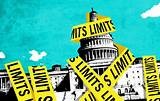
what is limited government
government can not do whatever it wants, but rather is constrained by a set of laws
ex: separation of powers, checks & balances, federalism, republicanism
federalism
sharing of power between the national and state governments
republicism
form of goverment when the citizens elect representatives to make laws
inalienable rights
rights that cannot be taken away
name the committee of five
thomas jefferson
john adams
benjamin franklin
roger sherman
robert livingston
gettysburg address
a 3-minute address by Abraham Lincoln during the American Civil War (November 19, 1963) at the dedication of a national cemetery on the site of the Battle of Gettysburg
participatory democracy
the theory that widespread political participation is essential for democratic government.
-they believed that civil involvement is important like joining civil society groups (an association outside of the government)

pluralist theory
the idea that government policy is shaped by competition among many different interest groups, with no single group always winning (government affiliated)
ex: environmental groups, oil companies, and local communities all lobby Congress over environmental regulations, and the government considers their competing interests
elitist theory
a theory of democracy that emphasizes the role of groups in the policy making process (government affiliated)
ex: wealthy corporations and major donors have more money and connections to influence lawmakers, so government policies may favor their interests

what were the articles of confederation
adopted by the second continental congress in 1777 and ratified in 1781, creating a weak government where states had most of the power
"league of friendship"
how was representation structured under the articles
each state had equal representation and one vote
what type of congress existed under the articles
a unicameral congress with one house
what branches of government existed under the articles
only a legislative branch with no executive or judicial branches
what did it mean that the states were sovereign
the states had most of the political power and controlled their own affairs
why was the federal government intentionally weak
the founders feared creating another powerful government like britain
what could the government not do under the articles
force laws, raise an army, or tax citizens
who controlled trade under the articles
the states

how many states had to approve an amendment to the articles
all 13 states
what was the annapolis convention & why was it unsuccessful
a 1786 meeting called to address trade problems between the states
unsuccessful bc only 5 states sent delegates
what did the annapolis convention call for
a larger convention in philadelphia to address the problems with the articles

why did some americans oppose changing the articles
they still feared giving the national government too much power
why did southern states fear a stronger government
they feared slavery could be restricted or outlawed
why did smaller states fear a stronger government
they feared larger states would overpower them
shays' rebellion
an uprising by struggling farmers in massachusetts led by daniel shays bc high taxes were used to help pay state debts & massachusetts did not lower taxes while farmers were struggling financially

what did shays' rebellion show about the articles
the national government was too weak to respond effectively to rebellion and could not easily bring states together to form a military
when and where did the constitutional convention take place
may 1787 with 55 delegates from 12 of 13 states
which state did not participate and why
rhode island because it was the smallest state
who was james madison and who led the convention
madison was first to arrive and is the father of the constitution, george washington was chosen president
what were the two major issues at the convention
representation and national government power while protecting individual freedom
which articles prohibits religious test as a condition for holding office
article vi
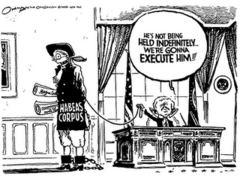
writ of habeas corpus
allows people detained by the government to know why they are being held "if you are being detained by the govt., you have the right to know why"
i. only for rebellion can they only suspend this right
bills of attainder
when the legislature declares someone guilty without a trial

ex post facto laws
punishing people for acts that were not crimes at the time they were committed
i. cannot hold a trial without jury

why was representation a major issue
small states feared losing representation while large states feared being underrepresented
what was the virginia plan
james madison's plan with 3 branches and a bicameral legislature, larger states had more representation, lower house elected by people, upper house nominated by state legislatures and chosen by lower house

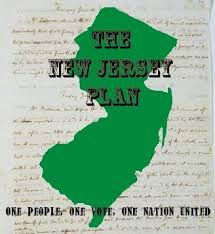
what was the new jersey plan
william patterson's plan with a unicameral legislature and one vote per state
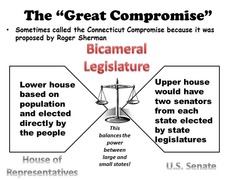
what was the great compromise
bicameral legislature with lower house representation based on population and upper house with equal representation for each state
what were the slavery compromise
3/5 compromise counted slaves as 3/5 of a person for representation, compromise on importation prevented restricting the slave trade until 1808
what does the preamble explain and what is separation of powers
the preamble explains why the country is building a government and separation of powers divides government into three branches
what does article i establish
the legislative branch or congress which makes laws and was made more powerful than the unicameral legislature under the articles of confederation
why is article i so detailed
congress was made more powerful and both houses must work together to pass laws
what are enumerated or expressed powers
powers specifically granted to a branch of government in the constitution
what are congress's enumerated powers
congress can borrow money, tax, regulate interstate commerce, declare war, and override vetoes
what is the necessary and proper clause
it gives congress the power to make laws necessary to carry out its enumerated powers such as making laws that help it levy taxes
what are implied powers
authority of the federal government that goes beyond its expressed powers
ex: Congress creating a national bank
what does article ii establish
the executive branch with a single executive who serves a four year term
what is the president's main job
to carry out laws passed by congress
what are the president's powers
the president can veto laws serve as commander in chief oversee execution of laws through the bureaucracy and make treaties
how is the president selected and why are powers shared with congress
the president is indirectly elected by the people through the electoral college and many powers are shared with congress to prevent tyranny
what does article iii establish
the judicial branch and federal court system including the supreme court which is the highest court in the land
who determines the lower federal court structure
congress
what disputes can federal courts handle
disputes between states and the national government between two or more states and between citizens of different states
what does article iv cover
federalism and the relationship between the states
what does article v cover
the amendment process which was intentionally made slow and difficult so the constitution could not be easily changed
how can an amendment be proposed
congress can propose and pass one or a constitutional convention can be called by two thirds of the states
how is an amendment ratified and how many have there been
three fourths of the states must approve it and the constitution has been amended 27 times
what do articles vi and vii establish
article vi says the constitution is the supreme law of the land and article vii covers ratification which required 9 of 13 states
what was the uncertain future of the constitution
there would be debate and difficulty getting 9 states to ratify the constitution
what was required for ratification
9 of 13 states
who were the federalists
supporters of the constitution as written who pointed out problems with the articles of confederation
who were the anti-federalists
people who wanted changes to the constitution because they feared the government would not protect people's rights
what were the federalist papers
85 essays written under the name publius and published only in new york
who wrote the federalist papers
james madison, john jay, and alexander hamilton
why are the federalist papers important
they are one of the most important collections of papers in us history
what were the central disputes over ratification
large republics, state vs national power, and the absence of a bill of rights
why did anti-federalists oppose increased national power
they believed states were losing powers they had under the articles of confederation
who wrote federalist no 10
james madison
what is a faction
a group with a common interest that is against citizens' rights
what did federalist no 10 argue about factions
factions are inevitable, harmful to democracy, can tear the country apart, and majority factions can abuse minority rights
why can't factions be eliminated
eliminating them would destroy liberty, and people cannot be convinced to put common interests above individual interests
what should the government do about factions
control them instead of eliminating them
why is a large republic best for controlling factions
it creates a larger pool of qualified candidates who focus on public goods over petty local interests
what were antifederalist fears about national power
national consolidation, expanding government power, taxation, and military power
why did antifederalists fear distant representation
representatives would be too far away and disconnected from their constituents
why did antifederalists fear the necessary and proper claus
it could let congress create laws to carry out its powers, expanding national power
who wrote brutus no 1 and what did it express
robert yates of new york, expressing antifederalist opinions
what did madison believe about people and officials
people are self interested, so government officials will also be self interested
how can self interest prevent tyranny
power must be used to check power
how does government divide power to protect liberty
branches check each other and federal and state governments divide authority
how does federalist no 51 protect liberty
divided power gives liberty multiple protections
what is federalism and how does it divide government power
federalism is the division of power between the national government and the states, with the constitution dividing authority between the two levels
what are the three systems of government based on how power is divided
unitary, confederal, and federal systems
unitary systems
a system where the central government exercises authority over subnational governments, such as the united kingdom and china
ex. UK and China
confederal systems
a system where subnational governments have more power than the national government
ex. articles of confederation
federal system
a system where power is divided between state and national governments, with each level retaining some exclusive powers and having some powers denied to it
ex. mexico and us
what are enumerated powers and where are they found
powers specifically listed and described in the constitution, mainly in article i, section 8, including coining money, declaring war, raising and supporting an army and navy, making treaties, providing for naturalization of citizens, and regulating interstate and foreign commerce
what are implied powers and what clause gives congress these powers
powers not specifically granted to the federal government but considered necessary to carry out its responsibilities, provided through the necessary and proper clause, also called the elastic clause
what powers are denied to the national government
the national government cannot pass bills of attainder, pass ex post facto laws, suspend the writ of habeas corpus, admit new states without the consent of the territory's residents, or impose taxes on goods and services between the states