pcb4143 exam 1
 Call Kai
 Learn
Learn Practice Test
 Spaced Repetition
 Match
Match Flashcards
 Knowt Play
1/161

There's no tags or description
Looks like no tags are added yet.
Name | Mastery | Learn | Test | Matching | Spaced | Call with Kai | Chat |
|---|
No analytics yet
Send a link to your students to track their progress
162 Terms
protein structure
carboxyl group, alpha carbon, amino group, hydrogen, and R group
L- amino acid
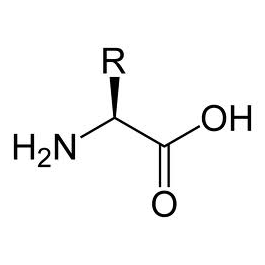
D-amino acid

what affects how hydrophobic an amino acid is
larger R group
what functional groups do acidic amino acids have
carboxylic group
what functional group do basic amino acids have
amino group
dehydration/condensation
amino acids linked together into linear polymers
what kind of bond does dehydration form
peptide bond (C-N covalent)
which bonds are covalent
peptide and disulfide
which bonds are non-covalent
hydrogen, ionic, vanderwaals
what bonds are in primary structure
peptide bonds
what bonds are in secondary structure
hydrogen bonds between NH and CO groups of peptide bonds
what bonds are in tertiary structure
disulfide, hydrogen, ionic, vanderwaals in R groups
what bonds are in quaternary structure
disulfide, hydrogen, ionic, vanderwaals
what direction are amino acid sequences written
N-terminus to C-terminus
where is the H bond of an alpha helix
CO group of one amino acid and NH group of 2nd amino acid
Cell theory
all living organism are made of one or more cells
the cell is the basic unit of all organisms
all cells come from pre-existing cells
cells contain genetic information
Nucleic acid monomer
nucleotide
nucleotide structure
phosphate, pentose sugar, nitrogenous base
nucleic acid bonds
3’-5’ phosphodiester bond
where do phosphodiester bonds occur
sugar-phosphate backbone
carbohydrate bond
glycosidic
carbohydrate function
energy, structure, cell recognition, linkage orientation
antiparallel
polypeptides have opposite polarity (relative to n and C termini) in parts forming beta sheet
fibrous proteins
highly ordered, repetitive, structural
globular proteins
folded in compact structures
prion proteins
diseased proteins, turn from multimeric from monomeric
linear polymers of nucleotides
deoxyribose nucleic acid
ribonucleic acid
nucleoside
nitrogenous base, no phosphate group
structural difference in RNA and DNA
RNA- OH group on carbon 2,
DNA- H on carbon 2
polysaccharides
long chain polymer of sugar and sugar derivatives
storage polysaccharides
starch and glycogen
structural polysaccharides
cellulose
sugar
aldehyde or ketone with two or more hydroxyl groups
alpha d glucose
unit of starch and glycogen
alpha D glucose structure
OH group points downward on C1
Beta D glucose
unit of cellulose
beta d glucose unit
OH group pointed up on C1
what reaction forms disaccharides
condensation reaction
fatty acids
long, unbranches hydrocarbon chain with carboxyl group head
triacylglycerol
storage lipids
triacylglycerol structure
glycerol molecule and 3 fatty acids
glycerol
3 carbon alcohol w hydroxyl
phospholipids
membrane structure & lipid bilayer
phosphoglycerides
2 fatty acids + glycerol + phosphatic acid
sphingolipids
2 fatty acids + sphingosine + phosphatic acid
glycolipids
specialized membrane components
outer monolayer of plasma membrane
steroids
type of lipid derived from 4-ringed hydrocarbon skeletons
steroid properties
mostly nonpolar, hydrophobic, cholesterol monomer
steroid function
signaling
ribozymes
catalytic RNAs
competitive inhibitor
competes with substrate binding at active site, depends on substrate concentration
noncompetitive inhibitor
changes enzyme activity/conformation and reduces functional enzyme capacity
competitive inhibitor kinetic result
Km increase, Vmax unchanged
noncompetitive inhibitor kinetic result
Vmax decrease, Km unchanged
Vmax
rate of reaction with enzyme activated
Km
amount of substrate needed to reach half of vmax
substrate-level regulation
depends on interactions of substrates and products with an enzyme to change reaction rate
correlation between substrate levels and reaction rate
positive correlation
correlation between product concentration and reaction rate
inverse correlation
feedback inhibition
end product inhibits earlier enzyme
allosteric inhibition
regulator enzyme binds at location separate from active site
shifts enzyme toward more/less active conformation
reversible covalent modification
addition/removal of group (phosphorylation, methylation, acetylation)
irreversible covalent modification
proteolytic cleavage to activate zymogens
prokaryotic cell
bacteria, archea (unicellular)
eukaryotic cell
consist of plasma membrane, nucleus, membrane bound organelles, cytosol interlaced by cytoskeleton
cytoplasmic streaming
active movement of cytoplasmic components
vesicles
transported along microtubules to move molecules
what organelles have double membranes
nucleus, chloroplast, mitrochondria
similarities between mitochondria, chloroplasts, and bacteria
circular dna, synthesize RNA and proteins, similar RNA sequences, ribosome size, inhibitor sensitivities, mitochondria and chloroplast double membranes
endosymbiont theory
explains how complex eukaryotic cells evolved from simpler prokaryotic microbes by engulfing them
endomembrane system
endoplasmic reticulum, golgi, lysosome, peroxisome
smooth ER
lipid synthesis and detoxification
rough ER
protein synthesis thru ribosomes
golgi body
process & pack secretory proteins for glycosylation
lysosomes
stores hydrolases for digestion of biological molecules
peroxisome
oxidizes long chain fatty acids
vacuoles
temporary storage in animals, water storage in plants to maintain turgor pressure
ribosomes
synthesize proteins in cytoplasm
cytoskeleton
provide structure to cytoplasm thru interconnected proteinaceous structures
extracellular matrix
gives physical support to cell
what makes up the extracellular matrix in animal cells
collagen fibrils and proteoglycans
what makes up the extracellular matrix in plant cells
cellulose microfibrils
virus cells
DNA or RNA surrounded by protein coat
fluid mosaic model
2 fluid layers of lipids with proteins within and on the layers
microdomains/lipid rafts
localized regions of membrane lipids involved in cell signaling
bind to and concentrate proteins at certain position on the membrane to lower fluidity
what is the fluid part of the fluid mosaic model
membrane lipids
what lipids make up a membrane
phospholipids, glycolipids, sterols
how does cholesterol affect the membrane
buffers fluidity based on temperature and lowers permeability
Tm
temperature at which a membrane shifts between gel and fluid states
membrane asymmetry
lipids are distributed unequally between two monolayers
transverse diffusion
hydrophilic head group passes thru hydrophobic interior of membrane to flip-flop
what are the factors that affect membrane fluidity
temperature
fatty acid structure
amount of sterols
how does temperature affect membrane fluidity
positively correlated
how does fatty acid structure affect membrane fluidity
more saturation = less fluidity
pack together more tightly
how does length of hydrocarbon tail affect membrane fluidity
inversely correlated
how do sterols affect membrane fluidity
positively correlated, prevents phospholipids from packing too closely
how do cholesterols affect membrane fluidity at temperatures above Tm
decrease fluidity
how do cholesterols affect membrane fluidity at temperatures below Tm
increase fluidity
where are cholesterols and glycosphingolipids most concentrated
outer monolayer